Appendectomy
This surgery is the open surgical excision of the vermiform appendix through a McBurney's or similar abdominal incision. The procedure focuses on the ligation of the mesoappendix and the removal of the organ from the base of the cecum.
24 instruments to master.
Master this setup: test yourself on every instrument, earn the tier, hold the record.
No site record yet · target 8:55
Study flashcards
Card by card, grade yourself · 24 cards
Practice test
Answer, see why · all 25
Take the exam
25 questions · target 8:55
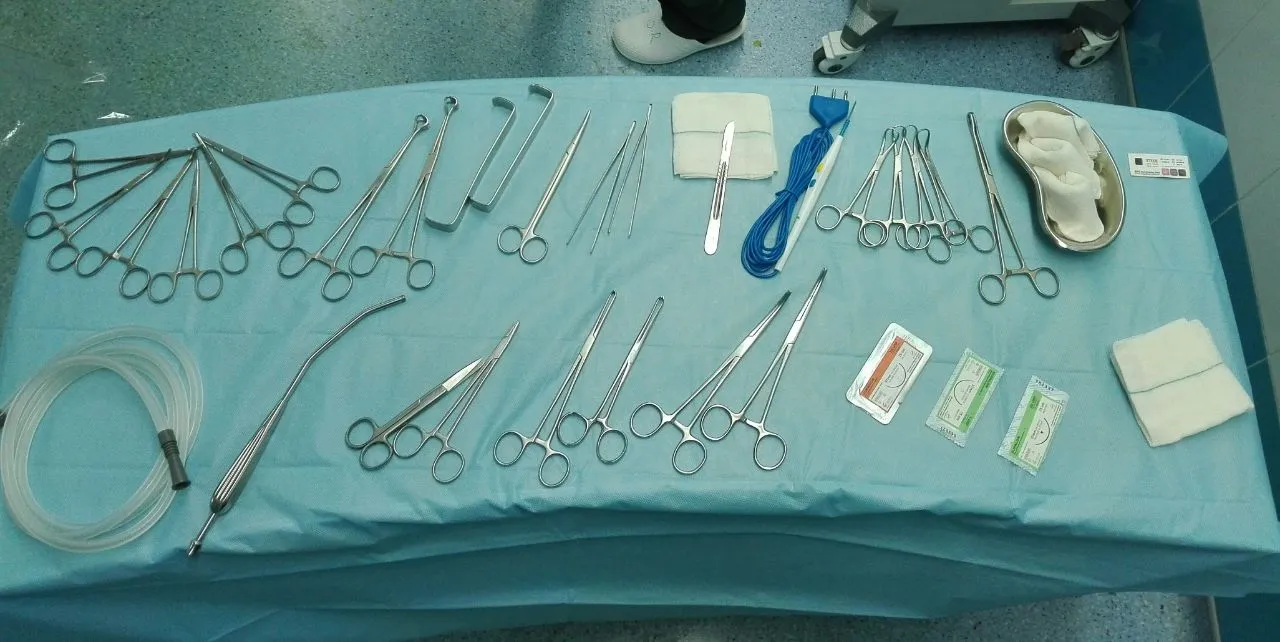
Surgical instruments
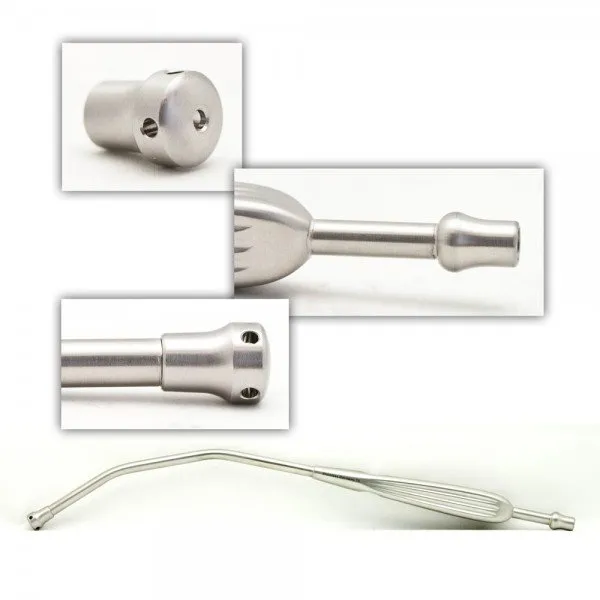
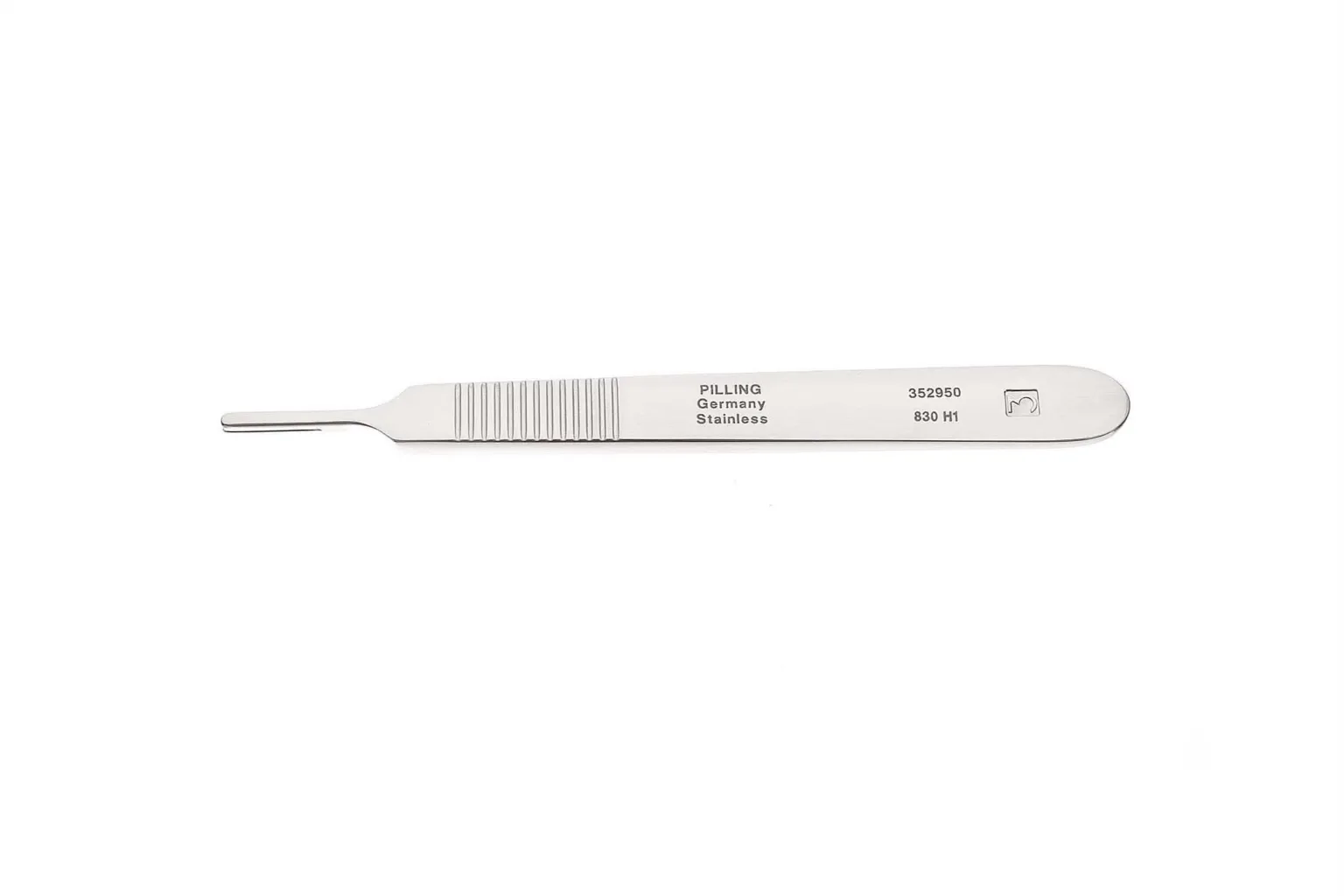
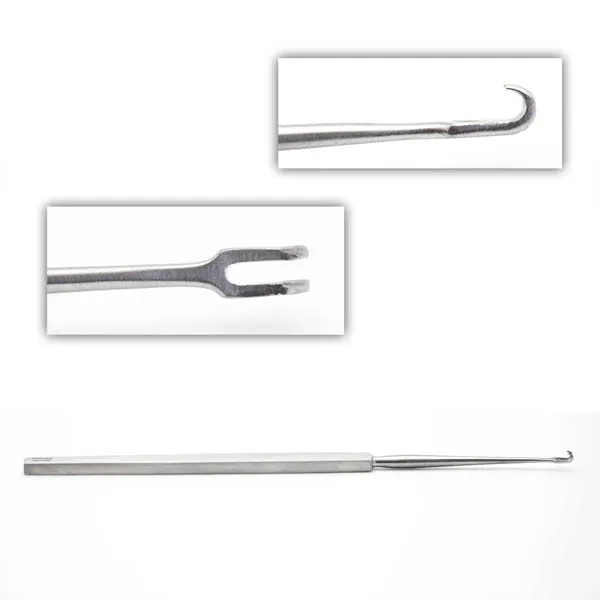
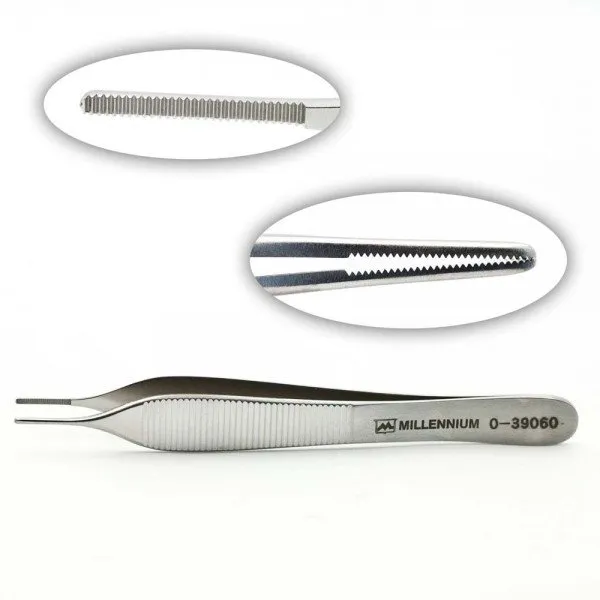
24 on this table. Tap a photo to zoom, the name for its card.
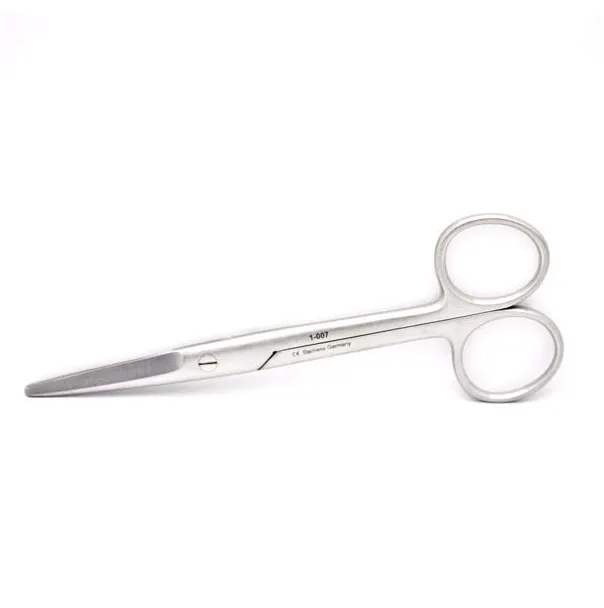
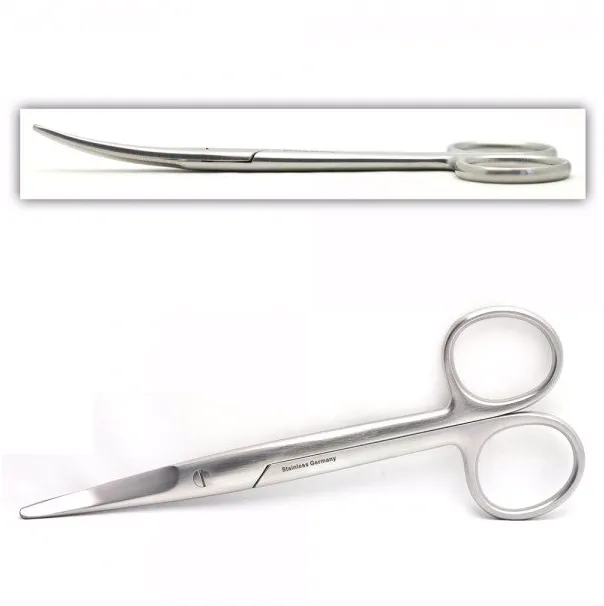
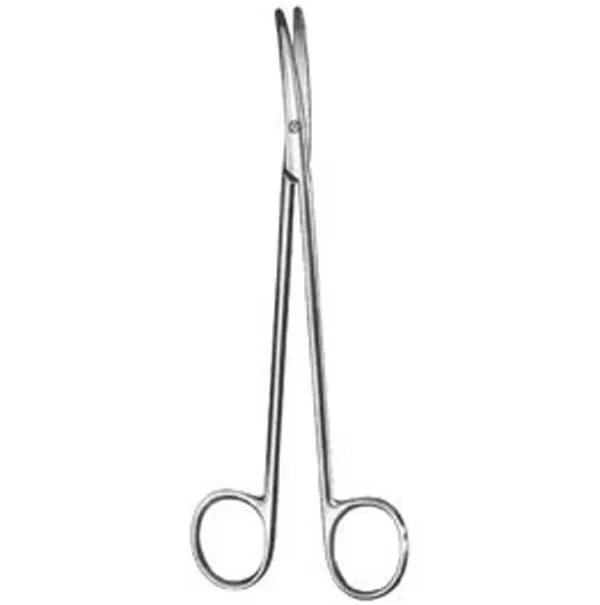
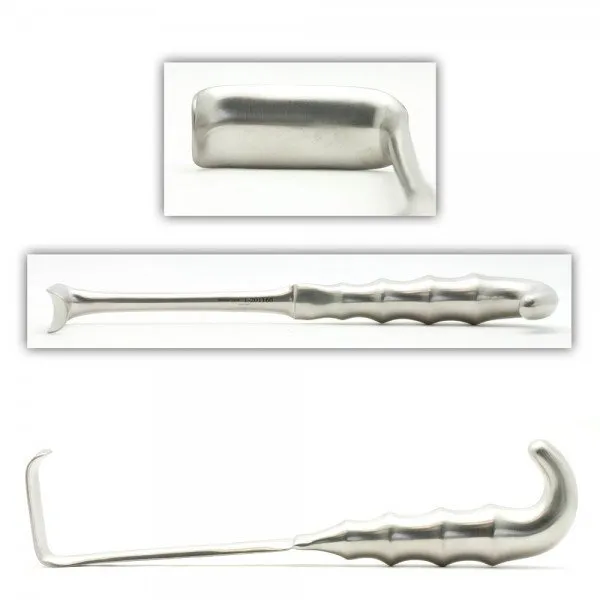
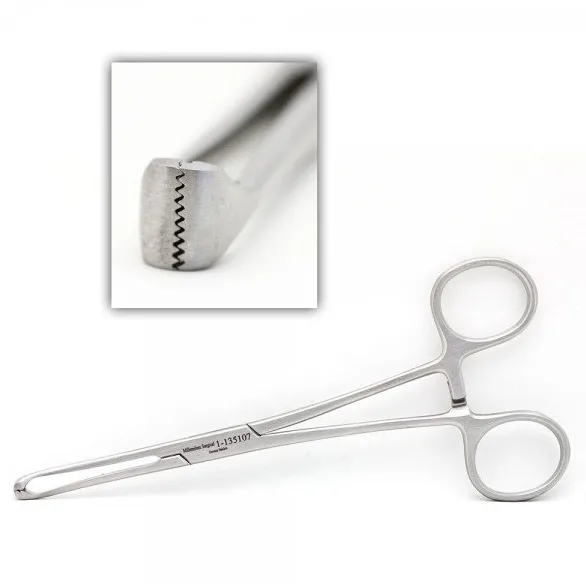
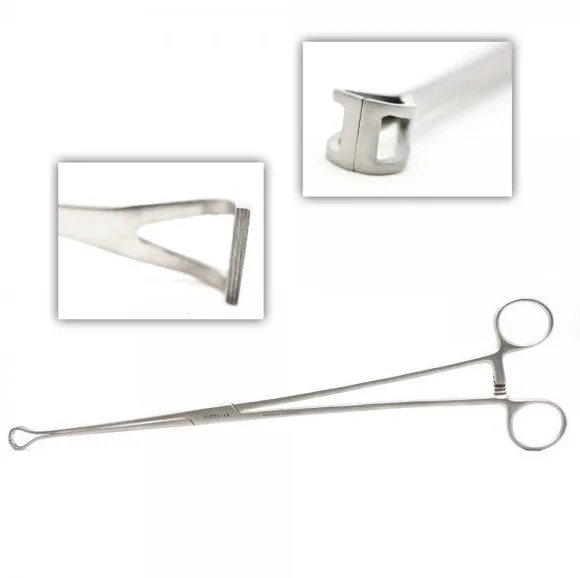
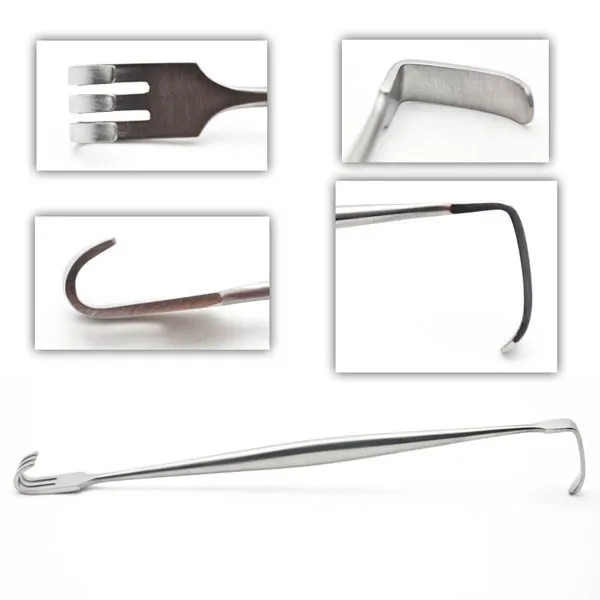
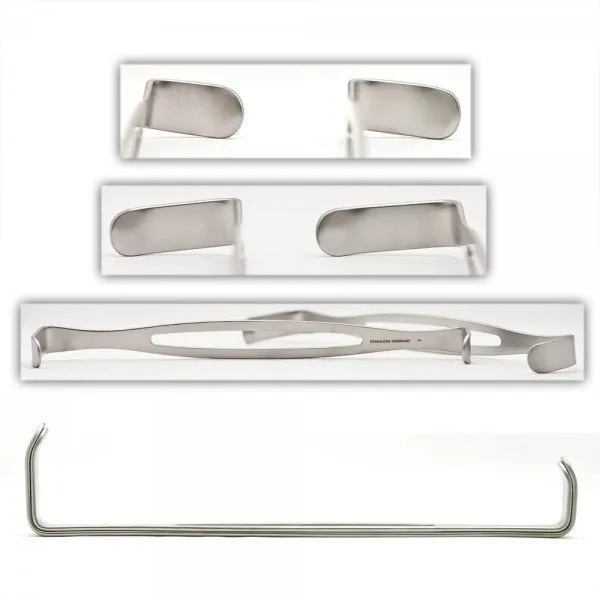
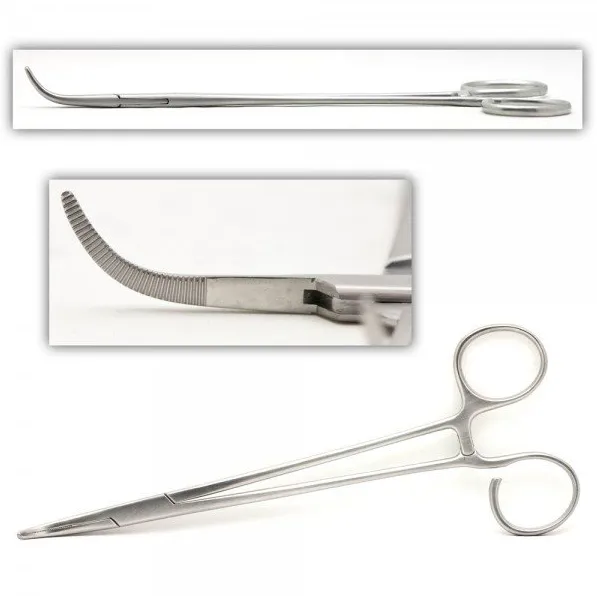
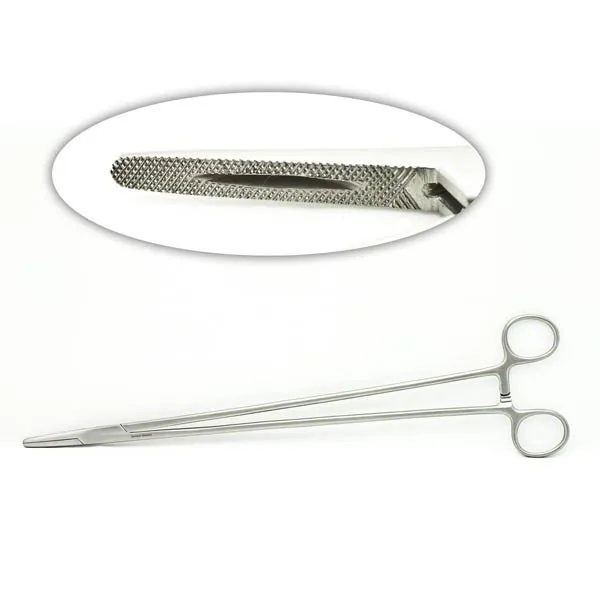
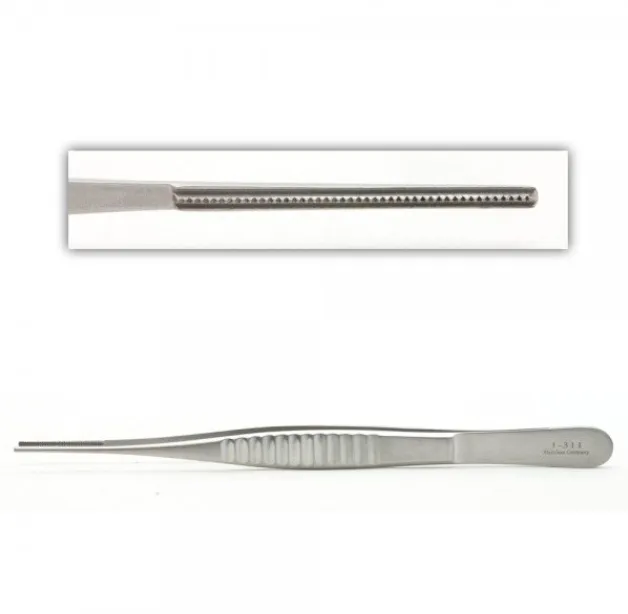
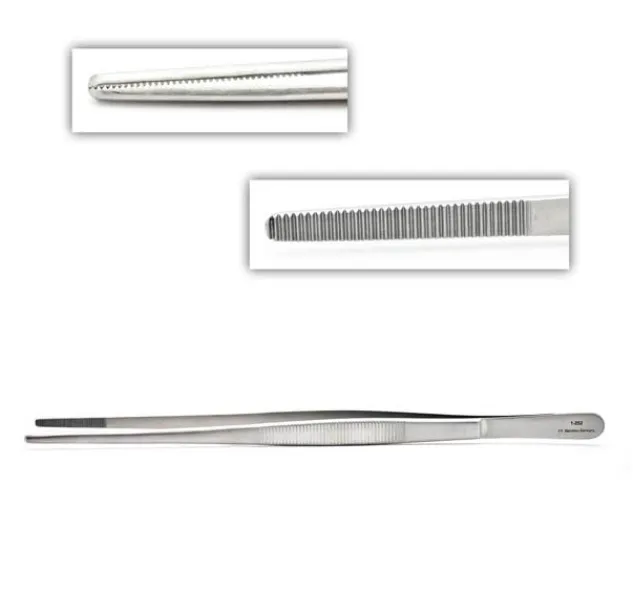
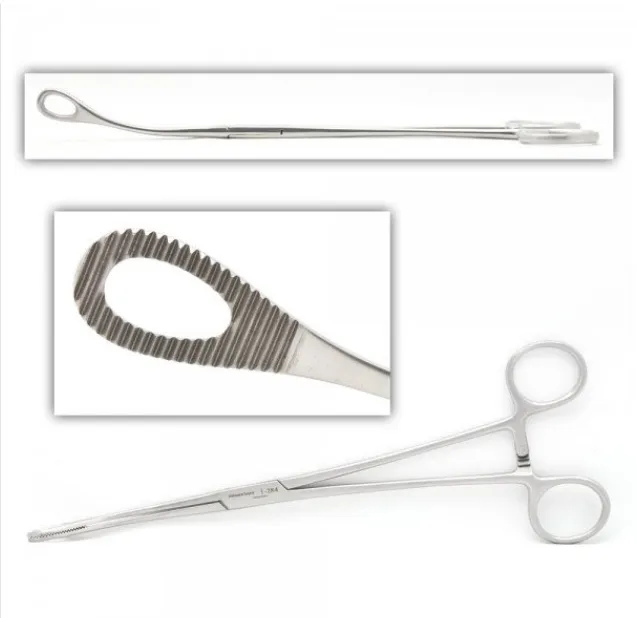
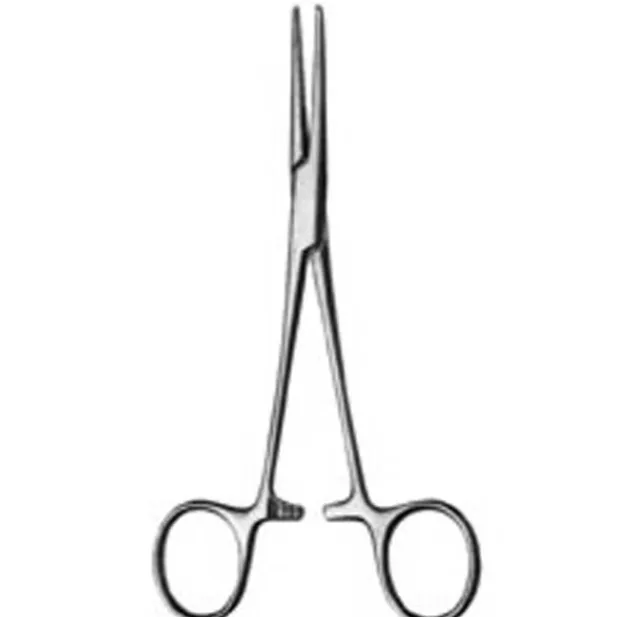
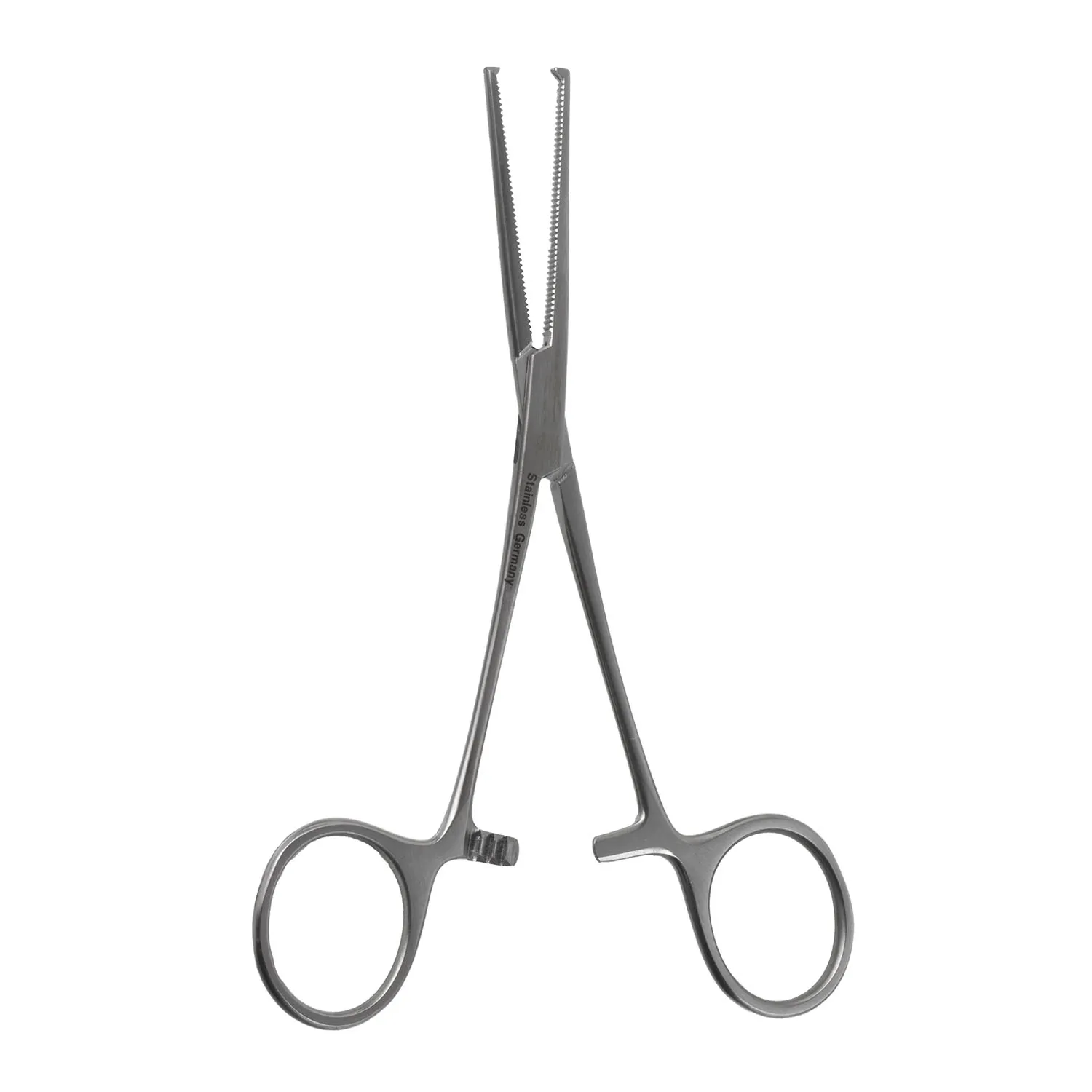
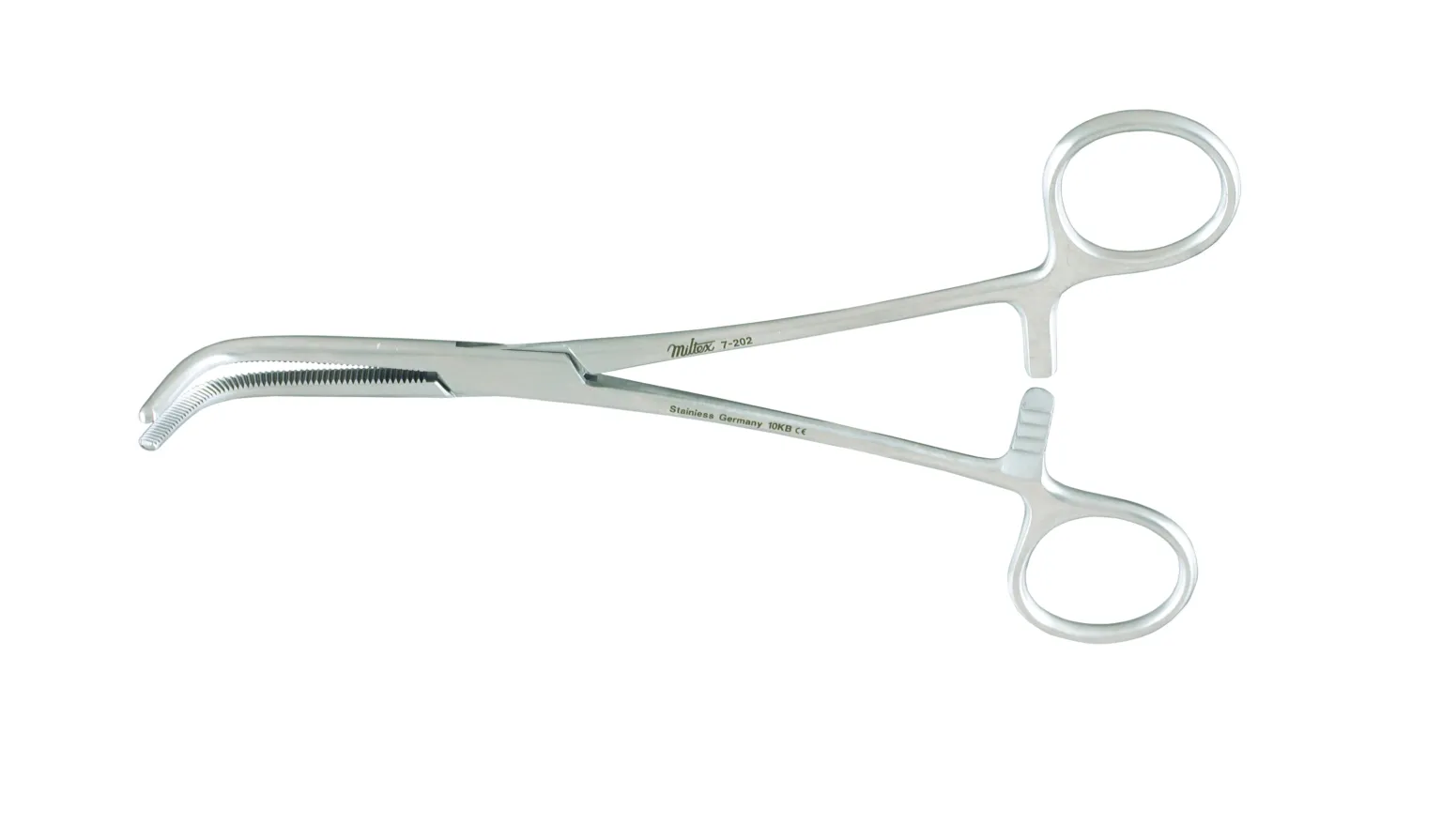
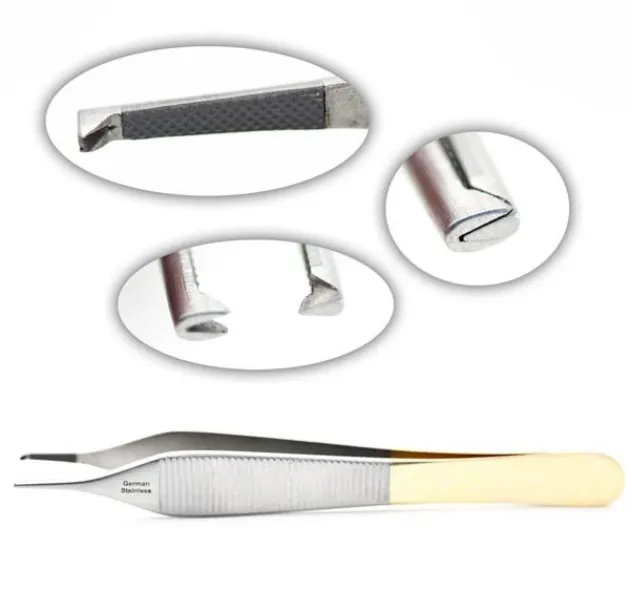
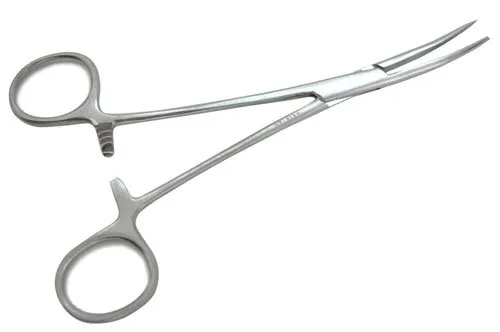
The case
Spark notes
The 30-second rundown. Scan this outside the room.
- Make McBurney incision using 15 blade.
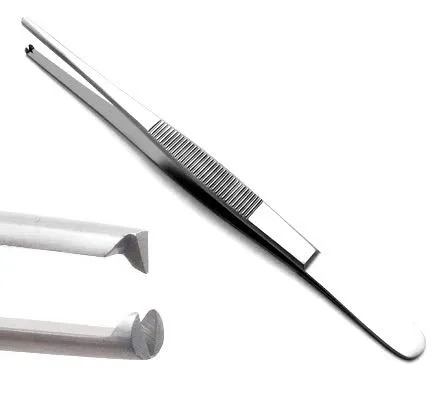
- Hand instruments to surgeon: bovie, metzenbaum scissors, DeBakey pickups, toothed pickups, tonsils, hemostats, Army-Navys or small Richardsons.
- Assist surgeon in retraction using necessary instruments.
- Ligate vascular structures, remove appendix using scissors, harmonic scalpel, or stapler.
- Closure: Mayo begat needle driver, DeBakey pickups, adsons with teeth, straight Mayo scissors, vicryl suture for deepest layer, non-absorbable suture like nylon or monocryl for skin.
Walkthrough
What the surgeon does, and what to have in your hand before they ask.
Making the Incision
The surgeon will typically make a McBurney incision in the lower right abdomen using a 15 blade loaded onto a #3 knife handle. Once the incision is made, the surgical technologist will hand the necessary instruments to the surgeon. The surgeon will then use the bovie, metzenbaum scissors, DeBakey pickups, toothed pickups, and tonsils to dissect down to the appendix. The hemostats may also be used to control any bleeding.
Retraction
For retraction, a small incision will most likely require Army-Navys or small Richardsons. The surgical technologist must be ready to hand over the required instrument at the right time to assist the surgeon in the retraction of tissue to gain access to the appendix.
Ligation and Removal of Appendix
Once the appendix is found, the surgeon will use a free tie to ligate any possible vascular structures. An absorbable suture such as Vicryl or silk will then be tied at the base of the appendix, and the appendix will be removed using scissors, harmonic scalpel, or a stapler. The surgical technologist must be ready to hand over the required instrument at the right time to assist the surgeon in the removal of the appendix.
Closure
Closure will then begin with a Mayo begat needle driver, DeBakey pickups, adsons with teeth, and straight Mayo scissors after irrigating the incision, and proceed in layers until the skin is reached last. The deepest layer will be closed using usually a vicryl suture, and the skin is usually closed using a non-absorbable suture such as nylon or monocryl that can be taken out a couple of weeks/days later after healing. The surgical technologist must be ready to hand over the required instrument at the right time to assist the surgeon in closing the incision.
Tips and tricks
Cultures may be taken, so test tubes should be available for that. Any instruments that are touching the appendix when it is removed should be kept in a separate area to avoid contaminating the rest of the sterile field.
All of the cords and suction will be passed off after draping the patient. The surgeon will stand on the side where they are making an incision, and the tech will be on the opposite side with their Mayo stand and table.
Add your table
Every surgeon runs it a little differently. Submissions stay private, are reviewed by our team, and accepted contributions earn a credit in the contributor list.