Thyroidectomy
The partial or total surgical excision of the thyroid gland to treat nodules, hyperthyroidism, or malignant tumors within the neck.
20 instruments to master.
Master this setup: test yourself on every instrument, earn the tier, hold the record.
No site record yet · target 7:32
Study flashcards
Card by card, grade yourself · 20 cards
Practice test
Answer, see why · all 21
Take the exam
21 questions · target 7:32
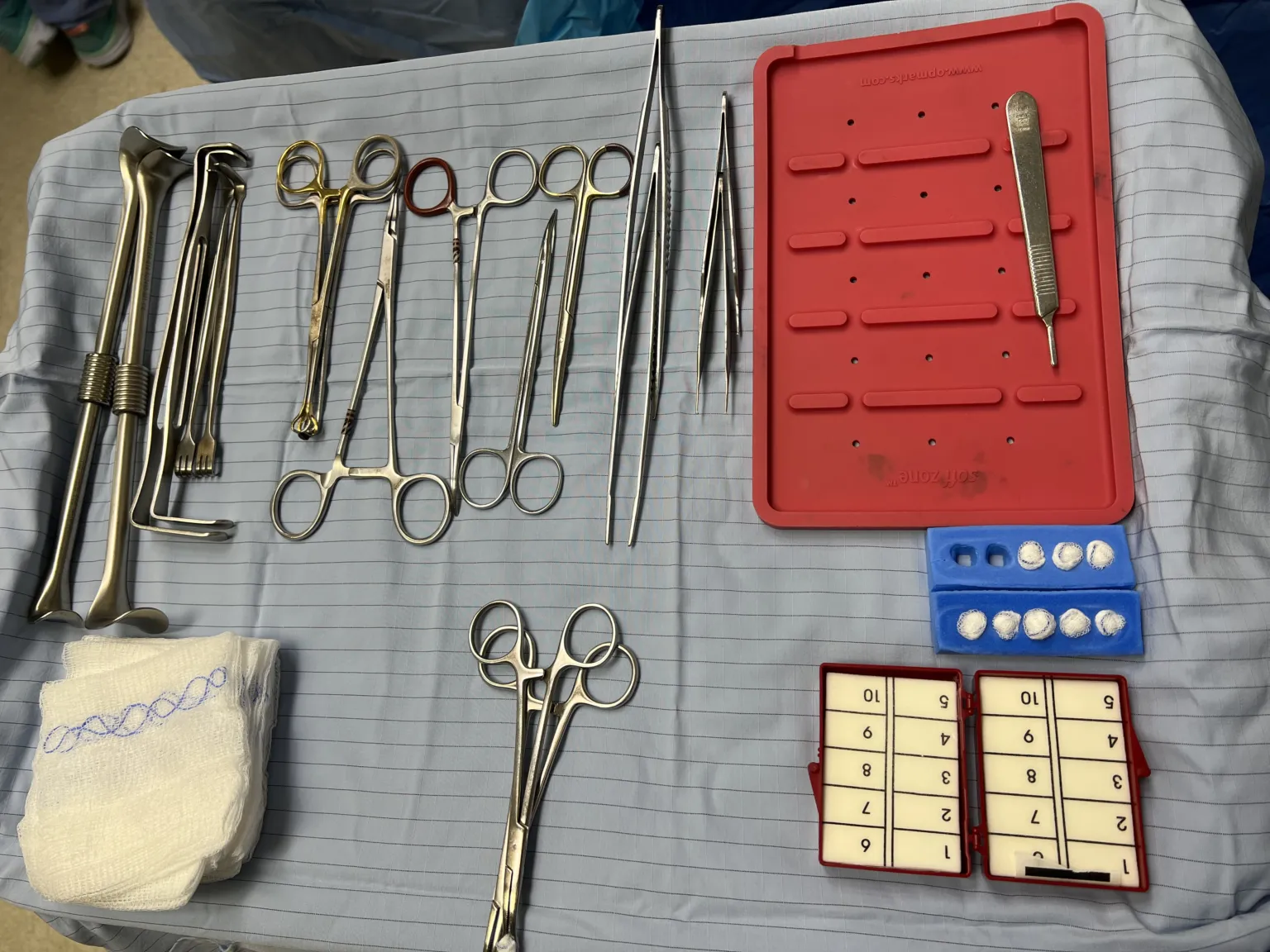
Surgical instruments
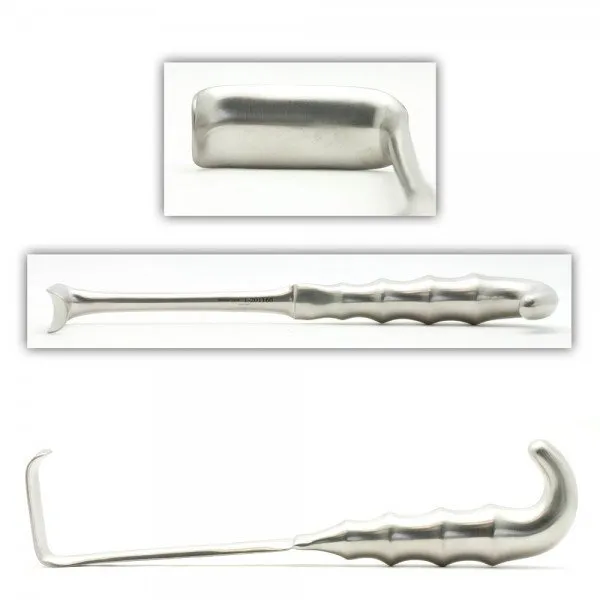
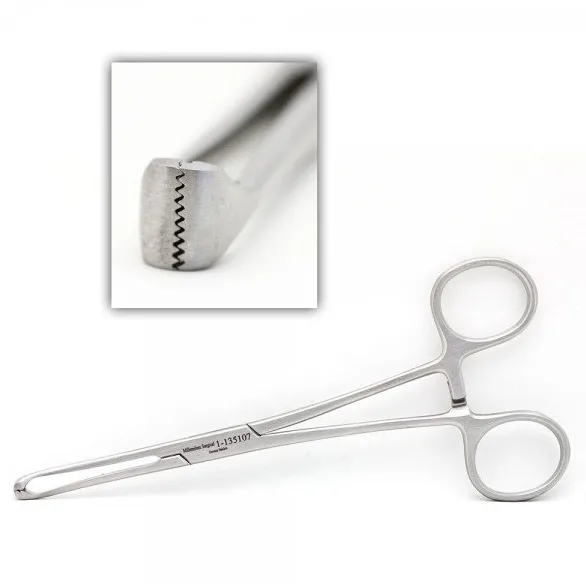
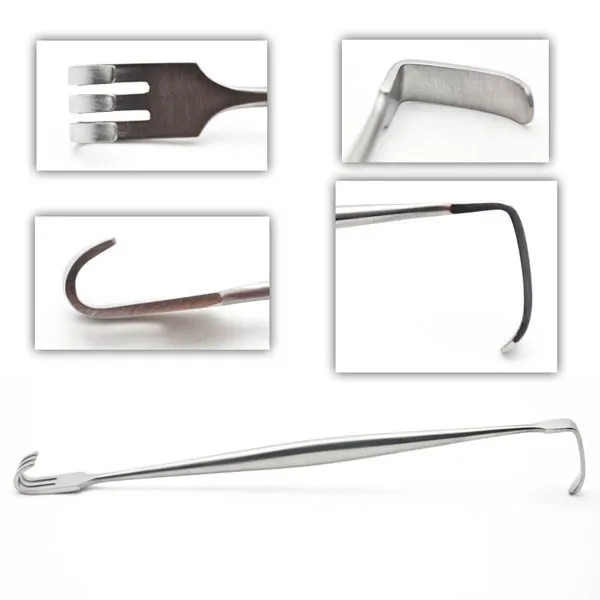
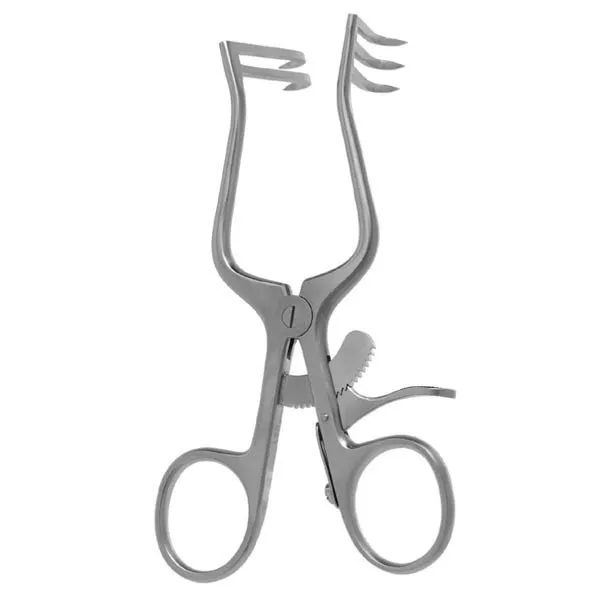
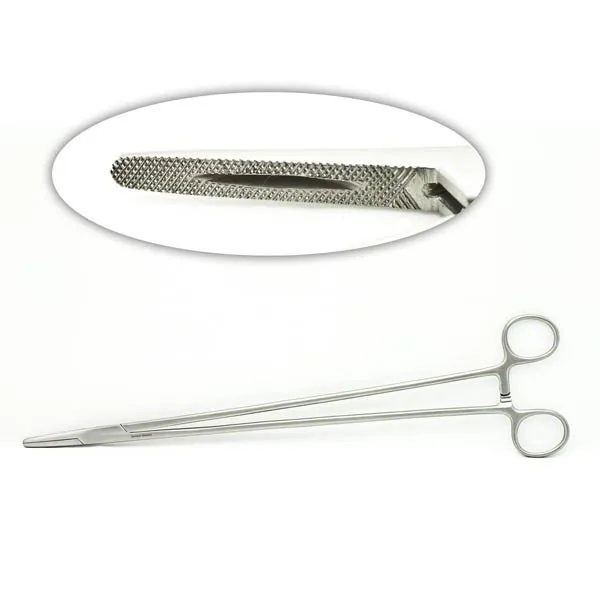
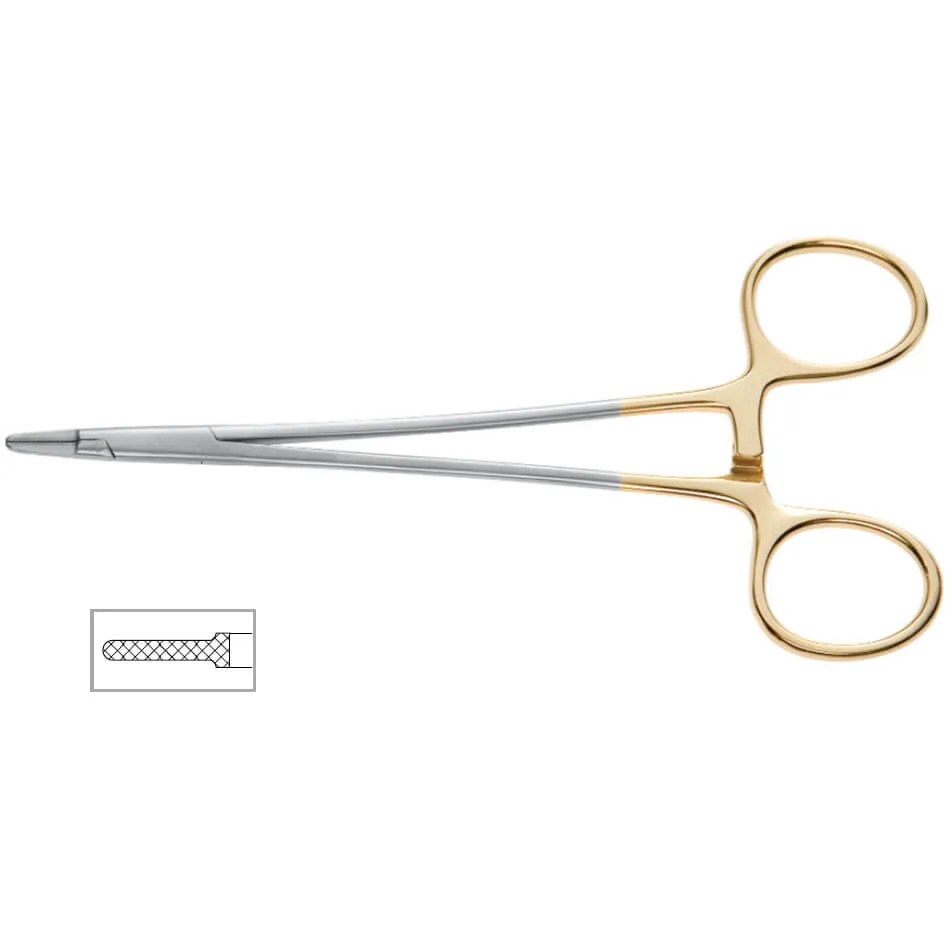
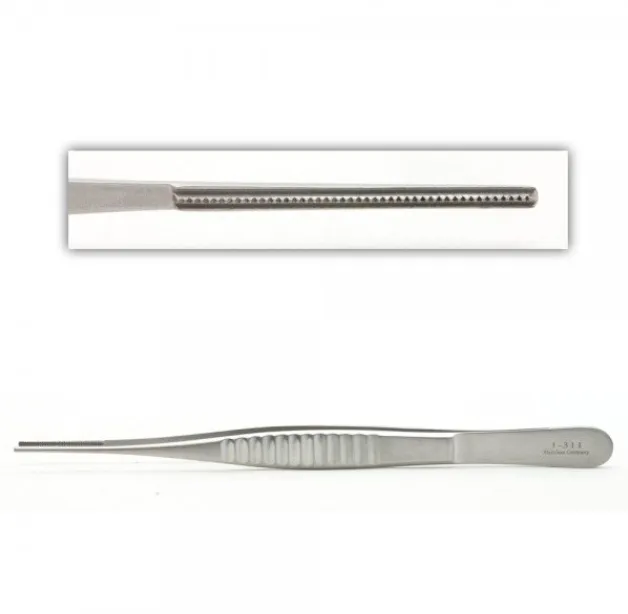
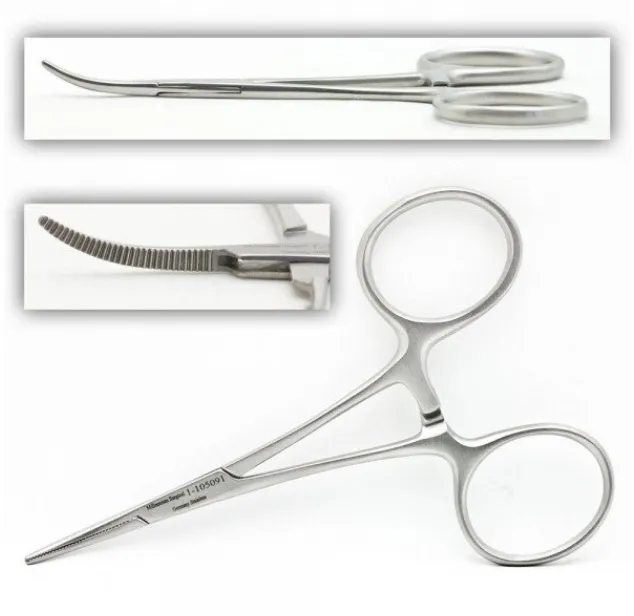
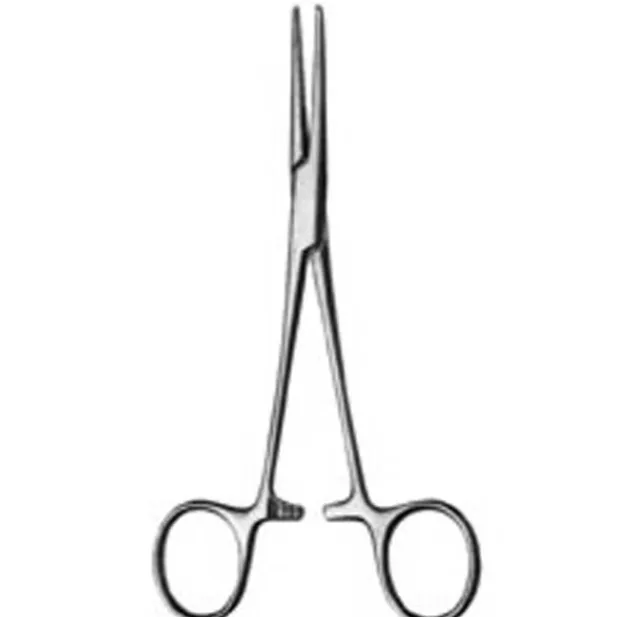
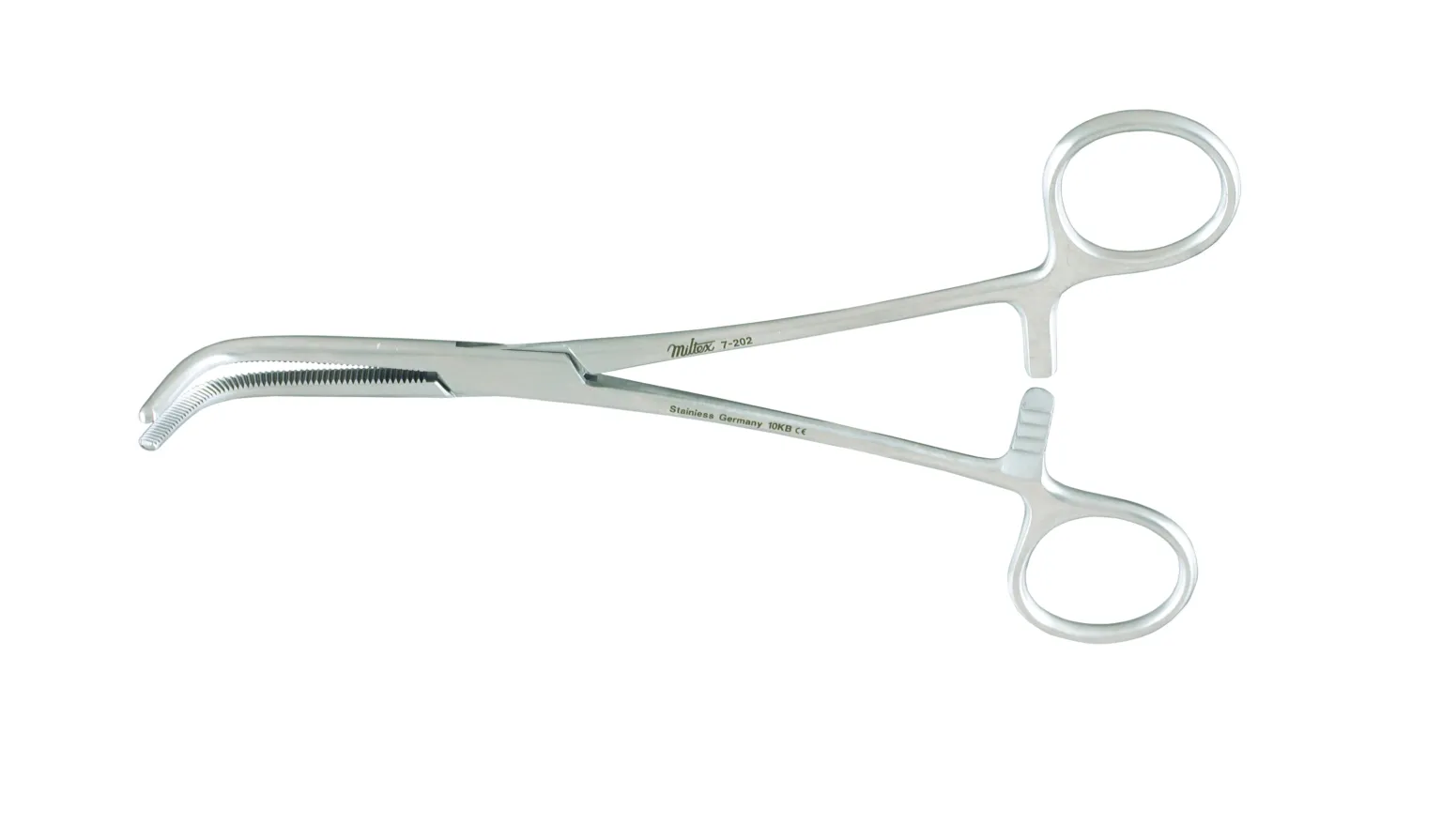
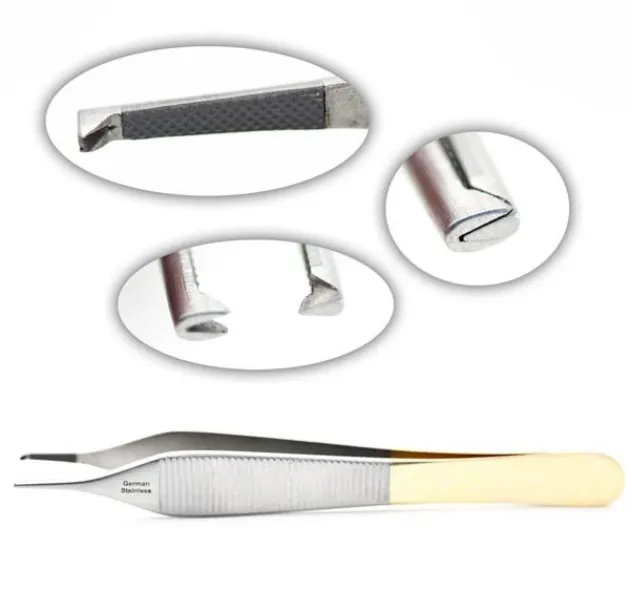
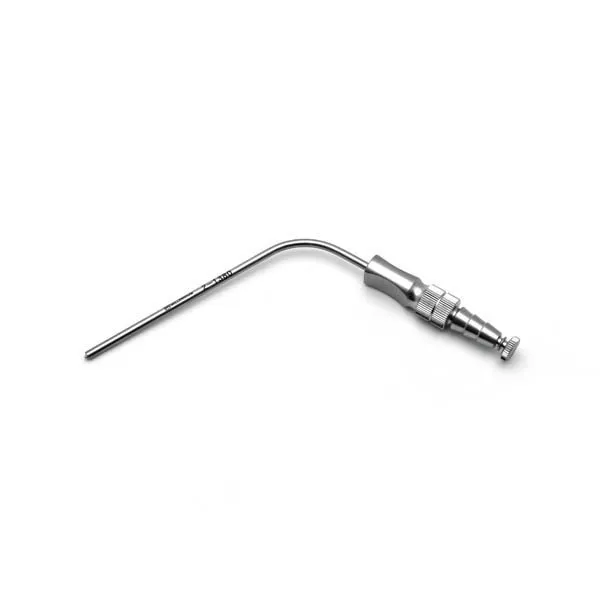
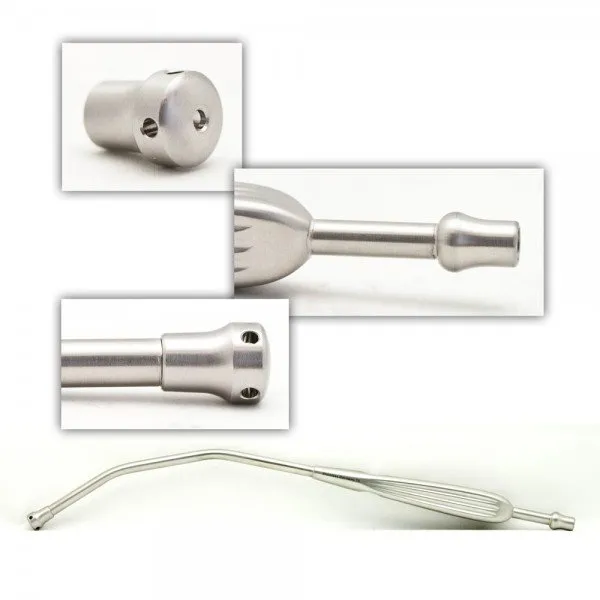
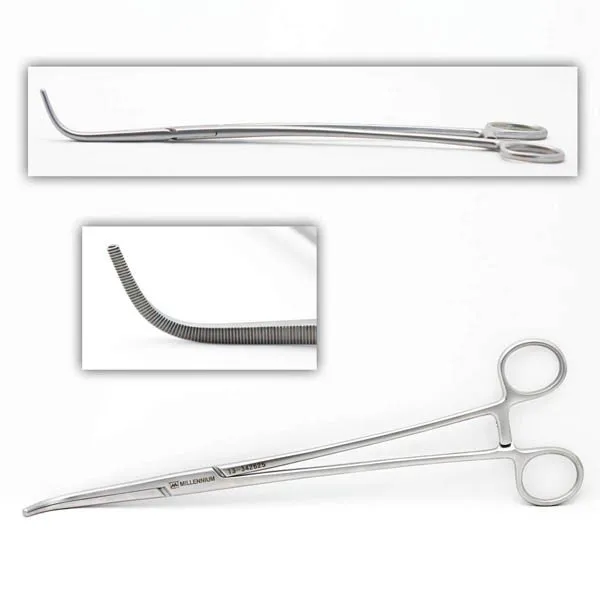
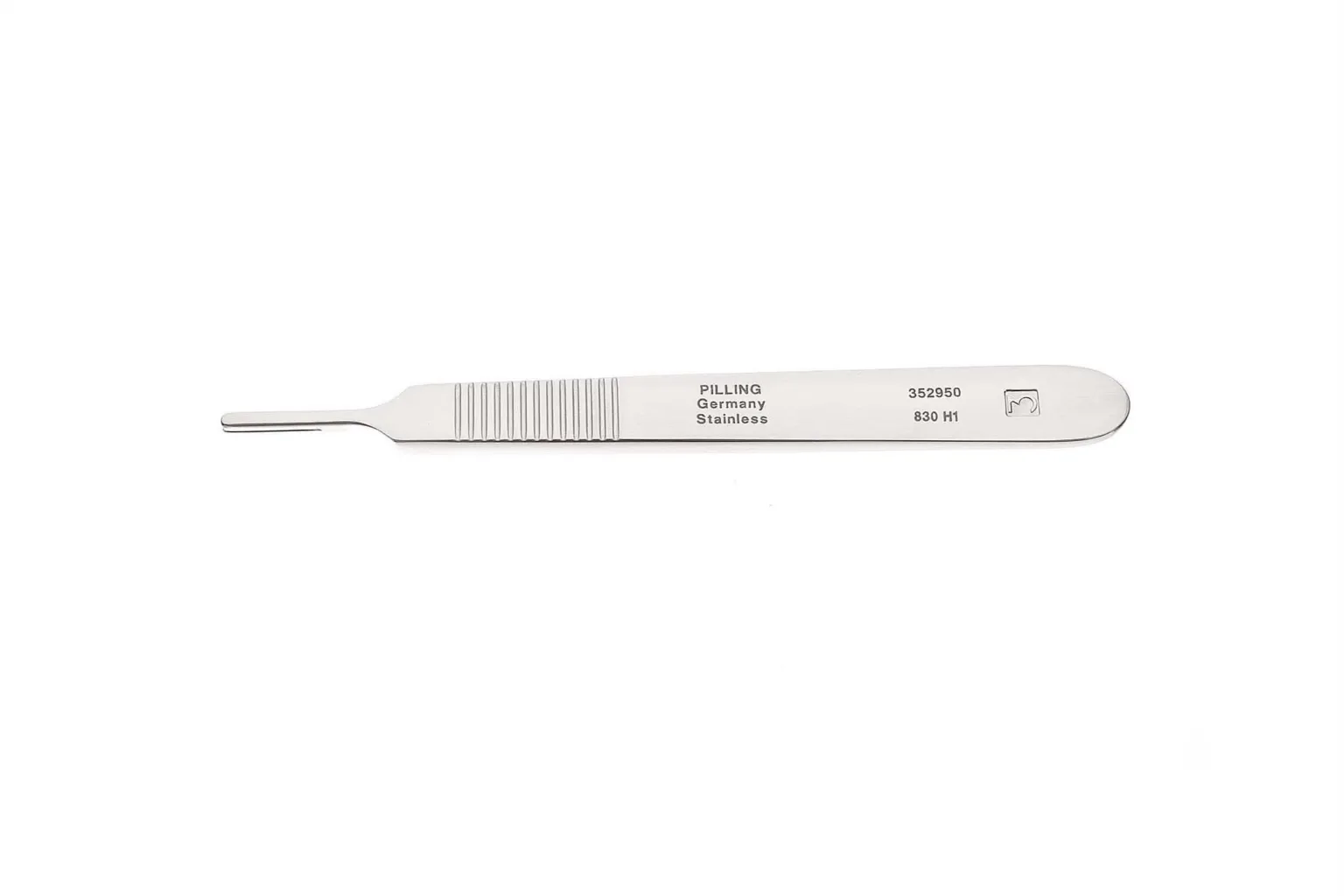
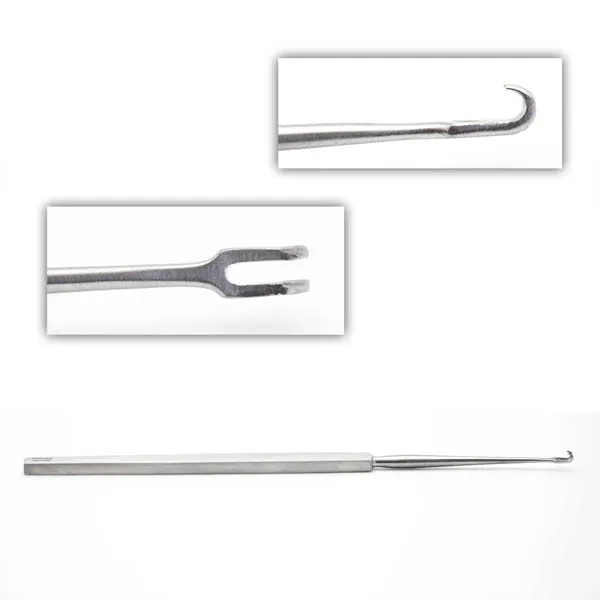
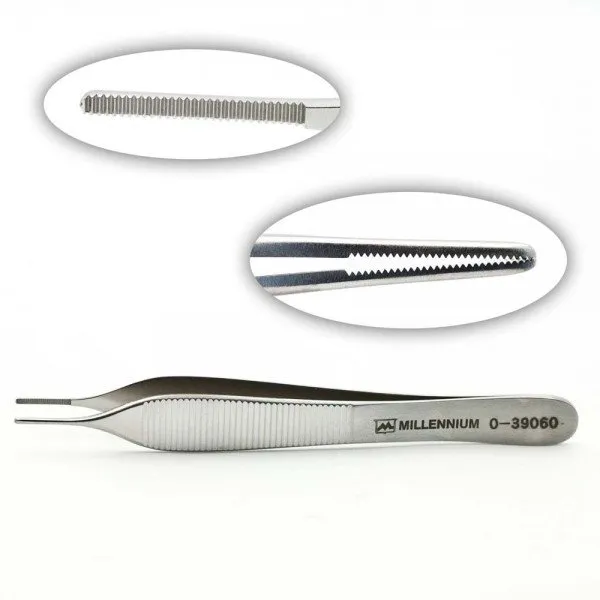
20 on this table. Tap a photo to zoom, the name for its card.
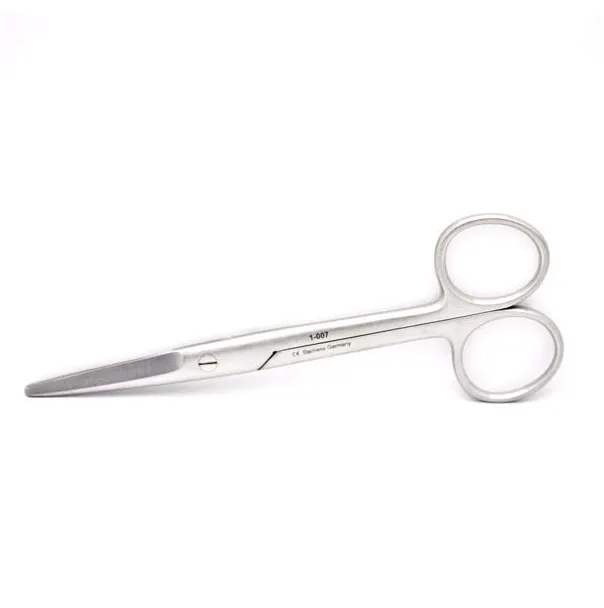
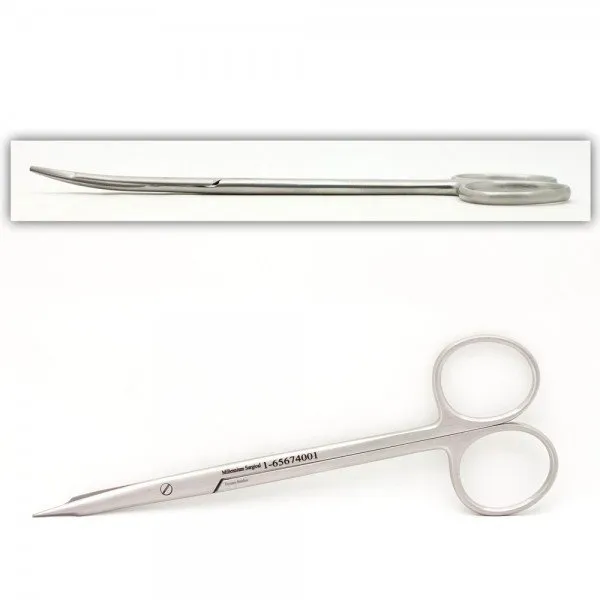
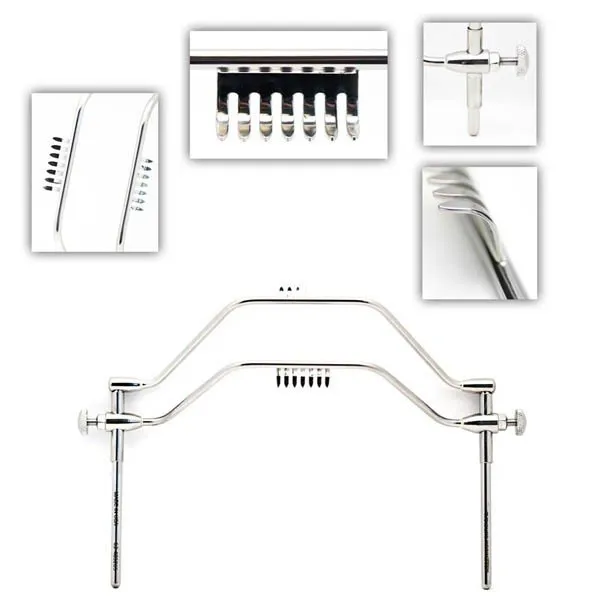
The case
Spark notes
The 30-second rundown. Scan this outside the room.
- Make an incision with a 15 blade and use cautery to reach the platysma.
- Retract with skin hooks and use cautery more. Place a self-retaining retractor.
- Perform blunt dissection through fascia using Metz or Harmonic scalpel.
- Divide strap muscles with Harmonic scalpel, move to small Richardsons, and use clips/ties to divide structures.
- Protect laryngeal nerve and remove thyroid with Harmonic scalpel.
- Place thrombin mesh in cavity to prevent bleeding. Close incision in layers to avoid thick scarring.
Walkthrough
What the surgeon does, and what to have in your hand before they ask.
Initial Incision and Dissection
The first step in a thyroidectomy involves making an incision across the neck with a 15 blade. The surgeon will then use cautery to dissect through the platysma muscle. Skin hooks will be used to retract the skin while the surgeon continues to use cautery to reach deeper tissue. Once the deeper tissue is reached, a self-retaining retractor will be placed to hold the incision open.
Fascia Dissection
Next, the surgeon will use a pair of Metz to perform blunt dissection through the fascia. Some doctors prefer to use the Harmonic scalpel for this part of the surgery. The strap muscles will be divided with the Harmonic scalpel, revealing the thyroid gland.
Further Dissection and Retraction
The surgeon will spend some time dissecting further, and may use different retractors, such as small Richardsons, to help expose the surgical site. Clips and ties may be used to divide any structures in the way.
Laryngeal Nerve Protection
Once the laryngeal nerve has been found, it will be carefully protected. This nerve is responsible for controlling the vocal cords, and damage to it can cause significant problems. After the nerve has been protected, the thyroid can be removed. The Harmonic scalpel is usually used for this step.
Thrombin Mesh Placement and Closure
After the thyroid has been removed, a piece of thrombin mesh might be placed in the cavity to prevent bleeding. Closure of the incision will occur in layers, and the skin may take a while to close since the surgeon will be trying to avoid thick scarring.
Tips and tricks
Peanuts/kitners should always be available loaded on Kellys in case of bleeding. The thyroid specimen should be passed off immediately. Most surgeons use nerve monitoring during thyroid surgeries, so that will be one more cord you will need to throw off (they are pretty sharp, so be careful not to puncture through the drape).
Add your table
Every surgeon runs it a little differently. Submissions stay private, are reviewed by our team, and accepted contributions earn a credit in the contributor list.