Sterile Processing Instruments
What a sterile processing tech needs to know about every instrument: its name and its job, how to inspect and test it, and how it comes apart, gets cleaned and goes back on its tray.
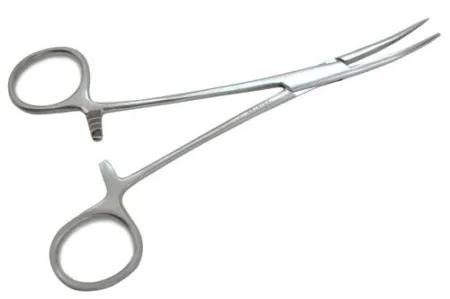
Know every instrument on the count sheet.
A tray is built from its count sheet: every instrument by name, size and quantity. Knowing them on sight, and telling the look-alikes apart, is the first part of the job.
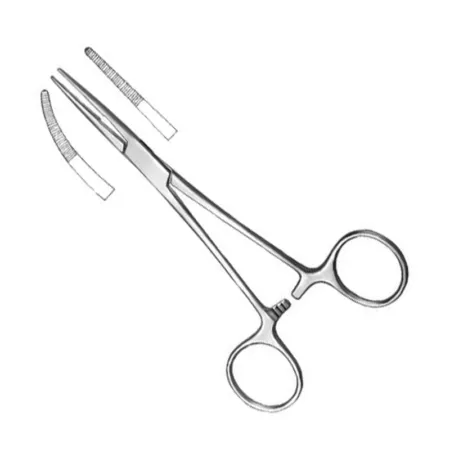
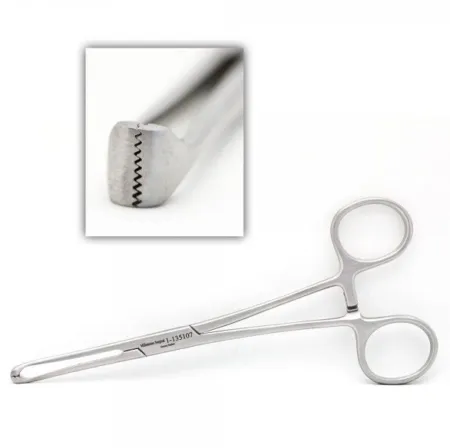
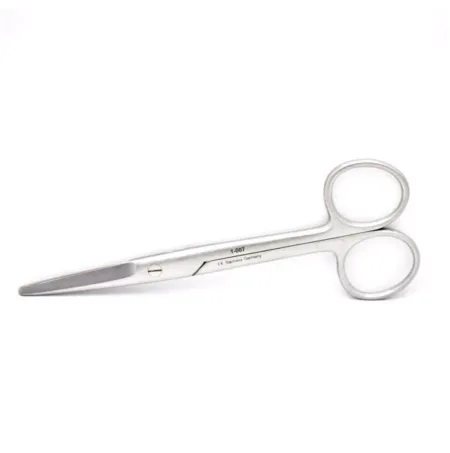
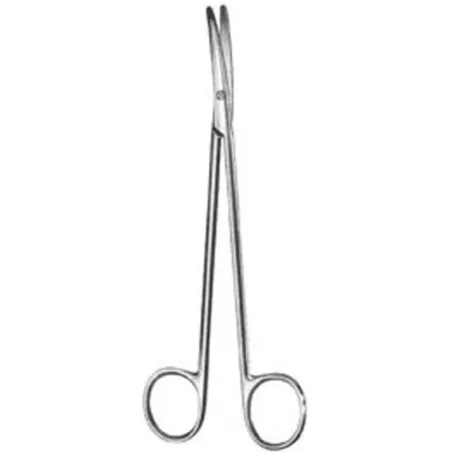
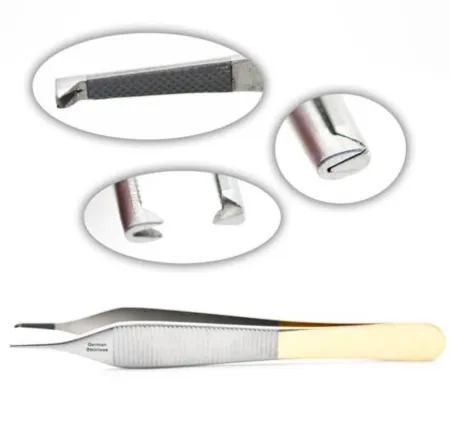
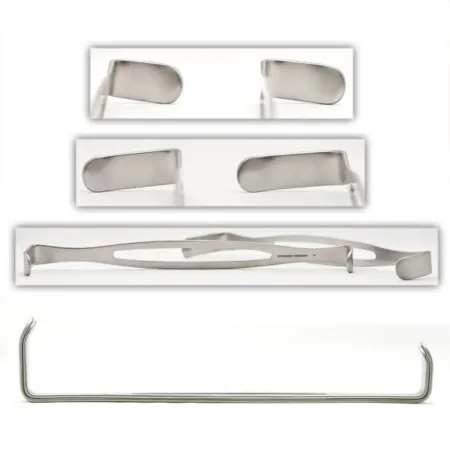
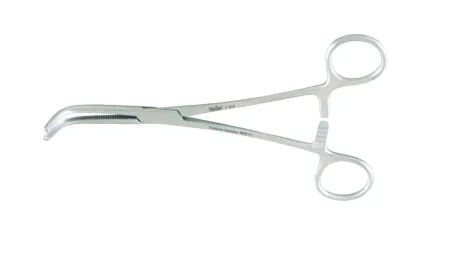
Inspect every instrument before it goes in the tray.
Cleaning happens in decontamination; the assembly table is the last close look before an instrument reaches the patient. The manufacturer's instructions for use decide the details for each one.
Look after it and it lasts for years.
Instruments are among the most expensive things a facility owns, and most of the damage they take happens between cases.
Every card has the sterile processing half.
The 3,300+ instrument cards are written for the whole team, so the parts you need are on the same card the OR uses.
Practice for your certification exam.
Each sterile processing exam has its own practice test, written to that exam's outline. Five questions a day are free, no account needed.
Free, and what Pro adds.
Gratis, para siempre. Sin tarjeta.
- Las 3,358 fichas de instrumentos
- Todos los setups de Cirugía general, completos
- 5 preguntas de examen al día
- Tus propias tarjetas de preferencias
Aprueba tu examen. Conoce cada caso.
Todo lo del plan Gratis, y además:
- Los 385 setups de todas las especialidades: mesa auxiliar, mesa de Mayo y cada paso
- Práctica que nunca se acaba y simulacros completos cronometrados para los exámenes CST, TS-C, CRCST, CSPDT, CSFA, NCLEX-RN y NCLEX-PN, con el porqué de cada respuesta
- Tarjetas de estudio de cualquier bandeja, programadas para volver antes de que las olvides
- Cada ficha de instrumento completa: el modelo 3D, las precauciones, la inspección, cómo pasarlo
Cancela cuando quieras desde tu cuenta. ¿No te convenció? Escríbenos dentro de los 30 días siguientes a un cargo y te devolvemos el dinero, una vez por cliente. Política de reembolsos
Pro también está en la app de CSTSetup, con la misma cuenta. ¿Ya tienes Pro? Entrar
Sterile processing instruments, answered.
- Which instruments does a sterile processing tech need to know?Every instrument on the trays you assemble, by name and by sight, and the look-alikes apart. Start with the basic set on almost every general tray: the clamps, scissors, forceps, retractors and needle holders. The 54 basics, with pictures.
- How are scissors tested for sharpness?On scissors test material, cutting cleanly through it several times. The common standard is red material for scissors 4½ inches and longer and yellow for 4 inches and shorter, and laparoscopic scissors on yellow material or a single layer of tissue paper, unless the manufacturer's instructions say otherwise.
- What happens to a dirty instrument found at assembly?It goes back to decontamination, and so does the tray it came in, because the rest may have been contaminated too. It is never cleaned at the assembly table.
- Why are instruments sterilized open?So the sterilant reaches every surface, including the box locks and the inside of the jaws. Stringers hold ringed instruments open and keep them together.
- Is there a CRCST or CSPDT practice test?Yes, written to each exam's outline, with five free questions a day. See the exams.
Every instrument, at the assembly table.
Look an instrument up from your phone while you build the tray, and study between loads, with the same account and the same Pro as the site. The CSTSetup app is free to download.