Sterile Processing Instruments
What a sterile processing tech needs to know about every instrument: its name and its job, how to inspect and test it, and how it comes apart, gets cleaned and goes back on its tray.
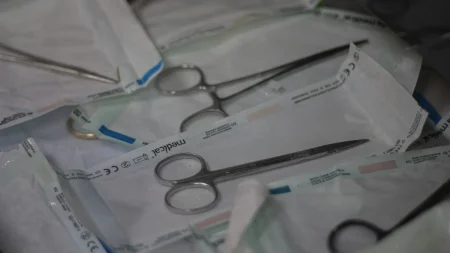
Know every instrument on the count sheet.
A tray is built from its count sheet: every instrument by name, size and quantity. Knowing them on sight, and telling the look-alikes apart, is the first part of the job.
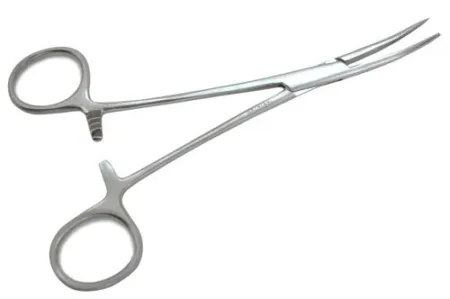
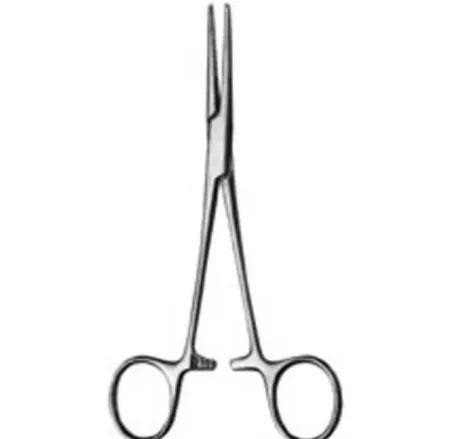
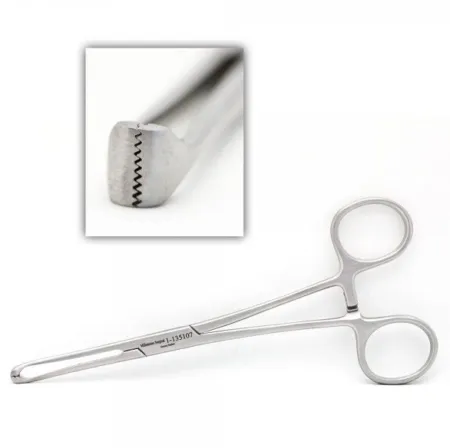
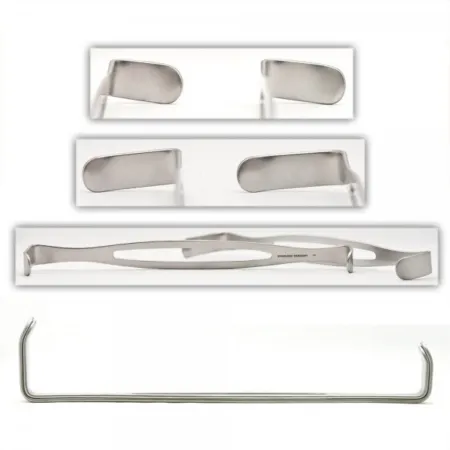
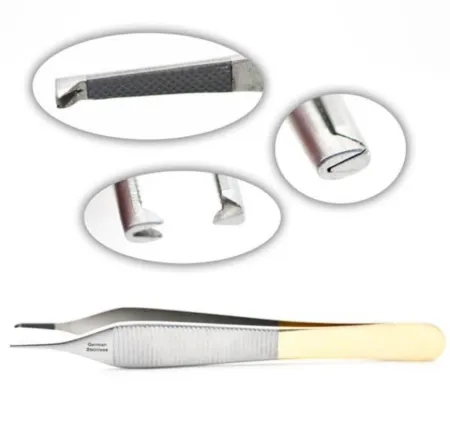
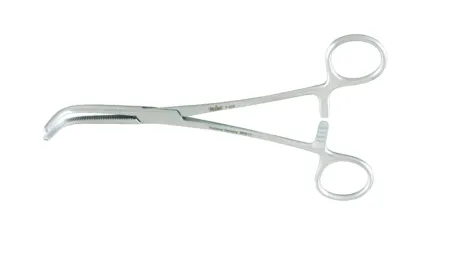
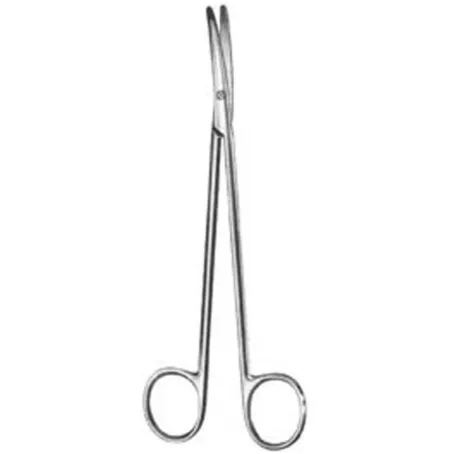
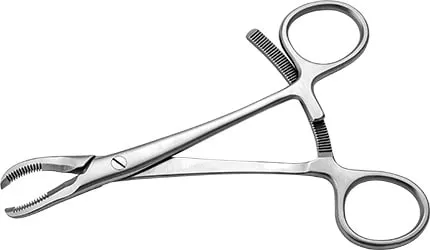
Inspect every instrument before it goes in the tray.
Cleaning happens in decontamination; the assembly table is the last close look before an instrument reaches the patient. The manufacturer's instructions for use decide the details for each one.
Clean
Serrations, box locks and hinges first. A soiled instrument goes back to decontamination with its whole tray, never cleaned at the assembly table.
Damage
Cracks, especially in box locks, bent or misaligned tips, chips, burrs and pitting.
Wear
Dull edges, weak springs, loose screws, parts that stick. Worn and damaged instruments are tagged for repair or taken out of service.
Function
Ratchets close and hold, tips meet without crossing, jaws line up, and the action is smooth, not too loose or too tight.
Multi-part instruments
Put back together to check they work, then taken apart again for sterilization, with the small parts kept together.
Test what must be tested
Scissors for sharpness on test material, and the insulation of electrosurgical instruments between every use.
Look after it and it lasts for years.
Instruments are among the most expensive things a facility owns, and most of the damage they take happens between cases.
Keep it moist
Wipe off gross soil at the point of use and keep instruments moist, so blood never dries on before decontamination.
Lubricate the moving parts
After cleaning, on hinges and working parts, with a lubricant approved for instruments and for the sterilization method.
Heavy on the bottom
Heavy instruments on the bottom or side of the tray, delicate ones in their own protective case, curved ones all curved the same way.
Don't overcrowd
A tray that has grown past its container damages instruments, and can stop it sterilizing and drying properly.
Sterilize it open
Ringed instruments go on a stringer with the rings open, so the sterilant reaches every surface.
Follow the IFU
The manufacturer's instructions for cleaning, lubrication and sterilization are what keep each instrument in service.
Every card has the sterile processing half.
The 2,800+ instrument cards are written for the whole team, so the parts you need are on the same card the OR uses.
Every name it goes by Free
The name on your count sheet finds it, whatever the OR calls it.
Photos, uses and lengths Free
What it looks like, what it's for and the sizes it comes in.
Inspection and testing Pro
What to check on that instrument before it reaches the field.
Care and reprocessing Pro
How it comes apart, gets cleaned and goes back to sterile.
Where it's kept Pro
The 31 trays and 23 manufacturers' systems it's packed in, instrument by instrument.
Questions on all of it Pro
Practice tests and flashcards that ask about inspection and care, not just names.
Practice for your certification exam.
Each sterile processing exam has its own practice test, written to that exam's outline. Five questions a day are free, no account needed.
HSPA CRCST practice test
840+ questions, today's five free, and full timed exams with Pro.
CBSPD CSPDT practice test
1,000+ questions, today's five free, and full timed exams with Pro.
The instrument library, at the assembly table.
Look an instrument up from your phone while you build the tray, and study between loads, with the same account and the same Pro as the site.
CSTSetup
Everything on the site, in your pocket. One account and one Pro with the site.
250+ case setups
Instruments, positioning and steps for each case.
Every setup is a deck
Flashcards of exactly what's on the tray.
14 question types
Trays, positioning, photographs and more.
Exam prep
Practice tests and timed exams for the CST, TS-C, CRCST, CSPDT and CSFA, today's five free.
A plan for every day
A daily lesson counting down to your exam.
Build your own setups
No account needed to start; it syncs when you sign in.
Find any setup fast
Setups and instruments in one search.
Log every case
Your clinical case log, ready for review, even with no signal.
Clock in from the OR
Your clinical hours, counted.
Instruments
Just the instruments, offline, with no signal needed. One account and one Pro with the site.
Five free questions every day
And an instrument of the day to guess.
9 question types
Photo, name, use, safety and more.
Study your way
By class or by specialty.
More than a name Pro
How to check it, clean it and pass it, and where it's kept.
Beat the look-alikes Pro
Side by side until they stick.
Track every instrument Pro
Solid, learning, slipping or not met yet.
Timed exams Pro
Up to 25 questions against the clock.
Turn it in 3D Pro
At every size it comes in.
Free, and what Pro adds.
Freewith an account
- Browse all 2,882 instrument cards: names, photos and what each one is for
- Every General setup in full, photos and walkthrough included
- 5 practice questions a day for your exam
- Build and share your own setups
Everything in free, plusthe part you study with
- All 259 setups across every specialty, with the real photos from the room and the full walkthrough
- The parts of an instrument card that come from years at the table: cautions, inspection, how to pass it, and every operation it is laid out for
- Flashcards on any tray, scheduled so each instrument returns right before you would forget it
- Exam prep for the CST, TS-C, CRCST, CSPDT and CSFA: endless practice and full timed exams, written to each exam's outline
- Practice tests built from the live catalogue, with the reason you got it wrong
- Timed exams that tell you whether you really know a tray, and rank you against everyone else studying it
- A daily lesson that grows as your exam date gets closer
Sterile processing instruments, answered.
Which instruments does a sterile processing tech need to know?
Every instrument on the trays you assemble, by name and by sight, and the look-alikes apart. Start with the basic set on almost every general tray: the clamps, scissors, forceps, retractors and needle holders. The 54 basics, with pictures.
How are scissors tested for sharpness?
On scissors test material, cutting cleanly through it several times. The common standard is red material for scissors 4½ inches and longer and yellow for 4 inches and shorter, and laparoscopic scissors on yellow material or a single layer of tissue paper, unless the manufacturer's instructions say otherwise.
What happens to a dirty instrument found at assembly?
It goes back to decontamination, and so does the tray it came in, because the rest may have been contaminated too. It is never cleaned at the assembly table.
Why are instruments sterilized open?
So the sterilant reaches every surface, including the box locks and the inside of the jaws. Stringers hold ringed instruments open and keep them together.
Is there a CRCST or CSPDT practice test?
Yes, written to each exam's outline, with five free questions a day. See the exams.
Every instrument, at the assembly table.
The CSTSetup app is free to download, with the same account as the site. Pro opens inspection, care and every tray.