Lobster Claw
Also called Lobster Claw Bone Reduction Forceps, Small Bone Reduction Forceps, Ratcheted Bone Reduction Forceps, Smedberg Forceps, Curved Bone Holding Forceps, Pincer Forceps, Bone Holding Clamp
- Setups
- 6
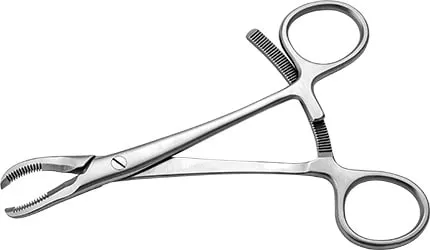
The Lobster Claw is a ratcheted orthopedic instrument featuring wide, inwardly curved jaws with sharp internal serrations. Its pincer-like design allows it to encircle and securely grasp cylindrical bones without slipping or rotation.
Primary uses
What this instrument is on the table to do.
This tool is used to reduce and stabilize fractures in long bones, such as the radius or fibula. It maintains bone alignment while the surgeon applies permanent hardware like plates and screws.
Sizes & variants
The lengths, angles and patterns it comes in.
Small sizes about 5 to 6 inches with curved serrated jaws; larger bone reduction forceps about 7 to 9-5/8 inches. Some have a speed-lock ratchet bar; makers list the maximum jaw opening with the ratchet engaged.
There is more on this card
The photos, the description, the uses and the sizes are free for everyone. The 3D model, the parts that only come from years at the table, and the testing that gets you ready for the CST are Pro. See what is included
Know this one cold. Then the other 2,881.
You are reading the free half of this card. Pro opens what only comes from years at the table, and turns all 2,882 of them into something you get tested on until you are quick.
- Cautions, inspection checks, how to pass it, and every operation it is laid out for
- Every setup this instrument is laid out on, with photos of each table
- Flashcards that bring it back right before you would forget it
- Practice tests and timed exams over all 259 setups
Cancel anytime · One account, web and apps
Add your photos & notes
Submissions stay private and are reviewed by our team. An accepted photo joins this instrument's gallery with your credit.