Basic operating room general surgery instruments
This essential guide covers the fundamental surgical instruments every medical professional needs to master for successful general surgery procedures.
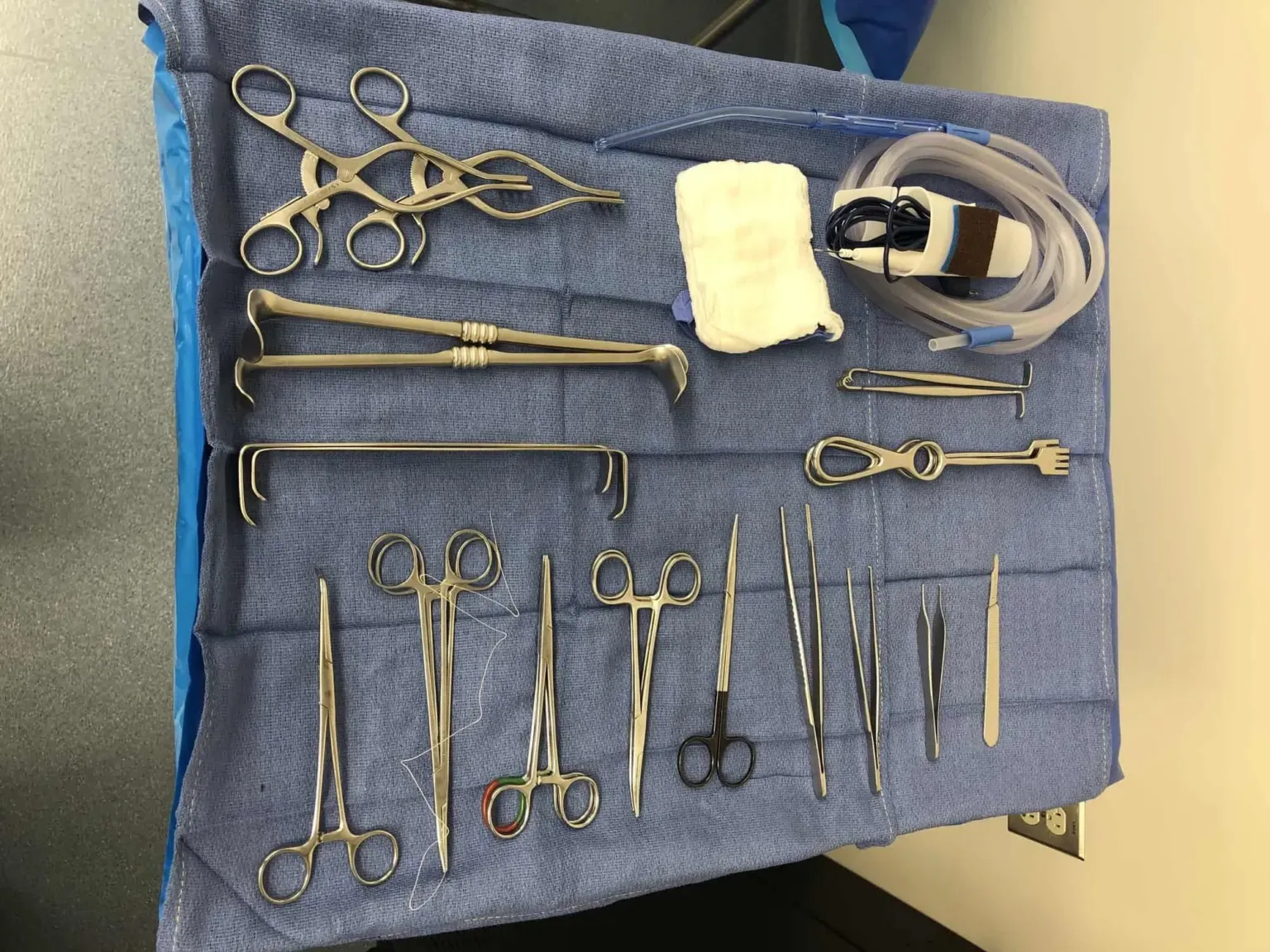 Tap a photo to zoom · 1 photo
The tray
19 instruments, by what they do. Tap a name for its card.
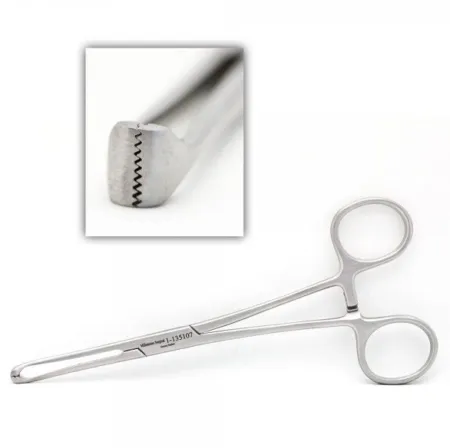 Allis ForcepsClamping
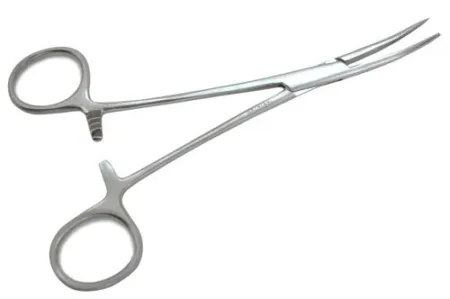 Curved HemostatsClamping
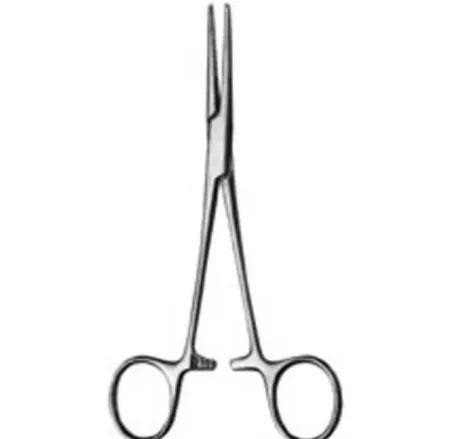 Kelly ForcepsClamping
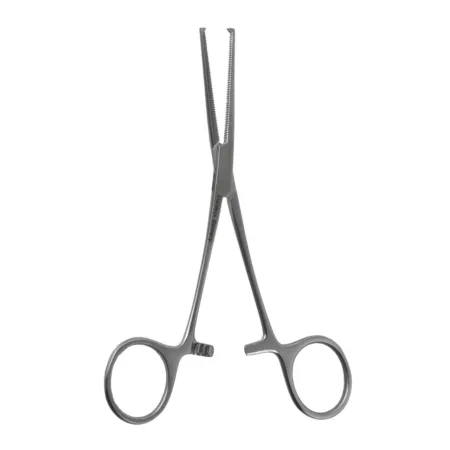 Kocher ForcepsClamping
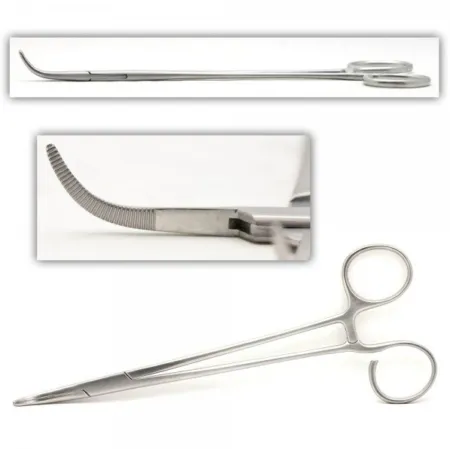 Tonsil ClampClamping
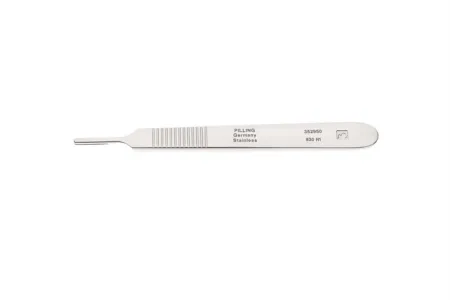 #3 Knife HandleCutting
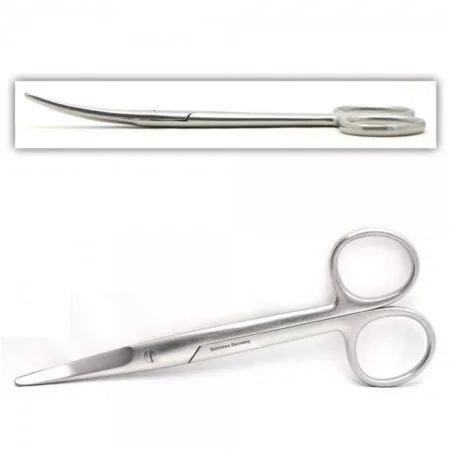 Curved Mayo ScissorCutting
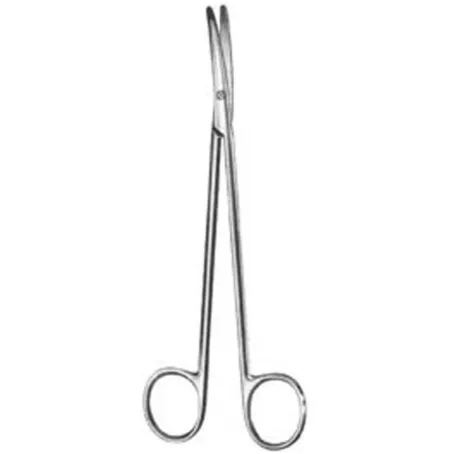 Metzenbaum ScissorCutting
All 19 instruments
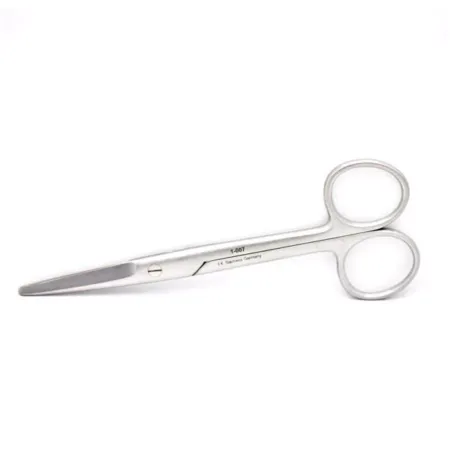 Straight Mayo ScissorCutting
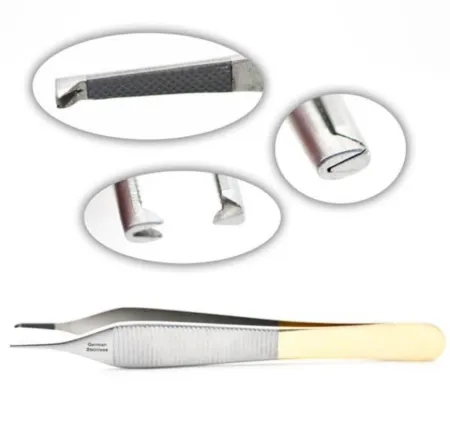 Adson ForcepsGrasping
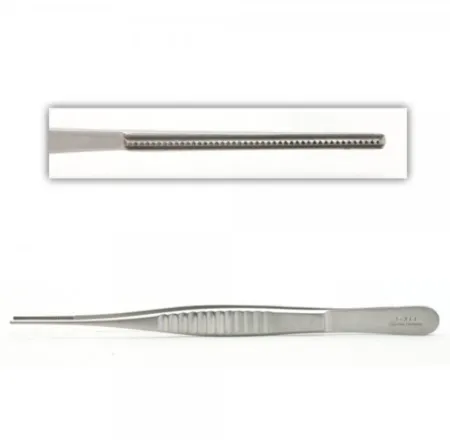 DeBakey ForcepsGrasping
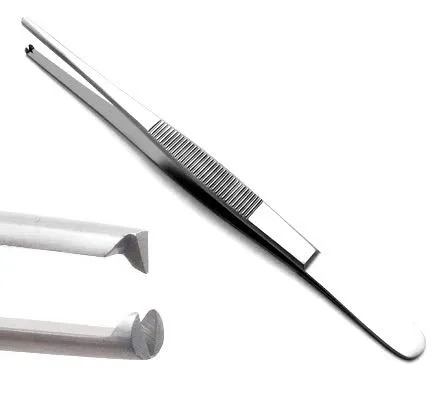 Toothed ForcepsGrasping
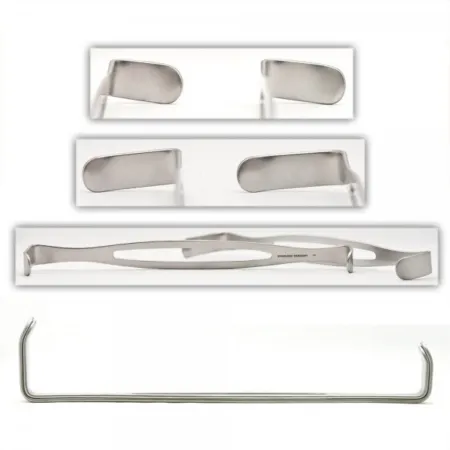 Army-Navy RetractorRetracting
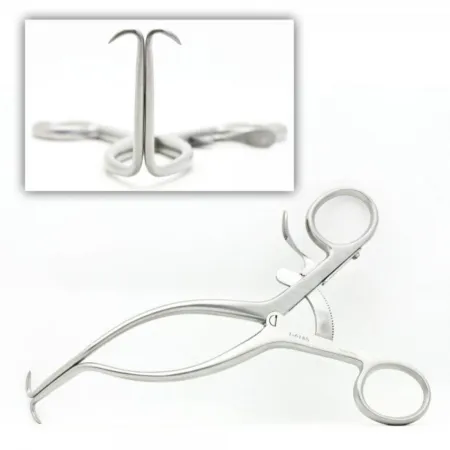 Gelpi RetractorRetracting
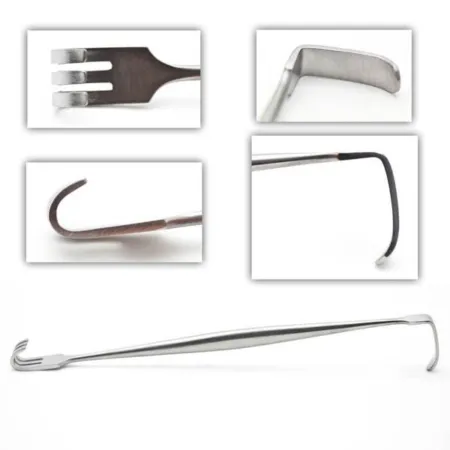 Senn RetractorRetracting
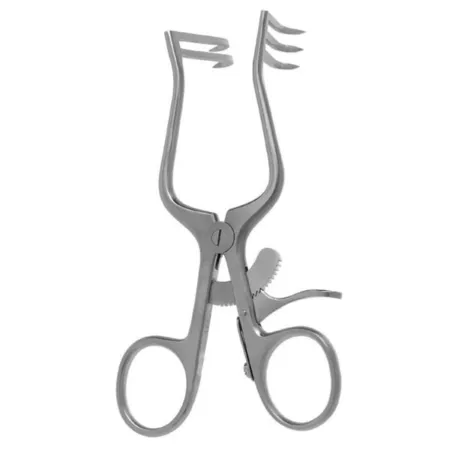 Weitlaner RetractorRetracting
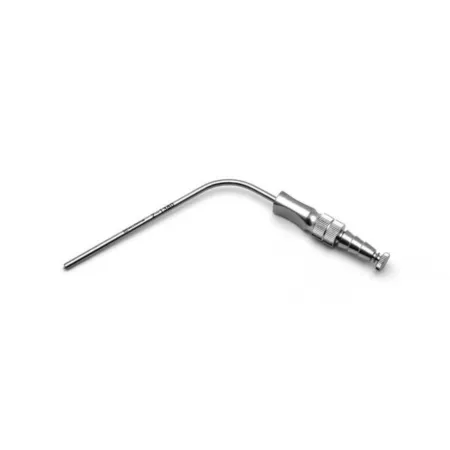 Ferg-Frazier SuctionSuctioning
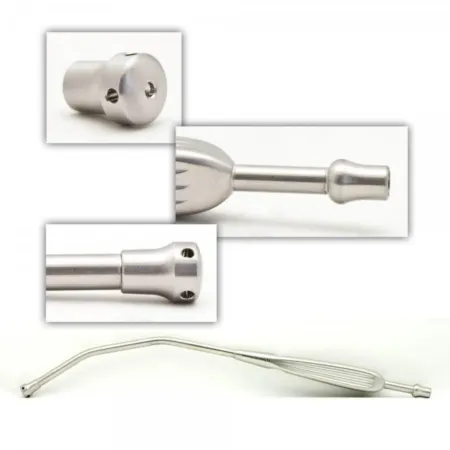 Yankauer SuctionSuctioning
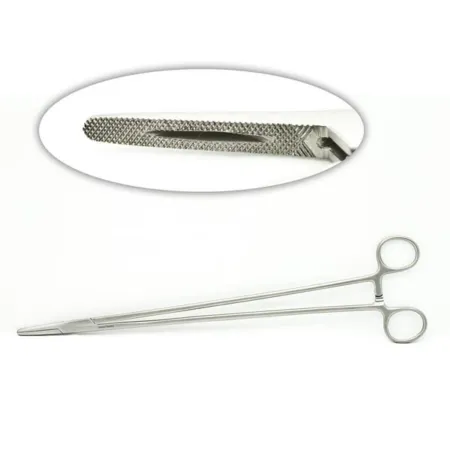 Mayo-Hegar Needle HolderSuturing
Clamping & Occluding5
Cutting & Dissecting4
Grasping & Holding3
Retracting & Exposing4
Suctioning2
Suturing & Stapling1
Know this tray before you scrub in.
With Pro, for every setup in every specialty. Cancel any time.
Or scrub in free: every General setup and 5 questions a day.
The case
- Clamps: Ensuring a Firm Grip on the Situation
- Cutting Through the Complexity: Reliable Scissors
- Grasping Instruments: Gentle and Precise Handling
- Retractors: Maintaining Accessibility and Visibility
- Suctioning: Ensuring a Clear Operating Field
- Suturing: Stitching with Precision
This comprehensive guide serves as your reference for building confidence in instrument selection and developing the surgical judgment that comes from understanding not just the tools, but their strategic application in real-world surgical scenarios. Why This Setup Matters General surgery encompasses a vast range of procedures—from appendectomies to bowel resections—yet relies on these fundamental instruments as the backbone of surgical intervention. Understanding not just what each tool does, but when and why to select it, separates competent surgical team members from exceptional ones.
Continue exploring
To explore a comprehensive guide on surgical instruments and their uses, check out our post on the 54 Basic Surgical Instruments.Built by the techs who scrub it.
Every surgeon runs it a little differently. Send your table, or a fix for this page.
 Diana Lei-alohaReviewer
The rest of this setup is Pro.
Everything unlocked above stays free. Pro opens the rest, on every setup: where new techs slip, what to load next at every step, the circulator’s side, the medicines, the specimen, wound class and trays on standby, what to grab if it goes wrong, and practice for every tray.
Free, for good. No card.
- All 2,882 instrument cards
- Every General setup in full
- 5 exam questions a day
- Your own preference cards
Pass your exam. Know every case.
Everything in Free, plus:
- All 260 setups in every specialty: back table, Mayo and every step
- Practice that never runs out and full timed exams for the CST, TS-C, CRCST, CSPDT and CSFA, with the why behind every answer
- Flashcards on any tray, timed to come back before you forget
- Every instrument card in full: the 3D model, cautions, inspection, how to pass it
Cancel any time from your account. Not worth it? Email us within 30 days of a charge for a refund, one per customer. Refund policy
Pro is also in the CSTSetup app, on the same account. Already have Pro? Log in
Send your table
Your Mayo, your back table, your surgeon’s way, or anything wrong on this page. Your email is only used to credit you. Submissions stay private and are reviewed by our team; accepted ones earn a Contributor credit here.