Capsulectomy
The surgeon surgically removes the fibrous connective tissue capsule surrounding a joint or an implanted device, such as a breast prosthesis. This is typically performed to restore range of motion in a contracted joint or to treat capsular contracture.
- Position
- Supine
In 30 seconds
Scan this outside the room.
- Prepare patient, plug in tools, and make incision using blade on #3 handle.
- dissectdy-SEKT, or dih-SEKTTo cut apart or separate tissues carefully during surgery.Full entry using DeBakeys and Bovie; retract using tools like Army-Navy.
- Extract implant; remove capsule with Bovie; use suction for smoke.
- If needed, take cultures; proceed to other side for similar removal.
- Place drains, close with Vicryl and Monocryl sutureSOO-cherA stitch, or the thread used to stitch, that holds the edges of a wound or incision together.Full entry .
- Apply dressings like Dermabond, 4x4s; consider surgical bra.
The tray
14 instruments, by what they do. Tap a name for its card.
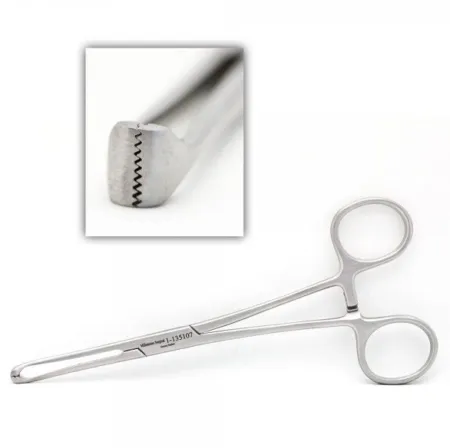
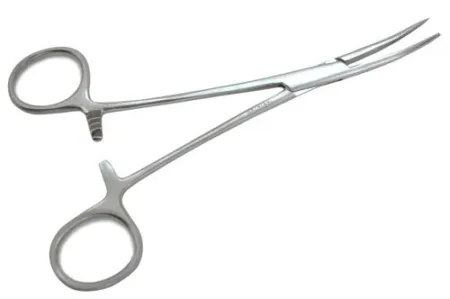
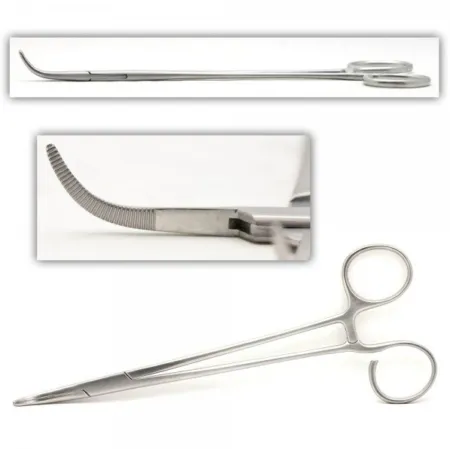
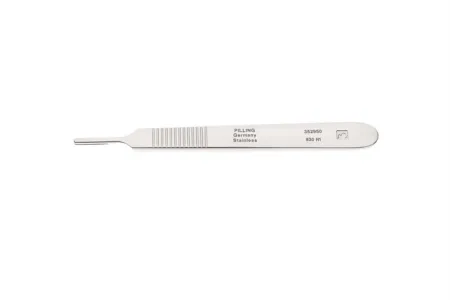
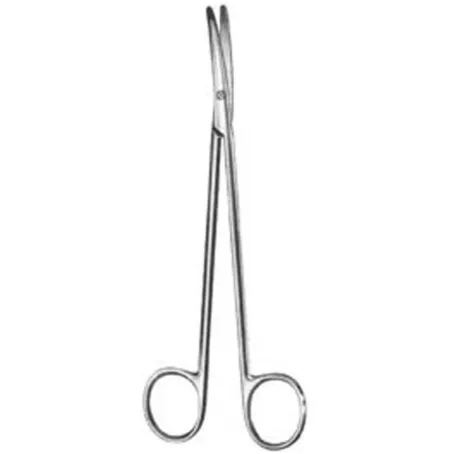
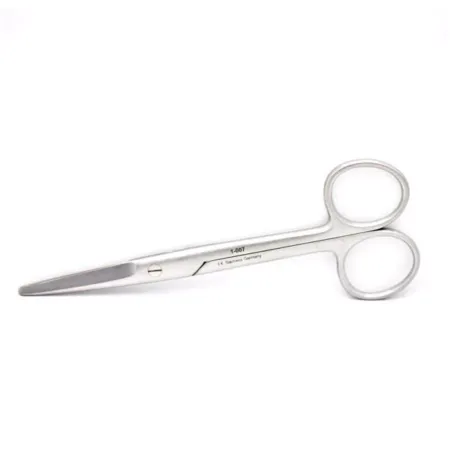
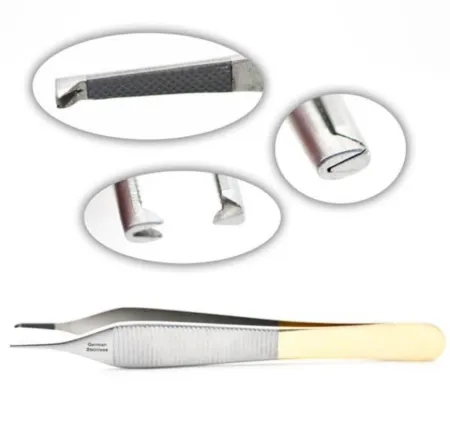
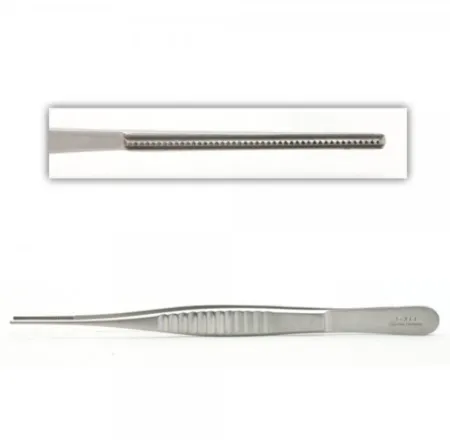
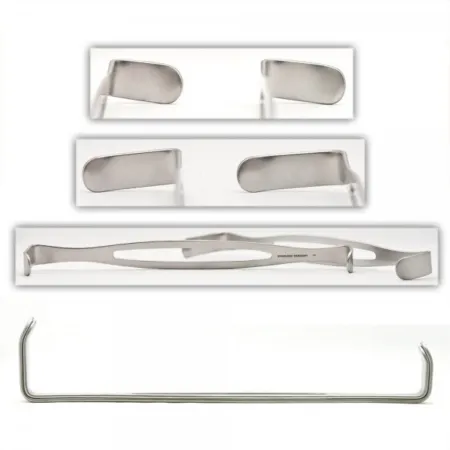
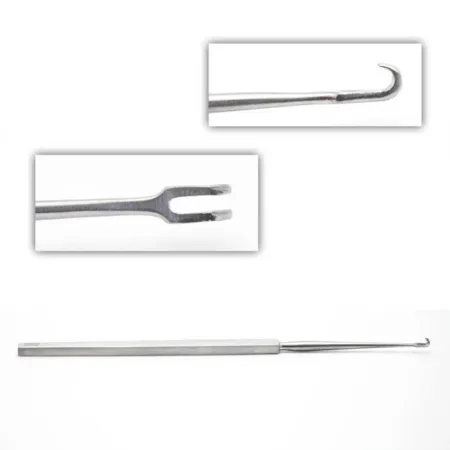
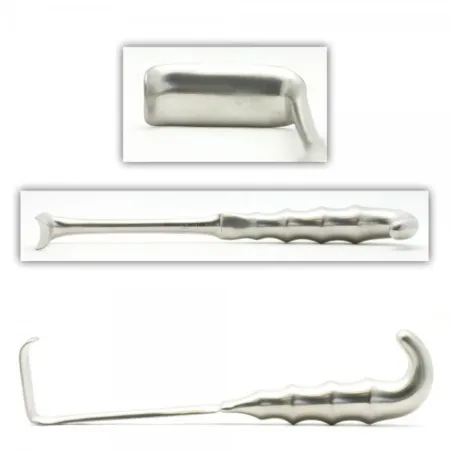
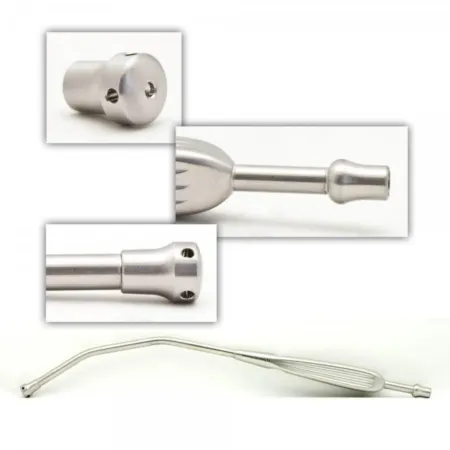
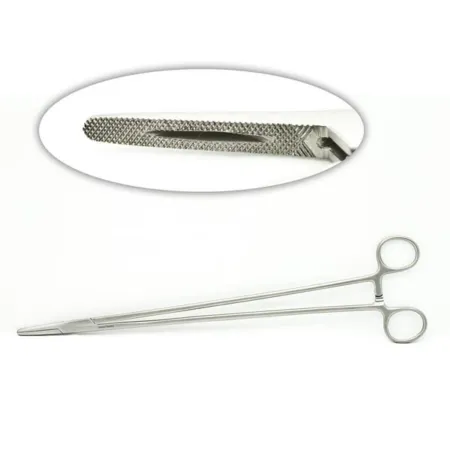
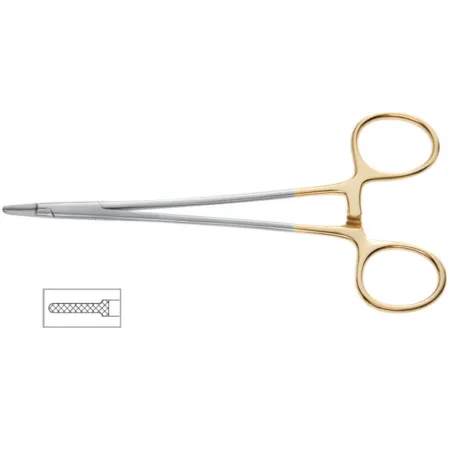
Clamping & Occluding3
Cutting & Dissecting3
Grasping & Holding2
Retracting & Exposing3
Suctioning1
Suturing & Stapling2
Know this tray before you scrub in.
With Pro, for every setup in every specialty. Cancel any time.
Or scrub in free: every General setup and 5 questions a day.
The room
The equipment, the prep and drape, the suture and the medicines.
Blue towels with or without towel clamps (surgeons preference) or utility drapes, laparotomy drape or chest drape
Step by step
6 steps, one line each.
- 1
Preparation and Incision
A capsulectomy surgery is performed when a patient develops a thick scar tissue or capsule around the breast implant post-surgery. During the onset of the procedure, after draping the patient, ensure the end of the cautery, suction, and if you're utilizing one, the cord of the lighted retractorrih-TRAK-terA surgical instrument that holds back tissue or organs so the surgeon can see and reach the operative site.Full entry is handed to the circulator to be connected. Following this, the incision area will be marked using a skin markerMAR-kerSomething that can be measured, such as a substance in the blood, that shows a disease or body process is present.Full entry . To make the incision, a 15 or 10 blade on a #3 knife handle will be used.
- 2
Dissection and Retraction
For the dissectiondy-SEK-shunA tear in the inner layer of an artery wall that lets blood split the layers apart; also, the cutting apart of tissue in surgery.Full entry process, instruments like DeBakeys and an insulated-tip Bovie will be needed. For retractionrih-TRAK-shunA drawing back or pulling in of tissue; in breathing, the skin sinking in between, below or above the ribs with each breath.Full entry purposes during this phase, you can use instruments such as a skin hook, Richardsons, or an Army-Navy. If the surgery demands deeper retraction, a lighted retractorrih-TRAK-terA surgical instrument that holds back tissue or organs so the surgeon can see and reach the operative site.Full entry becomes beneficial for enhanced visibility. Furthermore, you might also require an extended tip for the Bovie, and occasionally, Metz scissors might be used.
- 3
Removal of Implant and Capsule
Once you've dissectdy-SEKT, or dih-SEKTTo cut apart or separate tissues carefully during surgery.Full entry the tissue adequately, it's time to extract the implant. Some surgeons might prefer removing the capsule simultaneously with the implant, while others might choose to do it post implant extraction. The surgeon may typically use their fingers to clutch the implant for its removal. A noteworthy point for surgical technologistSUR-jih-kul tek-NOL-uh-jistA member of the operating room team who prepares the sterile field and instruments and hands them to the surgeon.Full entry is the extensive usage of the Bovie during capsule removal. It's crucial for either you or another scrubbed-in assistant to employ the suction to eliminate the resultant smoke plume. This is pivotal not just for health reasons, as inhaling this smoke is harmful, but it also maintains a clear vision for the surgeon. Instruments like an Allis can assist in gripping the capsule's edge, facilitating its separation from adjacent tissues during dissectiondy-SEK-shunA tear in the inner layer of an artery wall that lets blood split the layers apart; also, the cutting apart of tissue in surgery.Full entry .
- 4
Post-Capsule Removal and Second-side Surgery
Subsequent to the removal of the capsule, if there's any suspicion of an infection, cultures might be taken. If the patient's other side also requires removal of an implant and capsule, the surgeon will then transition to that side to repeat the process.
- 5
Wound Closure
Upon the extraction of both the implants and capsules, drains might be set in place and affixed with sutureSOO-cherA stitch, or the thread used to stitch, that holds the edges of a wound or incision together.Full entry , typically a 3-0 or 4-0 Nylon. For closing the deepest layer of the skin, an interrupted suture line is applied, using a 2-0 or 3-0 Vicryl, which is then followed by a running Vicryl stitch. The process culminates with the use of a 3-0 or 4-0 Monocryl to seal the skin.
- 6
Dressing and Finishing
Concluding the procedure, common dressings like Mastisol or Dermabond, 4x4s, ABDs, and silk tape are utilized. In some cases, a surgical bra may also be applied for the patient's post-operative phase.
The case
A capsulectomy is a surgical procedure performed to address complications following breast implant surgery. Over time, some patients develop a thick scar tissue, known as a capsule, around their breast implant. This can cause discomfort, deformity, or other complications. A capsulectomy aims to remove this capsule, and often the implant itself, to alleviate these issues. In essence, it's a corrective surgery for patients who have previously undergone breast augmentation.
Built by the techs who scrub it.
Every surgeon runs it a little differently. Send your table, or a fix for this page.
 Diana Lei-alohaReviewer
The rest of this setup is Pro.
Everything unlocked above stays free. Pro opens the rest, on every setup: where new techs slip, what to load next at every step, the circulator’s side, the medicines, the specimen, wound class and trays on standby, what to grab if it goes wrong, and practice for every tray.
Free, for good. No card.
- All 2,882 instrument cards
- Every General setup in full
- 5 exam questions a day
- Your own preference cards
Pass your exam. Know every case.
Everything in Free, plus:
- All 260 setups in every specialty: back table, Mayo and every step
- Practice that never runs out and full timed exams for the CST, TS-C, CRCST, CSPDT and CSFA, with the why behind every answer
- Flashcards on any tray, timed to come back before you forget
- Every instrument card in full: the 3D model, cautions, inspection, how to pass it
Cancel any time from your account. Not worth it? Email us within 30 days of a charge for a refund, one per customer. Refund policy
Pro is also in the CSTSetup app, on the same account. Already have Pro? Log in
Send your table
Your Mayo, your back table, your surgeon’s way, or anything wrong on this page. Your email is only used to credit you. Submissions stay private and are reviewed by our team; accepted ones earn a Contributor credit here.