Cholecystectomy
The surgical removal of the gallbladder, typically due to cholelithiasis or cholecystitis. The cystic duct and cystic artery are identified, ligated, and divided before the gallbladder is dissected away from the liver bed.
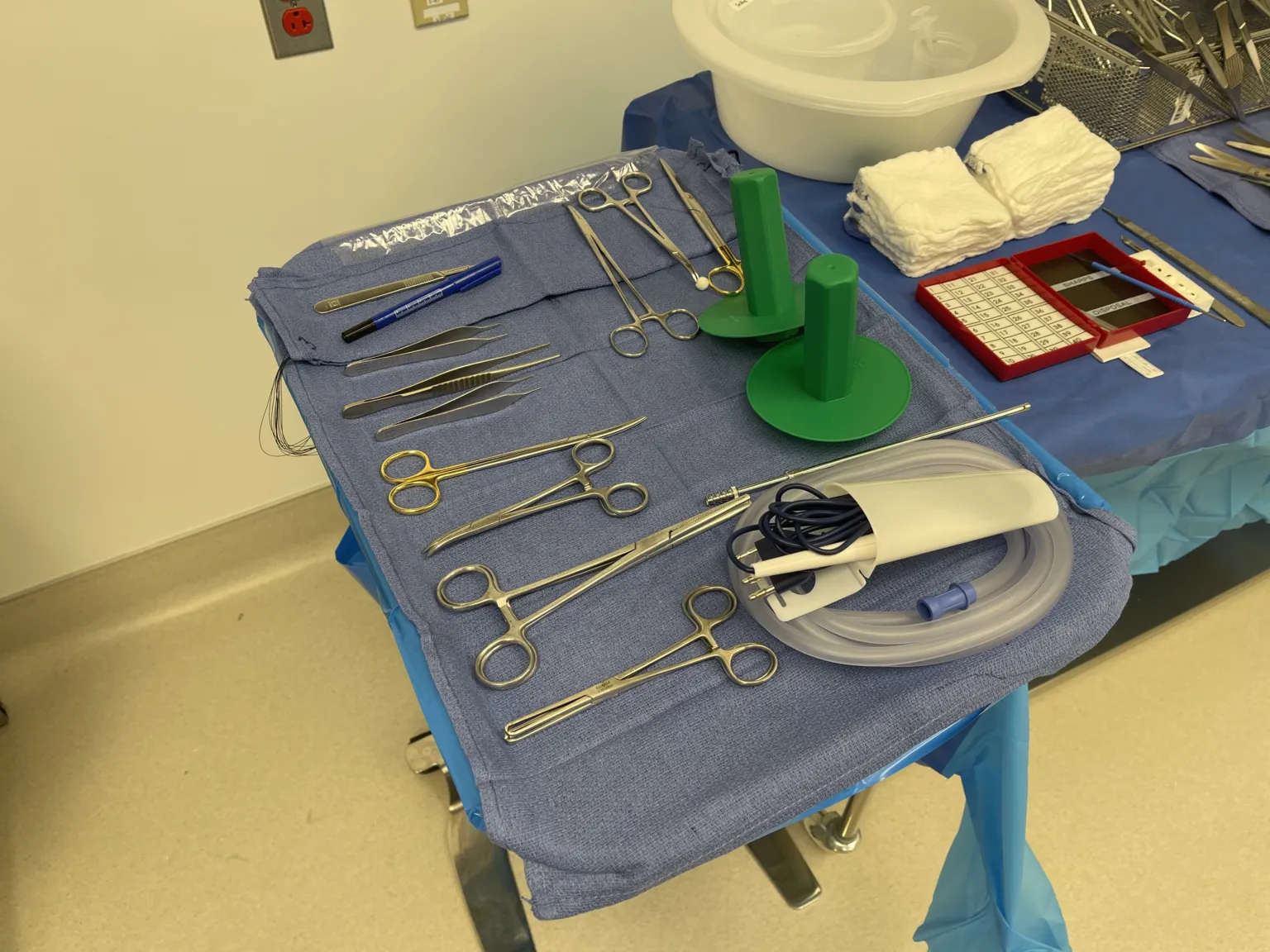
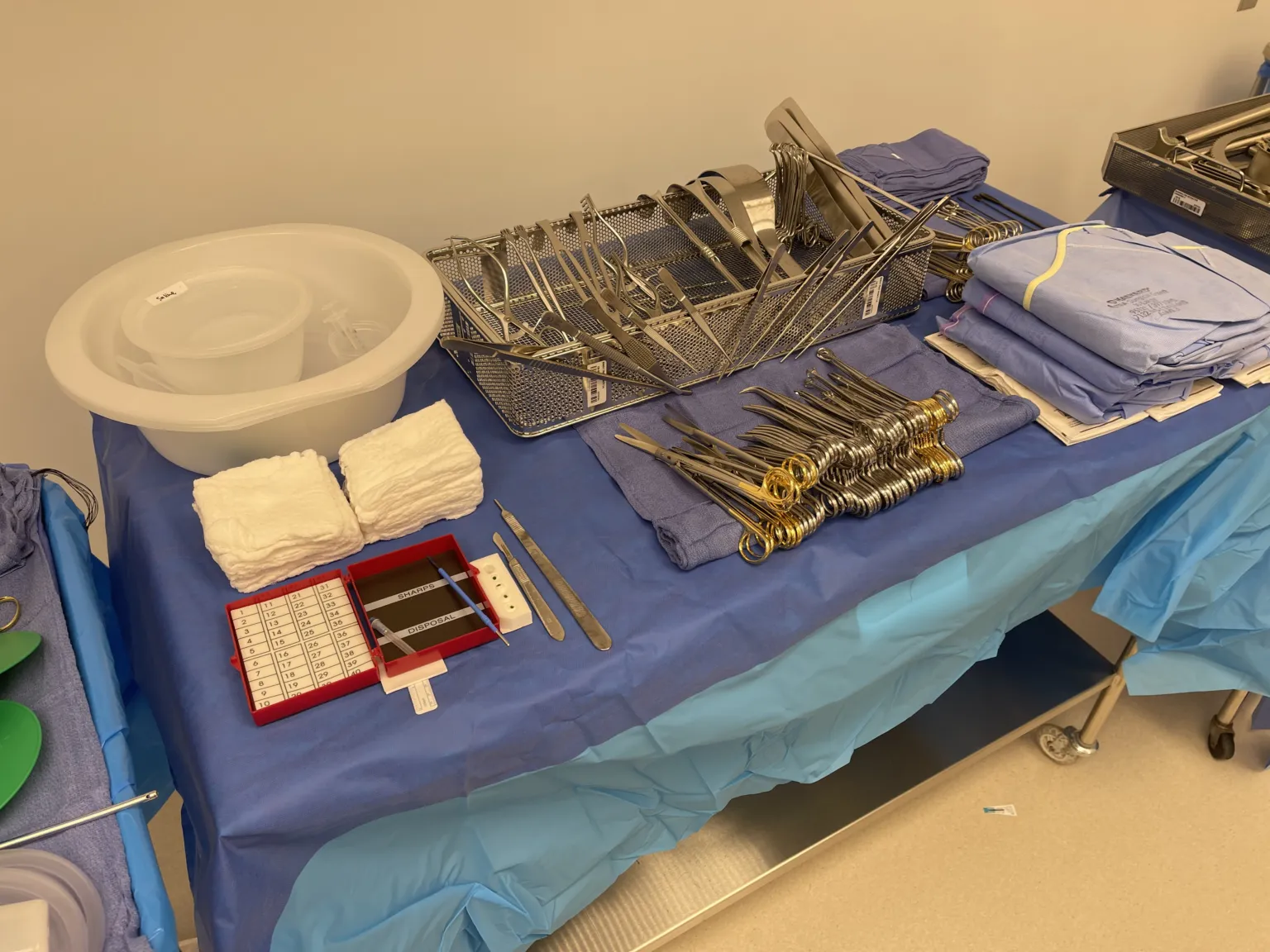
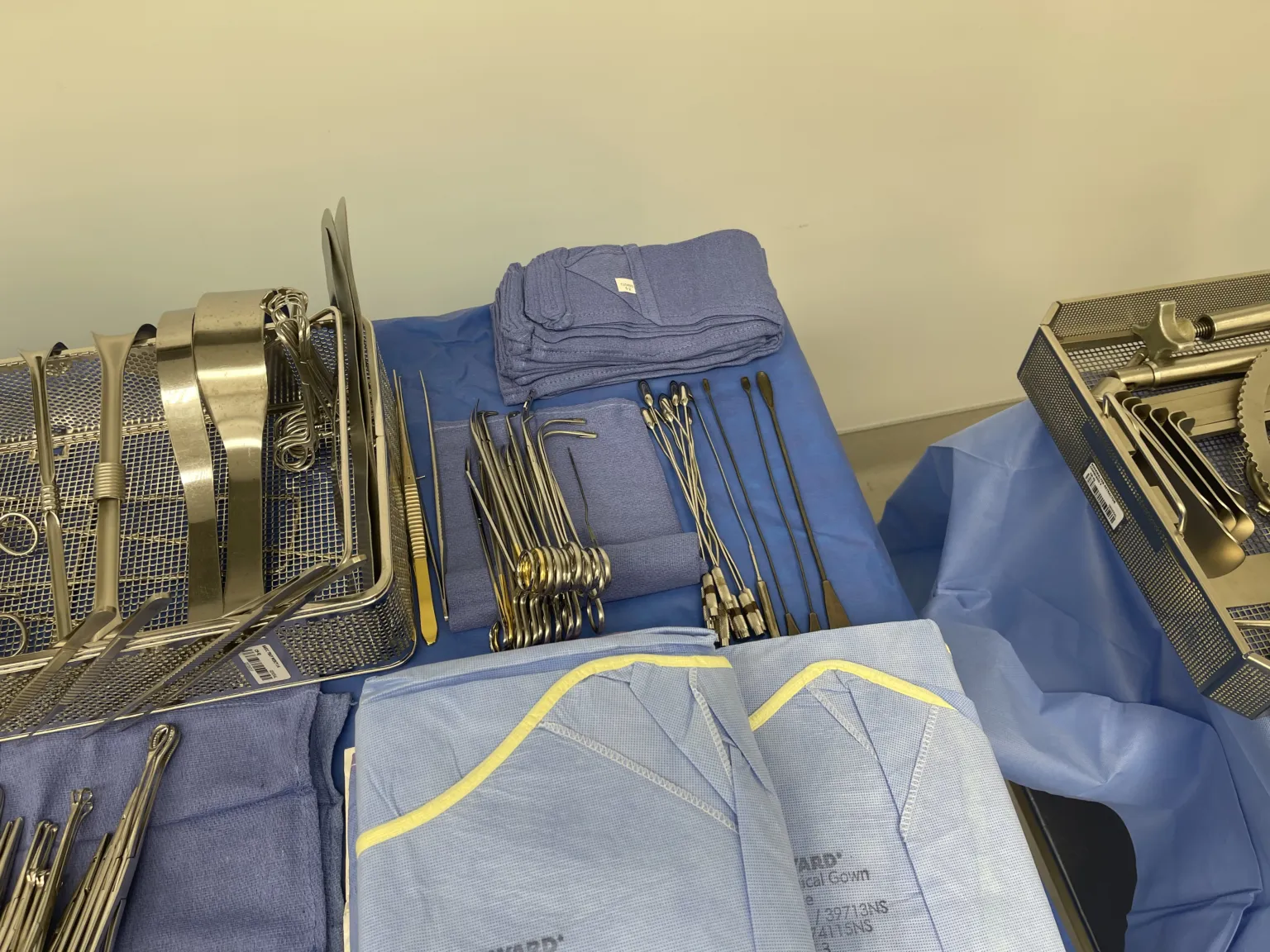
17 instruments to master.
Master this setup: test yourself on every instrument, earn the tier, hold the record.
No site record yet · target 6:26
Study flashcards
Card by card, grade yourself · 17 cards
Practice test
Answer, see why · all 18
Take the exam
18 questions · target 6:26
Surgical instruments
17 on this table. Tap a photo to zoom, the name for its card.
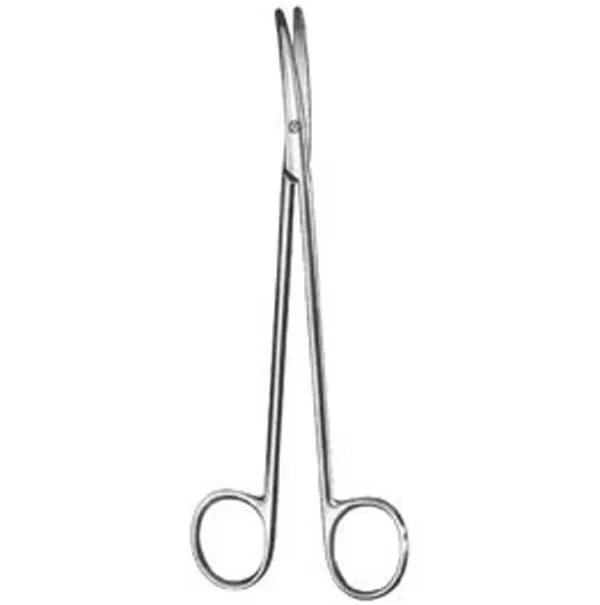
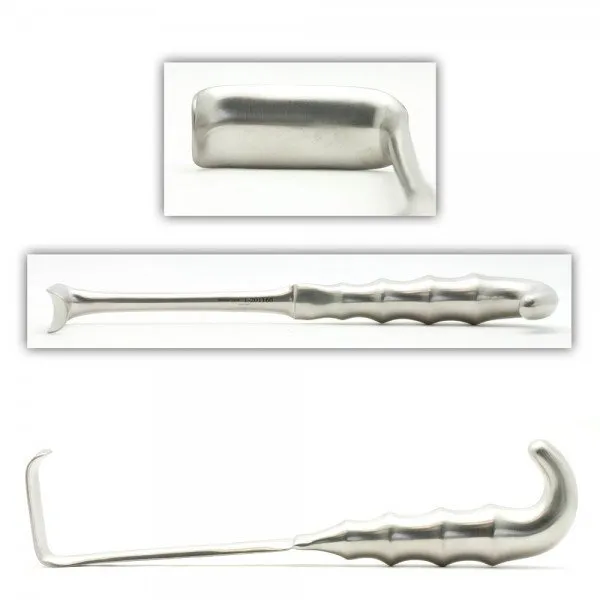
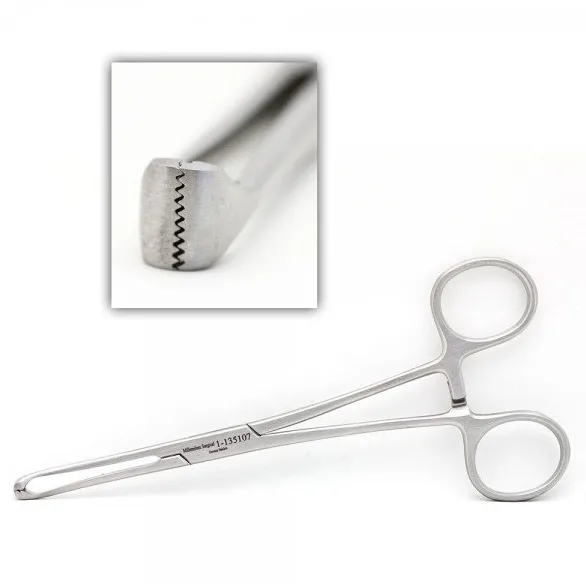
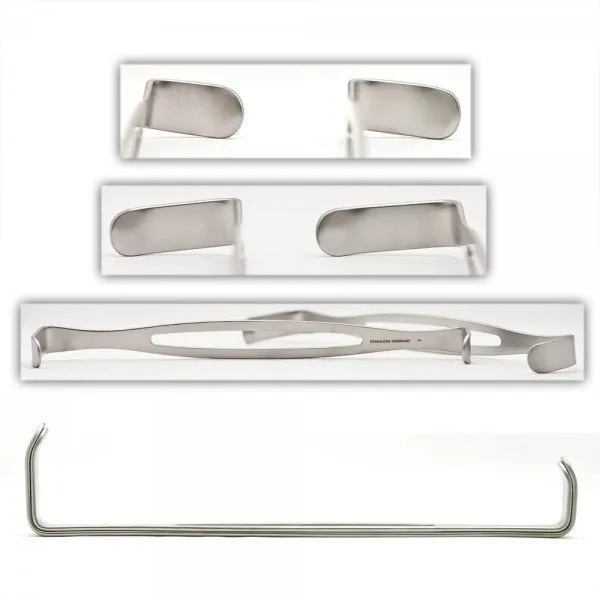
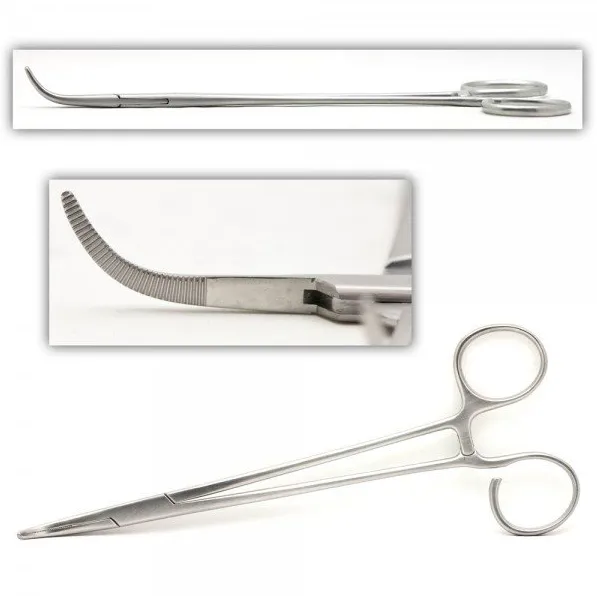
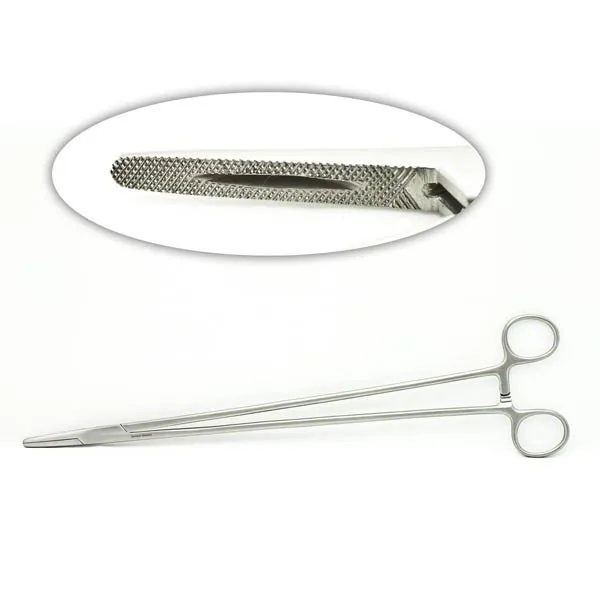
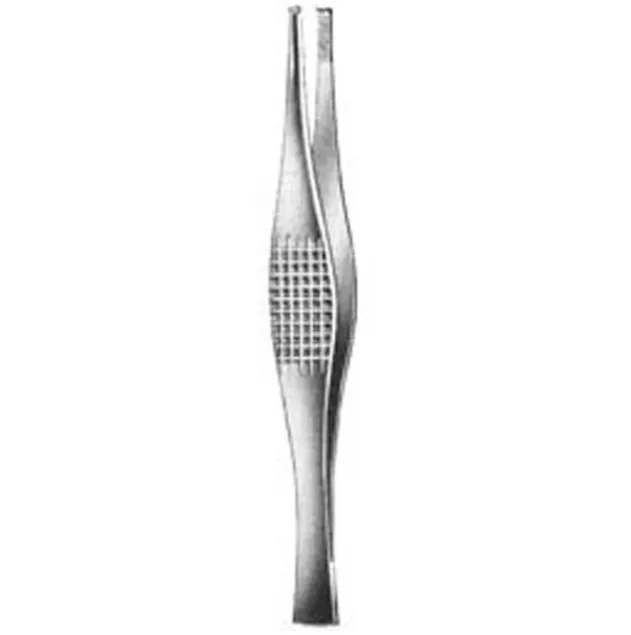
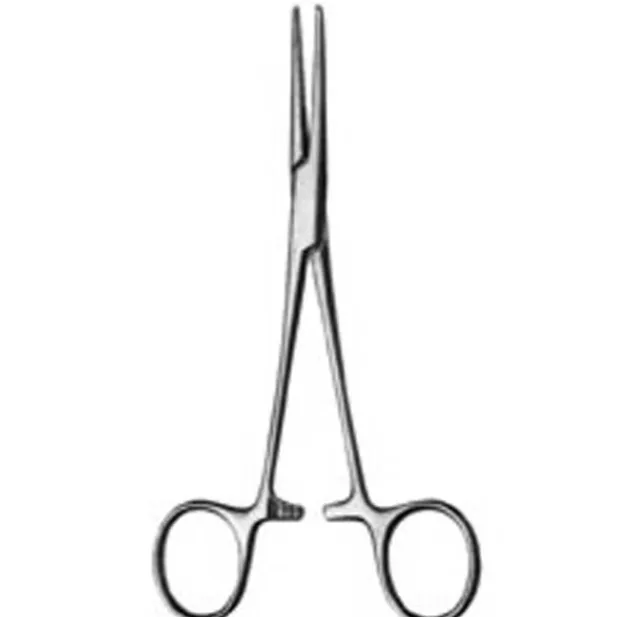
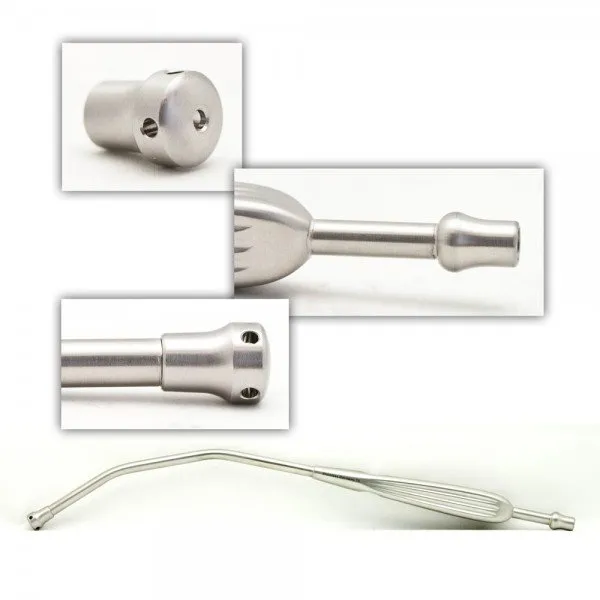
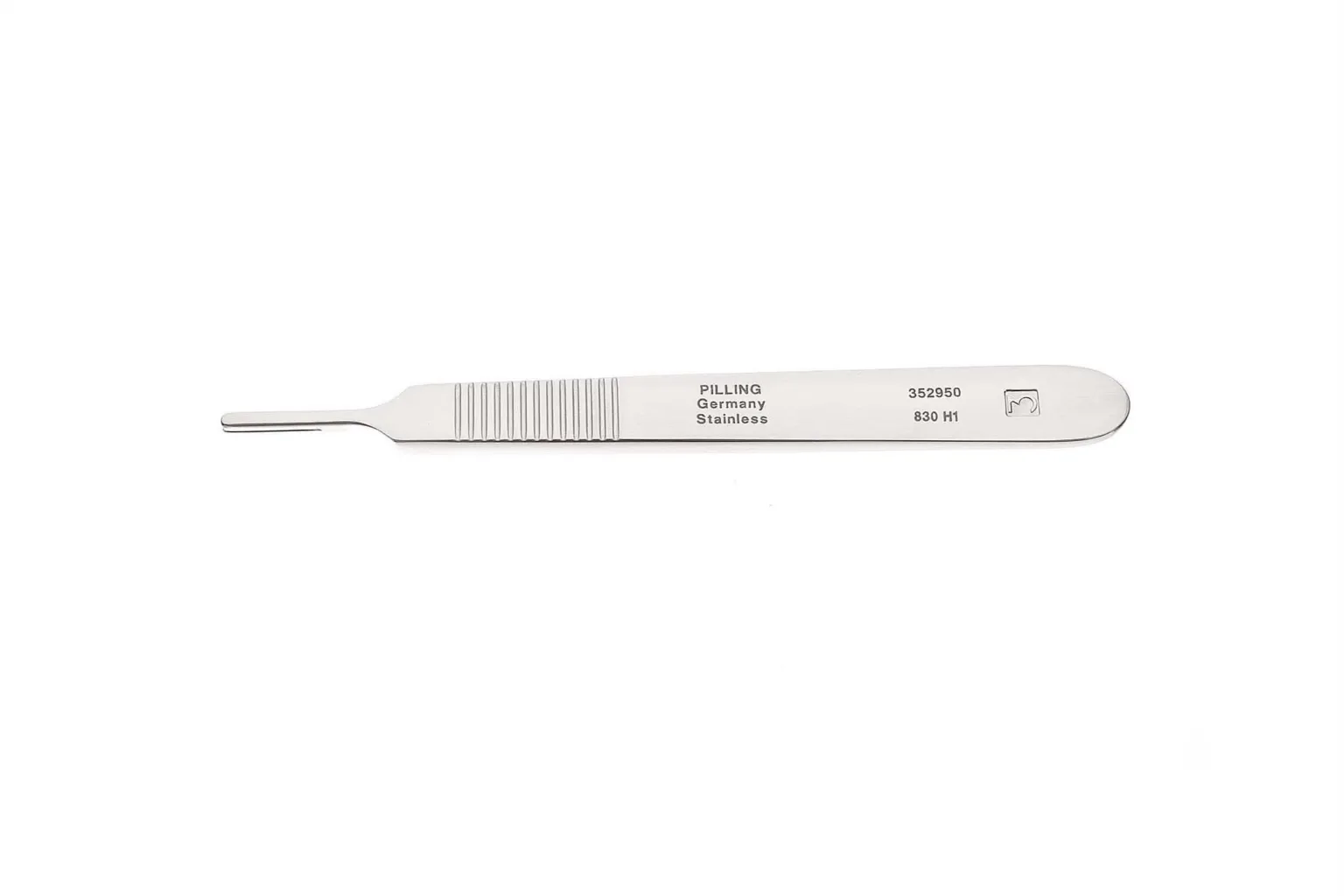
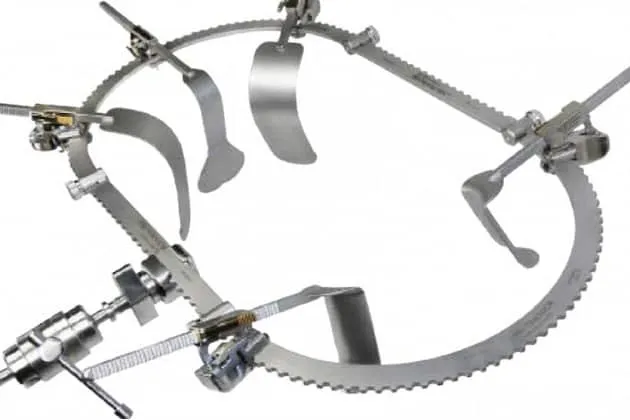
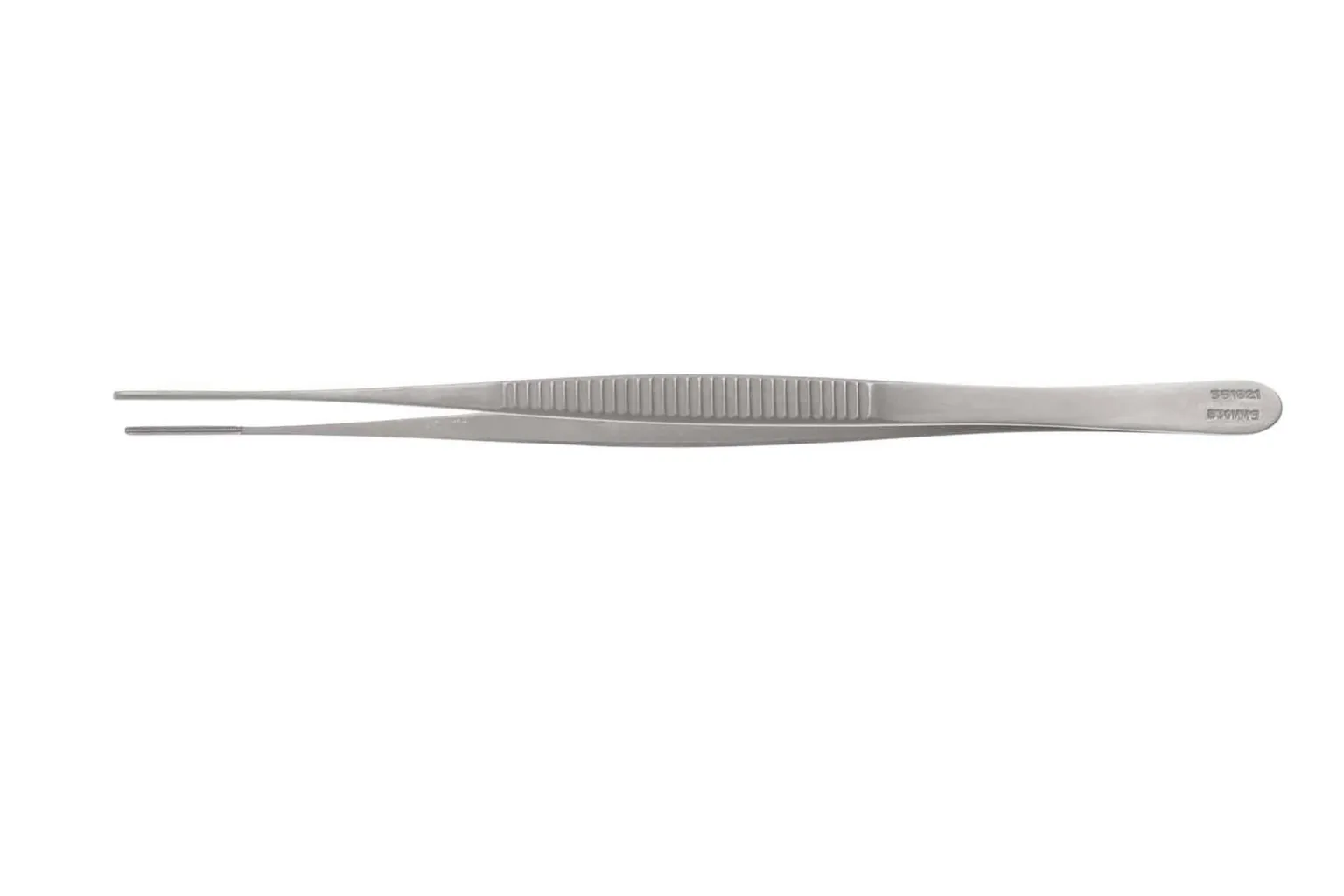
The case
Spark notes
The 30-second rundown. Scan this outside the room.
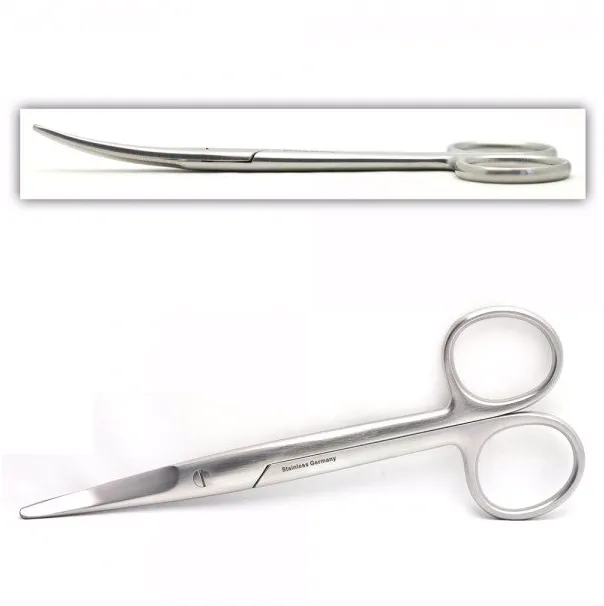
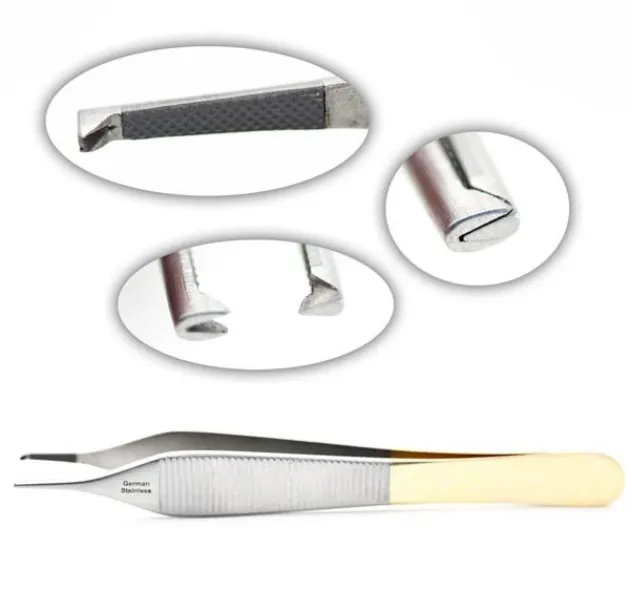
- The surgeon will use a 10 blade on a #3 knife handle, Metz and adsons with teeth, and the bovie to dissect down to the gallbladder.
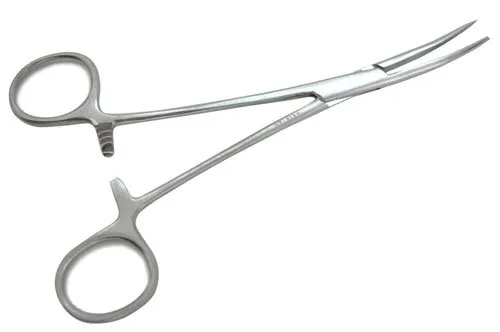
- The gallbladder will need to be dissected from the liver and tied with tonsils.
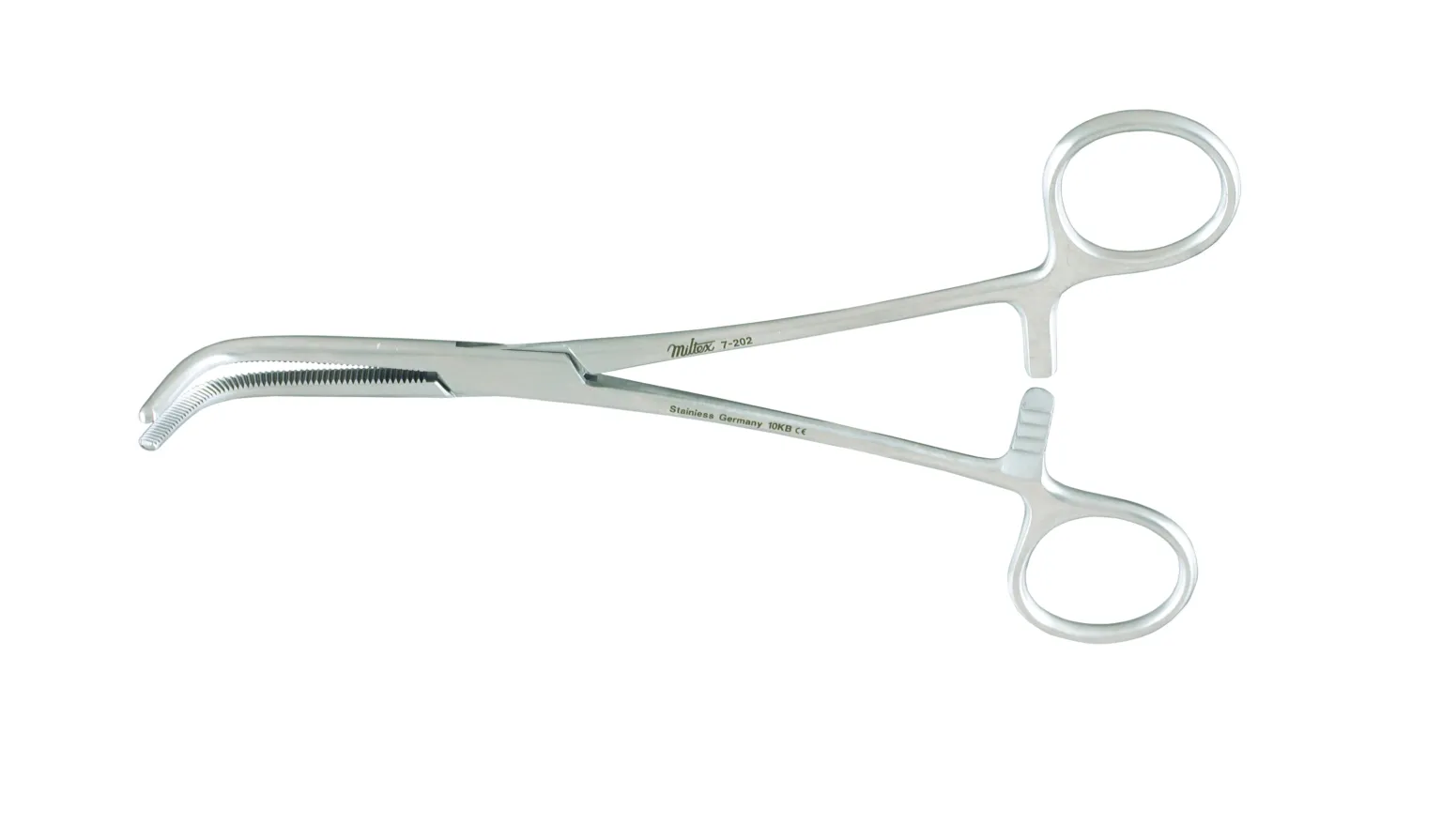
- Use two long, larger clamps such as Kelly's to clamp across the gallbladder.
- Once the gallbladder is removed, it should be sent to pathology.
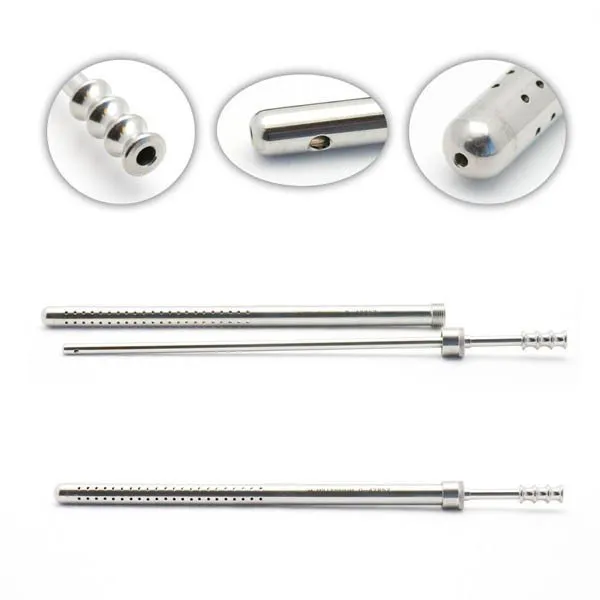
- Irrigate the abdomen, stop any bleeding, and suture the incision closed.
Walkthrough
What the surgeon does, and what to have in your hand before they ask.
Incision
The surgeon will make the initial incision with a 10 blade on a #3 knife handle.
Dissection
To reach the gallbladder, the surgeon will use Metz and Adson forceps with teeth, and a bovie to dissect down. The gallbladder will then need to be dissected from the liver.
Tying and Clamping
Ties should be loaded on tonsils ready to pass. Two long, larger clamps such as Kelly’s will be used to clamp across the gallbladder while it is tied and cut off. The clamps also prevent it from spilling bile.
Pathology
Once the gallbladder has been removed, it should be sent to pathology.
Closing
The abdomen will be irrigated, all bleeding will be stopped, and the incision will be sutured closed.
Tips and tricks
For a successful cholecystectomy, it is essential to have both long and standard length instruments available. Additionally, Vicryl or silk ties should be on hand. Open cholecystectomies often result in significant bleeding, particularly if laparoscopy is not possible due to a pre-existing medical condition. The liver is particularly prone to bleeding, even from the smallest cut.
Add your table
Every surgeon runs it a little differently. Submissions stay private, are reviewed by our team, and accepted contributions earn a credit in the contributor list.