Colostomy/Stoma Creation/Ileostomy
A segment of the large or small intestine is mobilized and exteriorized through an opening in the abdominal wall to create a stoma for the diversion of fecal matter.
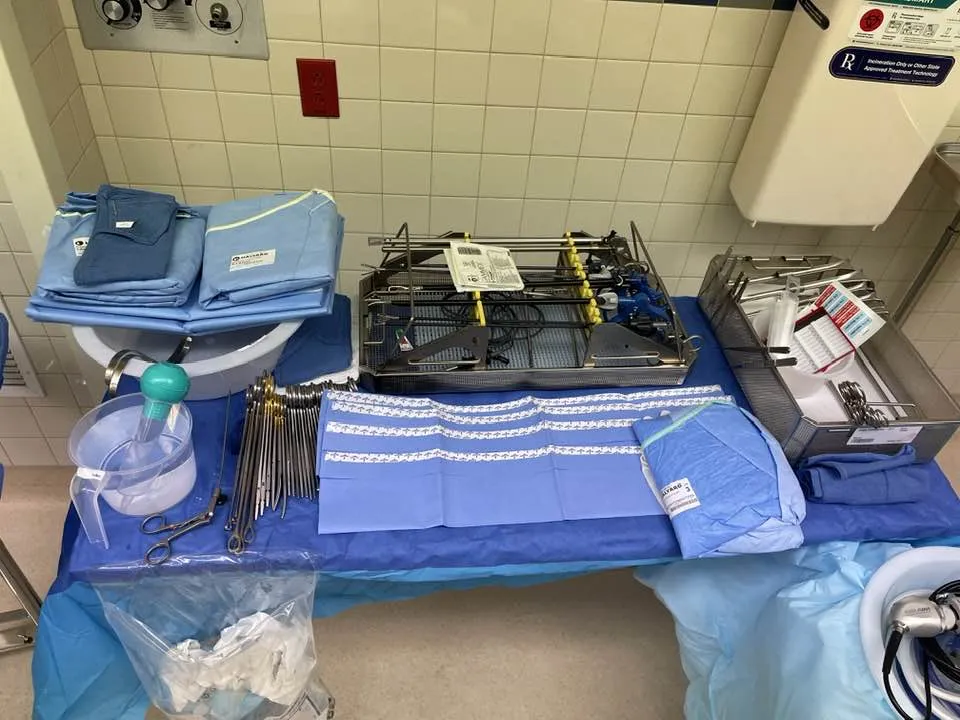
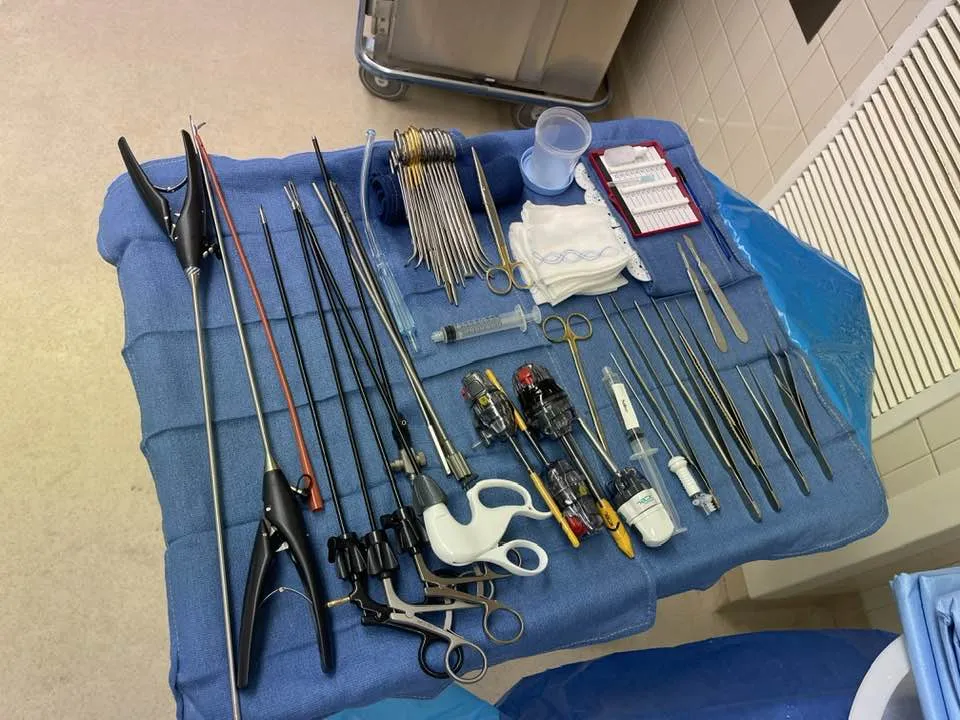
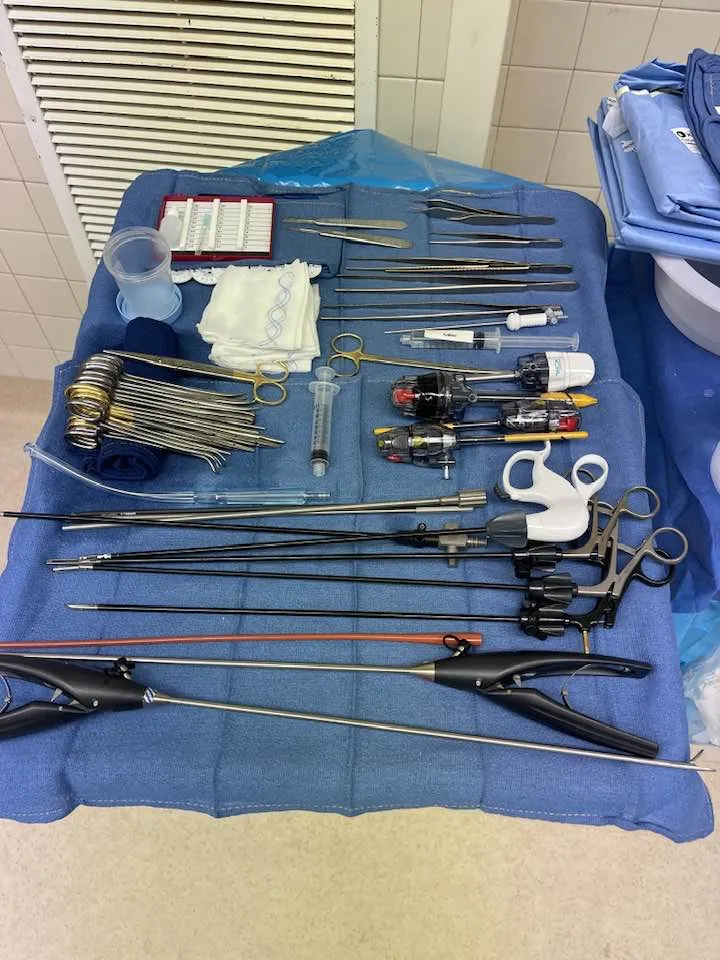
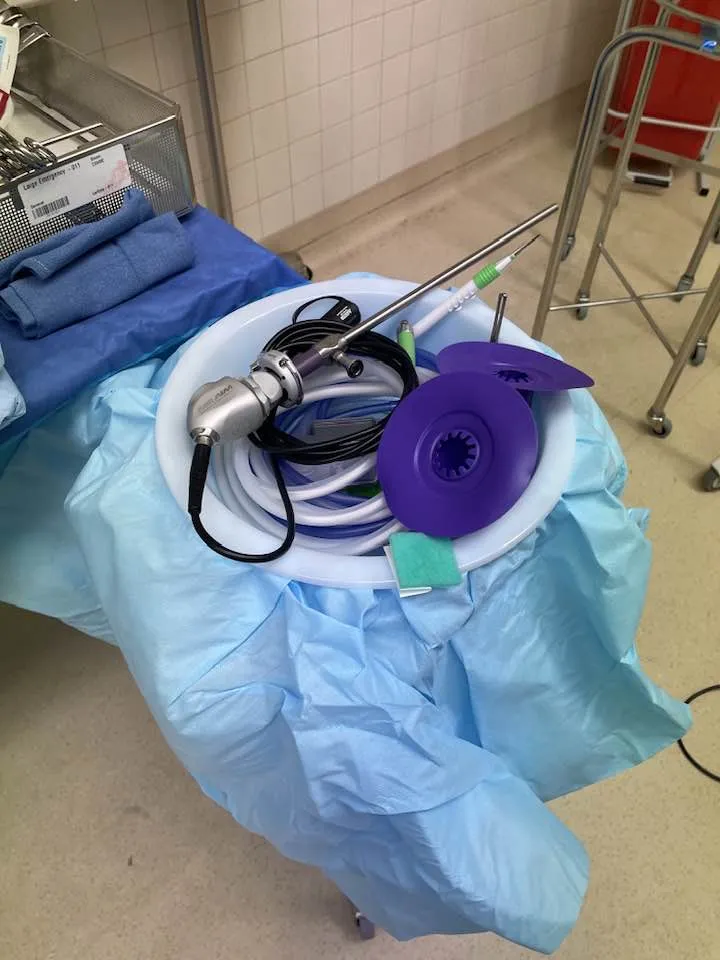
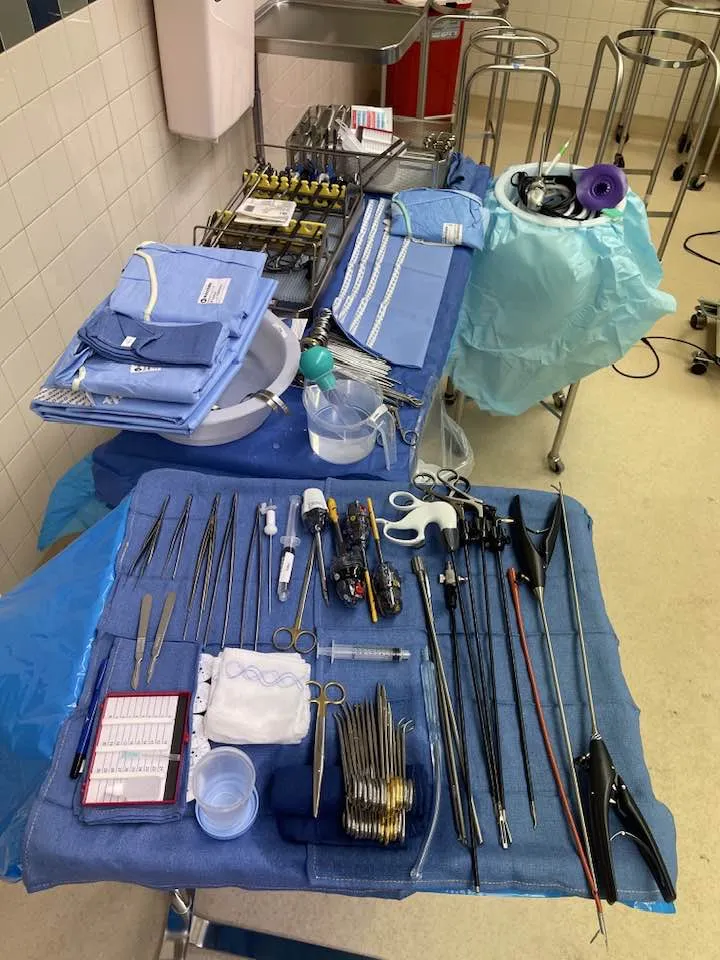
- Position
- Supine
In 30 seconds
Scan this outside the room.
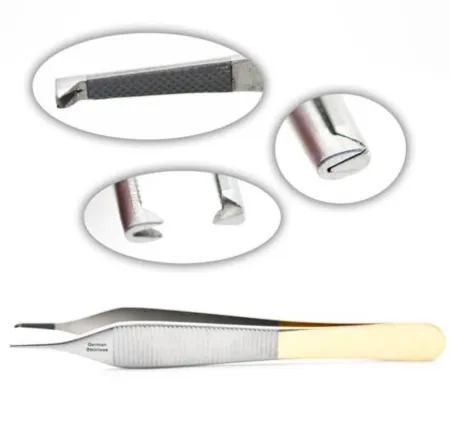
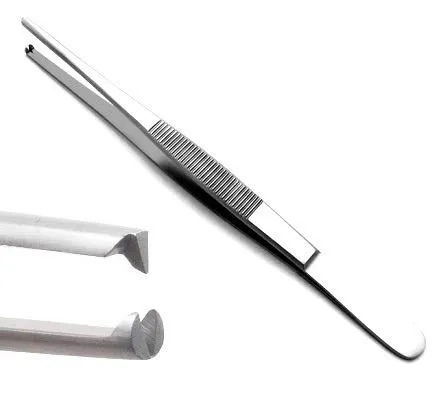
- Make incision in lower abdomen using a 10 or 15 blade and retract tissue with adsons or pickups and skinny retractorrih-TRAK-terA surgical instrument that holds back tissue or organs so the surgeon can see and reach the operative site.Full entry such as Richardsons or senns.
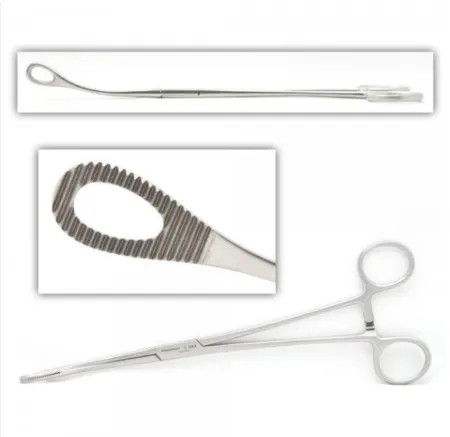
- Create stomaSTOH-muhAn opening on the surface of the body made by surgery, such as the end of bowel brought out through the belly wall.stoma mouth, openingFull entry incision through anterior rectusREK-tusLatin for straight; the name of several straight muscles, such as the rectus abdominis of the abdomen and the rectus femoris of the thigh.Full entry sheathSHEETHA covering that wraps around a structure; in procedures, a short hollow tube left in a blood vessel to pass catheters through.Full entry , pull cut bowel through with a Babcock or an Allis.
- Cut staple line with fresh blade, clamp/loosely sutureSOO-cherA stitch, or the thread used to stitch, that holds the edges of a wound or incision together.Full entry edges, and suture the stomaSTOH-muhAn opening on the surface of the body made by surgery, such as the end of bowel brought out through the belly wall.stoma mouth, openingFull entry with absorbable sutures.
- Attach colostomykuh-LOS-tuh-meeA surgical opening that brings part of the colon through the belly wall, so stool leaves the body into a pouch.col/o colon-stomy surgical openingFull entry bag to the patient by cutting it with curved or straight Mayo scissors.
The tray
16 instruments, by what they do. Tap a name for its card.
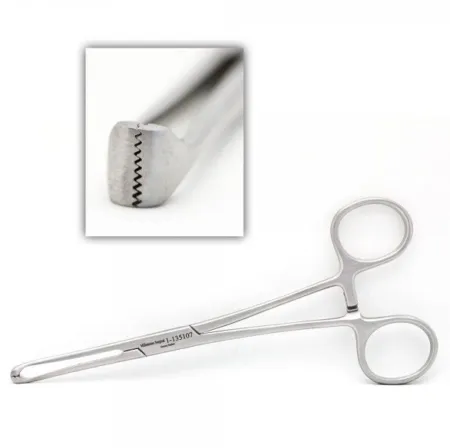
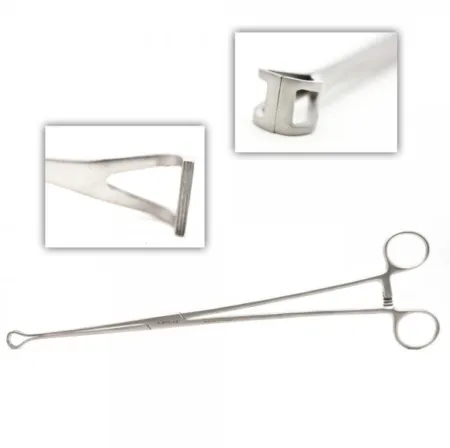
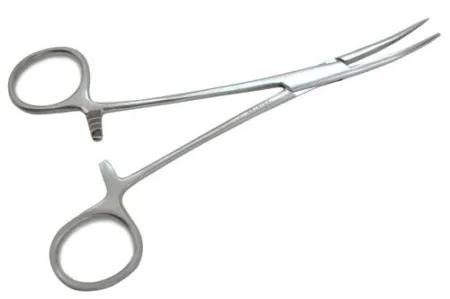
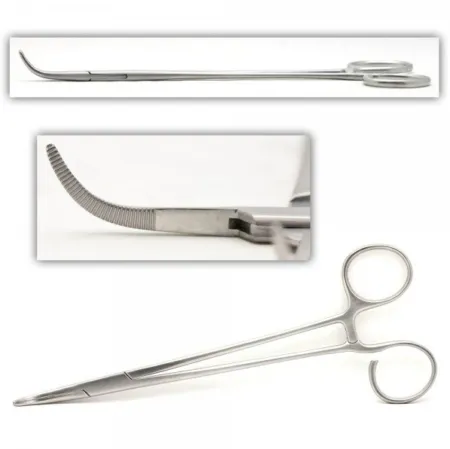
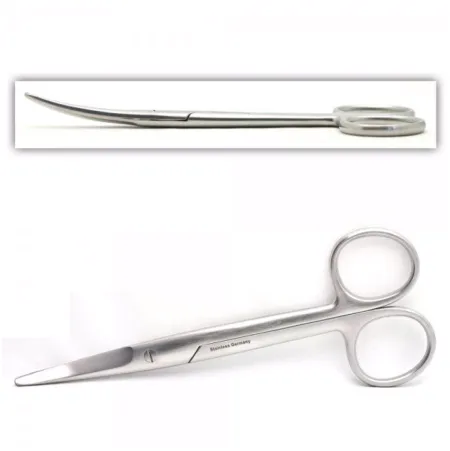
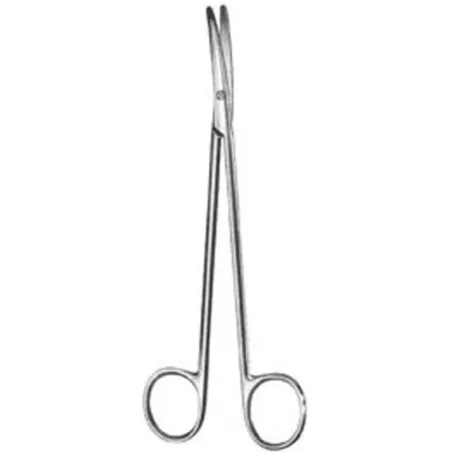
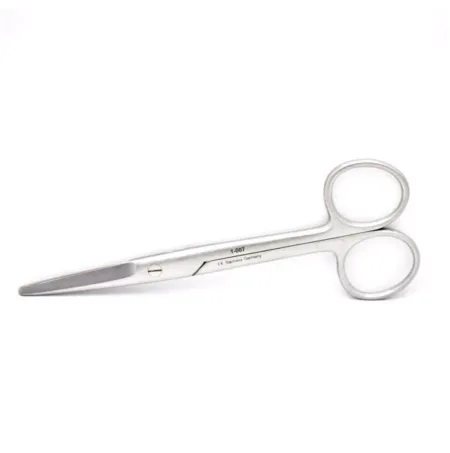
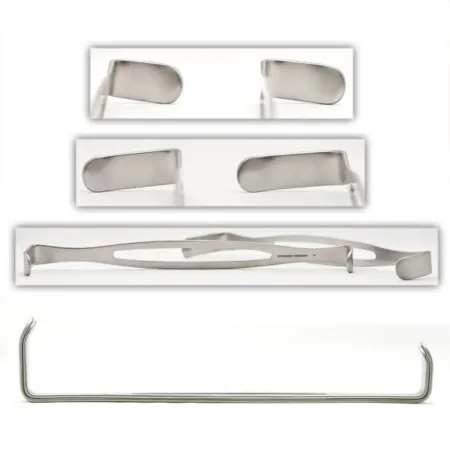
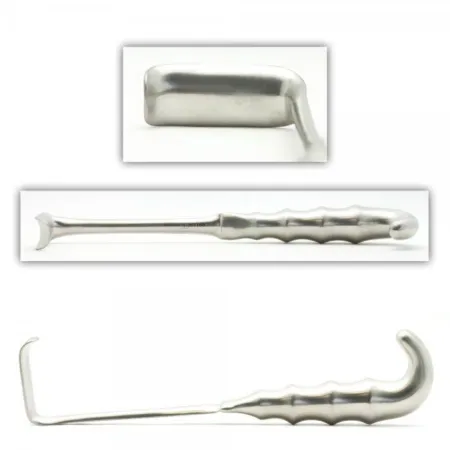
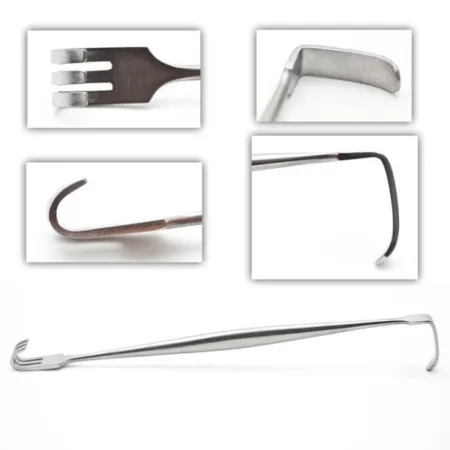
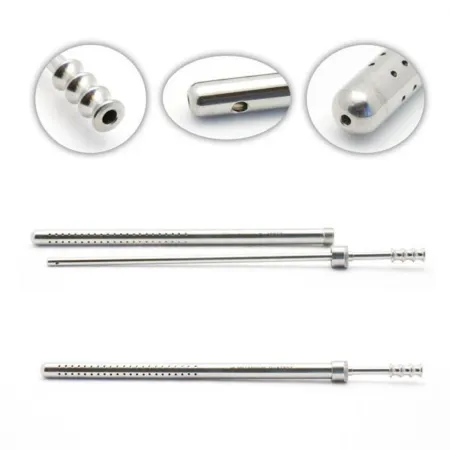
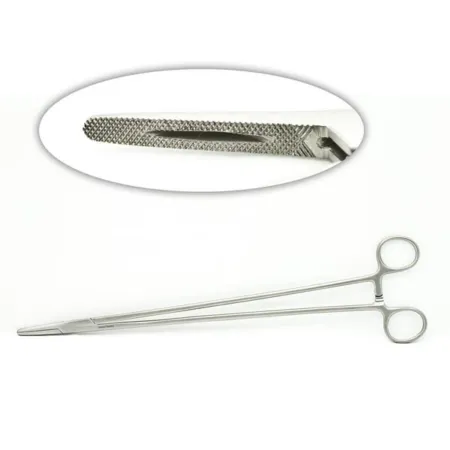
Clamping & Occluding4
Cutting & Dissecting3
Grasping & Holding4
Retracting & Exposing3
Suctioning1
Suturing & Stapling1
Know this tray before you scrub in.
With Pro, for every setup in every specialty. Cancel any time.
Or scrub in free: every General setup and 5 questions a day.
The room
The equipment, the prep and drape, the suture and the medicines.
Folded towels or 4 utility drapes, laparotomy drape
Step by step
4 steps, one line each.
- 1
Making the Incision
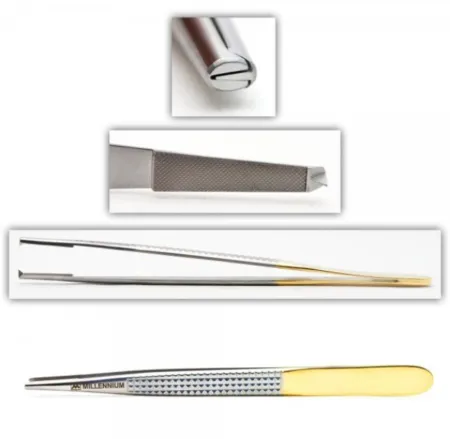
To begin the procedure, the surgeon will make an incision in the lower abdomen using a 10 or 15 blade. The surgeon will then use a bovie with adsons with teeth or a heavier pickup such as rat-tooths or Bonneys to grasp the tissue. Small retractorrih-TRAK-terA surgical instrument that holds back tissue or organs so the surgeon can see and reach the operative site.Full entry such as skinny Richardsons or senns will be used to retract.
- 2
Creating the Stoma Incision
Once the initial incision is made, the surgeon will make another incision through the anterior rectusREK-tusLatin for straight; the name of several straight muscles, such as the rectus abdominis of the abdomen and the rectus femoris of the thigh.Full entry sheathSHEETHA covering that wraps around a structure; in procedures, a short hollow tube left in a blood vessel to pass catheters through.Full entry using a fresh blade. A hemostatHEE-moe-statA clamp with finger rings and a locking ratchet used in surgery to grasp and close off bleeding vessels.hem/o blood-stat stopping, standing stillFull entry or tonsilTON-sulOne of the masses of lymph tissue at the back of the throat that help fight germs entering the mouth and nose.Full entry will be used to separate the tissue, and the previously cut bowel will be pulled through the stomaSTOH-muhAn opening on the surface of the body made by surgery, such as the end of bowel brought out through the belly wall.stoma mouth, openingFull entry incision using a Babcock or an Allis.
- 3
Cutting the Staple Line
The bowel would have been stapled and cut prior during the colon resectionrih-SEK-shunSurgery to remove part of an organ or tissue.re- back, againsect to cut-ion processFull entry portion of the surgery. Now, a fresh blade will be used to cut that staple line off, and the edges can be clamped or loosely sutureSOO-cherA stitch, or the thread used to stitch, that holds the edges of a wound or incision together.Full entry to the stomaSTOH-muhAn opening on the surface of the body made by surgery, such as the end of bowel brought out through the belly wall.stoma mouth, openingFull entry incision. Absorbable sutures can then be used to suture the stoma.
- 4
Attaching the Colostomy Bag
Finally, the circulator will open up the unsterile colostomykuh-LOS-tuh-meeA surgical opening that brings part of the colon through the belly wall, so stool leaves the body into a pouch.col/o colon-stomy surgical openingFull entry bag to you, and the surgeon will use curved or straight Mayo scissors to cut it to the appropriate circumference. The colostomy bag will be attached to the patient, and the stomaSTOH-muhAn opening on the surface of the body made by surgery, such as the end of bowel brought out through the belly wall.stoma mouth, openingFull entry creation is complete. Tips and tricks As a surgical technologistSUR-jih-kul tek-NOL-uh-jistA member of the operating room team who prepares the sterile field and instruments and hands them to the surgeon.Full entry preparing for a Colostomy/Stoma Creation/ileostomyil-ee-OS-tuh-meeA surgical opening that brings the end of the ileum through the belly wall, so stool leaves the body there.ile/o ileum-stomy surgical openingFull entry procedure, it's important to keep the dirty instruments separate from the clean ones. One best practice is to have a separate "closing table" for closing the abdomen. This table should include Mayo scissors, a variety of clamps, needle drivers, sutureSOO-cherA stitch, or the thread used to stitch, that holds the edges of a wound or incision together.Full entry , irrigationeer-ih-GAY-shunWashing out a wound, body cavity, tube or eye with a steady flow of liquid.Full entry , clean laps, and clean gloves. By keeping these items separate, you can ensure that the sterile fieldSTAIR-ul feeldAn area set up with sterile drapes and supplies, kept free of all germs, for a sterile procedure.Full entry is maintained throughout the procedure.
The case
A colostomy, stoma creation, or ileostomy is a surgical procedure that involves creating an opening in the abdomen and bringing a part of the large or small intestine through the opening to create a stoma. The stoma allows stool to pass out of the body and into a colostomy bag or pouch, which is attached to the skin around the stoma. This procedure is usually done after a colon resection or colectomy, and it is performed when the normal route for stool to exit the body is blocked or damaged.
Built by the techs who scrub it.
Every surgeon runs it a little differently. Send your table, or a fix for this page.
 Diana Lei-alohaReviewer
 Jessica CarrPhotos
The rest of this setup is Pro.
Everything unlocked above stays free. Pro opens the rest, on every setup: where new techs slip, what to load next at every step, the circulator’s side, the medicines, the specimen, wound class and trays on standby, what to grab if it goes wrong, and practice for every tray.
Free, for good. No card.
- All 2,882 instrument cards
- Every General setup in full
- 5 exam questions a day
- Your own preference cards
Pass your exam. Know every case.
Everything in Free, plus:
- All 260 setups in every specialty: back table, Mayo and every step
- Practice that never runs out and full timed exams for the CST, TS-C, CRCST, CSPDT and CSFA, with the why behind every answer
- Flashcards on any tray, timed to come back before you forget
- Every instrument card in full: the 3D model, cautions, inspection, how to pass it
Cancel any time from your account. Not worth it? Email us within 30 days of a charge for a refund, one per customer. Refund policy
Pro is also in the CSTSetup app, on the same account. Already have Pro? Log in
Send your table
Your Mayo, your back table, your surgeon’s way, or anything wrong on this page. Your email is only used to credit you. Submissions stay private and are reviewed by our team; accepted ones earn a Contributor credit here.