Exploratory Laparotomy
An open surgical incision into the abdominal cavity to allow for the direct visualization and inspection of internal organs to diagnose injury or disease.
15 instruments to master.
Master this setup: test yourself on every instrument, earn the tier, hold the record.
No site record yet · target 6:04
Study flashcards
Card by card, grade yourself · 15 cards
Practice test
Answer, see why · all 17
Take the exam
17 questions · target 6:04
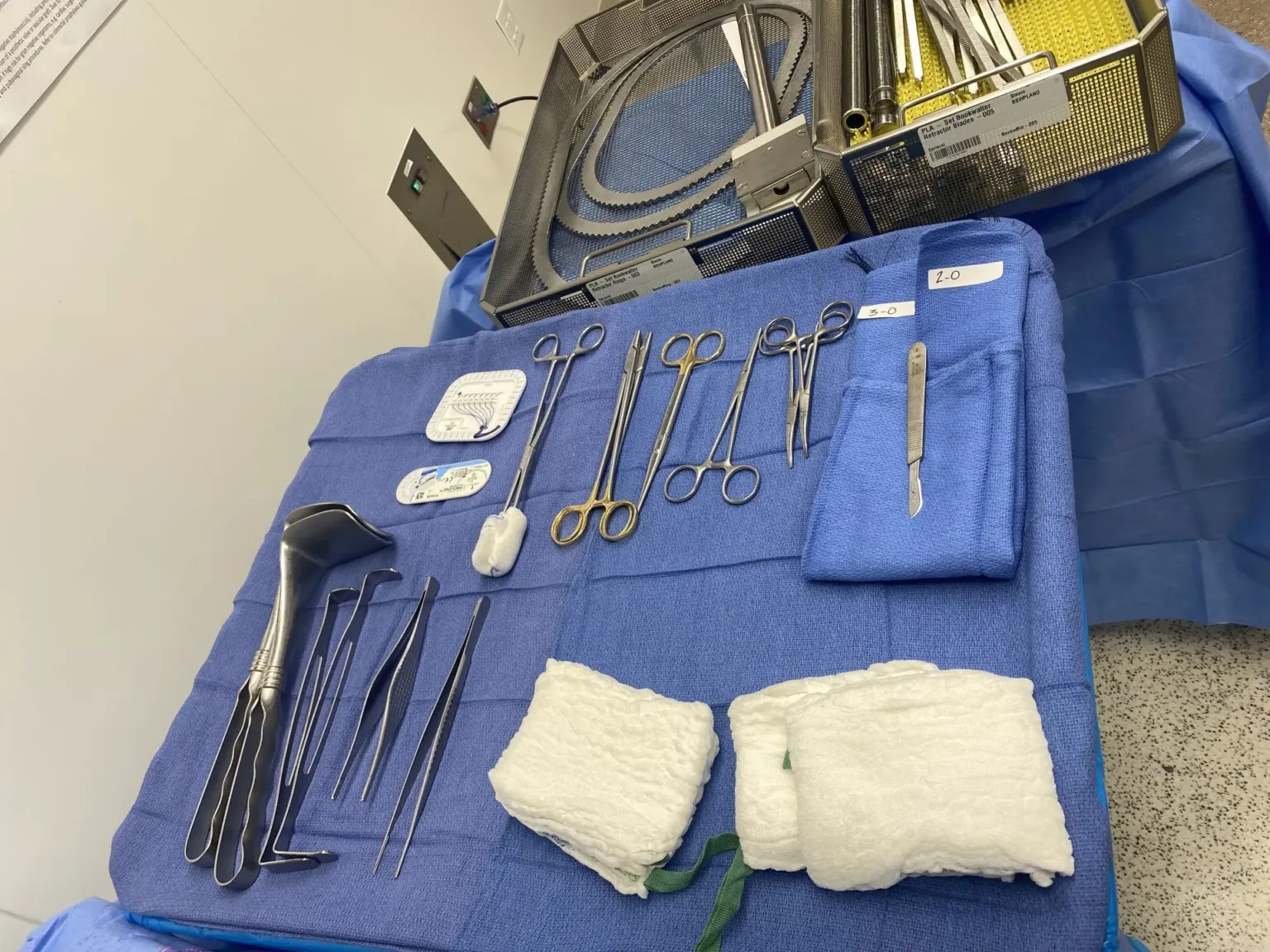
Surgical instruments
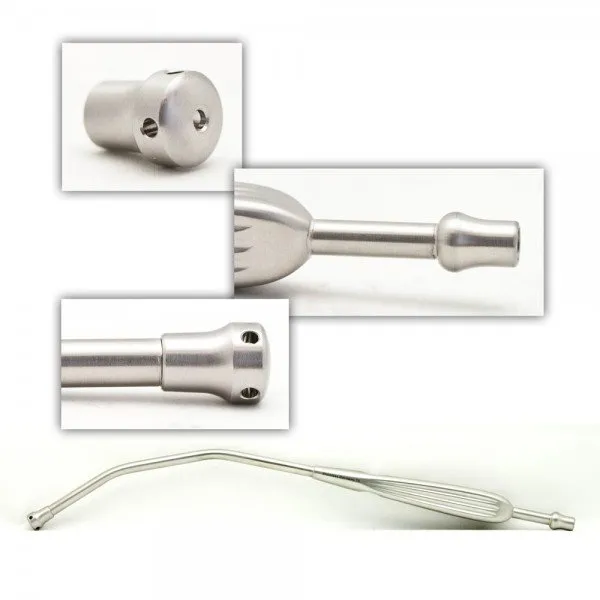
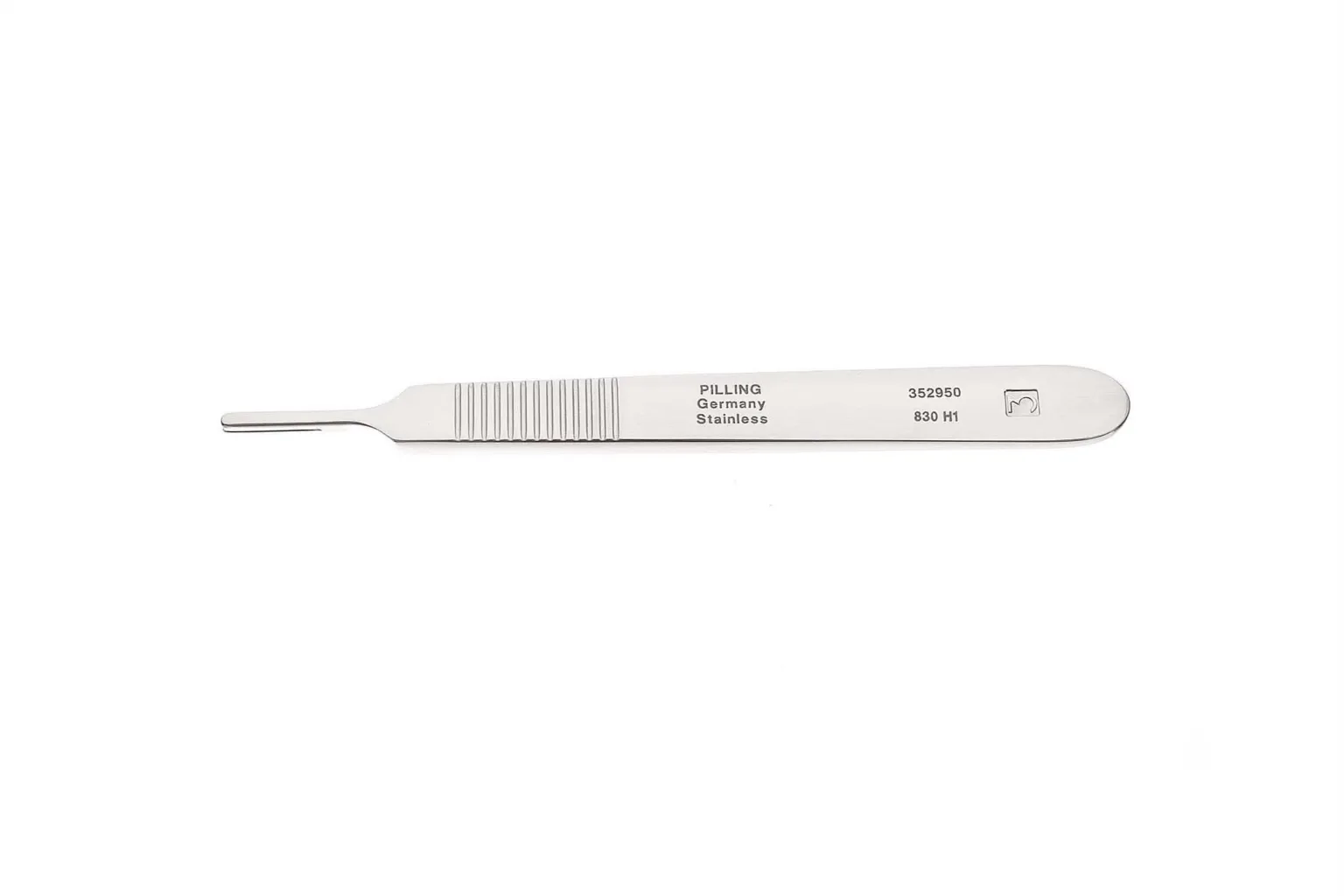
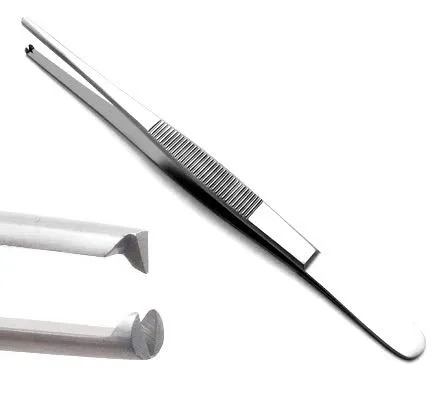
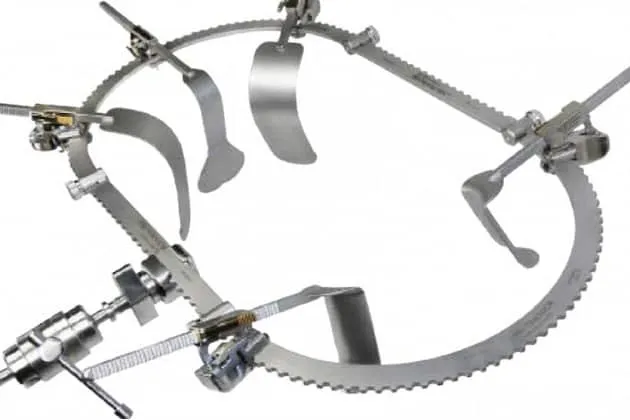
15 on this table. Tap a photo to zoom, the name for its card.
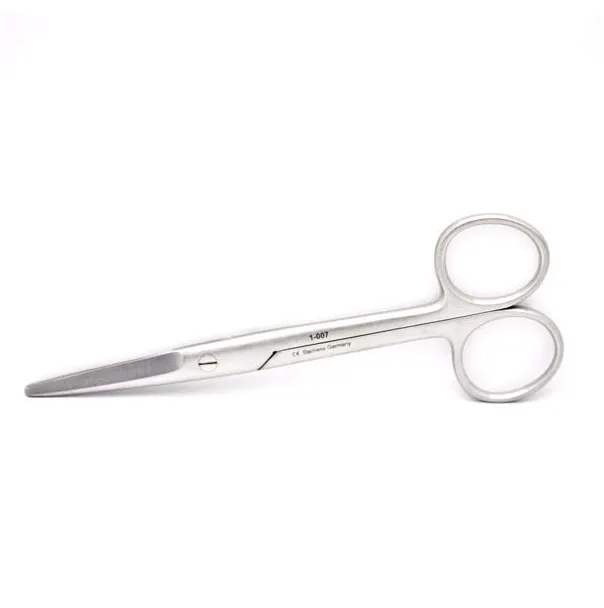
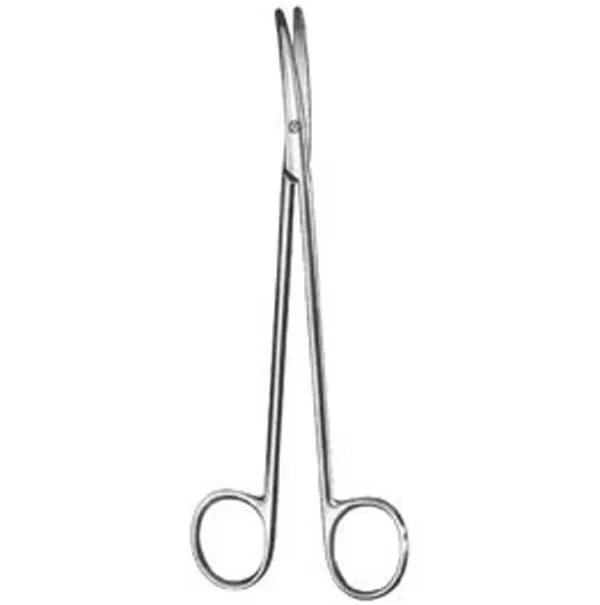
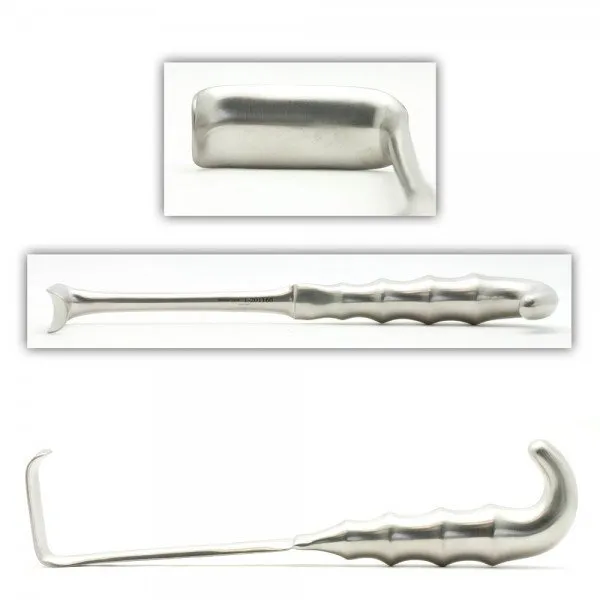
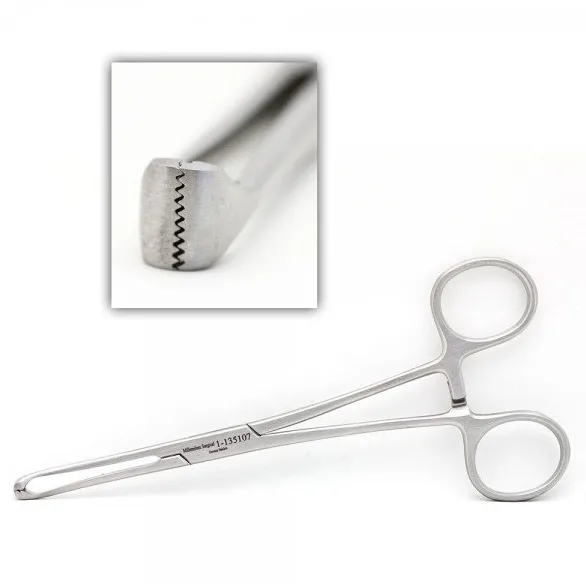
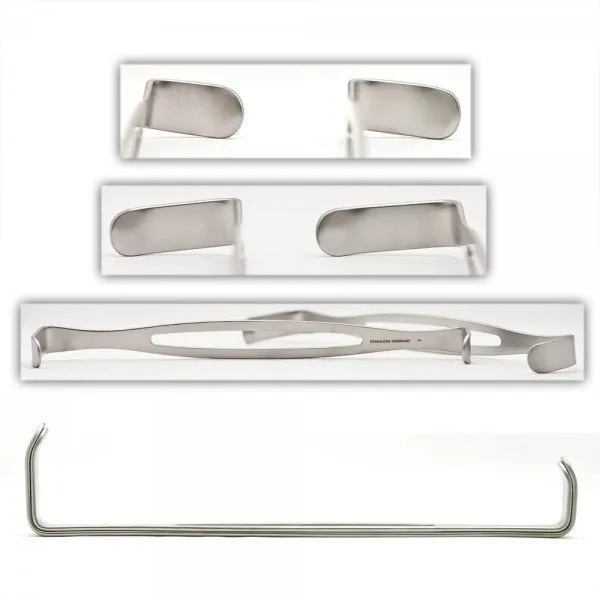
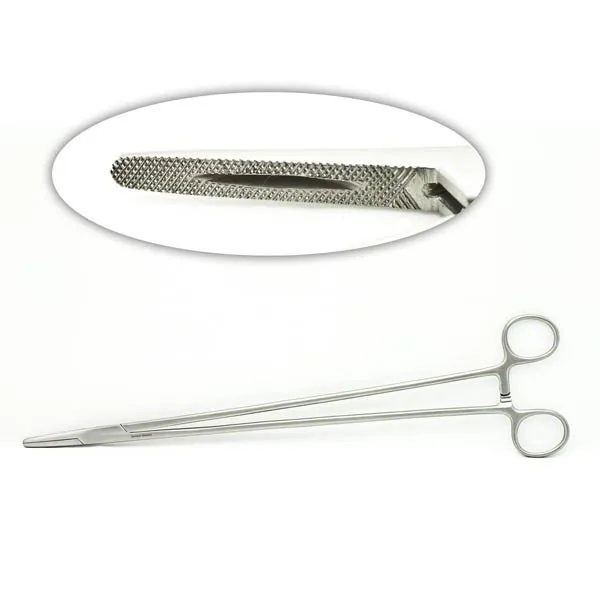
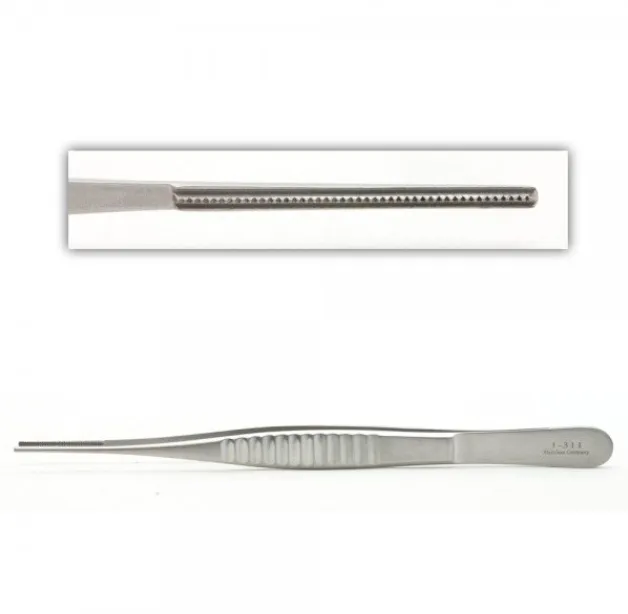
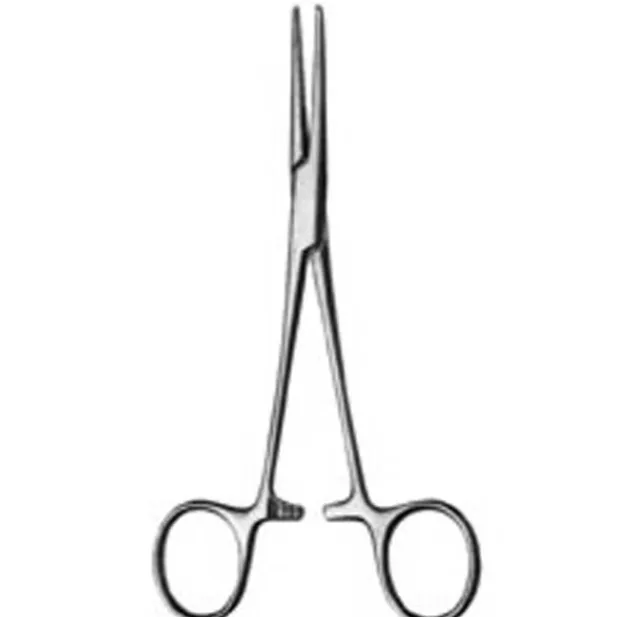
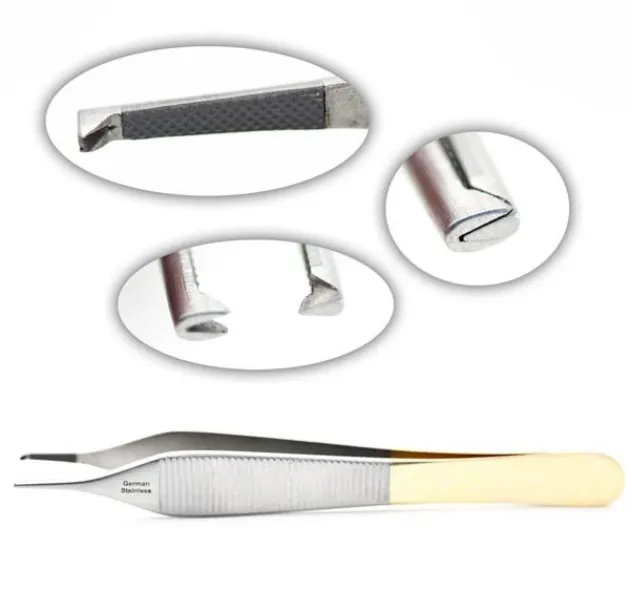
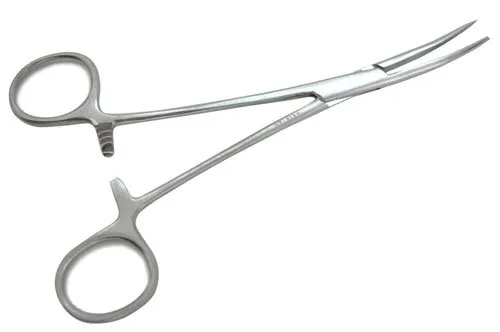
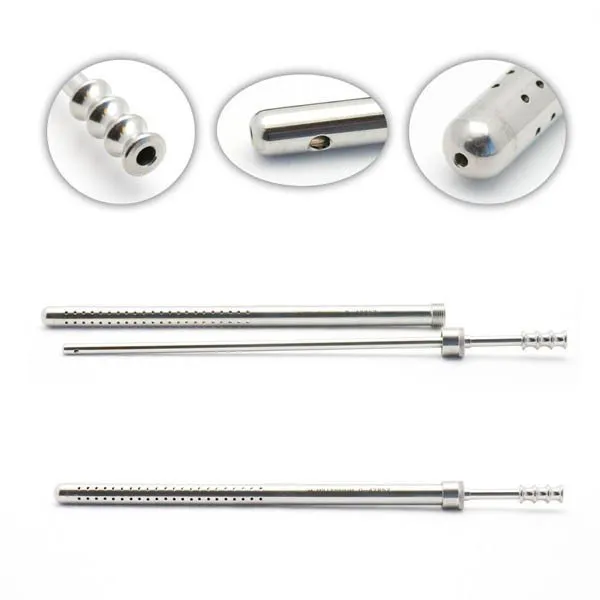
The case
Spark notes
The 30-second rundown. Scan this outside the room.
- Prepare necessary instruments: 10 blade, cautery, Metz, variety of pickups, medium and big Richardson retractors, Bookwalter retractor, and fluid warmer.
- Make incision with 10 blade and dissect down to bowel.
- Use pickups and cautery to dissect and retract with Richardson retractors.
- Identify problem area in intestines and resolve issue, potentially performing resection.
- Close abdomen in layers and place drain to prevent fluid buildup. May leave open in certain cases.
Walkthrough
What the surgeon does, and what to have in your hand before they ask.
Making the Incision
To begin the surgery, the surgeon will use a 10 blade to make a large incision in the patient's abdomen. Once the incision is made, the surgeon will use cautery, Metz, and the variety of pickups to dissect down to the bowel.
Retracting and Dissecting
At the beginning of the surgery, the surgeon will use medium and big Richardson retractors to retract the area. Once the area is retracted, the surgeon will use their hands to follow the intestines to locate the problem area. They will use a combination of pickups and cautery to dissect through the tissue as necessary.
Identifying and Resolving the Issue
The surgeon will try to find the problem area, which may be a twisted piece of intestine that needs to be repositioned, or a dead part of the bowel that requires resection. In rare cases, the surgeon may not be able to find any issues within the abdomen. Once the problem is identified, the surgeon will resolve it.
Closing the Incision
After resolving the issue, the abdomen is usually closed in layers, and a drain may be placed to prevent any excessive fluid and pooling in the abdomen. If the patient is expected to have another surgery or if there is a significant amount of infection, the abdomen may be left open.
Tips and tricks
It is important to ensure that the fluid warmer is set up and ready for use, as saline will be irrigated throughout the entire abdomen during the surgery.
Add your table
Every surgeon runs it a little differently. Submissions stay private, are reviewed by our team, and accepted contributions earn a credit in the contributor list.