Laparoscopic Inguinal Hernia Repair
A mesh is placed through small ports into the space between the peritoneum and the abdominal wall so it covers the direct, indirect and femoral openings of the groin, repairing an inguinal hernia on one or both sides from behind.
- Position
- Supine · Trendelenburg
- Anesthesia
- General Anesthesia
In 30 seconds
Scan this outside the room.
- general anesthesiaJEN-er-ul an-es-THEE-zhuhDrug-induced loss of consciousness and feeling over the whole body, so a person feels nothing and is not aware during surgery.an- withoutesthesi/o feeling, sensation-ia conditionFull entry ; supine, arms tucked and padded; padded shoulder braces; catheter only if the surgeon wants it.
- Right side, possibly bilateral: prep lower abdomen, genitals and upper thighs on both sides.
- Four towels and a laparotomylap-uh-ROT-uh-meeSurgery that opens the abdomen through a large cut to reach the organs inside.lapar/o abdomen-tomy cutting intoFull entry or laparoscopylap-uh-ROS-kuh-peeSurgery or an exam done through small cuts in the belly, using a thin, lighted tube with a camera.lapar/o abdomen-scopy looking with an instrumentFull entry drape; pass off carbon dioxideKAR-bun dy-OK-sideA gas made by the body's cells as waste, carried in the blood to the lungs and breathed out.Full entry tubing, light cord, suction and electrosurgeryee-LEK-troh-SUR-jer-eeUsing high-frequency electric current through a handheld tool to cut tissue or seal bleeding vessels during surgery.Full entry cord.
- Confirm TEP or TAPP, the side, the mesh sizes and the fixation (tacks or glue).
- TEP: #15 blade below the umbilicus, rectusREK-tusLatin for straight; the name of several straight muscles, such as the rectus abdominis of the abdomen and the rectus femoris of the thigh.Full entry pulled aside, balloon dissector inflated under vision.
- TEP: blunt-tip trocarTROH-karA sharp or bladed instrument inside a tube (cannula), used to pierce a body wall and leave the tube in place as a port.Full entry , preperitoneal space filled to about 12 to 15 mm Hg, two more midlineMID-lineAn imaginary line down the center of the body; also, a type of IV catheter placed in a vein of the upper arm.Full entry trocars.
- TAPP: Veress needle, 10-mm umbilical trocarTROH-karA sharp or bladed instrument inside a tube (cannula), used to pierce a body wall and leave the tube in place as a port.Full entry , 20 to 30 degrees head-down, two 5-mm trocars.
- TAPP: scissors and hook cautery raise a peritonealper-ih-toh-NEE-ulHaving to do with the peritoneum, the thin lining of the belly cavity and the organs inside it.Full entry flap above the internal ring.
- 30-degree scope, atraumatic graspers, dissector: clear Cooper's ligament and free the cord; protect the nerves.
- Reduce the sac; a large sac is divided and closed with a loop ligature or clip.
- Mesh about 12 x 15 cm through the 10-mm trocarTROH-karA sharp or bladed instrument inside a tube (cannula), used to pierce a body wall and leave the tube in place as a port.Full entry ; tacks from the pubic tubercle along Cooper's ligament, or glue.
- TAPP flap closed with a running sutureSOO-cherA stitch, or the thread used to stitch, that holds the edges of a wound or incision together.Full entry ; gas out under vision; close fasciaFASH-ee-uhA sheet or band of tough connective tissue that covers and separates muscles and organs.fasci/o bandFull entry at ports over 8 mm.
The tray
32 instruments, by what they do. Tap a name for its card.
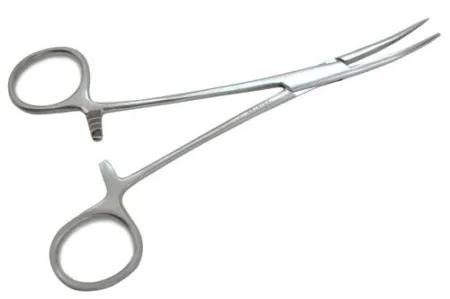 Curved HemostatsClamping
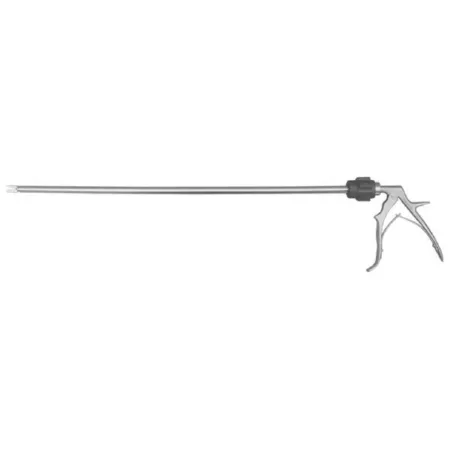 Laparoscopic Clip AppliersClamping
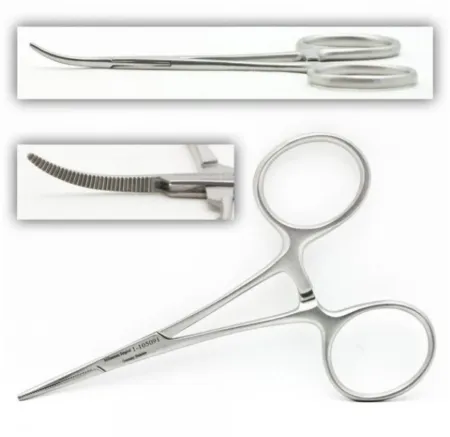 Mosquito Clamp - CurvedClamping
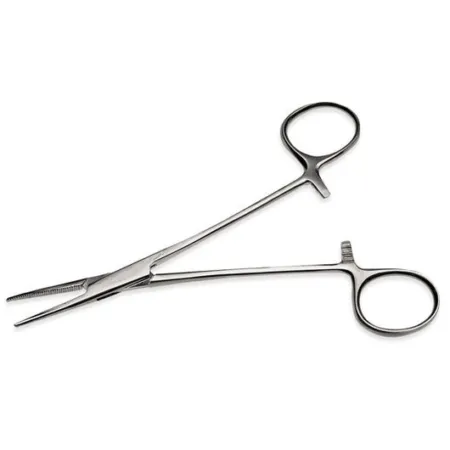 Mosquito Clamp - StraightClamping
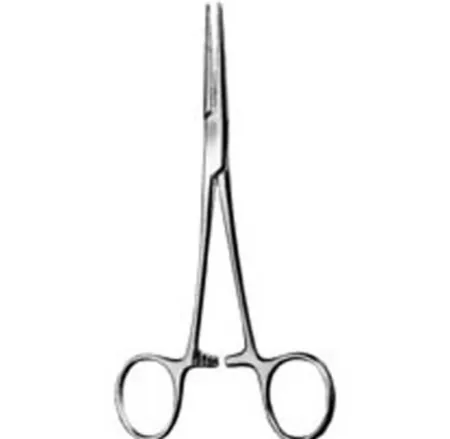 Straight HemostatClamping
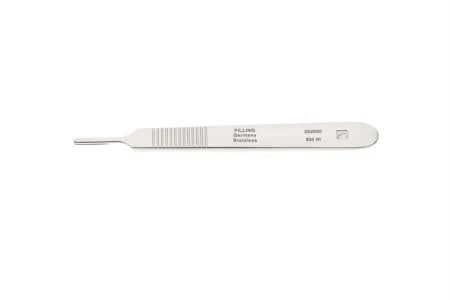 #3 Knife HandleCutting
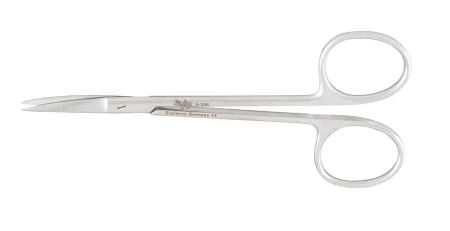 Curved Iris ScissorCutting
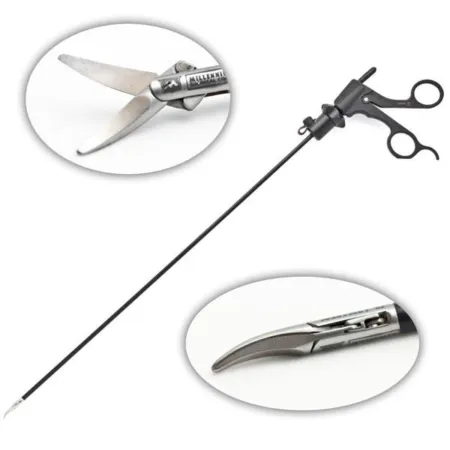 Laparoscopic Metz ScissorCutting
All 32 instruments
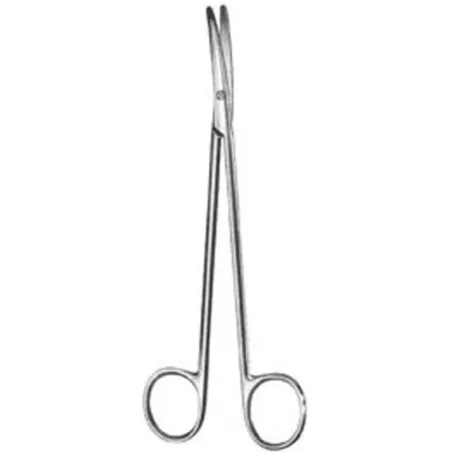 Metzenbaum ScissorCutting
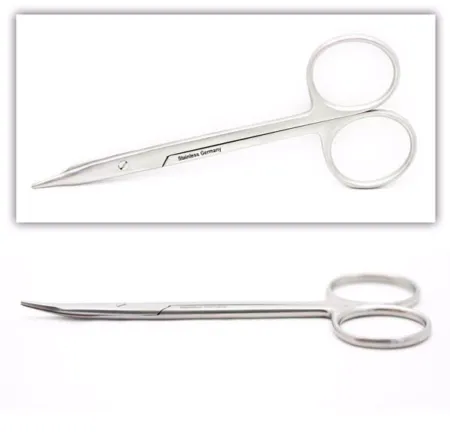 Stevens Tenotomy ScissorCutting
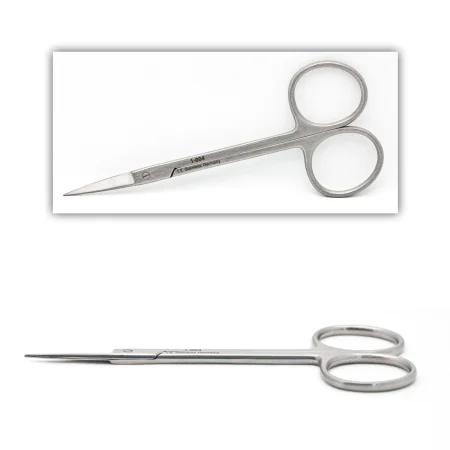 Straight Iris ScissorCutting
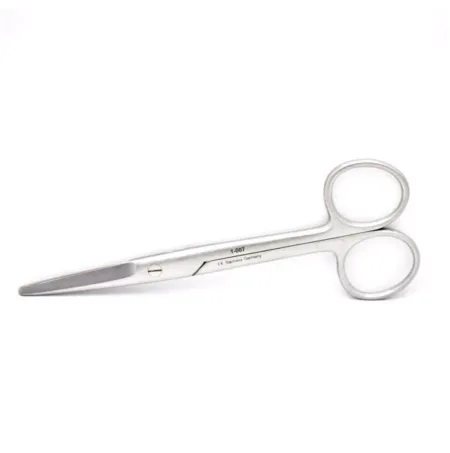 Straight Mayo ScissorCutting
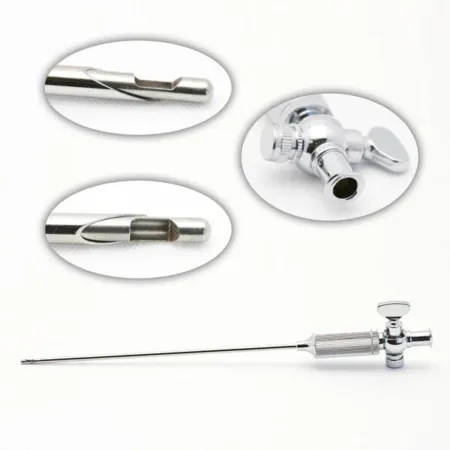 Veress NeedleCutting
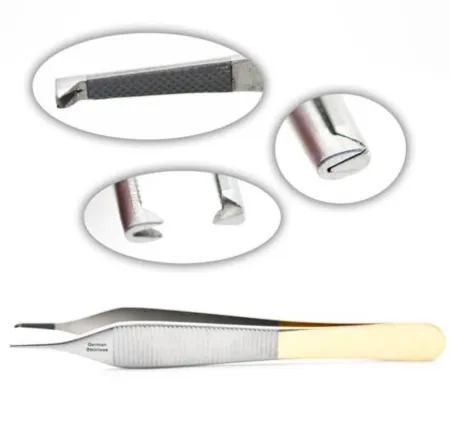 Adson ForcepsGrasping
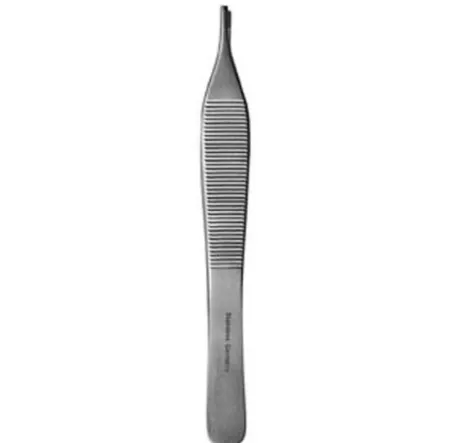 Adson-Brown ForcepsGrasping
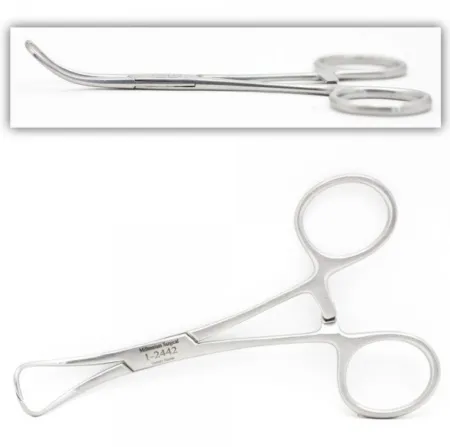 Backhaus Roeder Towel ForcepsGrasping
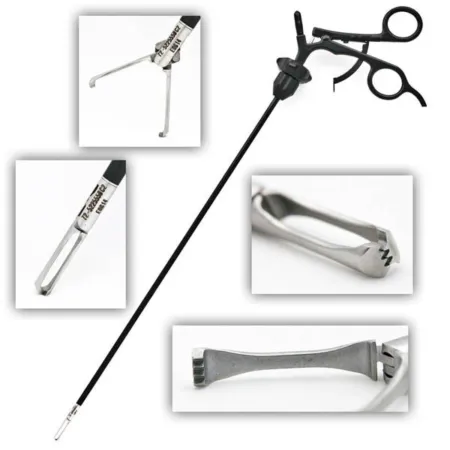 Laparoscopic Allis GrasperGrasping
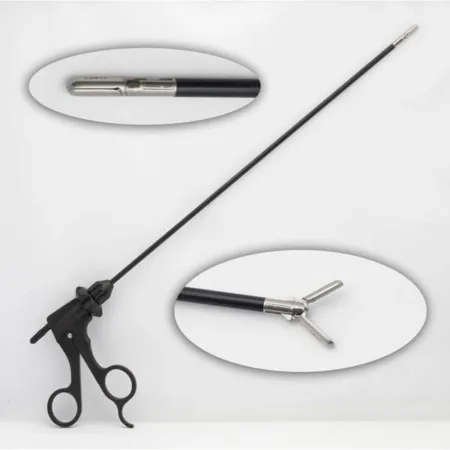 Laparoscopic Atraumatic GrasperGrasping
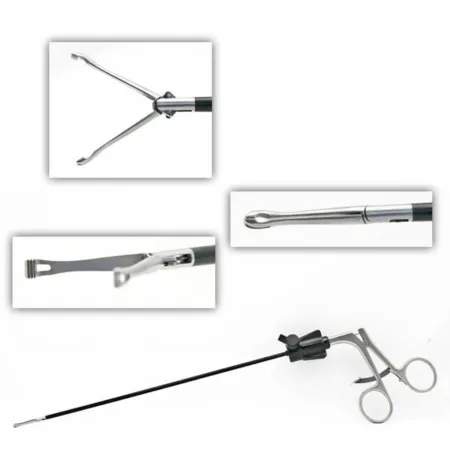 Laparoscopic Babcock ForcepsGrasping
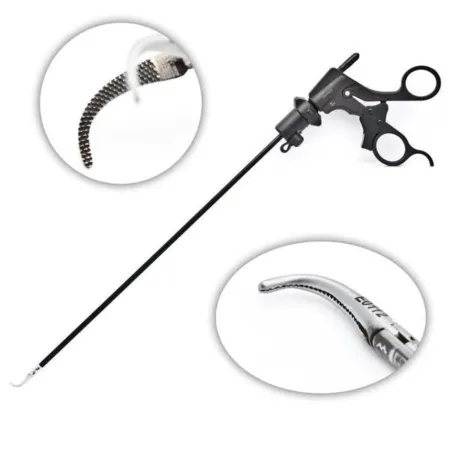 Laparoscopic DissectorGrasping
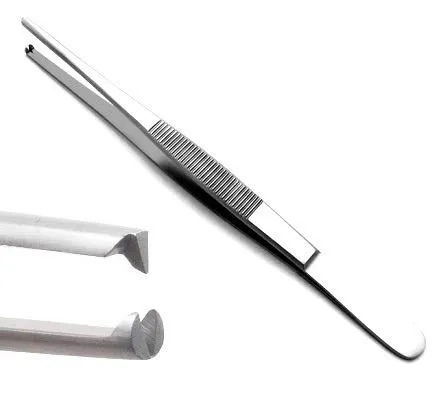 Toothed ForcepsGrasping
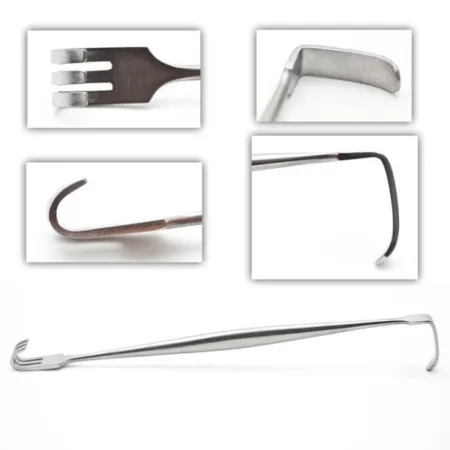 Senn RetractorRetracting
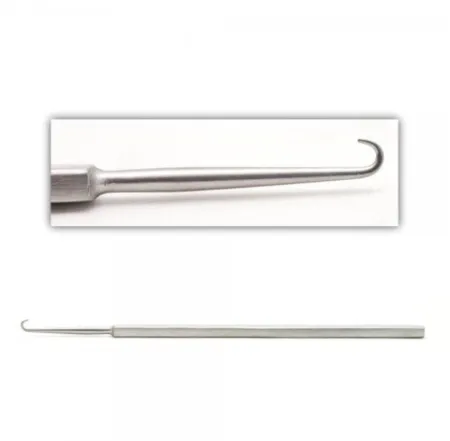 Single Skin HookRetracting
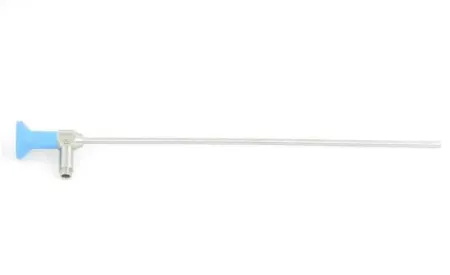 0 Degree ScopeSpecialty
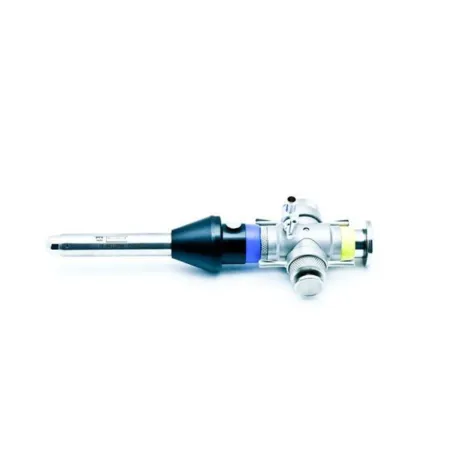 Classic Hasson CannulaSpecialty
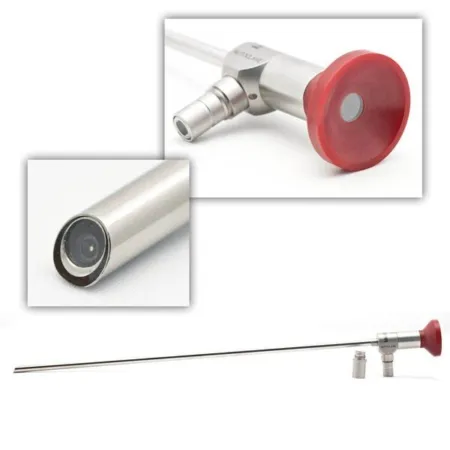 LaparoscopeSpecialty
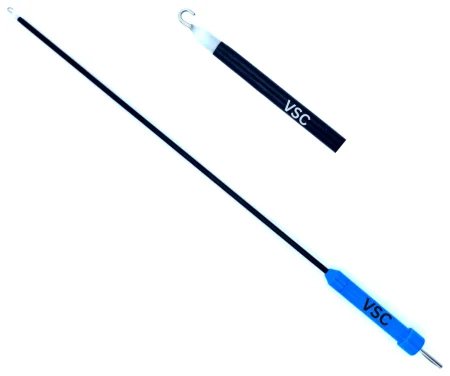 Laparoscopic J-Hook ElectrodeSpecialty
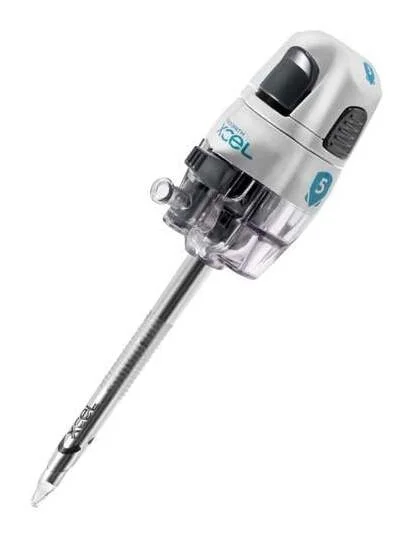 Laparoscopic TrocarSpecialty
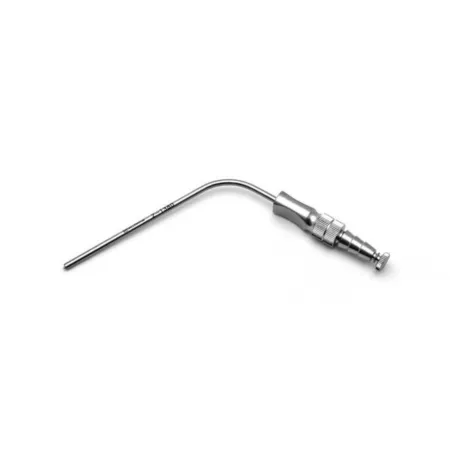 Ferg-Frazier SuctionSuctioning
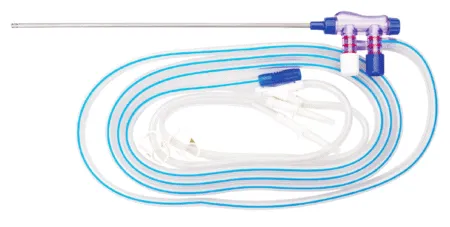 Suction IrrigatorSuctioning
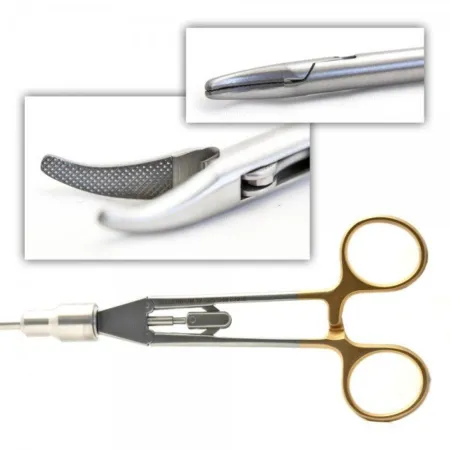 Laparoscopic Needle HolderSuturing
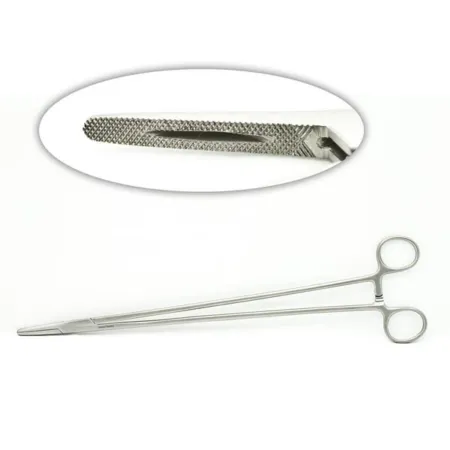 Mayo-Hegar Needle HolderSuturing
Clamping & Occluding5
Cutting & Dissecting8
Grasping & Holding8
Retracting & Exposing2
Specialty5
Suctioning2
Suturing & Stapling2
Know this tray before you scrub in.
With Pro, for every setup in every specialty. Cancel any time.
Or scrub in free: every General setup and 5 questions a day.
The room
The equipment, the prep and drape, the suture and the medicines.
- Video monitor(s)
- laparoscopic camera and camera console
- fiber-optic light source
- CO2 insufflator
- ESU with smoke evacuation
- suction (optional)
- padded shoulder braces
- forced-air warming blanket and sequential compression device (if requested). Supplies: balloon dissector (TEP)
- mesh selection
- tacking device (absorbable or permanent tacks) or fibrin glue applicator
- loop ligatures
- fog reduction agent
- insufflation tubing.
Prep: for a right-sided hernia that may be bilateral, the lower abdomen, the genitals and the upper thighs on both sides (single side: from just below the nipples to mid-thigh, well past the midline, and down to the table on the hernia side). Drape: four folded towels square off the area, then a laparotomy or laparoscopy drape (some facilities have a laparoscopic hernia drape). A narrow midline exposure is enough for TEP; TAPP needs a wider abdominal exposure.
Step by step
9 steps, one line each.
- 1
Positioning, Prep and Draping
The case is done under general anesthesiaJEN-er-ul an-es-THEE-zhuhDrug-induced loss of consciousness and feeling over the whole body, so a person feels nothing and is not aware during surgery.an- withoutesthesi/o feeling, sensation-ia conditionFull entry . The patient lies supine with both arms padded and tucked at the sides; some surgeons leave the arms out on padded armboards. Padded shoulder braces are secured to the table because the table will be tipped head-down. Some surgeons want a urinary catheter to empty the bladder and give more room behind the pubisPYOO-bisThe front part of each hip bone, low in the pelvis; the two meet in the middle at the pubic symphysis.pub/o pubisFull entry ; if the patient has just voided, it may be skipped. Because a one-sided repair can become bilateral once both groins are seen, the prep covers the lower abdomen, the genitals and the upper thighs on both sides. Four folded towels square off the area and a laparotomylap-uh-ROT-uh-meeSurgery that opens the abdomen through a large cut to reach the organs inside.lapar/o abdomen-tomy cutting intoFull entry or laparoscopylap-uh-ROS-kuh-peeSurgery or an exam done through small cuts in the belly, using a thin, lighted tube with a camera.lapar/o abdomen-scopy looking with an instrumentFull entry drape goes on. After draping, pass the carbon dioxideKAR-bun dy-OK-sideA gas made by the body's cells as waste, carried in the blood to the lungs and breathed out.Full entry tubing, light cord, suction tubing and electrosurgeryee-LEK-troh-SUR-jer-eeUsing high-frequency electric current through a handheld tool to cut tissue or seal bleeding vessels during surgery.Full entry cord off to the circulator. Ask the surgeon whether the plan is TEP or TAPP and whether the left side will be checked or repaired too, so the right mesh sizes and the balloon dissector (TEP) are in the room.
Next up · Pro - 2
Opening the Space Behind the Muscle (TEP)
In the totally extraperitoneal (TEP) repair the abdomen is never entered. The surgeon makes a small incision just below the umbilicus with the #15 blade, opens the front layer of the rectusREK-tusLatin for straight; the name of several straight muscles, such as the rectus abdominis of the abdomen and the rectus femoris of the thigh.Full entry sheathSHEETHA covering that wraps around a structure; in procedures, a short hollow tube left in a blood vessel to pass catheters through.Full entry and pulls the rectus muscle on the herniaHER-nee-uhA bulge of an organ or tissue through a weak spot in the muscle or tissue wall that normally holds it in.Full entry side out to the side. A space is opened under the muscle by blunt dissectiondy-SEK-shunA tear in the inner layer of an artery wall that lets blood split the layers apart; also, the cutting apart of tissue in surgery.Full entry . The balloon dissector is slid in on top of the back layer of the rectus sheath, pushed down to the pubisPYOO-bisThe front part of each hip bone, low in the pelvis; the two meet in the middle at the pubic symphysis.pub/o pubisFull entry , and inflated under direct laparoscopiclap-uh-roh-SKOP-ikDone through a few small cuts in the abdomen with a thin camera and long instruments, instead of one large opening.lapar/o abdomen-scopic viewingFull entry vision. The balloon is then removed and a blunt-tip trocarTROH-karA sharp or bladed instrument inside a tube (cannula), used to pierce a body wall and leave the tube in place as a port.Full entry takes its place, and the space is filled with carbon dioxideKAR-bun dy-OK-sideA gas made by the body's cells as waste, carried in the blood to the lungs and breathed out.Full entry at about 12 to 15 mm Hg. Some surgeons skip the balloon: they place the trocar under direct vision and open the space with gas and blunt dissection using the 0-degree scope.
Next up · Pro - 3
Entering the Abdomen and Raising the Peritoneal Flap (TAPP)
In the transabdominal preperitoneal (TAPP) repair the surgeon goes through the abdomen first. The abdomen is filled with carbon dioxideKAR-bun dy-OK-sideA gas made by the body's cells as waste, carried in the blood to the lungs and breathed out.Full entry using the Veress needle, a 10-mm trocarTROH-karA sharp or bladed instrument inside a tube (cannula), used to pierce a body wall and leave the tube in place as a port.Full entry goes in at the umbilicus, and the laparoscope is passed. The table is tipped 20 to 30 degrees head-down so the bowel falls away from the groin. Both inguinalING-gwih-nulRelating to the groin, the fold where the thigh meets the lower abdomen.Full entry regions are looked at for herniaHER-nee-uhA bulge of an organ or tissue through a weak spot in the muscle or tissue wall that normally holds it in.Full entry . Two 5-mm trocars are added at the outer edges of the rectusREK-tusLatin for straight; the name of several straight muscles, such as the rectus abdominis of the abdomen and the rectus femoris of the thigh.Full entry muscles, level with the umbilicus. The surgeon then cuts the peritoneumpair-ih-toh-NEE-umThe thin membrane that lines the belly cavity and covers most of the organs inside it.peri- aroundton stretched-eum a structureFull entry about 4 to 5 cm above the internal ring, from the medial umbilical ligament out toward the front of the hip bone, and peels this flap downward off the cord, the hernia sac and the pubisPYOO-bisThe front part of each hip bone, low in the pelvis; the two meet in the middle at the pubic symphysis.pub/o pubisFull entry .
Next up · Pro - 4
Placing the Working Ports and Clearing the Space (TEP and TAPP)
In TEP, two more trocarTROH-karA sharp or bladed instrument inside a tube (cannula), used to pierce a body wall and leave the tube in place as a port.Full entry are placed in the midlineMID-lineAn imaginary line down the center of the body; also, a type of IV catheter placed in a vein of the upper arm.Full entry below the camera port, under direct vision. In both approaches the surgeon now works with the 30-degree laparoscope, atraumatic graspers and a dissector, using the cautery sparingly. The inferior epigastric vessels are found and lifted forward. Cooper's ligament is cleared from the pubisPYOO-bisThe front part of each hip bone, low in the pelvis; the two meet in the middle at the pubic symphysis.pub/o pubisFull entry over to the external iliacIL-ee-akHaving to do with the ilium, the large, wing-shaped upper part of the hip bone.Full entry vein. The iliopubic tract is identified, and the surgeon stays clear of the genitofemoral and lateral femoralFEM-er-ulRelating to the thigh or the femur, the thigh bone.Full entry cutaneouskyoo-TAY-nee-usHaving to do with the skin.cutane/o skin-ous relating toFull entry nerves. The dissectiondy-SEK-shunA tear in the inner layer of an artery wall that lets blood split the layers apart; also, the cutting apart of tissue in surgery.Full entry is carried out to the front of the hip bone, and the spermatic cord is freed, taking care of the vas deferens and testicular vessels. The area below the iliopubic tract, beside the femoral vein, is checked for a femoral herniaHER-nee-uhA bulge of an organ or tissue through a weak spot in the muscle or tissue wall that normally holds it in.Full entry .
Next up · Pro - 5
Reducing the Hernia Sac
A direct herniaHER-nee-uhA bulge of an organ or tissue through a weak spot in the muscle or tissue wall that normally holds it in.Full entry sac is gently pulled back by tractionTRAK-shunA steady pulling force applied to a body part with weights, ropes and pulleys.Full entry (the balloon may already have done this). A small indirect sac is peeled off the spermatic cord and pushed back into the abdomen. A large sac, or one that will not come back, is divided near the internal ring, and the remaining end of the sac is closed with a loop ligature or a clip so gas does not leak into the abdomen. In women, the round ligament may be divided near the internal ring when needed. If the peritoneumpair-ih-toh-NEE-umThe thin membrane that lines the belly cavity and covers most of the organs inside it.peri- aroundton stretched-eum a structureFull entry tears during a TEP, gas escapes into the abdomen and the working space shrinks; the tear is closed with laparoscopiclap-uh-roh-SKOP-ikDone through a few small cuts in the abdomen with a thin camera and long instruments, instead of one large opening.lapar/o abdomen-scopic viewingFull entry staples or sutureSOO-cherA stitch, or the thread used to stitch, that holds the edges of a wound or incision together.Full entry .
Next up · Pro - 6
The Left Side (When Bilateral)
Both TEP and TAPP let the surgeon look at and repair the other groin through the same ports. If a herniaHER-nee-uhA bulge of an organ or tissue through a weak spot in the muscle or tissue wall that normally holds it in.Full entry is found on the left, or the surgeon chooses to repair it, the same dissectiondy-SEK-shunA tear in the inner layer of an artery wall that lets blood split the layers apart; also, the cutting apart of tissue in surgery.Full entry and sac reduction are done on the left. In TAPP a separate peritonealper-ih-toh-NEE-ulHaving to do with the peritoneum, the thin lining of the belly cavity and the organs inside it.Full entry flap is raised on that side.
Next up · Pro - 7
Placing and Fixing the Mesh
The mesh, usually polypropylene (polyester is also used) and about 12 x 15 cm (at least 10 x 12 cm), is passed in through the 10-mm trocarTROH-karA sharp or bladed instrument inside a tube (cannula), used to pierce a body wall and leave the tube in place as a port.Full entry . The surgeon unrolls it so it covers the direct, indirect and femoralFEM-er-ulRelating to the thigh or the femur, the thigh bone.Full entry spaces and lies over the cord. If it needs to be fixed, the tacking device places tacks starting near the pubic tubercle, then along Cooper's ligament, up the midlineMID-lineAn imaginary line down the center of the body; also, a type of IV catheter placed in a vein of the upper arm.Full entry and along the upper edge, staying away from nerves and vessels. Fibrin glue can be used instead, and self-gripping mesh may not need tacks.
Next up · Pro - 8
Closing the Peritoneal Flap (TAPP)
The peritonealper-ih-toh-NEE-ulHaving to do with the peritoneum, the thin lining of the belly cavity and the organs inside it.Full entry flap is laid back over the mesh and closed, most often with a running sutureSOO-cherA stitch, or the thread used to stitch, that holds the edges of a wound or incision together.Full entry on the laparoscopiclap-uh-roh-SKOP-ikDone through a few small cuts in the abdomen with a thin camera and long instruments, instead of one large opening.lapar/o abdomen-scopic viewingFull entry needle holder; some surgeons staple the flap closed instead. This keeps the bowel off the mesh.
Next up · Pro - 9
Letting the Gas Out and Closing
The space is emptied of gas while the surgeon watches, and gentle pressure is put on the groin to bring down the swelling. The trocarTROH-karA sharp or bladed instrument inside a tube (cannula), used to pierce a body wall and leave the tube in place as a port.Full entry come out under direct vision. The fasciaFASH-ee-uhA sheet or band of tough connective tissue that covers and separates muscles and organs.fasci/o bandFull entry is closed at any port larger than 8 mm to prevent a herniaHER-nee-uhA bulge of an organ or tissue through a weak spot in the muscle or tissue wall that normally holds it in.Full entry there, and the skin is closed with sutureSOO-cherA stitch, or the thread used to stitch, that holds the edges of a wound or incision together.Full entry and/or skin closure strips. The patient usually goes home the same day. Tips and Tricks Confirm TEP or TAPP, the side, and whether the left side will be repaired before you open, and have more than one mesh size ready. Learn the laparoscopiclap-uh-roh-SKOP-ikDone through a few small cuts in the abdomen with a thin camera and long instruments, instead of one large opening.lapar/o abdomen-scopic viewingFull entry setup well: the trocars, the Veress needle, the insufflationin-suh-FLAY-shunBlowing a gas into a body cavity, such as carbon dioxide into the abdomen during laparoscopic surgery.Full entry tubing, the camera and light cord, and how to load the tacking device and the laparoscopic needle holder; you may be asked to run the camera. Keep the scope lens and instrument tips clean. Keep an open tray available in the room in case the case is converted to an open repair. Have the loop ligature, clip applier and laparoscopic needle holder ready during a TEP in case the peritoneumpair-ih-toh-NEE-umThe thin membrane that lines the belly cavity and covers most of the organs inside it.peri- aroundton stretched-eum a structureFull entry tears. Keep the Mayo standMAY-oh standA small tray on an adjustable stand placed over or beside the patient during surgery to hold the instruments used most often.Full entry and back table sterile until the patient has left the room.
The case
A laparoscopic inguinal hernia repair fixes a groin hernia from the inside, behind the abdominal muscles, instead of through a cut over the groin. The surgeon works through three small ports, pushes the hernia sac back, and lays a large mesh over the whole weak area of the groin (the myopectineal orifice), which covers the openings for direct, indirect and femoral hernias at once. Compared with an open repair, patients usually have less pain and get back to normal activity sooner, but the laparoscopic repair needs general anesthesia, while an open repair can be done under local or regional anesthesia.
There are two main ways to reach the space behind the muscles. In the totally extraperitoneal (TEP) repair the surgeon never enters the abdomen: the space in front of the peritoneum is opened with a balloon dissector and filled with gas. In the transabdominal preperitoneal (TAPP) repair the surgeon goes into the abdomen, cuts a flap of peritoneum over the groin, places the mesh, and then closes the flap. TEP avoids the inside of the abdomen but is harder to learn; TAPP lets the surgeon see inside the abdomen. StatPearls reports similar recurrence, chronic pain and complication rates for the two; Alexander's says TEP has a higher recurrence rate. Both TEP and TAPP let the surgeon check the left groin through the same ports and repair it in the same operation, and Alexander's calls both approaches excellent options for bilateral hernias. It is usually avoided in patients who cannot have general anesthesia or gas in the abdomen, who have had surgery in the space behind the muscles, or who have a large scrotal or trapped (incarcerated) hernia. Possible problems include injury to vessels, nerves, bladder or bowel, a collection of blood or fluid in the groin, long-lasting pain (the lateral femoral cutaneous nerve is the nerve most often hurt), and the hernia coming back; sometimes the case has to be converted to an open repair.
Built by the techs who scrub it.
Every surgeon runs it a little differently. Send your table, or a fix for this page.
 Olivia CSTReviewer
The rest of this setup is Pro.
Everything unlocked above stays free. Pro opens the rest, on every setup: where new techs slip, what to load next at every step, the circulator’s side, the medicines, the specimen, wound class and trays on standby, what to grab if it goes wrong, and practice for every tray.
Free, for good. No card.
- All 2,882 instrument cards
- Every General setup in full
- 5 exam questions a day
- Your own preference cards
Pass your exam. Know every case.
Everything in Free, plus:
- All 260 setups in every specialty: back table, Mayo and every step
- Practice that never runs out and full timed exams for the CST, TS-C, CRCST, CSPDT and CSFA, with the why behind every answer
- Flashcards on any tray, timed to come back before you forget
- Every instrument card in full: the 3D model, cautions, inspection, how to pass it
Cancel any time from your account. Not worth it? Email us within 30 days of a charge for a refund, one per customer. Refund policy
Pro is also in the CSTSetup app, on the same account. Already have Pro? Log in
Send your table
Your Mayo, your back table, your surgeon’s way, or anything wrong on this page. Your email is only used to credit you. Submissions stay private and are reviewed by our team; accepted ones earn a Contributor credit here.