Lipoma Excision
The surgery involves the surgical removal of a benign, encapsulated tumor composed of mature adipose tissue located in the subcutaneous layer. The goal is the complete dissection of the mass from the surrounding connective tissue.
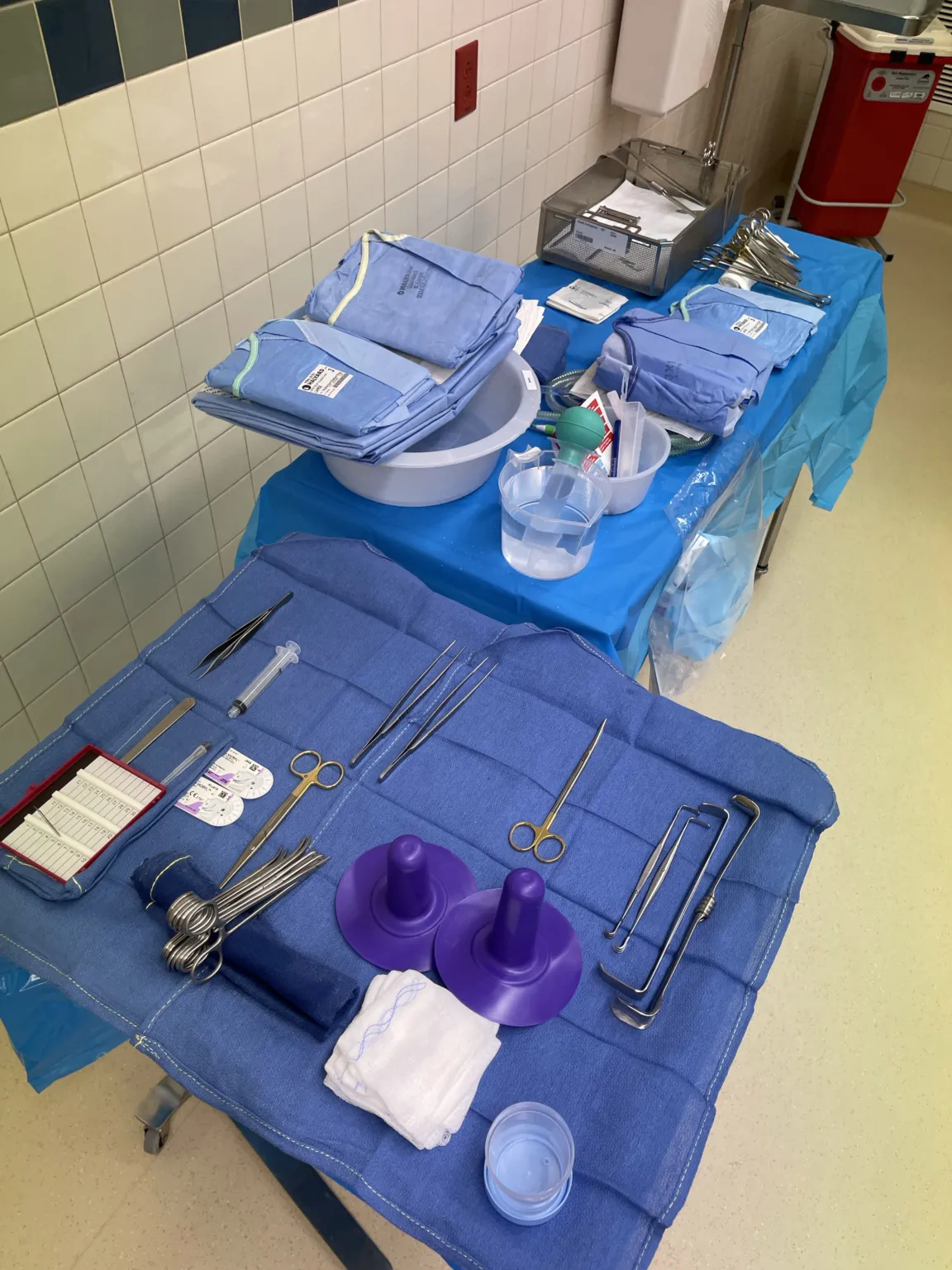
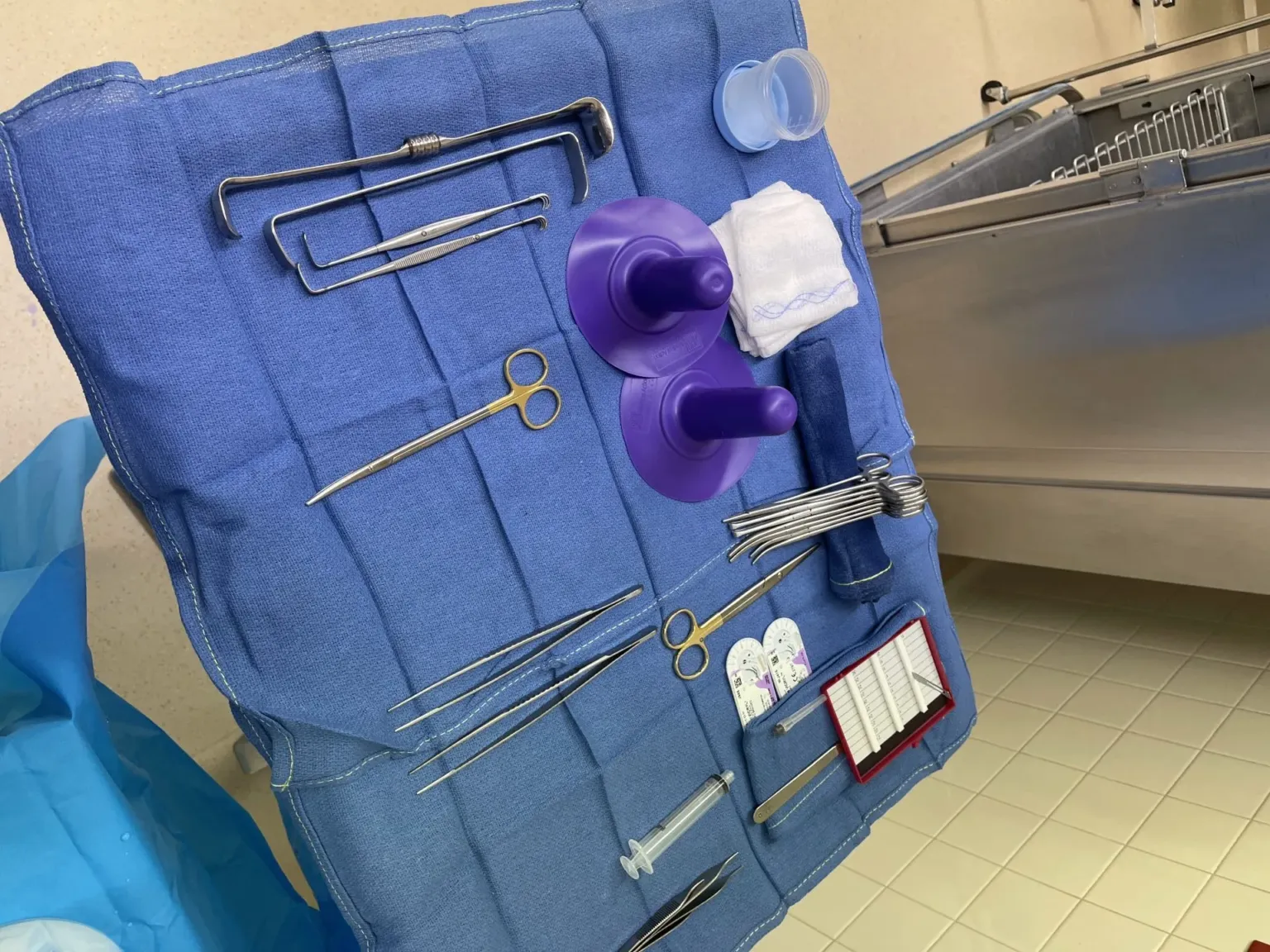
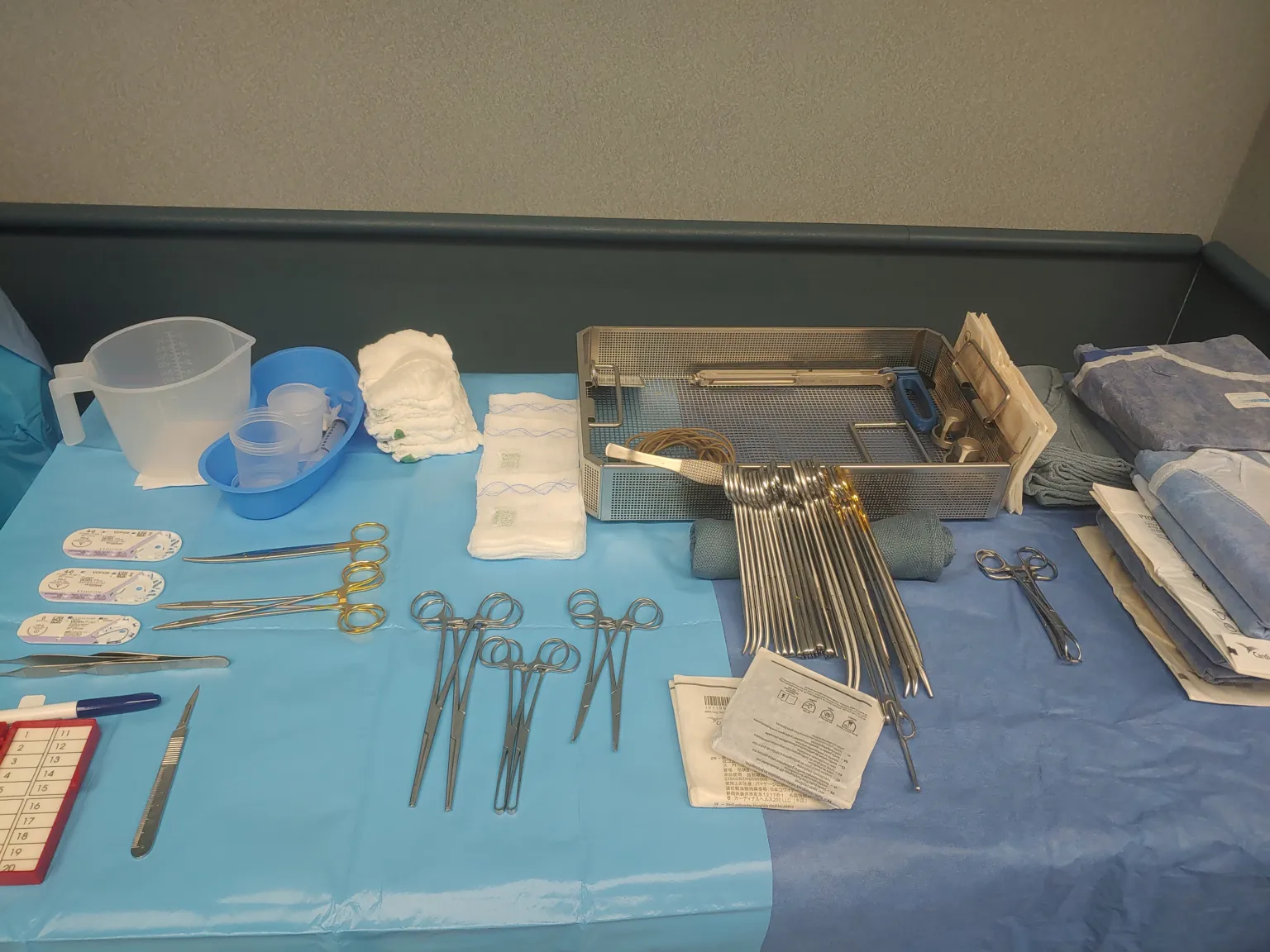
In 30 seconds
Scan this outside the room.
- Make incision with sharp, sterile 15 or 11 blade.
- dissectdy-SEKT, or dih-SEKTTo cut apart or separate tissues carefully during surgery.Full entry down to lipoma with metz or tenotomy scissors and adson forcepsFOR-sepsA hand instrument with two blades or arms used to grasp, hold or pull tissue or objects.Full entry .
- Retract wound edges with senn retractorrih-TRAK-terA surgical instrument that holds back tissue or organs so the surgeon can see and reach the operative site.Full entry or skin hooks.
- Excise lipoma with scissors and forcepsFOR-sepsA hand instrument with two blades or arms used to grasp, hold or pull tissue or objects.Full entry .
- irrigationeer-ih-GAY-shunWashing out a wound, body cavity, tube or eye with a steady flow of liquid.Full entry wound with sterile solution.
- sutureSOO-cherA stitch, or the thread used to stitch, that holds the edges of a wound or incision together.Full entry wound closed with appropriate suturing materials.
The tray
14 instruments, by what they do. Tap a name for its card.
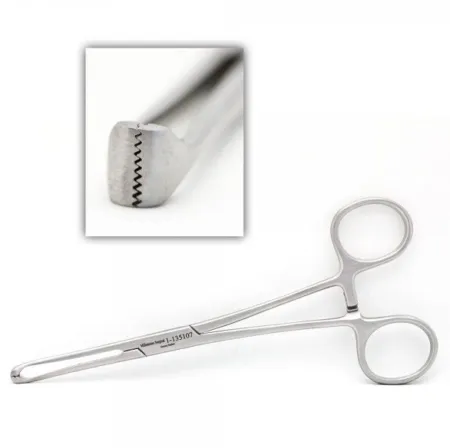
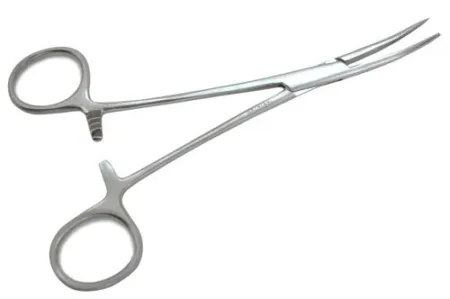
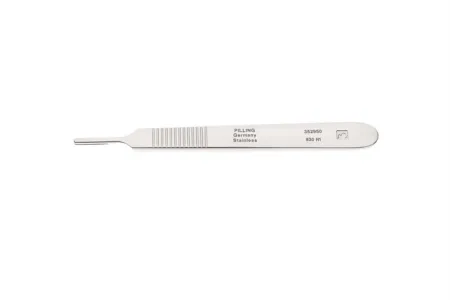
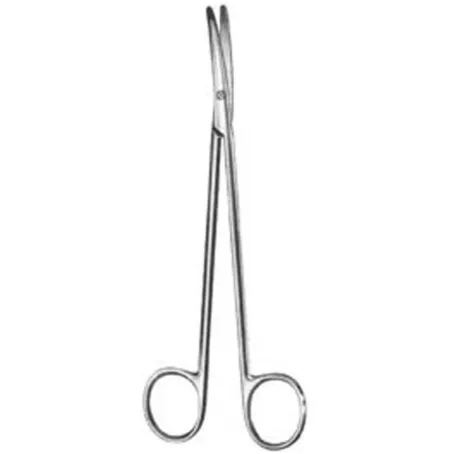
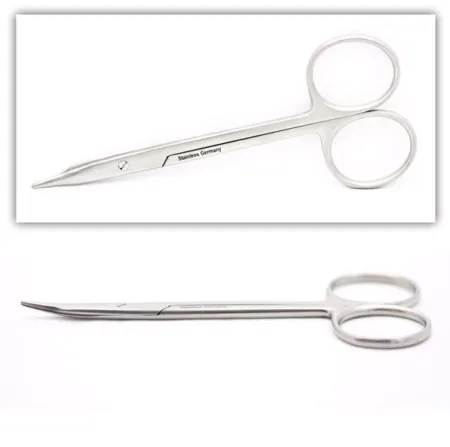
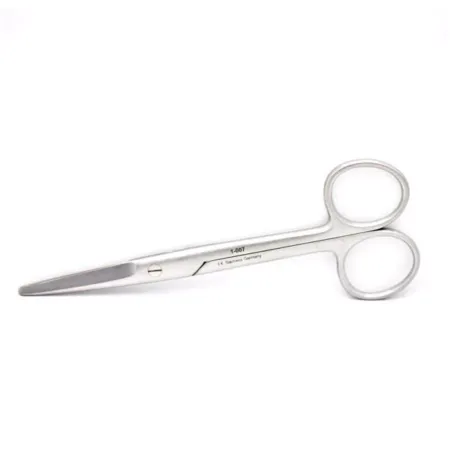
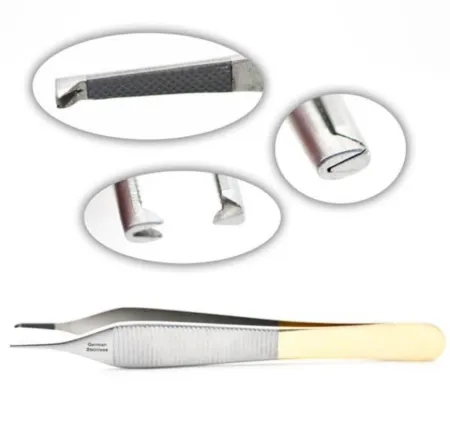
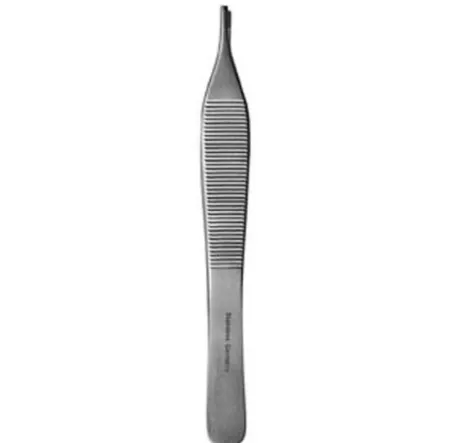
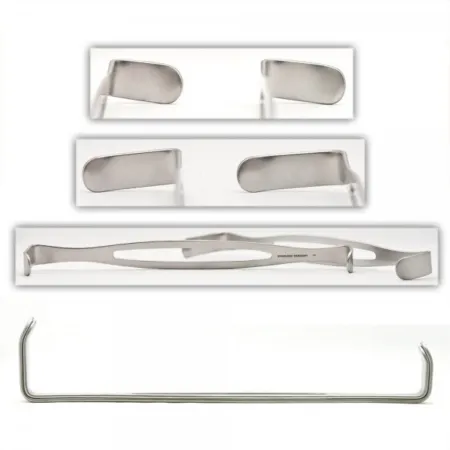
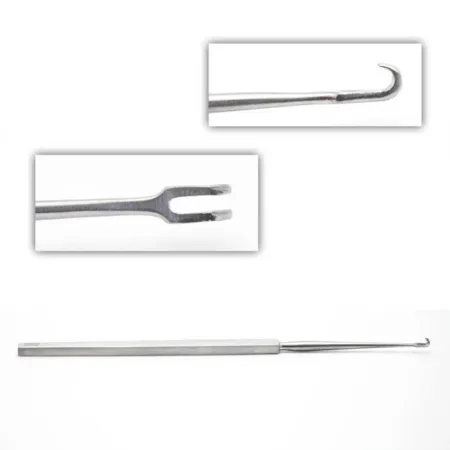
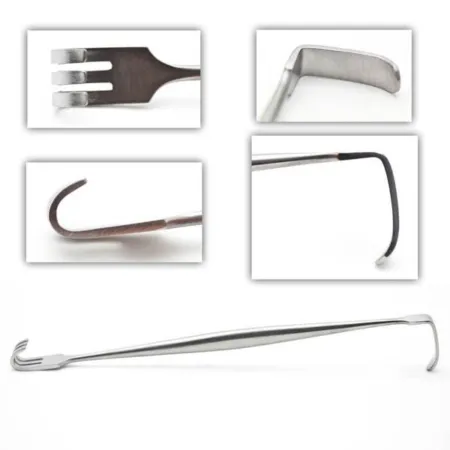
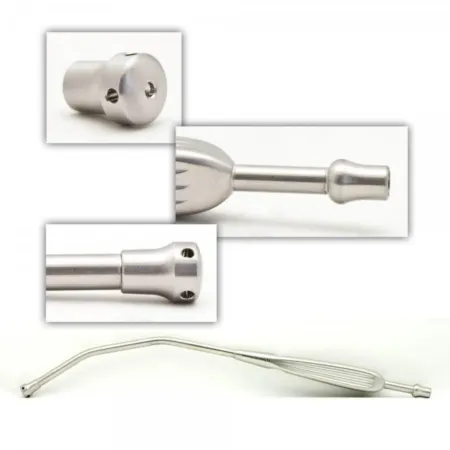
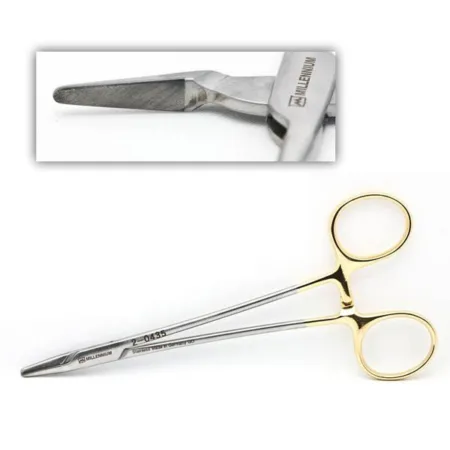
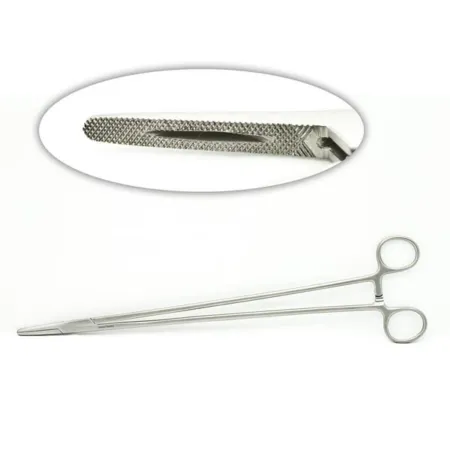
Clamping & Occluding2
Cutting & Dissecting4
Grasping & Holding2
Retracting & Exposing3
Suctioning1
Suturing & Stapling2
Know this tray before you scrub in.
With Pro, for every setup in every specialty. Cancel any time.
Or scrub in free: every General setup and 5 questions a day.
Step by step
6 steps, one line each.
- 1
Making the Incision
The surgeon will use the 15 or 11 blade loaded on a #3 knife handle to make an incision on the skin overlying the lipoma. The size of the incision will depend on the size of the lipoma. The surgical technologistSUR-jih-kul tek-NOL-uh-jistA member of the operating room team who prepares the sterile field and instruments and hands them to the surgeon.Full entry should ensure that the blade is sharp and sterile before handing it over to the surgeon.
- 2
Dissecting Down to the Lipoma
Once the incision has been made, the surgeon will use metz or tenotomy scissors with an adson forcepsFOR-sepsA hand instrument with two blades or arms used to grasp, hold or pull tissue or objects.Full entry to dissectdy-SEKT, or dih-SEKTTo cut apart or separate tissues carefully during surgery.Full entry down to the lipoma. The surgical technologistSUR-jih-kul tek-NOL-uh-jistA member of the operating room team who prepares the sterile field and instruments and hands them to the surgeon.Full entry should ensure that the scissors are sharp and the adson forceps are sterile before handing them over to the surgeon.
- 3
Retracting the Wound
After the lipoma has been exposed, the surgical technologistSUR-jih-kul tek-NOL-uh-jistA member of the operating room team who prepares the sterile field and instruments and hands them to the surgeon.Full entry will use senn retractorrih-TRAK-terA surgical instrument that holds back tissue or organs so the surgeon can see and reach the operative site.Full entry or skin hooks to retract the wound edges. This will help to provide better visualization of the lipoma and aid in its excisionek-SIZH-unCutting out tissue, such as a growth or damaged area, during surgery.Full entry .
- 4
Excising the Lipoma
The surgeon will use a combination of scissors and forcepsFOR-sepsA hand instrument with two blades or arms used to grasp, hold or pull tissue or objects.Full entry to carefully excise the lipoma from surrounding tissues. The surgical technologistSUR-jih-kul tek-NOL-uh-jistA member of the operating room team who prepares the sterile field and instruments and hands them to the surgeon.Full entry should ensure that the instruments are sterile and in good condition before handing them over to the surgeon.
- 5
Irrigating the Wound
Once the lipoma has been excisionek-SIZH-unCutting out tissue, such as a growth or damaged area, during surgery.Full entry , the surgical technologistSUR-jih-kul tek-NOL-uh-jistA member of the operating room team who prepares the sterile field and instruments and hands them to the surgeon.Full entry should irrigationeer-ih-GAY-shunWashing out a wound, body cavity, tube or eye with a steady flow of liquid.Full entry the wound with sterile saline or another appropriate solution. This will help to remove any debris or bacteria and promote wound healingwoond HEE-lingThe body's process of repairing damaged skin and tissue.Full entry .
- 6
Closing the Wound
The surgeon will then sutureSOO-cherA stitch, or the thread used to stitch, that holds the edges of a wound or incision together.Full entry the wound closed using appropriate suturing materials. The surgical technologistSUR-jih-kul tek-NOL-uh-jistA member of the operating room team who prepares the sterile field and instruments and hands them to the surgeon.Full entry should ensure that the sutures are sterile and the correct size before handing them over to the surgeon.
The case
Lipoma excision is a surgical procedure performed to remove a benign, fatty tumor known as a lipoma from beneath the skin. The procedure involves making an incision, dissecting down to the lipoma, excising it, and suturing the wound closed. It is a relatively straightforward procedure that can be done on an outpatient basis under local anesthesia. Lipomas are typically not harmful, but may be removed if they are causing discomfort or affecting the appearance of the affected area.
Built by the techs who scrub it.
Every surgeon runs it a little differently. Send your table, or a fix for this page.
 Darnell EvansReviewer
 Jessica CarrPhotos
 Jessica HerreraPhotos
The rest of this setup is Pro.
Everything unlocked above stays free. Pro opens the rest, on every setup: where new techs slip, what to load next at every step, the circulator’s side, the medicines, the specimen, wound class and trays on standby, what to grab if it goes wrong, and practice for every tray.
Free, for good. No card.
- All 2,882 instrument cards
- Every General setup in full
- 5 exam questions a day
- Your own preference cards
Pass your exam. Know every case.
Everything in Free, plus:
- All 260 setups in every specialty: back table, Mayo and every step
- Practice that never runs out and full timed exams for the CST, TS-C, CRCST, CSPDT and CSFA, with the why behind every answer
- Flashcards on any tray, timed to come back before you forget
- Every instrument card in full: the 3D model, cautions, inspection, how to pass it
Cancel any time from your account. Not worth it? Email us within 30 days of a charge for a refund, one per customer. Refund policy
Pro is also in the CSTSetup app, on the same account. Already have Pro? Log in
Send your table
Your Mayo, your back table, your surgeon’s way, or anything wrong on this page. Your email is only used to credit you. Submissions stay private and are reviewed by our team; accepted ones earn a Contributor credit here.