Modified Radical Mastectomy
MRM · mastectomy with axillary lymph node dissection · total mastectomy with axillary dissection
Removal of the whole breast with the nipple, areola and skin over the tumor and the fascia over the chest muscle, together with the lymph nodes under the arm. The chest muscles are left in place.
- Position
- Supine
- Anesthesia
- General Anesthesia
- Specimen
- Pro
- Wound class
- Pro
In 30 seconds
Scan this outside the room.
- Supine, operative side at the table edge, arm out under 90 degrees. Side and site confirmed and marked.
- No paralysispuh-RAL-uh-sisLoss of the ability to move a part of the body, and sometimes loss of feeling in it.para- beside, abnormal-lysis looseningFull entry for the armpit part: the surgeon tests the nerves.
- Marking pen, then a #10 on a #3: an ellipse that reaches toward the armpit.
- Flaps up with rakes; warm, moist laps on the edges. Change blades often.
- Breast and fasciaFASH-ee-uhA sheet or band of tough connective tissue that covers and separates muscles and organs.fasci/o bandFull entry off the pectoralis major. Extra Crile clamps and ties for the perforators.
- Armpit: the vein first, then the long thoracicthuh-RAS-ikRelating to the chest, or to the middle part of the spine.thorac/o chest-ic relating toFull entry and thoracodorsal nerves kept. Vessel loops, clips in three sizes.
- Specimen in a large basin, oriented. Warm irrigationeer-ih-GAY-shunWashing out a wound, body cavity, tube or eye with a steady flow of liquid.Full entry , two drains, staples, a bulky fluffed dressing.
The mistakes the books warn about on this case, and how to stay ahead of each.
See ProThe tray
19 instruments, by what they do. Tap a name for its card.
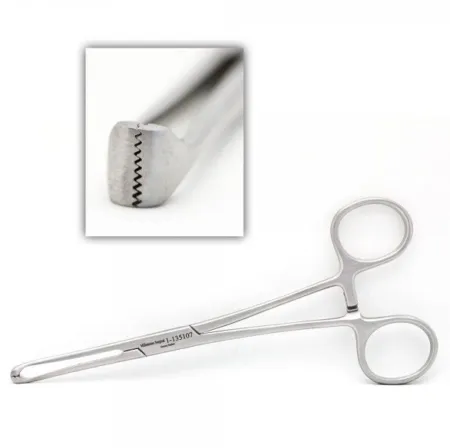 Allis ForcepsClamping
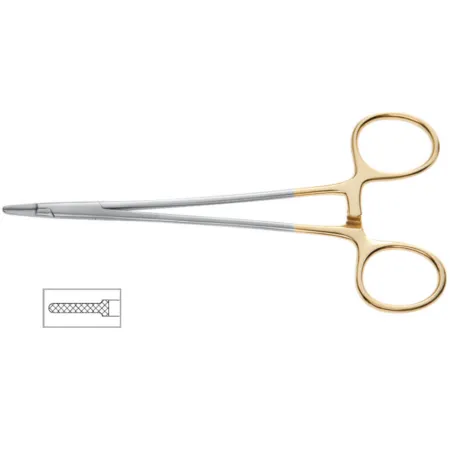
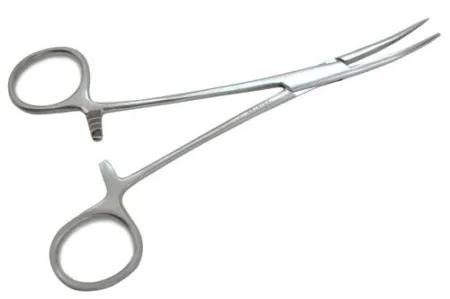 Curved HemostatsClamping
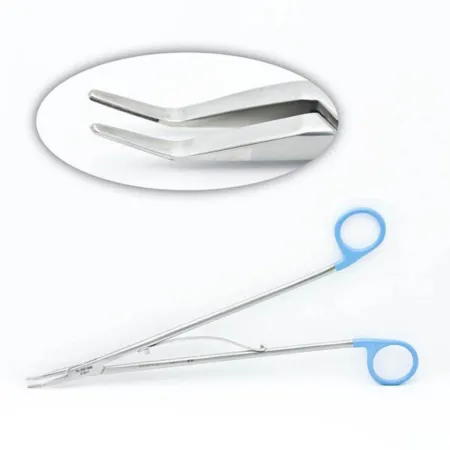 Hemostatic Clip ApplierClamping
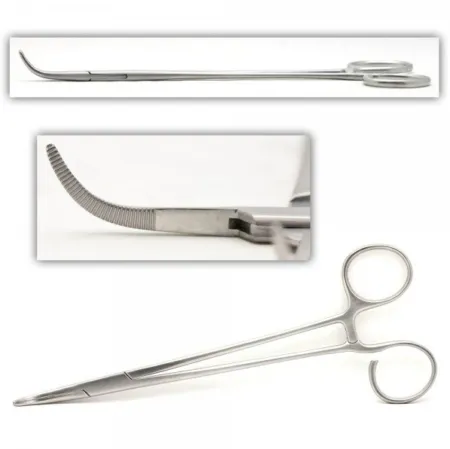 Tonsil ClampClamping
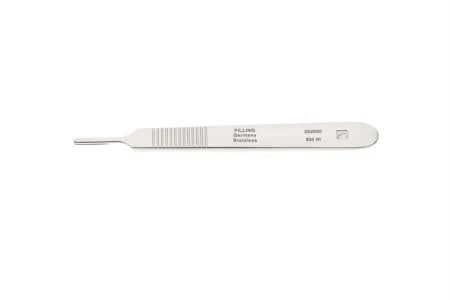 #3 Knife HandleCutting
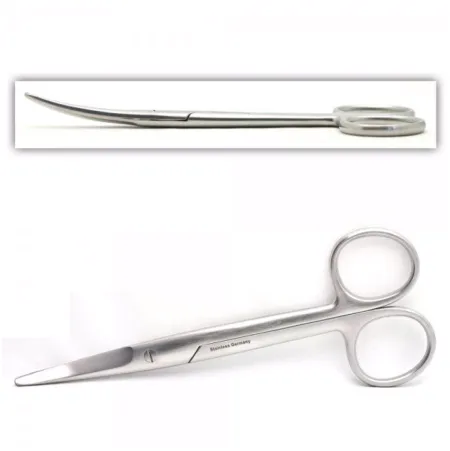 Curved Mayo ScissorCutting
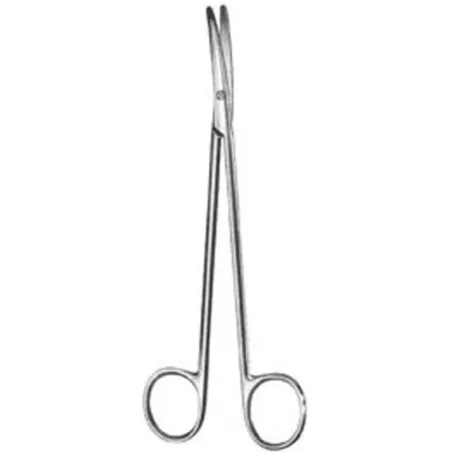 Metzenbaum ScissorCutting
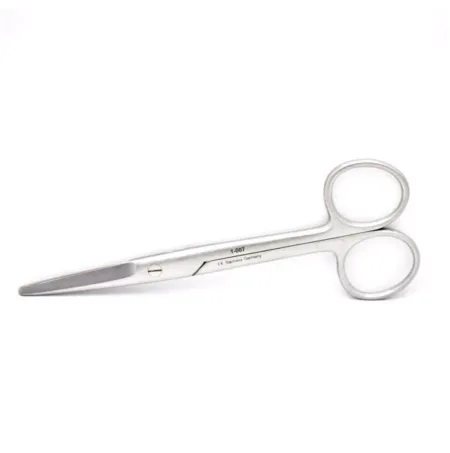 Straight Mayo ScissorCutting
All 19 instruments
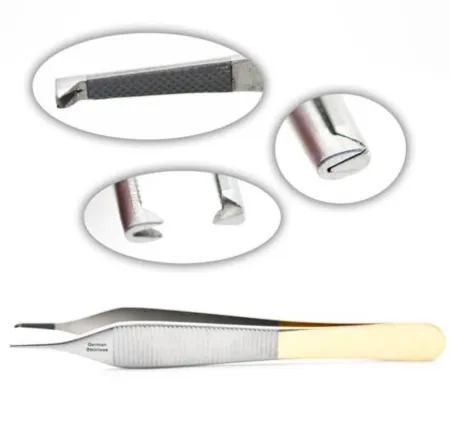
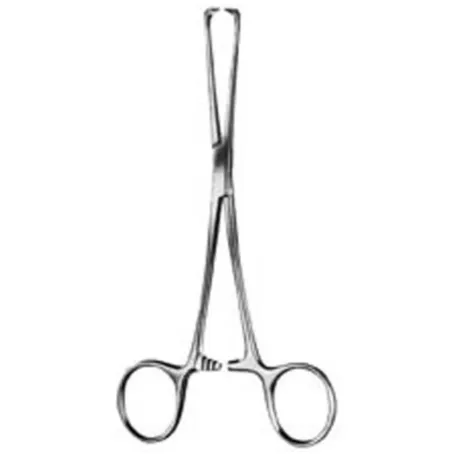
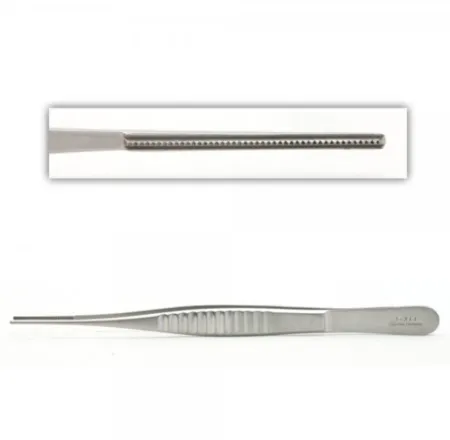
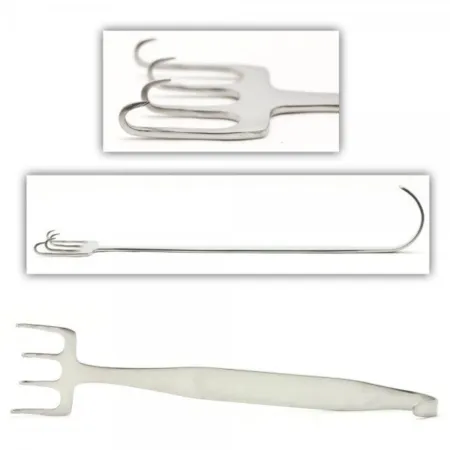
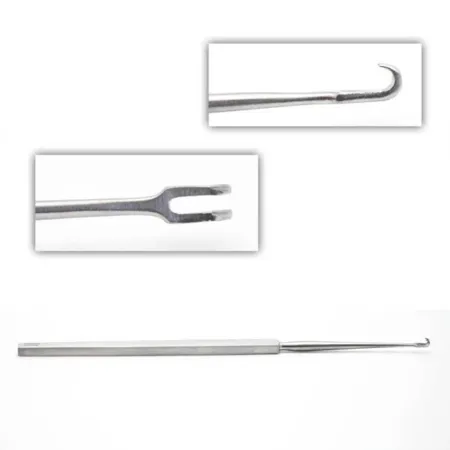
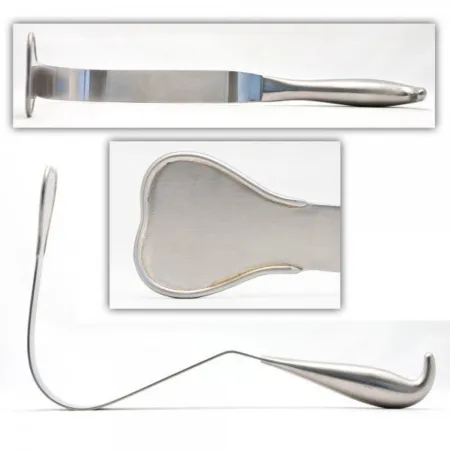
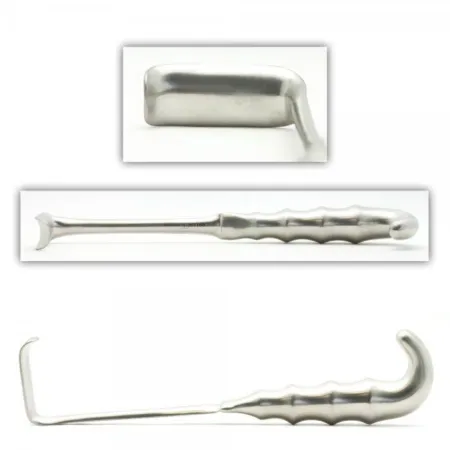
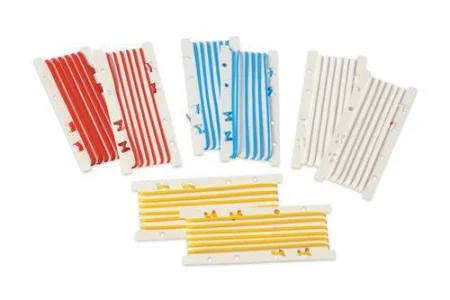
Clamping & Occluding4
Cutting & Dissecting4
Grasping & Holding3
Retracting & Exposing5
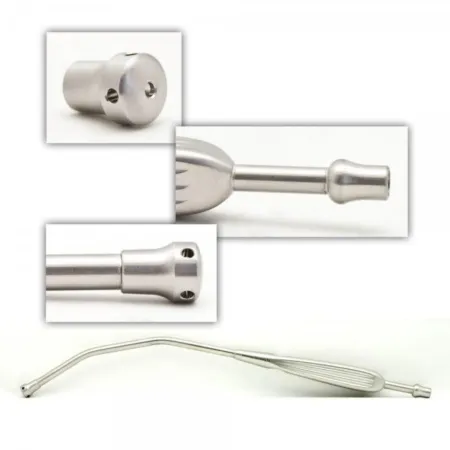
Suctioning1
Suturing & Stapling2
Know this tray before you scrub in.
With Pro, for every setup in every specialty. Cancel any time.
Or scrub in free: every General setup and 5 questions a day.
The room
The equipment, the prep and drape, the suture and the medicines.
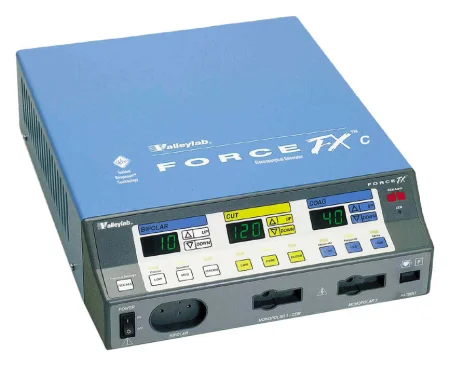 Electrosurgical Unit
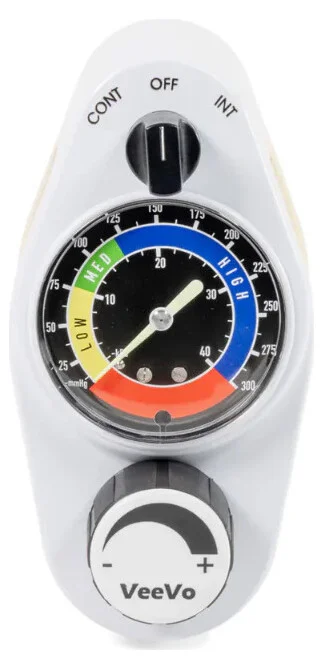 Suction
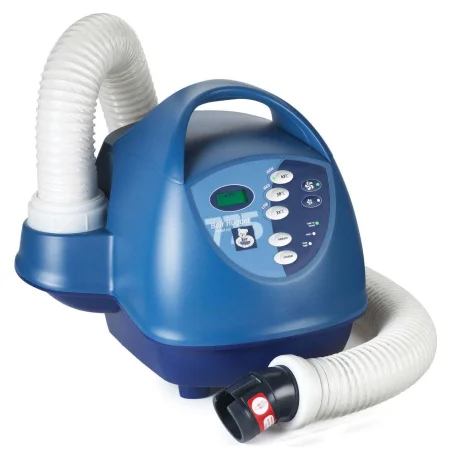 Forced-Air Warming Blanket
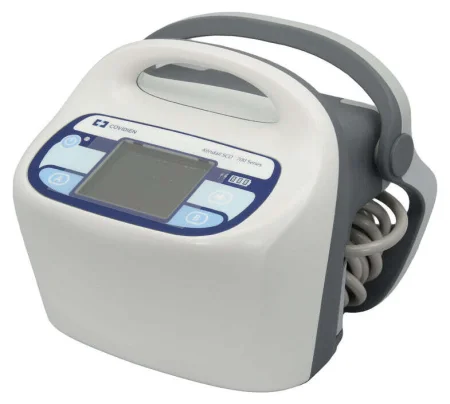 Sequential Compression Device
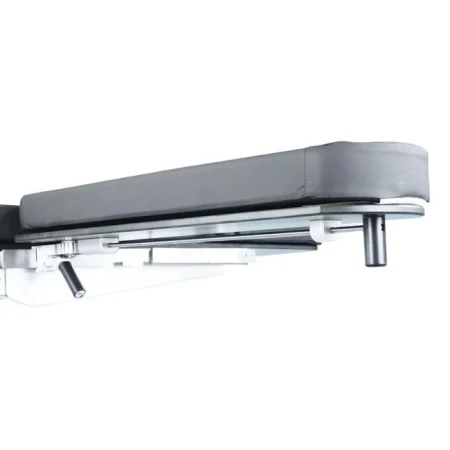 Armboard
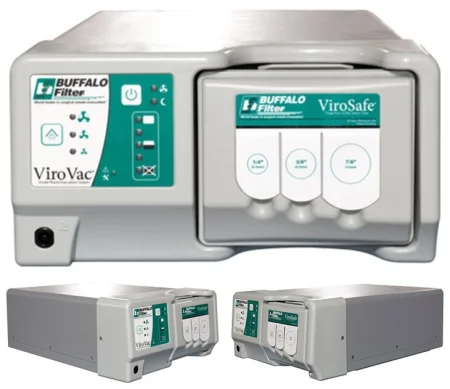 Smoke Evacuator
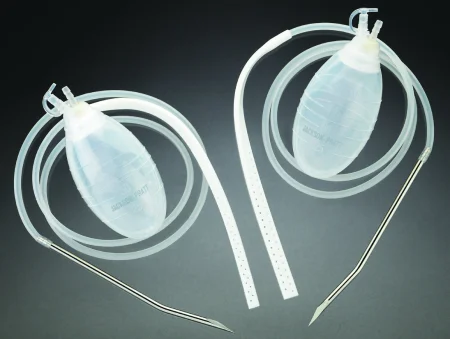 Closed Suction Drain
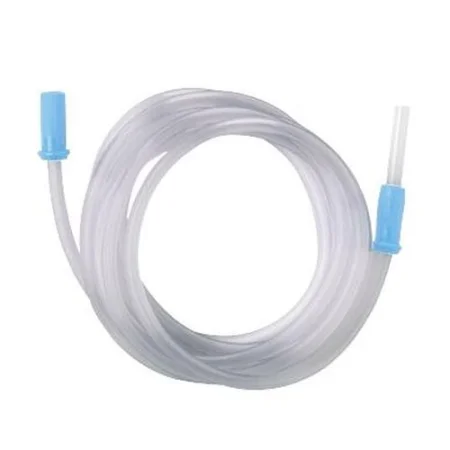 Suction Tubing
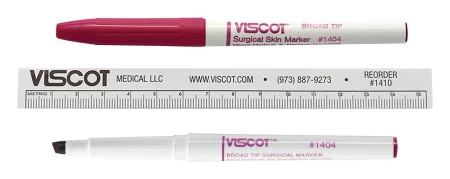 Sterile Skin Marker
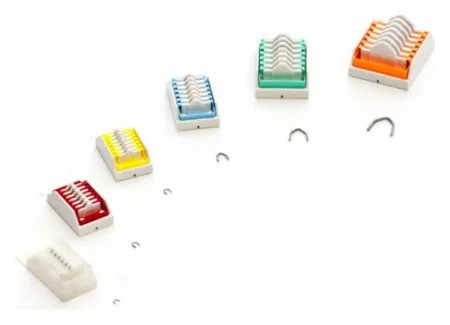 Ligating Clips
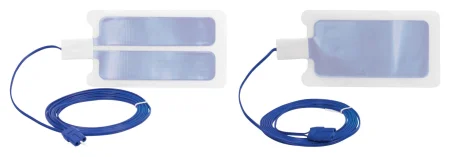 Patient Return Electrode
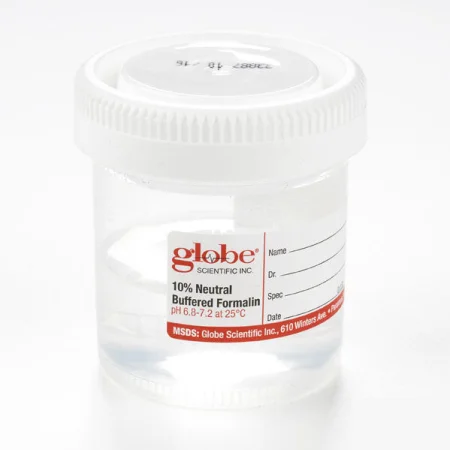 Specimen Container
 Sterile Basin
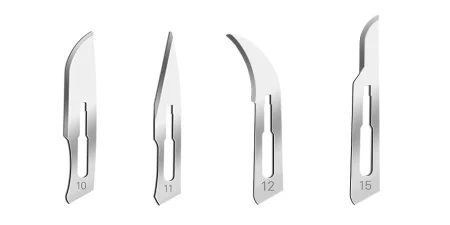 Scalpel Blade
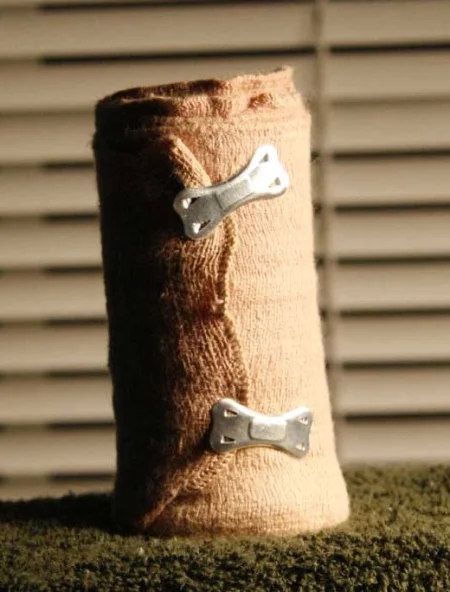 Elastic Bandage
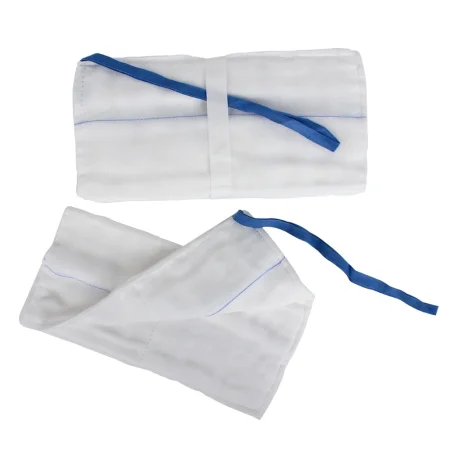 Laparotomy Sponge
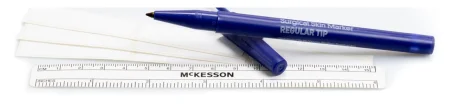 Sterile Labels
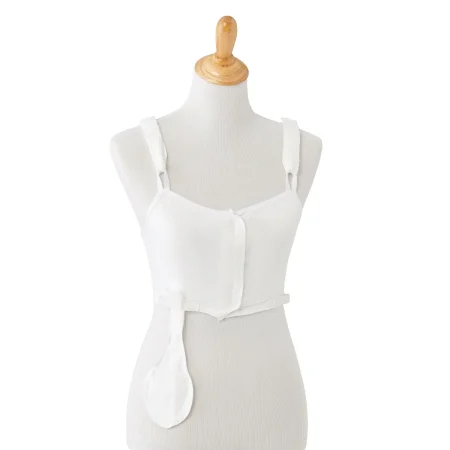 Surgical Bra
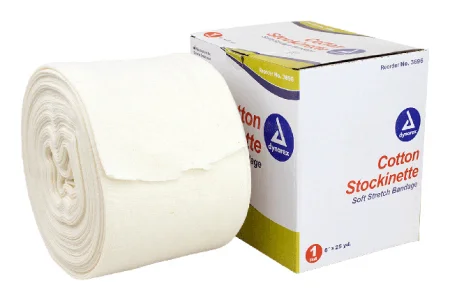 Tube Stockinette
Supine with the operative side at the edge of the table, the arm on that side on a padded armboard at less than 90 degrees, a folded towel or sheet under that shoulder and chest. Gentle prep (no hard scrubbing) from the incision outward: up to the neck, past the midline of the breastbone, down to the umbilicus, around the shoulder and the armpit and down to the table on that side; the arm down to the wrist if it is prepped in. Do not let the prep pool under the patient. A towel on the armboard during the prep is taken off by a non-sterile team member and a sterile three-quarter sheet goes on the armboard. Four folded towels square off the breast, the arm goes into impervious stockinette if it is prepped in, then a laparotomy sheet, the arm through its opening.
What closes each layer in this case, by type and size.
See ProEvery medicine in this case, its strength and when it is used.
See ProStep by step
10 steps, one line each.
- 1
Before the first cut
Count, then the time-outTYM-owtA pause just before a procedure when the whole team confirms the right client, procedure and site; also, a short break to calm a child.Full entry , with the side and site checked against the mark. The mammograms are in the room. The cord for the Electrosurgical Unit and the Suction Tubing for the Suction are passed off and connected.
Next up · Pro - 2
The incision
The surgeon marks an ellipse with the Sterile Skin Marker around the nipple, the areola and the tumor, with about a 4 cm margin, angled or extended out toward the armpit. A #10 blade on the #3 Knife Handle makes the cut.
Next up · Pro - 3
Raising the skin flaps
The skin is lifted off the breast in all directions with the #10 blade, the Curved Mayo Scissor or the electrosurgeryee-LEK-troh-SUR-jer-eeUsing high-frequency electric current through a handheld tool to cut tissue or seal bleeding vessels during surgery.Full entry . Freer Skin Hook hold the edges first, then rakes (Freeman Rake) as the flaps grow. Warm, moist Laparotomy Sponge cover the flap edges.
Next up · Pro - 4
Off the chest muscle
The breast is held with Allis Forceps and Allis Adair Forceps clamps and lifted. The breast and the fasciaFASH-ee-uhA sheet or band of tough connective tissue that covers and separates muscles and organs.fasci/o bandFull entry over the pectoralis major come off the muscle, from the collarbone down to the middle of the breastbone. The muscle stays.
Next up · Pro - 5
Into the armpit
The armpit flap is held up with a Richardson Retractor or a Harrington Retractor. The surgeon opens the fasciaFASH-ee-uhA sheet or band of tough connective tissue that covers and separates muscles and organs.fasci/o bandFull entry over the armpit and finds the axillary vein first. The nerves to the pectoralis major are kept.
Next up · Pro - 6
Saving the nerves
The fat and lymph nodelimf nohdA small, bean-shaped organ of the immune system that filters lymph fluid and holds white blood cells.Full entry of the armpit are swept down and out. The long thoracicthuh-RAS-ikRelating to the chest, or to the middle part of the spine.thorac/o chest-ic relating toFull entry nerve on the chest wall and the thoracodorsal nerve to the latissimus dorsi are found and kept along their whole length; Vessel Loops may hold them gently aside. The small sensory nerveSEN-suh-ree NURVA nerve that carries signals about touch, pain, temperature, position and the other senses toward the brain and spinal cord.Full entry crossing the armpit are saved when possible.
Next up · Pro - 7
The specimen
The breast and the armpit contents are freed from the latissimus dorsi and come off together. Some surgeons take the breast off first and the armpit contents as a second piece.
Next up · Pro - 8
Bleeding check and washout
Bleeders are tied or touched with the electrosurgeryee-LEK-troh-SUR-jer-eeUsing high-frequency electric current through a handheld tool to cut tissue or seal bleeding vessels during surgery.Full entry . The wound is washed with warm water or saline.
Next up · Pro - 9
The drains
Two Closed Suction Drain usually go in, one under the chest flap and one in the armpit. Each comes out through a small stab cut and is stitched to the skin with silk on a cutting needle.
Next up · Pro - 10
Closing and dressing
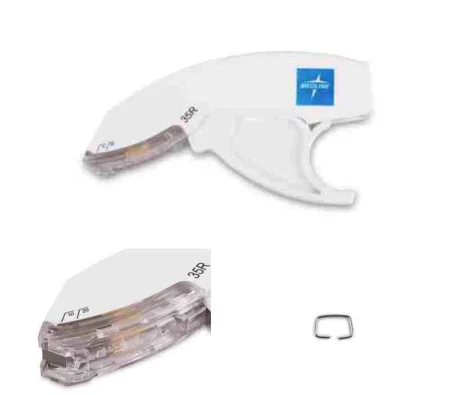
Extra skin is trimmed. A few absorbable stitches go under the skin, then the skin is closed, usually with the Skin Stapler while two Adson Forceps lift the edges. A bulky dressing of fluffed Kerlix goes on, held with a Surgical Bra or an Elastic Bandage.
Next up · Pro
What to grab, before anyone asks.
What to grab for this case if it bleeds, spills or has to be opened.
See ProThe case
A modified radical mastectomy removes the whole breast, including the nipple and areola and the skin over the tumor, together with the lymph nodes under the arm. Taking out those nodes is called an axillary lymph node dissection. The chest muscles stay. It is called modified because the older radical mastectomy, first described in 1894, also removed both chest muscles and more nodes. That bigger operation is rarely needed today.
It is used for breast cancer when the lymph nodes under the arm need to come out, for example when the cancer has spread to them, and it is the standard operation for inflammatory breast cancer. Many people with breast cancer first have a sentinel node biopsy, which takes just the first one or few nodes; if those show cancer, the rest of the nodes may be removed. The nodes tell the team how far the cancer has spread, which guides the treatment that follows, such as chemotherapy or radiation. Breast reconstruction can be done at the same operation or later, or the chest can be left flat.
The operation is done under general anesthesia. Two drains are usually left under the skin, one on the chest and one under the arm, and people are taught to empty them at home. Many stay one night. Arm and shoulder exercises start once the drains are out, to keep the shoulder from stiffening. Possible problems include bleeding under the skin, which is the most common reason to return to the operating room, a fluid pocket (seroma), infection, part of the skin flap not healing, numbness of the inner arm and chest, weakness from injury to a nerve in the armpit, and swelling of the arm (lymphedema), the most troubling long-term problem after the nodes are removed. Losing a breast is an emotional event, and support from the team and family matters.
Built by the techs who scrub it.
Every surgeon runs it a little differently. Send your table, or a fix for this page.
 CSTSetup TeamReviewer
Checked against 7 textbooks and AST standards.
All 7 sources
- Ellison EC, Upchurch GR Jr, eds. Fischer's Mastery of Surgery. 8th ed. Chapter 59 (Simple, Modified, and Radical Mastectomy), sections Introduction, Indications, Surgical Technique: Modified Radical Mastectomy (Positioning, Surgical Technique, Axillary Lymph Node Dissection), Surgical Technique: Radical Mastectomy, Postoperative Management, Drain Management, Complications, and Mastery commentary.
- Association of Surgical Technologists. Surgical Technology for the Surgical Technologist: A Positive Care Approach. 4th ed. Chapter 14 (General Surgery), Procedure 14-22 Modified Radical Mastectomy, p. 497-499.
- Rothrock JC, ed. Alexander's Care of the Patient in Surgery. 17th ed. Chapter 17 (Breast Surgery), Modified Radical Mastectomy, p. 564-565.
- Goldman MA. Pocket Guide to the Operating Room. 3rd ed. Chapter 15 (Breast Surgery), Mastectomy, p. 124-129.
- Fuller JK. Surgical Technology: Principles and Practice. 8th ed. Chapter 18 (Surgical Skills I), Counts, p. 381.
- Association of Surgical Technologists. Standards of Practice for Handling and Care of Surgical Specimens. p. 4.
- Nemitz R. Surgical Instrumentation: An Interactive Approach. 3rd ed. p. 35, 38, 75.
Something wrong on this page? Send a fix
The rest of this setup is Pro.
Everything unlocked above stays free. Pro opens the rest, on every setup: where new techs slip, what to load next at every step, the circulator’s side, the medicines, the specimen, wound class and trays on standby, what to grab if it goes wrong, and practice for every tray.
Free, for good. No card.
- All 3,341 instrument cards
- Every General setup in full
- 5 exam questions a day
- Your own preference cards
Pass your exam. Know every case.
Everything in Free, plus:
- All 368 setups in every specialty: back table, Mayo and every step
- Practice that never runs out and full timed exams for the CST, TS-C, CRCST, CSPDT and CSFA, with the why behind every answer
- Flashcards on any tray, timed to come back before you forget
- Every instrument card in full: the 3D model, cautions, inspection, how to pass it
Cancel any time from your account. Not worth it? Email us within 30 days of a charge for a refund, one per customer. Refund policy
Pro is also in the CSTSetup app, on the same account. Already have Pro? Log in
Send your table
Your Mayo, your back table, your surgeon’s way, or anything wrong on this page. Your email is only used to credit you. Submissions stay private and are reviewed by our team; accepted ones earn a Contributor credit here.