Open Right Hemicolectomy
Right hemicolectomy · right colectomy · open right colectomy · right hemicolectomy with ileocolostomy · colectomy · bowel resection
Open removal of the right side of the colon (cecum, ascending colon and part of the transverse colon) with the end of the small bowel and their mesentery, then the ileum is joined to the transverse colon (ileocolic anastomosis).
- Position
- Supine
- Anesthesia
- General Anesthesia
- Specimen
- Pro
- Wound class
- Pro
In 30 seconds
Scan this outside the room.
- Supine, general anesthesiaJEN-er-ul an-es-THEE-zhuhDrug-induced loss of consciousness and feeling over the whole body, so a person feels nothing and is not aware during surgery.an- withoutesthesi/o feeling, sensation-ia conditionFull entry . NG and indwelling urinary catheterin-DWEL-ing YUR-ih-nair-ee KATH-uh-terA tube passed through the urethra into the bladder and left in place to drain urine into a bag.Full entry in. Two Mayos: the case and the clean closure.
- #10 midlineMID-lineAn imaginary line down the center of the body; also, a type of IV catheter placed in a vein of the upper arm.Full entry . Wound protector, then a Balfour or Bookwalter.
- Colon pulled left; the electrosurgeryee-LEK-troh-SUR-jer-eeUsing high-frequency electric current through a handheld tool to cut tissue or seal bleeding vessels during surgery.Full entry opens the white line. ureterYOOR-uh-terOne of the two tubes that carry urine from the kidneys down to the bladder.Full entry and duodenumdoo-uh-DEE-numThe first, short part of the small intestine, just after the stomach.Full entry protected.
- Omentum and the mesentery vessels: Peans, Metzenbaum and ties, clips or the sealer.
- GIA across the terminal ileumIL-ee-umThe last and longest part of the small intestine, which joins the large intestine.Full entry , then across the transversetrans-VERSLying across something, at a right angle to its length.Full entry colon. The specimen goes in a large basin.
- Bowel technique: corners cut, mosquitoes hold them, GIA joins them, three Allis and the TA close the opening.
- Dirty instruments off, new gowns and gloves, warm washout, clean closure.
The mistakes the books warn about on this case, and how to stay ahead of each.
See ProThe tray
40 instruments, by what they do. Tap a name for its card.
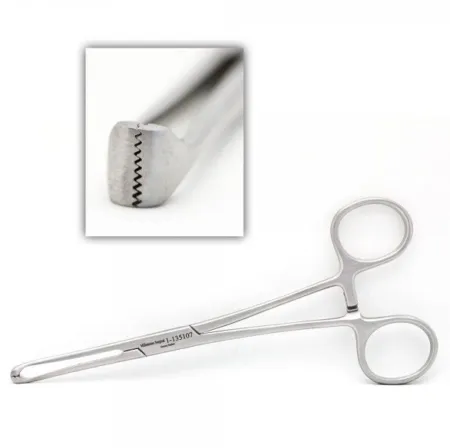 Allis ForcepsClamping
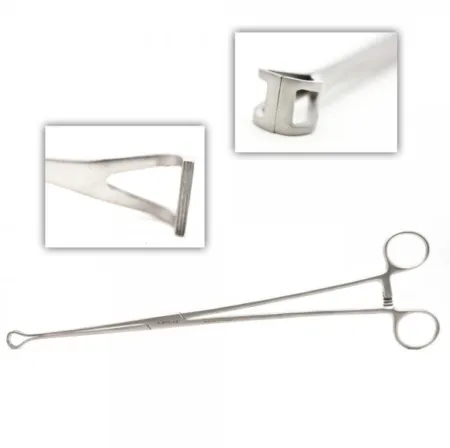 BabcockClamping
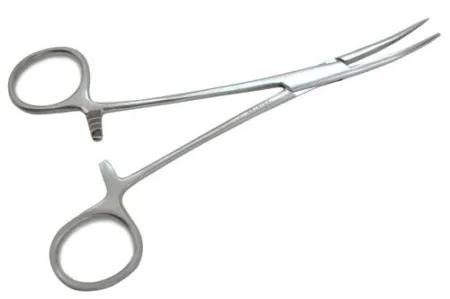 Curved HemostatsClamping
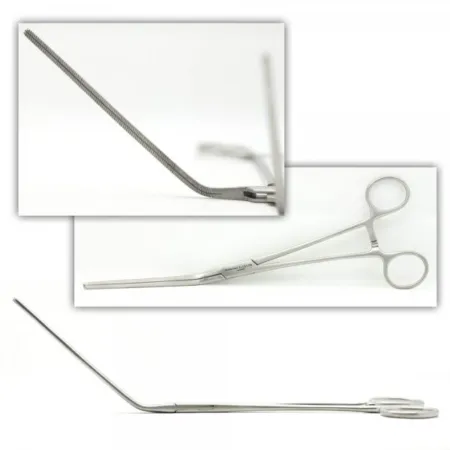 Glassman Gastrointestinal ClampClamping
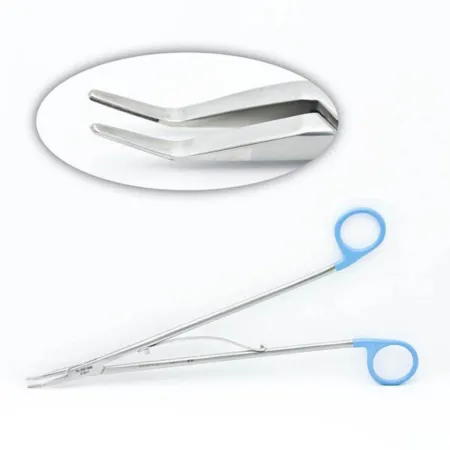 Hemostatic Clip ApplierClamping
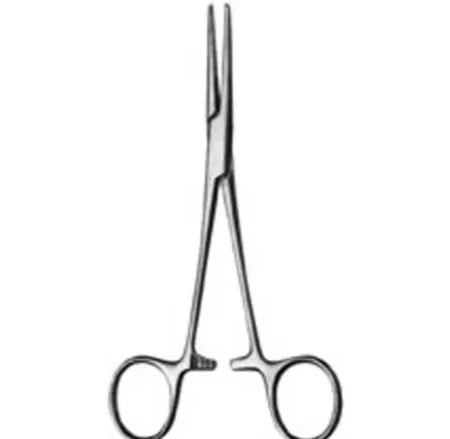 Kelly ForcepsClamping
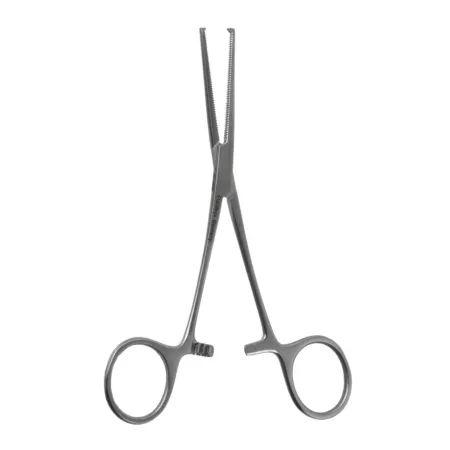 Kocher ForcepsClamping
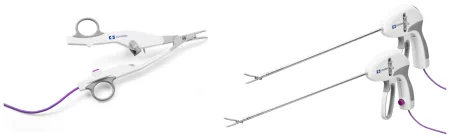 LigaSure Vessel SealerClamping
All 40 instruments
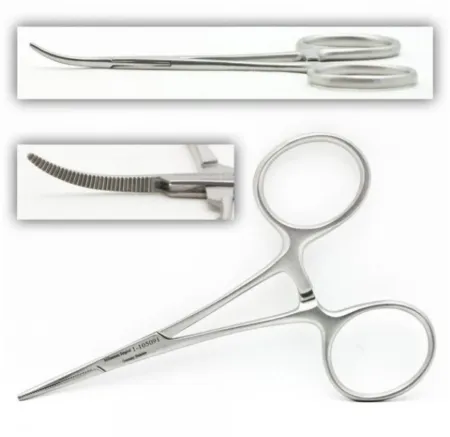 Mosquito Clamp - CurvedClamping
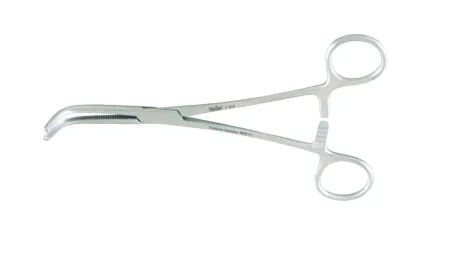 Right Angle ClampClamping
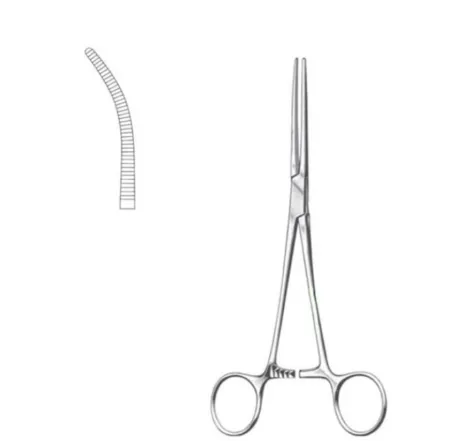 Rochester Pean ForcepsClamping
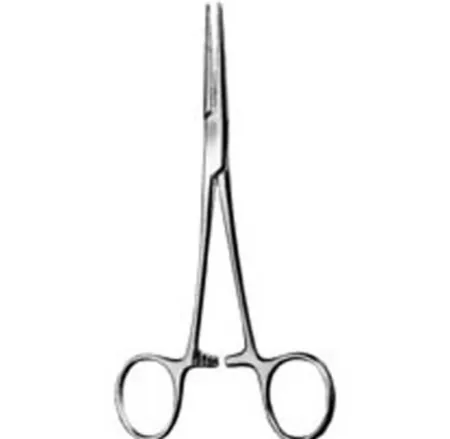 Straight HemostatClamping
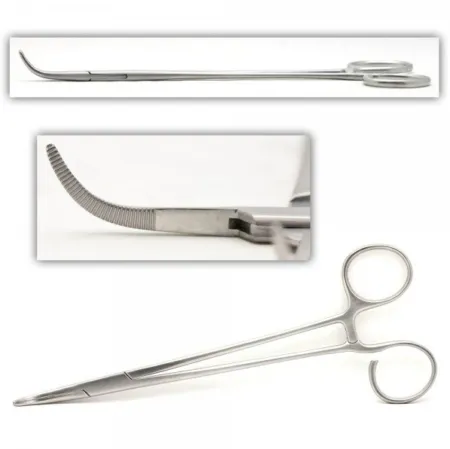 Tonsil ClampClamping
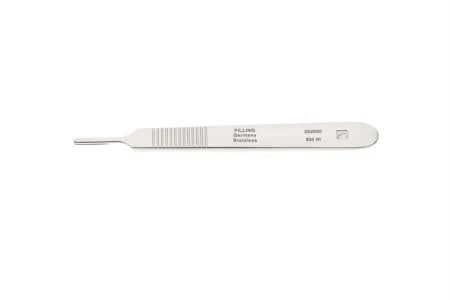 #3 Knife HandleCutting
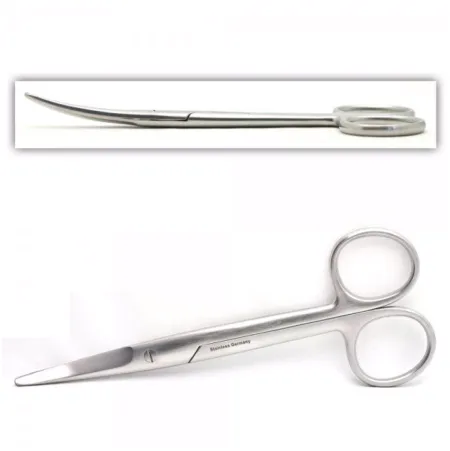 Curved Mayo ScissorCutting
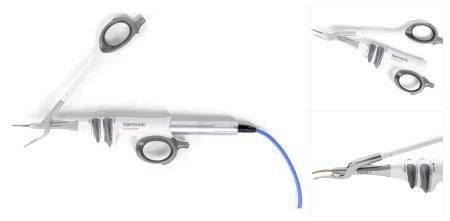 Harmonic Focus ShearsCutting
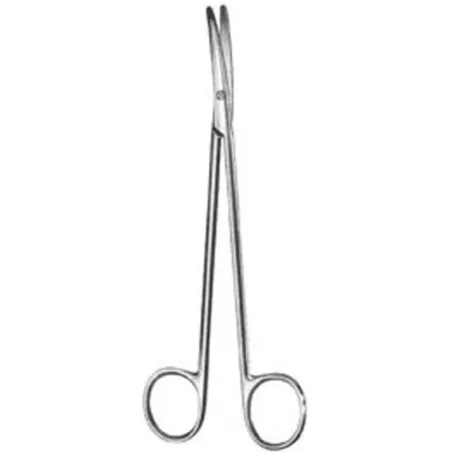 Metzenbaum ScissorCutting
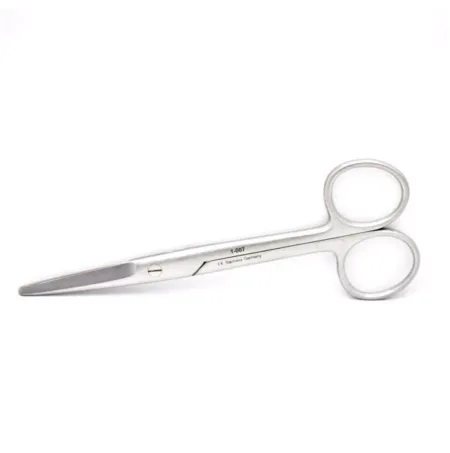 Straight Mayo ScissorCutting
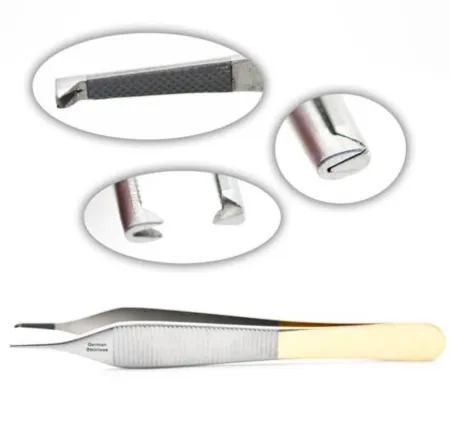 Adson ForcepsGrasping
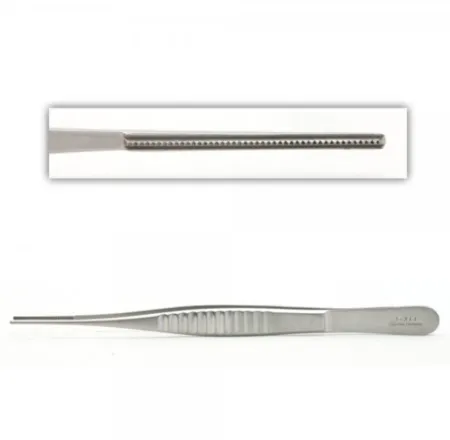 DeBakey ForcepsGrasping
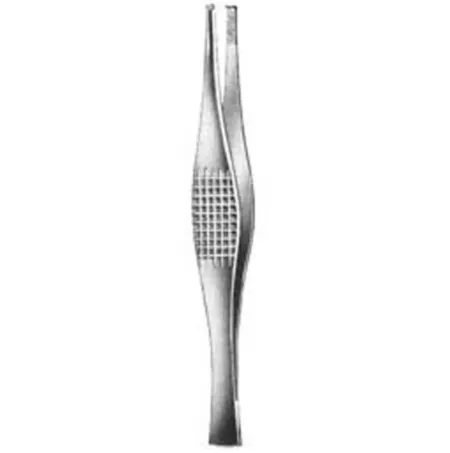 Ferris Smith Tissue ForcepsGrasping
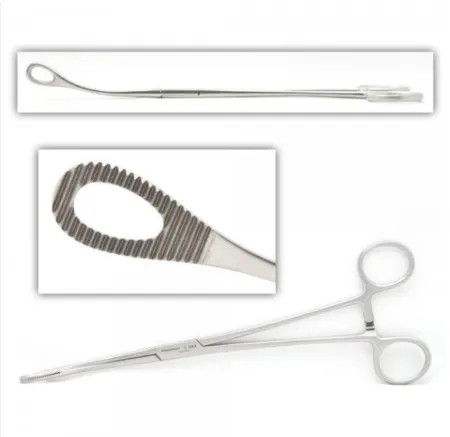 Foerster Sponge ForcepsGrasping
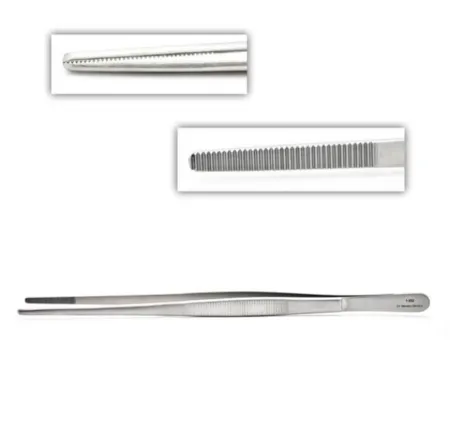 Non-Toothed PickupGrasping
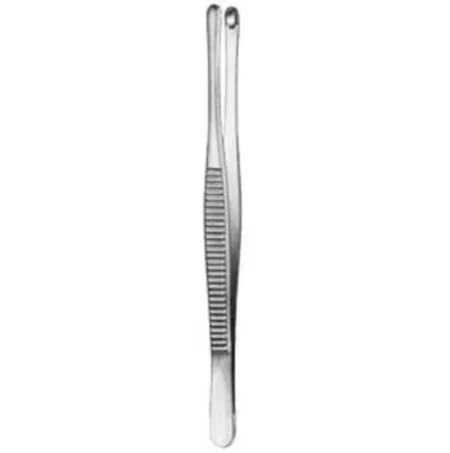 Russian Tissue ForcepsGrasping
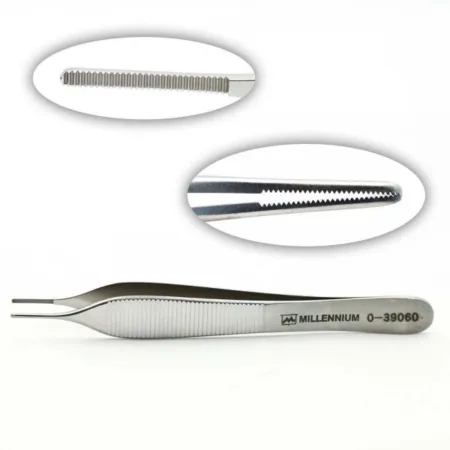 Smooth AdsonGrasping
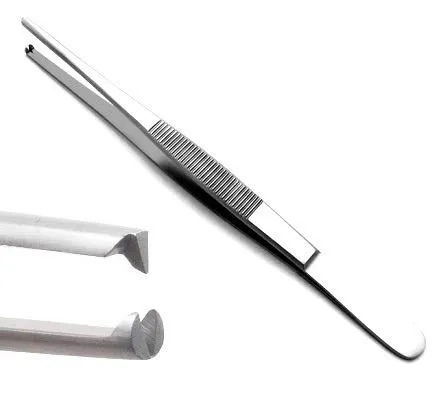 Toothed ForcepsGrasping
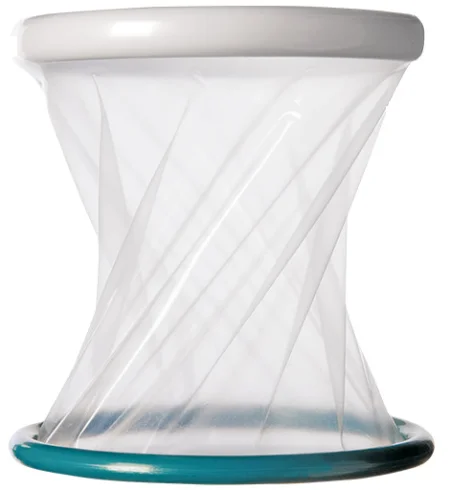 Alexis O Wound Protector-RetractorRetracting
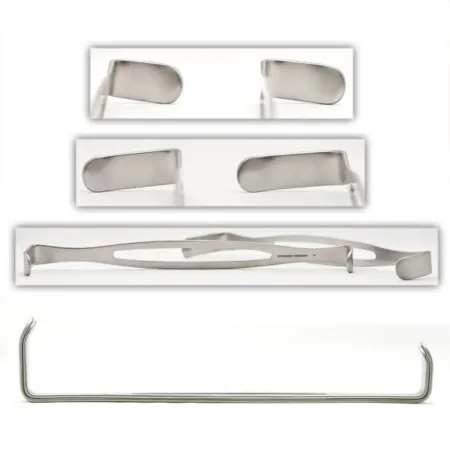 Army-Navy RetractorRetracting
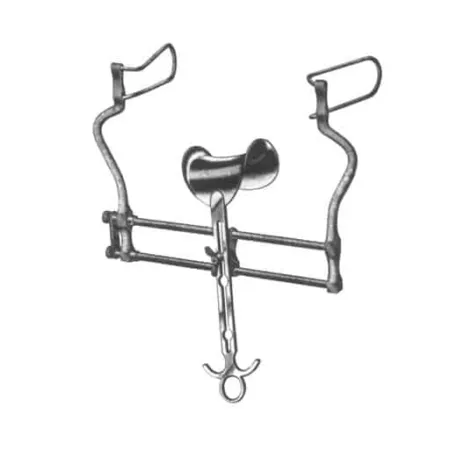 Balfour RetractorRetracting
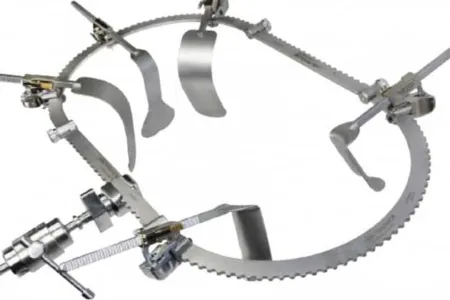 Bookwalter RetractorRetracting
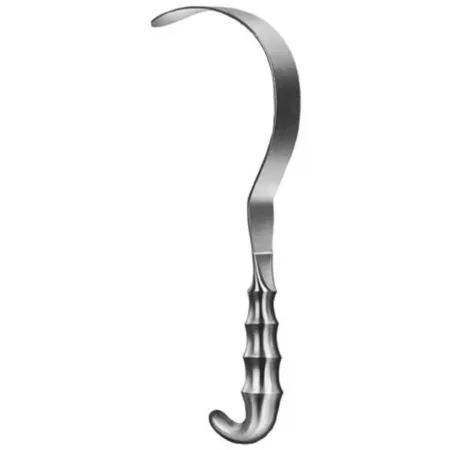 Deaver RetractorRetracting
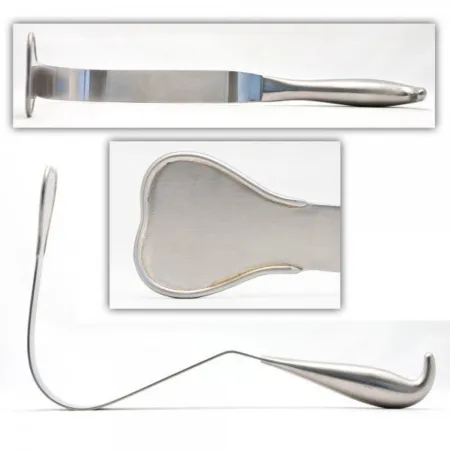 Harrington RetractorRetracting
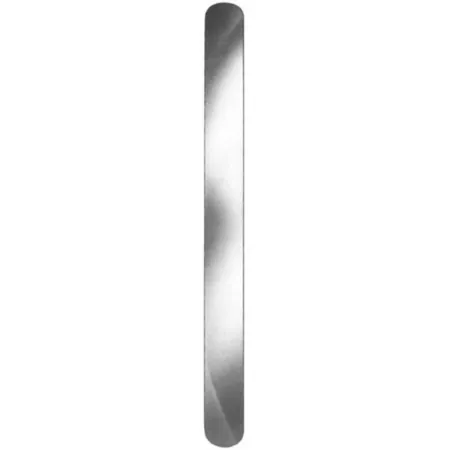 Ribbon RetractorRetracting
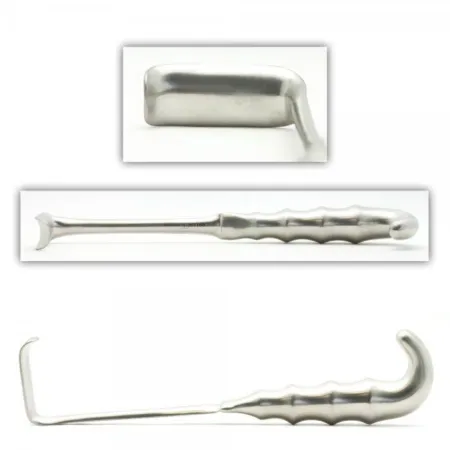 Richardson RetractorRetracting
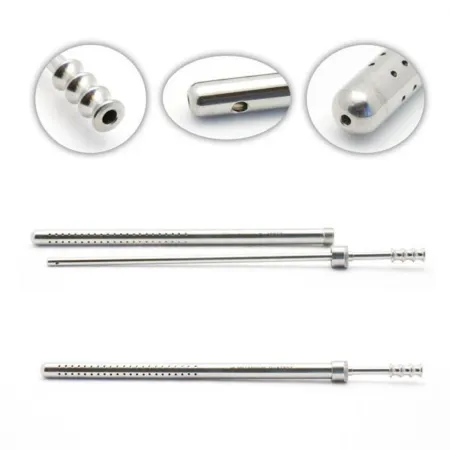 Poole Suction ProbeSuctioning
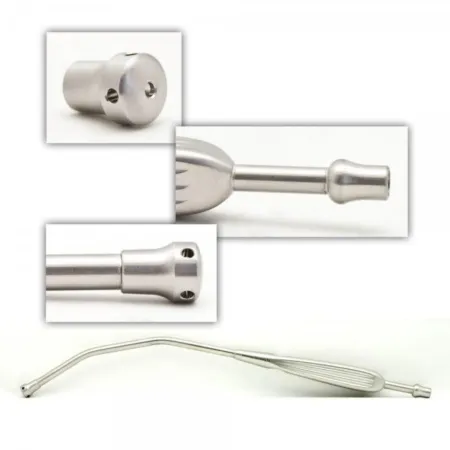 Yankauer SuctionSuctioning
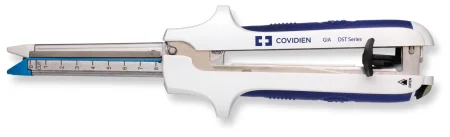 GIA StaplerSuturing
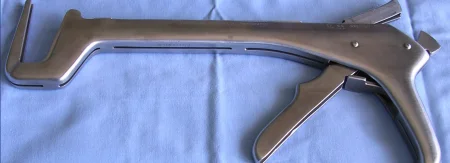 Linear StaplerSuturing
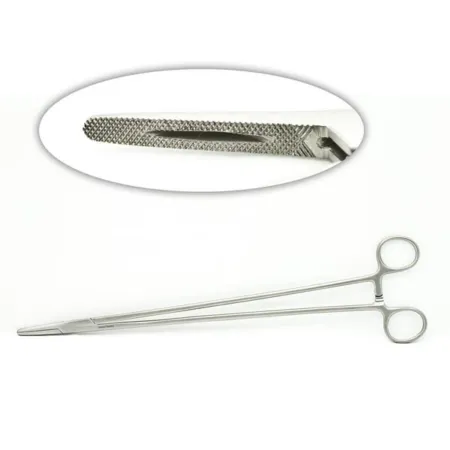 Mayo-Hegar Needle HolderSuturing
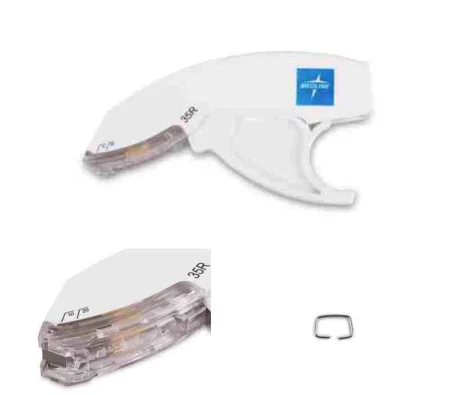 Skin StaplerSuturing
Clamping & Occluding13
Cutting & Dissecting5
Grasping & Holding8
Retracting & Exposing8
Suctioning2
Suturing & Stapling4
Know this tray before you scrub in.
With Pro, for every setup in every specialty. Cancel any time.
Or scrub in free: every General setup and 5 questions a day.
The room
The equipment, the prep and drape, the suture and the medicines.
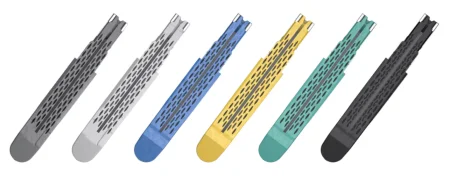 Stapler Reload
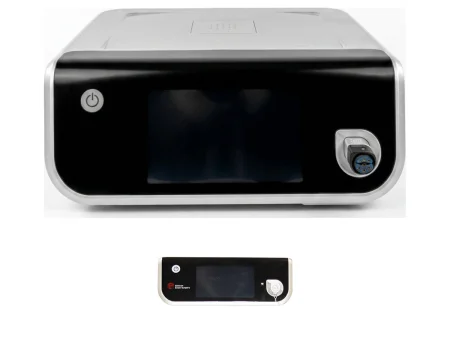 Energy Device Generator
 Penrose Drain
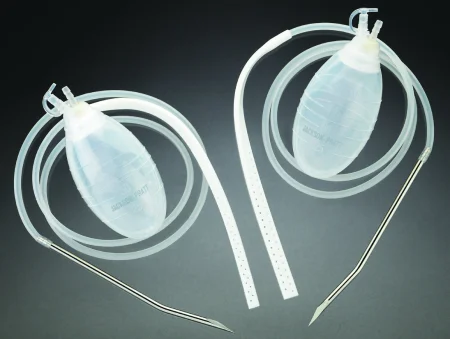 Closed Suction Drain
 Electrosurgical Unit
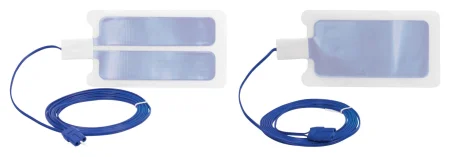 Patient Return Electrode
 Suction
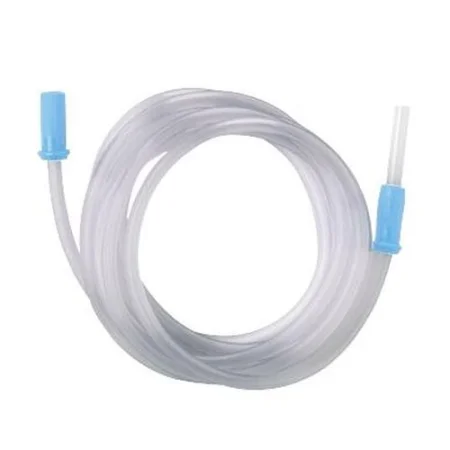 Suction Tubing
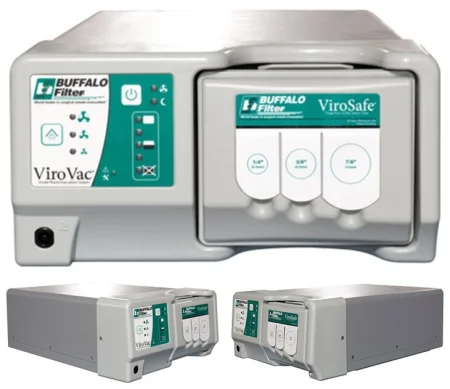 Smoke Evacuator
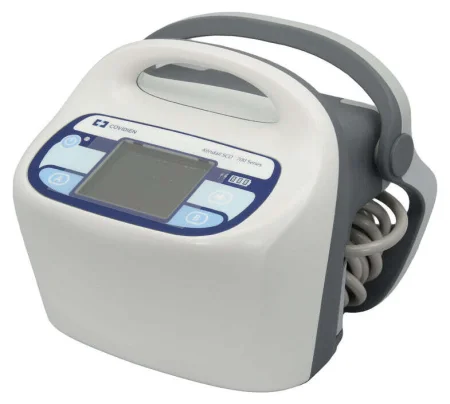 Sequential Compression Device
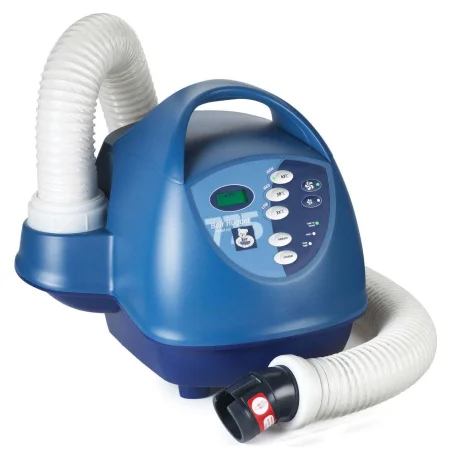 Forced-Air Warming Blanket
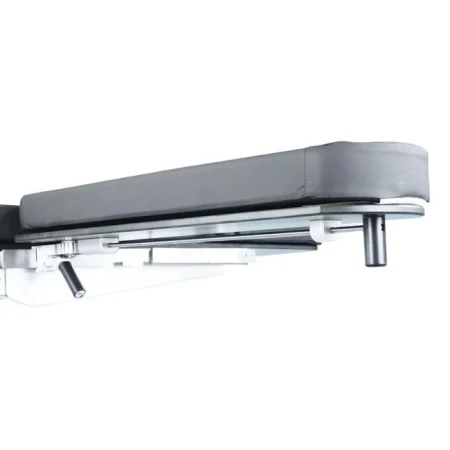 Armboard
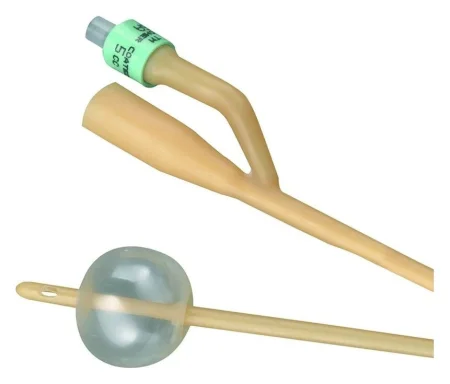 Foley Catheter
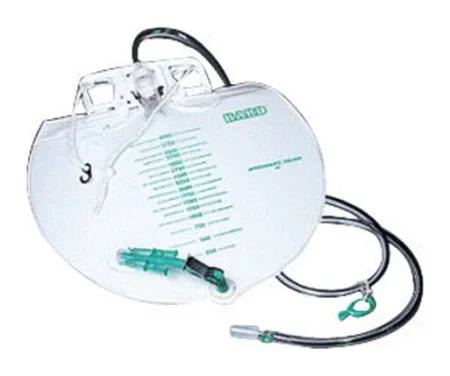 Urinary Drainage Bag
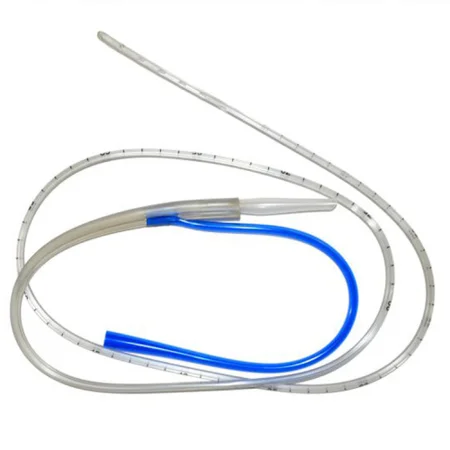 Nasogastric Tube
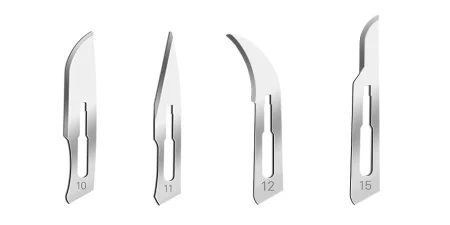 Scalpel Blade
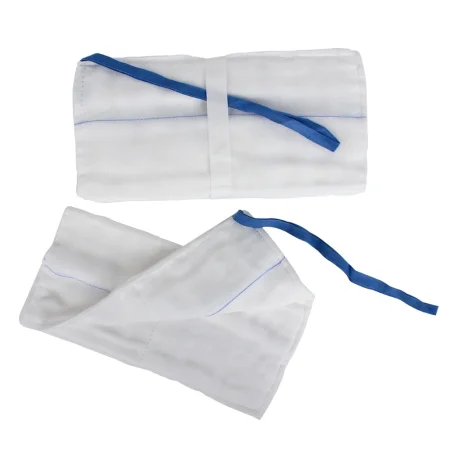 Laparotomy Sponge
 Sterile Basin
 Specimen Container
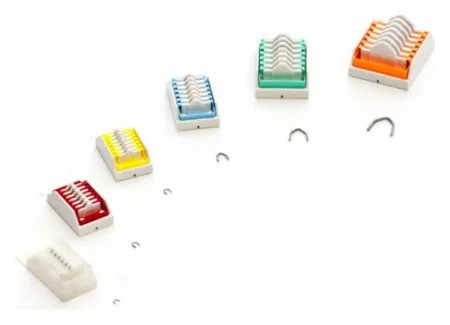 Ligating Clips
 Sterile Gown
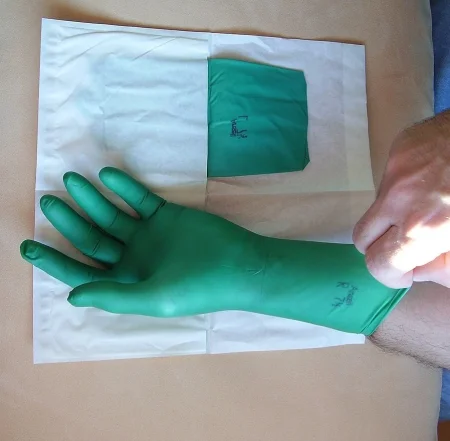 Sterile Gloves
Supine, arms out on armboards. The Foley goes in and is connected to drainage before the prep. Prep starting at the incision site (midline, right paramedian or oblique), from the nipples to the upper thighs and down to the table on both sides. Folded towels and a laparotomy sheet. Set up a second, untouched closing Mayo for the clean closure.
What closes each layer in this case, by type and size.
See ProEvery medicine in this case, its strength and when it is used.
See ProStep by step
9 steps, one line each.
- 1
Before the first cut
Count, then the time-outTYM-owtA pause just before a procedure when the whole team confirms the right client, procedure and site; also, a short break to calm a child.Full entry . anesthesiaan-us-THEE-zhuhLoss of feeling or sensation, often brought on by drugs so that surgery or a procedure can be done without pain.an- withoutesthesi/o feeling, sensation-ia conditionFull entry passes a Nasogastric Tube. The indwelling urinary catheterin-DWEL-ing YUR-ih-nair-ee KATH-uh-terA tube passed through the urethra into the bladder and left in place to drain urine into a bag.Full entry goes in before the prep. Two Mayos are set: one for the case, one for the clean closure that stays untouched.
Next up · Pro - 2
Opening the belly
A #10 blade on the #3 Knife Handle makes the midlineMID-lineAn imaginary line down the center of the body; also, a type of IV catheter placed in a vein of the upper arm.Full entry cut, then the electrosurgeryee-LEK-troh-SUR-jer-eeUsing high-frequency electric current through a handheld tool to cut tissue or seal bleeding vessels during surgery.Full entry through the fat and fasciaFASH-ee-uhA sheet or band of tough connective tissue that covers and separates muscles and organs.fasci/o bandFull entry . The surgeon explores the whole belly.
Next up · Pro - 3
Exposure
A Alexis O Wound Protector-Retractor protects the wound edges, then a Balfour Retractor or Bookwalter Retractor holds it open. Moist Laparotomy Sponge pack the small bowel out of the way. The surgeon confirms the lesionLEE-zhunAn area of tissue that has been damaged or has changed from normal, such as a sore, wound, lump or spot.Full entry and plans how much to remove.
Next up · Pro - 4
Freeing the right colon
The assistant pulls the right colon toward the left, and the surgeon opens the peritoneumpair-ih-toh-NEE-umThe thin membrane that lines the belly cavity and covers most of the organs inside it.peri- aroundton stretched-eum a structureFull entry along its outer side (the white line) with the electrosurgeryee-LEK-troh-SUR-jer-eeUsing high-frequency electric current through a handheld tool to cut tissue or seal bleeding vessels during surgery.Full entry . The colon and the cecum are lifted off the back wall with the Metzenbaum Scissor and smooth forcepsFOR-sepsA hand instrument with two blades or arms used to grasp, hold or pull tissue or objects.Full entry ; the right ureterYOOR-uh-terOne of the two tubes that carry urine from the kidneys down to the bladder.Full entry is found and protected, and the duodenumdoo-uh-DEE-numThe first, short part of the small intestine, just after the stomach.Full entry is kept clear. The bend under the liver (hepatichih-PAT-ikRelating to the liver.hepat/o liver-ic relating toFull entry flexure) is freed the same way; a Harrington Retractor helps the exposure.
Next up · Pro - 5
The omentum and the vessels
The right part of the omentum is divided between clamps and ties, or with a sealer. The mesentery vessels (ileocolic, right colic and the right branch of the middle colic) are clamped with Rochester Pean Forceps, divided with the Metzenbaum Scissor and tied. A Penrose Drain may be looped around the bowel to lift it.
Next up · Pro - 6
Dividing the ileum and the colon
A window is made in the mesentery at the end of the ileumIL-ee-umThe last and longest part of the small intestine, which joins the large intestine.Full entry , and the GIA Stapler divides the ileum. Another window is made in the transversetrans-VERSLying across something, at a right angle to its length.Full entry mesocolon, and a second firing divides the colon. The freed specimen comes off the field.
Next up · Pro - 7
The anastomosis
Bowel technique starts. The ileumIL-ee-umThe last and longest part of the small intestine, which joins the large intestine.Full entry and the colon are laid side by side, a small corner of each staple line is cut off, and four Mosquito Clamp - Curved hold the openings while the GIA Stapler fires inside them to join the two. Three Allis Forceps bring the leftover opening together and the Linear Stapler closes it; the extra tissue is cut off with the heavy Straight Mayo Scissor or a knife. A stitch may reinforceree-in-FORSTo repeat and support teaching or care that has already been started, so the client remembers and follows it.Full entry the base.
Next up · Pro - 8
Clean closure
Bowel technique ends. The dirty instruments, laps, suction tip and electrosurgeryee-LEK-troh-SUR-jer-eeUsing high-frequency electric current through a handheld tool to cut tissue or seal bleeding vessels during surgery.Full entry pencil come off; everyone changes gown and gloves, and fresh towels or a new drape go over the old. The belly is washed with warm saline, and the closing Mayo comes up.
Next up · Pro - 9
Closing
The belly is closed in layers with the clean instruments: the peritoneumpair-ih-toh-NEE-umThe thin membrane that lines the belly cavity and covers most of the organs inside it.peri- aroundton stretched-eum a structureFull entry with a running absorbable stitch, the fasciaFASH-ee-uhA sheet or band of tough connective tissue that covers and separates muscles and organs.fasci/o bandFull entry with interrupted nonabsorbable stitches, then the skin with a stitch under the skin or staples. Dressings go on.
Next up · Pro
What to grab, before anyone asks.
What to grab for this case if it bleeds, spills or has to be opened.
See ProThe case
The colon, or large bowel, absorbs water and forms stool. Its right side starts at the cecum in the lower right belly, where the small bowel empties into it, and runs up the ascending colon to the bend under the liver and partway across the transverse colon. A right hemicolectomy removes this right side together with the last part of the small bowel (the terminal ileum) and the fatty tissue (mesentery) that carries their blood vessels and lymph nodes. The small bowel is then joined to the remaining transverse colon so stool can pass as before.
The most common reason is colon cancer of the cecum or ascending colon, or a polyp too large or too risky to remove through a colonoscope. Other reasons include Crohn's disease, bleeding, a twisted cecum (volvulus), appendicitis that has spread to the cecum, loss of blood supply, and injury. For cancer, the surgeon removes the blood vessels and lymph nodes with the bowel so they can be checked. The operation is often done laparoscopically or with a robot. The open operation is done through a cut down the middle of the belly; the choice is the surgeon's, and a blockage, a large tumor or many old adhesions can make the laparoscopic way harder.
Before surgery people usually take a bowel prep and antibiotic pills the day before. The operation is done under general anesthesia, sometimes with an epidural for pain afterward. Recovery plans encourage walking the same day, and people go home once they are eating and passing gas. Most normal activities return in 6 to 8 weeks, and bowel habits may change a little. Possible problems include a leak where the bowel is joined, infection, bleeding, blood clots, injury to the ureter, and a later blockage from scar tissue.
Built by the techs who scrub it.
Every surgeon runs it a little differently. Send your table, or a fix for this page.
 CSTSetup TeamReviewer
Checked against 11 textbooks, articles, AST standards and other references.
All 11 sources
- Rothrock JC, ed. Alexander's Care of the Patient in Surgery. 17th ed. Chapter 11 (Gastrointestinal Surgery), Open Right Hemicolectomy with Ileocolostomy, p. 329-331
- Chapter 9 (Wound Healing, Dressings, and Drains), p. 247.
- Fischer JE, ed. Fischer's Mastery of Surgery. 8th ed. Chapter 144 (Open and Minimally Invasive Right Hemicolectomy for Cancer), sections Indications/Contraindications, Preoperative Planning, Open Right Hemicolectomy.
- Fuller JK. Surgical Technology: Principles and Practice. 8th ed. Chapter 22 (General Surgery), Right Hemicolectomy (Open), p. 512-513
- Chapter 18 (Surgical Skills I), Counts, p. 381.
- Goldman MA. Pocket Guide to the Operating Room. 3rd ed. Chapter 17 (Gastrointestinal Surgery), Right Hemicolectomy, p. 244-246
- Chapter 16 (Abdominal Extraintestinal Surgery), Abdominal Laparotomy Special Notes, p. 134-135.
- Association of Surgical Technologists. Surgical Technology for the Surgical Technologist: A Positive Care Approach. 4th ed. Chapter 14 (General Surgery), Procedure 14-11 Colon Resection, p. 452-456.
- Mitchell BG, Mandava N. Hemicolectomy. StatPearls. Treasure Island (FL): StatPearls Publishing. Updated 2023 Jun 5. ncbi.nlm.nih.gov
- Association of Surgical Technologists. Standards of Practice for Handling and Care of Surgical Specimens. p. 4.
- Nemitz R. Surgical Instrumentation: An Interactive Approach. 3rd ed. p. 35, 38, 73.
Something wrong on this page? Send a fix
The rest of this setup is Pro.
Everything unlocked above stays free. Pro opens the rest, on every setup: where new techs slip, what to load next at every step, the circulator’s side, the medicines, the specimen, wound class and trays on standby, what to grab if it goes wrong, and practice for every tray.
Free, for good. No card.
- All 3,341 instrument cards
- Every General setup in full
- 5 exam questions a day
- Your own preference cards
Pass your exam. Know every case.
Everything in Free, plus:
- All 368 setups in every specialty: back table, Mayo and every step
- Practice that never runs out and full timed exams for the CST, TS-C, CRCST, CSPDT and CSFA, with the why behind every answer
- Flashcards on any tray, timed to come back before you forget
- Every instrument card in full: the 3D model, cautions, inspection, how to pass it
Cancel any time from your account. Not worth it? Email us within 30 days of a charge for a refund, one per customer. Refund policy
Pro is also in the CSTSetup app, on the same account. Already have Pro? Log in
Send your table
Your Mayo, your back table, your surgeon’s way, or anything wrong on this page. Your email is only used to credit you. Submissions stay private and are reviewed by our team; accepted ones earn a Contributor credit here.