Orchiopexy
The surgical mobilization and permanent fixation of an undescended testis within the scrotal sac to ensure proper physiological positioning and thermal regulation.
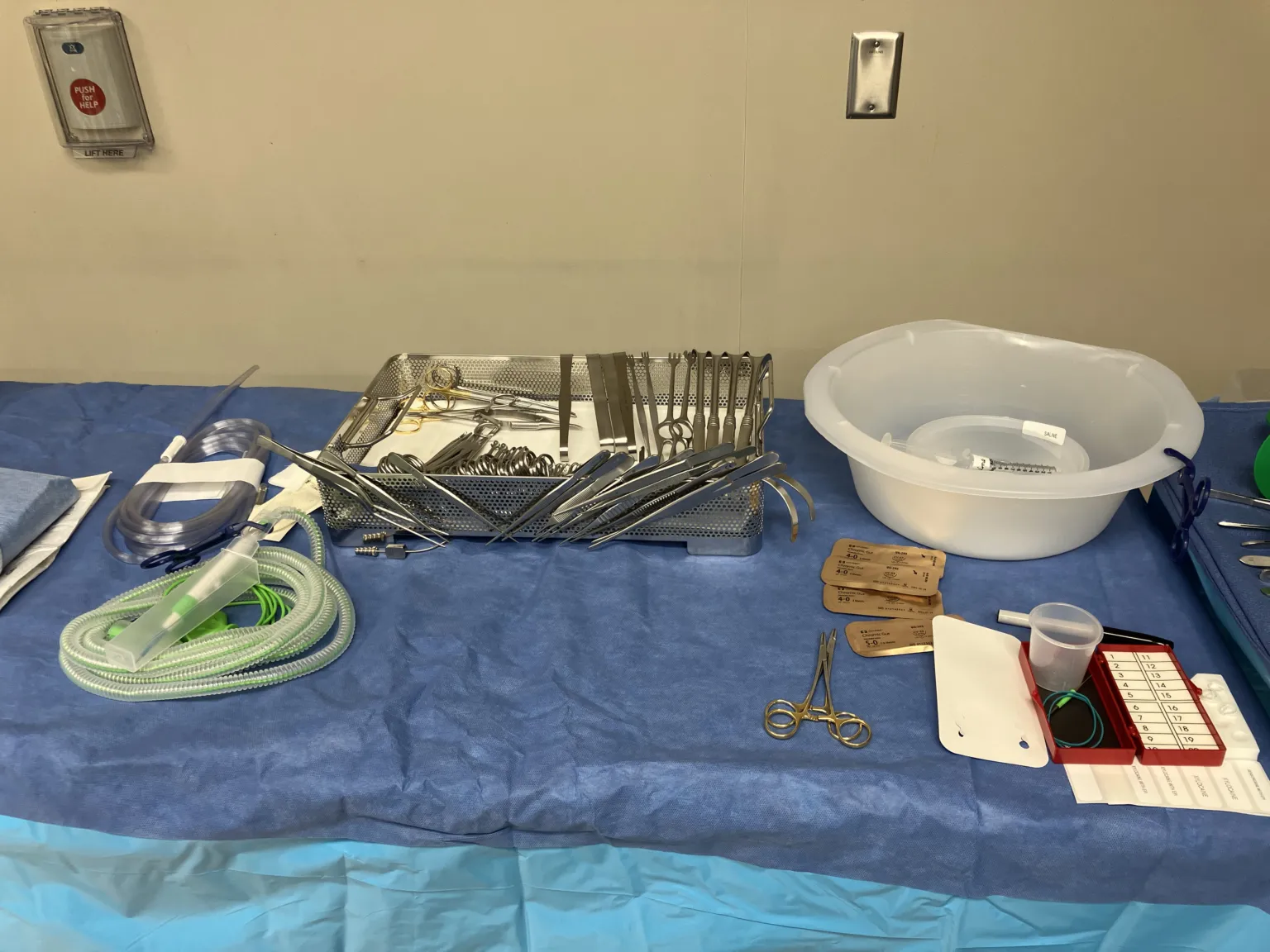
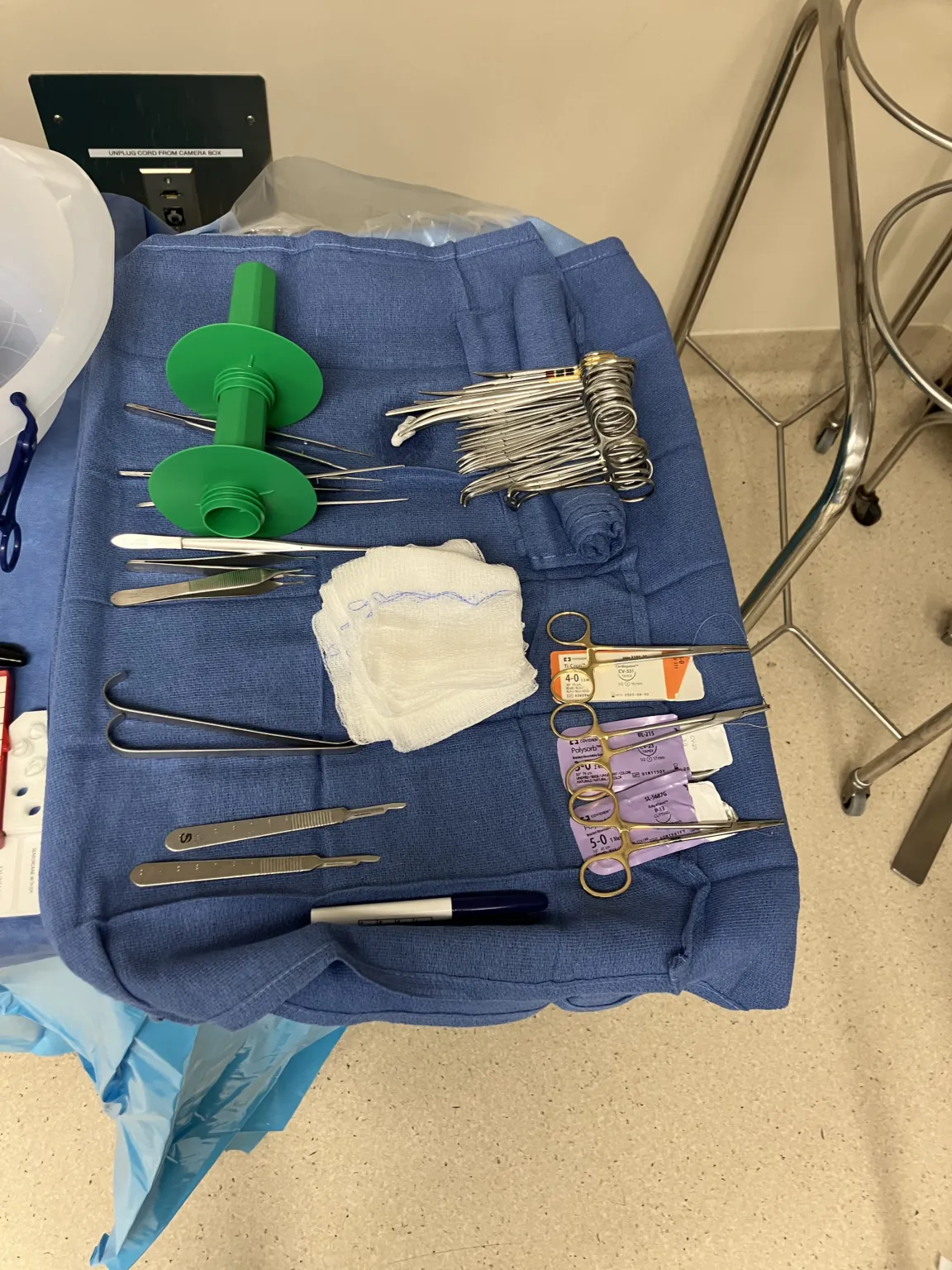
- Position
- Supine
In 30 seconds
Scan this outside the room.
- Use a 15 blade to make an incision on the scrotumSKROH-tumThe pouch of skin and muscle that holds the testicles.Full entry or inguinalING-gwih-nulRelating to the groin, the fold where the thigh meets the lower abdomen.Full entry region.
- dissectdy-SEKT, or dih-SEKTTo cut apart or separate tissues carefully during surgery.Full entry down to the inguinalING-gwih-nulRelating to the groin, the fold where the thigh meets the lower abdomen.Full entry ring or other anatomical landmarks to locate the testis.
- Free the spermatic cord using forcepsFOR-sepsA hand instrument with two blades or arms used to grasp, hold or pull tissue or objects.Full entry or other instruments.
- Use tacking sutureSOO-cherA stitch, or the thread used to stitch, that holds the edges of a wound or incision together.Full entry to keep the fasciaFASH-ee-uhA sheet or band of tough connective tissue that covers and separates muscles and organs.fasci/o bandFull entry out of the way of the testis.
- Control bleeding and close the incision using sutureSOO-cherA stitch, or the thread used to stitch, that holds the edges of a wound or incision together.Full entry or staples.
The tray
19 instruments, by what they do. Tap a name for its card.
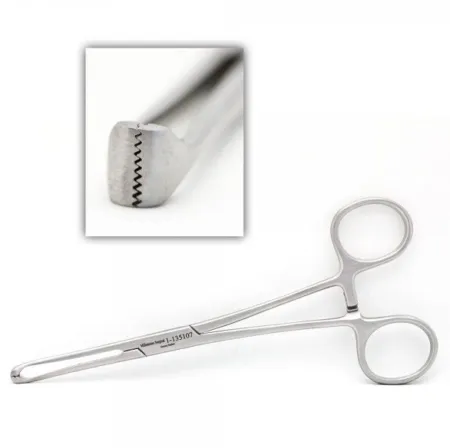 Allis ForcepsClamping
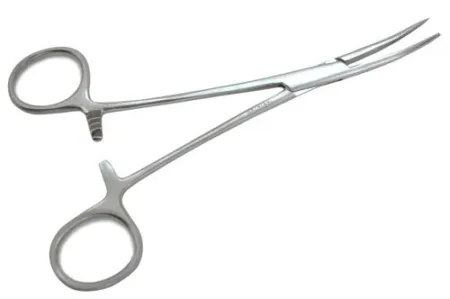 Curved HemostatsClamping
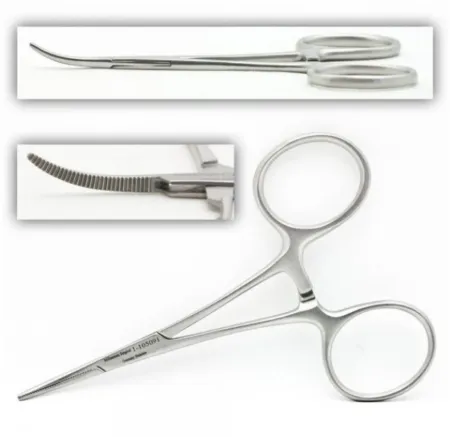 Mosquito Clamp - CurvedClamping
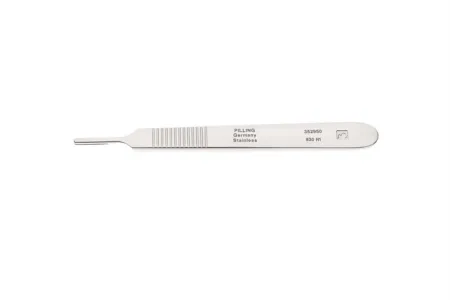 #3 Knife HandleCutting
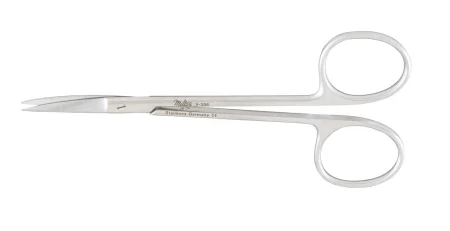 Curved Iris ScissorCutting
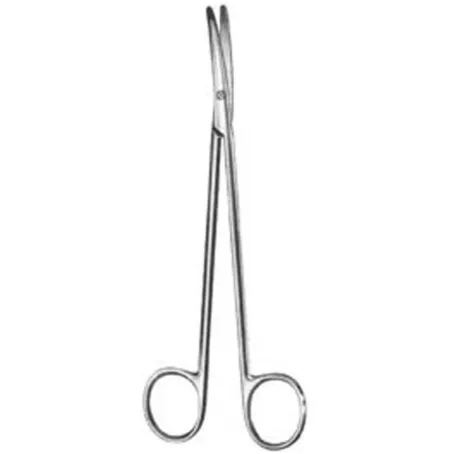 Metzenbaum ScissorCutting
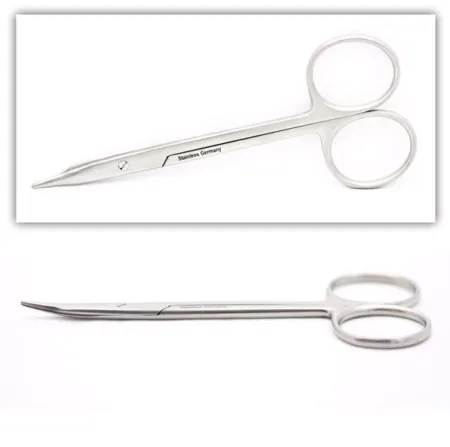 Stevens Tenotomy ScissorCutting
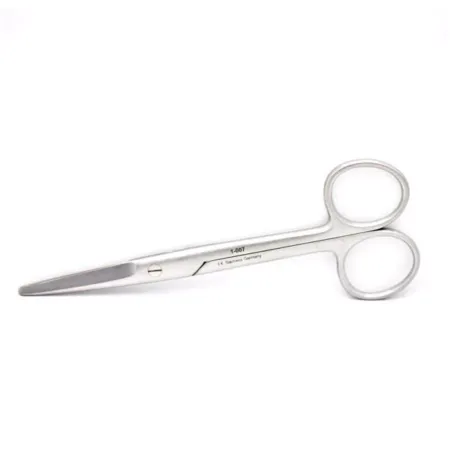 Straight Mayo ScissorCutting
All 19 instruments
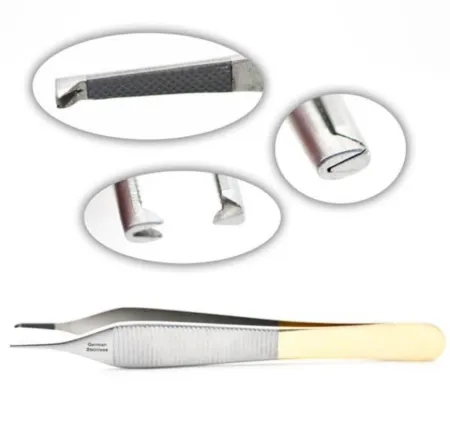
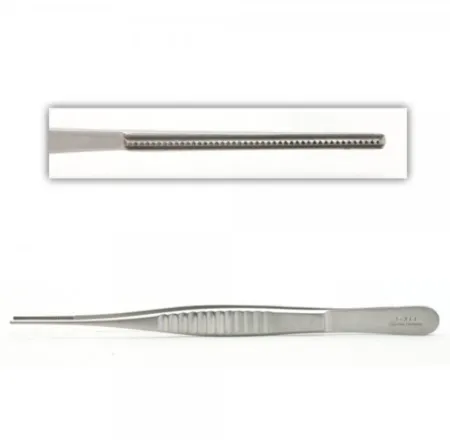
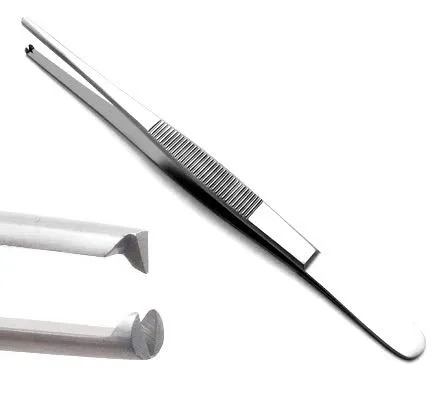
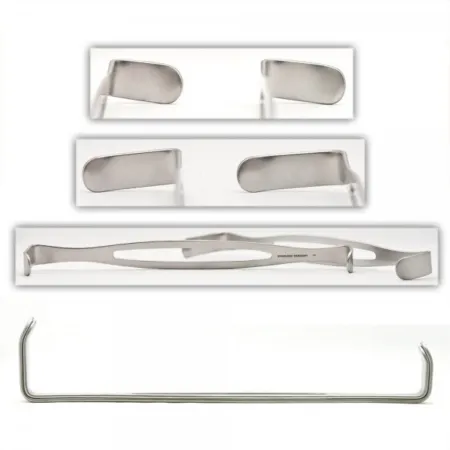
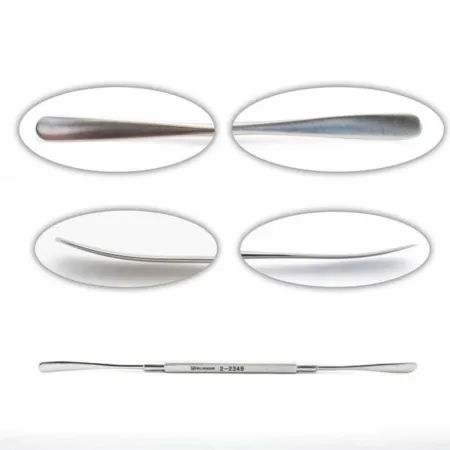
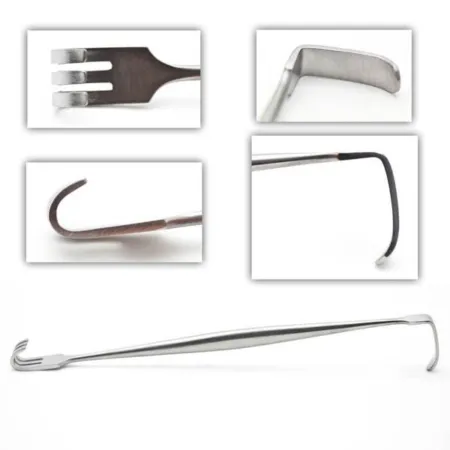
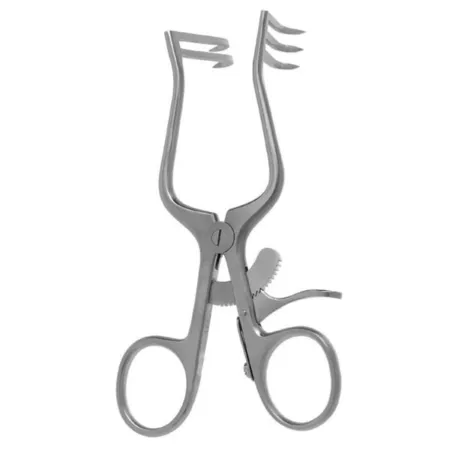
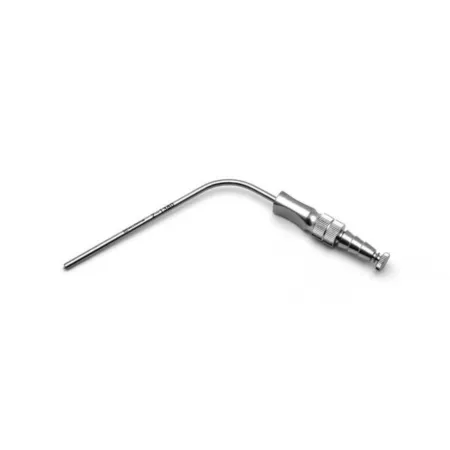
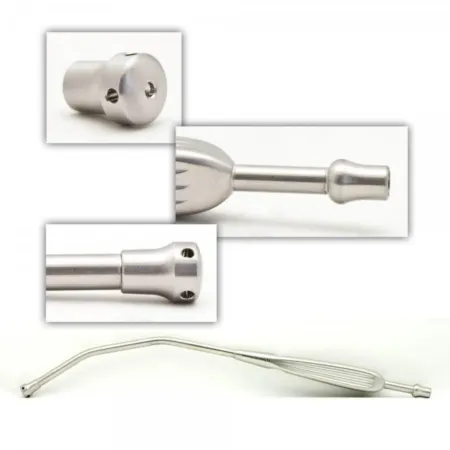
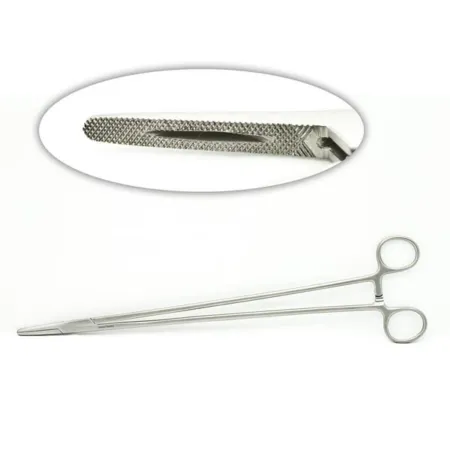
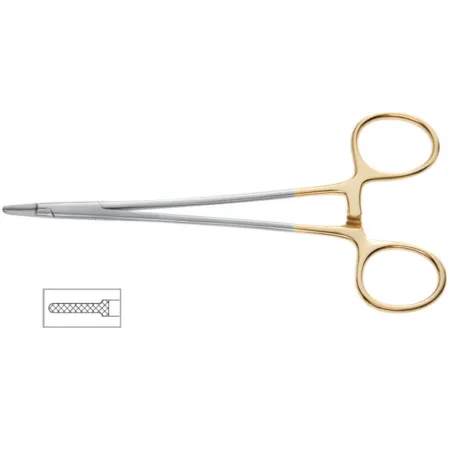
Clamping & Occluding3
Cutting & Dissecting5
Grasping & Holding3
Retracting & Exposing4
Suctioning2
Suturing & Stapling2
Know this tray before you scrub in.
With Pro, for every setup in every specialty. Cancel any time.
Or scrub in free: every General setup and 5 questions a day.
The room
The equipment, the prep and drape, the suture and the medicines.
4 folded towels, laparotomy drape
Step by step
5 steps, one line each.
- 1
Incision and Dissection
During an Orchiopexy, a 15 blade will be used to make an incision on the scrotumSKROH-tumThe pouch of skin and muscle that holds the testicles.Full entry or inguinalING-gwih-nulRelating to the groin, the fold where the thigh meets the lower abdomen.Full entry region, depending on the approach chosen by the surgeon. The surgical technologistSUR-jih-kul tek-NOL-uh-jistA member of the operating room team who prepares the sterile field and instruments and hands them to the surgeon.Full entry should have a 15 blade on hand and ensure that it is sterile before the procedure begins. After making the incision, the surgeon will use a variety of instruments to dissectdy-SEKT, or dih-SEKTTo cut apart or separate tissues carefully during surgery.Full entry down to the inguinal ring or other anatomical landmarks that will allow them to locate the testis.
- 2
Locating the Testis
Once the surgeon has reached the appropriate anatomical location, they will use instruments such as a scalpel or scissors to carefully dissectdy-SEKT, or dih-SEKTTo cut apart or separate tissues carefully during surgery.Full entry away any tissues that may be obscuring the testis. The surgical technologistSUR-jih-kul tek-NOL-uh-jistA member of the operating room team who prepares the sterile field and instruments and hands them to the surgeon.Full entry should anticipate the surgeon's needs and provide them with the necessary instruments as they work.
- 3
Freeing the Spermatic Cord
After locating the testis, the surgeon will use instruments such as forcepsFOR-sepsA hand instrument with two blades or arms used to grasp, hold or pull tissue or objects.Full entry to carefully free the spermatic cord from any torsion or other abnormalities that may be present. The surgical technologistSUR-jih-kul tek-NOL-uh-jistA member of the operating room team who prepares the sterile field and instruments and hands them to the surgeon.Full entry should have a variety of forceps and other instruments on hand to assist the surgeon as needed.
- 4
Placing Tacking Sutures
Once the spermatic cord has been freed, the surgeon may use tacking sutureSOO-cherA stitch, or the thread used to stitch, that holds the edges of a wound or incision together.Full entry to keep the fasciaFASH-ee-uhA sheet or band of tough connective tissue that covers and separates muscles and organs.fasci/o bandFull entry out of the way of the testis. This will allow the testis to have plenty of room to sit comfortably. The surgical technologistSUR-jih-kul tek-NOL-uh-jistA member of the operating room team who prepares the sterile field and instruments and hands them to the surgeon.Full entry should provide the surgeon with the necessary sutures and needles and be prepared to assist with placing the sutures if needed.
- 5
Controlling Bleeding and Closure
During the procedure, the surgical technologistSUR-jih-kul tek-NOL-uh-jistA member of the operating room team who prepares the sterile field and instruments and hands them to the surgeon.Full entry should be prepared to assist with controlling any bleeding that may occur. This may involve using instruments such as a cautery or hemostatHEE-moe-statA clamp with finger rings and a locking ratchet used in surgery to grasp and close off bleeding vessels.hem/o blood-stat stopping, standing stillFull entry to stop bleeding at the surgical site. Once all bleeding has been stopped, the surgeon will close the incision using sutureSOO-cherA stitch, or the thread used to stitch, that holds the edges of a wound or incision together.Full entry or staples. The surgical technologist should be prepared to provide the surgeon with the necessary closure materials and assist with the closure as needed.
The case
Orchiopexy is a surgical procedure that is performed to treat a condition known as cryptorchidism, which is the failure of one or both testicles to descend into the scrotum. During the procedure, the testicle is located and brought down into the scrotum, and then attached to prevent it from retracting back into the abdomen. Orchiopexy is typically performed in young boys to prevent potential complications such as infertility and testicular cancer that can arise from untreated cryptorchidism.
Built by the techs who scrub it.
Every surgeon runs it a little differently. Send your table, or a fix for this page.
 Diana Lei-alohaReviewer
 DennisReviewer
 ReginaReviewer
The rest of this setup is Pro.
Everything unlocked above stays free. Pro opens the rest, on every setup: where new techs slip, what to load next at every step, the circulator’s side, the medicines, the specimen, wound class and trays on standby, what to grab if it goes wrong, and practice for every tray.
Free, for good. No card.
- All 2,882 instrument cards
- Every General setup in full
- 5 exam questions a day
- Your own preference cards
Pass your exam. Know every case.
Everything in Free, plus:
- All 260 setups in every specialty: back table, Mayo and every step
- Practice that never runs out and full timed exams for the CST, TS-C, CRCST, CSPDT and CSFA, with the why behind every answer
- Flashcards on any tray, timed to come back before you forget
- Every instrument card in full: the 3D model, cautions, inspection, how to pass it
Cancel any time from your account. Not worth it? Email us within 30 days of a charge for a refund, one per customer. Refund policy
Pro is also in the CSTSetup app, on the same account. Already have Pro? Log in
Send your table
Your Mayo, your back table, your surgeon’s way, or anything wrong on this page. Your email is only used to credit you. Submissions stay private and are reviewed by our team; accepted ones earn a Contributor credit here.