Pancreaticoduodenectomy (Whipple)
A complex resection involving the removal of the head of the pancreas, the duodenum, the gallbladder, and a portion of the common bile duct. Reconstruction follows, involving the creation of anastomoses between the remaining pancreas, bile duct, and stomach to the jejunum.
17 instruments to master.
Master this setup: test yourself on every instrument, earn the tier, hold the record.
No site record yet · target 6:47
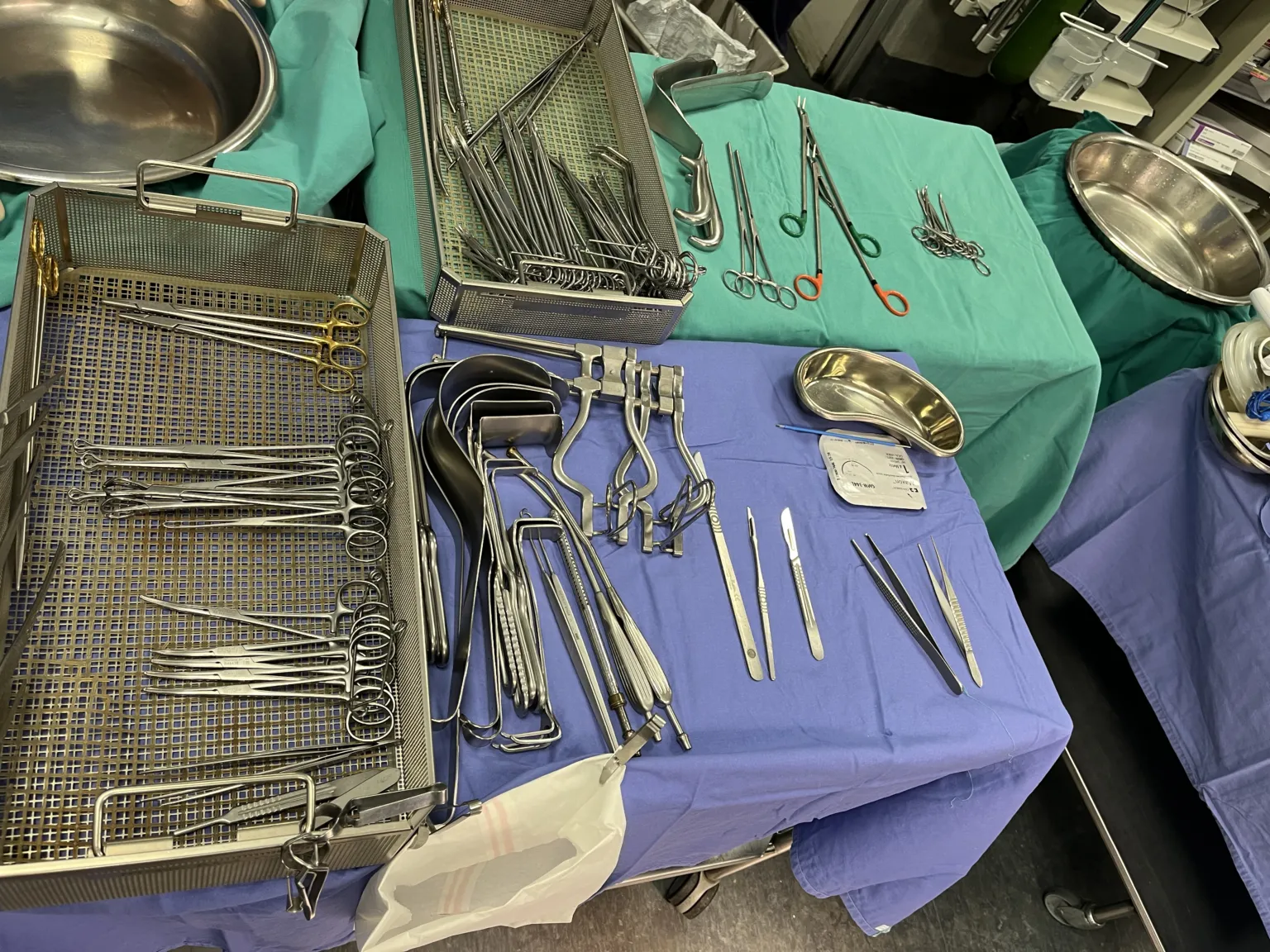
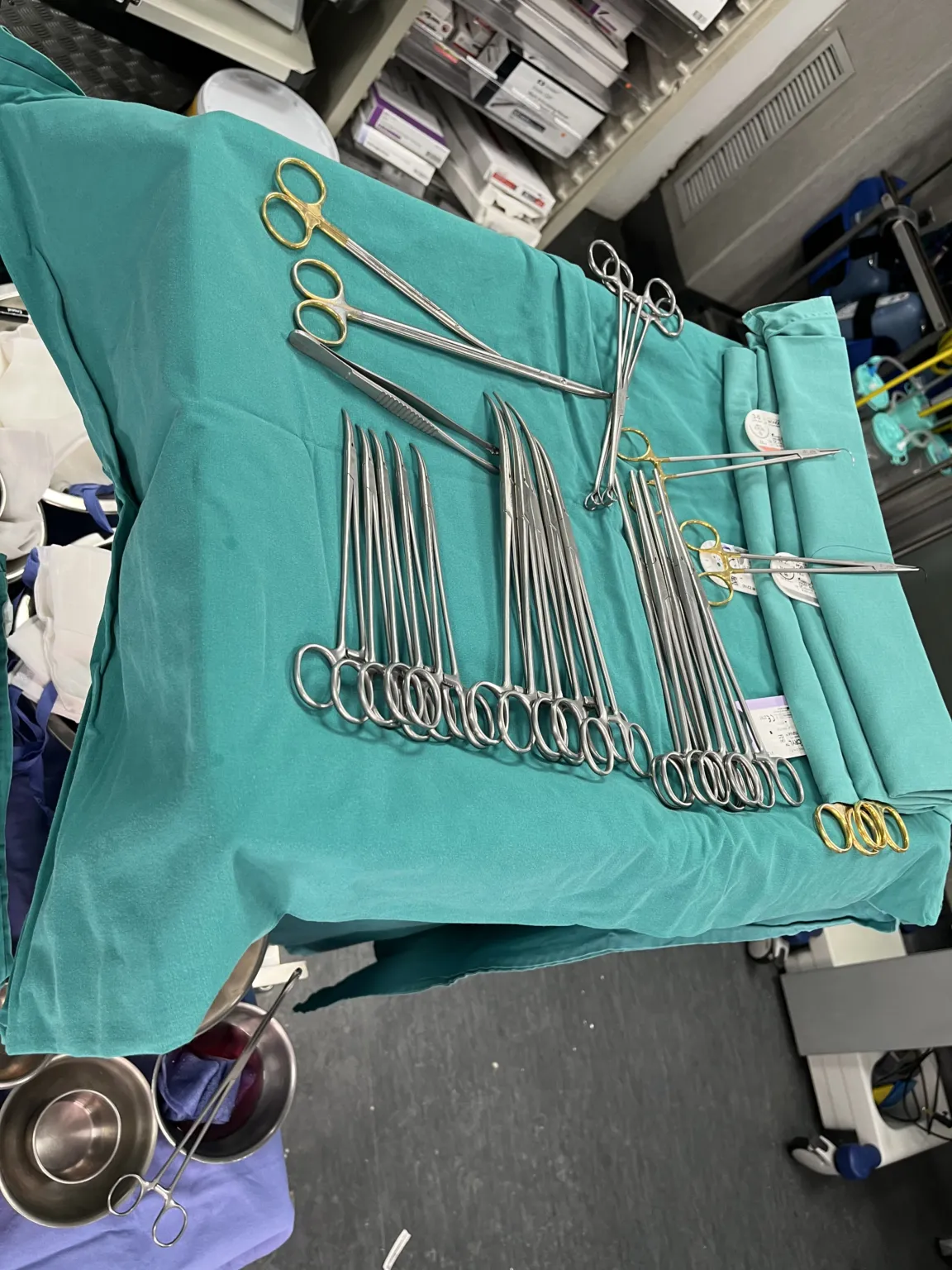
Surgical instruments
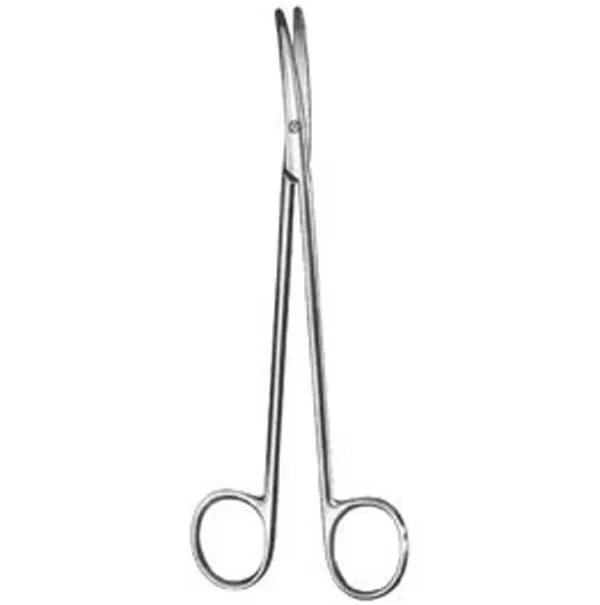
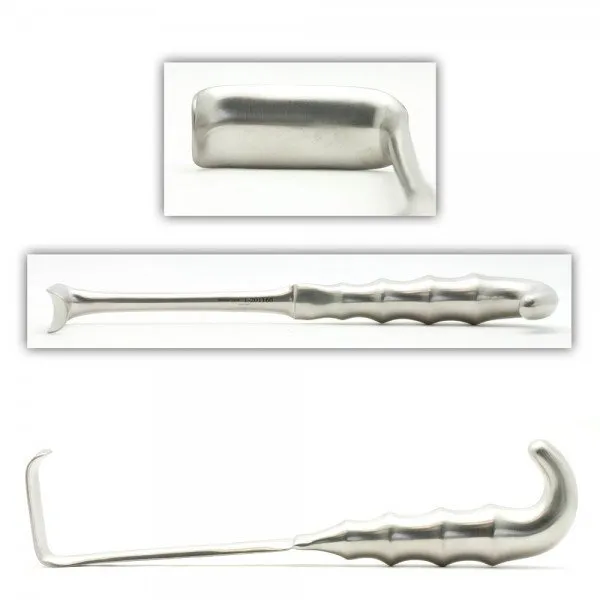
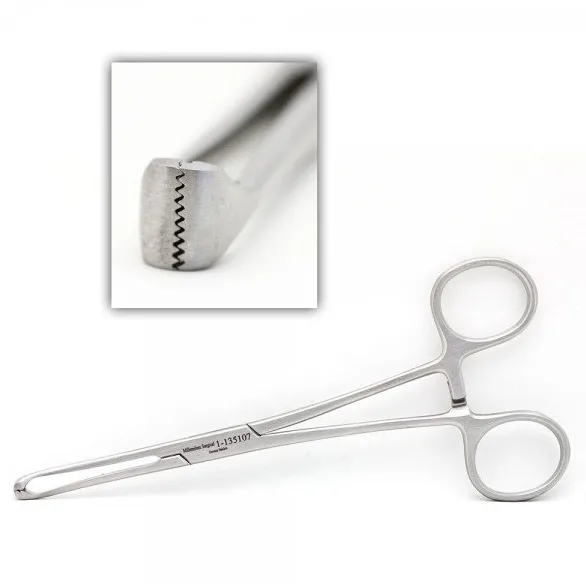
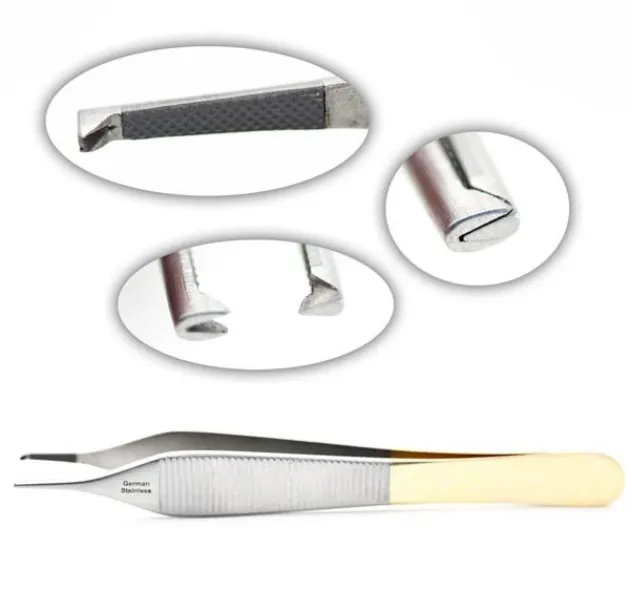
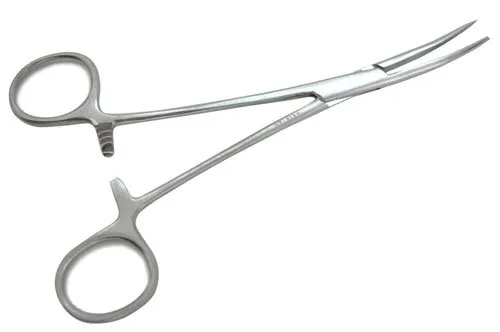
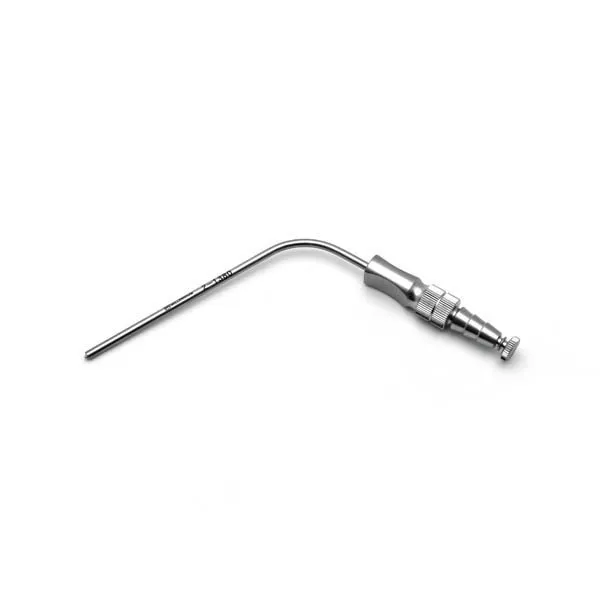
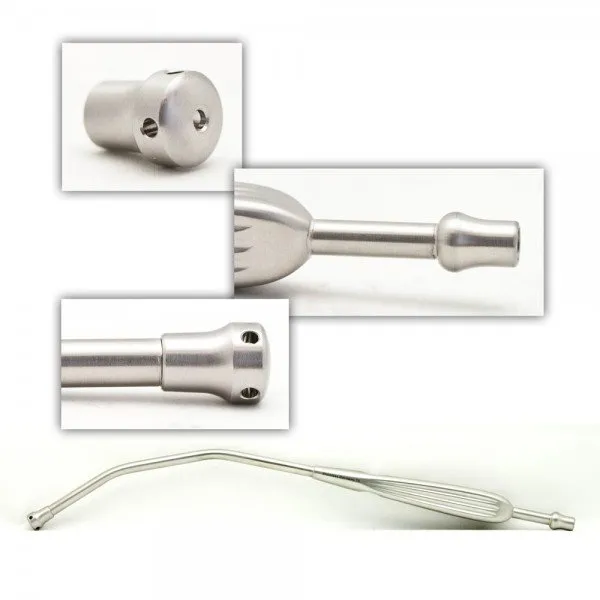
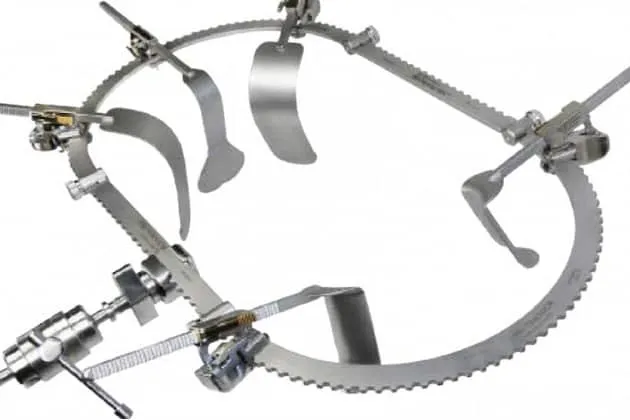
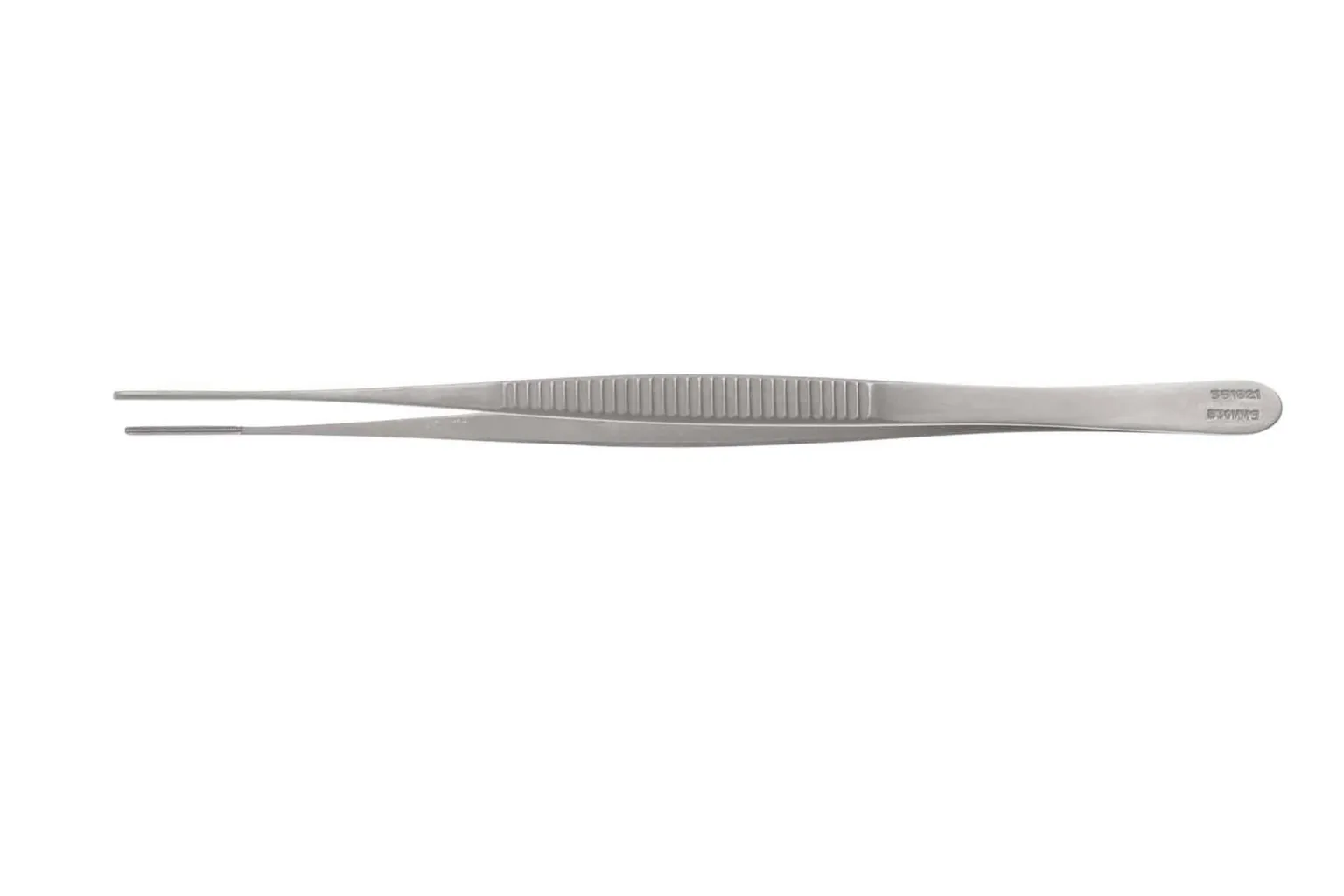
17 on this table. Tap a photo to zoom, the name for its card.
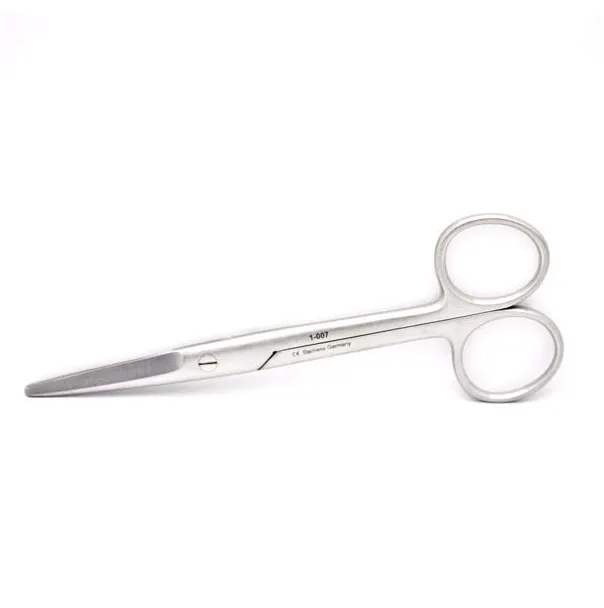
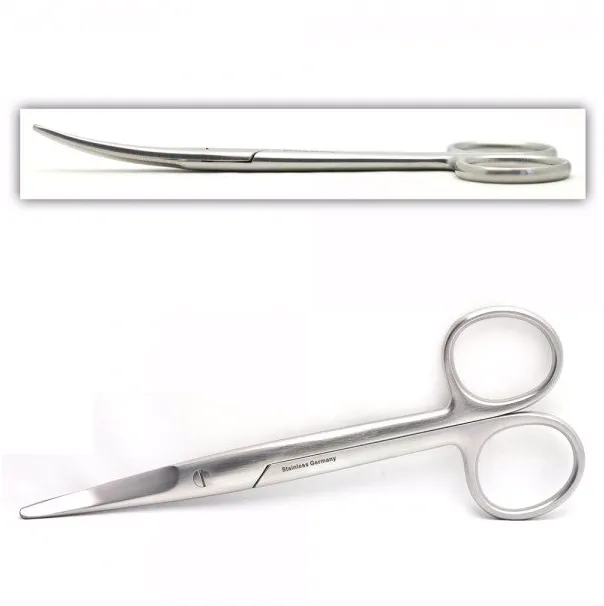
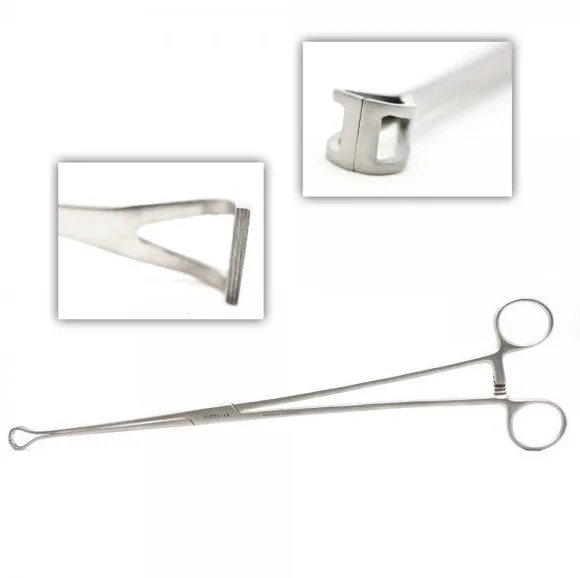
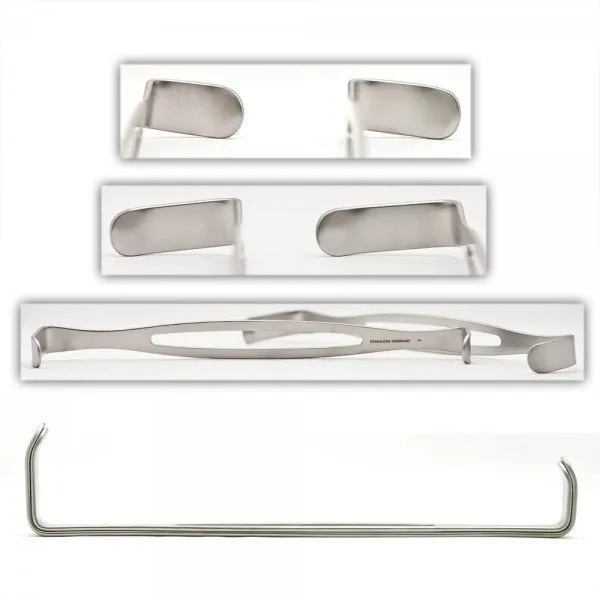
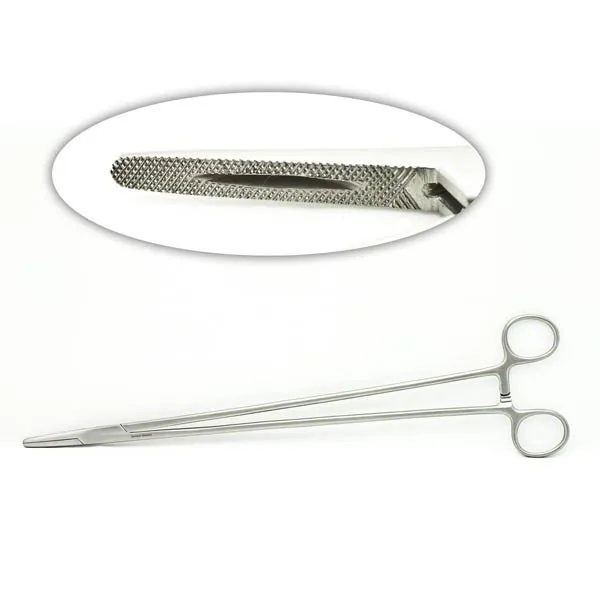
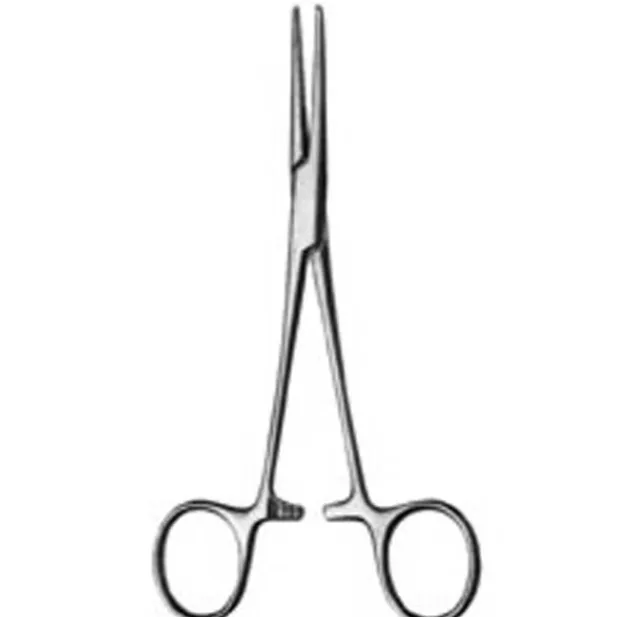
The case
Spark notes
The 30-second rundown. Scan this outside the room.
- Prep instruments, position patient supine, and administer general anesthesia.
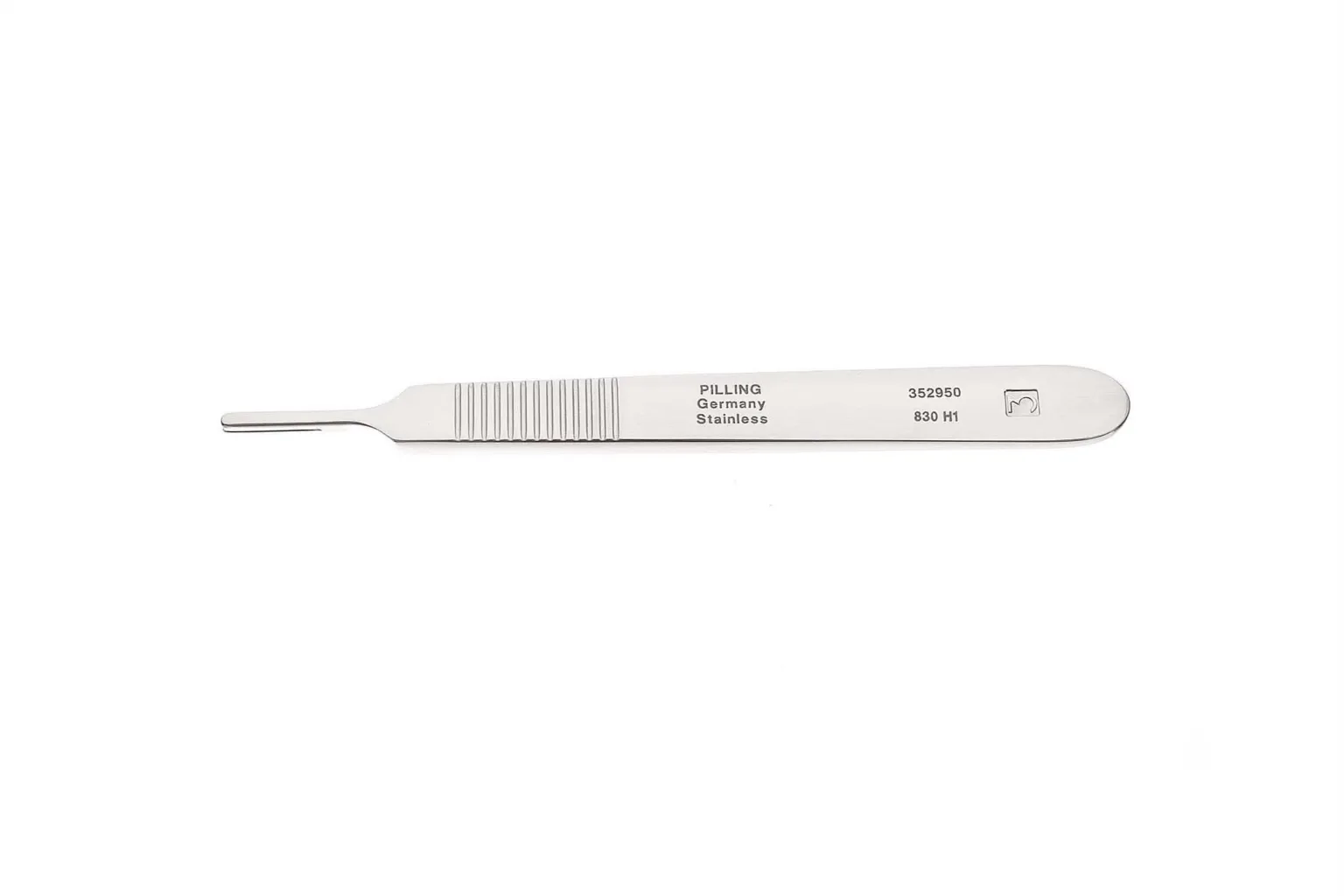
- Surgeon makes incision with 15 or 10 blade on #3 knife handle.
- Remove head of pancreas and label specimens accurately.
- Remove duodenum, gallbladder, bile duct, stomach, and lymph nodes using abdominal staplers.
- Reattach pancreas, bile duct, and stomach to small intestine for proper function.
- Assist in closing incision using sutures and/or staples, and clean and dress surgical field.
Walkthrough
What the surgeon does, and what to have in your hand before they ask.
Preparing for Surgery
Before starting the surgery, proper imaging should be done to identify the extent of cancerous growth. However, if the cancer has spread throughout the abdomen and beyond, the surgeon will abort the procedure. As a surgical technologist, you should ensure that all the necessary instruments and equipment are ready before the patient is brought into the operating room.
Making the Incision
Using either a 15 or 10 blade loaded on a #3 knife handle, the surgeon will make an incision on the abdomen. As a surgical technologist, you will be responsible for ensuring the surgical field is properly prepped and draped to minimize the risk of infection.
Removing the Head of the Pancreas
The head of the pancreas will be removed first. During this step, you will have multiple specimens that will be removed and sent for pathology. As a surgical technologist, you should label each specimen precisely as the surgeon dictates.
Removal of Other Organs
During a pancreaticoduodenectomy, the duodenum, gallbladder, a portion of the bile duct, possibly part of the stomach, and some lymph nodes will be removed. As a surgical technologist, you should have a variety of abdominal staplers ready in the room for these different removals.
Reattaching Organs
After removing the necessary organs, the next step is reattaching portions of the abdomen to ensure proper bodily functions. The rest of the pancreas and bile duct is attached to the small intestine, and the rest of the stomach will be attached to the small intestine as well for proper function. As a surgical technologist, you will be responsible for ensuring that the necessary instruments and sutures are ready for this step.
Closure of the Abdomen
Once everything has been reattached, closure of the abdomen can begin. As a surgical technologist, you should be prepared to assist the surgeon in closing the incision, which may involve the use of sutures, staples, or a combination of both. You should also ensure that the surgical field is properly cleaned and dressed before the patient is taken to the recovery room.
Add your table
Every surgeon runs it a little differently. Submissions stay private, are reviewed by our team, and accepted contributions earn a credit in the contributor list.