Simple Mastectomy
This surgery involves the complete removal of the breast tissue, including the nipple-areolar complex and the overlying skin. Unlike a radical mastectomy, this procedure does not involve the routine excision of the underlying pectoralis muscles or axillary lymph nodes.
31 instruments to master.
Master this setup: test yourself on every instrument, earn the tier, hold the record.
No site record yet · target 11:26
Study flashcards
Card by card, grade yourself · 31 cards
Practice test
Answer, see why · 25 at a time
Take the exam
32 questions · target 11:26
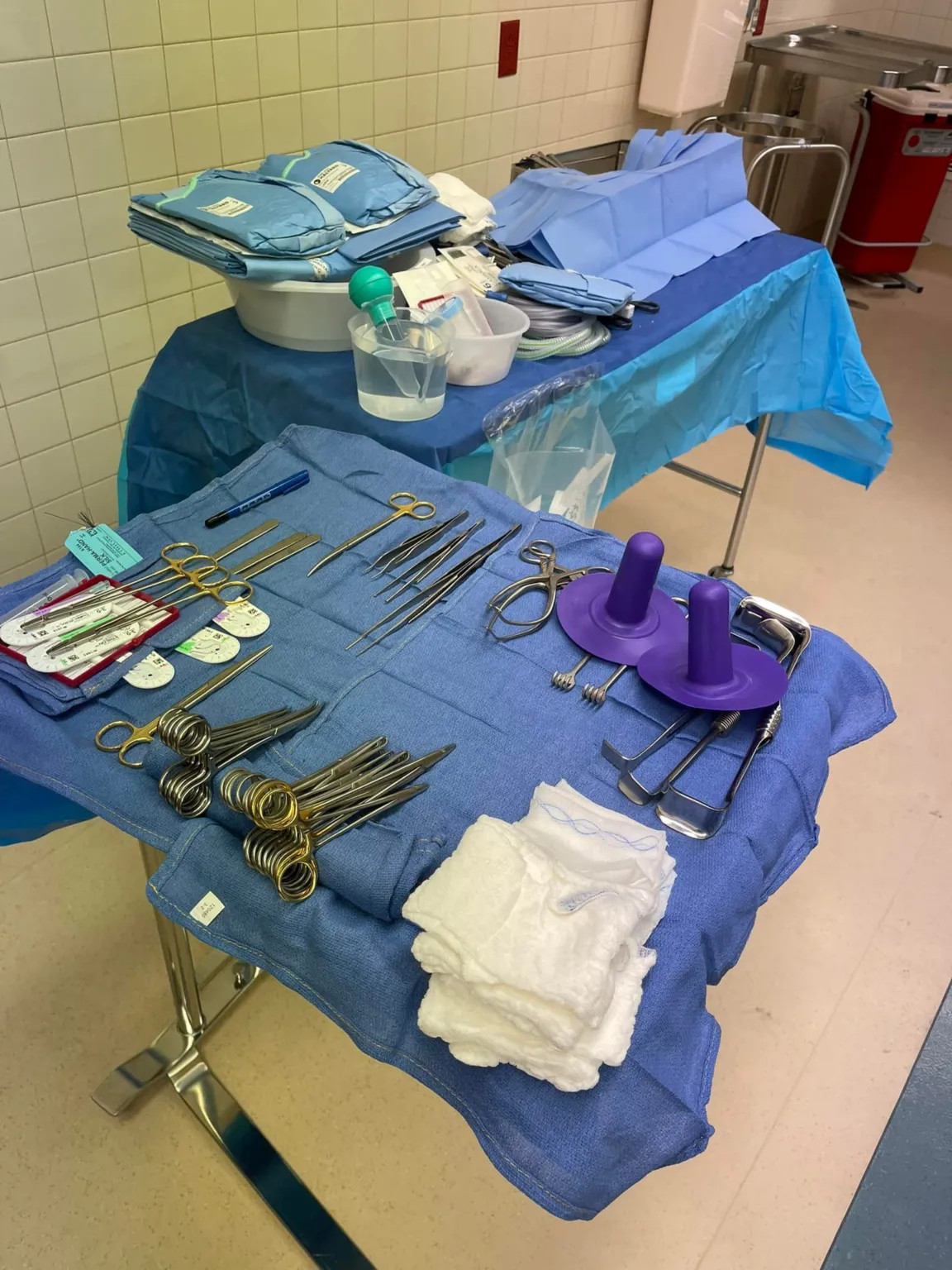
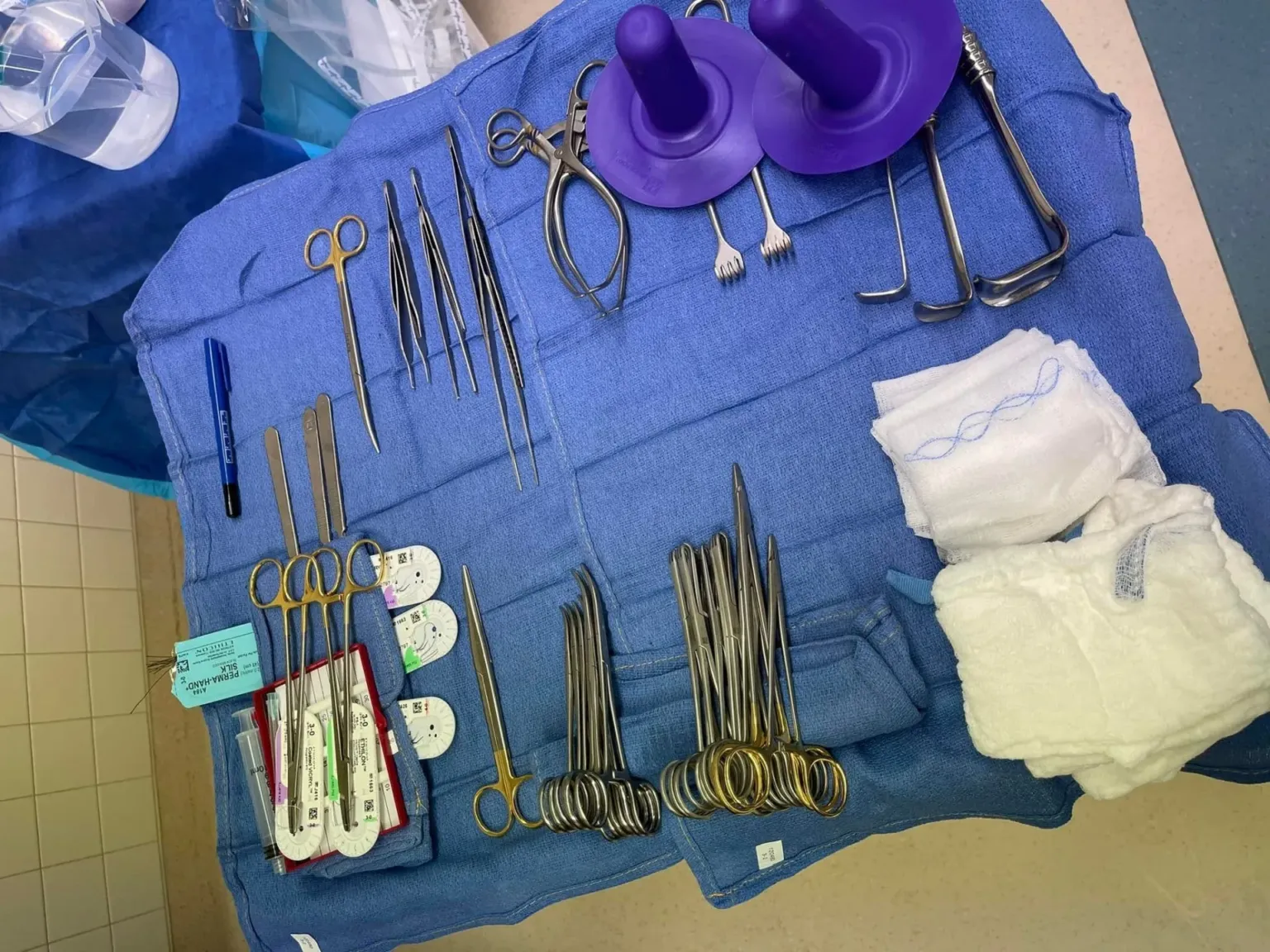
Surgical instruments
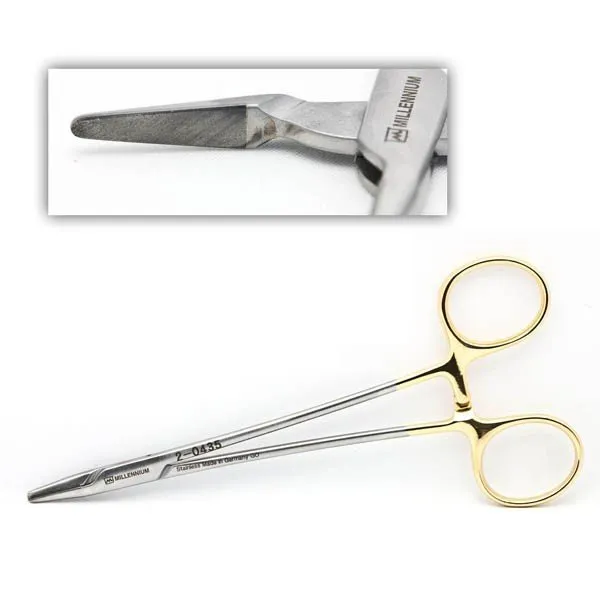
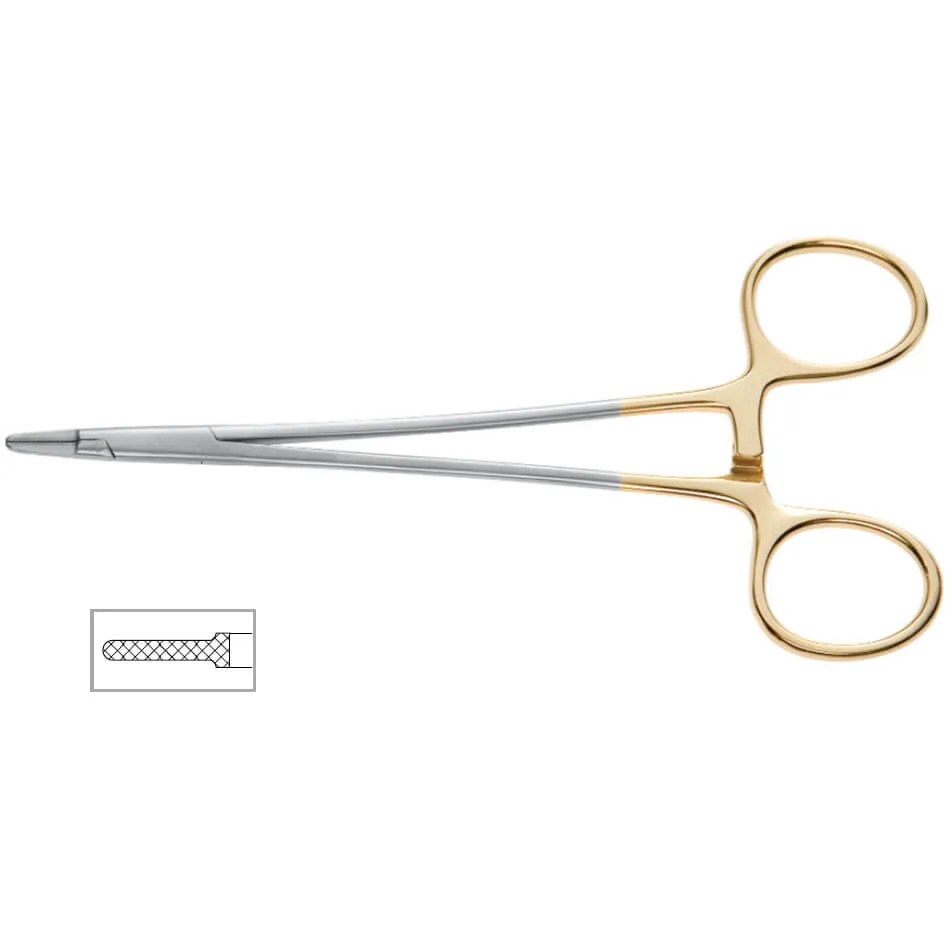
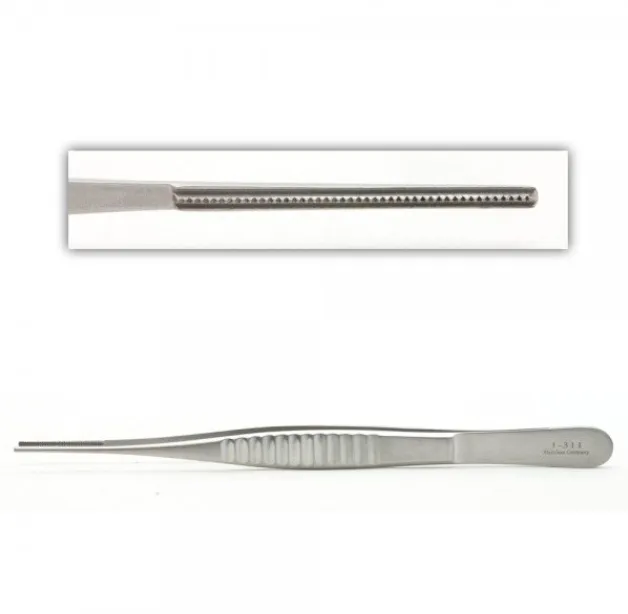
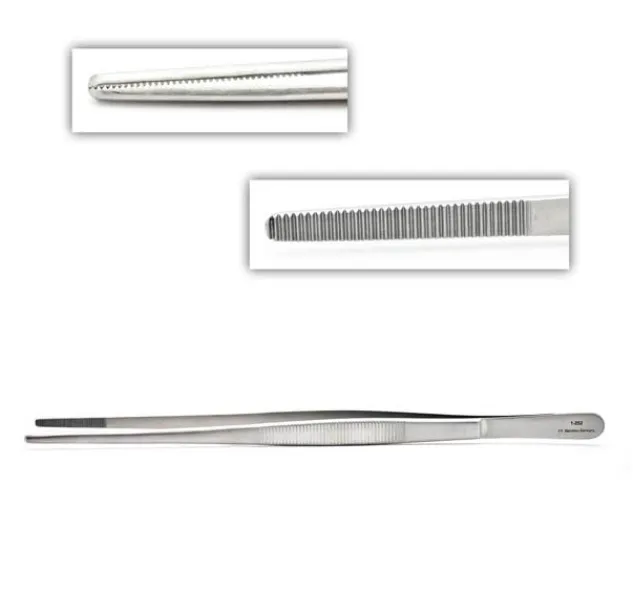
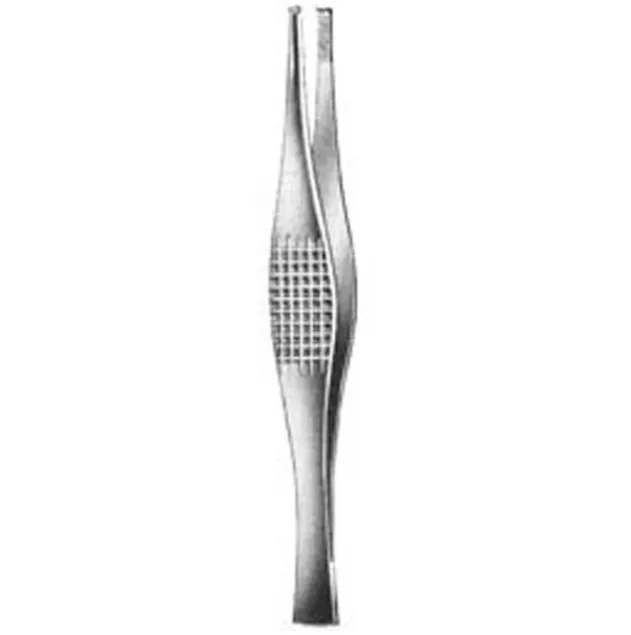
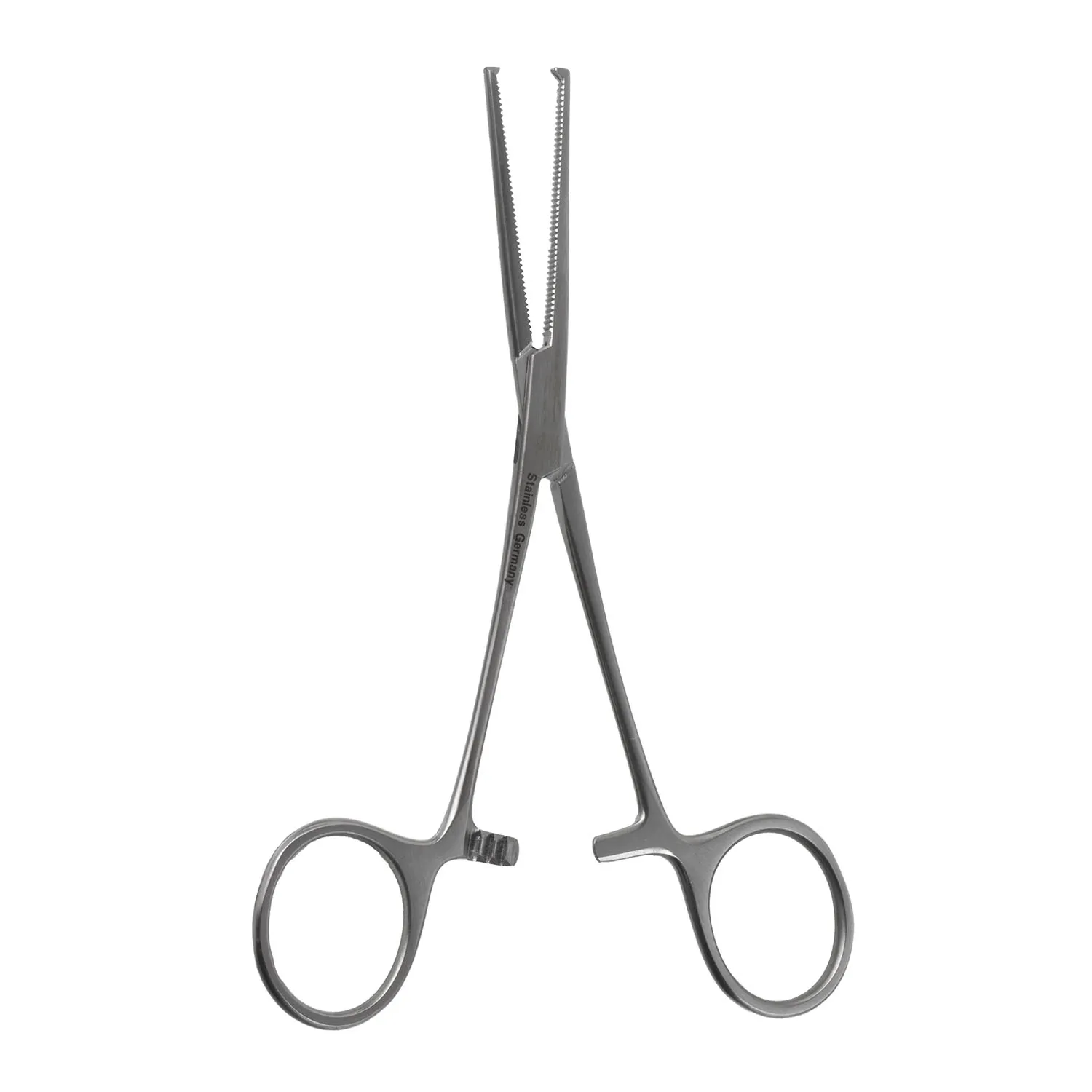
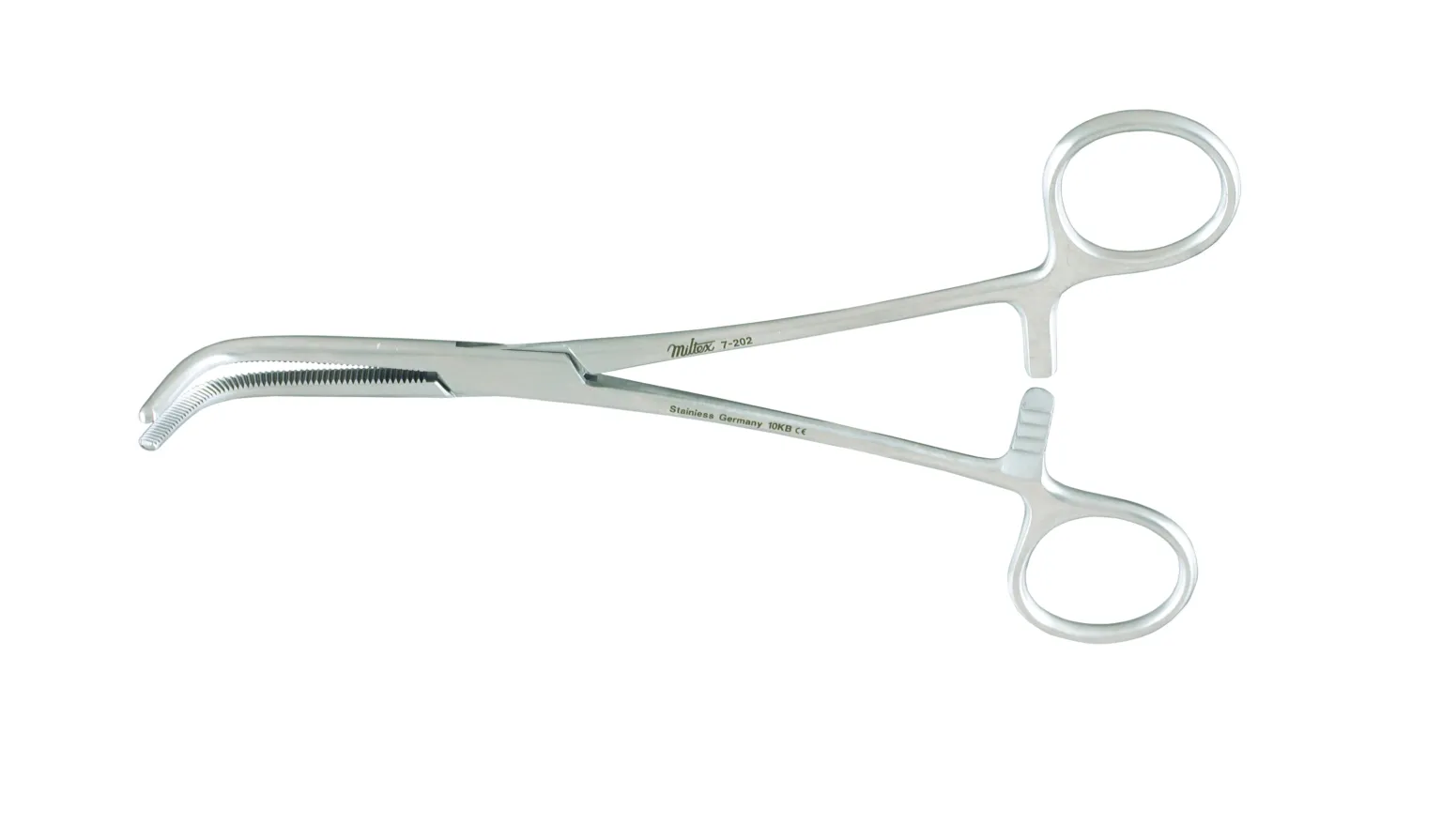
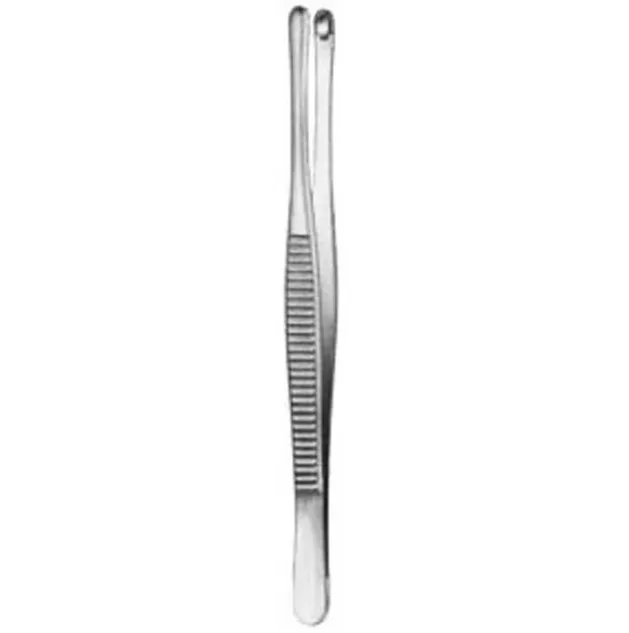
31 on this table. Tap a photo to zoom, the name for its card.
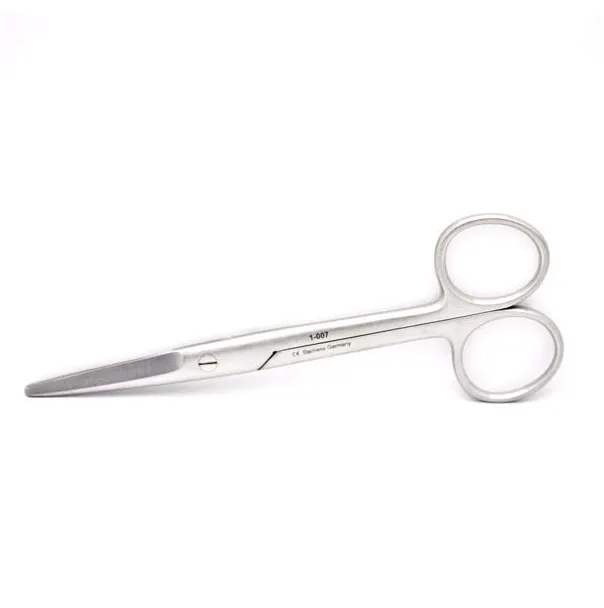
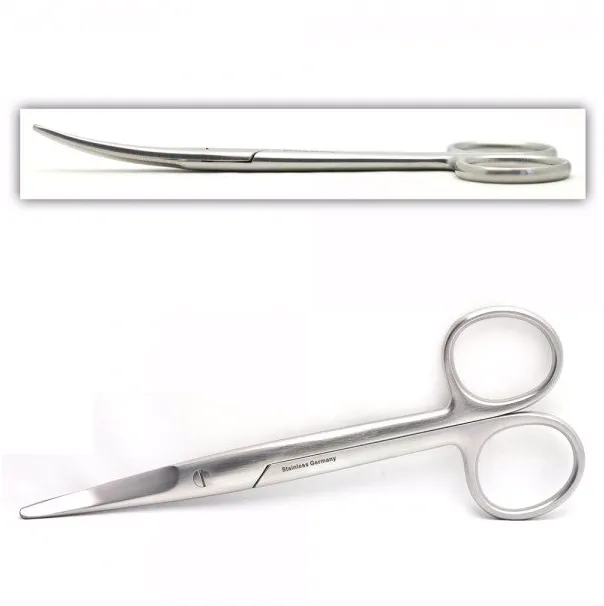
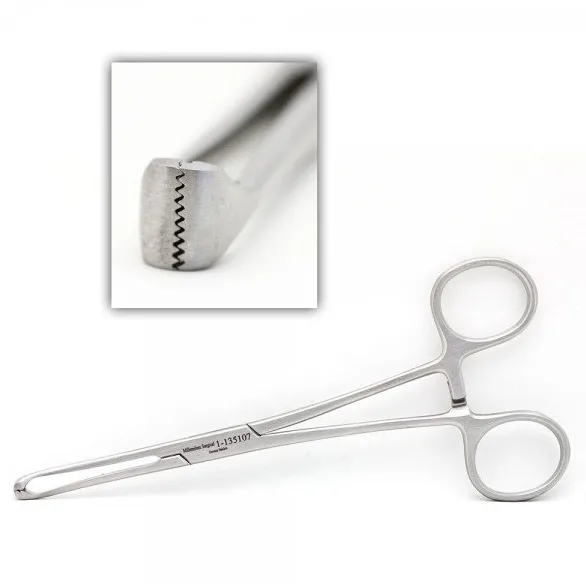
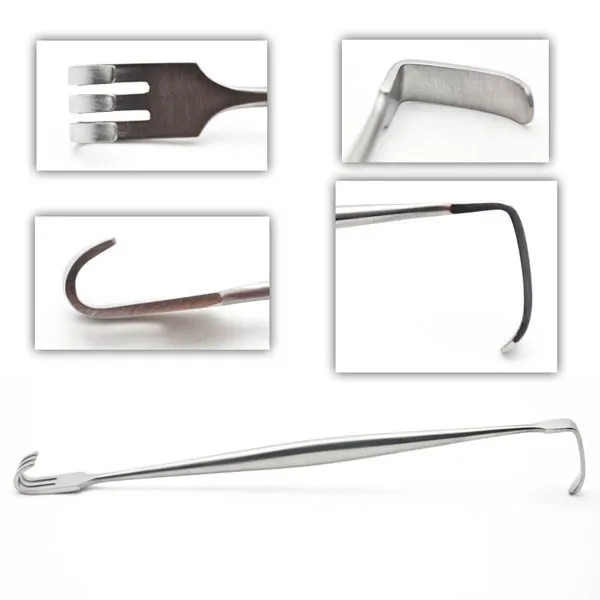
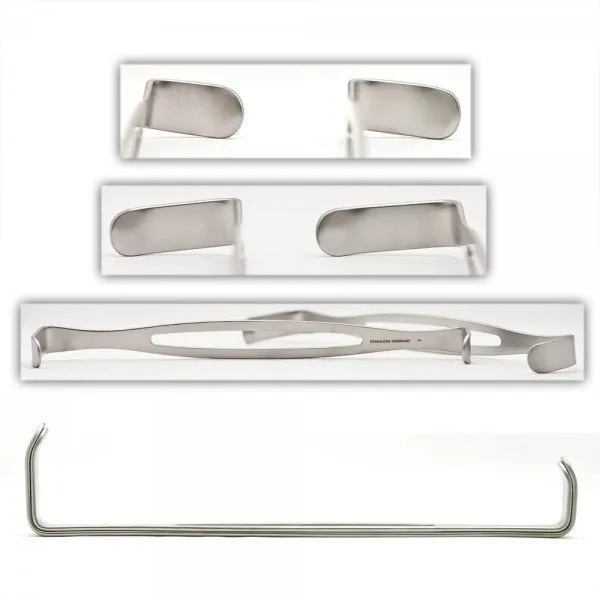
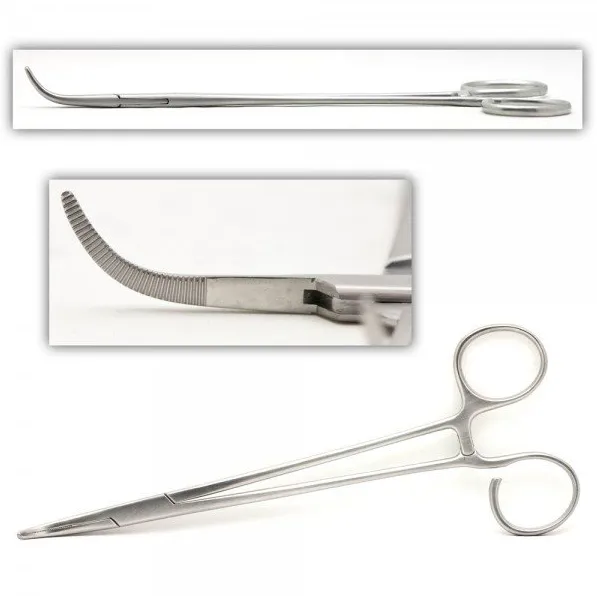
The case
Spark notes
The 30-second rundown. Scan this outside the room.
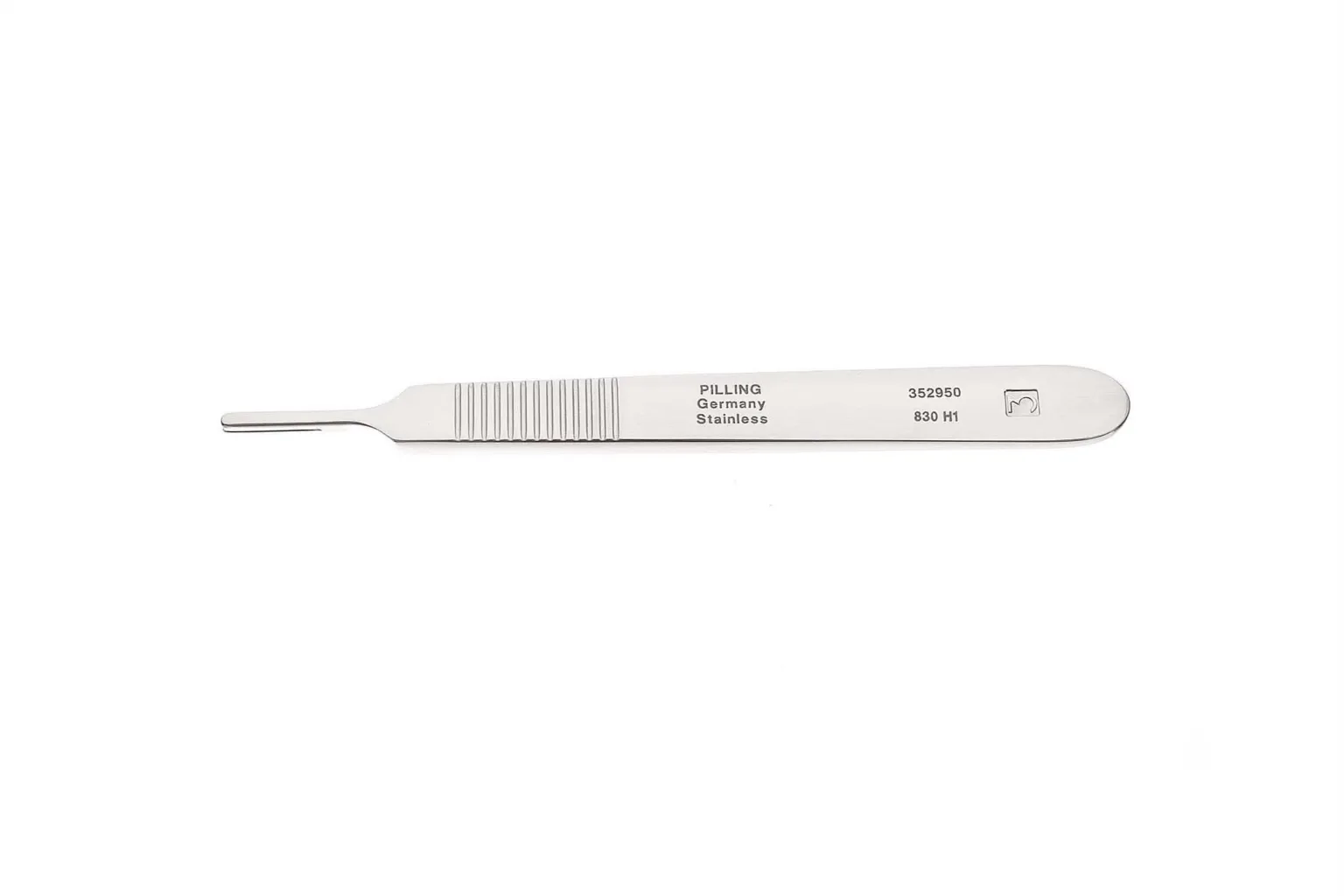
- Make incision with 15/10 blade and #3 knife handle.
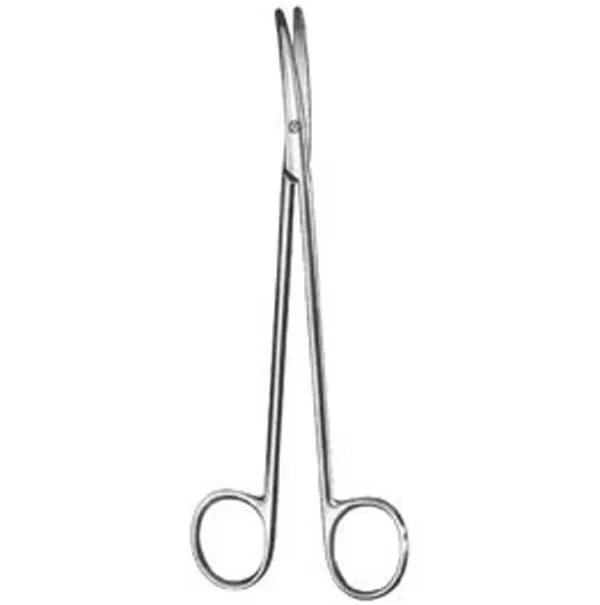
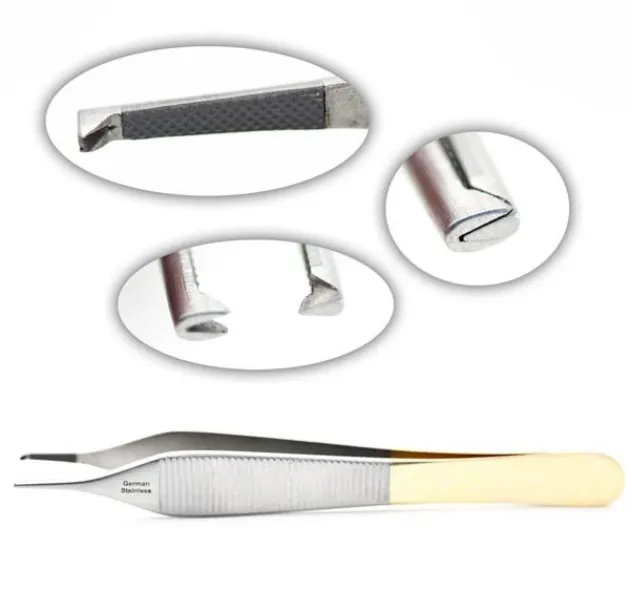
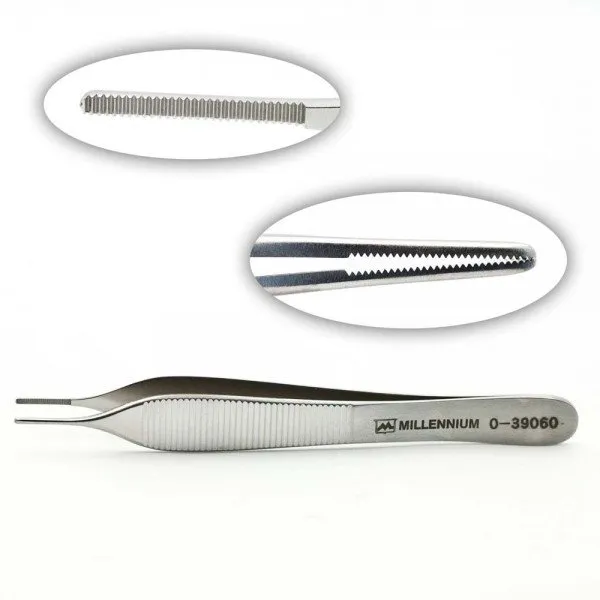
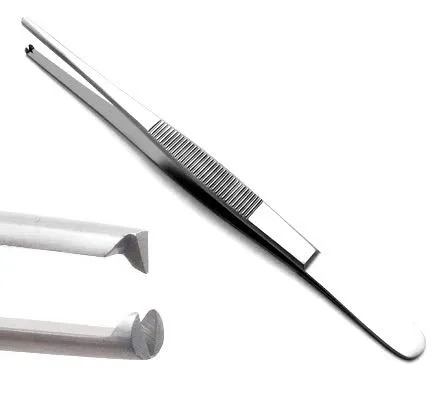
- Use adson pickups, metzenbaum scissors, and bovie for dissection.
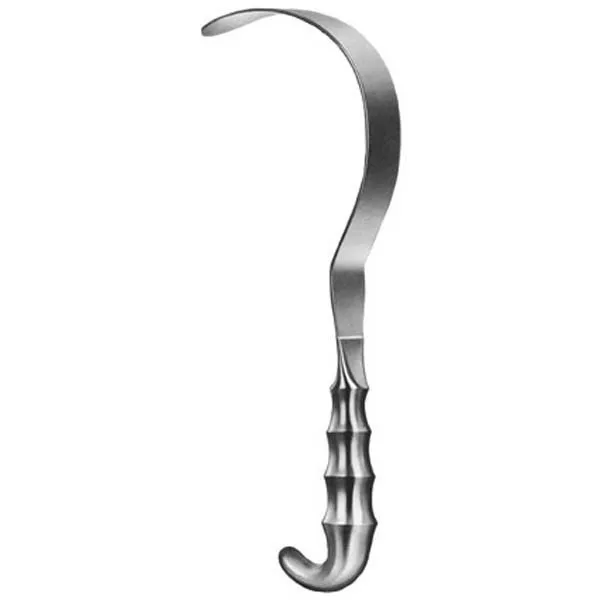
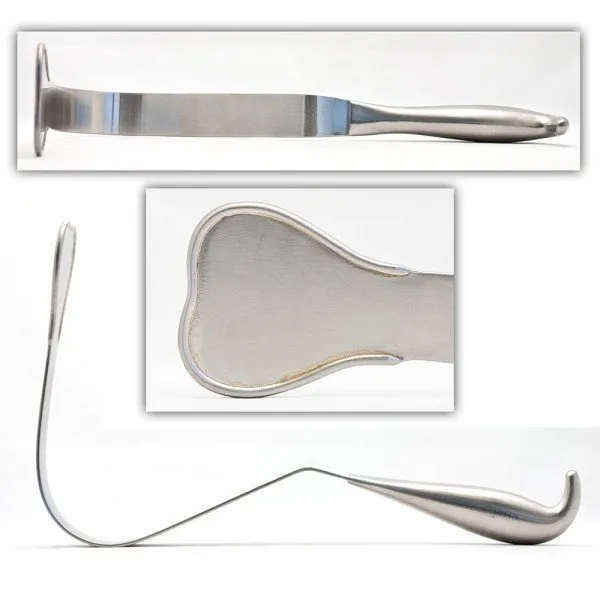
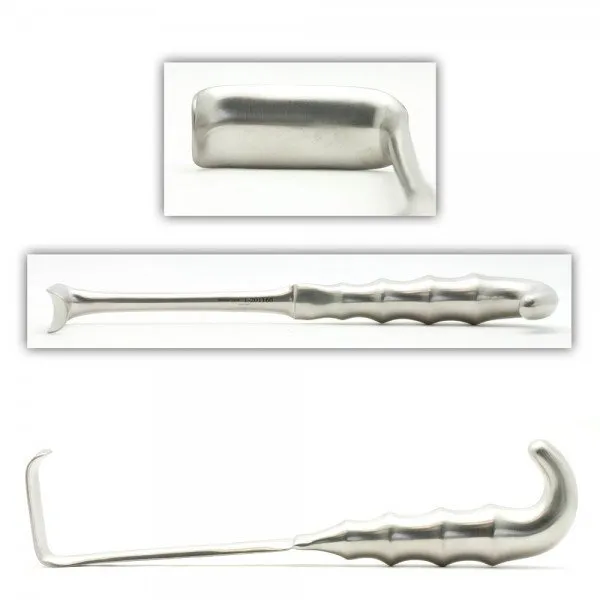
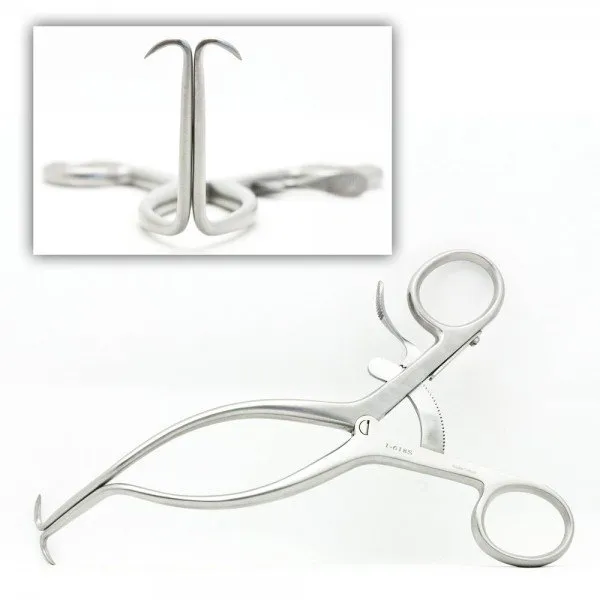
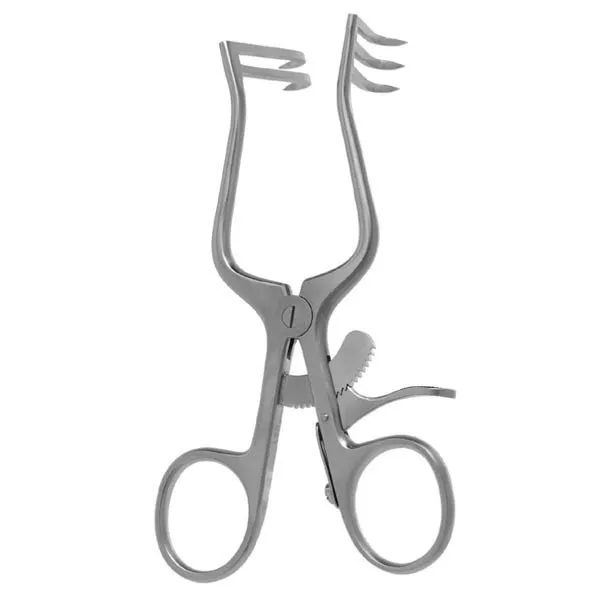
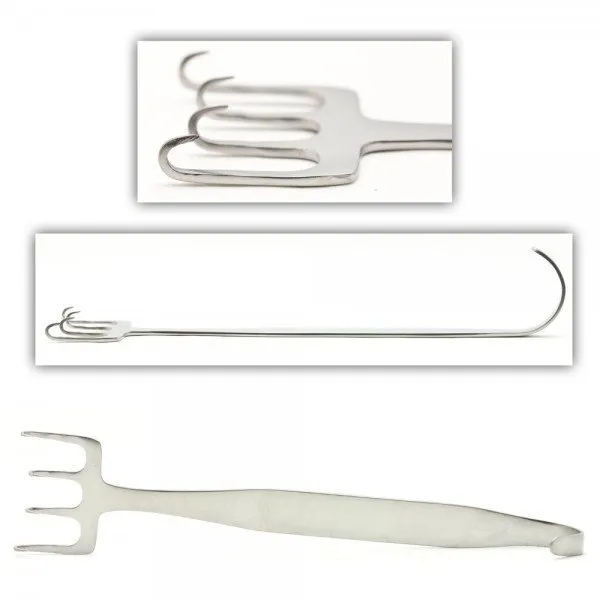
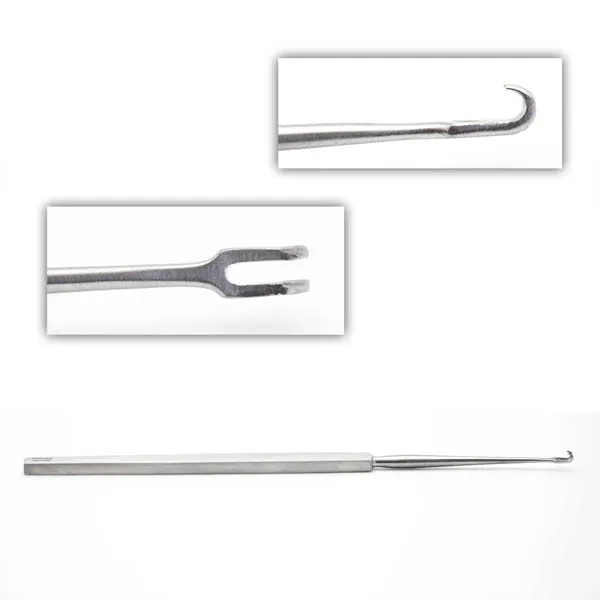
- Use skin hooks/senns and richardsons/harringtons for retraction.
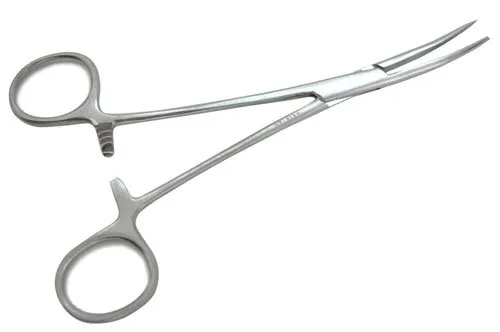
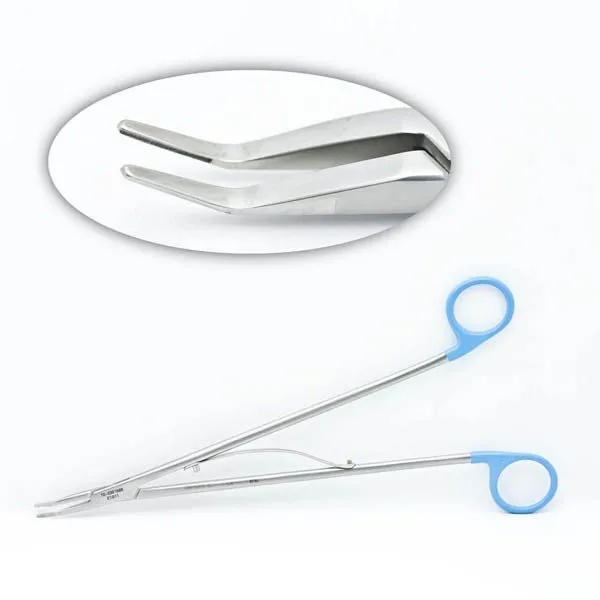
- Load ties onto tonsils and have clips ready for bleeding control.
- Switch to longer debakeys for larger tissue structures.
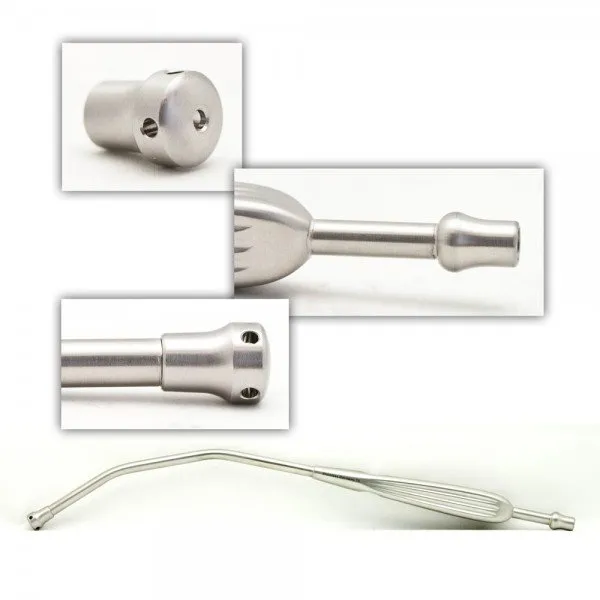
- Suction bovie smoke plume with yankauer.
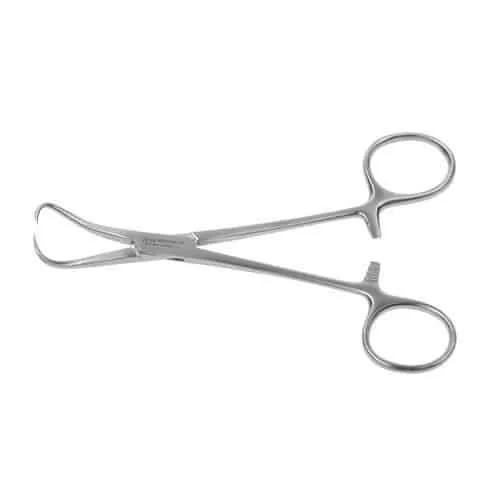
- Quickly pass breast specimens off of the surgical field to pathology.
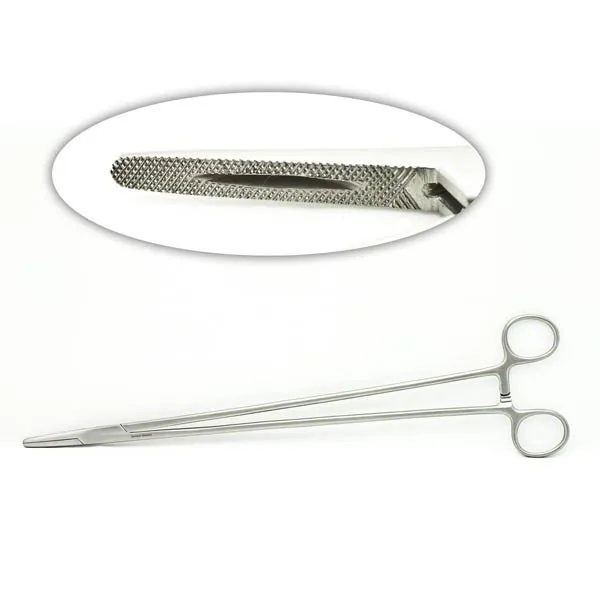
- Use appropriate needle drivers for sutures during closure.
- Consider placing a drain at the end of the procedure.
Walkthrough
What the surgeon does, and what to have in your hand before they ask.
Incision and Dissection
The first step in a Simple Mastectomy is making an incision with either a 15 or 10 blade on a #3 knife handle. After the incision is made, the surgeon will begin dissection using adson pickups, metzenbaum scissors, and a bovie. Adson pickups are used to grasp tissue and hold it in place, while metzenbaum scissors are used to cut and dissect delicate tissue. The bovie is used to cauterize and control bleeding during the procedure.
Retraction
As the dissection continues, the surgeon will need to retract the surrounding tissue to maintain visibility and access to the breast tissue. Retractors will gradually get bigger, starting with skin hooks or senns, and move up to richardsons or a harrington. Skin hooks or senns are used to lift the skin, while richardsons or a harrington are used to retract the deeper tissue layers.
Ties and Clips
To control bleeding, ties should be loaded onto tonsils, and clips should be ready for use. Ties are used to ligate (tie off) blood vessels, while clips can be used to occlude (clamp shut) blood vessels or ducts.
Longer Pickups
After a little bit of breast dissection, the surgeon will move onto longer pickups, usually debakeys. Debakeys are longer than adson pickups and have a wider jaw, making them better suited for handling and manipulating larger tissue structures.
Smoke Plume Management
During the use of the bovie, smoke plume may be generated, which can be hazardous to the surgical team. The bovie smoke plume should be suctioned using the yankauer, a surgical suction instrument with a rigid, angled tip.
Specimen Handling
Breast specimens should quickly be passed off of the surgical field and taken to pathology for examination.
Closure
Closure will happen in layers, and the needle drivers used will depend on the suture needle size and how deep the surgeon is in the incision. Needle drivers are used to grasp and manipulate sutures during closure.
Drain Placement
A drain may be placed at the end of the procedure to help remove excess fluid and blood from the surgical site. The type of drain used will depend on the surgeon's preference and the specific needs of the patient.
Add your table
Every surgeon runs it a little differently. Submissions stay private, are reviewed by our team, and accepted contributions earn a credit in the contributor list.