Transverse Rectus Abdominus Myocutaneous (TRAM) Flap
A section of skin, fat, and the rectus abdominis muscle is tunneled or transferred to the chest to reconstruct the breast mound following mastectomy.
- Position
- Supine
- Anesthesia
- General Anesthesia
In 30 seconds
Scan this outside the room.
- Make two incisions: low transversetrans-VERSLying across something, at a right angle to its length.Full entry and supraumbilical transverse
- dissectdy-SEKT, or dih-SEKTTo cut apart or separate tissues carefully during surgery.Full entry tissue using various instruments
- Divide rectusREK-tusLatin for straight; the name of several straight muscles, such as the rectus abdominis of the abdomen and the rectus femoris of the thigh.Full entry muscles at edges of skin incision
- dissectdy-SEKT, or dih-SEKTTo cut apart or separate tissues carefully during surgery.Full entry deep inferior epigastric artery and clip it; access internal mammary artery and vein
- Clean vessels with heparinized saline and cottonoids
- Use microscope for microanastomosis of arterial ends
- Trim flap and attach it with stapler
- Close incisions in layers and place drains
- irrigationeer-ih-GAY-shunWashing out a wound, body cavity, tube or eye with a steady flow of liquid.Full entry and check for bleeding, use SPY machine to check blood flow
The tray
26 instruments, by what they do. Tap a name for its card.
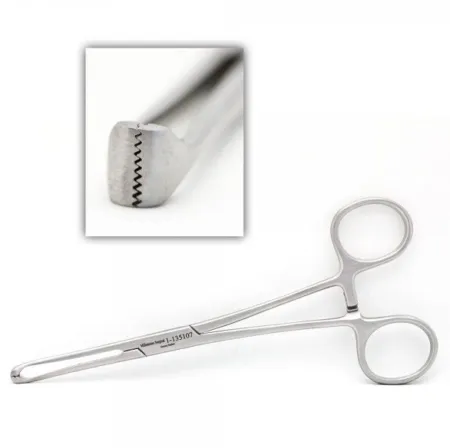 Allis ForcepsClamping
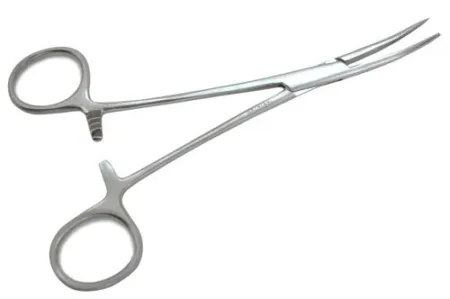 Curved HemostatsClamping
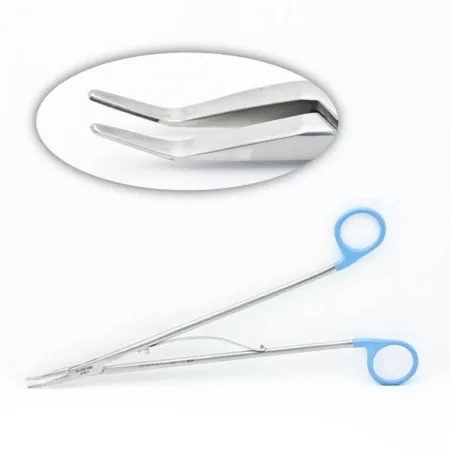 Hemostatic Clip ApplierClamping
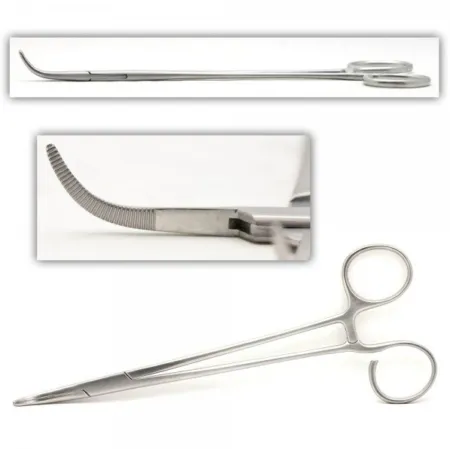 Tonsil ClampClamping
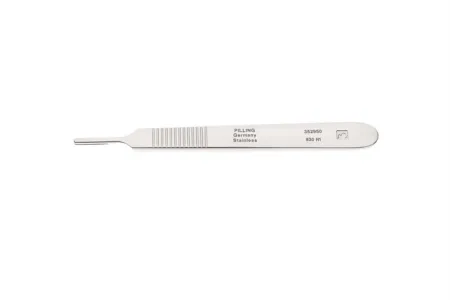 #3 Knife HandleCutting
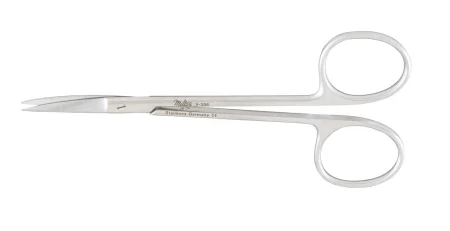 Curved Iris ScissorCutting
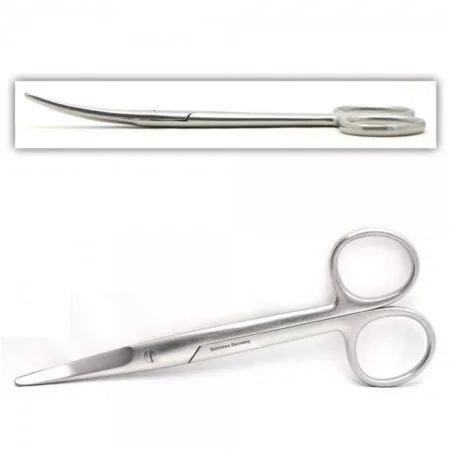 Curved Mayo ScissorCutting
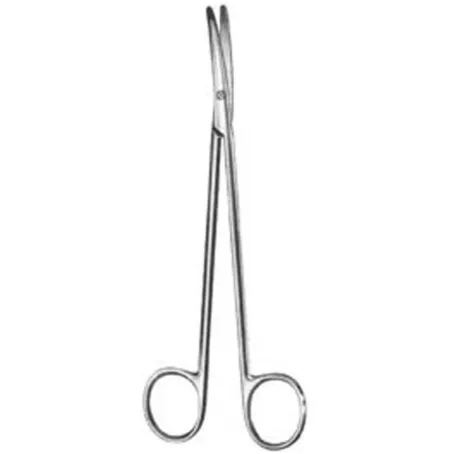 Metzenbaum ScissorCutting
All 26 instruments
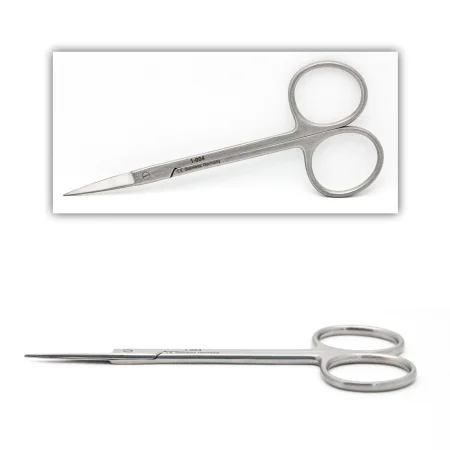 Straight Iris ScissorCutting
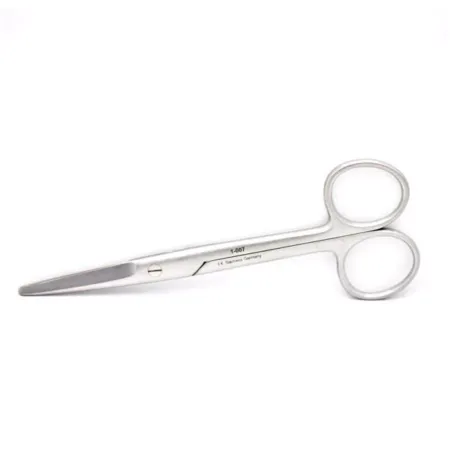 Straight Mayo ScissorCutting
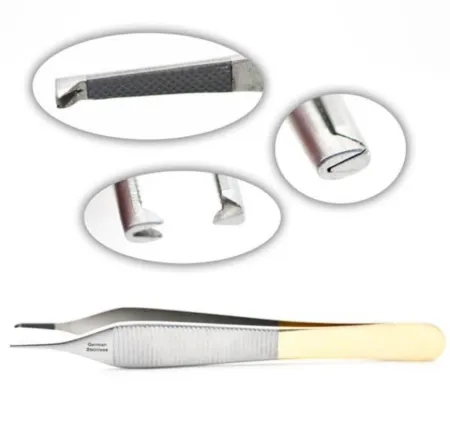 Adson ForcepsGrasping
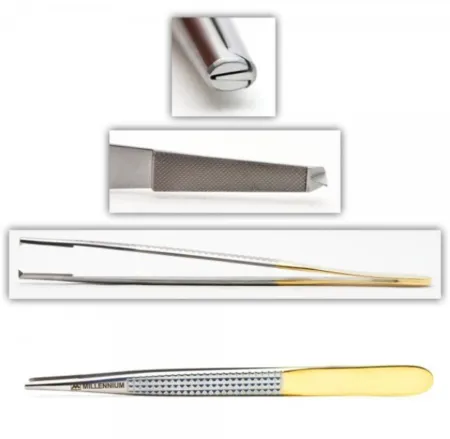 Bonney ForcepsGrasping
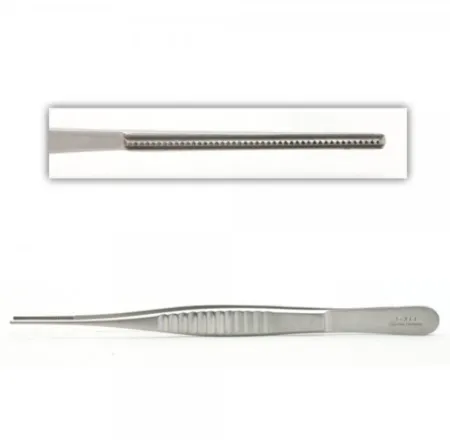 DeBakey ForcepsGrasping
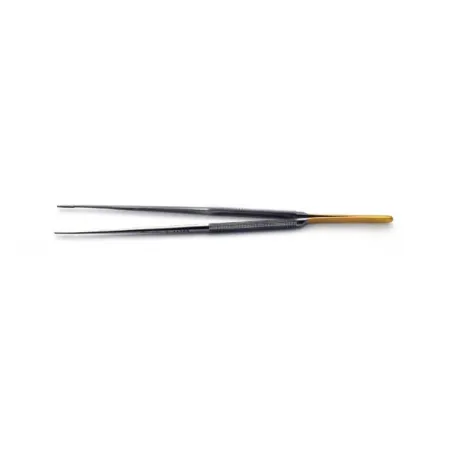 Debakey Micro Tissue ForcepsGrasping
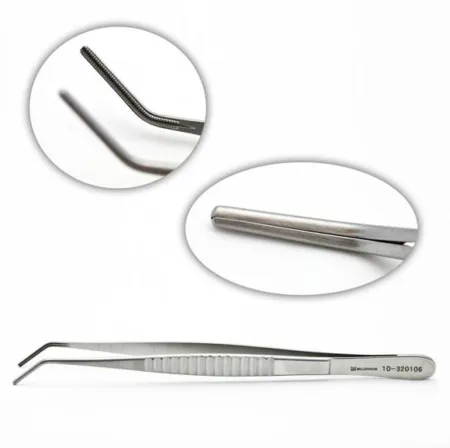 Debakey Vascular Tissue ForcepsGrasping
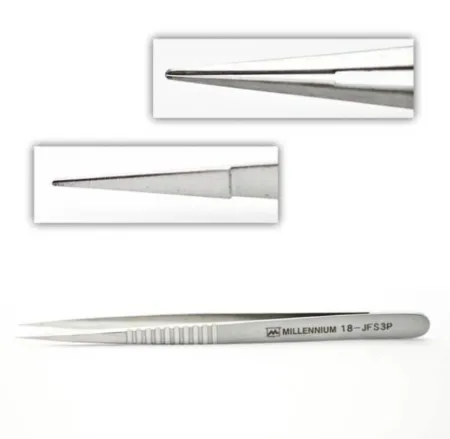 Jewelers ForcepsGrasping
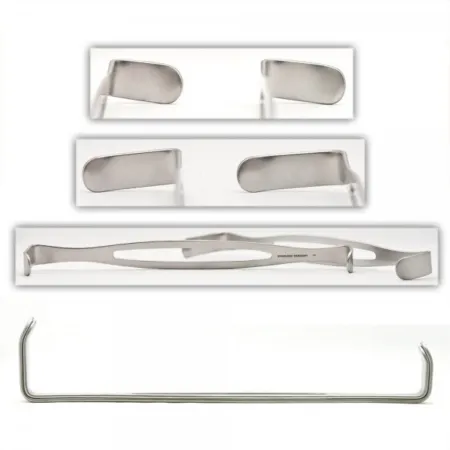 Army-Navy RetractorRetracting
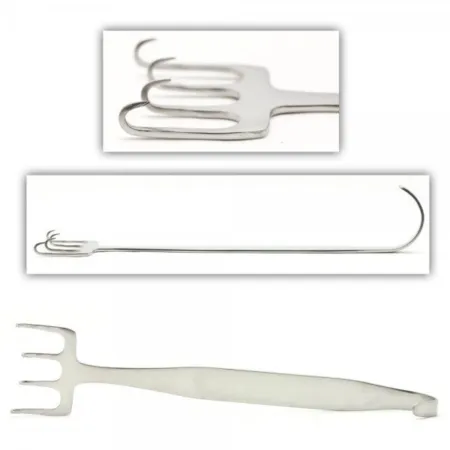 Freeman RakeRetracting
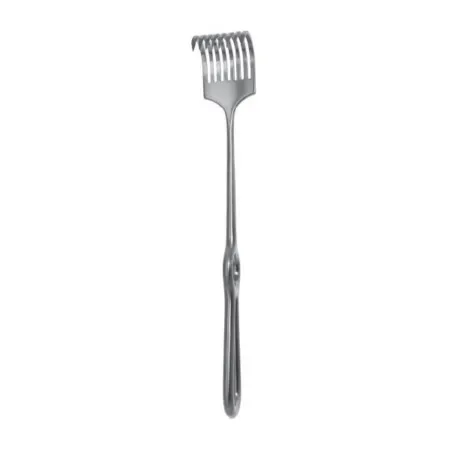 Mueller Rake RetractorRetracting
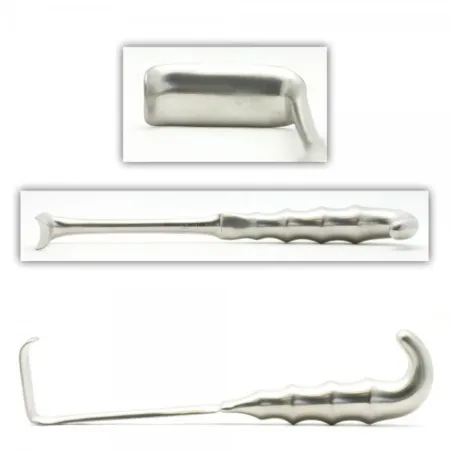 Richardson RetractorRetracting
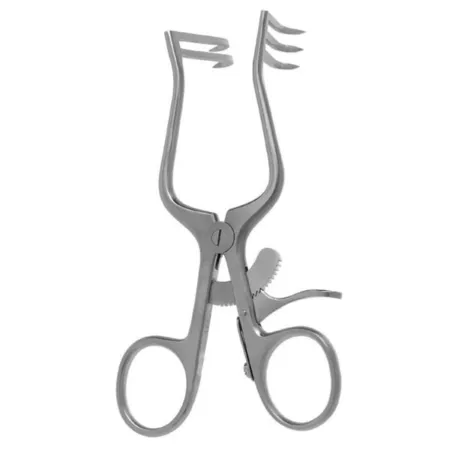 Weitlaner RetractorRetracting
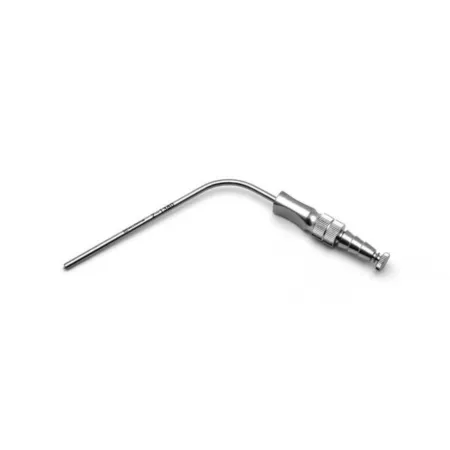 Ferg-Frazier SuctionSuctioning
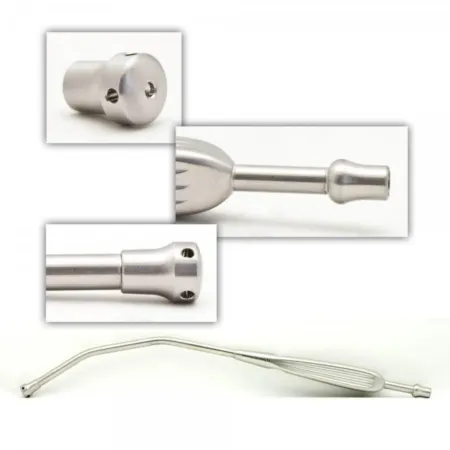 Yankauer SuctionSuctioning
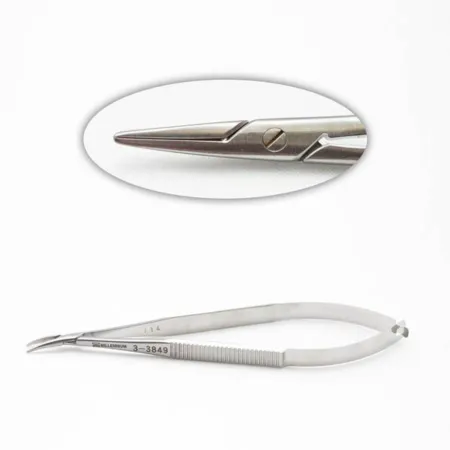 Castroviejo Needle HolderSuturing
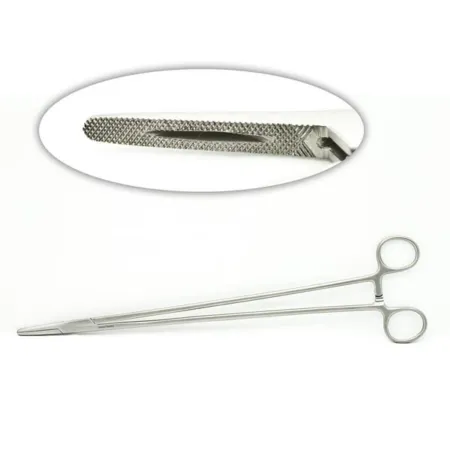 Mayo-Hegar Needle HolderSuturing
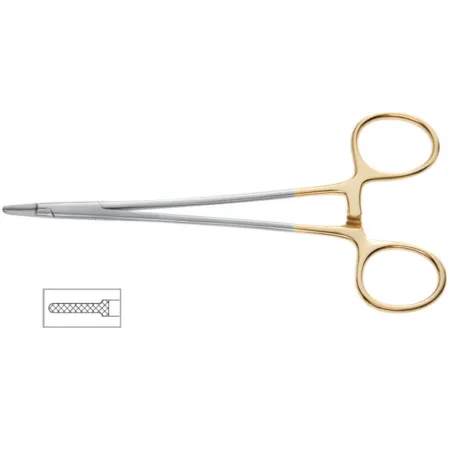 Ryder Needle HolderSuturing
Clamping & Occluding4
Cutting & Dissecting6
Grasping & Holding6
Retracting & Exposing5
Suctioning2
Suturing & Stapling3
Know this tray before you scrub in.
With Pro, for every setup in every specialty. Cancel any time.
Or scrub in free: every General setup and 5 questions a day.
Step by step
9 steps, one line each.
- 1
Incision
After the mastectomyma-STEK-tuh-meeSurgery to remove all or part of a breast.mast/o breast-ectomy surgical removalFull entry is complete, the first step in the TRAM Flap procedure is to make two incisions: a low transversetrans-VERSLying across something, at a right angle to its length.Full entry incision using a 15 or 10 blade on a #3 knife handle, and a supraumbilical transverse incision for the abdominoplasty.
- 2
Dissection
Once the incisions have been made, there will be a lot of dissecting that needs to be done. The bovie and metz instruments will be used for this step, along with possibly curved mayo scissors depending on how aggressive the surgeon is. The Adsons with teeth will be used first, and then the DeBakeys. If there is a lot of thick tissue, Bonnies may be used. Once enough dissectiondy-SEK-shunA tear in the inner layer of an artery wall that lets blood split the layers apart; also, the cutting apart of tissue in surgery.Full entry has been completed, the skin and tissue will be elevated and crossed over the midlineMID-lineAn imaginary line down the center of the body; also, a type of IV catheter placed in a vein of the upper arm.Full entry . The medial fasciaFASH-ee-uhA sheet or band of tough connective tissue that covers and separates muscles and organs.fasci/o bandFull entry will be incised, and depending on how much muscle is needed, more dissection will need to be done.
- 3
Division of Muscles
The next step is to divide the rectusREK-tusLatin for straight; the name of several straight muscles, such as the rectus abdominis of the abdomen and the rectus femoris of the thigh.Full entry muscles at the superior and inferior edges of the initial skin incision.
- 4
Dissection of Arteries
The deep inferior epigastric artery (DIEA) will be carefully dissectdy-SEKT, or dih-SEKTTo cut apart or separate tissues carefully during surgery.Full entry off of the iliacIL-ee-akHaving to do with the ilium, the large, wing-shaped upper part of the hip bone.Full entry , and will then be clipped using either a reusable or disposable clip applier and divided once the recipient site is ready. The internal mammary artery and vein are usually the recipient vessels for TRAM flaps. These vessels are commonly accessed between the 3rd and 4th ribs.
- 5
Cleaning of Vessels
Once the vessels have been accessed, heparinized saline will be used to clean them out to prevent clots. Cottonoids or cotton patties will be used to help clean the vessels.
- 6
Microanastomosis
A microscope will be used for attaching the flap. A venous coupler will be used to fold the internal mammary artery and the flap artery vessel edges over to evert them to prepare them for coupling. The coupler will be closed, and the vessel will be reapproximated. They will trim the edges of the reapproximated vessel, and then get ready to do the microanastomosis. A tiny sutureSOO-cherA stitch, or the thread used to stitch, that holds the edges of a wound or incision together.Full entry will be used to connect the arterial ends. They will check for leaks, and then inject ICG dye to check the anastamosis. They will see that blood is traveling all the way through the vessel.
- 7
Flap Trimming and Attachment
The flap's skin may be trimmed to adjust the size and shape needed to be realistic. A stapler may be used to temporarily attach it to the chest. A Doppler ultrasoundDOP-ler UL-truh-soundAn ultrasound that uses sound waves to hear or show blood flowing through vessels or the fetal heartbeat.Full entry with lube should be used to check for the flap's pulse.
- 8
Incision Closure and Drain Placement
The abdominal incision will be closed in layers with dissolvable sutureSOO-cherA stitch, or the thread used to stitch, that holds the edges of a wound or incision together.Full entry . Drains will be placed, and a 15 blade will be needed to make the drain incision, and a hemostatHEE-moe-statA clamp with finger rings and a locking ratchet used in surgery to grasp and close off bleeding vessels.hem/o blood-stat stopping, standing stillFull entry or tonsilTON-sulOne of the masses of lymph tissue at the back of the throat that help fight germs entering the mouth and nose.Full entry will be used to pull the drain through the skin incision.
- 9
Final Checks and Closure
After the flap has been attached to the chest, it needs to be irrigationeer-ih-GAY-shunWashing out a wound, body cavity, tube or eye with a steady flow of liquid.Full entry , and the Doppler ultrasoundDOP-ler UL-truh-soundAn ultrasound that uses sound waves to hear or show blood flowing through vessels or the fetal heartbeat.Full entry may be used again. The bovie will be used to stop any bleeding, and drains will more than likely be placed in each side. The flap will now be placed below the mastectomyma-STEK-tuh-meeSurgery to remove all or part of a breast.mast/o breast-ectomy surgical removalFull entry , and it will be closed the rest of the way. A SPY machine may be used at the end of the procedure to check for blood flow again.
The case
Transverse Rectus Abdominus Myocutaneous (TRAM) Flap is a type of breast reconstruction surgery for women who have undergone mastectomy. In this procedure, a flap of skin, fat, and muscle from the lower abdomen is taken and used to recreate the breast mound. The procedure involves microsurgery to connect the blood vessels of the flap to those in the chest. TRAM Flap surgery aims to provide a more natural-looking breast after mastectomy.
Built by the techs who scrub it.
Every surgeon runs it a little differently. Send your table, or a fix for this page.
 Diana Lei-alohaReviewer
The rest of this setup is Pro.
Everything unlocked above stays free. Pro opens the rest, on every setup: where new techs slip, what to load next at every step, the circulator’s side, the medicines, the specimen, wound class and trays on standby, what to grab if it goes wrong, and practice for every tray.
Free, for good. No card.
- All 2,882 instrument cards
- Every General setup in full
- 5 exam questions a day
- Your own preference cards
Pass your exam. Know every case.
Everything in Free, plus:
- All 260 setups in every specialty: back table, Mayo and every step
- Practice that never runs out and full timed exams for the CST, TS-C, CRCST, CSPDT and CSFA, with the why behind every answer
- Flashcards on any tray, timed to come back before you forget
- Every instrument card in full: the 3D model, cautions, inspection, how to pass it
Cancel any time from your account. Not worth it? Email us within 30 days of a charge for a refund, one per customer. Refund policy
Pro is also in the CSTSetup app, on the same account. Already have Pro? Log in
Send your table
Your Mayo, your back table, your surgeon’s way, or anything wrong on this page. Your email is only used to credit you. Submissions stay private and are reviewed by our team; accepted ones earn a Contributor credit here.