Umbilical Hernia Repair
A surgical procedure to correct a protrusion of abdominal contents through a defect in the umbilical ring. The herniated sac is reduced, and the fascia is reinforced with primary sutures or prosthetic mesh to prevent recurrence.
16 instruments to master.
Master this setup: test yourself on every instrument, earn the tier, hold the record.
No site record yet · target 6:26
Study flashcards
Card by card, grade yourself · 16 cards
Practice test
Answer, see why · all 18
Take the exam
18 questions · target 6:26
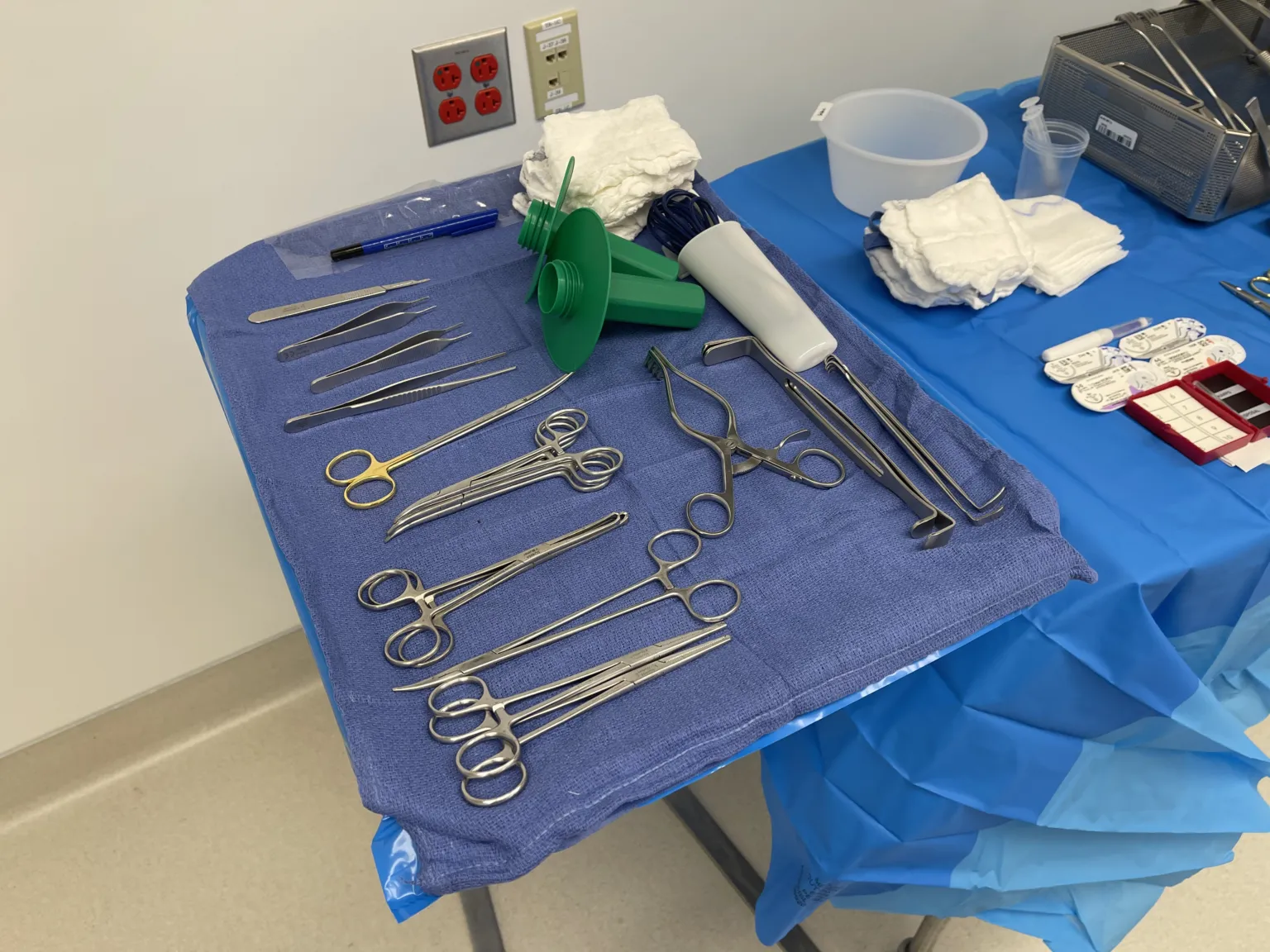
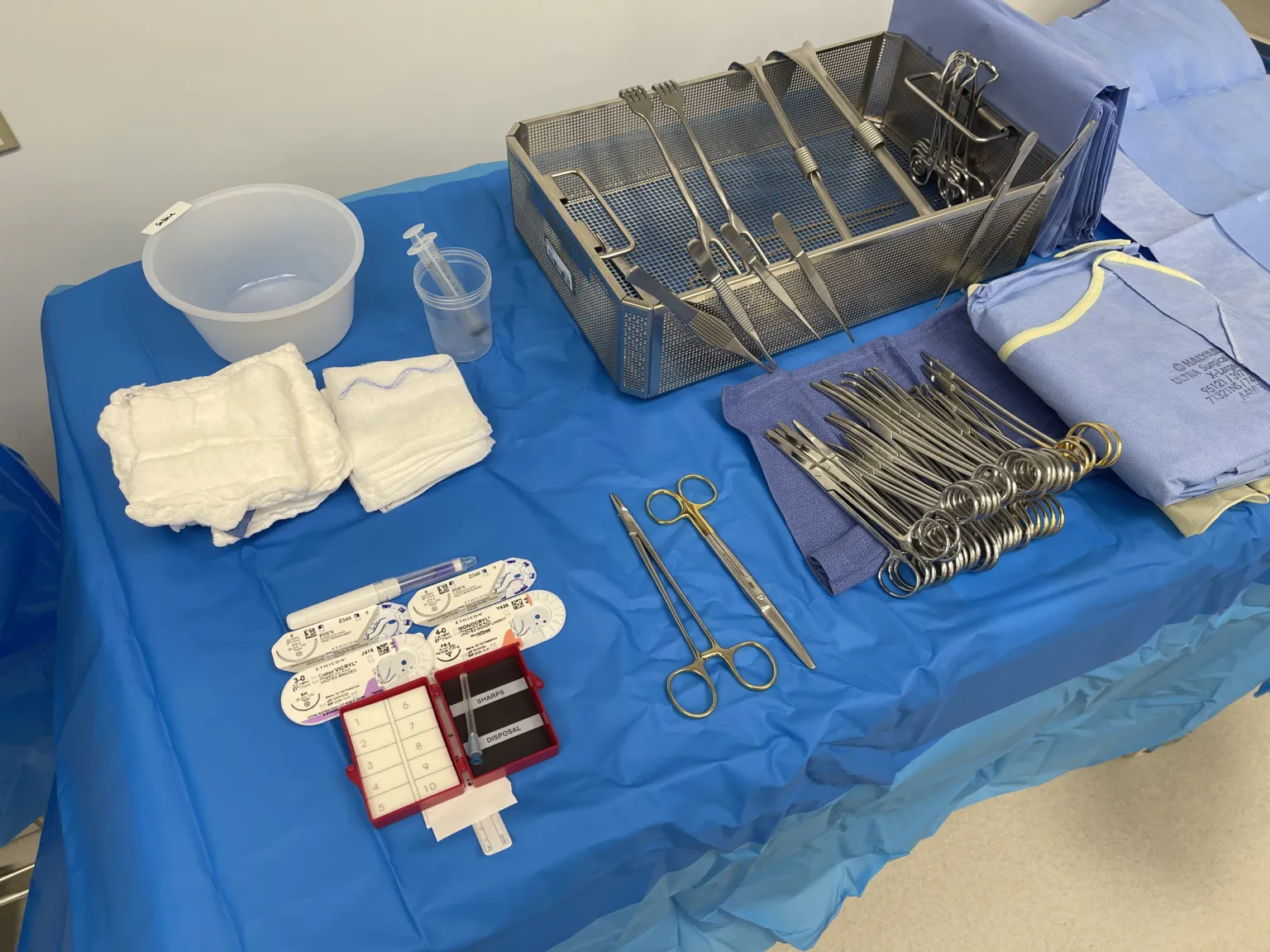
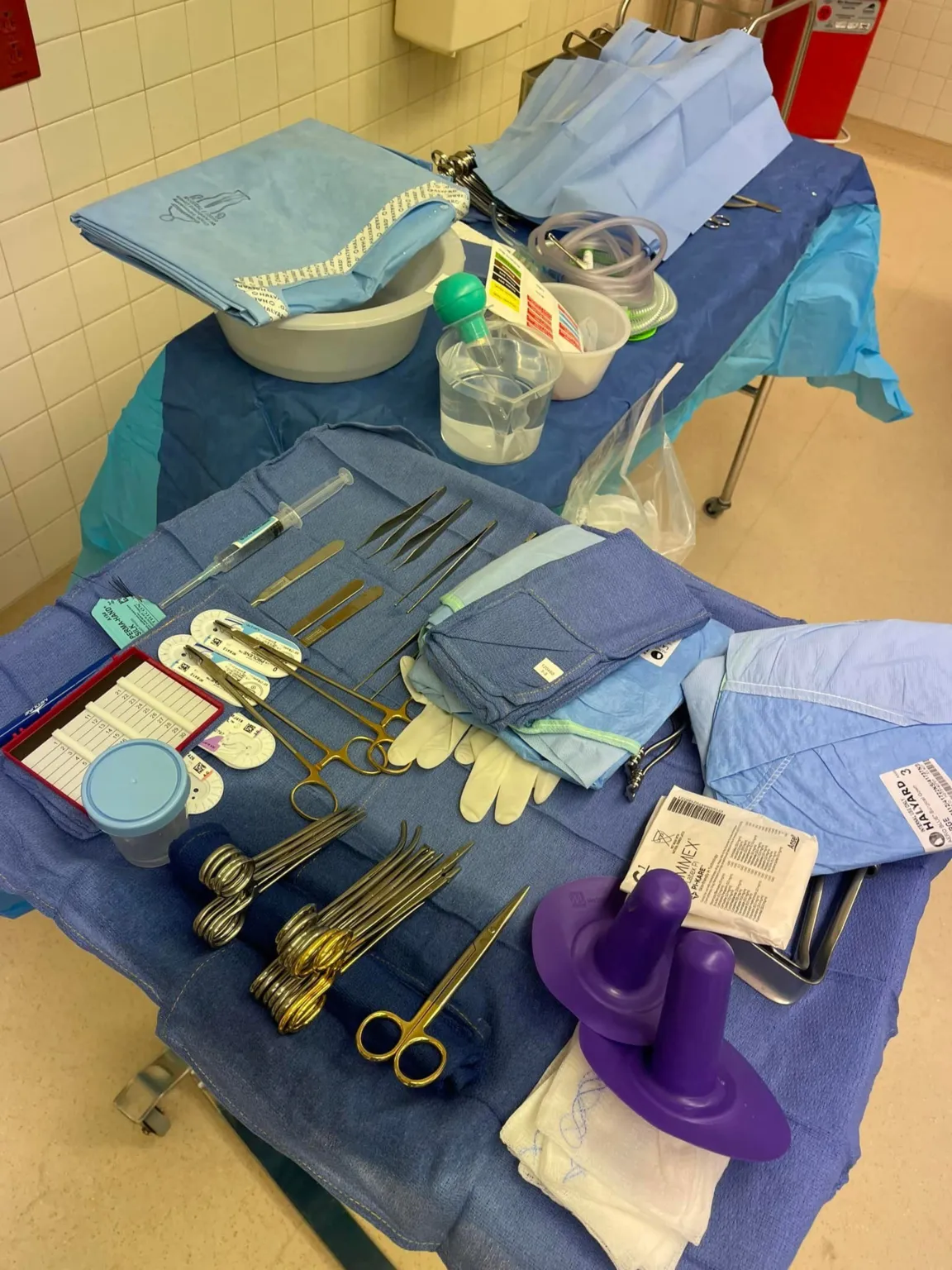
Surgical instruments
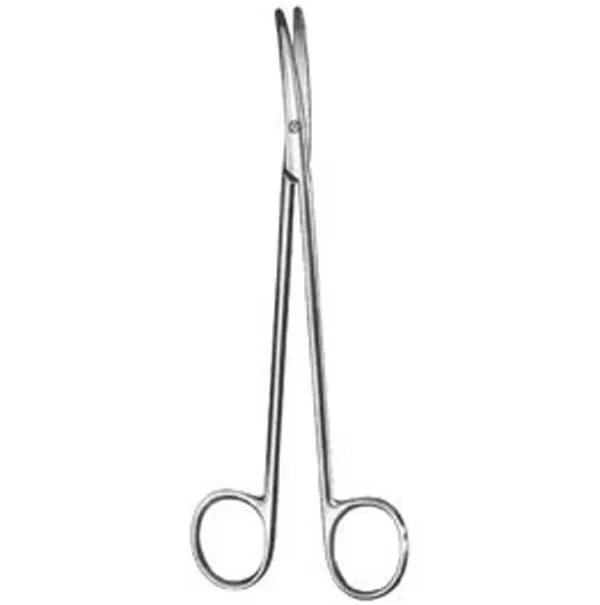
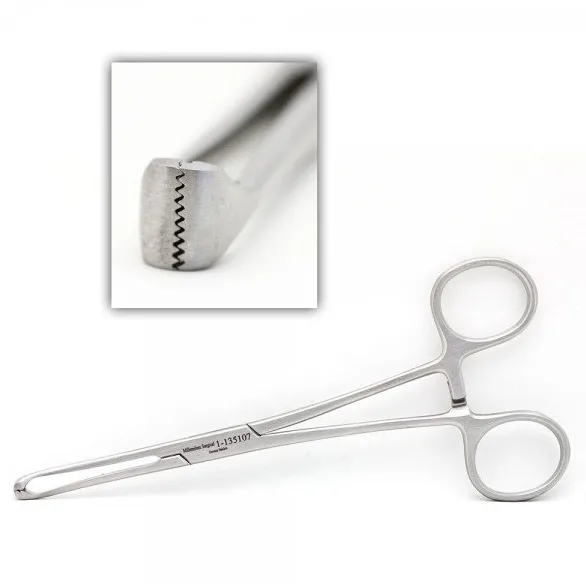
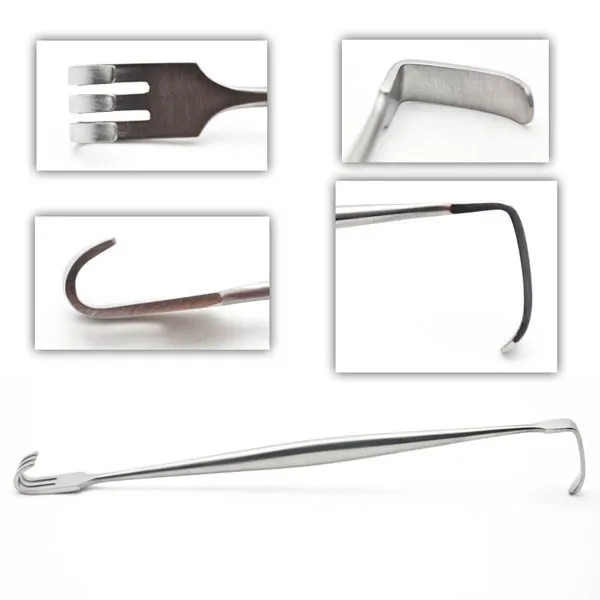
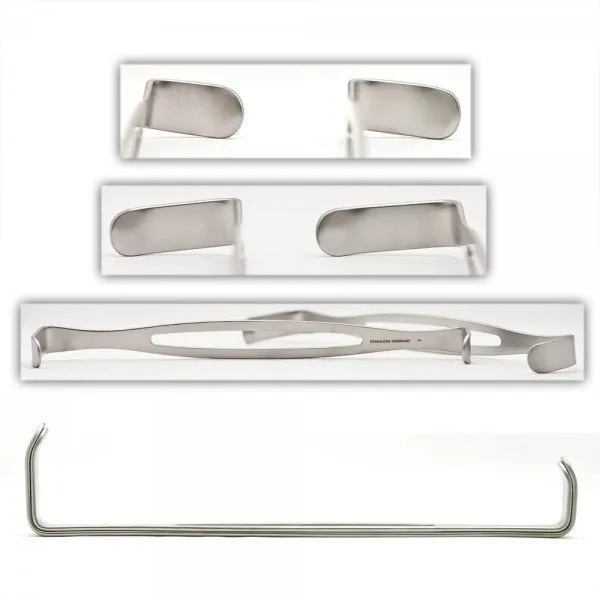
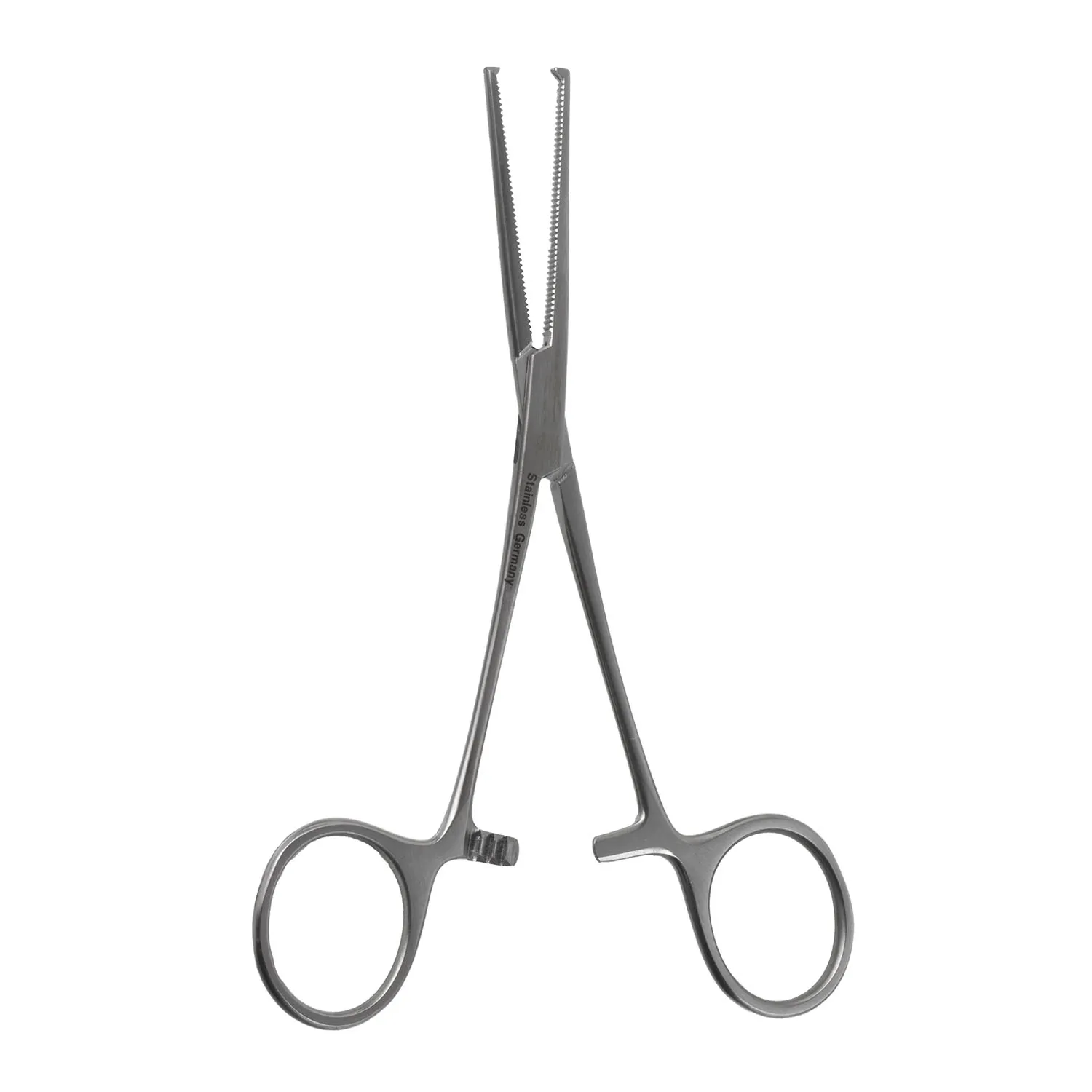
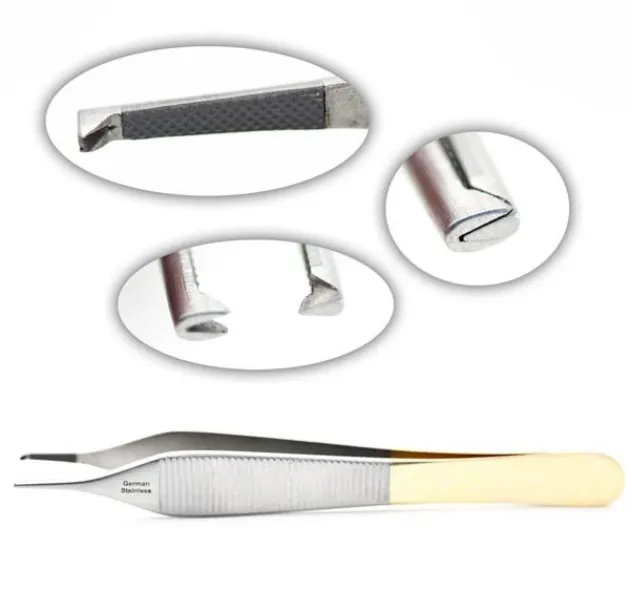
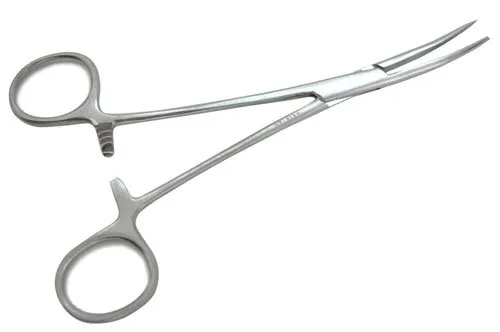
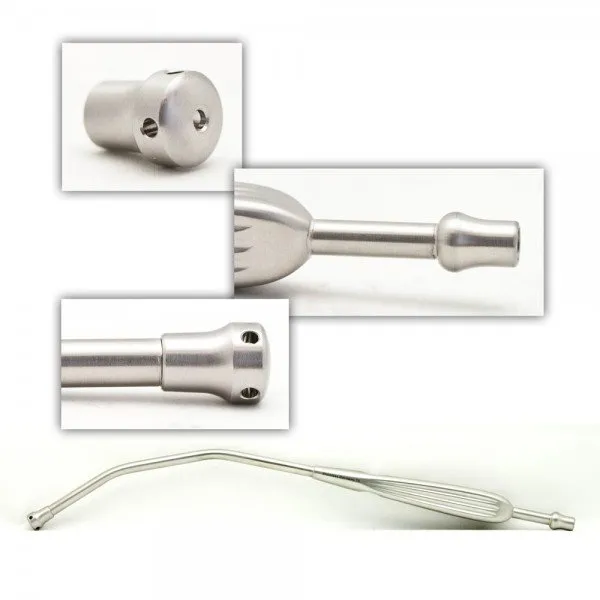
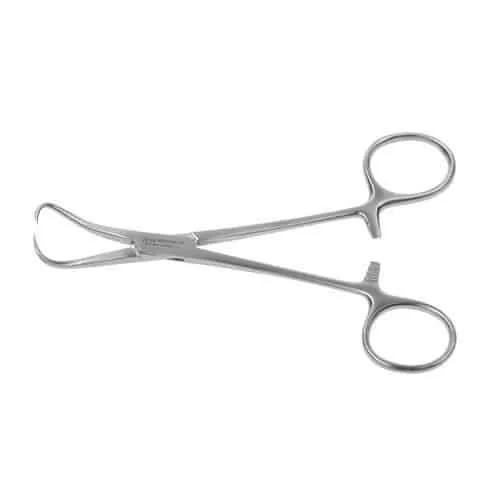
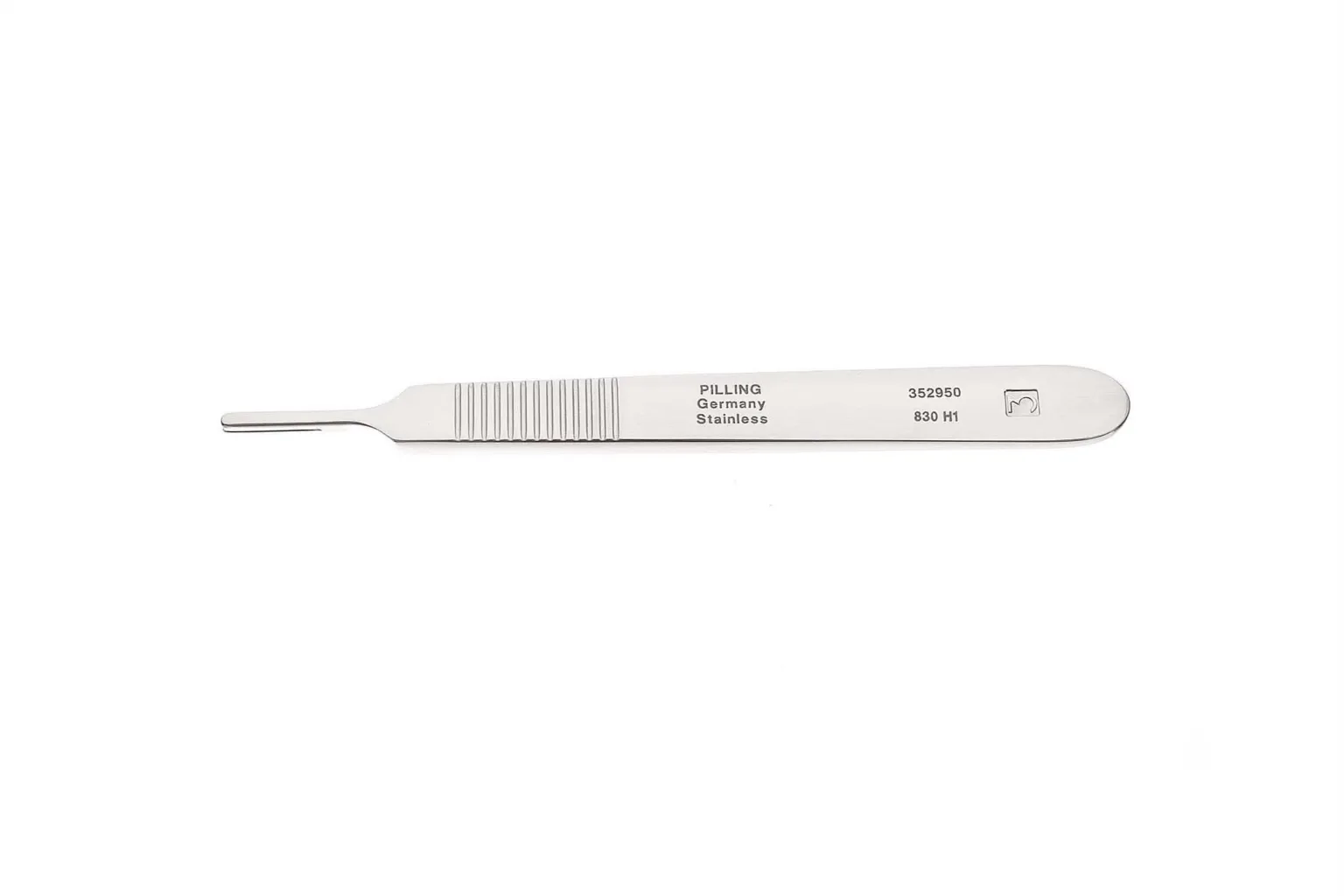
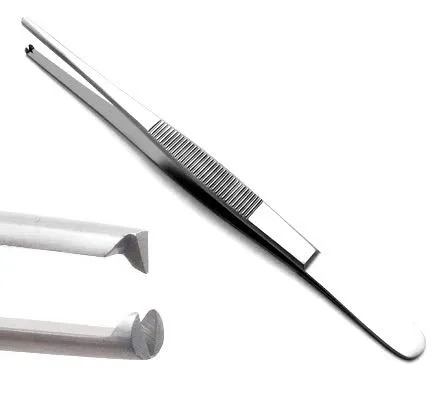
16 on this table. Tap a photo to zoom, the name for its card.
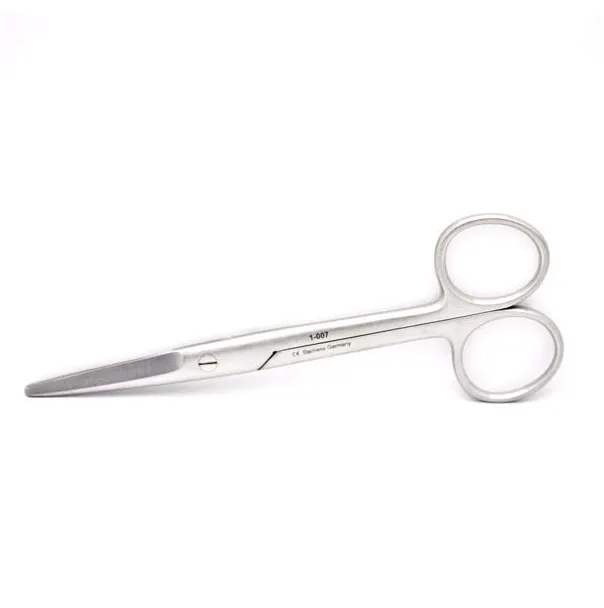
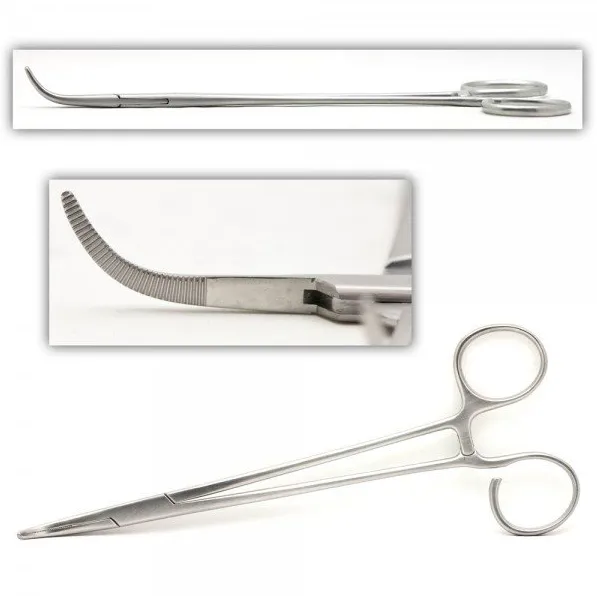
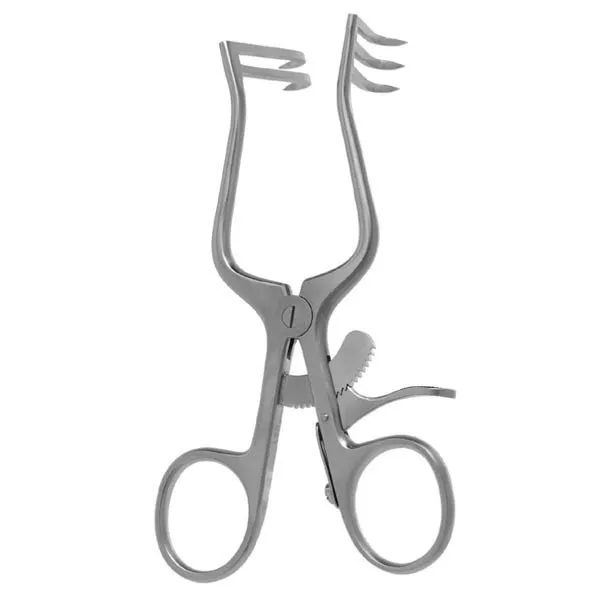
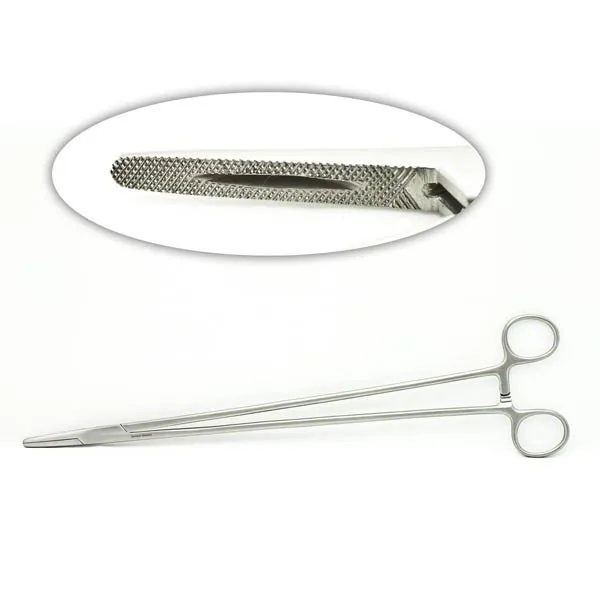
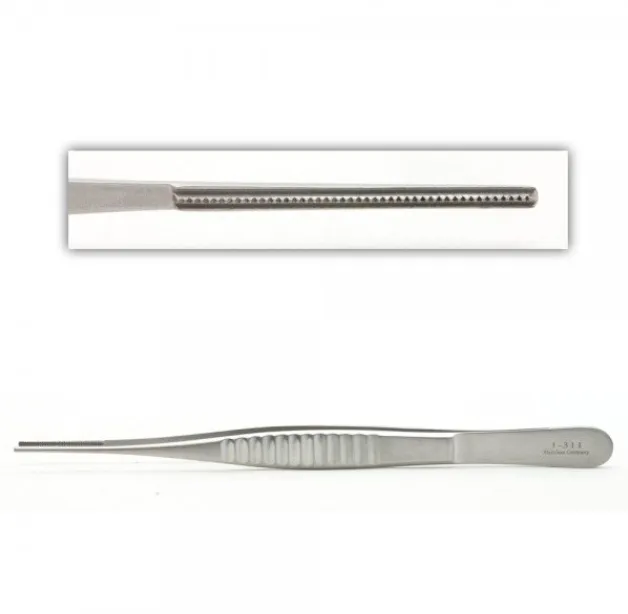
The case
Spark notes
The 30-second rundown. Scan this outside the room.
- Local anesthesia injected, incision made with 15 blade, bovie, Metz, debakeys, and adsons used for dissection, Allis clamps used for manipulation.
- Hernia sac removed and sent to pathology.
- Hernia closed with PDS suture or similar.
- Incision closed with Vicryl and Monocryl sutures.
Walkthrough
What the surgeon does, and what to have in your hand before they ask.
Incision and Dissection
The surgeon will begin by injecting local anesthetic into the surgical site. A 15 blade will then be used to make the initial incision. Once the incision is made, the bovie, Metz, debakeys, and adsons instruments will be used to carefully dissect down to the hernia. Allis clamps may be used to hold and manipulate surrounding tissue during the dissection.
Hernia Sac Removal
After the hernia is reached, the hernia sac may be carefully dissected and removed. The sac should be sent to pathology for further examination.
Closure of Hernia
Once the hernia sac is removed, the hernia will be closed using a PDS suture or a similar suture material. The suture should be placed carefully to ensure that the hernia is completely closed, without any tension.
Closure of Incision
Finally, the rest of the incision will be closed with Vicryl and Monocryl sutures. The sutures should be placed in a layered closure to ensure adequate wound healing and minimize the risk of postoperative complications.
Add your table
Every surgeon runs it a little differently. Submissions stay private, are reviewed by our team, and accepted contributions earn a credit in the contributor list.