Ventral (Incisional) Hernia Repair - Open
The hernia sac is freed and the defect in the front of the abdominal wall is closed or bridged, usually with mesh, so abdominal contents can no longer push through it.
- Position
- Supine
- Anesthesia
- General Anesthesia
In 30 seconds
Scan this outside the room.
- Supine, general anesthesiaJEN-er-ul an-es-THEE-zhuhDrug-induced loss of consciousness and feeling over the whole body, so a person feels nothing and is not aware during surgery.an- withoutesthesi/o feeling, sensation-ia conditionFull entry ; arms tucked and padded (or one arm out); stockings or SCDs and warming blanket if requested.
- Prep wide around the old incision (ask the surgeon); four towels and a laparotomylap-uh-ROT-uh-meeSurgery that opens the abdomen through a large cut to reach the organs inside.lapar/o abdomen-tomy cutting intoFull entry or transversetrans-VERSLying across something, at a right angle to its length.Full entry sheet.
- Confirm mesh type and size; have a large size; do not open sealant until asked.
- #10 blade on a #3 handle; Allis on the end of the scar, gentle tractionTRAK-shunA steady pulling force applied to a body part with weights, ropes and pulleys.Full entry ; scar is a specimen.
- Self-retaining retractorrih-TRAK-terA surgical instrument that holds back tissue or organs so the surgeon can see and reach the operative site.Full entry (such as an Adson); peanuts and Kittners (counted).
- Free the sac and defect edges; adhesionad-HEE-zhunA band of scar tissue that joins two surfaces inside the body that are normally separate.ad- towardhes stick-ion conditionFull entry may need freeing; watch for bowel injury.
- Sac reduced, imbricated or excisionek-SIZH-unCutting out tissue, such as a growth or damaged area, during surgery.Full entry .
- Large defect: component separation (external oblique released along the semilunar line).
- Mesh several cm larger than the defect, overlapping 4 to 5 cm; anti-adhesionad-HEE-zhunA band of scar tissue that joins two surfaces inside the body that are normally separate.ad- towardhes stick-ion conditionFull entry side toward bowel.
- Nonabsorbable sutureSOO-cherA stitch, or the thread used to stitch, that holds the edges of a wound or incision together.Full entry , top and bottom corners first; fibrin sealant or tacks if requested.
- Close rectusREK-tusLatin for straight; the name of several straight muscles, such as the rectus abdominis of the abdomen and the rectus femoris of the thigh.Full entry sheathSHEETHA covering that wraps around a structure; in procedures, a short hollow tube left in a blood vessel to pass catheters through.Full entry over mesh; one or two bulb drains; skin; dressing.
- Keep the Mayo standMAY-oh standA small tray on an adjustable stand placed over or beside the patient during surgery to hold the instruments used most often.Full entry and back table sterile until the patient leaves.
The tray
35 instruments, by what they do. Tap a name for its card.
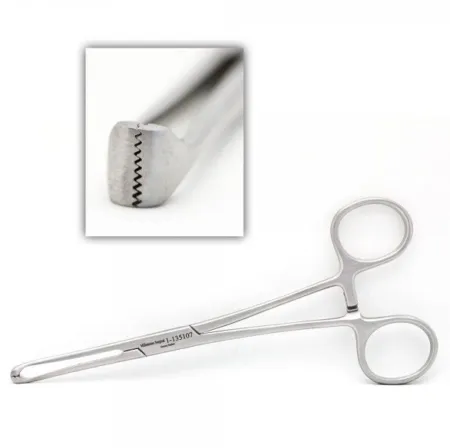 Allis ForcepsClamping
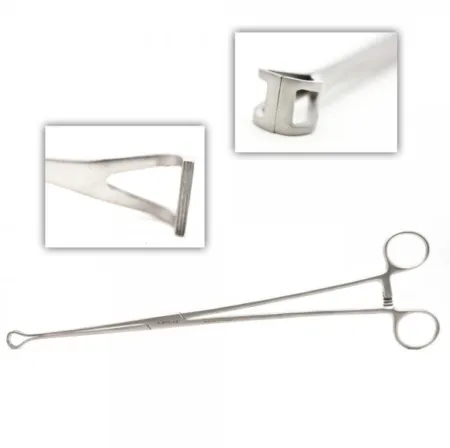 BabcockClamping
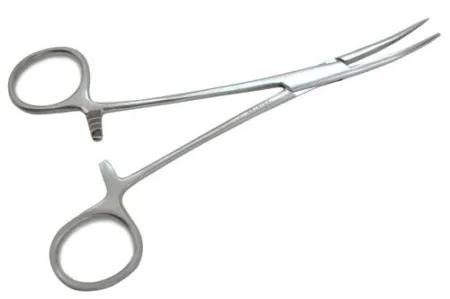 Curved HemostatsClamping
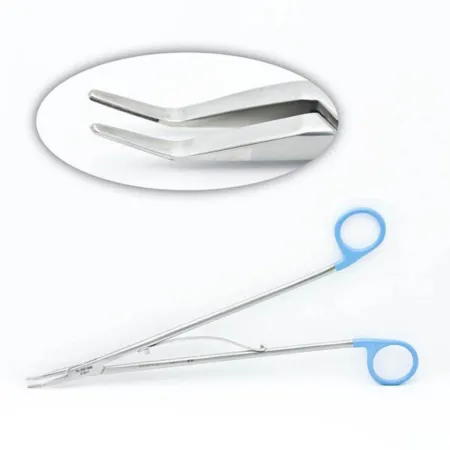 Hemostatic Clip ApplierClamping
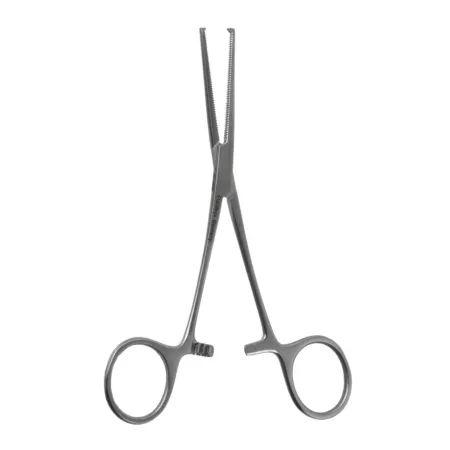 Kocher ForcepsClamping
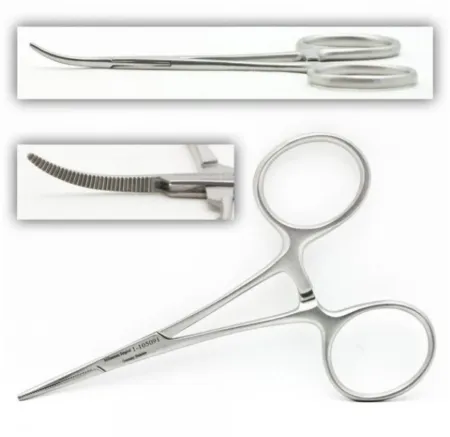 Mosquito Clamp - CurvedClamping
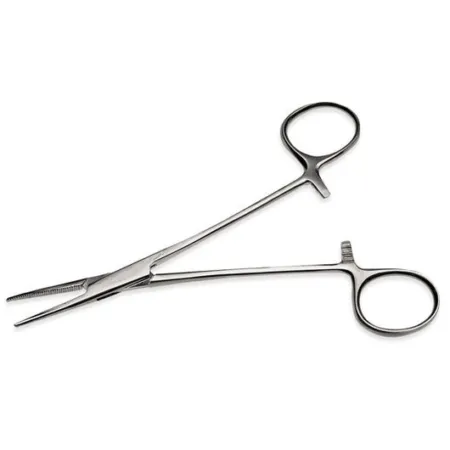 Mosquito Clamp - StraightClamping
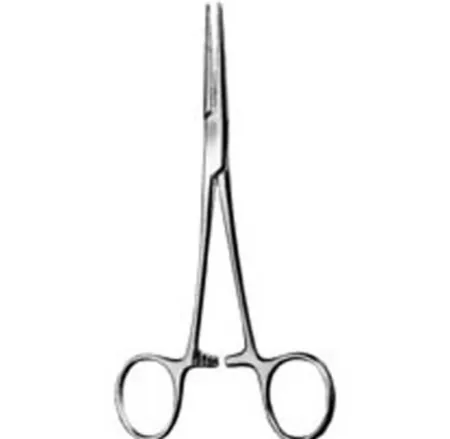 Straight HemostatClamping
All 35 instruments
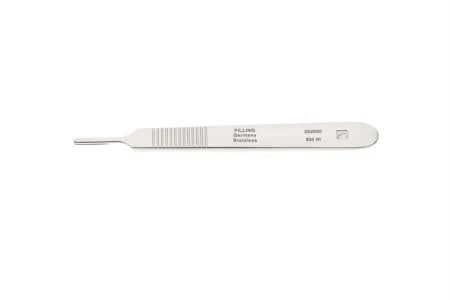 #3 Knife HandleCutting
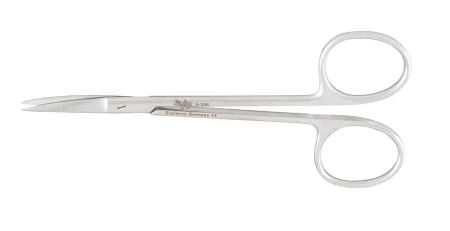 Curved Iris ScissorCutting
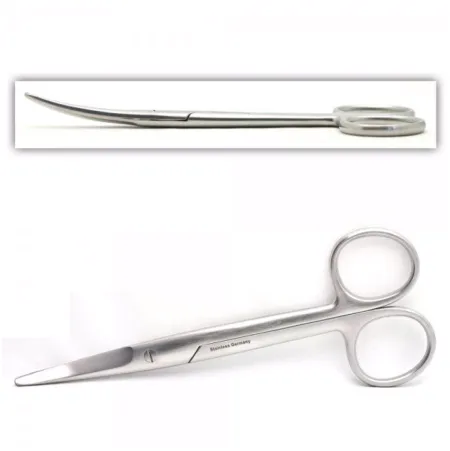 Curved Mayo ScissorCutting
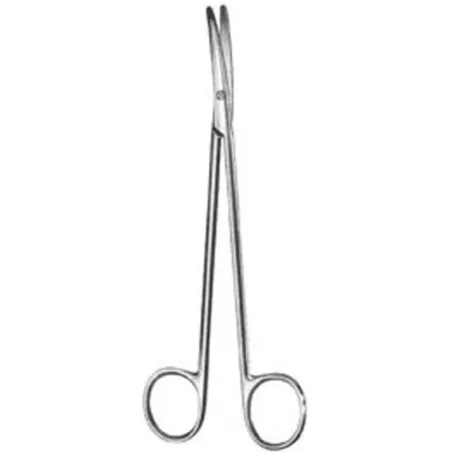 Metzenbaum ScissorCutting
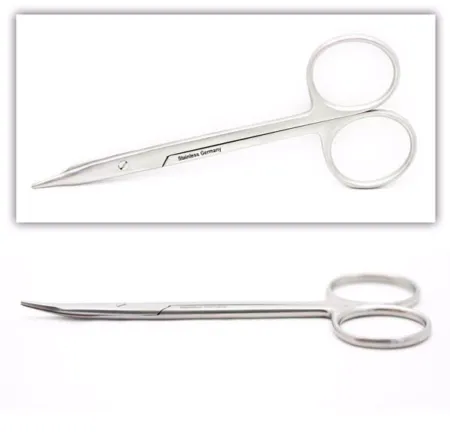 Stevens Tenotomy ScissorCutting
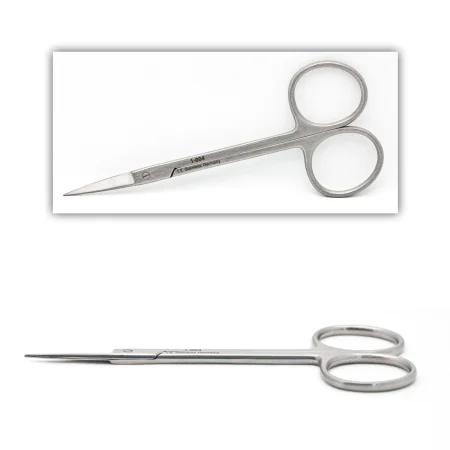 Straight Iris ScissorCutting
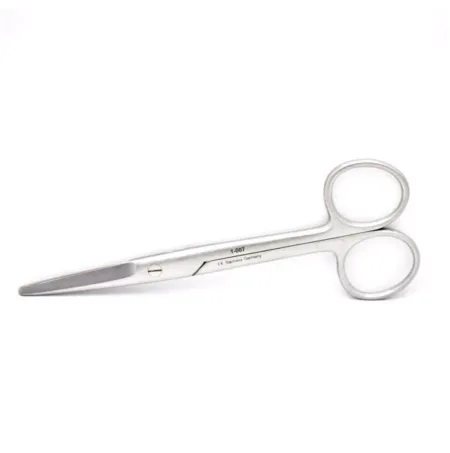 Straight Mayo ScissorCutting
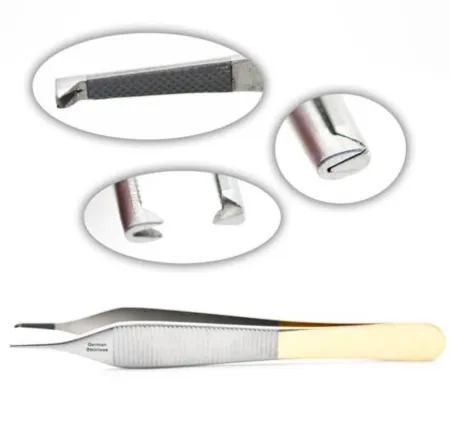 Adson ForcepsGrasping
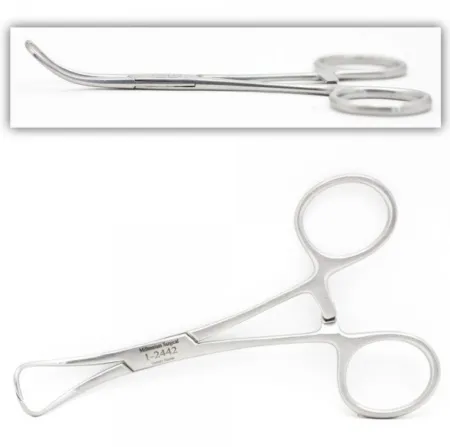 Backhaus Roeder Towel ForcepsGrasping
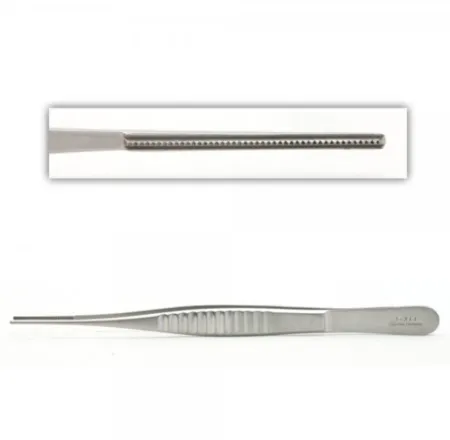 DeBakey ForcepsGrasping
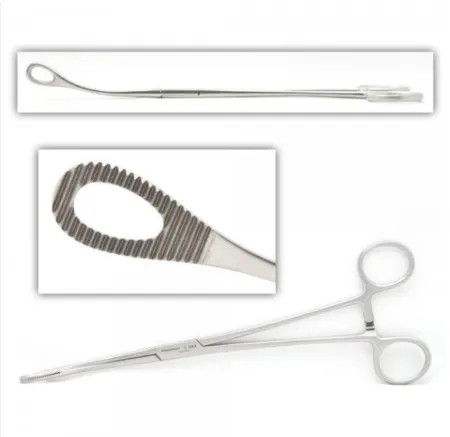 Foerster Sponge ForcepsGrasping
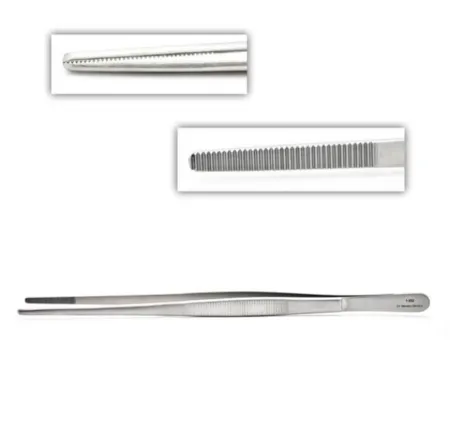 Non-Toothed PickupGrasping
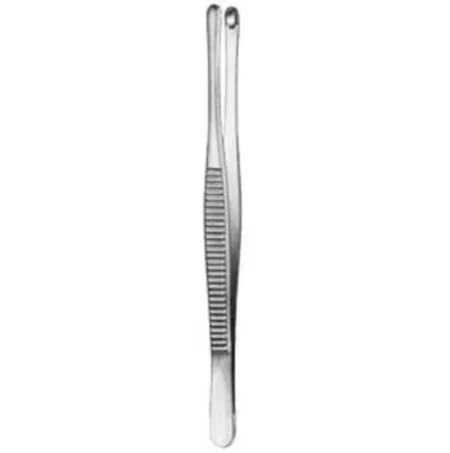 Russian Tissue ForcepsGrasping
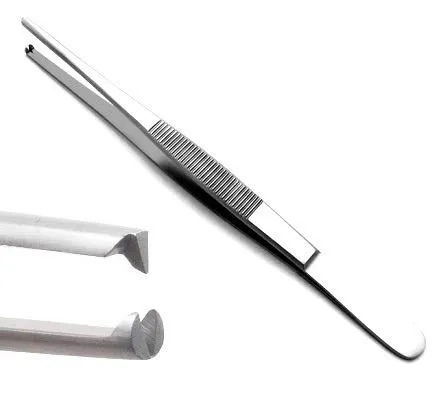 Toothed ForcepsGrasping
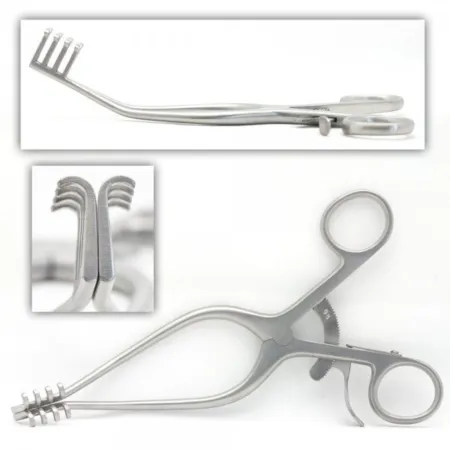 Adson RetractorRetracting
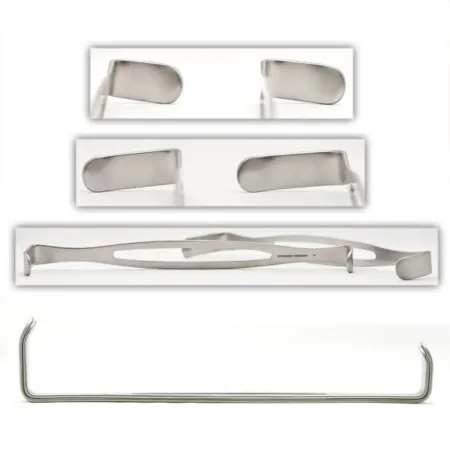 Army-Navy RetractorRetracting
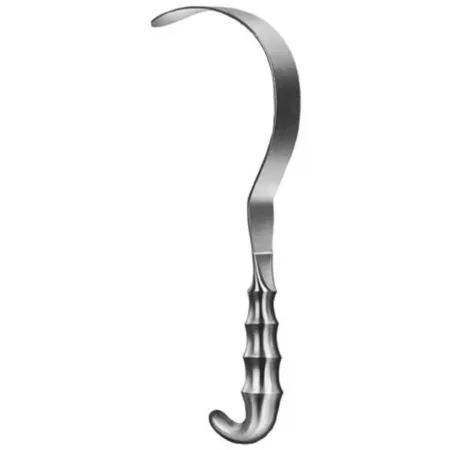 Deaver RetractorRetracting
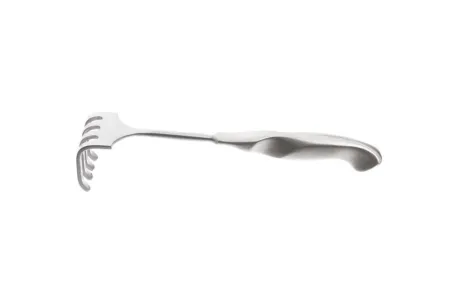 Deep Rake RetractorRetracting
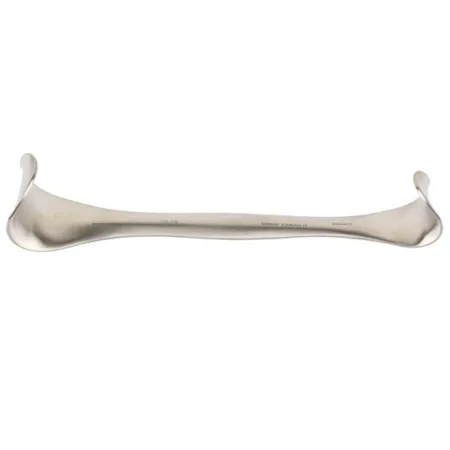 Goelet RetractorRetracting
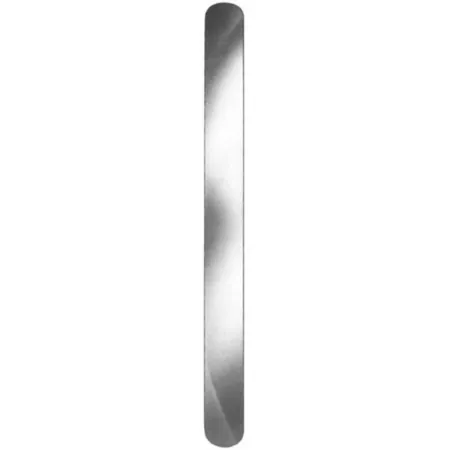 Ribbon RetractorRetracting
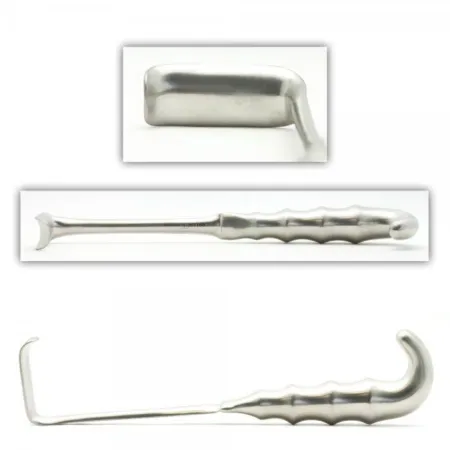 Richardson RetractorRetracting
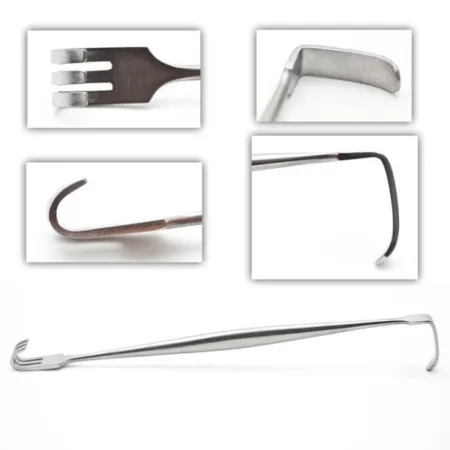 Senn RetractorRetracting
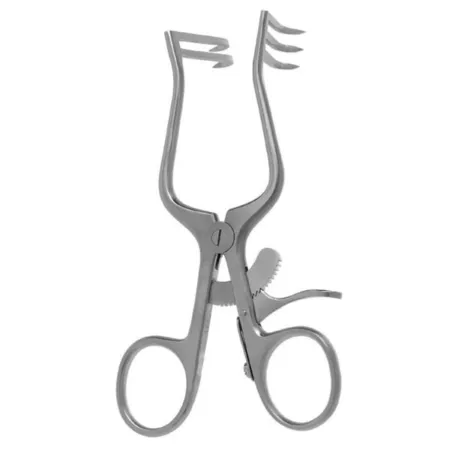 Weitlaner RetractorRetracting
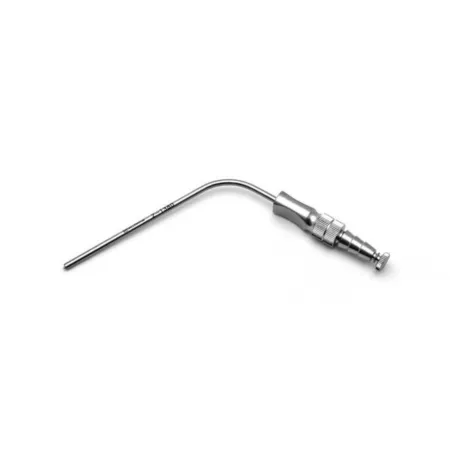 Ferg-Frazier SuctionSuctioning
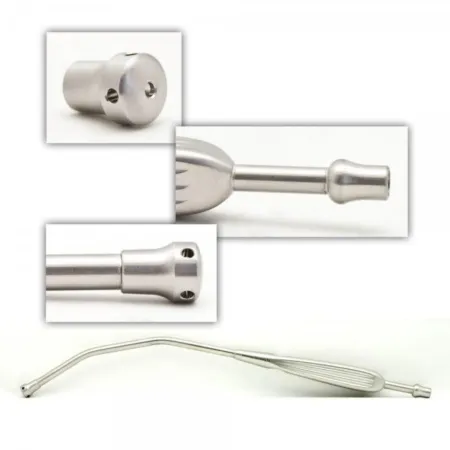 Yankauer SuctionSuctioning
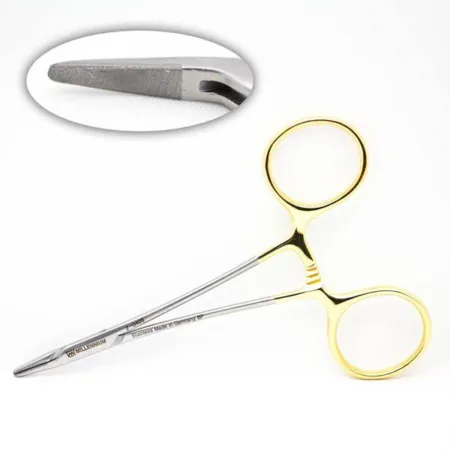 Carbide Webster Needle HolderSuturing
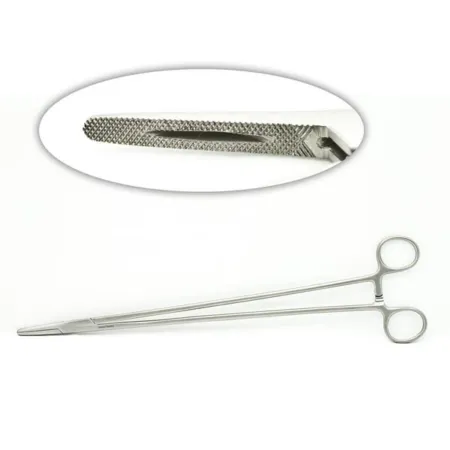 Mayo-Hegar Needle HolderSuturing
Clamping & Occluding8
Cutting & Dissecting7
Grasping & Holding7
Retracting & Exposing9
Suctioning2
Suturing & Stapling2
Know this tray before you scrub in.
With Pro, for every setup in every specialty. Cancel any time.
Or scrub in free: every General setup and 5 questions a day.
The room
The equipment, the prep and drape, the suture and the medicines.
- ESU
- sequential compression device with leg wraps (if requested)
- forced-air warming blanket (if requested)
- pillow for the sacrum or knees
Prep: begin at the old incision and prep widely enough for a generous field; ask the surgeon for the limits when in doubt. Drape: four folded towels and a laparotomy or transverse sheet.
Step by step
6 steps, one line each.
- 1
Positioning, Prep and Draping
The patient is supine under general anesthesiaJEN-er-ul an-es-THEE-zhuhDrug-induced loss of consciousness and feeling over the whole body, so a person feels nothing and is not aware during surgery.an- withoutesthesi/o feeling, sensation-ia conditionFull entry . compression stockingkum-PRESH-un STOK-ingA tight elastic stocking that squeezes the leg, most firmly at the ankle, to help blood flow back toward the heart.Full entry and sequential compression leg wraps go on if requested, along with a forced-air warming blanket. Many surgeons have both arms tucked and padded; some setups leave one arm out on a padded armboard. A pillow may go under the sacrumSAY-krumThe large, triangle-shaped bone at the base of the spine, between the two hip bones.sacr/o sacrumFull entry or knees, all pressure points are padded, and the dispersive pad is applied. The prep starts at the old incision and covers a wide area; ask the surgeon how far to go if you are unsure. Drape with four folded towels and a laparotomylap-uh-ROT-uh-meeSurgery that opens the abdomen through a large cut to reach the organs inside.lapar/o abdomen-tomy cutting intoFull entry or transversetrans-VERSLying across something, at a right angle to its length.Full entry sheet. Before the incision, confirm the mesh type and size with the surgeon and make sure a large size is in the room. Leave fibrin sealant in its package until the surgeon asks for it. Peanut and Kittner dissectors count as sponges.
Next up · Pro - 2
Incision and Removing the Old Scar
The incision is usually made over the herniaHER-nee-uhA bulge of an organ or tissue through a weak spot in the muscle or tissue wall that normally holds it in.Full entry ; for a large midlineMID-lineAn imaginary line down the center of the body; also, a type of IV catheter placed in a vein of the upper arm.Full entry hernia it is a midline incision carried down to the defect. When the old scar is cut out with the #10 blade, an Allis clamp holds one end: keep gentle upward tractionTRAK-shunA steady pulling force applied to a body part with weights, ropes and pulleys.Full entry and follow the surgeon as the scar is removed. The scar is a specimen. Infected tissue, old mesh and the hernia sac may also be cut away.
Next up · Pro - 3
Freeing the Hernia Sac and the Defect
Using blunt and sharp dissectiondy-SEK-shunA tear in the inner layer of an artery wall that lets blood split the layers apart; also, the cutting apart of tissue in surgery.Full entry , the surgeon exposes the herniaHER-nee-uhA bulge of an organ or tissue through a weak spot in the muscle or tissue wall that normally holds it in.Full entry sac and the edges of the muscle and fasciaFASH-ee-uhA sheet or band of tough connective tissue that covers and separates muscles and organs.fasci/o bandFull entry around the defect. A self-retaining retractorrih-TRAK-terA surgical instrument that holds back tissue or organs so the surgeon can see and reach the operative site.Full entry holds the wound open. With an incisional hernia the abdomen may be entered, and adhesionad-HEE-zhunA band of scar tissue that joins two surfaces inside the body that are normally separate.ad- towardhes stick-ion conditionFull entry often have to be freed, which can injure the bowel. The sac is pushed back into the abdomen, folded over and stitched (imbricated), or cut out.
Next up · Pro - 4
Component Separation for Large Hernias
When the edges cannot be brought together without tension, the layers of the abdominal wall are separated. The fat under the skin is lifted off the rectusREK-tusLatin for straight; the name of several straight muscles, such as the rectus abdominis of the abdomen and the rectus femoris of the thigh.Full entry sheathSHEETHA covering that wraps around a structure; in procedures, a short hollow tube left in a blood vessel to pass catheters through.Full entry on both sides out to where the rectus meets the external oblique muscle, sparing the small blood vessels near the umbilicus. The external oblique aponeurosis is cut lengthwise along the semilunar line from the rib margin to the arcuate line, and the bloodless plane between the external and internal oblique is opened by blunt dissectiondy-SEK-shunA tear in the inner layer of an artery wall that lets blood split the layers apart; also, the cutting apart of tissue in surgery.Full entry so the rectus sheath can slide toward the midlineMID-lineAn imaginary line down the center of the body; also, a type of IV catheter placed in a vein of the upper arm.Full entry . Other surgeons use a retro-rectus (Rives-Stoppa) repair or a transversus abdominis release instead. A small defect may simply be closed with sutureSOO-cherA stitch, or the thread used to stitch, that holds the edges of a wound or incision together.Full entry , with or without mesh.
Next up · Pro - 5
Placing the Mesh
In the underlay repair, mesh with an anti-adhesionad-HEE-zhunA band of scar tissue that joins two surfaces inside the body that are normally separate.ad- towardhes stick-ion conditionFull entry surface is placed under the rectusREK-tusLatin for straight; the name of several straight muscles, such as the rectus abdominis of the abdomen and the rectus femoris of the thigh.Full entry sheathSHEETHA covering that wraps around a structure; in procedures, a short hollow tube left in a blood vessel to pass catheters through.Full entry with that surface facing the bowel. It overlaps the fasciaFASH-ee-uhA sheet or band of tough connective tissue that covers and separates muscles and organs.fasci/o bandFull entry by 4 to 5 cm on all sides. The mesh is cut so it is several centimeters larger than the defect, and the surgeon may mark the correct side with a marking pen. It is sewn in with nonabsorbable sutureSOO-cherA stitch, or the thread used to stitch, that holds the edges of a wound or incision together.Full entry , starting at the top and bottom corners so it lies flat under even tension. Fibrin sealant or tacking staples may be used to keep the mesh from moving. Depending on the surgeon, mesh may instead be laid over the fascia (onlay) or bridge the gap, and it may be synthetic or biologic.
Next up · Pro - 6
Closure
The rectusREK-tusLatin for straight; the name of several straight muscles, such as the rectus abdominis of the abdomen and the rectus femoris of the thigh.Full entry sheathSHEETHA covering that wraps around a structure; in procedures, a short hollow tube left in a blood vessel to pass catheters through.Full entry is closed over the mesh. One or two large bulb suction drains are placed under the skin. Extra skin left loose by the repair may be trimmed, then the tissue under the skin and the skin are closed and dressings are applied. Tips and Tricks Have several mesh sizes available, including a large one. Sealants are expensive, so do not open one until it is asked for. Include every peanut and Kittner in the count. Closing a large, long-standing herniaHER-nee-uhA bulge of an organ or tissue through a weak spot in the muscle or tissue wall that normally holds it in.Full entry under tension can raise the pressure inside the abdomen to a dangerous level, which is why large hernias are repaired tension-free. Freeing adhesionad-HEE-zhunA band of scar tissue that joins two surfaces inside the body that are normally separate.ad- towardhes stick-ion conditionFull entry can injure the bowel; if that happens, a general or colorectal surgeon may be called in. Keep the Mayo standMAY-oh standA small tray on an adjustable stand placed over or beside the patient during surgery to hold the instruments used most often.Full entry and back table sterile until the patient has left the room.
The case
A ventral hernia is a weak spot in the front of the abdominal wall that lets fat or bowel bulge through. When it develops in the scar of an earlier operation it is called an incisional hernia. It is more likely after a wound infection, and in patients who take steroids, have chronic lung disease or are poorly nourished. If the trapped contents lose their blood supply (strangulation), the repair becomes an emergency and the damaged tissue may also have to be removed.
In the open repair the surgeon cuts out the old scar, frees the hernia sac and closes the defect. Small defects may be closed with sutures alone. Most larger defects are repaired tension-free with synthetic or biologic mesh. For large, complex midline hernias the surgeon may do a component separation, cutting the external oblique layer so the rectus muscles can be brought together in the middle, and a retro-rectus (Rives-Stoppa) or transversus abdominis release may be used. Ventral hernias can also be repaired laparoscopically or robotically. Those approaches need a different setup.
The main risks are wound and mesh infection, injury to the bowel while freeing adhesions, fluid collecting around the mesh, and the hernia coming back. Closing a large, long-standing hernia too tightly can raise the pressure inside the abdomen to a dangerous level, which is one reason mesh is used. Confirm the mesh plan before the case and have a large size available.
Built by the techs who scrub it.
Every surgeon runs it a little differently. Send your table, or a fix for this page.
 Olivia CSTReviewer
The rest of this setup is Pro.
Everything unlocked above stays free. Pro opens the rest, on every setup: where new techs slip, what to load next at every step, the circulator’s side, the medicines, the specimen, wound class and trays on standby, what to grab if it goes wrong, and practice for every tray.
Free, for good. No card.
- All 2,882 instrument cards
- Every General setup in full
- 5 exam questions a day
- Your own preference cards
Pass your exam. Know every case.
Everything in Free, plus:
- All 260 setups in every specialty: back table, Mayo and every step
- Practice that never runs out and full timed exams for the CST, TS-C, CRCST, CSPDT and CSFA, with the why behind every answer
- Flashcards on any tray, timed to come back before you forget
- Every instrument card in full: the 3D model, cautions, inspection, how to pass it
Cancel any time from your account. Not worth it? Email us within 30 days of a charge for a refund, one per customer. Refund policy
Pro is also in the CSTSetup app, on the same account. Already have Pro? Log in
Send your table
Your Mayo, your back table, your surgeon’s way, or anything wrong on this page. Your email is only used to credit you. Submissions stay private and are reviewed by our team; accepted ones earn a Contributor credit here.