Pilonidal Cyst Excision
The surgeon performs a complete surgical resection of a cyst, sinus tract, or abscess located in the sacrococcygeal intergluteal cleft. The goal is to remove all epithelialized tissue and debris to prevent recurrence of chronic infection.
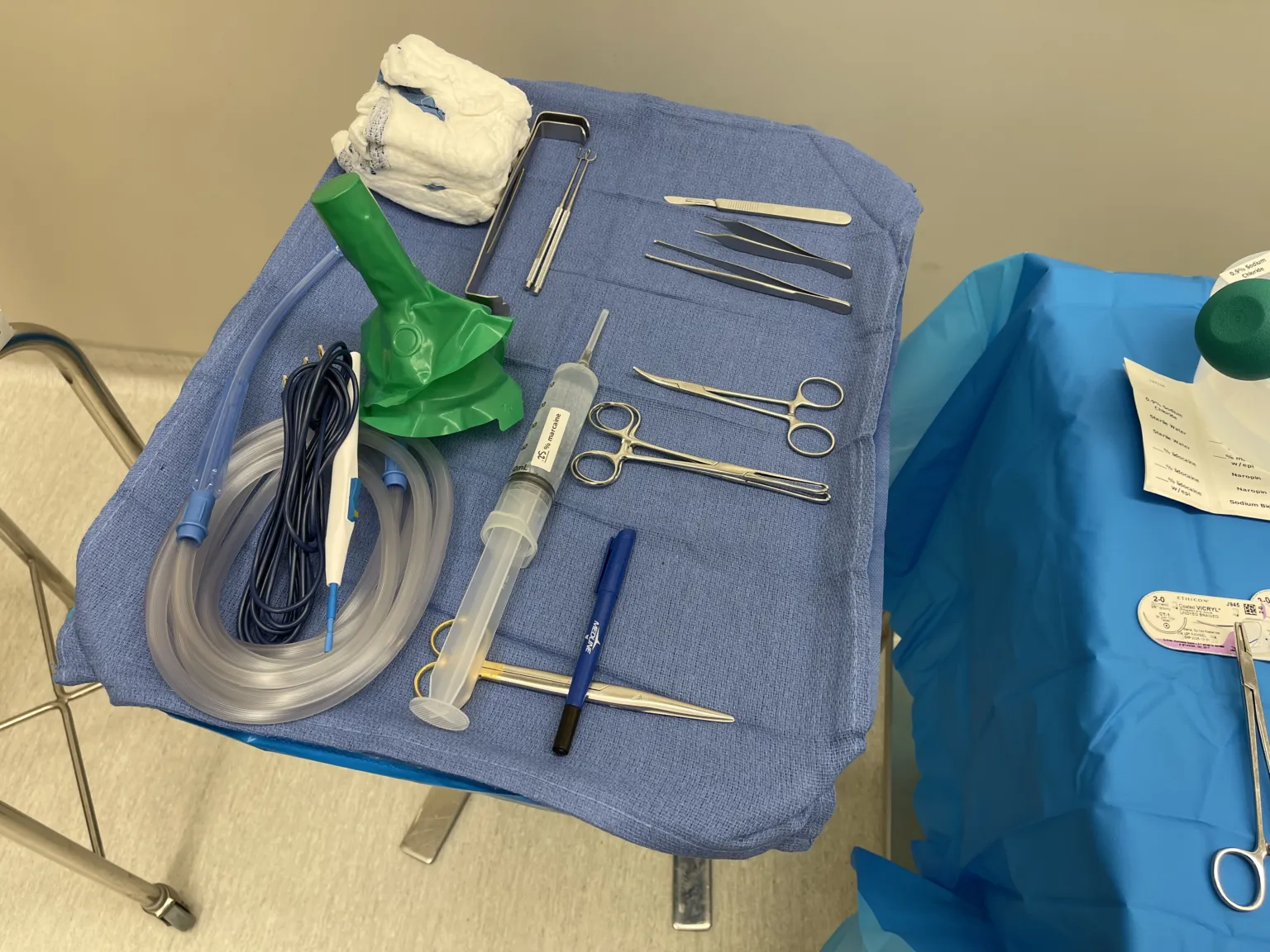 Tap a photo to zoom · 1 photo
- Position
- Prone
In 30 seconds
Scan this outside the room.
- Apply silk tape to separate buttocks. Prep and drape patient. Set up suction tubing and bovie.
- Make wedge incision with 10 blade. Use toothed forcepsFOR-sepsA hand instrument with two blades or arms used to grasp, hold or pull tissue or objects.Full entry and bovie for dissectiondy-SEK-shunA tear in the inner layer of an artery wall that lets blood split the layers apart; also, the cutting apart of tissue in surgery.Full entry . Use skin hooks and Army-Navys for retractionrih-TRAK-shunA drawing back or pulling in of tissue; in breathing, the skin sinking in between, below or above the ribs with each breath.Full entry .
- Use yankauer on suction tubing while bovie is in use to prevent inhalationin-huh-LAY-shunBreathing in; also, a way of giving a drug as a mist or powder that is breathed into the lungs.in- inhal breathe-ation the act ofFull entry of surgical smoke.
- dissectdy-SEKT, or dih-SEKTTo cut apart or separate tissues carefully during surgery.Full entry carefully around cyst to avoid spillage. Expect hair and fluid within cyst.
- Utilize bovie for hemostasishee-moh-STAY-sisThe stopping of bleeding, either by the body's own clotting process or by medical or surgical methods.hem/o blood-stasis stopping, standing stillFull entry in surrounding tissue post-cyst removal.
- Close with 2-0 and 4-0 Vicryl, 4-0 Monocryl, and 3-0 Nylon. Use Mayo Hegar needle driver, adsons or rat tooth pickups, and straight mayo scissors for closure.
The tray
12 instruments, by what they do. Tap a name for its card.
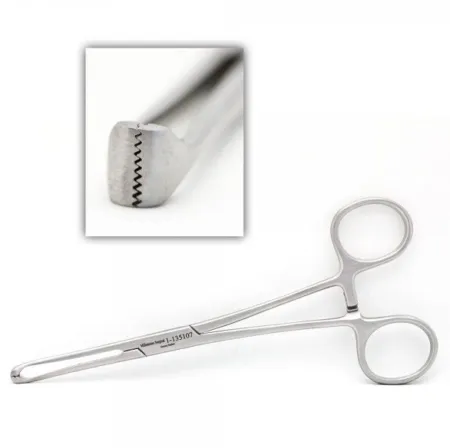
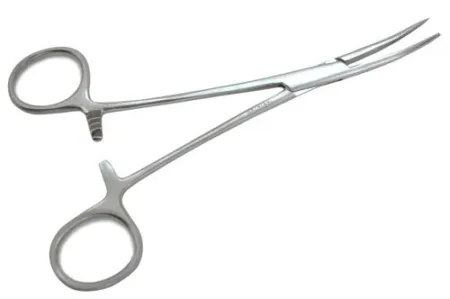
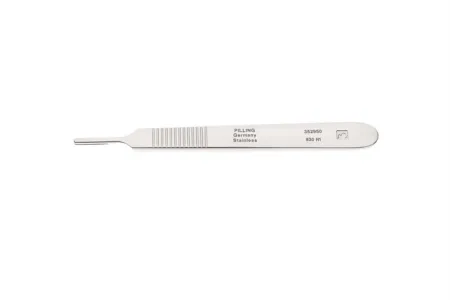
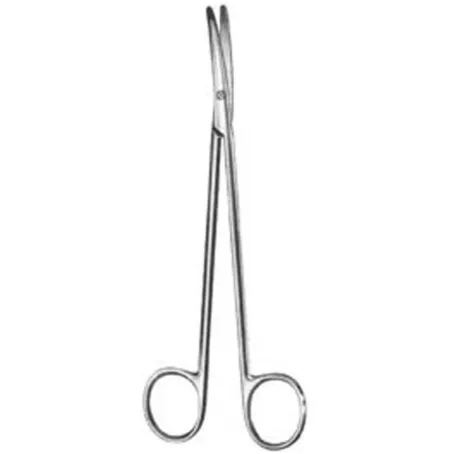
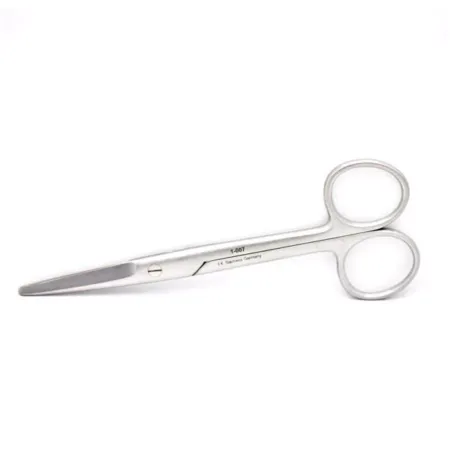
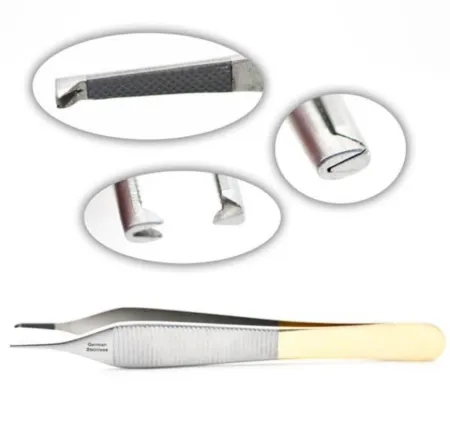
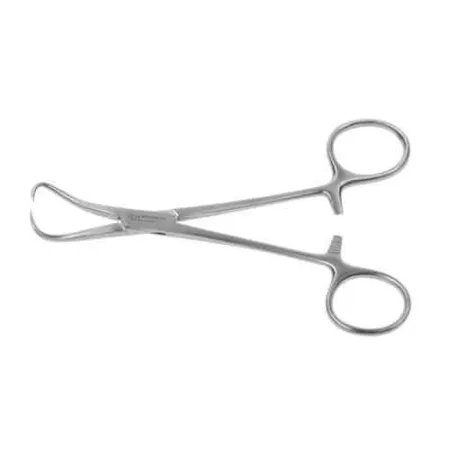
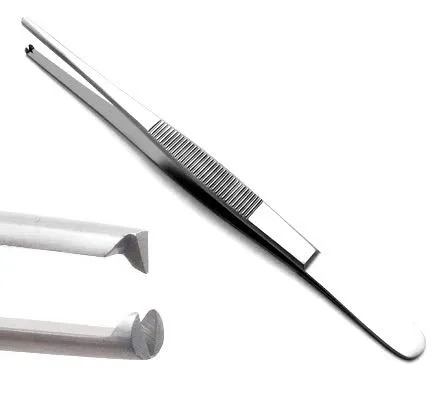
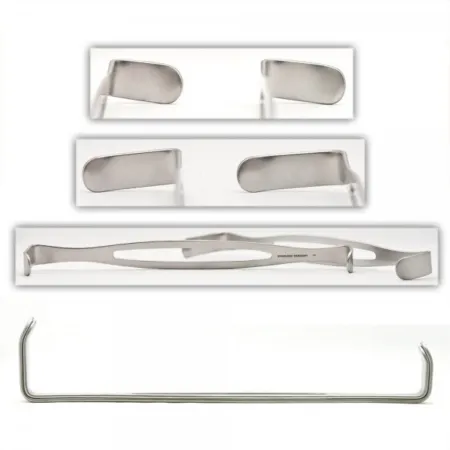
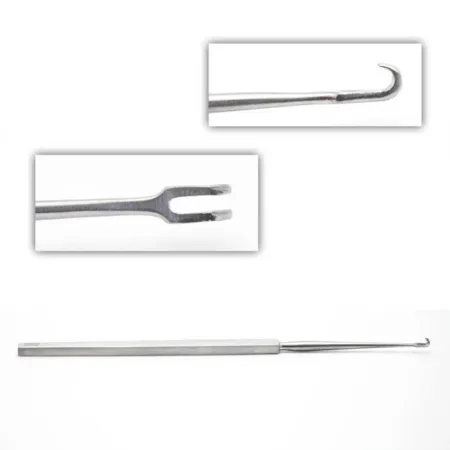
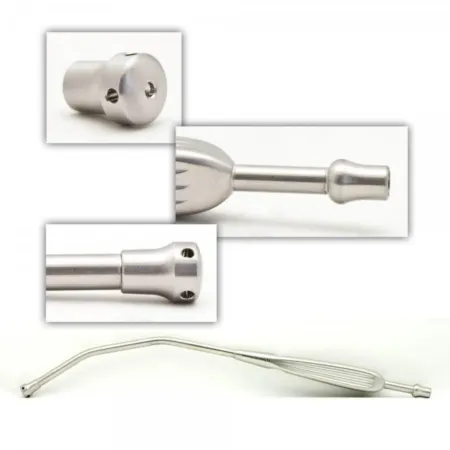
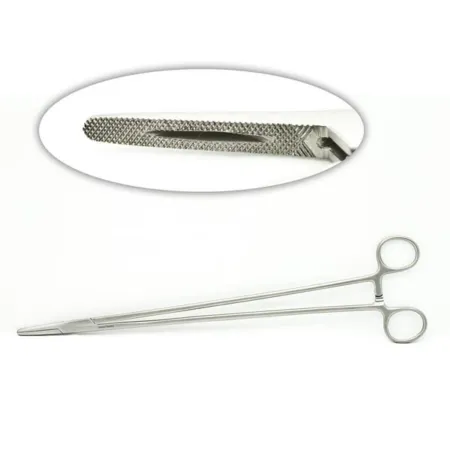
Clamping & Occluding2
Cutting & Dissecting3
Grasping & Holding3
Retracting & Exposing2
Suctioning1
Suturing & Stapling1
Know this tray before you scrub in.
With Pro, for every setup in every specialty. Cancel any time.
Or scrub in free: every General setup and 5 questions a day.
The room
The equipment, the prep and drape, the suture and the medicines.
4 Towels with towel clips or 4 towel drapes, laparotomy drape
Step by step
6 steps, one line each.
- 1
Preparation and Positioning
Begin by placing several pieces of silk tape or similar material to gently separate the buttocks, ensuring optimal visualization of the pilonidal cyst location. Once the patient is prepped and draped, suction tubing and a bovie should be passed off the sterile fieldSTAIR-ul feeldAn area set up with sterile drapes and supplies, kept free of all germs, for a sterile procedure.Full entry and plugged in for immediate use during the procedure.
- 2
Incision and Dissection
Using a 10 blade loaded on a #3 knife handle, make a wedge incision. Use toothed forcepsFOR-sepsA hand instrument with two blades or arms used to grasp, hold or pull tissue or objects.Full entry and the bovie to carefully dissectdy-SEKT, or dih-SEKTTo cut apart or separate tissues carefully during surgery.Full entry around the pilonidal cyst. Skin hooks provide superficial retractionrih-TRAK-shunA drawing back or pulling in of tissue; in breathing, the skin sinking in between, below or above the ribs with each breath.Full entry , transitioning to Army-Navys for deeper retraction as needed. An Allis clamp is beneficial for grasping tissue edges for maneuvering purposes.
- 3
Smoke Evacuation
prioritizepry-OR-ih-tyzeTo decide which client, problem or task comes first, second and so on.Full entry safety by utilizing a yankauer attached to suction tubing while employing the bovie to prevent inhalationin-huh-LAY-shunBreathing in; also, a way of giving a drug as a mist or powder that is breathed into the lungs.in- inhal breathe-ation the act ofFull entry of surgical smoke.
- 4
Cyst Dissection
Exercise caution to avoid dissecting into the cyst itself. Instead, meticulously dissectdy-SEKT, or dih-SEKTTo cut apart or separate tissues carefully during surgery.Full entry around it to ensure complete removal without spilling contents into the incision. Expect to encounter hair and fluid within the cyst.
- 5
Achieving Hemostasis
Following cyst removal, utilize the bovie further to achieve hemostasishee-moh-STAY-sisThe stopping of bleeding, either by the body's own clotting process or by medical or surgical methods.hem/o blood-stasis stopping, standing stillFull entry in the surrounding tissue, ensuring minimal bleeding.
- 6
Closure Technique
The closure technique plays a pivotal role in successful healing. Utilize 2-0 and 4-0 Vicryl, 4-0 Monocryl, and 3-0 Nylon for closure. Instruments such as the Mayo Hegar needle driver, adsons or rat tooth pickups, and straight mayo scissors are used during the closure process. Pay careful attention to achieving precise closure to promote optimal healing outcomes.
The case
A Pilonidal Cyst Excision is a surgical procedure to remove a pilonidal cyst, which is a painful, fluid-filled sac or abscess that often forms near the tailbone, at the top of the buttocks. These cysts can develop due to ingrown hairs, skin debris, or friction, and they often cause swelling, pain, and infection.
The surgery involves completely excising (removing) the cyst and any surrounding infected tissue to prevent recurrence. It is typically performed under local or general anesthesia. After the cyst is removed, the wound may be closed with stitches or left open to heal naturally, depending on the surgeon's recommendation and the extent of the cyst. This procedure helps alleviate pain, prevent infections, and reduce the likelihood of the cyst coming back.
Built by the techs who scrub it.
Every surgeon runs it a little differently. Send your table, or a fix for this page.
 Diana Lei-alohaReviewer
The rest of this setup is Pro.
Everything unlocked above stays free. Pro opens the rest, on every setup: where new techs slip, what to load next at every step, the circulator’s side, the medicines, the specimen, wound class and trays on standby, what to grab if it goes wrong, and practice for every tray.
Free, for good. No card.
- All 2,882 instrument cards
- Every General setup in full
- 5 exam questions a day
- Your own preference cards
Pass your exam. Know every case.
Everything in Free, plus:
- All 260 setups in every specialty: back table, Mayo and every step
- Practice that never runs out and full timed exams for the CST, TS-C, CRCST, CSPDT and CSFA, with the why behind every answer
- Flashcards on any tray, timed to come back before you forget
- Every instrument card in full: the 3D model, cautions, inspection, how to pass it
Cancel any time from your account. Not worth it? Email us within 30 days of a charge for a refund, one per customer. Refund policy
Pro is also in the CSTSetup app, on the same account. Already have Pro? Log in
Send your table
Your Mayo, your back table, your surgeon’s way, or anything wrong on this page. Your email is only used to credit you. Submissions stay private and are reviewed by our team; accepted ones earn a Contributor credit here.