Printable surgical tech flashcards
Know every instrument on the basic tray before your first case and your instrument check-off. Surgical instrument flashcards with real photographs: print the 54 basics free, or study any setup's deck on screen, in the app or on paper.
Print the 54 basics, free.
Four to a page: the photo on the front; the name, class and use on the back. Cut on the dashes, fold, and test yourself.
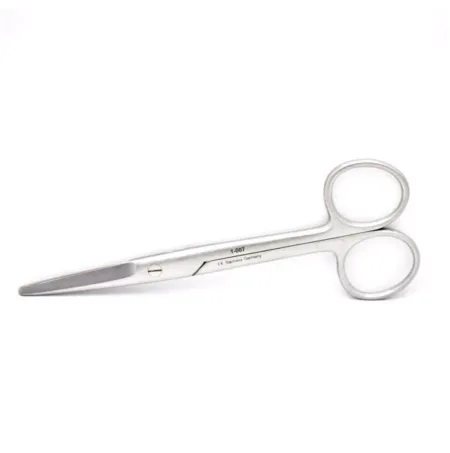 CSTSETUP.COMStraight Mayo ScissorCutting & DissectingAKA: Suture Scissors, Straight Mayo Scissors
Cutting suture during closure and when tying off. It is also the scissors for mesh, drains, dressings and other non-tissue items on the field.
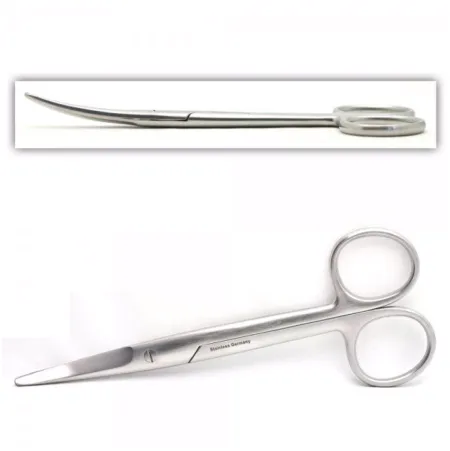 CSTSETUP.COMCurved Mayo ScissorCutting & DissectingAKA: Heavy Tissue Scissors, Curved Mayo Scissors, Dissecting Scissors, Curved Ortho Scissor
Cutting and dissecting heavy, tough tissue such as fascia, muscle and large tendons or ligaments.
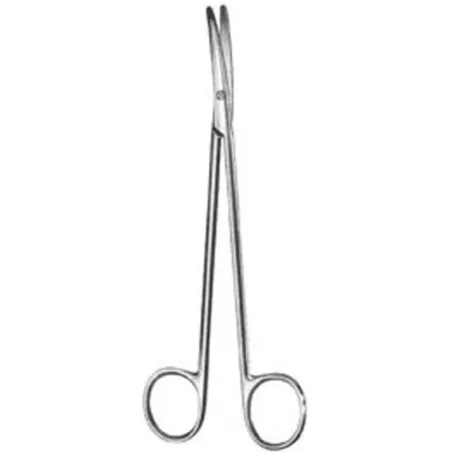 CSTSETUP.COMMetzenbaum ScissorCutting & DissectingAKA: Metz, Metz Scissors, Tissue Scissors, Metzenbaum-Nelson Scissors, Curved Metzenbaum Scissors
Cutting and dissecting delicate tissue such as peritoneum, the covering of organs, and fat. The tips are also used to spread tissue planes apart before cutting.
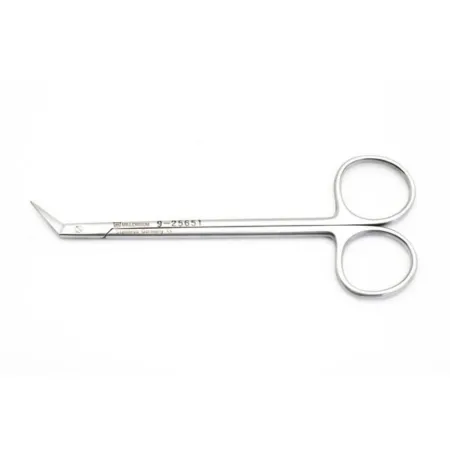 CSTSETUP.COMPotts-Smith ScissorsCutting & DissectingAKA: Potts Scissors
Opening a vessel and extending the incision (arteriotomy or venotomy), and trimming vessel edges, in vascular and cardiac surgery.
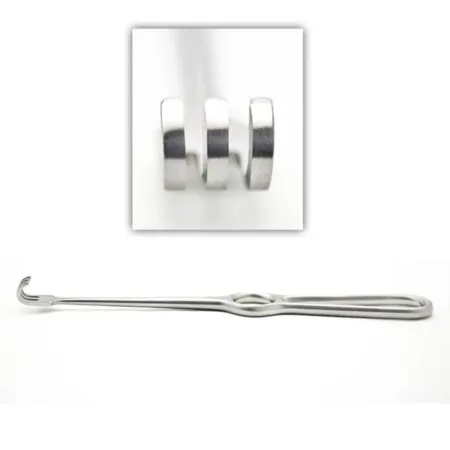 CSTSETUP.COMVolkmann RetractorRetractingAKA: Rake Retractor, Rake
Retracts skin and tissue near the surface.
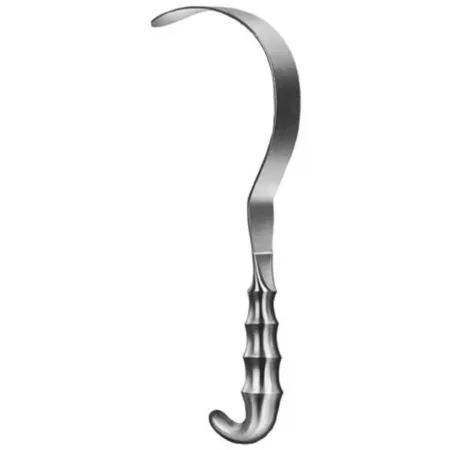 CSTSETUP.COMDeaver RetractorRetracting
Holds back abdominal organs and the deep body wall during open abdominal and pelvic surgery, such as retracting the liver or spleen.
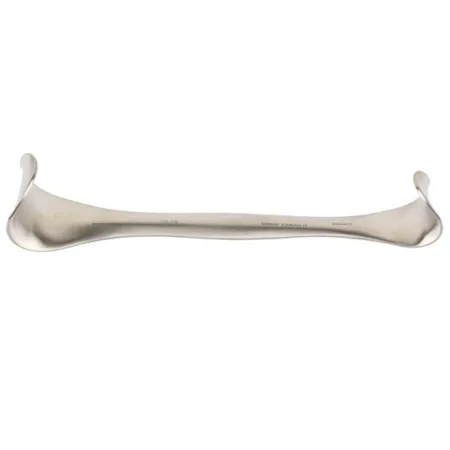 CSTSETUP.COMGoelet RetractorRetractingAKA: Bolt Retractor
Holds back skin and superficial tissue in small, shallow incisions. It is also found on hip and other orthopedic trays.
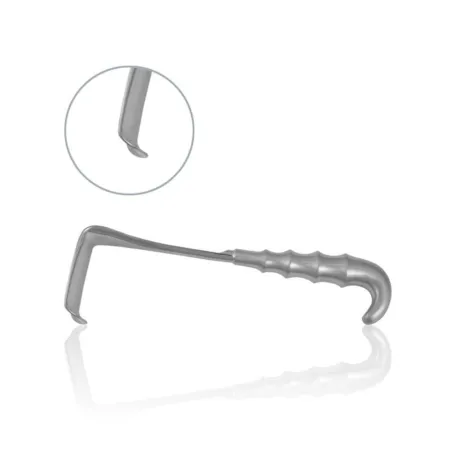 CSTSETUP.COMKelly RetractorRetracting
Retracts the wound edges and deeper layers, including the deep abdominal wall.
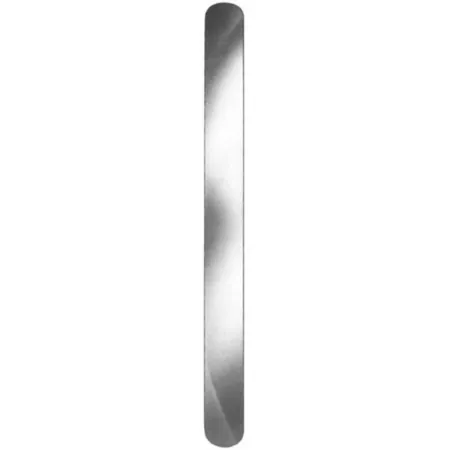 CSTSETUP.COMRibbon RetractorRetractingAKA: Malleable Retractor, Malleable
Holds back and protects organs and bowel in a wound, mostly in the abdomen. Narrow, short ones are used in smaller sites.
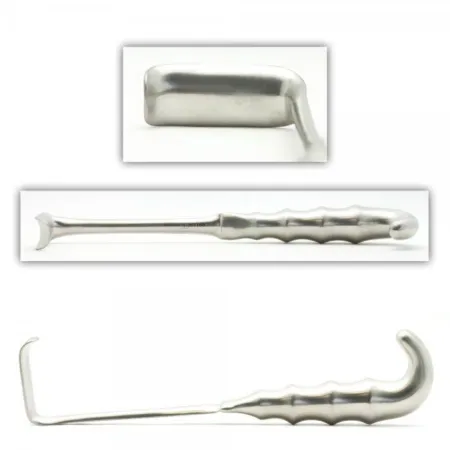 CSTSETUP.COMRichardson RetractorRetractingAKA: Rich Retractor, Rich
Retracts the edges of shallow to medium-depth wounds. Wider blades are also used to hold back organs such as the liver or spleen, with a sponge under the blade.
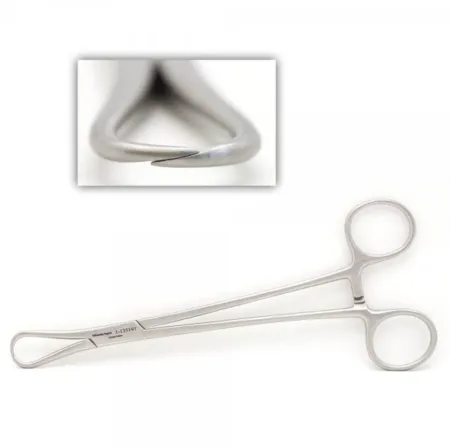 CSTSETUP.COMAdair Tenaculum ForcepsGrasping & HoldingAKA: Adair Tenaculum, Adair Breast Clamp, Adair Uterine Forceps
Grasps and holds firm tissue securely. Makers list it with the uterine tenaculums for gynecologic surgery, and in general surgery it is used to grasp large breast masses.
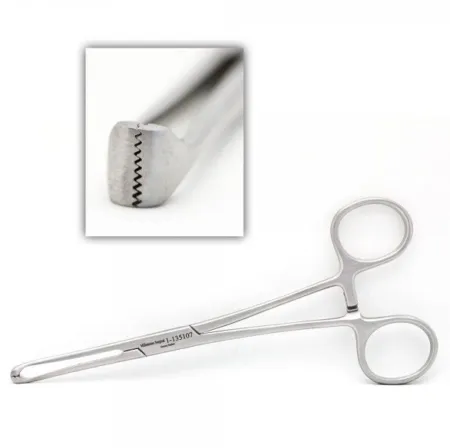 CSTSETUP.COMAllis ForcepsClamping & OccludingAKA: Allis Tissue Forceps, Allis Clamp
Lifting, holding and retracting slippery, dense tissue, usually tissue that is being removed. Common on tonsils, breast, thyroid and vaginal tissue, and for holding bowel during a resection.
Surgical instrument flashcards with real photos.
The first eight cards, in the order they print. Each opens its instrument’s page, free: every name it goes by and what it is used for.
Straight Mayo ScissorCutting suture during closure and when tying off. It is also the scissors for mesh, drains, dressings and other non-tissue items on the field. Curved Mayo ScissorCutting and dissecting heavy, tough tissue such as fascia, muscle and large tendons or ligaments. Metzenbaum ScissorCutting and dissecting delicate tissue such as peritoneum, the covering of organs, and fat. The tips are also used to spread tissue planes apart before cutting. Potts-Smith ScissorsOpening a vessel and extending the incision (arteriotomy or venotomy), and trimming vessel edges, in vascular and cardiac surgery. Volkmann RetractorRetracts skin and tissue near the surface. Deaver RetractorHolds back abdominal organs and the deep body wall during open abdominal and pelvic surgery, such as retracting the liver or spleen. Goelet RetractorHolds back skin and superficial tissue in small, shallow incisions. It is also found on hip and other orthopedic trays. Kelly RetractorRetracts the wound edges and deeper layers, including the deep abdominal wall.Know all 54 before your instrument test.
Every setup is a flashcard deck. With Pro, all 470 of them in every specialty, and one you write for your own surgeon. Cancel any time.
Or scrub in free: every General setup and 5 questions a day.
Your flashcards, on your phone.
Paper stays in your locker. The apps keep every deck with you between cases, on the same account and the same Pro as the site. Both are free to download.
Instruments
Every instrument with its photo, five free questions a day and an instrument of the day. Works with no signal.

CSTSetup
Setups, instruments, exam prep for every exam, your case log and clinical hours.
What’s free, and what Pro adds.
The printable 54 basics, every General setup and the whole instrument library are free, and always will be. Studying decks on screen and in the app, and printing every other deck, is Pro.
Free, for good. No card.
- All 3,351 instrument cards
- Every General setup in full
- 5 exam questions a day
- Your own preference cards
What is CSTSetup?
A study site and apps for surgical techs and students, made by surgical techs. It has the real back table for 470 procedures, 3,351 instruments with photos, and practice for the CST, TS-C, CRCST, CSPDT, CSFA, NCLEX-RN, NCLEX-PN, CPT, CET and CCMA. Programs use it to teach and students use it to study. You can start free, and Pro opens all of it.
Can I cancel?
Any time, from your dashboard, and you keep Pro until the period you already paid for runs out. No email, no phone call, no retention script.
Does it work on my phone?
One account covers the website and the apps. Study on the bus, review on the unit, and your progress is the same everywhere. It lives on the account, not the device.
I haven't set an exam date yet.
You don't need one. The daily lesson is 5 questions a day free, or 10 with Pro, built from what you are due to see again and what you miss most. Add a date later and your home page counts down to it; more practice is there whenever you want it.
What happens to my progress if I stop paying?
Nothing is deleted. Your streak, your history and everything you have mastered are still there if you come back, and the free tier keeps working.
Is this enough on its own?
For the setups and instruments, yes: 470 trays and 3,351 instruments, tested until you are quick with them. For the exam it is practice, written to the exam's official outline, with full timed exams. It does not replace your program's textbook.
Pass your exam. Know every case.
Everything in Free, plus:
- All 470 setups in every specialty: back table, Mayo and every step
- Practice that never runs out and full timed exams for the CST, TS-C, CRCST, CSPDT, CSFA, NCLEX-RN, NCLEX-PN, CPT, CET and CCMA, with the why behind every answer
- Flashcards on any tray, timed to come back before you forget
- Every instrument card in full: the 3D model, cautions, inspection, how to pass it
Cancel any time from your account. Not worth it? Email us within 30 days of a charge for a refund, one per customer. Refund policy
Pro is also in the CSTSetup app, on the same account. Already have Pro? Log in
Printable flashcards, answered.
- Are these surgical instrument flashcards free?The 54 basics are, free with your email: we send the link, and opening it makes your free account. Every other deck prints with Pro.
- Is there a PDF to download?Yes. All 54 print as one PDF, four cards to a page on US Letter, 14 sheets in all. Get the PDF.
- How do I print and fold them?Print at actual size. Cut on the dashed lines, then fold each card on its solid line, so the photo is on one side and the name and use on the other.
- Are there surgical technology flashcards for the cert exam?These cards are the instruments. For the rest of the CST exam, the practice questions follow the exam’s outline: ten a day free, and with Pro, practice that never runs out and full timed exams. CST practice.
- Which instruments are on the cards?The 54 basic surgical instruments, in six classes: cutting and dissecting, clamping, grasping and holding, retracting, suturing and suction. All 54 in the study deck.