Colonoscopy
An endoscopic examination of the entire large intestine and distal ileum to visualize the mucosal lining and facilitate biopsy or polypectomy.
1 instruments to master.
Master this setup: test yourself on every instrument, earn the tier, hold the record.
No site record yet · target 0:22
Study flashcards
Card by card, grade yourself · 1 cards
Practice test
Answer, see why · all 1
Take the exam
1 questions · target 0:22
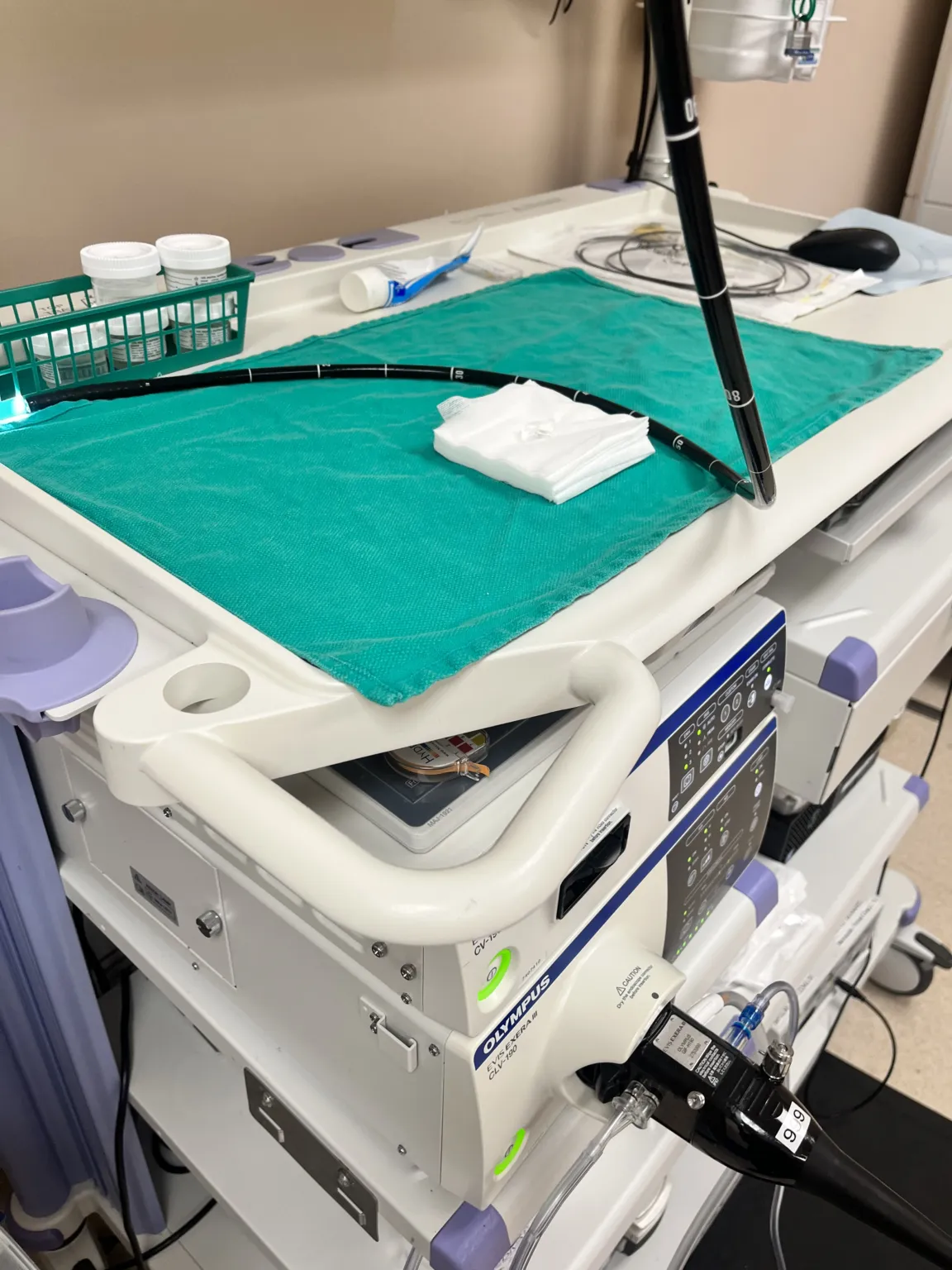
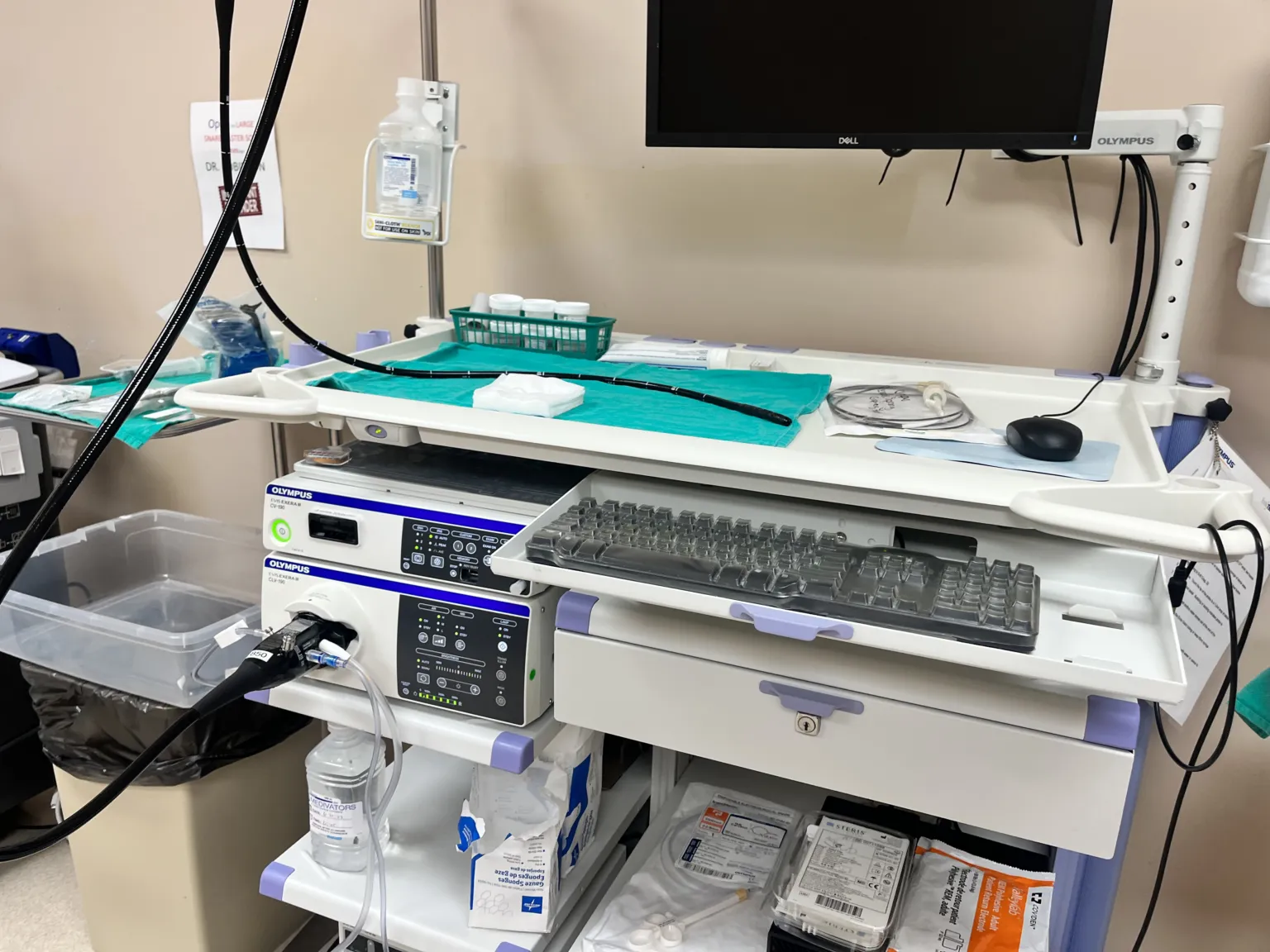
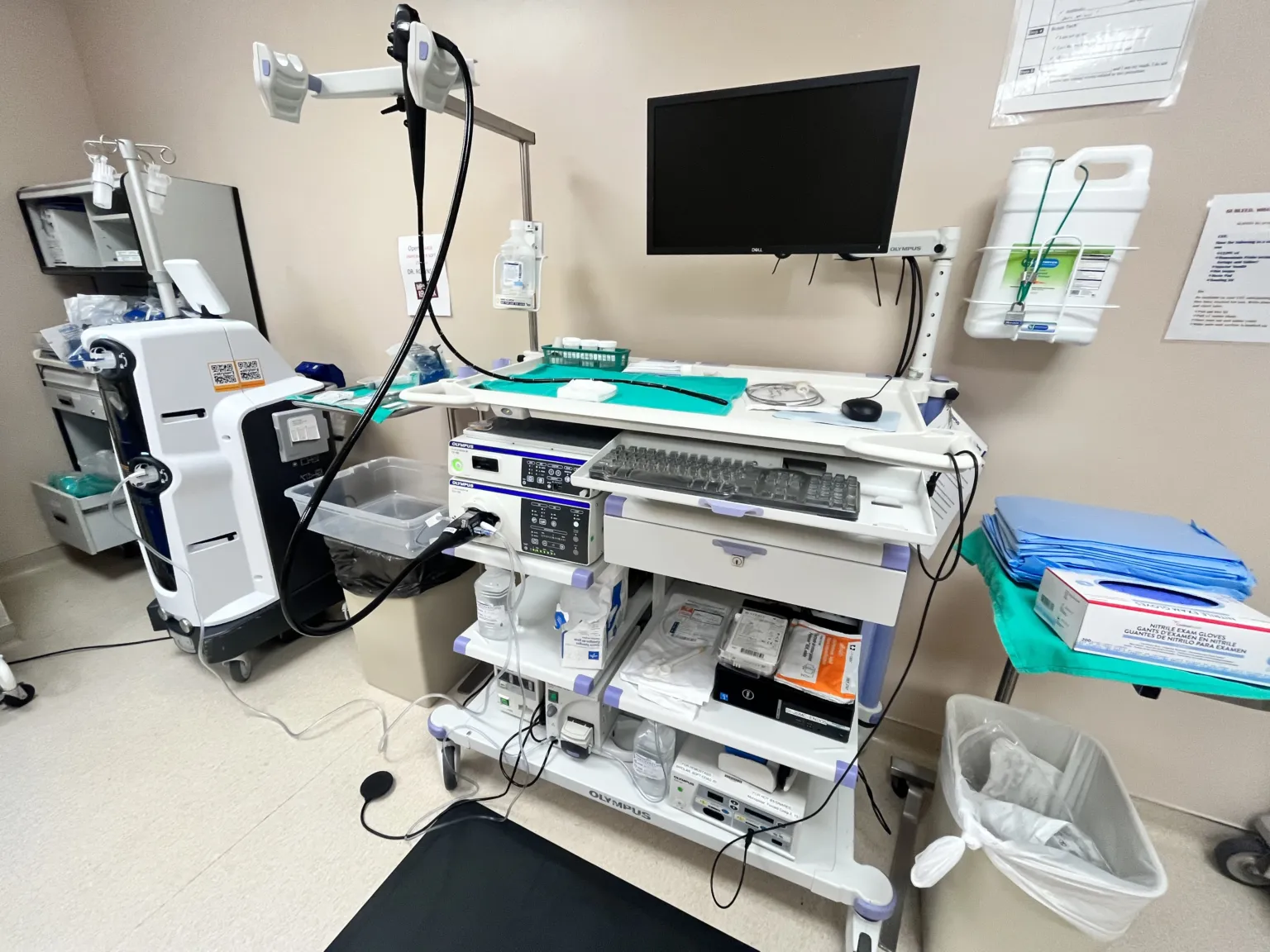
Surgical instruments
1 on this table. Tap a photo to zoom, the name for its card.
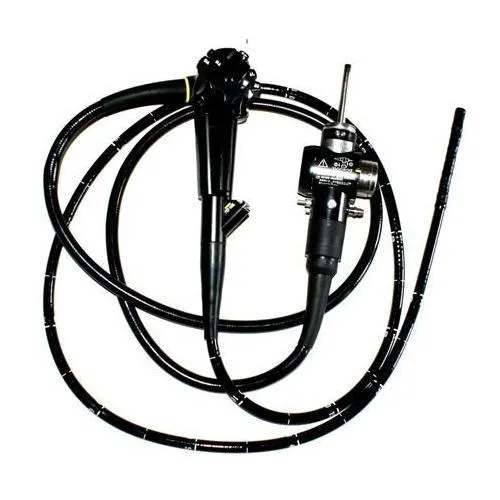
The case
Spark notes
The 30-second rundown. Scan this outside the room.
- Patient sedation and positioning on side.
- Colonoscope lubrication and insertion into rectum.
- Scope advancement through colon while searching for abnormalities.
- Biopsy instruments used for taking tissue or polyps.
- Saline flushing used for poor visualization.
Walkthrough
What the surgeon does, and what to have in your hand before they ask.
Patient Preparation
Before starting the procedure, the patient is usually sedated and placed on their side. Additionally, they are instructed to drink clear liquids for around 24 hours before the colonoscopy. This helps to ensure that there are no solid particles in the way of the doctor's view.
Lubrication and Insertion of Colonoscope
The surgeon begins by putting lubricant on the colonoscope and then inserts it into the rectum. They will advance the scope through the colon while looking for any abnormalities. At this stage, only a simple colonoscope is needed.
Biopsy
If the surgeon sees any abnormalities, they may want to take biopsies. In this case, a long snare is used to remove any polyps, or a long flexible cup forcep may be used to take a piece of tissue.
Tips and tricks
If the surgeon's visualization is poor, they may use a large syringe filled with saline to flush through the scope. This helps to clear the view and makes it easier to identify any abnormalities.
Colonoscopies are very routine, and usually a simple scope is all you need. Other times the surgeon will want to take biopsies if they see abnormalities. A long snare may be used if there are any polyps, and a long flexible cup forcep may be used if the surgeon wants to take a piece of tissue.
Add your table
Every surgeon runs it a little differently. Submissions stay private, are reviewed by our team, and accepted contributions earn a credit in the contributor list.