Back table and Mayo stand setup, for every case.
How surgical techs lay out the sterile field in the order it's needed, and 250+ real setups that show what goes on the table for each procedure, in the free app too.
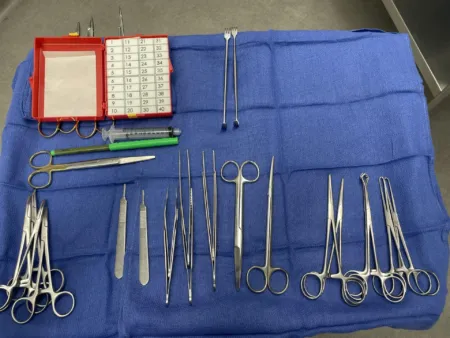
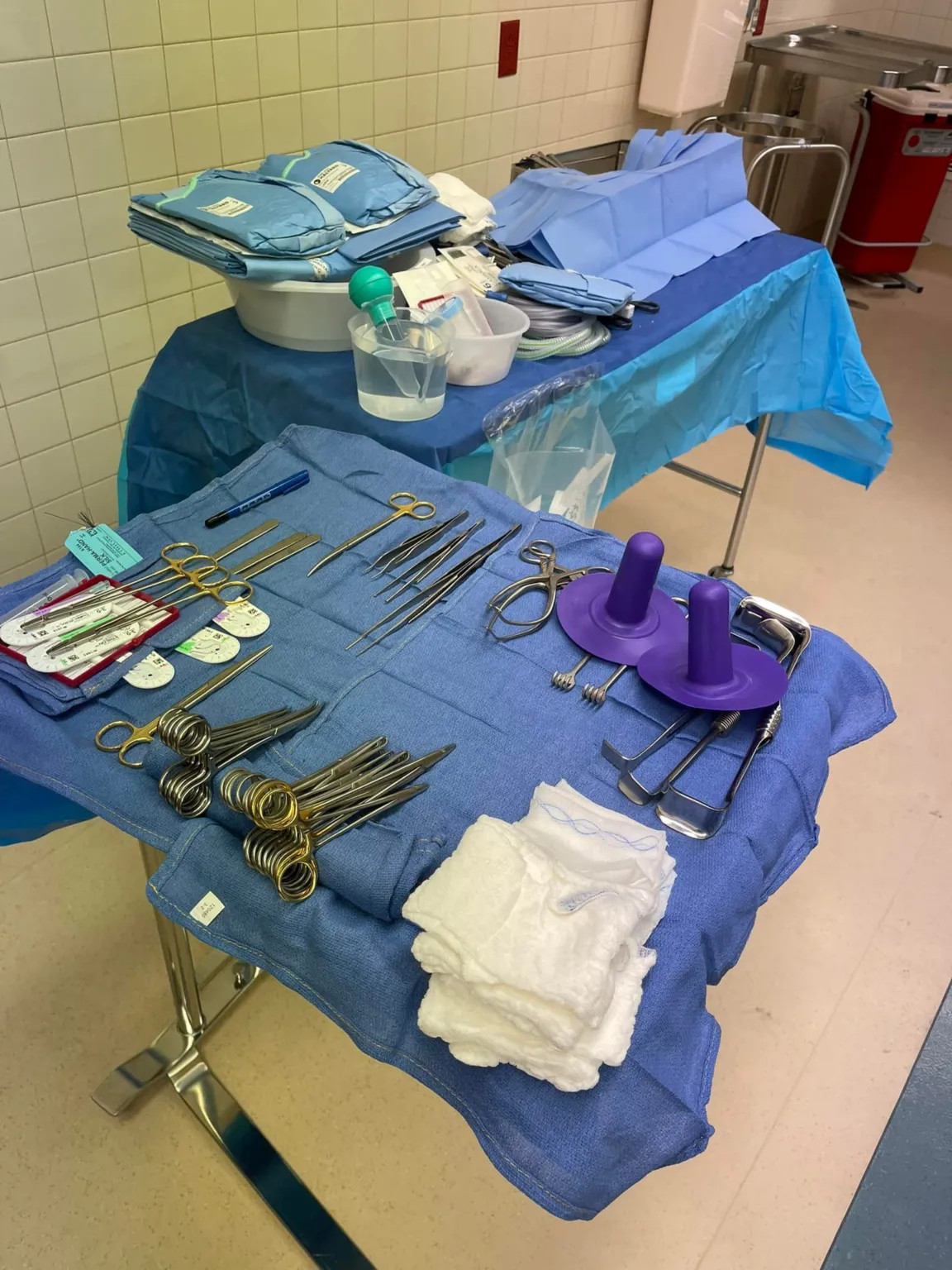 Simple Mastectomy31 instruments on the back table
- setups, by procedure
- 250+
- specialties
- 10
- instruments to build them from
- 2,800+
- General setups, free
- 60
The back table holds the case. The Mayo holds the next few minutes.
There's no one right way: the surgeon, the facility and the tech all shape a setup, and many ORs standardize theirs so anyone covering a break can find everything. This is the routine most programs teach.
The back table
The big sterile work surface, and the first thing you set up. Everything opened for the case lives here in zones: the instruments, sutures, sponges, drapes, the spares and anything you won't need right away.
The Mayo stand
A small table with one open end that rolls in over the patient, in front of you. Its height adjusts to the field. It holds only what starts the case and what gets passed again and again.
Set it up in thirds.
Divide the table into three zones and give everything one home. Standing on the other side? Mirror it.
Working area
Beside you and the Mayo: what you'll reach for during the case.
- Sutures, in the order they'll be used
- Sharps on the needle counter
- Sponges, grouped by type
- Extra instruments on a rolled towel
- Solutions and medications, labeled
Instruments
The instrument pan, or its instruments laid out on a rolled towel.
- Grouped by job: cutting, clamping, grasping, retracting
- Ring handles up, with room at the towel's edge so they don't tip off
Gowns, gloves and drapes
Stacked in the order they'll be used, first on top.
- Towel, gown, towel, gown
- Extra gloves
- Drapes, the first one on top
Handle each thing once
Put it where it lives and leave it. Shuffling items around costs time and risks contamination.
Group like with like
Sutures, sponges, sharps, clips and syringes each in one place. It makes the count faster.
One task at a time
Finish it, then move on. Stay centred and keep your movement over the field small.
An empty basin is space
Once the basin set is unpacked, the ESU pencil, light handles and suction tubing can wait in one.
Keep it lean. Keep it the same.
Drape it first
It doubles your sterile space. Keep your hands inside the cover's cuff as you ease it over the open end.
Towel on top
One or two towels cushion the instruments and stop a needle going through the cover.
Start with what starts the case
Sponges, knife handles with the blades on, scissors, forceps, a few clamps, shallow retractors and ties. The ESU pencil and holster go up as soon as the patient is draped.
Take one from each job
Cutting, clamping, grasping and retracting, and the Mayo covers what the surgeon asks for first.
Same instruments, same spots
The same number in the same place every case keeps you quick and the count easy.
Ratchets on the first click
They won't spring open as you pass them, and they open easily in the surgeon's hand.
Go long as you go deep
As the surgeon works deeper, swap short instruments for long ones from the back table.
Simple Mastectomy
31 instruments. Picking the Mayo means taking from each row.
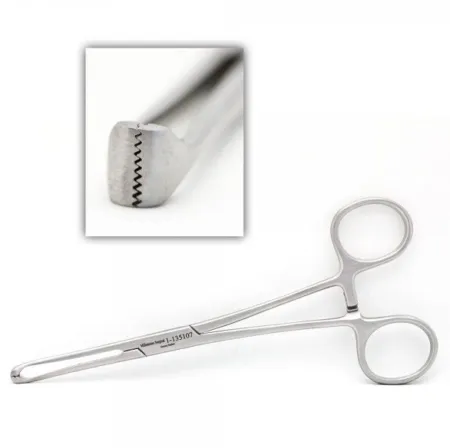 Allis Forceps
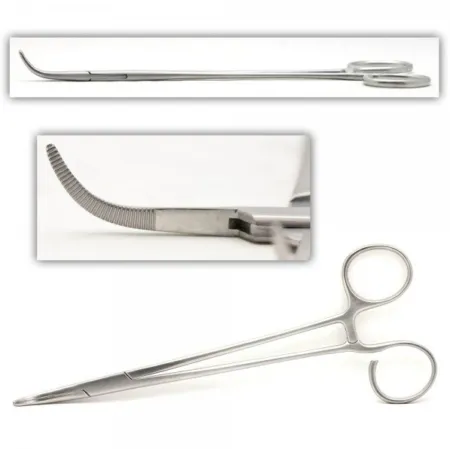 Tonsil Clamp
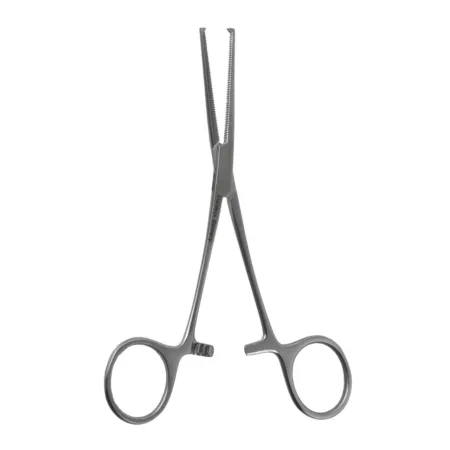 Kocher Forceps
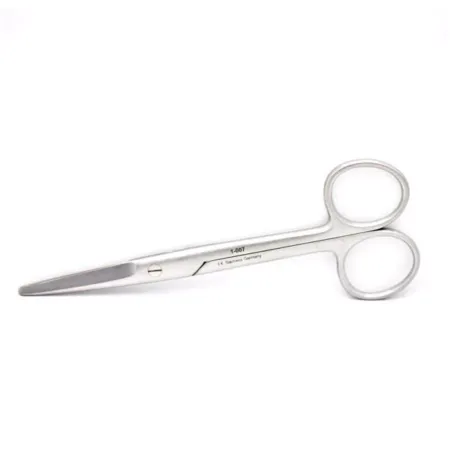 Straight Mayo Scissor
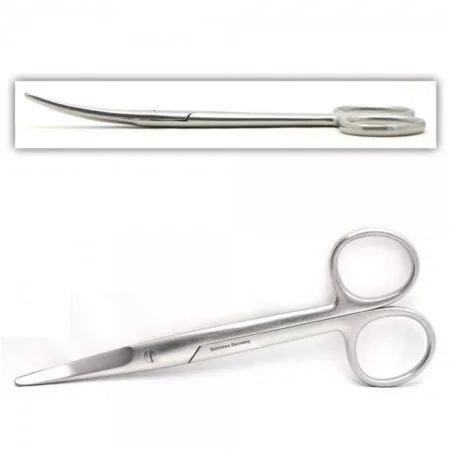 Curved Mayo Scissor
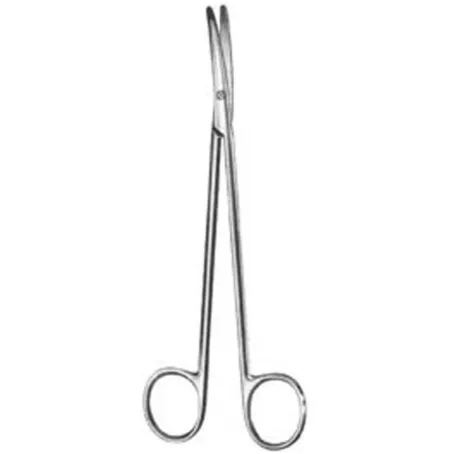 Metzenbaum Scissor
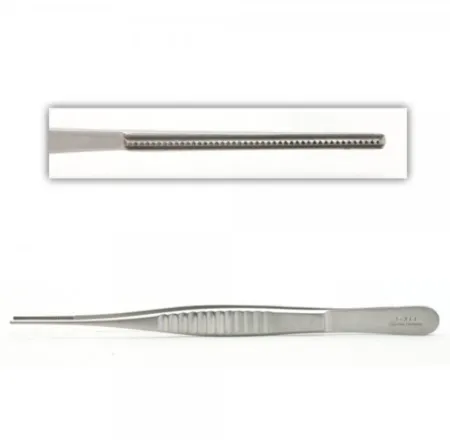 DeBakey Forceps
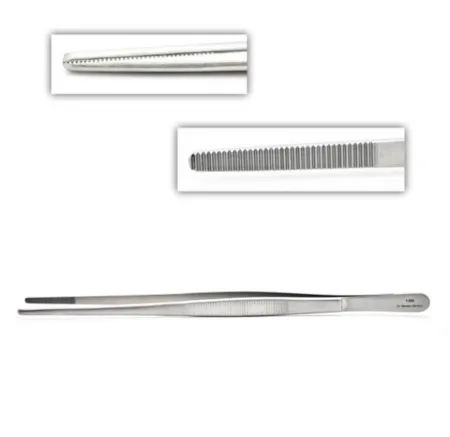 Non-Toothed Pickup
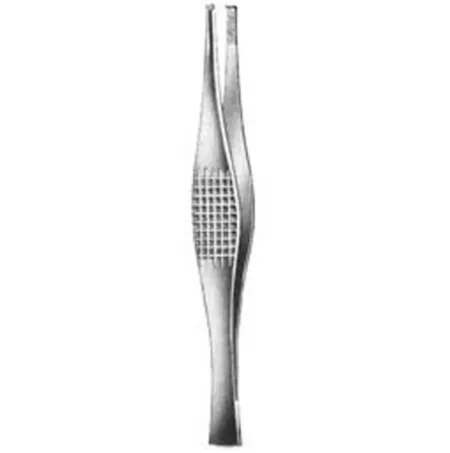 Ferris Smith Tissue Forceps
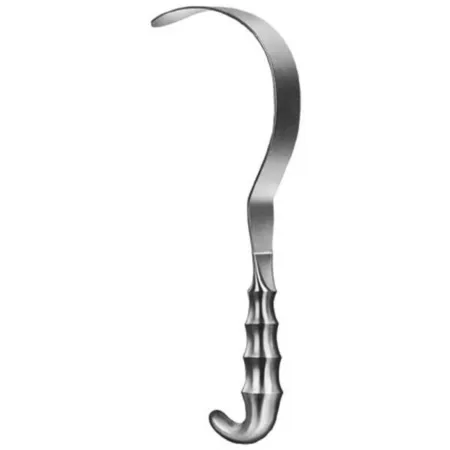 Deaver Retractor
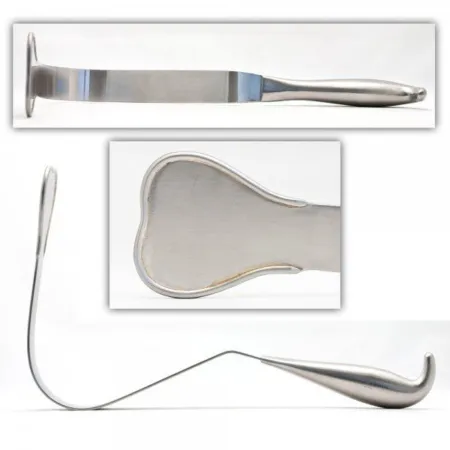 Harrington Retractor
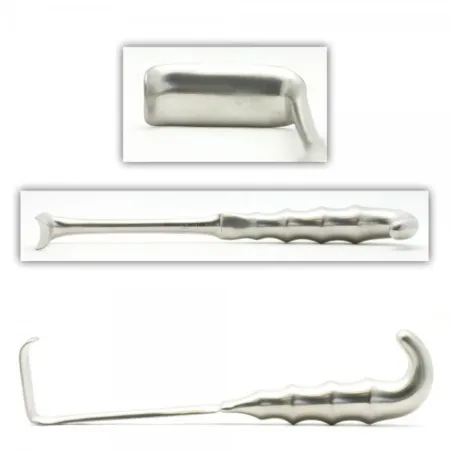 Richardson Retractor
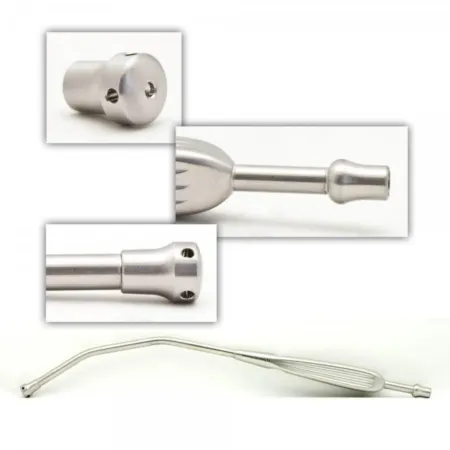 Yankauer Suction
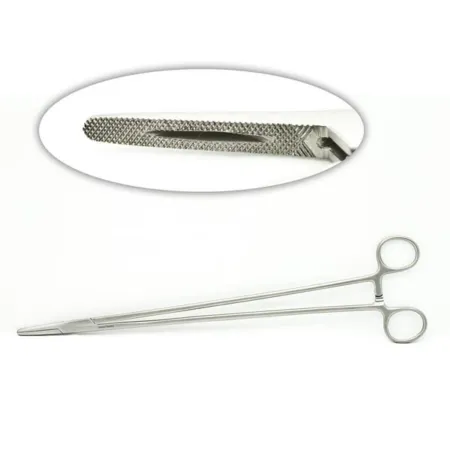 Mayo-Hegar Needle Holder
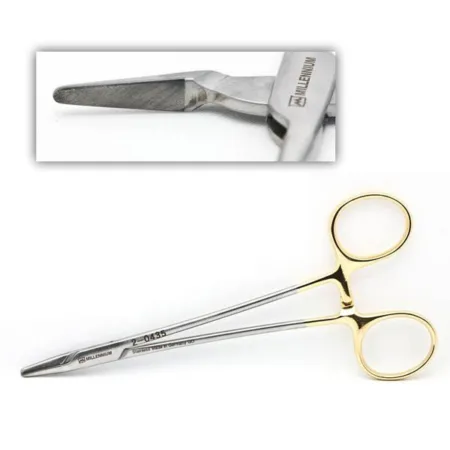 Crile Wood Needle Holder
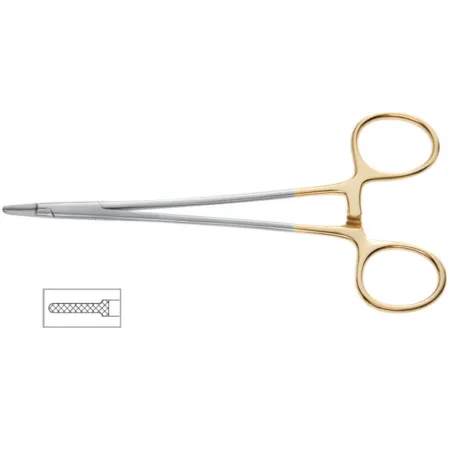 Ryder Needle Holder
Setting up a case, in the order it's needed.
Ready what the case starts with first. If the patient rolls in early, you can still begin.
Read the preference card
It lists the surgeon's instruments, supplies, sutures, glove size and draping routine. Pull the extras before you open anything.
Open large to small
The back table pack goes first, centred, and opens into the sterile surface everything else lands on. Check each package for its indicator, tears and water marks.
Gowns and gloves on their own table
Open them on a small separate table, never on the back table. Then scrub, gown and glove.
Drape the Mayo
Cover it, then lay a towel or two on top.
Stack the linens
Towels and gowns in order of use, and the drapes with the first one on top.
Pencil, light handles, suction
Into an empty basin, ready to go up as soon as the patient is draped.
Load the Mayo
Mount the blades and set out the starting instruments.
Sponges, sutures and sharps
Grouped by type on the back table, sharps on the magnetic counter, ready to count.
Open the instrument tray
Lift the inner tray straight up out of its container and check the indicator inside before you use anything. Lay the instruments out by job.
Count with the circulator
In the same order every time, each item seen and said out loud by you both.
Then everything else
The rest is secondary setup. Give yourself at least 20 minutes for a major case, and never leave an open room unattended.
Every case has its own table.
250+ procedures, each with the instruments on its back table, the positioning, the drapes and the case step by step. General is free.
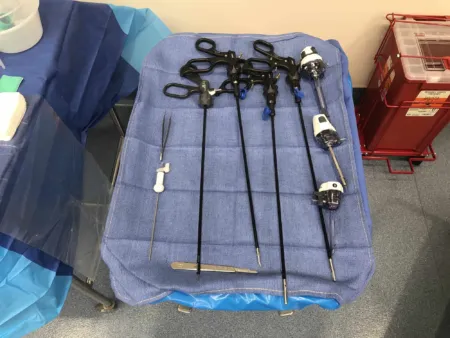
Laparoscopic Appendectomy
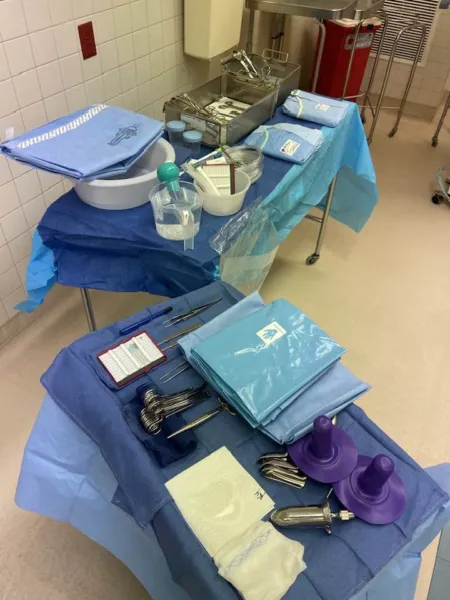
Rectal Exam Under Anesthesia (EUA)
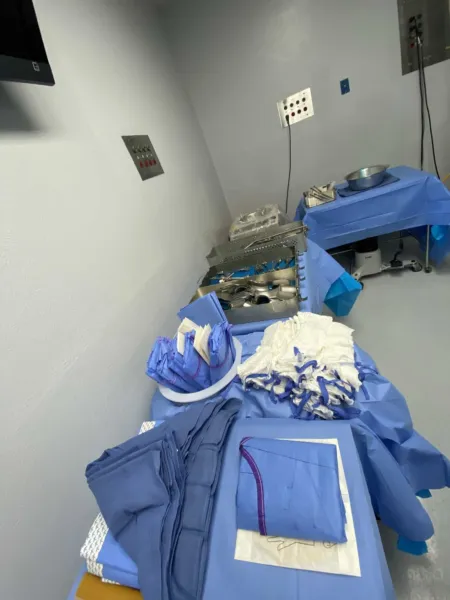
Liver Transplant - Recipient
Scar Revision
Every setup is also a flashcard deck.
Its instruments become flashcards, a practice test and a timed exam, so you know the Simple Mastectomy table before you scrub it.
Freewith an account
- Browse all 2,882 instrument cards: names, photos and what each one is for
- Every General setup in full, photos and walkthrough included
- 5 practice questions a day for your exam
- Build and share your own setups
Everything in free, plusthe part you study with
- All 259 setups across every specialty, with the real photos from the room and the full walkthrough
- The parts of an instrument card that come from years at the table: cautions, inspection, how to pass it, and every operation it is laid out for
- Flashcards on any tray, scheduled so each instrument returns right before you would forget it
- Exam prep for the CST, TS-C, CRCST, CSPDT and CSFA: endless practice and full timed exams, written to each exam's outline
- Practice tests built from the live catalogue, with the reason you got it wrong
- Timed exams that tell you whether you really know a tray, and rank you against everyone else studying it
- A daily lesson that grows as your exam date gets closer
Every setup, in your pocket.
The CSTSetup app has every back table in setup mode and flashcard mode, so you can run through tomorrow's case on the way in. It's free to download, and every General setup is free inside it. One account and one Pro, on the site and in the app.
Setting up, answered.
What goes on a Mayo stand?
The instruments that start the case and get passed the most: knife handles with blades, scissors, tissue forceps, clamps, shallow retractors, sponges and ties. Keep it to a few from each job, and restock it from the back table as the case goes deeper.
What goes on the back table?
Everything else opened for the case, in zones: a working area beside you for sutures, sharps, sponges and extra instruments; the instruments laid out by job; and gowns, gloves and drapes stacked in order of use. Basins and medicine cups sit at the edge.
How do you drape a Mayo stand?
Slide the cover over the open end with your gloved hands well inside its folded cuff, so they never touch the stand. The circulator can pull the bottom edge down for you. Then lay one or two towels on top.
Is there one right way to set up?
No. Surgeon preference, the facility and the tech all change it, and many ORs standardize so whoever covers a break can find everything. What matters is a routine you repeat on every case.
How long does a setup take?
Allow at least 20 minutes for a major case, and more for a complex one. Open as close to the start as you can, and keep an open room watched the whole time.
What is a preference card?
The surgeon's list for a case: instruments, supplies, sutures, glove size, the draping routine and notes. The setups here are the shared version, and you can make your own for each surgeon.
Walk in knowing the table.
Pro opens every setup in every specialty, with its flashcards, practice test and timed exam.