Hemorrhoidectomy
This surgery involves the surgical excision of dilated, symptomatic hemorrhoidal veins and redundant rectal mucosa from the anal canal. The anatomical goal is the removal of prolapsed or thrombosed vascular cushions to restore normal anorectal anatomy.
17 instruments to master.
Master this setup: test yourself on every instrument, earn the tier, hold the record.
No site record yet · target 6:47
Study flashcards
Card by card, grade yourself · 17 cards
Practice test
Answer, see why · all 19
Take the exam
19 questions · target 6:47
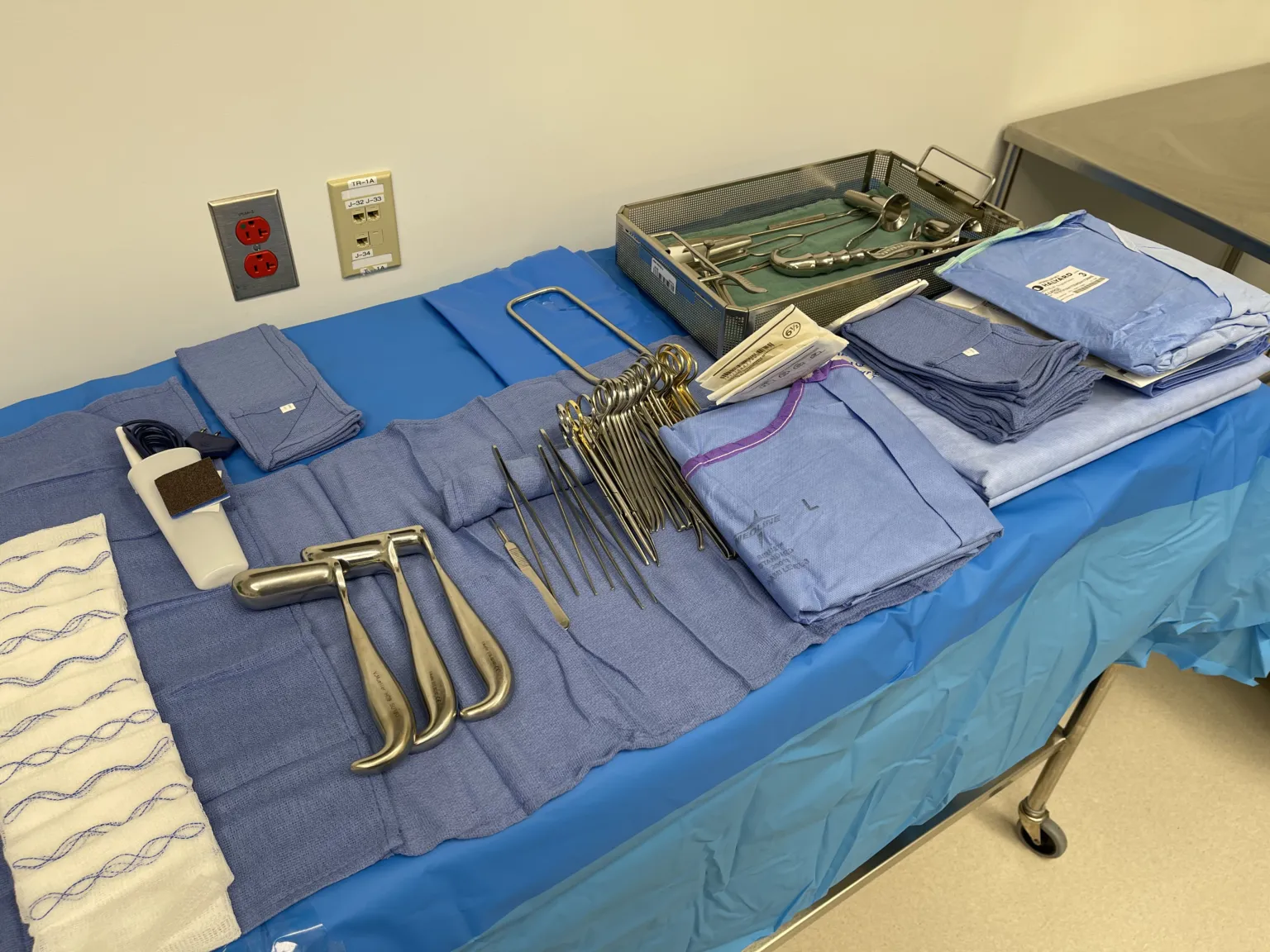
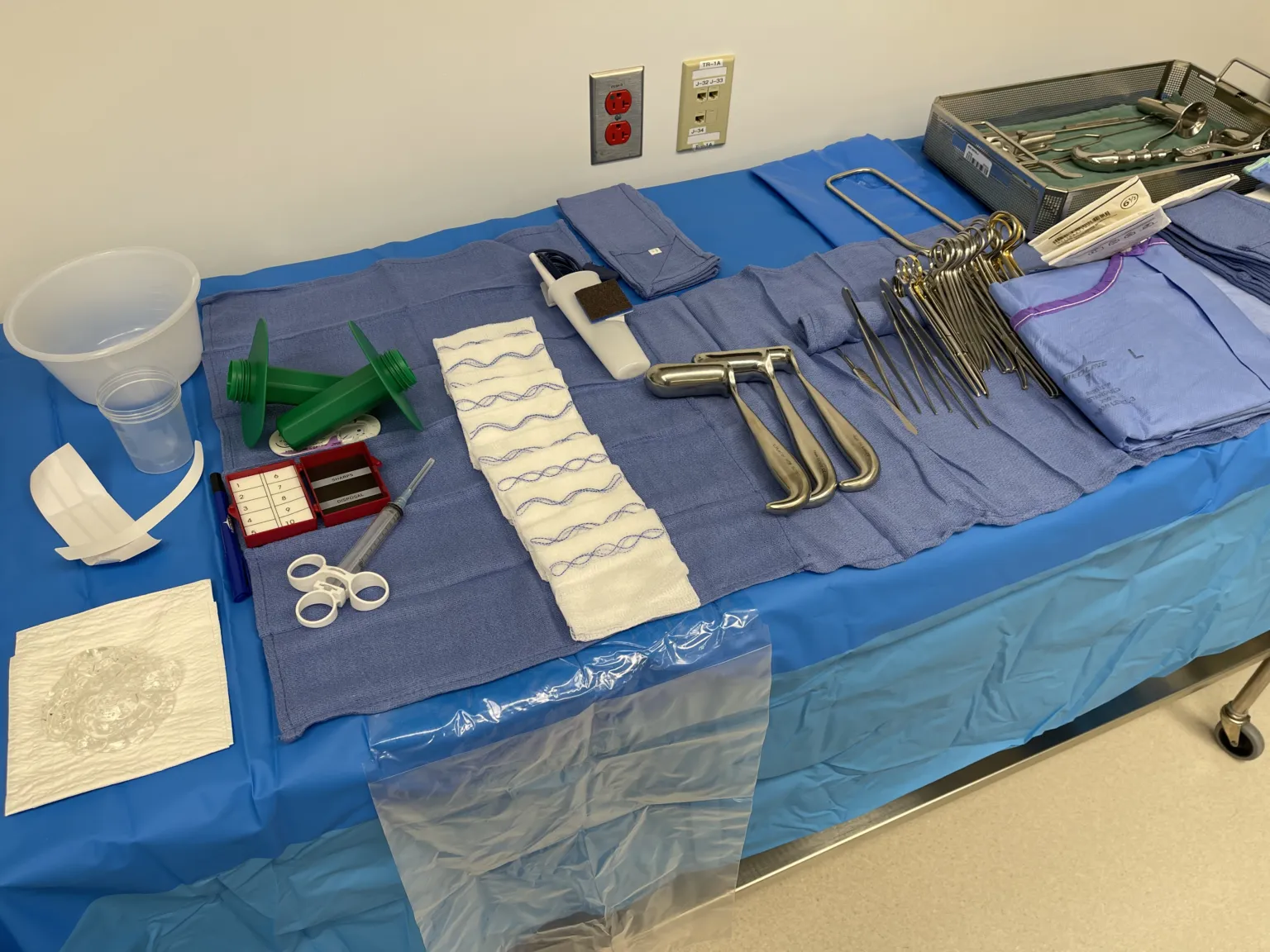
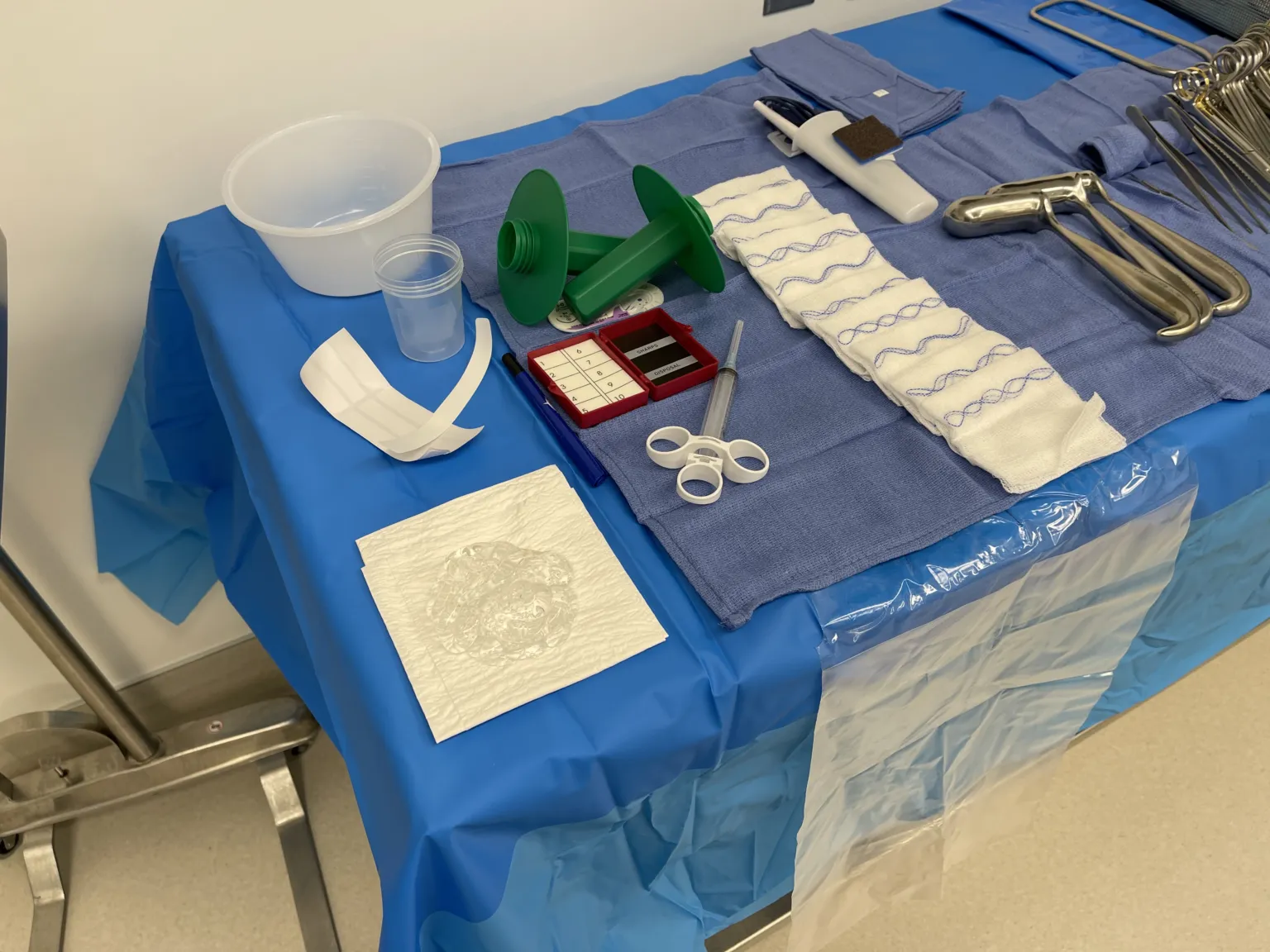
Surgical instruments
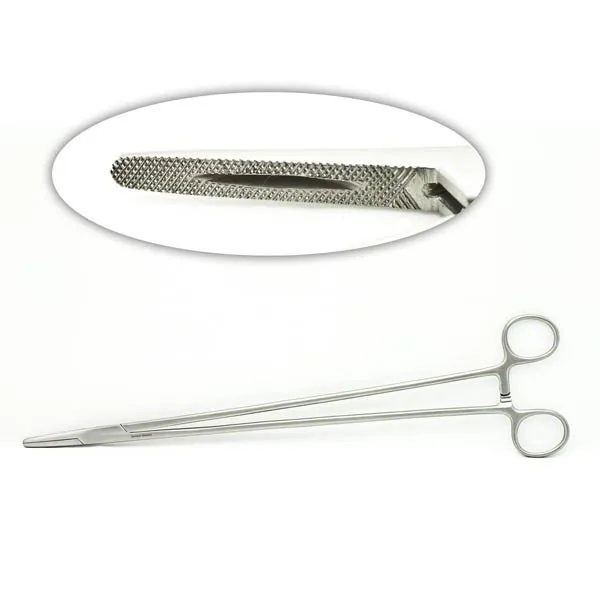
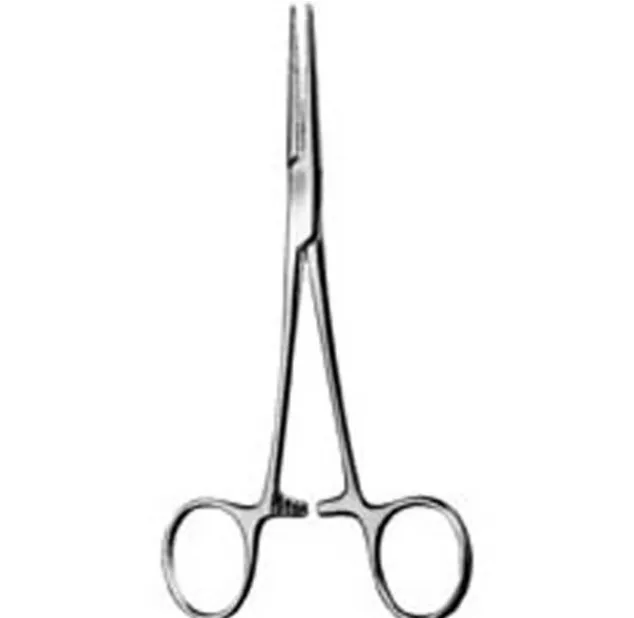
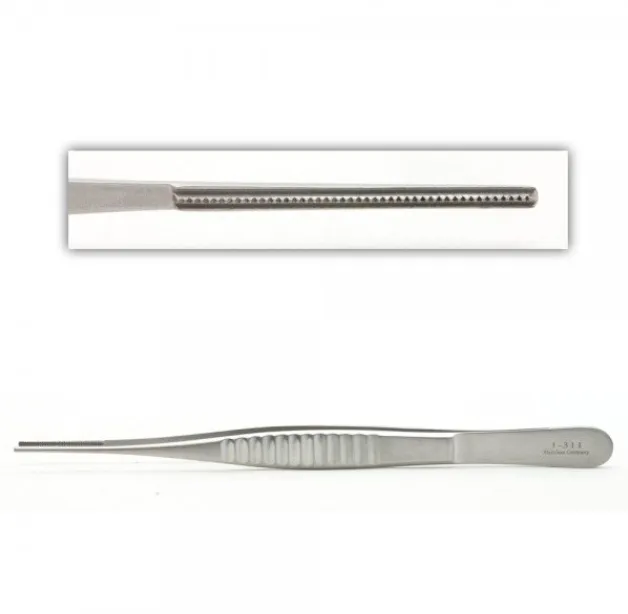
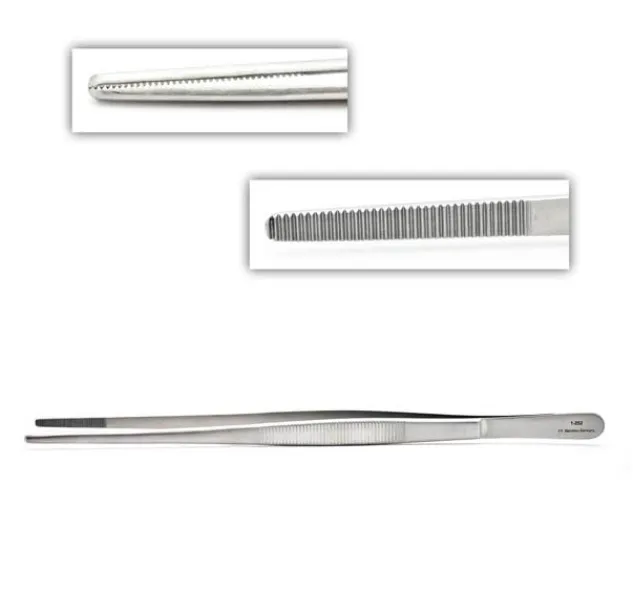
17 on this table. Tap a photo to zoom, the name for its card.
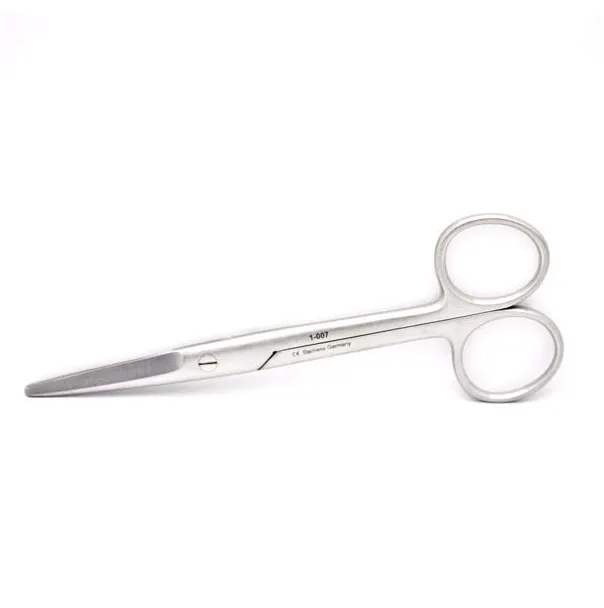
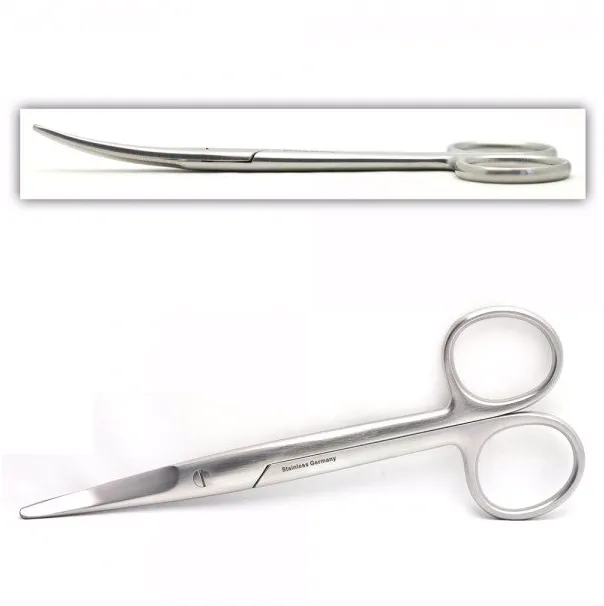
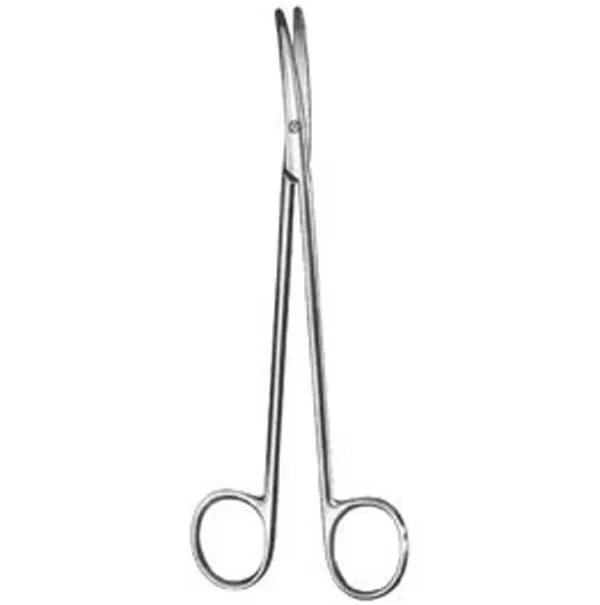
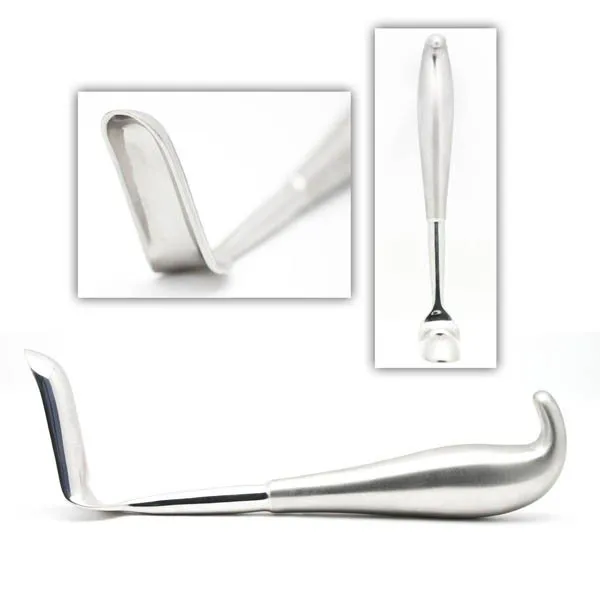
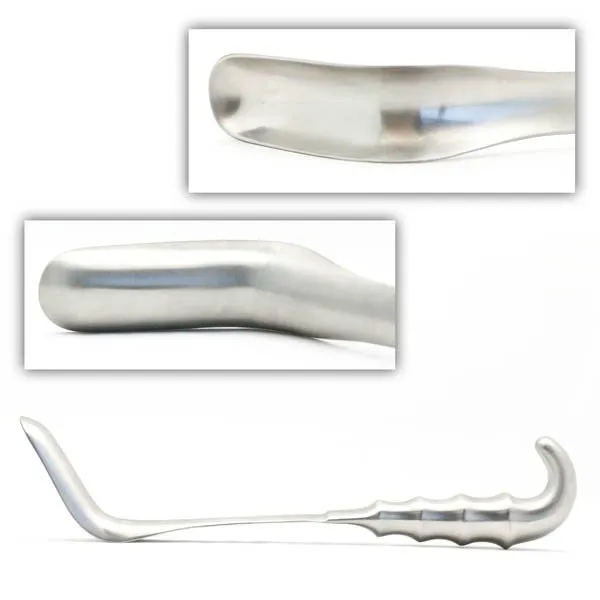
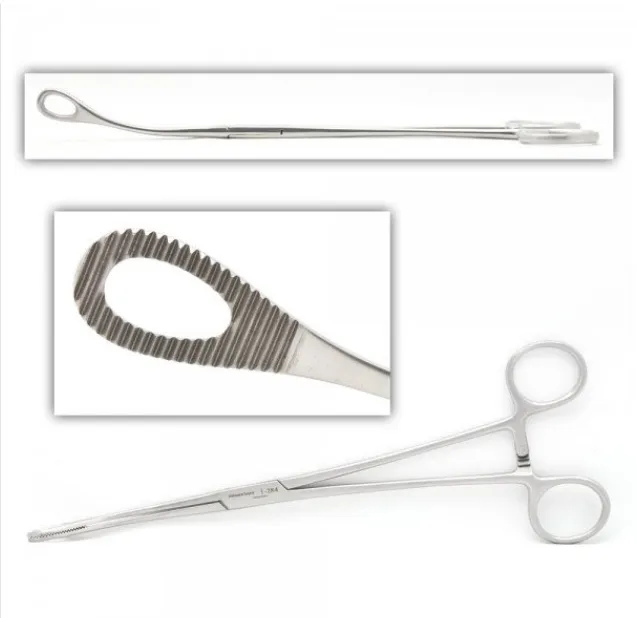
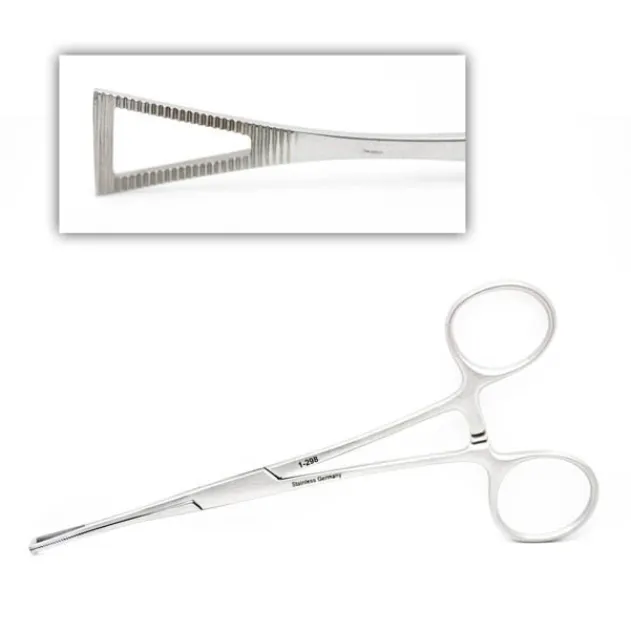
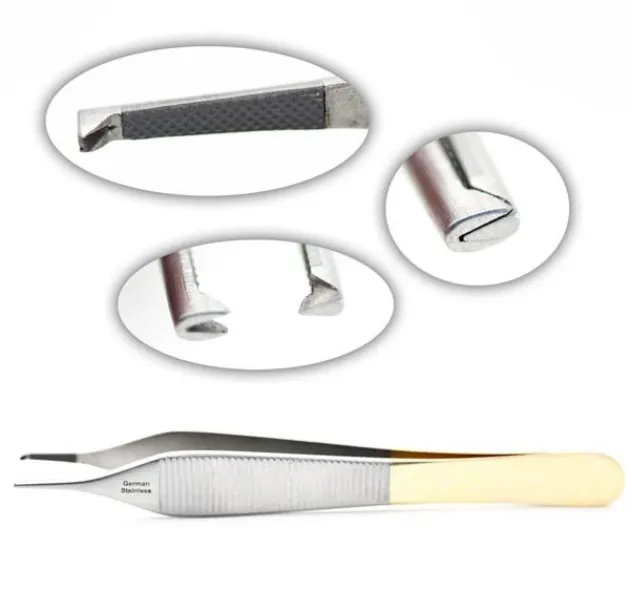
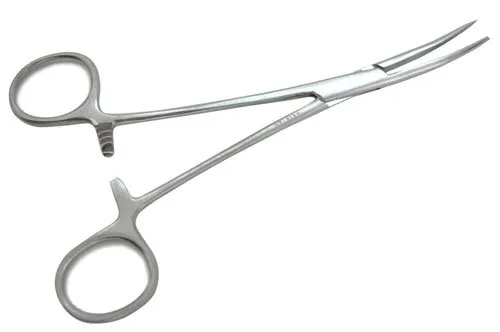
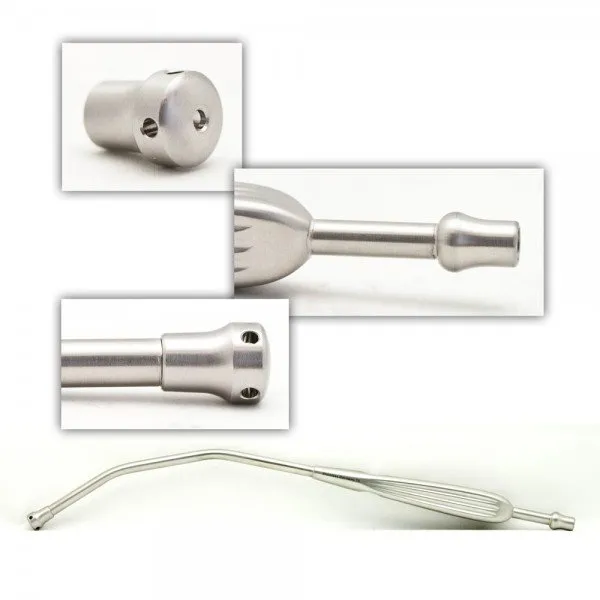
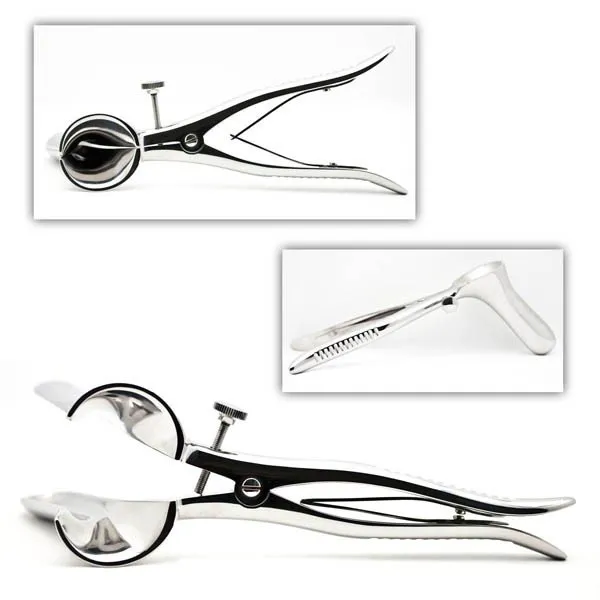
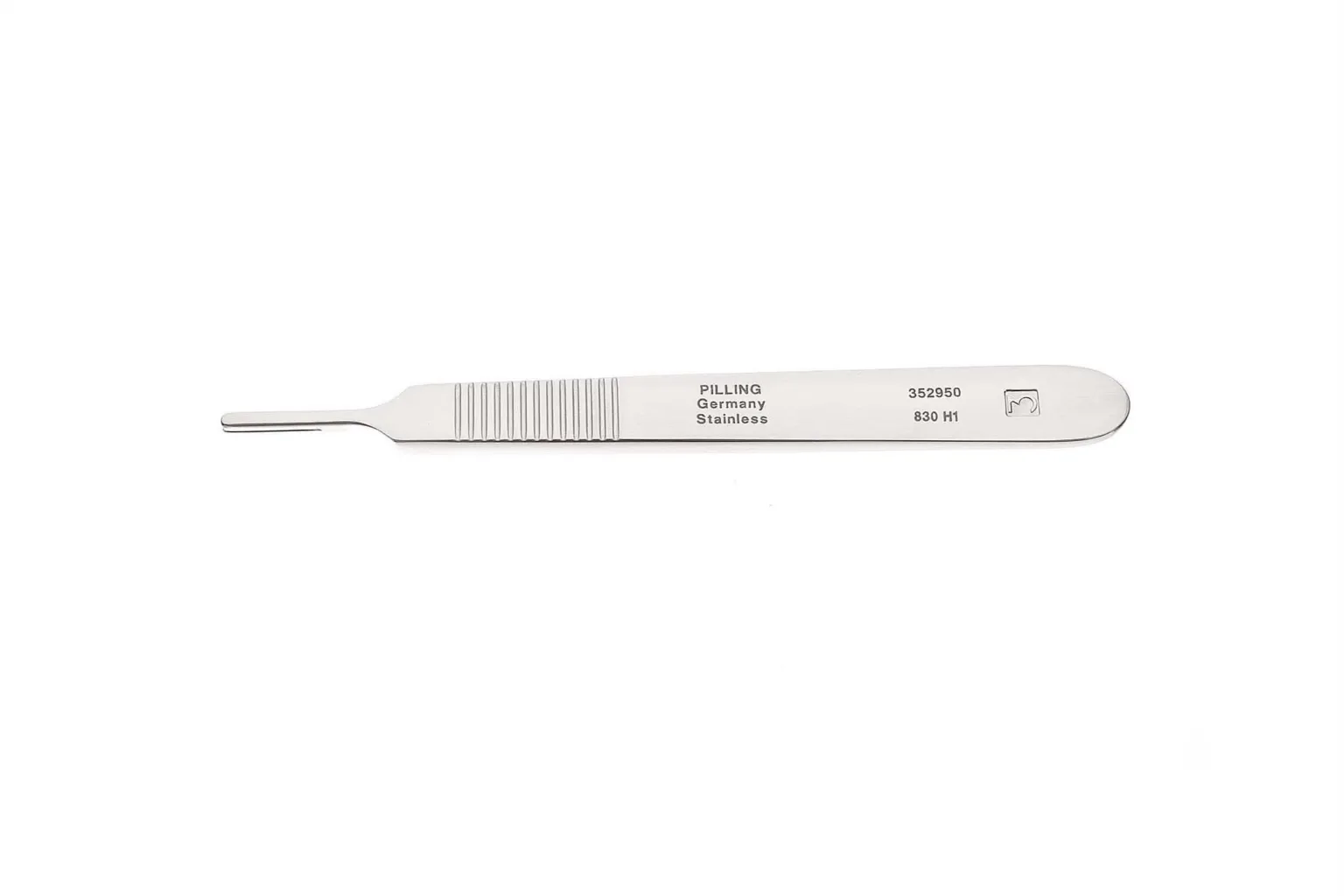
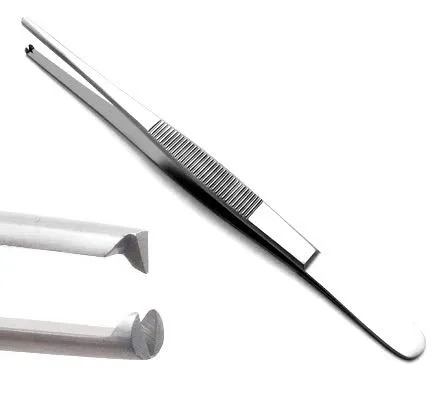
The case
Spark notes
The 30-second rundown. Scan this outside the room.
- Visualize hemorrhoids using rectal speculum or hill ferguson retractor.
- Grasp hemorrhoids with toothed pickup, DeBakey clamp, or Pennington clamp.
- Remove hemorrhoids with scalpel and cautery or laser.
- Dress wound with packing gauze and potentially suture incisions.
Walkthrough
What the surgeon does, and what to have in your hand before they ask.
Visualizing the Hemorrhoids
To begin the Hemorrhoidectomy, the surgeon will need to visualize the hemorrhoids. This can be done using a rectal speculum or a hill ferguson retractor, which will provide a clear view of the area.
Grasping the Hemorrhoids
Once the hemorrhoids are visualized, the surgeon will need to grasp them using a toothed pickup, DeBakey clamp, or Pennington clamp. These instruments will allow the surgeon to firmly grasp the hemorrhoids and manipulate them as needed.
Removing the Hemorrhoids
After the hemorrhoids are grasped, they will be removed using a scalpel and cautery. In some cases, a laser may be used instead of a scalpel. The surgeon will carefully cut away the hemorrhoids while using cautery to control bleeding.
Dressing the Wound
After the hemorrhoids have been removed, the surgeon may decide to use sutures to close the incisions. This will depend on the depth of the incisions and how much skin was removed. Once the incisions are closed, the wound will be dressed with packing gauze to promote healing.
Tips and tricks
Lubricant needs to be used when inserting retractors. Hemorrhoids will be sent as specimens. Most of the time suture is not used. I always make sure to suction all of the bovie plume that goes into the air. It is really bad to breathe in, and plus, it smell terribly. Usually, the patient is either positioned in prone or lithotomy. On very rare occasions, jackknife position may be utilized, but that isn’t a position that is used often anymore.
Add your table
Every surgeon runs it a little differently. Submissions stay private, are reviewed by our team, and accepted contributions earn a credit in the contributor list.