Inguinal Hernia Repair
This procedure involves the reduction of herniated viscera back into the abdominal cavity and the reinforcement of the weakened inguinal canal wall. The repair typically utilizes a synthetic mesh to strengthen the transversalis fascia and prevent recurrence.
16 instruments to master.
Master this setup: test yourself on every instrument, earn the tier, hold the record.
No site record yet · target 6:07
Study flashcards
Card by card, grade yourself · 16 cards
Practice test
Answer, see why · all 17
Take the exam
17 questions · target 6:07
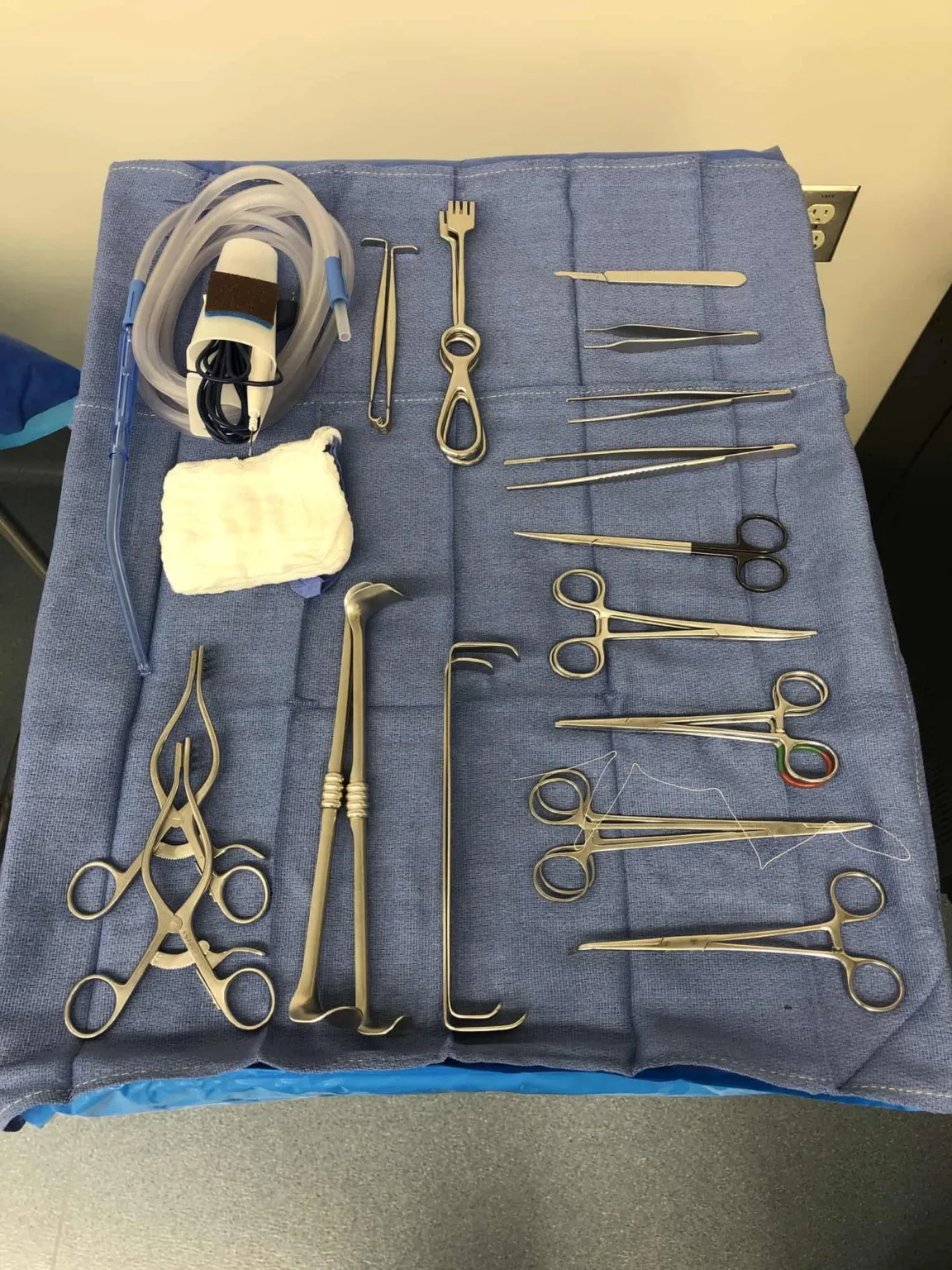
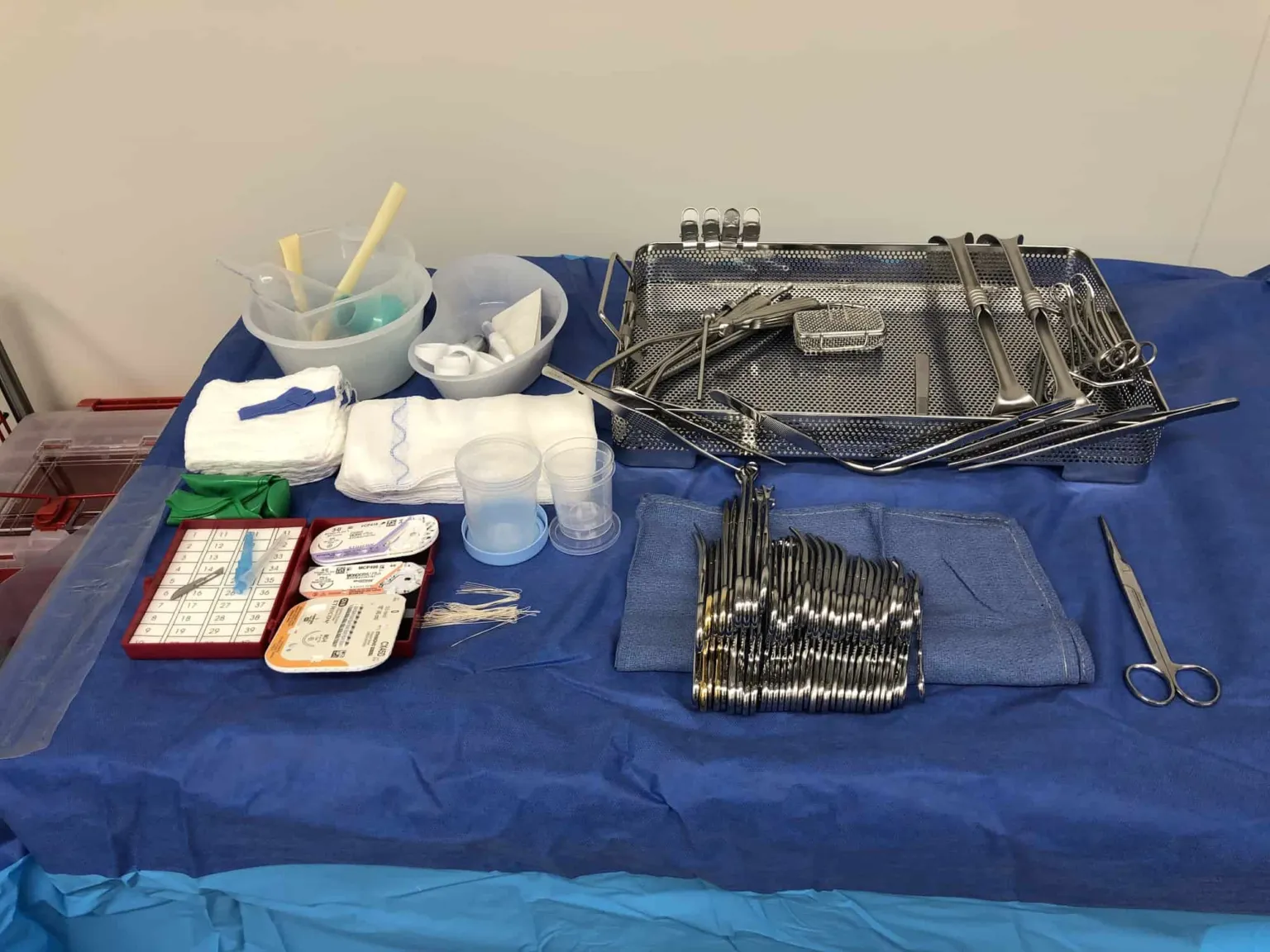
Surgical instruments
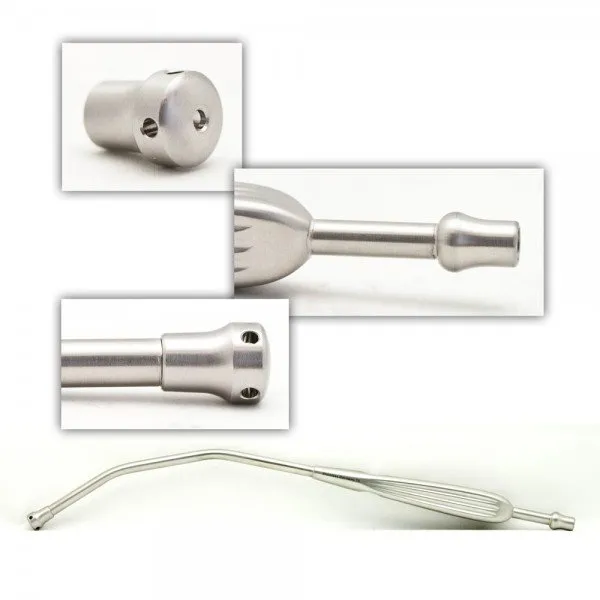
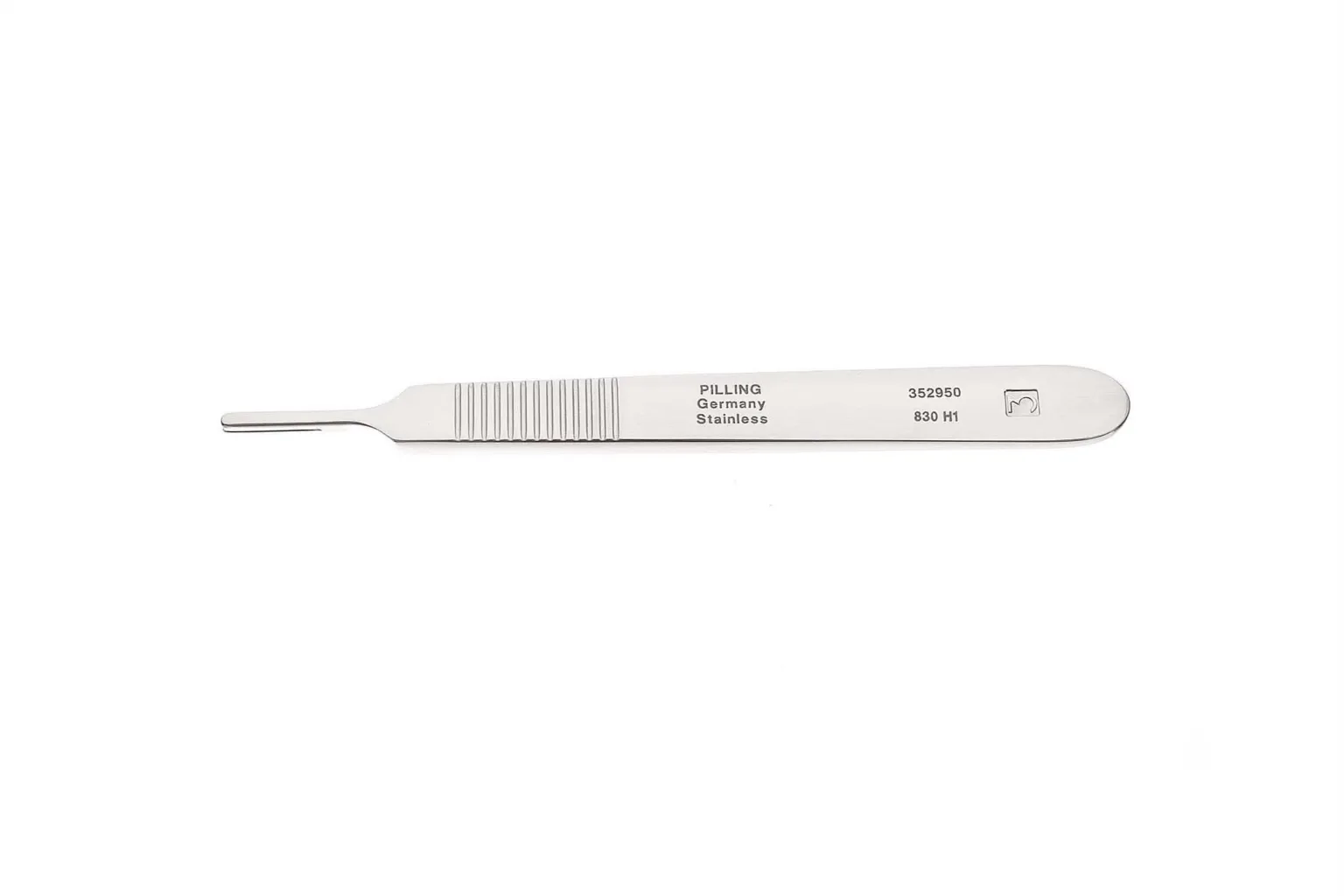
16 on this table. Tap a photo to zoom, the name for its card.
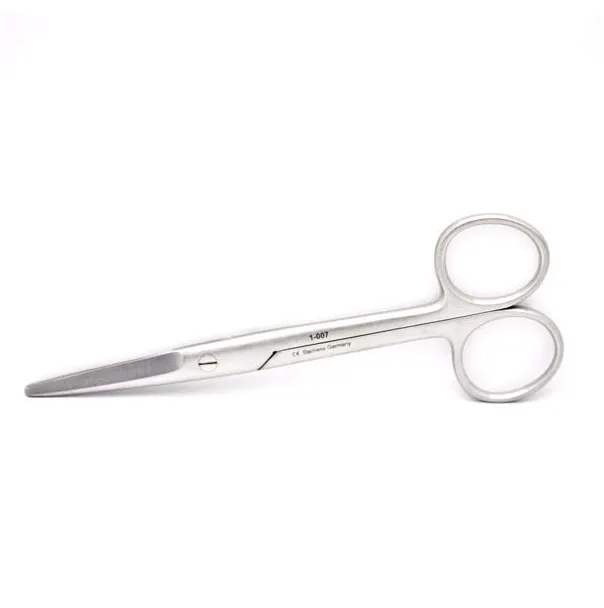
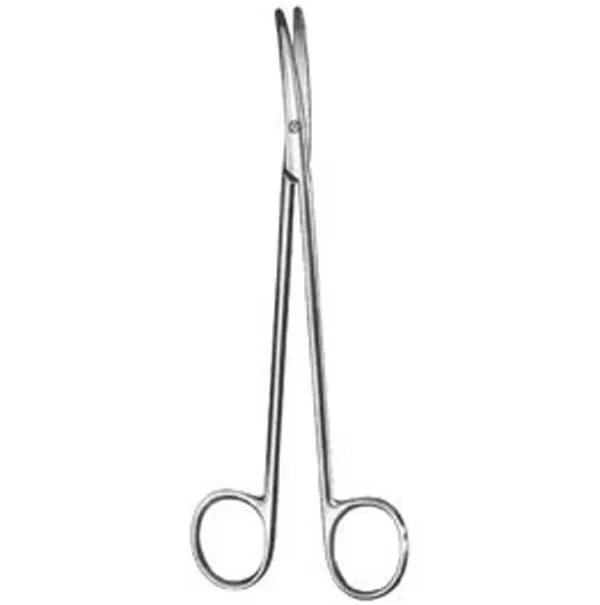
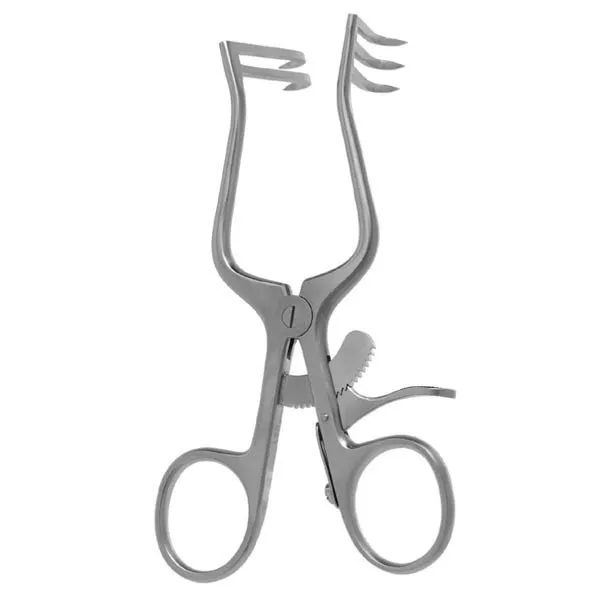
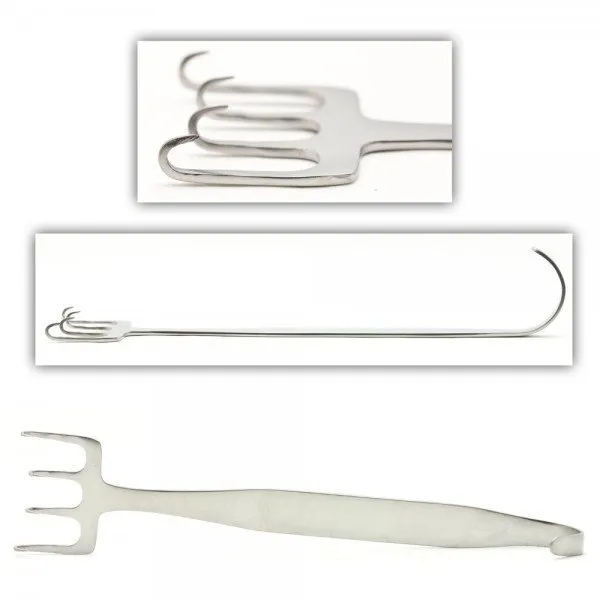
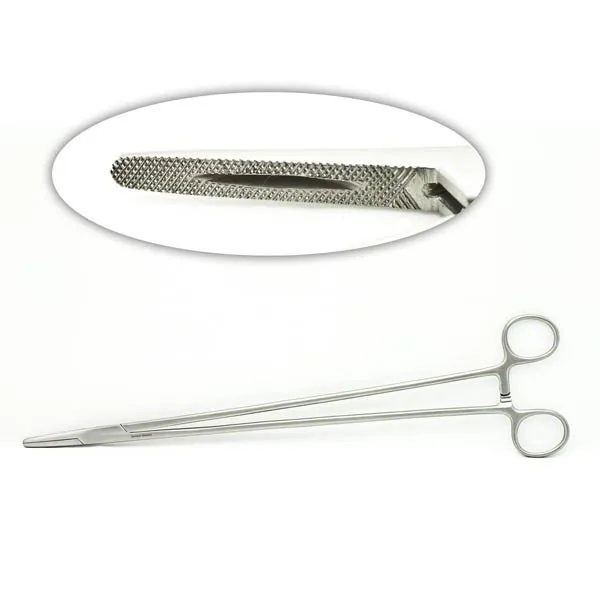
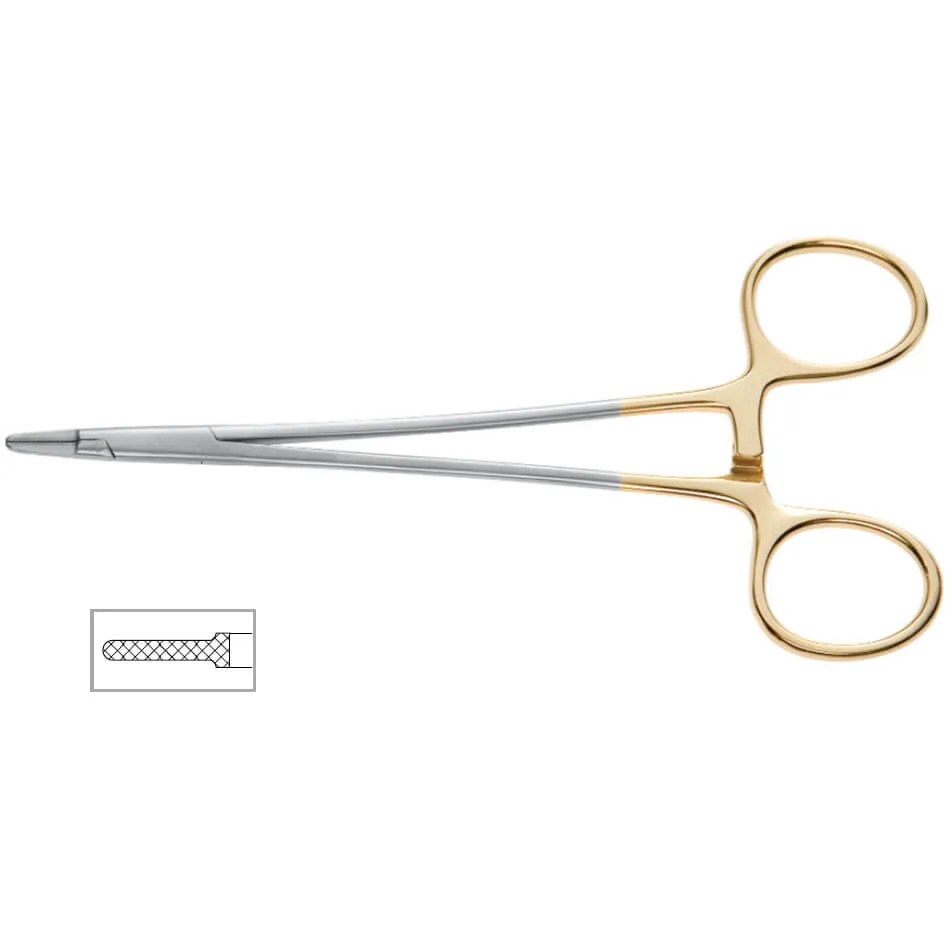
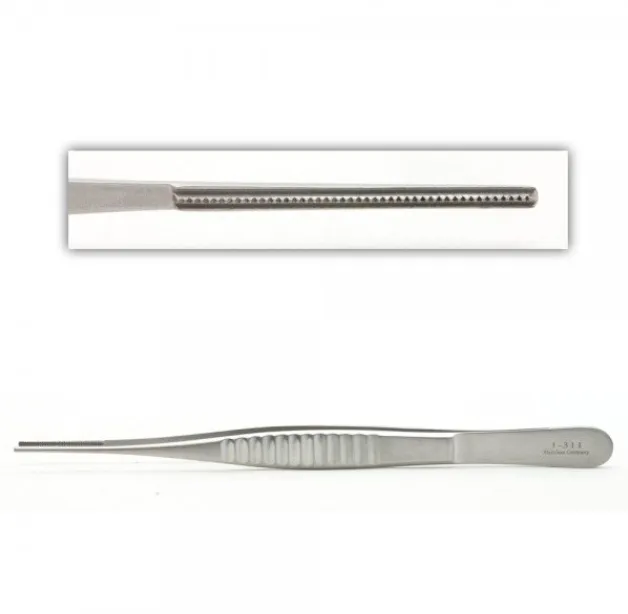
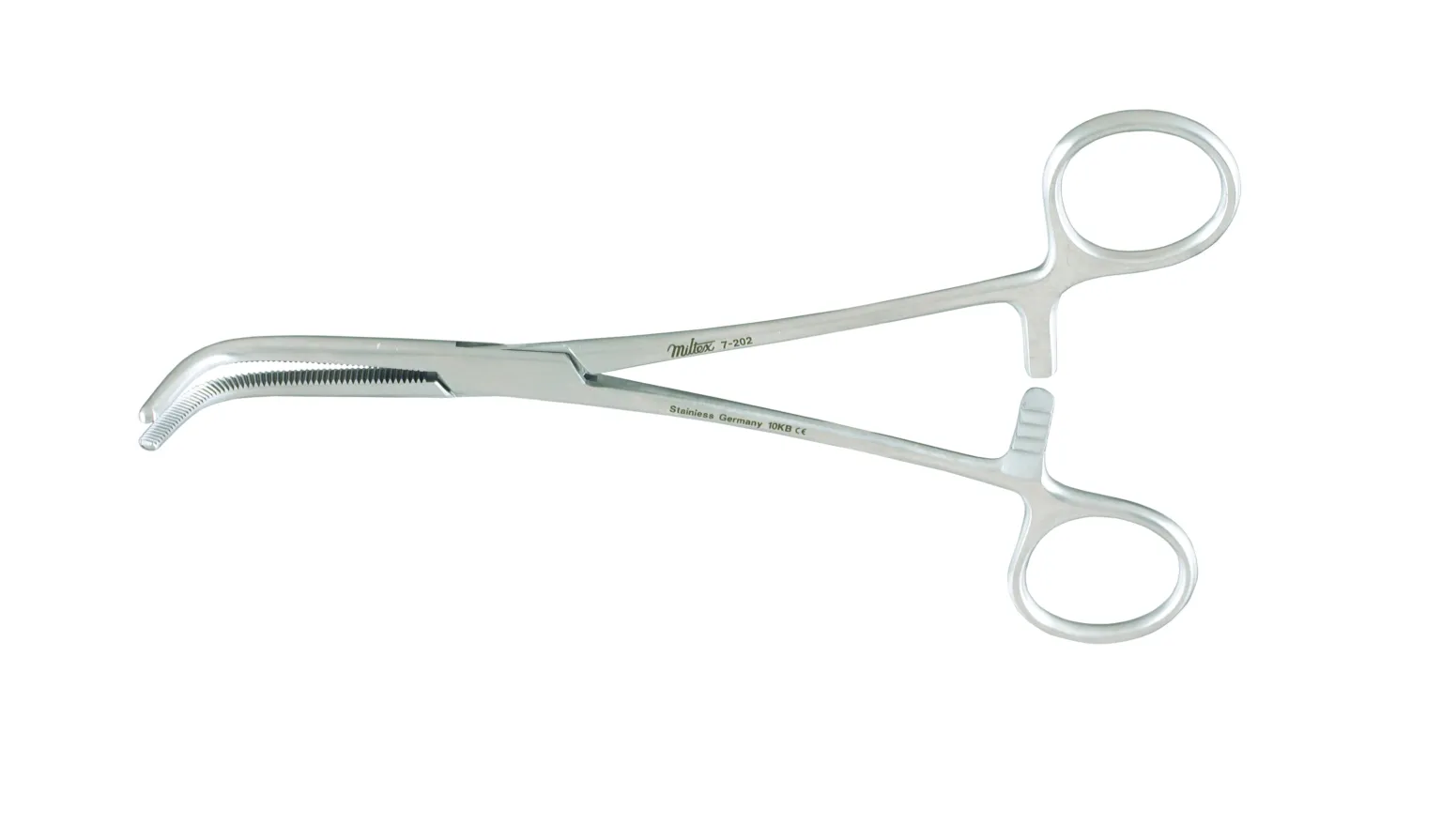
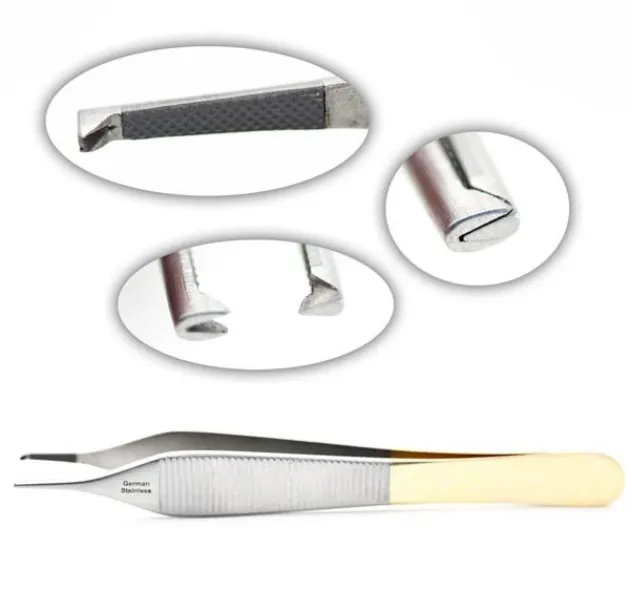
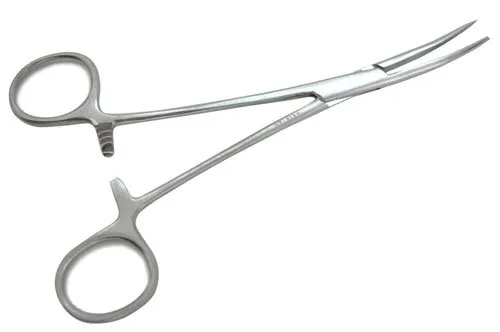
The case
Spark notes
The 30-second rundown. Scan this outside the room.
- Incision made with 15 blade, dissect with bovie, Metz, and DeBakey forceps
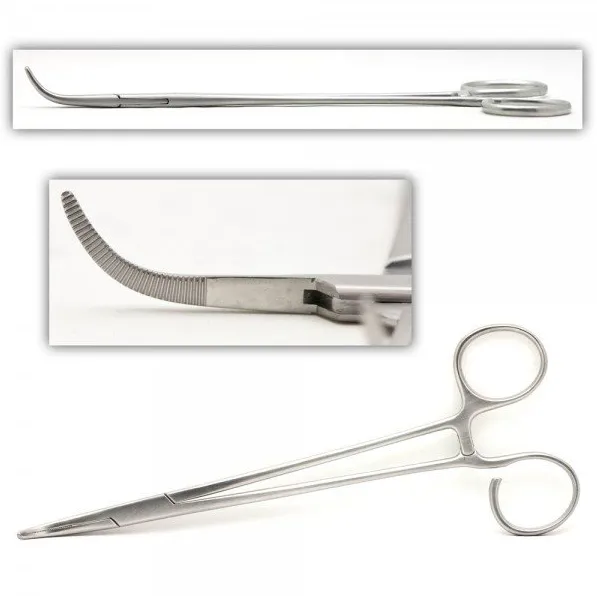
- Use Penrose drain wet with saline to hold back cord, clamp with Kelley
- Free hernia sac, send as specimen or consider trash
- Place mesh around cord, suture with needle driver and 0 or 3-0 Prolene
- Close incision in layers with absorbable suture and skin glue
Walkthrough
What the surgeon does, and what to have in your hand before they ask.
Incision and Dissection
The first step in an inguinal hernia repair involves making an oblique incision above the inguinal ligament using a 15 blade loaded on a #3 knife handle. Once the incision is made, the surgeon will use a bovie, metz scissors, hemostats, adsons, and debakey forceps for dissection. The bovie is used for cutting through tissue while the metz scissors are used for dissecting and cutting delicate tissue. Hemostats and adsons are used for grasping and holding tissues during dissection. Debakey forceps are used for delicate dissection and handling of tissue.
Retraction
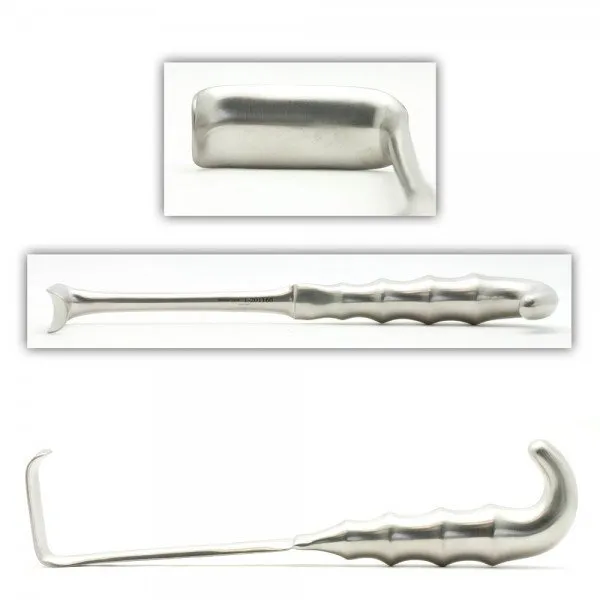
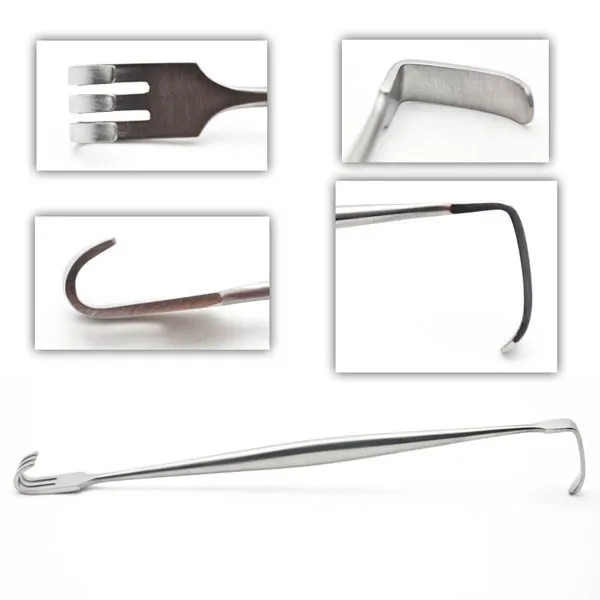
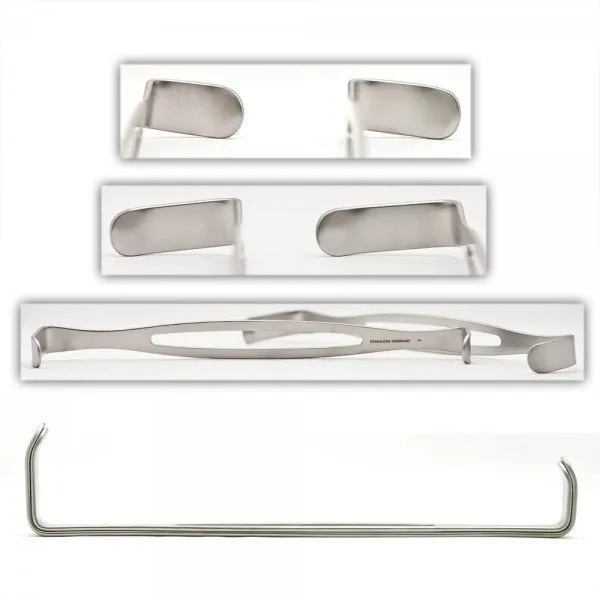
Retraction is an essential step in inguinal hernia repair. Weitlaners, army-navy’s, and Richardson retractors of various sizes are commonly used for retraction during surgery. These instruments are used to hold tissues and organs aside to provide a clear surgical field for the surgeon.
Identification
Identification of the hernia sac and cord is essential for a successful inguinal hernia repair. A Penrose drain that has been wet with saline is used to hold back the cord for easy identification. The drain is clamped to the drape using a Kelley clamp to prevent it from slipping. Care should be taken not to damage the vas deferens during the identification process.
Hernia Repair
Once the hernia sac has been identified, it is freed and either sent as a specimen or discarded. A piece of mesh is placed around the cord to prevent the hernia from recurring. Suturing is done using a medium-sized needle driver and commonly 0 or 3-0 Prolene. Debakey forceps are used for handling delicate tissue, and straight suture scissors are used for cutting the suture. The sutures are placed all along the mesh to ensure that there are no gaps where the hernia could recur.
Closure
The incision is then closed in layers. The deepest layer is usually closed with an absorbable suture, like 3-0 Vicryl, while the skin is closed with either a 3-0 or 4-0 Nylon or Monocryl.
Dressing
For dressing, skin glue is applied onto the incision site, and a dressing sponge topped with a Tegaderm or Opsite is used to hold it in place. It is essential to ensure that the glue is completely dried before applying anything on top. Some surgeons prefer to only use glue for dressing.
Tips and tricks
Cautery and suction will need to be passed off to be used during the case. Some surgeons do not want a suction thrown off because they don’t think they will need it. I always keep one at least in the room, just in case. It usually ends up being opened.
Add your table
Every surgeon runs it a little differently. Submissions stay private, are reviewed by our team, and accepted contributions earn a credit in the contributor list.