Anesthesia
How the team takes away pain and awareness for surgery, watches the patient through it, acts fast when anesthesia goes wrong, and hands the patient on to recovery.
1Why it matters
anesthesiaan-us-THEE-zhuhLoss of feeling or sensation, often brought on by drugs so that surgery or a procedure can be done without pain.an- withoutesthesi/o feeling, sensation-ia conditionFull entry means "without sensation." Its goal in surgery is to let the patient get through the operation without pain while the body stays in a safe, balanced state, called homeostasishoh-mee-oh-STAY-sisThe body's way of keeping its inside conditions, such as temperature, fluids and blood sugar, steady.home/o same-stasis standing still, staying the sameFull entry . Many of today's operations are possible only because of it.
Anesthesia is also one of the most dangerous parts of any operation. The drugs that take away pain and awareness also take away the reflexREE-fleksAn automatic body response to something that stimulates it, which happens without thought, such as the knee jerk.Full entry that keep a person alive: breathing, swallowing, coughing, blinking and shivering. The anesthesia provideran-us-THEE-zhuh pruh-VY-derThe licensed professional who gives anesthesia and watches over the client's breathing and vital functions during a procedure.Full entry watches those functions continuously, and the whole team helps.
You have a part in it. You keep the room quiet at inductionin-DUK-shunThe starting of a process on purpose, such as bringing on labor or putting a client under anesthesia.Full entry , hand the anesthesia provider what they need, apply cricoid pressure when asked, track every local anestheticLOH-kul an-es-THET-ikA drug that blocks feeling in one part of the body without making the person unconscious.Full entry on your field, warm the patient, and know your job in a cardiac arrestKAR-dee-ak uh-RESTThe sudden stop of the heart's pumping, so blood no longer reaches the brain and body.Full entry , malignant hyperthermiamuh-LIG-nunt hy-per-THER-mee-uhA rare inherited reaction to certain general anesthesia drugs in which the muscles' metabolism speeds up out of control.mal- badhyper- above normaltherm heat-ia conditionFull entry or a severe allergic reactionsuh-VEER uh-LUR-jik ree-AK-shunAn allergic reaction strong enough to affect breathing, circulation or several body systems at once, not just the skin.Full entry . AST asks surgical technologistSUR-jih-kul tek-NOL-uh-jistA member of the operating room team who prepares the sterile field and instruments and hands them to the surgeon.Full entry to know the signs of these emergencies and to act as another pair of eyes in the room.
This chapter starts with the words and the people of anesthesia, then the patient's assessment, the types of anesthesia and the drugs given before surgery. Then come the equipment and the monitors, the vital signs and their normal values, general anesthesiaJEN-er-ul an-es-THEE-zhuhDrug-induced loss of consciousness and feeling over the whole body, so a person feels nothing and is not aware during surgery.an- withoutesthesi/o feeling, sensation-ia conditionFull entry from induction to emergence, sedationsih-DAY-shunA calm, relaxed or sleepy state brought on by drugs, or the use of drugs to cause it.sed calm, settle-ation processFull entry , and regional and local anesthesiaLOH-kul an-es-THEE-zhuhNumbing medicine applied to or injected into one small area, so a procedure there is not felt while the person stays awake.Full entry . It ends with your role, keeping the patient warm, the child under anesthesia, the emergencies, and the recovery room (PACU).
Other chapters teach what it leaves out: the neuromuscularnoor-oh-MUS-kyuh-lerHaving to do with both nerves and muscles, or with the place where a nerve meets a muscle.neur/o nervemuscul/o muscle-ar relating toFull entry junction, and how malignant hyperthermia starts in the muscle cell, in chapter 2; the autonomic nervous systemaw-tuh-NOM-ik NUR-vus SIS-tumThe part of the nervous system that controls body functions without conscious thought, such as heart rate, breathing and digestion.auto- selfnom/o law, control-ic relating toFull entry in chapter 4; the heart's electrical system in chapter 5; the airway's anatomy in chapter 6; latex allergyLAY-teks AL-er-jeeAn allergic reaction to proteins in natural rubber latex, found in some gloves, catheters and other products.Full entry and how the room is made latexLAY-teksNatural rubber made from the sap of the rubber tree, used in some gloves, catheters and other medical supplies.Full entry -safe in chapter 10; shockshokA life-threatening state in which blood flow is too low to bring enough oxygen to the body's tissues.Full entry as a disease process in chapter 11; how drugs work, their names, routes, dose math, blood productBLUD PROD-uktAny part of donated blood prepared for transfusion, such as red cells, plasma or platelets.Full entry and safe handling on the field in chapter 12; the time-outTYM-owtA pause just before a procedure when the whole team confirms the right client, procedure and site; also, a short break to calm a child.Full entry , the counts and the chart review in chapter 28; dressings and moving the patient out of the room in chapter 30; the steps for taking vital signs, urinary catheters, positioning and the tourniquet cuff in chapter 31; the care of children as people in chapter 18; and the fire risk of oxygen in chapter 20.
2The words of anesthesia
anesthesiaan-us-THEE-zhuhLoss of feeling or sensation, often brought on by drugs so that surgery or a procedure can be done without pain.an- withoutesthesi/o feeling, sensation-ia conditionFull entry works in two ways: it changes the patient's level of consciousnessLEV-ul uv KON-shus-nisHow awake, alert and aware of their surroundings a person is.Full entry , or it stops the nerves from carrying sensation, or both. These words describe what is happening.
- Consciousness: being aware of the surroundings and able to respond to them, through sight, sound, touch, pressure, pain, heat and cold. It runs on a scale from fully awake to completely unresponsive.
- Sensation: being able to feel a stimulus, such as pain, heat, touch or sound.
- analgesiaan-ul-JEE-zee-uhRelief from pain without loss of consciousness, or the treatment used to bring that relief.an- withoutalges/o pain-ia conditionFull entry : the absence of pain. Pain travels on its own nerve fibers, separate from those for pressure and temperature, and analgesic drugs interrupt those pain pathways.
- Amnesia: being unable to remember. Some anesthesia drugs cause it on purpose, so the patient recalls nothing of the events after the drug is given; memory returns once the drug is cleared.
- sedationsih-DAY-shunA calm, relaxed or sleepy state brought on by drugs, or the use of drugs to cause it.sed calm, settle-ation processFull entry : a lowered level of awareness, on a scale from relaxed and fully responsive to unconscious. central nervous systemSEN-trul NER-vus SIS-tumThe brain and the spinal cord together.centr/o center-al having to do withFull entry (CNS) depression is another way to say it.
- Unconsciousness: a complete inability to respond to the outside world. general anesthesiaJEN-er-ul an-es-THEE-zhuhDrug-induced loss of consciousness and feeling over the whole body, so a person feels nothing and is not aware during surgery.an- withoutesthesi/o feeling, sensation-ia conditionFull entry produces an unconsciousness that can be reversed. comaKOH-muhA deep state of unconsciousness in which a person cannot be woken and does not respond with purpose.Full entry is the deepest unconsciousness, with most brain activity stopped.
- Protective reflexREE-fleksAn automatic body response to something that stimulates it, which happens without thought, such as the knee jerk.Full entry : the body's automatic responses to harm, such as coughing, gagging, swallowing, blinking, shivering and pulling away from pain. Deep unconsciousness takes them away.
- apneaAP-nee-uhA pause in breathing, or breathing that has stopped.a- without-pnea breathingFull entry : no breathing at all.
- anxiolyticang-zee-oh-LIT-ikA drug that relieves anxiety.anxi/o anxiety-lytic breaking down, relievingFull entry : a drug that eases anxiety.
- deliriumdih-LEER-ee-umA sudden state of confusion and poor attention that comes and goes over hours or days.Full entry : confusion and disorientation.
What a general anesthetic must do
A good general anesthetican-us-THET-ikA drug that causes loss of feeling, with or without loss of consciousness.an- withoutesthesi/o feeling, sensation-ic relating toFull entry gives the patient several things at once, and different drugs supply each part:
- Hypnosis: sleep, a loss of consciousness that can be reversed
- Analgesia: freedom from pain
- Amnesia: no memory of the operation
- Muscle relaxation: so the surgeon can retract the body wall and the airway tube can be placed
- Reflex control: the reflexes are dulled, some autonomicaw-tuh-NOM-ikWorking on its own, without conscious control; used for the nerves that run the organs.auto- selfnom/o rule, law-ic relating toFull entry reflexes among them
- homeostasishoh-mee-oh-STAY-sisThe body's way of keeping its inside conditions, such as temperature, fluids and blood sugar, steady.home/o same-stasis standing still, staying the sameFull entry : the heart, lungs, temperature and fluids kept stable all the while
The anesthesia provideran-us-THEE-zhuh pruh-VY-derThe licensed professional who gives anesthesia and watches over the client's breathing and vital functions during a procedure.Full entry combines drugs to build these parts, because one drug given in a dose big enough to do all of them alone would be dangerous. This mix of IV drugs and inhaled agents, tailored to the patient and the operation, is called balanced anesthesia.
3The anesthesia team
The anesthesia provideran-us-THEE-zhuh pruh-VY-derThe licensed professional who gives anesthesia and watches over the client's breathing and vital functions during a procedure.Full entry (APay-PEE (said as letters)An abbreviation with several meanings, such as apical pulse, anteroposterior or assistive personnel.Full entry ) is the general name for the licensed professional who gives the anesthetican-us-THET-ikA drug that causes loss of feeling, with or without loss of consciousness.an- withoutesthesi/o feeling, sensation-ic relating toFull entry and manages the patient through it. In the United States, anesthesiaan-us-THEE-zhuhLoss of feeling or sensation, often brought on by drugs so that surgery or a procedure can be done without pain.an- withoutesthesi/o feeling, sensation-ia conditionFull entry care is given by an anesthesiologist, by a certified registered nurse anesthetist, or by an anesthesiologist assistant under an anesthesiologist's superviseSOO-per-vyzeTo guide, watch over and check the work of another staff member who is doing a task.Full entry .
- Anesthesiologist: a physician who specializes in anesthesia and pain management.
- Certified registered nurse anesthetist (CRNA): an advanced-practice nurse licensed to give anesthesia. Nurse anesthesia programs are at the graduate level, and new students now graduate with a doctoral degree. In many small rural hospitals, a CRNA is the only anesthesia provider.
- Anesthesiologist assistant, also called a certified anesthesia assistant (CAA): a professional with a master's degree who works under an anesthesiologist's supervision. They take histories, place monitors, draw blood samples, give drugs and perform regional techniques, as state law allows.
- Anesthesia technician or certified anesthesia technologist: an allied health professional who assists the AP, keeping the anesthesia and monitoring equipment working, preparing drugs and supplies, and helping during the anesthetic.
The AP's job is to protect the patient's vital functions and control their consciousness and pain. They relax the muscles for general anesthesiaJEN-er-ul an-es-THEE-zhuhDrug-induced loss of consciousness and feeling over the whole body, so a person feels nothing and is not aware during surgery.an- withoutesthesi/o feeling, sensation-ia conditionFull entry , give sedationsih-DAY-shunA calm, relaxed or sleepy state brought on by drugs, or the use of drugs to cause it.sed calm, settle-ation processFull entry during regional anesthesia, tell the surgeon how the patient is responding (blood pressure, fluids, muscle relaxation, level of consciousnessLEV-ul uv KON-shus-nisHow awake, alert and aware of their surroundings a person is.Full entry ), respond to any emergency and support the patient emotionally. Their care begins when the patient arrives in the surgical suite and continues into the PACU, where they remain available for problems with the anesthesia and for pain.
The anesthesia team guards its work area the way you guard your back table. The drug and equipment carts by the head of the table, one usually for airways and others for drugs, syringes, needles and spinal sets, are for the anesthesia team only.
4Before anesthesia: the patient's assessment
Before surgery, the surgeon and the APay-PEE (said as letters)An abbreviation with several meanings, such as apical pulse, anteroposterior or assistive personnel.Full entry (or another qualified person, such as a nurse practitioner) assess the patient, usually a week to a few days ahead, often in a preadmission clinic. The aim is to find the patient's risks for anesthesiaan-us-THEE-zhuhLoss of feeling or sensation, often brought on by drugs so that surgery or a procedure can be done without pain.an- withoutesthesi/o feeling, sensation-ia conditionFull entry and to plan the type of anesthetican-us-THET-ikA drug that causes loss of feeling, with or without loss of consciousness.an- withoutesthesi/o feeling, sensation-ic relating toFull entry . It is also the patient's chance to ask questions, and good teaching here eases many fears about pain and waking up. In an emergency, the assessment happens just before the operation, sometimes in the holding area; at the very least, the baseline vital signs and the airway are checked.
The ASA physical status classes
The American Society of Anesthesiologists (ASA) sorts patients by how sick they are before surgery, which helps predict the risk of anesthesia. The AP assignuh-SINETo give a staff member the care of a client, or tasks that are already part of that person's usual job and allowed by their license.Full entry the class, but every team member should know what the classes mean. The disease that sets the class may or may not be the reason for the surgery.
| ASA class | The patient | Examples |
|---|---|---|
| ASA 1 | A normal, healthy patient | No disease at all |
| ASA 2 | Mild systemicsis-TEM-ikAffecting the whole body rather than one part.Full entry disease, no real limit on daily activity | Well-controlled high blood pressure or diabetes, mild asthma, obesity, smoking |
| ASA 3 | Severe systemic disease that limits activity | Diabetes with complications, a past myocardial infarctionmy-oh-KAR-dee-ul in-FARK-shunDeath of part of the heart muscle because its blood supply is blocked; a heart attack.my/o musclecardi/o heart-al having to do withinfarct area of dead tissueFull entry , poorly controlled high blood pressure, morbid obesity, renal failureREE-nul FAYL-yerLoss of the kidneys' ability to filter waste and extra fluid from the blood.ren kidney-al relating toFull entry on dialysisdy-AL-ih-sisA treatment that removes wastes and extra fluid from the blood when the kidneys can no longer do it.dia- through, apart-lysis separation, looseningFull entry |
| ASA 4 | Severe systemic disease that constantly threatens life | Severe heart failurehart FAYL-yerA long-term condition in which the heart cannot pump enough blood to meet the body's needs.Full entry , an acute heart attack, respiratory failureRES-pur-uh-tor-ee FAYL-yerA state in which the lungs cannot put enough oxygen into the blood, or cannot remove enough carbon dioxide from it.Full entry on a mechanical ventilationmeh-KAN-ih-kul ven-tuh-LAY-shunBreathing support from a machine, a ventilator, that pushes air into the lungs through a tube or a mask.Full entry |
| ASA 5 | A dying patient not expected to survive 24 hours with or without the operation | A ruptured aneurysmAN-yuh-riz-umA weak spot in the wall of an artery that bulges outward like a balloon.aneurysm a widening (Greek)Full entry , major multisystem trauma |
| ASA 6 | A brain-dead patient whose organs are being recovered for donation | Organ recovery |
An E is added to the class for any emergency operation, so a healthy patient having an emergency appendectomyap-en-DEK-tuh-meeSurgery to remove the appendix.append appendix-ectomy surgical removalFull entry is ASA 1E. One reference lists only classes 1 to 5.
What the assessment covers
- Medical conditions: heart disease, high blood pressure, lung disease such as asthma and COPDsee-oh-pee-dee (said as letters)Chronic obstructive pulmonary disease: a long-term lung disease that makes it hard to move air out of the lungs.chronic long-lastingobstructive blockingpulmon/o lung-ary relating toFull entry , diabetes and other gland disorders, kidney and liver diseaseLIV-er dih-ZEEZAny condition that damages the liver or keeps it from working normally.hepat/o liverFull entry , blood disorders, nerve and muscle diseases, and conditions of the joints and connective tissuekuh-NEK-tiv TISH-ooBody tissue that supports, binds together and protects other tissues and organs.Full entry all change the anesthetic plan.
- Medications and supplements: prescription and over-the-counter drugs and herbal remedies can block or strengthen the drugs used in surgery, so the AP tells the patient which to keep taking and which to stop. Heart, blood pressure, seizureSEE-zherA sudden burst of abnormal electrical activity in the brain that changes movement, feeling, behavior or awareness.Full entry and asthma drugs are usually taken with a sip of water. Aspirin, other anti-inflammatory drugs, anticoagulantan-tee-koh-AG-yoo-luntA drug that slows the blood's ability to form clots.anti- againstcoagul/o clotting-ant an agent that doesFull entry and many herbal supplements may be stopped days before. A patient on long-term steroidSTAIR-oydA fat-based chemical built from cholesterol; the group includes hormones such as cortisol and estrogen, and many drugs.ster/o solid-oid likeFull entry keeps taking the usual dose; whether an extra stress dose is added is decided for each patient, from the steroid dose, how long it has been taken, and the type and length of the operation (chapter 9).
- Allergies: drug, latexLAY-teksNatural rubber made from the sap of the rubber tree, used in some gloves, catheters and other medical supplies.Full entry , tape and food allergies are recorded on every record and asked about again in the holding area.
- substance useSUB-stuns YOOSThe use of alcohol, tobacco, drugs or medicines not as prescribed; when it causes harm, it is called substance use disorder.Full entry : alcohol, tobacco and recreational drugs, which the patient stops at least 12 hours before surgery.
- Past anesthesia: any problem the patient or a blood relative had with anesthesia, such as poor drug clearance, a difficult airway or malignant hyperthermiamuh-LIG-nunt hy-per-THER-mee-uhA rare inherited reaction to certain general anesthesia drugs in which the muscles' metabolism speeds up out of control.mal- badhyper- above normaltherm heat-ia conditionFull entry , is a warning.
- The airway: the AP looks for anything that could block the airway or make the breathing tube hard to place. Loose or cracked teeth can break off, missing teeth make a mask hard to seal, and dental work can be damaged. A large tongue, a thick neck, a stiff neck or jaw, a high body mass index and piercings in the mouth or nose add risk. The Mallampati score grades how much of the throat shows with the mouth open, from class I (soft palateSOFT PAL-itThe soft, muscular back part of the roof of the mouth, with no bone in it.Full entry , uvula and pillars all visible) to class IV (only the hard palateHARD PAL-itThe bony front part of the roof of the mouth.Full entry visible); the higher the class, the harder the endotracheal intubationen-doh-TRAY-kee-ul in-too-BAY-shunPutting a breathing tube through the mouth or nose into the windpipe (trachea).endo- withintrache/o windpipe-al relating toFull entry is likely to be.
- The bones and joints: joint replacements, old injuries and nerve damage limit how the patient can be positioned.
- The mind and nerves: a baseline of thinking, speech, gait, strength and feeling, so a change after surgery can be recognized. Many patients fear the anesthesia and pain more than the operation itself.
- Home: whether someone can care for the patient after discharge.
- Age, height and weight: drug doses are often figured by weight, and the very young and very old need special care.
- Tests: the ASA does not call for routine tests on every patient. Tests such as an electrocardiogramih-lek-troh-KAR-dee-oh-gramA test that records the heart's electrical activity as waves on paper or a screen.electr/o electricitycardi/o heart-gram recordFull entry , a blood count, kidney function and electrolytes are ordered to check a known risk.
Getting ready the day before and the morning of surgery
The patient prepares at home as the anesthesia team directs: bathing and washing the hair, removing all makeup and nail polish so the AP can see the skin and nail beds, doing any bowel prep the surgeon orders, and stopping alcohol, tobacco and recreational drugs.
Fasting before surgery lowers the risk of aspirationas-puh-RAY-shunBreathing food, liquid, saliva or stomach contents into the airway and lungs; also, drawing fluid out with suction or a needle.Full entry , breathing stomach contents into the lungs, under sedationsih-DAY-shunA calm, relaxed or sleepy state brought on by drugs, or the use of drugs to cause it.sed calm, settle-ation processFull entry or general anesthesiaJEN-er-ul an-es-THEE-zhuhDrug-induced loss of consciousness and feeling over the whole body, so a person feels nothing and is not aware during surgery.an- withoutesthesi/o feeling, sensation-ia conditionFull entry . For healthy patients having planned surgery, the ASA's minimum fasting times are 2 hours after clear liquids, 4 hours after breast milk, 6 hours after infant formula, other milk or a light meal, and longer, about 8 hours, after a full or fatty meal. The anesthesia team sets the time for each patient, because a long fast can dehydrate children and older adults. Chapter 31 covers NPO in the holding area.
On arrival, the patient's identity, procedure, side and site, consents, allergies and any resuscitationrih-sus-ih-TAY-shunEmergency treatment to restore breathing, heartbeat or blood circulation.Full entry orders are checked; dentures, hearing aids and other prosthesispros-THEE-sisAn artificial body part that replaces one that is missing or does not work, such as an artificial leg, joint, eye or heart valve.Full entry come out when possible; and jewelry, including body piercings, is removed. Chapters 28 and 31 teach these checks.
5Choosing the anesthetic
The patient, the APay-PEE (said as letters)An abbreviation with several meanings, such as apical pulse, anteroposterior or assistive personnel.Full entry and the surgeon choose the anesthetican-us-THET-ikA drug that causes loss of feeling, with or without loss of consciousness.an- withoutesthesi/o feeling, sensation-ic relating toFull entry together. The patient must give informed consentin-FORMD kun-SENTA person's agreement to a treatment or procedure, given freely after the risks, benefits and other choices have been explained to them.Full entry to the anesthesiaan-us-THEE-zhuhLoss of feeling or sensation, often brought on by drugs so that surgery or a procedure can be done without pain.an- withoutesthesi/o feeling, sensation-ia conditionFull entry , including its risks and the other choices, before surgery can begin.
The types of anesthesia
- general anesthesiaJEN-er-ul an-es-THEE-zhuhDrug-induced loss of consciousness and feeling over the whole body, so a person feels nothing and is not aware during surgery.an- withoutesthesi/o feeling, sensation-ia conditionFull entry : a reversible, drug-induced unconsciousness, with no pain, no awareness and no memory. It is given by inhalationin-huh-LAY-shunBreathing in; also, a way of giving a drug as a mist or powder that is breathed into the lungs.in- inhal breathe-ation the act ofFull entry , by vein (intravenously) or both.
- Regional anesthesia: a local anestheticLOH-kul an-es-THET-ikA drug that blocks feeling in one part of the body without making the person unconscious.Full entry blocks the nerves to one region of the body, so it loses feeling while the patient stays conscious. Spinal, epidural anesthesiaep-ih-DOOR-ul an-us-THEE-zhuhPain relief or numbness from an anesthetic drug given through a thin catheter into the space just outside the covering of the spinal cord.epi- upon, overdur/o dura (the tough covering of the spinal cord)-al relating toFull entry and caudal blocks, nerve blocks and the IV (Bier) block are regional techniques.
- local anesthesiaLOH-kul an-es-THEE-zhuhNumbing medicine applied to or injected into one small area, so a procedure there is not felt while the person stays awake.Full entry : an anesthetic put on or injected into one small area, by topical application or infiltrationin-fil-TRAY-shunThe leaking of IV fluid or a drug that is not harmful to tissue out of the vein into the tissue around the IV site.Full entry , usually by the surgeon. No anesthesia provideran-us-THEE-zhuh pruh-VY-derThe licensed professional who gives anesthesia and watches over the client's breathing and vital functions during a procedure.Full entry is involved.
- Monitored anesthesia care (MAC): an anesthesia provider gives sedationsih-DAY-shunA calm, relaxed or sleepy state brought on by drugs, or the use of drugs to cause it.sed calm, settle-ation processFull entry and pain drugs, often with local anesthetic from the surgeon, watches the patient's vital functions throughout, and is ready to convert to general anesthesia.
- moderate sedationMOD-er-it seh-DAY-shunA drug-induced state of relaxed, lowered awareness in which the client still responds to voice or light touch and breathes on their own.Full entry (conscious sedation): drugs that dull awareness while the patient keeps their own airway and responds to voice or touch. It may be given by a specially trained registered nurse without an anesthesia provider.
Two more routes, rectalREK-tulRelating to the rectum, the last part of the large intestine; also, given or measured through the rectum.rect/o rectum, straight-al relating toFull entry and intramuscularin-truh-MUS-kyoo-lerInto a muscle; used for a drug given by injection into muscle tissue.intra- insidemuscul/o muscle-ar relating toFull entry , are used mainly to put children to sleep (see The child under anesthesia).
What decides the choice
- The patient: age, allergies, the ASA class and other diseases (such as diabetes, high blood pressure and heart disease), current medications and supplements, general health, height and weight, mental and emotional state, substance useSUB-stuns YOOSThe use of alcohol, tobacco, drugs or medicines not as prescribed; when it causes harm, it is called substance use disorder.Full entry , and whether it is an emergency.
- The procedure: how long it will take and the position the patient must be in. Very long operations and those in the abdomen and chest usually need general anesthesia; operations on the surface of the body and on the limbs can often be done with regional anesthesia.
- Preference: what the patient wants (awake, lightly sedated or fully asleep), the surgeon's needs and the AP's judgment.
The patient's safety always comes first. A patient may prefer general anesthesia, but a patient who is very ill may do better with a regional block or MAC. An older patient may be given IV sedation with local anesthesia, or a regional block, for an operation such as a herniaHER-nee-uhA bulge of an organ or tissue through a weak spot in the muscle or tissue wall that normally holds it in.Full entry repair.
6Medications before surgery
Patients were once given heavy sedationsih-DAY-shunA calm, relaxed or sleepy state brought on by drugs, or the use of drugs to cause it.sed calm, settle-ation processFull entry on the ward before surgery and arrived in the OR barely awake. That slowed recovery and raised the risks to the heart and lungs, so it is no longer done. Today, drugs are given before surgery only for a reason: to ease anxiety, to prevent a problem the patient is at risk of, or to manage pain. A calm visit from the APay-PEE (said as letters)An abbreviation with several meanings, such as apical pulse, anteroposterior or assistive personnel.Full entry and the perioperativepair-ee-OP-er-uh-tivRelating to the whole time around a surgery: before, during and after it.peri- aroundoperative relating to surgeryFull entry nurse also eases anxiety.
The Core Curriculum's list of preoperative medications falls into five groups. Chapter 12 teaches how drugs work and how they are handled.
| Group | Drugs | Why it is given |
|---|---|---|
| opioid analgesicOH-pee-oyd an-ul-JEE-zikA strong drug that relieves moderate to severe pain by acting on the brain and spinal cord.Full entry | morphineMOR-feenA strong opioid drug used to relieve moderate to severe pain.Full entry (a natural opioid); alfentanil, fentanylFEN-tuh-nilA very strong, fast-acting opioid pain drug given by IV, skin patch or through the lining of the mouth.Full entry , meperidinemeh-PAIR-ih-deenA synthetic opioid pain drug, also called pethidine outside the United States.Full entry , remifentanil and sufentanil (synthetic opioids) | Pain relief before an invasive procedure or a regional block |
| antacidant-AS-idA drug that neutralizes stomach acid to relieve heartburn and indigestion.Full entry and H2-receptorrih-SEP-terA structure on or in a cell that a specific chemical, such as a hormone or drug, attaches to in order to act.Full entry blockerBLOK-erA drug that stops a receptor or channel in the body from being activated, so the usual effect does not happen.Full entry | cimetidinesy-MET-ih-deenAn H2 blocker taken by mouth that lowers the amount of acid the stomach makes.Full entry , famotidinefuh-MOH-tih-deenAn H2 blocker, given by mouth or IV, that lowers the amount of acid the stomach makes.Full entry , sodium citrate with citric acid | Lower the amount and acidity of stomach acid, so aspirationas-puh-RAY-shunBreathing food, liquid, saliva or stomach contents into the airway and lungs; also, drawing fluid out with suction or a needle.Full entry does less harm |
| anticholinergican-tee-koh-lin-ER-jikA drug or effect that blocks acetylcholine, a nerve messenger, in parts of the nervous system.anti- againstcholinergic acting like acetylcholineFull entry | atropineAT-roh-peenAn anticholinergic drug that blocks the parasympathetic nervous system, which speeds the heart rate and dries secretions.Full entry , glycopyrrolategly-koh-PEER-oh-lateAn anticholinergic drug that dries up saliva and airway secretions and keeps the heart rate from falling too low.Full entry , scopolamineskoh-POL-uh-meenAn anticholinergic drug, most often used as a skin patch behind the ear to prevent motion sickness and nausea after surgery.Full entry | Prevent a slow heart rate, as in children and eye surgery, and dry up saliva and airway secretionsih-KREE-shunA substance a gland or cell makes and releases, such as mucus, saliva, sweat or a hormone.Full entry |
| antiemetican-tee-ih-MET-ikA drug that prevents or relieves nausea and vomiting.anti- againstemet vomit-ic relating toFull entry | metoclopramidemet-oh-KLOH-pruh-mideA drug that speeds emptying of the stomach and lessens nausea by blocking dopamine.Full entry , ondansetronon-DAN-suh-tronA drug that prevents and treats nausea and vomiting.Full entry , promethazineproh-METH-uh-zeenAn antihistamine used for nausea and vomiting, motion sickness, allergies and sedation.Full entry | Prevent nausea and vomiting; metoclopramide also empties the stomach faster |
| sedative-hypnoticSED-uh-tiv hip-NOT-ikA drug that calms a person (sedative) or helps them fall asleep (hypnotic); the same drug can do either, depending on the dose.Full entry | diazepamdy-AZ-eh-pamA long-acting benzodiazepine drug used for anxiety, muscle spasm, alcohol withdrawal and seizures.Full entry , lorazepamlor-AZ-uh-pamA benzodiazepine drug that calms anxiety, causes sleepiness and stops seizures.Full entry , midazolammih-DAZ-oh-lamA short-acting benzodiazepine used for sedation before procedures and to stop seizures.Full entry (benzodiazepineben-zoh-dy-AZ-uh-peenA group of calming drugs that slow brain activity, used for anxiety, seizures, alcohol withdrawal and sedation.Full entry ) | Ease anxiety and give amnesia |
- Midazolam is often given before surgery, to ease fear and cause amnesia.
- Scopolamine comes as a patch, put on before surgery to prevent nausea in patients at high risk; anyone who touches it wears gloves, and the patient takes it off after 72 hours.
- ASA no longer recommends giving anticholinergics just to lower the risk of aspiration.
Premedication may be given by mouth with a small sip of water, into a muscle, into a vein or into the nose. Before it is given, the surgical site is marked, and the AP answers the patient's last questions and completes the anesthesiaan-us-THEE-zhuhLoss of feeling or sensation, often brought on by drugs so that surgery or a procedure can be done without pain.an- withoutesthesi/o feeling, sensation-ia conditionFull entry checks.
7The equipment
The anesthesia machine
The anesthesiaan-us-THEE-zhuhLoss of feeling or sensation, often brought on by drugs so that surgery or a procedure can be done without pain.an- withoutesthesi/o feeling, sensation-ia conditionFull entry machine, or anesthesia workstation, delivers the inhaled anesthetican-us-THET-ikA drug that causes loss of feeling, with or without loss of consciousness.an- withoutesthesi/o feeling, sensation-ic relating toFull entry , oxygen and other medical gases, and holds a mechanical ventilationmeh-KAN-ih-kul ven-tuh-LAY-shunBreathing support from a machine, a ventilator, that pushes air into the lungs through a tube or a mask.Full entry and the patient monitors. Learn its basic parts, because you may be asked to help with them.
- Gases: oxygen, nitrous oxide and medical air come from the wall or ceiling outlets, with portable cylinders as backup and for transport. The hoses are color coded, green for oxygen, blue for nitrous oxide and yellow for air, and each connector fits only its own gas.
- Vaporizers: every inhaled anesthetic except nitrous oxide is a liquid. The vaporizer turns it into a vapor and adds it to the gas flowing to the patient.
- The breathing circuit: corrugated tubing that does not kink carries the gases to the patient's airway and back, through one-way valves and a bacterial filter. The patient can be breathed for by the ventilator, or by hand with the breathing bag, the circuit's reservoirREZ-er-vwarA place where germs live and multiply, such as a person, animal, water or soil.Full entry bag.
- The carbon dioxideKAR-bun dy-OK-sideA gas made by the body's cells as waste, carried in the blood to the lungs and breathed out.Full entry absorber: a canister of soda lime traps the carbon dioxide the patient breathes out. A dye in it changes color as it fills, and the canister is then changed.
- The oxygen flush valve: sends pure oxygen straight to the patient at a very high flow.
- Scavenging: gas scavenging captures anesthetic gas that leaks from the machine and vents it away through a vacuum line. Breathing waste gas is a hazard for the team, and NIOSH and Occupational Safety and Health AdministrationOH-shuh (said as a word)The US federal agency, part of the Department of Labor, that sets and enforces rules to keep workplaces safe.Full entry set limits on it; scavenging cuts the team's exposure by up to 95 percent.
Airway equipment
The airway is the passage the patient breathes through, natural or artificial. Keeping it open is the first priority under general anesthesiaJEN-er-ul an-es-THEE-zhuhDrug-induced loss of consciousness and feeling over the whole body, so a person feels nothing and is not aware during surgery.an- withoutesthesi/o feeling, sensation-ia conditionFull entry and in any emergency, because an unconscious patient cannot hold their own airway open. The Core Curriculum's list of airway equipment:
- Mask: a clear face mask delivers oxygen and anesthetic gas under pressure, before the tube goes in, for a short sedationsih-DAY-shunA calm, relaxed or sleepy state brought on by drugs, or the use of drugs to cause it.sed calm, settle-ation processFull entry , or to put a child to sleep. The plastic is clear so the APay-PEE (said as letters)An abbreviation with several meanings, such as apical pulse, anteroposterior or assistive personnel.Full entry can see secretionsih-KREE-shunA substance a gland or cell makes and releases, such as mucus, saliva, sweat or a hormone.Full entry or vomit.
- Laryngoscope: a lighted instrument used to see the vocal cords and place the breathing tube. Its blade is curved (Macintosh) or straight (Miller). The AP holds it in the left hand and slides the blade into the right side of the mouth, sweeping the tongue aside. A video laryngoscope has a camera in its blade that shows the view on a screen.
- endotracheal tubeen-doh-TRAY-kee-ul toobA flexible plastic tube passed through the mouth or nose into the windpipe to keep the airway open and allow breathing support.endo- withintrache/o windpipe-al relating toFull entry (ETT): a tube passed through the mouth (or, less often, the nose) into the tracheaTRAY-kee-uhThe windpipe: the tube that carries air from the throat to the lungs.Full entry . A balloon cuff near the tip seals it against the tracheal wall, so gases go only to the lungs and stomach contents cannot get in. Chapter 6 traces its path.
- Stylet: a flexible, shapeable rod placed inside the tube to stiffen it while it is passed. It comes out as soon as the tube is in.
- Bougie: a long, flexible tube introducer that helps guide the tube into the trachea when the view is poor.
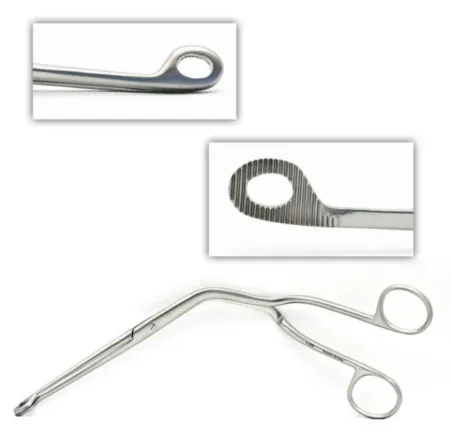
- Magill forcepsFOR-sepsA hand instrument with two blades or arms used to grasp, hold or pull tissue or objects.Full entry (spelled McGill in the Core Curriculum): angled forceps the AP uses to grasp and guide the tube, as when a tube is passed through the nose.
- larynxLAIR-inksThe voice box: the part of the airway in the neck, above the windpipe, that holds the vocal cords.laryng/o larynxFull entry mask airway (LMA): a tube with a small mask on the end that sits over the larynx from above, placed without a laryngoscope. It does not protect the lungs from aspirationas-puh-RAY-shunBreathing food, liquid, saliva or stomach contents into the airway and lungs; also, drawing fluid out with suction or a needle.Full entry . It suits a patient breathing on their own for a short case, and it can rescue a difficult airway.
- Bite block: keeps the patient from biting down on the tube, most of all while waking. A roll of gauze beside an LMA can serve as one, and some LMAs have one built in.
- Oral airway (oropharynxor-oh-FAIR-inksThe middle part of the throat, behind the mouth, from the soft palate down to the top of the voice box.or/o mouthpharyng/o throatFull entry airway, OPA): a curved device placed over the tongue to keep the tongue from falling back and blocking the throat, used in a patient who is unresponsive or only semiconscious, such as during recovery.
- Nasal airway (nasopharynxnay-zoh-FAIR-inksThe top part of the throat, behind the nose and above the soft palate.nas/o nosepharyng/o throatFull entry airway): a tube from the nostril to the back of the nose (the nasopharynx), used in a semiconscious patient when an oral airway causes gagging or a mouth injury prevents one. An awake patient tolerates it better.

A patient who does not need help breathing gets oxygen through a simple face mask or a nasal cannula, as in the PACU.
Airway equipment is heavily contaminated after use. Disposable airways, masks and hoses are preferred; reusable items are decontaminated and sterilizationstair-uh-luh-ZAY-shunA process that destroys all microorganisms, including spores, on an item; also a permanent birth control procedure.Full entry , and Standard Precautions apply whenever you handle them. The anesthesia team cleans and checks the airway circuit, and the biomedical department maintains the machine.
The difficult-airway cart. When a patient may be hard to endotracheal intubationen-doh-TRAY-kee-ul in-too-BAY-shunPutting a breathing tube through the mouth or nose into the windpipe (trachea).endo- withintrache/o windpipe-al relating toFull entry , the difficult-airway (emergency airway) cart, stocked with extra laryngoscopes, scopes, tubes and other airway devices, is brought into or near the room. Learn what is on it and where each item sits on the cart.
Other devices
- infusion pumpin-FYOO-zhun PUMPA machine that delivers IV fluid or medicine into the body at a set rate and amount.Full entry (infusion control device): delivers IV fluids and drugs at a programmed rate.
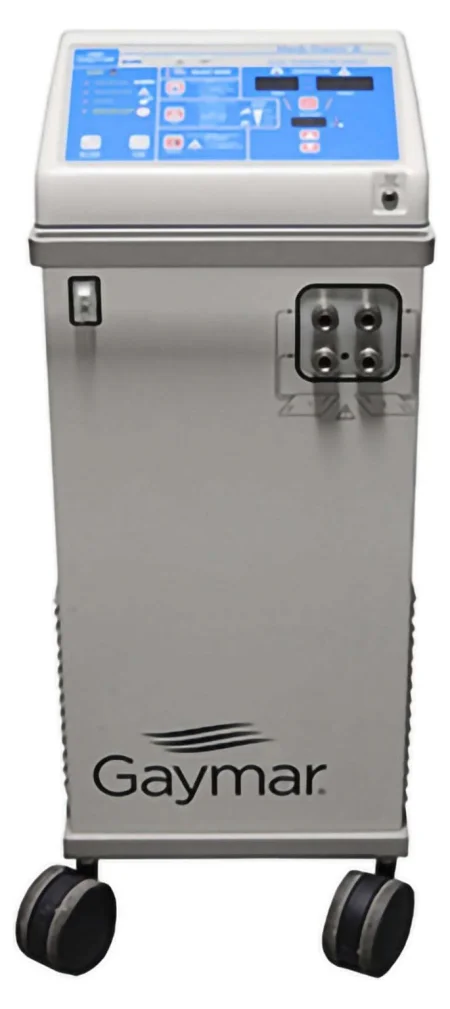
- Fluid warmers: warm IV fluids and blood productBLUD PROD-uktAny part of donated blood prepared for transfusion, such as red cells, plasma or platelets.Full entry as they run in. Blood products are warmed for a blood transfusionBLUD trans-FYOO-zhunGiving blood, or a part of blood, from a donor into a person's vein.trans- acrossfus/o pourFull entry , except plateletPLAYT-litA tiny cell fragment in the blood that sticks together at a wound to help form a clot.Full entry and cryoprecipitate, which never go through a warmer, and you may help set the warmer up. Chapter 23 covers the warming equipment.
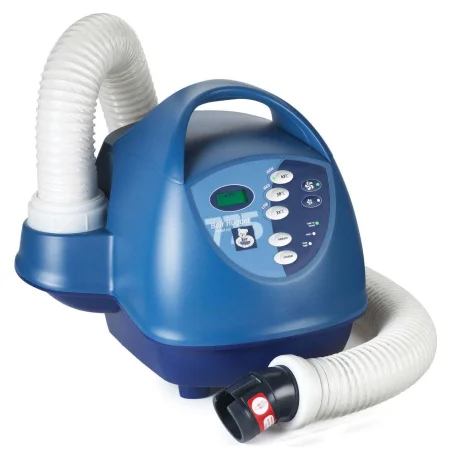
- hypothermiahy-poh-THER-mee-uhA body temperature that has fallen below the normal range.hypo- belowtherm/o heat-ia conditionFull entry and hyperthermiahy-per-THER-mee-uhA body temperature that is higher than normal because the body takes in or makes more heat than it can lose.hyper- abovetherm/o heat-ia conditionFull entry unit: pumps warmed or cooled water through a pad under the patient, so it can warm a cold patient or cool a hot one (chapter 23).
- Peripheral nerve stimulator: sends small, painless electrical pulses to a nerve and watches the muscle twitch in response, which shows how deep the muscle relaxation is.
- Double-cuffed pneumatic tourniquet: holds the local anestheticLOH-kul an-es-THET-ikA drug that blocks feeling in one part of the body without making the person unconscious.Full entry inside the arm during a Bier block (see Regional anesthesia). The cuff itself is taught in chapter 31.
8Watching the patient
anesthesiaan-us-THEE-zhuhLoss of feeling or sensation, often brought on by drugs so that surgery or a procedure can be done without pain.an- withoutesthesi/o feeling, sensation-ia conditionFull entry drugs, position changes and the operation itself all change how the body works. The drugs change the blood pressure and heart rate, slow or stop breathing, and take away the protective reflexREE-fleksAn automatic body response to something that stimulates it, which happens without thought, such as the knee jerk.Full entry , and tilting the table or putting the legs in stirrups can change the body's state fast. So the APay-PEE (said as letters)An abbreviation with several meanings, such as apical pulse, anteroposterior or assistive personnel.Full entry monitors the patient's vital functions continuously, to catch a dangerous change at once. How much monitoring a patient needs depends on the type of anesthesia, the patient's condition and the risks of the operation.
The ASA's basic monitoring standards apply to every general anesthetican-us-THET-ikA drug that causes loss of feeling, with or without loss of consciousness.an- withoutesthesi/o feeling, sensation-ic relating toFull entry , regional anesthetic and MAC: qualified anesthesia personnel stay in the room throughout, the patient's oxygenationok-sih-juh-NAY-shunThe process of getting oxygen into the blood and delivering it to the body's tissues.Full entry , ventilationven-tuh-LAY-shunAir moving in and out of the lungs as a person breathes.Full entry , circulation and temperature are checked continually, and the blood pressure and heart rate at least every 5 minutes.
The monitors and what they measure
| Monitor | What it shows |
|---|---|
| Blood pressure cuff (automatic) | Blood pressure, usually taken every few minutes by machine |
| electrocardiogramih-lek-troh-KAR-dee-oh-gramA test that records the heart's electrical activity as waves on paper or a screen.electr/o electricitycardi/o heart-gram recordFull entry (ECG) | The heart's rate and rhythm, and signs that the myocardiummy-oh-KAR-dee-umThe thick middle layer of the heart wall, made of heart muscle that contracts to pump blood.my/o musclecardi/o heart-um structureFull entry is short of oxygen |
| Pulse oximeter | The saturationsach-uh-RAY-shunHow full something is; in nursing, usually the percentage of hemoglobin in the blood that is carrying oxygen.Full entry of the blood and the pulse rate |
| Capnograph | The carbon dioxideKAR-bun dy-OK-sideA gas made by the body's cells as waste, carried in the blood to the lungs and breathed out.Full entry in each exhaled breath, shown as a number and a wave |
| Temperature probes | The core temperature, from a probe in the esophagusih-SOF-uh-gusThe muscular tube that carries food and liquid from the throat to the stomach.esophag/o esophagusFull entry , nose and throat, bladder, ear canal or a pulmonary arteryPUL-muh-nair-ee AR-ter-eeThe large blood vessel that carries blood low in oxygen from the right side of the heart to the lungs.Full entry catheter |
| Bispectral index (BIS) | How deeply asleep the brain is, from sensors across the forehead |
| arterial linear-TEER-ee-ul lineA thin catheter placed in an artery, often in the wrist, to measure blood pressure all the time and draw blood.Full entry | Blood pressure beat by beat from a thin catheter in an artery, and arterial blood for testing; for a long case, such as an arterial bypass, it usually goes in the radial artery and is kept open by a pressurized heparinHEP-uh-rinAn anticoagulant drug, given by injection or IV, that keeps blood clots from forming or growing.Full entry dripDRIPA continuous IV infusion of fluid or a drug, given slowly over time by gravity or a pump.Full entry to a transducer |
| central venous pressureSEN-trul VEE-nus PRESH-erThe blood pressure in the large vein near the heart's right atrium, measured through a central line.Full entry (CVP) line | The pressure in the large veins near the heart; it also lets fluids, blood and drugs go in fast |
| Pulmonary artery (Swan-Ganz) catheter | Pressures inside the heart and lungs, cardiac outputKAR-dee-ak OWT-putThe amount of blood the heart pumps out in one minute.Full entry and the oxygen in mixed venous blood, for selected critically ill patients |
| Transesophageal echocardiogramek-oh-KAR-dee-oh-gramAn ultrasound picture of the heart that shows its chambers, valves, walls and how well it pumps.echo soundcardi/o heart-gram recordFull entry (TEE) | Ultrasound pictures of the heart from a probe in the esophagus: the heart muscle, the valves, the blood volume and air in the heart |
| Urinary catheter | Urine output, a rough guide to kidney blood flow and fluid volumeFLOO-id VOL-yoomThe amount of fluid in the body, or in one of its spaces such as the blood vessels.Full entry |
| Nerve stimulator | How deep the muscle relaxation is |
| Precordial Doppler ultrasoundDOP-ler UL-truh-soundAn ultrasound that uses sound waves to hear or show blood flowing through vessels or the fetal heartbeat.Full entry | The sound of air entering the heart, in operations at risk of air embolismEM-buh-liz-umThe blocking of a blood vessel by a mass carried there in the blood (an embolus), such as a clot, fat or an air bubble.embol/o plug-ism conditionFull entry , such as in the sitting position |
Pulse oximetry and capnography
The pulse oximeter's sensor goes on a finger, a toe or an earlobe. Anything that weakens the pulse there, such as a low blood volume, a weak heart output, a cold patient or a blood pressure cuff squeezing the same arm, can make the reading fail, and blue, black or green nail polish makes it read falsely low.
The capnograph measures the carbon dioxide in each breath out. The level at the very end of the breath is the end-tidal carbon dioxide (ETCO2). It confirms that the tube is in the tracheaTRAY-kee-uhThe windpipe: the tube that carries air from the throat to the lungs.Full entry , warns of a disconnected circuit, and a rise in it is often the first sign of malignant hyperthermiamuh-LIG-nunt hy-per-THER-mee-uhA rare inherited reaction to certain general anesthesia drugs in which the muscles' metabolism speeds up out of control.mal- badhyper- above normaltherm heat-ia conditionFull entry .
Depth of anesthesia and awareness
intraoperativein-truh-OP-er-uh-tivHappening during surgery, from when the client is brought into the operating room until they are moved to recovery.intra- within, duringoperative of surgeryFull entry awareness is rare: the patient under general anesthesiaJEN-er-ul an-es-THEE-zhuhDrug-induced loss of consciousness and feeling over the whole body, so a person feels nothing and is not aware during surgery.an- withoutesthesi/o feeling, sensation-ia conditionFull entry is aware, and may feel pain, but cannot move or tell anyone. It happens more often in emergencies, such as trauma, obstetric and heart surgery, and it can leave lasting trauma. The bispectral index system (BIS) reads the brain's signals through sensors across the forehead and gives a number from 0 to 100; about 40 to 60 is the usual target for general anesthesia. It helps, but it does not replace a watchful anesthesia provideran-us-THEE-zhuh pruh-VY-derThe licensed professional who gives anesthesia and watches over the client's breathing and vital functions during a procedure.Full entry .
Fluids, blood and the kidneys
The AP keeps the volume in the blood vessels up with IV fluids, given by an infusion pumpin-FYOO-zhun PUMPA machine that delivers IV fluid or medicine into the body at a set rate and amount.Full entry , and with blood productBLUD PROD-uktAny part of donated blood prepared for transfusion, such as red cells, plasma or platelets.Full entry when needed. Blood loss is measured by taking the fluid in the suction canisters and subtracting the irrigationeer-ih-GAY-shunWashing out a wound, body cavity, tube or eye with a steady flow of liquid.Full entry used, and by weighing used sponges (1 gram counts as 1 mL of blood) or looking at them. That is why the scrub reports the irrigation used (chapter 29). A urinary catheter lets the team measure urine output, in mL an hour, through a long case.
9Vital signs and normal values
Vital signs are the body's most basic measures: temperature, pulse, respiration and blood pressure, with saturationsach-uh-RAY-shunHow full something is; in nursing, usually the percentage of hemoglobin in the blood that is carrying oxygen.Full entry often taken alongside them. Under general anesthesiaJEN-er-ul an-es-THEE-zhuhDrug-induced loss of consciousness and feeling over the whole body, so a person feels nothing and is not aware during surgery.an- withoutesthesi/o feeling, sensation-ia conditionFull entry or deep sedationsih-DAY-shunA calm, relaxed or sleepy state brought on by drugs, or the use of drugs to cause it.sed calm, settle-ation processFull entry , machines measure them almost continuously. Before surgery, the first set taken is the baseline, and every later reading is compared with it; a patient's baseline may sit outside the textbook range.
Chapter 31 teaches taking a baseline set step by step, and your part in it: counting the pulse and the breaths for a full minute, and measuring the blood pressure with a cuff and a stethoscope. This section teaches what the numbers mean.
Temperature
The hypothalamushy-poh-THAL-uh-musA small area at the base of the brain that controls body temperature, hunger, thirst, sleep and many hormones.hypo- belowthalamus inner chamber (a part of the brain)Full entry holds the body's core temperature steady. Normal is about 36 to 37.5°C (97 to 99.5°F); an oral temperature at rest is normally about 37°C (98.6°F). Temperatures are recorded in degrees Celsius. To convert, °C = 5/9 × (°F − 32), and °F = (°C × 9/5) + 32.
The site changes the reading, so the route is recorded and the same route is used each time. Oral (under the tongue) and tympanic (ear canal) readings track the core well; the tympanic membranetim-PAN-ik MEM-braynThe thin, cone-shaped sheet of tissue between the outer ear canal and the middle ear; the eardrum.Full entry shares its blood supply with the carotidkuh-ROT-idHaving to do with the carotid arteries, the two large arteries on each side of the neck that carry blood to the head and brain.Full entry artery. A temporal artery (forehead) reading runs about 0.4°C higher than oral, a rectalREK-tulRelating to the rectum, the last part of the large intestine; also, given or measured through the rectum.rect/o rectum, straight-al relating toFull entry reading about 0.4 to 0.5°C higher, and an axillary (armpit) reading about 0.3 to 0.6°C lower. Thermometers can carry germs, so gloves are worn and a clean probe cover is used for every patient.
Pulse
The pulse is the artery expanding with each heartbeat. A normal adult pulse at rest is 60 to 100 beats a minute; a child's is faster. It is felt by palpationpal-PAY-shunExamining the body by touching and pressing with the hands and fingers.Full entry , pressing gently with the pads of the fingers, never the thumb, which has a pulse of its own.
- The radial artery, at the thumb side of the wrist, is used most. Other pulse points are the temporal (between the ear and the outer corner of the eye), carotid (beside the tracheaTRAY-kee-uhThe windpipe: the tube that carries air from the throat to the lungs.Full entry , in the side of the neck), brachial (the inner upper arm and the bend of the elbow, the artery used for blood pressure), femoralFEM-er-ulRelating to the thigh or the femur, the thigh bone.Full entry (the groin crease), popliteal (behind the knee), dorsalis pedis (the top of the foot, between the first and second toes) and posterior tibiaTIB-ee-uhThe large inner bone of the lower leg, between the knee and the ankle; the shinbone.tibi/o tibiaFull entry (behind the inner ankle bone).
- The strength of the pulse is graded: 3+ bounding, 2+ normal, 1+ weak (thready) and 0 absent.
- A baseline pulse is counted for a full minute, and so is any irregular pulse.
Respiration
A normal adult breathes about 12 to 20 times a minute; one reference starts the range at 10. Children breathe faster. Exertion, stress, strong emotion and drugs all change the rate.
Blood pressure
Blood pressure is the push of the blood on the walls of the vessels.
- Systolic pressure: the highest pressure, as the left ventricleLEFT VEN-trih-kulThe heart's lower left chamber, which pumps oxygen-rich blood into the aorta and out to the body.Full entry pumps.
- diastolicdy-uh-STOL-ikRelating to diastole, the part of each heartbeat when the heart muscle relaxes and its chambers fill with blood.diastole the heart's relaxing, filling phase (Greek, to expand)-ic relating toFull entry pressure: the lowest, as the heart relaxes between beats.
- mean arterial pressureMEEN ar-TEER-ee-ul PRESH-erThe average pressure in the arteries over one heartbeat, used as a measure of how well blood reaches the organs.Full entry (MAP): the average pressure across the whole heartbeat, the force that pushes blood into the tissues, normally about 70 to 110 mm Hg. It is roughly the diastolic pressure plus a third of the pulse pressurepuls PRESH-erThe difference between the systolic and the diastolic blood pressure.Full entry : for 120/80, about 93.
- Pulse pressure: the difference between the systoleSIS-tuh-leeThe part of each heartbeat when the heart muscle squeezes and pumps blood out.Full entry and diastolic pressures; 120/80 gives a pulse pressure of 40.
- orthostaticor-thoh-STAT-ikRelating to standing upright, or caused by changing to a standing position.ortho- uprightstat standing-ic relating toFull entry (posturalPOS-chur-ulRelating to the position of the body, such as lying, sitting or standing.postur position-al relating toFull entry ) blood pressure: the pressure and pulse measured with the patient lying down and again sitting or standing.
The American Heart Associationuh-MAIR-ih-kun HART uh-soh-see-AY-shunA US nonprofit group that funds heart and stroke research and publishes guidelines, including for CPR.Full entry calls a pressure below 120 systolic and below 80 diastolic normal. Blood pressure changes with age, weight and sex (an adult woman's usually runs lower than a man's), with exertion, stress and strong emotion, and with the heart's output and the vessels' resistance.
It is measured with a sphygmomanometer, a cuff (an inflatable bag), a pump and a gauge, either electronic or manual with a stethoscope. For a manual reading, the cuff is first pumped up while the brachial pulse is felt, to 25 to 30 mm Hg past the point where the pulse disappears, then let down, with a wait of 10 to 15 seconds so the blood returns to the artery before the reading itself. The sounds heard through the stethoscope as the cuff is let down slowly are the Korotkoff soundskuh-ROT-kof SOWNDZThe tapping sounds heard through a stethoscope over an artery as a blood pressure cuff is let down.Full entry : the first sound is the systolic pressure, and the point where they disappear is the diastolic. A cuff that is too narrow or too loose, or an arm below heart level, reads falsely high.
An automatic cuff gives the pulse, systolic, diastolic and mean pressures, but it does not pick up changes in the sounds, and it can read wrong if the machine is poor or badly maintained.
Oxygen, carbon dioxide and the ECG
- Oxygen saturation (SpO2): normally 95 to 100 percent. An older patient may run in the low 90s and a patient with severe lung disease lower still, which is why the baseline matters. A saturation above 90 percent corresponds to an arterial oxygen pressure of about 60 mm Hg or more.
- End-tidal carbon dioxideKAR-bun dy-OK-sideA gas made by the body's cells as waste, carried in the blood to the lungs and breathed out.Full entry : normally 35 to 45 mm Hg, a few points below the PaCO2pee-ay-see-oh-TOO (said as letters)The partial pressure of carbon dioxide in arterial blood, measured in a blood gas test.Full entry .
- The electrocardiogramih-lek-troh-KAR-dee-oh-gramA test that records the heart's electrical activity as waves on paper or a screen.electr/o electricitycardi/o heart-gram recordFull entry (ECG): in electrocardiography, electrodes on the chest and limbs record the heart's electrical activity as a waveform. A three-lead ECG gives a simple picture, and a 12-lead ECG a complete one. A normal heart beats in a regular rhythm at 60 to 100 a minute; faster than 100 in an adult is tachycardiatak-ih-KAR-dee-uhA heart rate faster than normal; in an adult, more than 100 beats per minute.tachy- fastcardi/o heart-ia conditionFull entry , slower than 60 is bradycardiabray-dee-KAR-dee-uhA heart rate slower than normal; in an adult, fewer than 60 beats per minute.brady- slowcardi/o heart-ia conditionFull entry . ECG monitoring is routine for everyone under general anesthesia or sedation and after surgery. Chapter 5 explains the P, QRS complexKYOO-ar-es KOM-pleksThe tall, spiky wave on an ECG that shows the electrical signal spreading through the ventricles.Full entry and T waveTEE waveThe wave on an electrocardiogram that shows the heart's lower chambers recovering electrically after each beat.Full entry .
- arterial blood gasar-TEER-ee-ul BLUD GASA blood test from an artery that measures oxygen, carbon dioxide, bicarbonate and the blood's pH.Full entry (ABG): a sample of arterial blood that shows the blood's acid balance and its oxygen and carbon dioxide. It can be analyzed in minutes.
| Measure | Normal adult value |
|---|---|
| Temperature | About 36 to 37.5°C (97 to 99.5°F); oral about 37°C (98.6°F) |
| Pulse | 60 to 100 beats a minute |
| Respiration | About 12 to 20 breaths a minute |
| Blood pressure | Below 120/80 mm Hg |
| Mean arterial pressure | About 70 to 110 mm Hg |
| Oxygen saturation (SpO2) | 95 to 100 percent |
| End-tidal CO2 | 35 to 45 mm Hg |
| ABG: pH | 7.35 to 7.45 |
| ABG: PaO2pee-AY-oh-TOO (said as letters)The partial pressure of oxygen in arterial blood: a measure of how much oxygen is dissolved in the blood, from an arterial blood gas.Full entry (arterial oxygen) | 80 to 100 mm Hg |
| ABG: PaCO2 (arterial carbon dioxide) | 35 to 45 mm Hg |
| ABG: bicarbonateby-KAR-buh-naytA base in the blood that balances acid; the kidneys control it, and its level is measured on blood gas and chemistry tests.Full entry (HCO3) | 22 to 26 mEq/L |
Normal ranges differ a little between labs and references, and a patient's own baseline matters more than any table.
Every reading is compared with the patient's baseline. A pressure of 110/70 is normal for most people, but for a patient whose baseline is 160/95 it is a drop of more than 20 percent, which counts as low blood pressure after surgery.
10General anesthesia
general anesthesiaJEN-er-ul an-es-THEE-zhuhDrug-induced loss of consciousness and feeling over the whole body, so a person feels nothing and is not aware during surgery.an- withoutesthesi/o feeling, sensation-ia conditionFull entry is a reversible loss of consciousness with no pain, no awareness, no memory, relaxed muscles and dulled reflexREE-fleksAn automatic body response to something that stimulates it, which happens without thought, such as the knee jerk.Full entry . The patient cannot be woken even by pain, and often cannot keep their own airway open or breathe enough alone. It is a continuum, from barely responsive to completely unresponsive, rather than one fixed state.
General anesthesia is given by vein, by inhalationin-huh-LAY-shunBreathing in; also, a way of giving a drug as a mist or powder that is breathed into the lungs.in- inhal breathe-ation the act ofFull entry , or, most often, both: an IV drug puts the patient to sleep quickly, and an inhaled agent keeps them asleep. In total IV anesthesiaan-us-THEE-zhuhLoss of feeling or sensation, often brought on by drugs so that surgery or a procedure can be done without pain.an- withoutesthesi/o feeling, sensation-ia conditionFull entry (TIVA), short-acting IV drugs, such as propofolPROH-poh-folA fast-acting IV drug used to put clients to sleep for surgery or procedures and to sedate clients on a ventilator.Full entry with remifentanil, put the patient to sleep, and an infusion keeps them asleep.
The phases and the stages
The phases of general anesthesia are the steps of the anesthetican-us-THET-ikA drug that causes loss of feeling, with or without loss of consciousness.an- withoutesthesi/o feeling, sensation-ic relating toFull entry in time. The stages describe how deep the patient is. The four stages were described by the anesthesiologist Arthur Guedel. Today's fast IV drugs carry the patient from stage 1 to stage 3 in moments, so the stages are seldom distinct, but you still need to know them, because the excitement stage can show itself at inductionin-DUK-shunThe starting of a process on purpose, such as bringing on labor or putting a client under anesthesia.Full entry and again as the patient wakes.
| Phase | When | What happens | Your part |
|---|---|---|---|
| Preinduction | From the premedication until induction starts | The patient comes in and moves to the table, lying supine; monitors go on; the IV is started if it is not in; the APay-PEE (said as letters)An abbreviation with several meanings, such as apical pulse, anteroposterior or assistive personnel.Full entry may give a sedative-hypnoticSED-uh-tiv hip-NOT-ikA drug that calms a person (sedative) or helps them fall asleep (hypnotic); the same drug can do either, depending on the dose.Full entry and has the patient breathe 100% oxygen. Suction must be ready | Have suction working; stay beside the patient, who is never left alone |
| Induction | From the first anesthetic drug until the patient is ready for positioning, prep and incision | The patient loses consciousness; the airway is secured, usually with an endotracheal tubeen-doh-TRAY-kee-ul toobA flexible plastic tube passed through the mouth or nose into the windpipe to keep the airway open and allow breathing support.endo- withintrache/o windpipe-al relating toFull entry or LMA | Quiet room; stand by the patient; cricoid pressure or other help when the AP asks |
| Maintenance | From the secured airway until near the end of the operation | The operation itself; the AP adjusts the anesthetic, muscle relaxant, fluids and drugs | Report blood loss, irrigationeer-ih-GAY-shunWashing out a wound, body cavity, tube or eye with a steady flow of liquid.Full entry and anything wrong |
| Emergence | From stopping the anesthetic until the patient is ready to leave the OR | Reversal drugs as needed; the patient wakes and the protective reflexes return; the tube comes out (extubation) | Quiet room again; stay sterile until the patient leaves |
| Recovery | From the end of the anesthetic, through the PACU, until the drugs have cleared | Care in the PACU, then on the unit or at home | handoff reportHAND-off ree-PORTThe passing of information and responsibility for a client's care from one nurse or team to another.Full entry details from the field |
Some references count preinduction as a fifth phase.
| Stage | Name | From and to | What you may see |
|---|---|---|---|
| Stage 1 | Amnesia (induction) | From the first anesthetic drug to the loss of consciousness, usually moments | The patient loses consciousness; hearing is the last sense to go |
| Stage 2 | Excitement or deliriumdih-LEER-ee-umA sudden state of confusion and poor attention that comes and goes over hours or days.Full entry | From the loss of consciousness until breathing becomes regular and the eyelid reflex is gone | Exaggerated reflexes, movements the patient does not control and dilated pupils; vomiting, laryngospasmluh-RING-goh-spaz-umA sudden, involuntary closing of the vocal cords that partly or fully blocks air from entering the lungs.laryng/o larynx (voice box)-spasm sudden involuntary tighteningFull entry , a racing heart and high blood pressure can happen. The patient still controls the airway but is unstableun-STAY-bulDescribes a client whose condition is changing quickly or is hard to predict.Full entry |
| Stage 3 | Surgical anesthesia | From regular breathing and the loss of the eyelid reflex until breathing stops | Relaxed; the gag, blink and swallow reflexes are gone; the patient does not respond to pain, cannot keep the airway open, and breathing fails. Surgery is done here |
| Stage 4 | Overdose | Breathing has stopped and the circulation is failing | Dilated pupils that do not react and a falling blood pressure, ending in death if it is not reversed at once. It is never meant to happen |
When the anesthetic is withdrawn, the patient goes back through the stages in reverse, so the excitement stage can return during emergence.
Hearing is the last sense to go. At induction and emergence, stop setting up, stop talking and make no noise. A patient in the excitement stage can be set off into laryngospasm or vomiting, and a patient going to sleep can hear and misunderstand what you say.
Before induction
General anesthesia starts only when monitoring is in place and the team is present. The AP gathers the drugs and equipment, reassures the patient and may have them breathe 100% oxygen through a mask for a few minutes. This builds a reserve of oxygen in the blood, which carries the patient through a short block of the airway, as while the tube goes in. Suction is connected and working, and it stays working as long as the patient is in the room. The patient lies supine for induction; if the operation needs another position, the patient is moved into it after induction and endotracheal intubationen-doh-TRAY-kee-ul in-too-BAY-shunPutting a breathing tube through the mouth or nose into the windpipe (trachea).endo- withintrache/o windpipe-al relating toFull entry .
The universal protocol, with the team's check of the patient, procedure and site, is done with the whole team; chapter 28 teaches it.
Induction and intubation
The AP gives a fast IV drug, such as propofol, and the patient is unconscious within seconds; putting a patient to sleep by mask with an inhaled agent takes longer. Once breathing stops and the eyelash reflex is gone, the AP checks that a mask can move air into the lungs, and the eyes are protected. If an endotracheal tube is planned, a muscle relaxant is given and, when the patient is paralysispuh-RAL-uh-sisLoss of the ability to move a part of the body, and sometimes loss of feeling in it.para- beside, abnormal-lysis looseningFull entry , the tube is placed: this is intubation.
The AP places the head in a "sniffing" position, looks at the vocal cords with the laryngoscope (direct or video), passes the tube between them and inflates the cuff. The tube's place in the tracheaTRAY-kee-uhThe windpipe: the tube that carries air from the throat to the lungs.Full entry is confirmed by carbon dioxideKAR-bun dy-OK-sideA gas made by the body's cells as waste, carried in the blood to the lungs and breathed out.Full entry on the capnograph, equal breath sounds on both sides of the chest and none over the stomach, the chest rising evenly, and mist in the tube. Then the tube is connected to the breathing circuit.
During intubation, the circulator or an anesthesia assistant stands at the head and helps. The AP may ask an assistant to move the larynxLAIR-inksThe voice box: the part of the airway in the neck, above the windpipe, that holds the vocal cords.laryng/o larynxFull entry to bring the cords into view, with the BURP maneuver (backward, upward and rightward pressure) or optimal external laryngeal manipulation. These maneuvers take training; done blindly, they cost precious seconds and can injure the airway.
Cricoid pressure (the Sellick maneuver)
A patient with a full stomach can vomit and aspirationas-puh-RAY-shunBreathing food, liquid, saliva or stomach contents into the airway and lungs; also, drawing fluid out with suction or a needle.Full entry the moment the protective reflexes go. That includes an emergency patient who has eaten, a patient whose fasting is unknown, and patients with a bowel blockage, a hiatal herniaHER-nee-uhA bulge of an organ or tissue through a weak spot in the muscle or tissue wall that normally holds it in.Full entry , pregnancy, diabetes or bad reflux. For these patients, the AP may use a rapid sequence induction: 100% oxygen, then the induction drug, an analgesic and a fast-acting muscle relaxant, and a cuffed tube placed as quickly as possible, with cricoid pressure to keep stomach contents out of the airway.
The Sellick maneuver works because the cricoid cartilageKAR-tih-lijFirm, smooth, rubbery tissue that cushions joints and gives shape to parts such as the ear, nose and windpipe.chondr/o cartilageFull entry is the only complete ring in the airway; pressed straight back, it squeezes the esophagusih-SOF-uh-gusThe muscular tube that carries food and liquid from the throat to the stomach.esophag/o esophagusFull entry shut against the sixth cervicalSER-vih-kulRelating to the neck, or to the cervix, the lower end of the uterus.cervic/o neck, cervix-al relating toFull entry vertebra behind it. When the AP asks:
- Find the cricoid cartilage, the firm ring just below the bulge of the thyroid cartilage (the Adam's apple).
- Form a V with your thumb and index finger and press the cricoid firmly straight back toward the spine.
- Keep pressing, without letting up, until the tube is in, its place is confirmed and its cuff is inflated.
- Let go only when the AP tells you to.
let go of cricoid pressure because the tube looks like it is in, or because your hand is tired. Release it only on the anesthesia provideran-us-THEE-zhuh pruh-VY-derThe licensed professional who gives anesthesia and watches over the client's breathing and vital functions during a procedure.Full entry 's word, once the cuff is inflated and the tube's place is confirmed.
Research has questioned how well cricoid pressure works and how often it is done correctly, but many anesthesia providers still use it for rapid sequence induction.
One reference has cricoid pressure applied before induction begins, rather than when the anesthesia provider asks.
Maintenance
Maintenance begins once the airway is secure and runs through the operation itself. The AP balances the anesthetic agents and oxygen, adds analgesics and muscle relaxant as needed, keeps the fluids and blood pressure steady and records every drug and every reading in the anesthesia record. Surgery can change the patient's condition fast, so this is the busiest time for the AP.
Muscle relaxation is needed so the surgeon can retract the body wall. Most anesthetic agents do not relax the muscles enough on their own, so a neuromuscular blocking agentnoor-oh-MUS-kyuh-ler BLOK-ing AY-juntA drug that blocks signals from nerves to skeletal muscles, so the muscles relax completely and cannot move.Full entry is given. It paralyzes the muscles of breathing too, so the patient must be breathed for by the mechanical ventilationmeh-KAN-ih-kul ven-tuh-LAY-shunBreathing support from a machine, a ventilator, that pushes air into the lungs through a tube or a mask.Full entry or by hand the whole time. The nerve stimulator shows how deep the block is, and more relaxant is given if the surgeon needs more, as for deep retractionrih-TRAK-shunA drawing back or pulling in of tissue; in breathing, the skin sinking in between, below or above the ribs with each breath.Full entry .
Emergence
As the operation ends, the AP stops the anesthetic agents and reverses what needs reversing, such as the muscle relaxant. The patient breathes 80 to 100 percent oxygen for several minutes while the inhaled agents wash out, and the AP suctions the mouth and throat to lower the risk of aspiration and laryngospasm after the tube comes out. When the patient is awake enough that the protective reflexes are back and they are breathing well alone, the tube is removed. An oral or nasal airway may go in then.
Emergence usually goes smoothly, but the patient may tremble or stiffen late in emergence, vomiting and aspiration are a risk, and some patients, children most of all, wake in a state of confused, agitated emergence delirium. Laryngospasm is a risk at this time, as it is at induction. An older patient may stay confused for days; that is a complication, not the usual course.
This is why the scrub stays sterile, with a basic set of instruments ready, until the patient has left the room (chapter 30).
Recovery
When the patient is stable, they are moved to the stretcher and taken to the PACU, breathing oxygen from a portable tank if needed. A member of the anesthesia team goes with the patient, and a patient on a cardiac monitorKAR-dee-ak MON-ih-terA machine that shows the heart's electrical rhythm on a screen without stopping, using electrodes on the chest.Full entry is also accompanied by a licensed nurse or physician.
11The drugs of general anesthesia
The Core Curriculum lists the drugs below. Chapter 12 explains how drugs act in the body and how they are handled; here you learn what each one does in anesthesiaan-us-THEE-zhuhLoss of feeling or sensation, often brought on by drugs so that surgery or a procedure can be done without pain.an- withoutesthesi/o feeling, sensation-ia conditionFull entry and what to watch for.
Inhalation agents
Inhaled agents travel from the lungs into the blood and on to the brain. All of them except nitrous oxide are volatile liquids, turned into vapor in the vaporizer. They are used mainly to keep the patient asleep after an IV inductionin-DUK-shunThe starting of a process on purpose, such as bringing on labor or putting a client under anesthesia.Full entry , though children are often put to sleep by mask. Every volatile agent can trigger malignant hyperthermiamuh-LIG-nunt hy-per-THER-mee-uhA rare inherited reaction to certain general anesthesia drugs in which the muscles' metabolism speeds up out of control.mal- badhyper- above normaltherm heat-ia conditionFull entry ; nitrous oxide does not.
- Sevoflurane: pleasant smelling and gentle on the airway, so it is the agent for putting patients to sleep by mask, children above all. Induction and waking are fast.
- Desflurane: the fastest of all to take effect and to wear off, which suits outpatient surgery. It is pungent and irritates the airway, so it is not used to put patients to sleep; in children it brings on laryngospasmluh-RING-goh-spaz-umA sudden, involuntary closing of the vocal cords that partly or fully blocks air from entering the lungs.laryng/o larynx (voice box)-spasm sudden involuntary tighteningFull entry and bronchospasmBRONG-koh-spaz-umA sudden tightening of the muscles around the airways that narrows them.bronch/o bronchus-spasm sudden involuntary contractionFull entry . One reference still allows it for induction in adults. It needs a heated, pressurized vaporizer.
- Isoflurane: inexpensive and widely used; induction and waking are a little slower than with sevoflurane and desflurane.
- Nitrous oxide: a true gas, colorless, with strong pain relief but too weak to be the only anesthetican-us-THET-ikA drug that causes loss of feeling, with or without loss of consciousness.an- withoutesthesi/o feeling, sensation-ic relating toFull entry , so it is mixed with other agents. It does not burnBURNAn injury to the skin or deeper tissues caused by heat, chemicals, electricity, radiation or friction.Full entry but supports burning (chapter 20), and it spreads into closed air spaces such as the middle ear and the bowel, so it is avoided in some operations.
- Oxygen: essential for life and given with every anesthetic, at 21 to 100 percent. During laser and other surgery near the airway it is kept as low as is safe, because it feeds fire (chapter 20).
Halothane and enflurane are older agents now rarely used.
Intravenous agents
- propofolPROH-poh-folA fast-acting IV drug used to put clients to sleep for surgery or procedures and to sedate clients on a ventilator.Full entry : the most common drug for putting patients to sleep, and also used to keep them asleep and for sedationsih-DAY-shunA calm, relaxed or sleepy state brought on by drugs, or the use of drugs to cause it.sed calm, settle-ation processFull entry . It works in seconds, and patients wake quickly and clear headed. It is a milky emulsion of fat that can grow germs, so it is drawn up and given with strict aseptic technique. It stings in the vein and lowers the blood pressure. Only trained anesthesia provideran-us-THEE-zhuh pruh-VY-derThe licensed professional who gives anesthesia and watches over the client's breathing and vital functions during a procedure.Full entry should give it.
- Etomidate: puts patients to sleep with very little effect on the heart and blood pressure, so it is chosen for an unstableun-STAY-bulDescribes a client whose condition is changing quickly or is hard to predict.Full entry patient. It can sting, cause muscle jerks, and bring more nausea.
- ketamineKEE-tuh-meenA dissociative anesthetic drug used for anesthesia, procedural sedation and some kinds of pain.Full entry : produces dissociative anesthesia (see Sedation, below).
- Methohexital: an ultrashort-acting barbituratebar-BICH-er-itA type of sedative drug that slows the brain and nervous system, used for some seizures and in anesthesia.Full entry , for brief anesthesia; it can be given rectally to a child.
- Thiopental: a barbiturate that was once the usual induction drug. It is no longer available in the United States, though some references still list it.
- benzodiazepineben-zoh-dy-AZ-uh-peenA group of calming drugs that slow brain activity, used for anxiety, seizures, alcohol withdrawal and sedation.Full entry : midazolammih-DAZ-oh-lamA short-acting benzodiazepine used for sedation before procedures and to stop seizures.Full entry , diazepamdy-AZ-eh-pamA long-acting benzodiazepine drug used for anxiety, muscle spasm, alcohol withdrawal and seizures.Full entry and lorazepamlor-AZ-uh-pamA benzodiazepine drug that calms anxiety, causes sleepiness and stops seizures.Full entry ease anxiety and cause amnesia, and midazolam is often given at induction. They do not relieve pain.
- Dexmedetomidine: a sedative-hypnoticSED-uh-tiv hip-NOT-ikA drug that calms a person (sedative) or helps them fall asleep (hypnotic); the same drug can do either, depending on the dose.Full entry that leaves the patient's own breathing drive intact; it can slow the heart.
- Droperidol: a antipsychotican-tee-sy-KOT-ikA drug used to treat psychosis, such as hallucinations and delusions, in conditions like schizophrenia and bipolar disorder.Full entry that sedates and prevents nausea.
Opioids
opioid analgesicOH-pee-oyd an-ul-JEE-zikA strong drug that relieves moderate to severe pain by acting on the brain and spinal cord.Full entry relieve pain by acting on receptorrih-SEP-terA structure on or in a cell that a specific chemical, such as a hormone or drug, attaches to in order to act.Full entry in the brain and spinal cord, and they let the APay-PEE (said as letters)An abbreviation with several meanings, such as apical pulse, anteroposterior or assistive personnel.Full entry use less of the other agents. All of them can slow or stop breathing, lower the blood pressure and slow the heart, and all can be abused, so they are controlled substancekun-TROHLD SUB-stunsA drug whose making, prescribing and use are strictly regulated by law because it can be misused or cause dependence.Full entry . morphineMOR-feenA strong opioid drug used to relieve moderate to severe pain.Full entry is the natural opioid; the others are synthetic.
- Morphine: for severe pain, before, during or after surgery, by vein, into a muscle or into the spinal fluid.
- fentanylFEN-tuh-nilA very strong, fast-acting opioid pain drug given by IV, skin patch or through the lining of the mouth.Full entry : the opioid used most in anesthesia; about 100 times stronger than morphine, fast and short acting.
- Sufentanil: like fentanyl but stronger still.
- Alfentanil: short acting, though its slowing of breathing can outlast its pain relief.
- Remifentanil: ultrashort acting, broken down within minutes in the blood, so it is given as a continuous infusionkun-TIN-yoo-us in-FYOO-zhunAn IV fluid or drug given without stopping, at a steady rate, usually by an infusion pump.Full entry and wears off almost as soon as it is stopped.
- meperidinemeh-PAIR-ih-deenA synthetic opioid pain drug, also called pethidine outside the United States.Full entry : like morphine; it is also the drug of choice for shivering after anesthesia.
nonopioid analgesicnon-OH-pee-oyd an-ul-JEE-zikA pain medicine that is not an opioid, such as acetaminophen or an NSAID.Full entry , such as acetaminophen, ibuprofen, diclofenac and ketorolacKEE-toh-roh-lakA strong NSAID pain drug, given by injection, by mouth or as a nasal spray, for short-term moderate to severe pain.Full entry , treat mild to moderate pain, as after minor operations under local anesthesiaLOH-kul an-es-THEE-zhuhNumbing medicine applied to or injected into one small area, so a procedure there is not felt while the person stays awake.Full entry . Combined with opioids and regional blocks in multimodal pain control, they cut the amount of opioid a patient needs.
Neuromuscular blocking agents
neuromuscular blocking agentnoor-oh-MUS-kyuh-ler BLOK-ing AY-juntA drug that blocks signals from nerves to skeletal muscles, so the muscles relax completely and cannot move.Full entry (muscle relaxants) stop the signal from nerve to skeletal muscleSKEL-uh-tul MUS-ulMuscle attached to bones that a person moves by choice, such as the muscles of the arms and legs.Full entry at the neuromuscularnoor-oh-MUS-kyuh-lerHaving to do with both nerves and muscles, or with the place where a nerve meets a muscle.neur/o nervemuscul/o muscle-ar relating toFull entry junction (chapter 2), so the muscles go limp for endotracheal intubationen-doh-TRAY-kee-ul in-too-BAY-shunPutting a breathing tube through the mouth or nose into the windpipe (trachea).endo- withintrache/o windpipe-al relating toFull entry and surgery. They have little effect on the heart, but they paralyze the breathing muscles, so the patient must be mechanical ventilationmeh-KAN-ih-kul ven-tuh-LAY-shunBreathing support from a machine, a ventilator, that pushes air into the lungs through a tube or a mask.Full entry . They do nothing for pain or awareness: a paralysispuh-RAL-uh-sisLoss of the ability to move a part of the body, and sometimes loss of feeling in it.para- beside, abnormal-lysis looseningFull entry patient who is not anesthetized can feel pain and cannot move to show it.
- Depolarizing: succinylcholinesuk-sih-nil-KOH-leenA fast, short-acting drug that relaxes and paralyzes the muscles, used to place a breathing tube.Full entry is the only one. It acts within 30 to 90 seconds and lasts only 5 to 10 minutes, which makes it the drug for a rapid sequence induction. First it makes the muscles twitch all over (fasciculations), which can leave sore muscles. It can raise the blood potassium and the pressures inside the eye, skull and stomach, it can cause dysrhythmiadis-RITH-mee-uhA heart rhythm that is not normal: too fast, too slow or irregular.dys- abnormalrhythm/o rhythm-ia conditionFull entry , and it is a trigger for malignant hyperthermia. No drug reverses it. A rare patient lacks the enzymeEN-zimeA protein that speeds up a chemical reaction in the body without being used up.Full entry that breaks it down (pseudocholinesterase) and stays paralyzed for hours, needing support until it wears off. It is stored in the refrigerator.
- Nondepolarizing: atracurium, cisatracurium, rocuronium and vecuronium are intermediate acting, and pancuronium is long acting. They block the receptors without twitching, and they can be reversed. They are safe for patients at risk of malignant hyperthermia. hypothermiahy-poh-THER-mee-uhA body temperature that has fallen below the normal range.hypo- belowtherm/o heat-ia conditionFull entry makes them last longer.
Reversal agents
| Drug | Reverses | What to know |
|---|---|---|
| neostigminenee-oh-STIG-meenA drug that blocks the enzyme that breaks down acetylcholine, so nerve signals to muscles get stronger.Full entry | Nondepolarizing muscle relaxants | The main reversal drug; it lets acetylcholineuh-see-tul-KOH-leenA chemical messenger that nerves release to signal muscles, glands and other nerves.Full entry build up again at the junction. Given with atropineAT-roh-peenAn anticholinergic drug that blocks the parasympathetic nervous system, which speeds the heart rate and dries secretions.Full entry or glycopyrrolategly-koh-PEER-oh-lateAn anticholinergic drug that dries up saliva and airway secretions and keeps the heart rate from falling too low.Full entry to keep the heart from slowing |
| Edrophonium | Nondepolarizing muscle relaxants | The older reversal drug, largely replaced by neostigmine |
| Sugammadex | Rocuronium, vecuronium and pancuronium | Binds the relaxant itself and reverses even a deep block within minutes; it can slow the heart, and it weakens hormonal birth control for about a week |
| naloxonenuh-LOK-sohnA drug that blocks the effects of opioids at their receptors.Full entry | Opioids | Given slowly by vein to reverse slowed breathing. It wears off sooner than many opioids, so the breathing can slow again; reversing fast can bring sudden pain, a racing heart and high blood pressure, or withdrawalwith-DRAW-ulThe physical and mental symptoms that occur when a person stops or cuts down a substance the body has come to depend on.Full entry |
| Nalmefene | Opioids | A long-acting opioid antagonistOH-pee-oyd an-TAG-uh-nistA drug that blocks opioid receptors, stopping or reversing the effects of opioids.Full entry |
| naltrexonenal-TREK-sohnAn opioid antagonist used to treat alcohol use disorder and to prevent relapse in opioid use disorder.Full entry | Opioids | An opioid antagonist, usually taken by mouth, used mainly to treat opioid and alcohol dependencedih-PEN-densA state in which the body has adapted to a drug, so that stopping it suddenly causes withdrawal symptoms.Full entry |
| flumazenilfloo-MAZ-uh-nilAn IV drug that blocks benzodiazepines and reverses the sedation they cause.Full entry | Benzodiazepines | Reverses the sedation but may not reverse the amnesia; it can cause seizureSEE-zherA sudden burst of abnormal electrical activity in the brain that changes movement, feeling, behavior or awareness.Full entry , and the sedation can come back |
12Sedation and monitored anesthesia care
Procedural sedationsih-DAY-shunA calm, relaxed or sleepy state brought on by drugs, or the use of drugs to cause it.sed calm, settle-ation processFull entry is a general term for drugs that depress the central nervous systemSEN-trul NER-vus SIS-tumThe brain and the spinal cord together.centr/o center-al having to do withFull entry , relieve pain and ease anxiety for a procedure, without a full general anesthetican-us-THET-ikA drug that causes loss of feeling, with or without loss of consciousness.an- withoutesthesi/o feeling, sensation-ic relating toFull entry . Modern sedative-hypnoticSED-uh-tiv hip-NOT-ikA drug that calms a person (sedative) or helps them fall asleep (hypnotic); the same drug can do either, depending on the dose.Full entry and opioid analgesicOH-pee-oyd an-ul-JEE-zikA strong drug that relieves moderate to severe pain by acting on the brain and spinal cord.Full entry such as propofolPROH-poh-folA fast-acting IV drug used to put clients to sleep for surgery or procedures and to sedate clients on a ventilator.Full entry and remifentanil wear off fast, need no anesthesiaan-us-THEE-zhuhLoss of feeling or sensation, often brought on by drugs so that surgery or a procedure can be done without pain.an- withoutesthesi/o feeling, sensation-ia conditionFull entry machine, and let the patient recover more quickly than after general anesthesiaJEN-er-ul an-es-THEE-zhuhDrug-induced loss of consciousness and feeling over the whole body, so a person feels nothing and is not aware during surgery.an- withoutesthesi/o feeling, sensation-ia conditionFull entry .
The levels of sedation
Sedation runs on a continuum, and a patient can slide deeper than intended, sometimes fast. The ASA describes the levels this way:
| Level | Response | Airway | Breathing | Heart and circulation |
|---|---|---|---|---|
| Minimal sedation (anxiolysis) | Responds normally to the voice | Unaffected | Unaffected | Unaffected |
| moderate sedationMOD-er-it seh-DAY-shunA drug-induced state of relaxed, lowered awareness in which the client still responds to voice or light touch and breathes on their own.Full entry ("conscious sedation") | Responds on purpose to the voice or a light touch | Needs no help | Adequate | Usually maintained |
| Deep sedation | Responds on purpose only to repeated or painful stimulation | May need help | May be inadequate | Usually maintained |
| General anesthesia | Cannot be roused, even by pain | Often needs help | Often inadequate | May be impairmentim-PAIR-mentA loss or weakening of a body function or ability, such as sight, hearing, movement or thinking.Full entry |
Pulling away from a painful stimulus is a reflexREE-fleksAn automatic body response to something that stimulates it, which happens without thought, such as the knee jerk.Full entry , not a purposeful response.
Moderate sedation
Under moderate sedation, the patient stays able to keep their own airway open, breathes adequately and answers questions or follows commands, while feeling less pain and remembering little. It is used for short procedures, and benzodiazepineben-zoh-dy-AZ-uh-peenA group of calming drugs that slow brain activity, used for anxiety, seizures, alcohol withdrawal and sedation.Full entry such as midazolammih-DAZ-oh-lamA short-acting benzodiazepine used for sedation before procedures and to stop seizures.Full entry and opioids such as fentanylFEN-tuh-nilA very strong, fast-acting opioid pain drug given by IV, skin patch or through the lining of the mouth.Full entry are the usual drugs. An anesthesia provideran-us-THEE-zhuh pruh-VY-derThe licensed professional who gives anesthesia and watches over the client's breathing and vital functions during a procedure.Full entry may not be present: a registered nurse with extra training and proven competenceKOM-puh-tunsHaving the knowledge, skill and judgment to do something well; in law, a person's ability to make their own decisions.Full entry may give the drugs and monitor the patient, as AORN's guideline and the state's nursing rules allow. That nurse has no other duties, so the patient is never left unwatched, and a second nurse circulates. The nurse watches the level of consciousnessLEV-ul uv KON-shus-nisHow awake, alert and aware of their surroundings a person is.Full entry , the saturationsach-uh-RAY-shunHow full something is; in nursing, usually the percentage of hemoglobin in the blood that is carrying oxygen.Full entry , the blood pressure, the breathing, the heart's rhythm and rate, and the skin's color, and records the readings every 5 to 15 minutes. Oxygen and suction are in the room, and an emergency cart with a defibrillator is kept close at hand.
Monitored anesthesia care (MAC)
In monitored anesthesia care, an anesthesia provider gives sedation and pain drugs by vein, often while the surgeon numbs the site with local anestheticLOH-kul an-es-THET-ikA drug that blocks feeling in one part of the body without making the person unconscious.Full entry . The APay-PEE (said as letters)An abbreviation with several meanings, such as apical pulse, anteroposterior or assistive personnel.Full entry watches the patient's vital functions throughout and must be able to "rescue" a patient who drifts too deep, converting to general anesthesia if the operation calls for it. MAC is used for healthy patients having fairly minor operations, and for very sick patients who would tolerate general anesthesia poorly. Strictly, MAC is the name of the anesthesia service, not a depth of sedation.
Dissociative anesthesia
ketamineKEE-tuh-meenA dissociative anesthetic drug used for anesthesia, procedural sedation and some kinds of pain.Full entry produces dissociative anesthesia: it isolates the sensory parts of the brain, blocking sensory signals and the pathways that connect them, so the patient may keep their eyes open and look awake while being unaware of what is happening. It gives deep pain relief and amnesia, works quickly, keeps the patient breathing and the airway reflexes intact, and can be given by vein or into a muscle. It is used for short procedures, for children, for burnBURNAn injury to the skin or deeper tissues caused by heat, chemicals, electricity, radiation or friction.Full entry patients and in trauma. Its drawbacks are a faster heart and higher blood pressure, a raised pressure in the skull, more saliva, increased muscle tone, and vivid dreams or hallucinationhuh-loo-sih-NAY-shunHearing, seeing, feeling, smelling or tasting something that is not really there.Full entry as the patient wakes.
Treat any sedated patient as one who can stop breathing. Sedation slides along a scale, and a patient under moderate sedation can drift into deep sedation and lose the airway reflexes within minutes.
13Regional and local anesthesia
Regional anesthesiaan-us-THEE-zhuhLoss of feeling or sensation, often brought on by drugs so that surgery or a procedure can be done without pain.an- withoutesthesi/o feeling, sensation-ia conditionFull entry gives a reversible loss of feeling in one part of the body while the patient stays conscious. A local anestheticLOH-kul an-es-THET-ikA drug that blocks feeling in one part of the body without making the person unconscious.Full entry , injected along the path of a nerve or into a space around the spinal cord, stops the nerve from carrying signals, so the tissue it serves feels no pain. It can numb a small patch of skin or a whole region, as in spinal anesthesia, and the patient is always monitored during it.
Regional anesthesia is used most for:
- operations on the limbs, where a nerve can be blocked completely
- procedures in which the patient should be awake, such as many obstetric procedures
- minor operations on the surface of the body
- patients for whom general anesthesiaJEN-er-ul an-es-THEE-zhuhDrug-induced loss of consciousness and feeling over the whole body, so a person feels nothing and is not aware during surgery.an- withoutesthesi/o feeling, sensation-ia conditionFull entry is a serious risk
It also gives excellent pain control after surgery, so patients need fewer opioid analgesicOH-pee-oyd an-ul-JEE-zikA strong drug that relieves moderate to severe pain by acting on the brain and spinal cord.Full entry and have less nausea, and it is part of many enhanced recovery (ERAS) plans. resuscitationrih-sus-ih-TAY-shunEmergency treatment to restore breathing, heartbeat or blood circulation.Full entry equipment and drugs must be at hand whenever regional or local anesthesiaLOH-kul an-es-THEE-zhuhNumbing medicine applied to or injected into one small area, so a procedure there is not felt while the person stays awake.Full entry is given.
How much drug is safe
The safe dose of a local anesthetic depends on the patient's age, weight, heart disease, other drugs and blood flow, and on how fast the body takes the drug up and breaks it down. The more drug injected, the higher the risk. Doses are given in mg per kilogram of body weight, with a total that is never exceeded, and a lower dose is used for a patient who is frail, acutely ill, very young, very old or has liver or artery disease.
Topical anesthesia
Topical anesthesia numbs the nerves at the surface of the skin, the mucous membranes or the eye. It is sprayed or applied in the throat before laryngoscopy, endotracheal intubationen-doh-TRAY-kee-ul in-too-BAY-shunPutting a breathing tube through the mouth or nose into the windpipe (trachea).endo- withintrache/o windpipe-al relating toFull entry or bronchoscopybrong-KOS-kuh-peeA procedure in which a thin, lighted tube with a camera is passed through the nose or mouth to look inside the airways.bronch/o airway (bronchus)-scopy looking with an instrumentFull entry to stop gagging, spread as a gel on cystoscopy instruments, and dropped into the eye. A cream of lidocaineLY-doh-kaynA local anesthetic that numbs an area, also given by IV to treat some fast, abnormal heart rhythms.Full entry and prilocaine (EMLA) on the skin takes the sting out of starting an IV in a child. Mucous membranes absorptionub-ZORP-shunThe taking in of a substance, such as a drug or a nutrient, into the bloodstream.Full entry the drug quickly, so even a small amount needs watching for toxicitytok-SIS-ih-teeThe harm a substance does to the body, or a state in which a drug has built up to a harmful level.tox/o poison-icity state or quality ofFull entry .
Local infiltration
Local infiltrationin-fil-TRAY-shunThe leaking of IV fluid or a drug that is not harmful to tissue out of the vein into the tissue around the IV site.Full entry is an injection into the tissue at the operative site, numbing a small area, as for removing a skin lesionLEE-zhunAn area of tissue that has been damaged or has changed from normal, such as a sore, wound, lump or spot.Full entry . The surgeon injects after the patient is prepped and draped, at the start of the operation and again during it if needed. epinephrineep-ih-NEF-rinA hormone and drug, also called adrenaline, that raises heart rate and blood pressure and opens the airways.Full entry is sometimes added.
Your role in local infiltration. The scrub handles the local anesthetic on the field, and the steps are strict:
- Prepare the supplies: at least two small needles (25, 26 or 30 gauge, 1 to 1½ inches long), two 10 or 20 mL Luer-lock syringes, radiopaqueray-dee-oh-PAYKBlocking x-rays, so the material shows up white on an x-ray image.radi/o radiation, x-rayopaque not letting throughFull entry sponges, a medicine cup, labels and a sterile waterproof markerMAR-kerSomething that can be measured, such as a substance in the blood, that shows a disease or body process is present.Full entry .
- Receive the drug from the circulator, confirming the name, strength and amount (chapter 12), and label the medicine cup at once.
- Draw the anesthetican-us-THET-ikA drug that causes loss of feeling, with or without loss of consciousness.an- withoutesthesi/o feeling, sensation-ic relating toFull entry up and fill each syringe completely; a syringe filled partway makes it hard to know how much was used. Label every syringe right away.
- Keep the local anesthetic syringes and needles apart from everything else on the table. A small needle starts the injection, and a larger one finishes it.
- When the surgeon asks, pass the syringe and state the drug's name and its strength in percent, such as "lidocaine 1 percent." With epinephrine, know the exact ratio, such as 1:200,000, and label it on the cup and the syringes.
- Keep a running total of every mL used, and report the total to the circulator for the record.
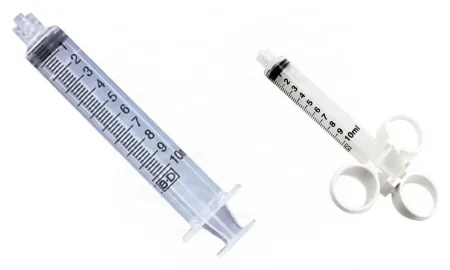
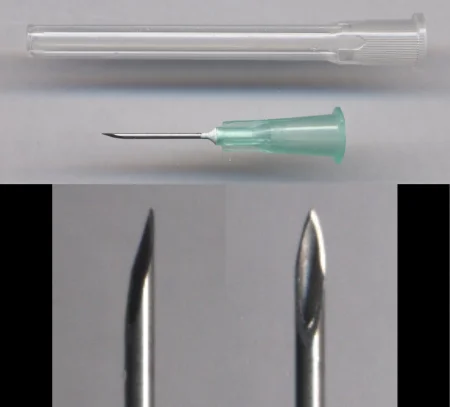

pass an unlabeled syringe or lose track of the local anesthetic used. Deaths from lidocaine with epinephrine have followed a missing or wrong label, a wrong total reported and the wrong drug passed to the surgeon. Epinephrine is a high-alert medicationHY-uh-lert med-ih-KAY-shunA drug that can cause serious harm to a client if it is used in error; also called a high-risk medication.Full entry .
Peripheral nerve blocks
A peripheral nerve block numbs the area supplied by one major nerve or a group of nerves (a plexusPLEK-susA network of nerves or blood vessels that branch and join together.Full entry ). The anesthetic is injected into the tissue around the nerve, never into the nerve itself, after the skin is prepped. The APay-PEE (said as letters)An abbreviation with several meanings, such as apical pulse, anteroposterior or assistive personnel.Full entry finds the nerve with a nerve stimulator, often with ultrasound guidance, and the block may take a few minutes to an hour to work fully. Many blocks are placed in the holding area so they have time to take effect before the patient reaches the OR.
- Nerve plexus blocks: a whole limb or region is numbed through a group of nerves, such as the brachial plexus in the armpit (an axillary block) for arm and hand surgery, or the cervicalSER-vih-kulRelating to the neck, or to the cervix, the lower end of the uterus.cervic/o neck, cervix-al relating toFull entry or lumbarLUM-barHaving to do with the lower back, the part of the spine between the ribs and the pelvis.Full entry plexus.
- The retrobulbar block: an injection behind the eye, into the cone of eye muscles, that numbs the eye and stops it moving for eye surgery. It is given by the ophthalmologist or the AP, sometimes after a sedative-hypnoticSED-uh-tiv hip-NOT-ikA drug that calms a person (sedative) or helps them fall asleep (hypnotic); the same drug can do either, depending on the dose.Full entry by vein, often with hyaluronidase added to spread the drug. It is rarely used for cataractKAT-uh-raktClouding of the lens of the eye.Full entry surgery now.
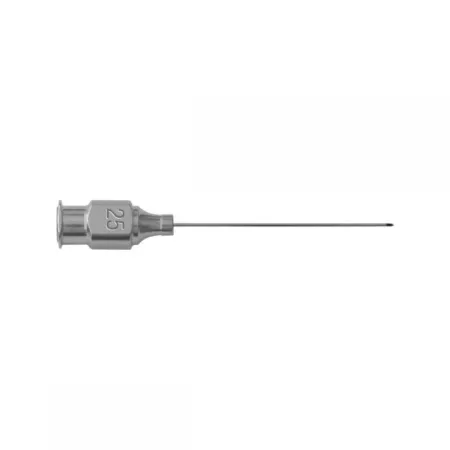
A blocked limb has lost its warning sense of pain. Position and pad it with care, and remind the patient after surgery that a numb limb can be burned without their feeling it and raises the risk of a fall.
The scrub assists when a block is done as part of the operation, the same way as for infiltration.
The IV regional block (Bier block)
In a Bier block, the local anesthetic is injected into a vein of a limb that has been emptied of blood and closed off with a tourniquet. It is used most for the arm.
- A small IV catheter goes into a vein of the hand or arm, as far down the limb below the operative site as it can go, and a pneumatic tourniquet, single or double cuffed, goes around the limb above the site.
- The limb is raised and wrapped tightly from the fingers upward with an Esmarch bandage, which squeezes the blood out of it (exsanguination).
- The tourniquet is inflated, to the pressure the AP sets, and the Esmarch is removed. The tourniquet time starts.
- The local anesthetic, usually lidocaine, is injected through the IV catheter, and the arm goes numb quickly.
- With a double cuff, the upper cuff is inflated first. When the cuff starts to hurt, usually after 35 to 40 minutes, the lower cuff, which sits over numb skin, is inflated before the upper one is let down, so the drug never escapes.
The great danger is the cuff failing or being let down too soon, which sends a toxic dose of local anesthetic straight into the circulation; the cuff is kept up long enough for the drug to bind in the tissues. Cuff pain usually limits a Bier block to about an hour.
The scrub has the supplies ready and helps drape the arm, sometimes with an occlusiveuh-KLOO-sivClosing something off, or sealed so that air and water cannot pass through.Full entry drape over the hand; the block is an IV procedure done with aseptic technique. Your facility may require you to change gown and gloves after the block and before the operation. Chapter 31 teaches applying the tourniquet cuff and its safe pressures.
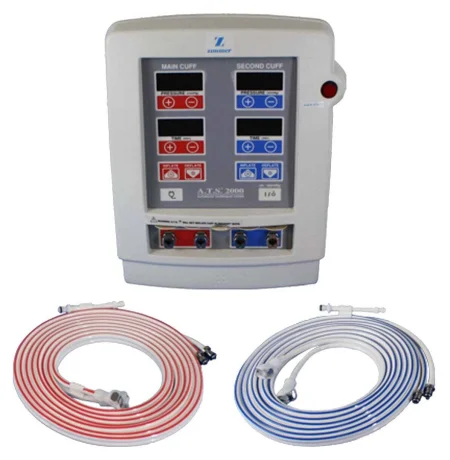

Spinal anesthesia
In spinal anesthesia (a subarachnoid block), the local anesthetic is injected into the cerebrospinal fluidser-uh-broh-SPY-nul FLOO-idThe clear, watery fluid that bathes and cushions the brain and spinal cord.cerebr/o brainspin spine-al relating toFull entry in the subarachnoid spacesub-uh-RAK-noyd SPAYSThe space between two of the thin membranes that cover the brain and spinal cord, filled with cerebrospinal fluid.sub- belowarachn spider (the arachnoid layer looks like a web)-oid likeFull entry , also called the intrathecal space, low in the back. The nerve roots leaving the cord at that level stop carrying signals, and the lower body goes numb and cannot move. It takes effect almost at once and can last up to about 2 hours, and it is used most for gynecologygy-nuh-KOL-uh-jeeThe branch of medicine that cares for the female reproductive organs and breasts.gynec/o woman-logy study ofFull entry , obstetric, orthopedicor-thuh-PEE-dikHaving to do with the bones, joints, muscles, ligaments and tendons, and the branch of medicine that treats them.orth/o straightped/o child (the field began with straightening children's bones)-ic relating toFull entry and urologic surgery. fentanylFEN-tuh-nilA very strong, fast-acting opioid pain drug given by IV, skin patch or through the lining of the mouth.Full entry or preservative-free morphineMOR-feenA strong opioid drug used to relieve moderate to severe pain.Full entry is often added for pain relief after surgery.
The anesthetic is usually mixed with dextroseDEK-strohsA form of glucose sugar given by mouth or IV for energy or to raise a low blood sugar.Full entry , which makes it heavier than the spinal fluid (hyperbaric), so it sinks to the lowest part of the spine. Tilting the table moves the block up, down or to one side, and after about 10 to 15 minutes it "sets" and stops spreading. The common drugs are bupivacainebyoo-PIV-uh-kaynA long-acting local anesthetic used to numb an area, block nerves, or give epidural and spinal anesthesia.Full entry , tetracaine, ropivacaine and lidocaine, and anything injected into the spinal fluid or the epidural anesthesiaep-ih-DOOR-ul an-us-THEE-zhuhPain relief or numbness from an anesthetic drug given through a thin catheter into the space just outside the covering of the spinal cord.epi- upon, overdur/o dura (the tough covering of the spinal cord)-al relating toFull entry space must be preservative-free, as its label states.
Positioning for the spinal. The needle must pass between two vertebrae, so the patient curves the back to open the spaces between them:
- Lying on the side with the knees drawn up; the circulator steadies the shoulders with one hand and supports the back of the knees with the other.
- Sitting on the edge of the table, bent forward with a rounded back, while the circulator supports the patient.
Cover the patient with a blanket so only the injection site shows, for warmth and modesty.
The AP preps the skin, places a small sterile drape, numbs the skin with local anesthetic and passes the spinal needle into a space low in the lumbar spine. Afterward the patient lies supine, and the AP may tilt the table to set the block's level.
Your role. As circulator or assistant, you prepare the spinal tray, the right size of spinal needle, the prep solution and drapes; help the patient hold the position, which matters because even a cold prep solution on the back can make a patient flinch and move out of it; and confirm the type and strength of the anesthetic.
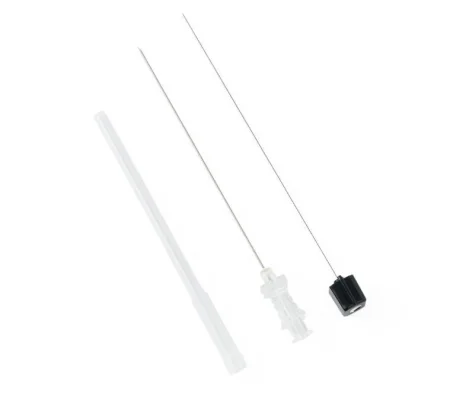
Risks of spinal anesthesia.
- Low blood pressure: the block also stops the sympathetic nerves that keep the blood vessels toned, so blood pools in the legs. IV fluid and a drug to raise the pressure, such as ephedrineeh-FED-rinA drug, given by IV injection, that raises blood pressure and heart rate.Full entry , treat it.
- High or total spinal: the anesthetic spreads too high and paralyzes the breathing muscles, so the patient needs intubation and ventilationven-tuh-LAY-shunAir moving in and out of the lungs as a person breathes.Full entry at once. Any breathing trouble soon after a spinal is a warning.
- Positioning injury: the numb body cannot feel pressure or a strained joint, so it is positioned and padded with care.
- Post-dural puncture headache (spinal headache): spinal fluid leaks through the hole in the duraDOOR-uhThe tough outer layer of the membranes that cover the brain and spinal cord.Full entry , and the headache comes on when the patient sits or stands. It is most common in patients under 40 and new mothers, and less common with thin, pencil-point needles. Rest, fluids and caffeine help; an epidural blood patch, the patient's own blood injected into the epidural space at the puncture, seals the leak.
Epidural and caudal anesthesia
In epidural anesthesia, the local anesthetic goes into the epidural space, just outside the dura, which holds fat, many veins and the nerve roots. The needle usually enters between the lumbar vertebrae, though thoracicthuh-RAS-ikRelating to the chest, or to the middle part of the spine.thorac/o chest-ic relating toFull entry and neck injections are possible. The drug acts on the nerve roots there, some of it soaks slowly through the dura into the spinal fluid, and it spreads up and down from where it was injected. It needs a much larger dose than a spinal, it takes longer to work (about 10 to 20 minutes), and the patient's position affects its spread much less.
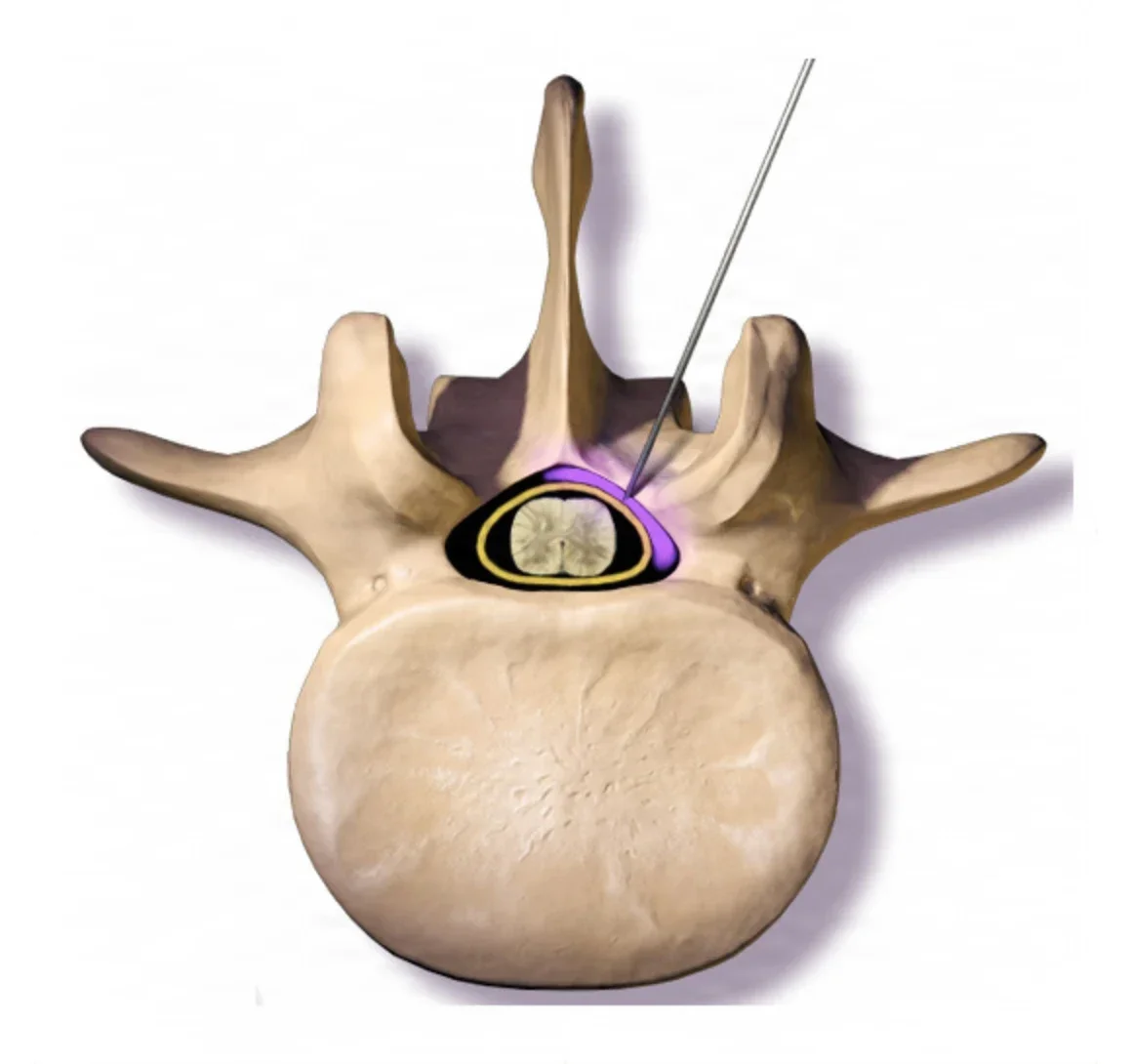
A thin catheter can be left in the epidural space, so more drug can be given through it for as long as needed. That makes the epidural a common choice for obstetric, gynecologic, urologic and rectalREK-tulRelating to the rectum, the last part of the large intestine; also, given or measured through the rectum.rect/o rectum, straight-al relating toFull entry surgery, and for pain control for days after major surgery.
A caudal block reaches the same epidural space from below, through an opening in the sacrumSAY-krumThe large, triangle-shaped bone at the base of the spine, between the two hip bones.sacr/o sacrumFull entry . It numbs the perineumpair-ih-NEE-umThe area of skin and muscle between the genitals and the anus.perine/o perineumFull entry and groin and is often given to children, after they are asleep, for pain relief after lower body surgery.
The AP gives a small test dose first, then the rest of the drug in small doses.
Risks of epidural anesthesia.
- A wet tap: the epidural needle punctures the dura by mistake, which can cause a spinal headache.
- Total spinal: a large epidural dose that goes into the spinal fluid paralyzes the breathing muscles, needing intubation and ventilation.
- Injection into a vein: the space is full of veins, and an accidental injection there can cause local anesthetic toxicity.
- Low blood pressure: possible, but it comes on more slowly than with a spinal and is easier to correct.
The circulator's role is the same as for a spinal.
The local anesthetics
Local anesthetics block the sodium channels in neuronNOOR-onA nerve cell: a cell that carries electrical and chemical signals through the nervous system.neur/o nerveFull entry membranes, so the nerve cannot carry its signal. They come in two chemical families, amides and esters. Allergic reactions are more common with the esters.
| Drug | Family | Notes |
|---|---|---|
| Lidocaine (Xylocaine) | Amide | The local anesthetic used most, usually 0.5 to 2 percent; fast to work, and also a drug for heart rhythm problems |
| Bupivacaine (Marcaine, Sensorcaine) | Amide | About four times stronger than lidocaine, slower to start and much longer lasting; used for nerve blocks, spinals and epidurals, and 0.25 percent for pain relief after surgery. Injected into a vein, it can stop the heart |
| Mepivacaine (Carbocaine) | Amide | Like lidocaine, but longer lasting |
| Ropivacaine (Naropin) | Amide | Long acting like bupivacaine, a little weaker, and less toxic to the heart |
| Tetracaine (Pontocaine) | Ester | For topical use on the throat and the eye, and for spinal anesthesia; not for local injection or nerve blocks. Cetacaine is a topical preparation that contains it |
| Cocaine | Ester | Only as a topical, 4 to 10 percent, on the mucous membranes of the nose and throat, where it also shrinks the vessels; a controlled substancekun-TROHLD SUB-stunsA drug whose making, prescribing and use are strictly regulated by law because it can be misused or cause dependence.Full entry |
Epinephrine with a local anesthetic
Adding epinephrine narrows the blood vessels at the site. That means less bleeding, a slower uptake of the anesthetic into the blood, an anesthetic that lasts longer, and a lower risk of toxicity, so a larger dose can be given safely. Its strength is written as a ratio, and the larger the second number, the weaker the solution: 1:100,000 is twice as strong as 1:200,000. Premixed local anesthetics with epinephrine usually carry red on the label.
Epinephrine is used with caution in patients with high blood pressure, heart disease or diabetes, and with extreme caution, and as little as possible, where the blood supply is limited: the fingers, toes, tip of the nose and penis.
Maximum doses
These are common adult maximums. References differ a little, and the surgeon and the AP set the dose for each patient; chapter 12 teaches how to work out milligrams from a percentage.
| Drug | Maximum adult dose |
|---|---|
| Lidocaine, plain | 4.5 mg/kg, no more than 300 mg in all |
| Lidocaine with epinephrine | 7 mg/kg; references give different totals, from 300 to 500 mg |
| Bupivacaine, plain | 2.5 mg/kg (one reference gives 2 mg/kg), no more than 175 mg in all |
| Mepivacaine | 4 to 7 mg/kg (references differ), no more than 400 mg in all |
| Tetracaine, topical | No more than 20 mg |
Local anesthetic systemic toxicity (LAST)
Local anesthetic systemicsis-TEM-ikAffecting the whole body rather than one part.Full entry toxicity happens when too much local anesthetic reaches the blood: from too large a dose, an injection too fast, a slow clearance, or an injection straight into a vessel. It happens most often with nerve blocks and epidurals, where large doses lie near many vessels. It can come on slowly or all at once, and it can appear up to 30 minutes after the injection.
- Brain signs come first: lightheadedness, restlessness and confusion, numbness or tingling around the mouth, a metallic taste, ringing in the ears, blurred vision, slurred speech, twitching and a sense of doom; the patient may become talkative. Then come seizureSEE-zherA sudden burst of abnormal electrical activity in the brain that changes movement, feeling, behavior or awareness.Full entry , then drowsiness, slowed breathing and apneaAP-nee-uhA pause in breathing, or breathing that has stopped.a- without-pnea breathingFull entry .
- Heart signs: first a fast heart and high blood pressure, then low blood pressure, a slow heart, dysrhythmiadis-RITH-mee-uhA heart rhythm that is not normal: too fast, too slow or irregular.dys- abnormalrhythm/o rhythm-ia conditionFull entry and cardiac arrestKAR-dee-ak uh-RESTThe sudden stop of the heart's pumping, so blood no longer reaches the brain and body.Full entry .
The anesthesia provideran-us-THEE-zhuh pruh-VY-derThe licensed professional who gives anesthesia and watches over the client's breathing and vital functions during a procedure.Full entry treats it in order: the airway and oxygen first, then a benzodiazepineben-zoh-dy-AZ-uh-peenA group of calming drugs that slow brain activity, used for anxiety, seizures, alcohol withdrawal and sedation.Full entry to stop seizures, then an infusion of 20% fat emulsionFAT ih-MUL-shunA milky-white IV fluid of fats, usually from soybean, olive or fish oil, given as part of nutrition by vein.Full entry , which draws the drug out of the tissues.
A true allergic reaction to a local anesthetic is a different thing from toxicity. It can be mild, such as itching or a rash, or it can be anaphylaxisan-uh-fuh-LAK-sisA sudden, severe allergic reaction that affects the whole body.ana- away, against-phylaxis protectionFull entry . Talking with an awake patient helps you notice either early.
Under local or regional anesthesia, the patient's words are a monitor. Ringing ears, a metallic taste or tingling lips can be the first sign of toxicity; tell the surgeon or AP at once.
14Your role with the anesthesia team
The Core Curriculum gives the surgical team five jobs while anesthesiaan-us-THEE-zhuhLoss of feeling or sensation, often brought on by drugs so that surgery or a procedure can be done without pain.an- withoutesthesi/o feeling, sensation-ia conditionFull entry is given: assisting the anesthesia team, documenting, handling medications and solutions, following facility policy, and monitoring both the drug doses and the patient.
At induction of general anesthesia
In the assistant circulator role, the surgical technologistSUR-jih-kul tek-NOL-uh-jistA member of the operating room team who prepares the sterile field and instruments and hands them to the surgeon.Full entry may help the APay-PEE (said as letters)An abbreviation with several meanings, such as apical pulse, anteroposterior or assistive personnel.Full entry during inductionin-DUK-shunThe starting of a process on purpose, such as bringing on labor or putting a client under anesthesia.Full entry and endotracheal intubationen-doh-TRAY-kee-ul in-too-BAY-shunPutting a breathing tube through the mouth or nose into the windpipe (trachea).endo- withintrache/o windpipe-al relating toFull entry . One reference lists this help among the RN circulator's duties, so your facility's policy decides what you may do.
- Before: have the suction on and working at the head of the table, and know where the difficult-airway cart and the crash cart are.
- Stay with the patient: a patient is never left alone in the OR. Stand at the patient's side, ready to help.
- Keep it quiet: stop setting up and talking until the patient is fully asleep.
- Hand what is asked for: the laryngoscope, the tube with its syringe attached for the cuff, the stylet, suction.
- Apply cricoid pressure when the AP asks, and release it only when told.
- In a difficult airway: bring the difficult-airway cart, make sure 100% oxygen and suction are ready, watch the monitors, record the saturationsach-uh-RAY-shunHow full something is; in nursing, usually the percentage of hemoglobin in the blood that is carrying oxygen.Full entry and end-tidal carbon dioxideKAR-bun dy-OK-sideA gas made by the body's cells as waste, carried in the blood to the lungs and breathed out.Full entry , and tell the AP about any important change.
- Never move an anesthetized patient, or reposition a limb, without coordinating with the AP.
In the first scrub role, you may already be gowned with the field set up. Keep the room quiet, guard your field, and be ready if an emergency airway is needed.
During local, regional, spinal and epidural anesthesia
- Local: prepare, label, pass and total the local anestheticLOH-kul an-es-THET-ikA drug that blocks feeling in one part of the body without making the person unconscious.Full entry as described above.
- Regional and Bier block: have the supplies ready, help drape, and be ready to change gown and gloves if policy requires.
- Spinal and epidural anesthesiaep-ih-DOOR-ul an-us-THEE-zhuhPain relief or numbness from an anesthetic drug given through a thin catheter into the space just outside the covering of the spinal cord.epi- upon, overdur/o dura (the tough covering of the spinal cord)-al relating toFull entry : prepare the tray and needles, help position and steady the patient, and confirm the drug and its strength.
- Watch the awake patient: anxiety, restlessness, a change in breathing, sweating, nausea or ringing ears can be the first sign of trouble.
Documenting
Everything given to the patient is recorded. The AP keeps the anesthesia record; you report to the circulator, for the patient's record, every drug and solution used on the field, its strength and its total.
Handling medications and solutions
Every drug on the field is received, confirmed, labeled and tracked by the rules in chapter 12. Two anesthesia points matter most: label every syringe of local anesthetic and every cup of epinephrineep-ih-NEF-rinA hormone and drug, also called adrenaline, that raises heart rate and blood pressure and opens the airways.Full entry at once, and keep a running total, because the total is what decides whether the dose is safe.
Monitoring the dose and the patient
You watch two things. The dose: know the local anesthetic's strength and its running total, so the total can be checked against the safe limit. The patient: the color of the blood in the field (dark blood can be a sign of poor oxygen or malignant hyperthermiamuh-LIG-nunt hy-per-THER-mee-uhA rare inherited reaction to certain general anesthesia drugs in which the muscles' metabolism speeds up out of control.mal- badhyper- above normaltherm heat-ia conditionFull entry ), the amount of bleeding, the patient's position and padding, and, in an awake patient, what they say and how they look. Chapter 29 teaches watching and reporting from the field.
15Keeping the patient warm
AST defines normothermia as a core temperature of at least 36°C and hypothermiahy-poh-THER-mee-uhA body temperature that has fallen below the normal range.hypo- belowtherm/o heat-ia conditionFull entry as a core temperature below 36°C. Unplanned hypothermia is very common: it is estimated to happen to more than half of surgical patients in the United States, even in short cases.
| Hypothermia | Core temperature |
|---|---|
| Mild | 34 to 36°C |
| Moderate | 32 to 34°C |
| Severe | Below 32°C |
Why patients get cold
The body loses heat in four ways:
- radiationray-dee-AY-shunEnergy that travels as waves or particles, such as X-rays, used to make images or treat cancer; also pain that spreads from its starting point.radi/o rays, radiation-ation processFull entry : heat given off to a cooler room, the biggest loss, about 60 percent of it.
- conductionkun-DUK-shunThe passing of something, such as an electrical signal or heat, from one place to another through a material.Full entry : heat lost to anything cold the body touches, such as the OR table's mattress, and to cold IV fluids, blood and irrigationeer-ih-GAY-shunWashing out a wound, body cavity, tube or eye with a steady flow of liquid.Full entry .
- Convection: heat carried off by moving air, as in the OR's air flow.
- Evaporation: heat lost as fluid evaporates from wet skin, prep solution, or open body cavities.
The OR is kept cool for the gowned team under hot lights, but the main cause of unplanned hypothermia is the anesthesiaan-us-THEE-zhuhLoss of feeling or sensation, often brought on by drugs so that surgery or a procedure can be done without pain.an- withoutesthesi/o feeling, sensation-ia conditionFull entry itself. general anesthesiaJEN-er-ul an-es-THEE-zhuhDrug-induced loss of consciousness and feeling over the whole body, so a person feels nothing and is not aware during surgery.an- withoutesthesi/o feeling, sensation-ia conditionFull entry switches off the body's temperature control and widens the vessels, so warm blood moves from the core out to the skin, where the heat is lost. In the first 30 to 40 minutes the core can fall below 35°C. Spinal and epidural anesthesiaep-ih-DOOR-ul an-us-THEE-zhuhPain relief or numbness from an anesthetic drug given through a thin catheter into the space just outside the covering of the spinal cord.epi- upon, overdur/o dura (the tough covering of the spinal cord)-al relating toFull entry cause it too: the numb part of the body cannot shiver or narrow its vessels, and the patient may even feel warm while getting colder.
Muscle relaxants stop shivering. The very young and the very old, thin patients, burnBURNAn injury to the skin or deeper tissues caused by heat, chemicals, electricity, radiation or friction.Full entry and trauma patients, long and open operations, and patients with heart, gland or liver diseaseLIV-er dih-ZEEZAny condition that damages the liver or keeps it from working normally.hepat/o liverFull entry or diabetes are at highest risk.
Why it matters
Even mild hypothermia harms the patient:
- the heart beats irregularly and can be starved of oxygen
- the risk of surgical site infection rises, because narrowed vessels bring less oxygen to the wound
- the blood clots poorly, so blood loss and blood transfusionBLUD trans-FYOO-zhunGiving blood, or a part of blood, from a donor into a person's vein.trans- acrossfus/o pourFull entry increase
- drugs, including the muscle relaxants, last longer, and waking is delayed
- shivering afterward can raise the body's oxygen demand by up to 400 percent, and increases pain
- the stay in the PACU and the hospital grows longer
How the team keeps the patient warm
- Before surgery: keep the patient covered on the stretcher, with warm blankets, and ask whether they are warm enough. A patient having planned surgery should be at 36°C or above before going into the OR, and active warming starts at least 30 minutes before inductionin-DUK-shunThe starting of a process on purpose, such as bringing on labor or putting a client under anesthesia.Full entry , unless it would delay emergency surgery. Warming the patient before induction cuts the heat lost when the vessels open.
- Measure: the patient's temperature is taken before induction, recorded through the case (studies support every 15 minutes under general anesthesia), and on arrival in the PACU. Use the same site and method throughout. The most accurate core sites are the distal esophagusih-SOF-uh-gusThe muscular tube that carries food and liquid from the throat to the stomach.esophag/o esophagusFull entry , the nasopharynxnay-zoh-FAIR-inksThe top part of the throat, behind the nose and above the soft palate.nas/o nosepharyng/o throatFull entry , the pulmonary arteryPUL-muh-nair-ee AR-ter-eeThe large blood vessel that carries blood low in oxygen from the right side of the heart to the lungs.Full entry and the tympanic membranetim-PAN-ik MEM-braynThe thin, cone-shaped sheet of tissue between the outer ear canal and the middle ear; the eardrum.Full entry with a contact probe; the bladder, rectum, armpit, mouth and forehead read near the core. Know how to test and use your facility's temperature device as its maker directs.
- Warm actively: forced-air warming, circulating-water pads and conductive mattresses all work, and several methods are often combined with passive covers such as blankets and drapes. Use a forced-air hose only with its own blanket, never alone or tucked under the drapes: the air at the hose can be hot enough to burn. Never warm a patient with warm IV bags or hot-water bottles, which can burn.
- Prewarm the table: a warm mattress and linens prevent loss by conduction.
- Warm fluids: IV fluids are warmed when large volumes will be given, more than about 2 liters an hour in an adult, and blood productBLUD PROD-uktAny part of donated blood prepared for transfusion, such as red cells, plasma or platelets.Full entry are warmed before a transfusion, except plateletPLAYT-litA tiny cell fragment in the blood that sticks together at a wound to help form a clot.Full entry and cryoprecipitate (chapter 12).
- Prep and drape promptly: expose only the skin that must be prepped, use a warm prep solution only if its maker allows (some are flammable), and drape as soon as the prep is done.
- Warm the room: the room may be warmed, along with other methods, most of all for children. AST's guideline cites a minimum of 21°C (about 70°F) while the patient is uncovered, as during the skin prep; once active warming is under way, the room can be cooled again for the gowned team.
- Warm irrigation: as the scrub, you provide warm irrigation fluid. Irrigation fluid is kept at body temperature, 37°C, and no warmer, because fluid that is too hot can burn the patient.
- Shivering: meperidinemeh-PAIR-ih-deenA synthetic opioid pain drug, also called pethidine outside the United States.Full entry is the drug of choice for shivering after anesthesia.
AST's 2019 normothermia guideline, going by the temperatures used in studies, warms irrigation fluid to 33 to 40°C as the fluid's maker allows; one reference's care plan sets the limit at less than 40.5°C.
The goal for a patient under general or neuraxial anesthesia for an hour or more is a core temperature of at least 36°C at the end of the anesthetican-us-THET-ikA drug that causes loss of feeling, with or without loss of consciousness.an- withoutesthesi/o feeling, sensation-ic relating toFull entry , and a normal temperature, 36 to 38°C, by discharge from the PACU.
Deliberate hypothermia
Sometimes the team cools a patient on purpose. Cooling lowers the body's need for oxygen, so it is used in some heart and brain operations, and it is part of treating malignant hyperthermiamuh-LIG-nunt hy-per-THER-mee-uhA rare inherited reaction to certain general anesthesia drugs in which the muscles' metabolism speeds up out of control.mal- badhyper- above normaltherm heat-ia conditionFull entry . Blood can be cooled through the heart-lung machine, and cold IV fluids, cold irrigation of a body cavity and saline slush packed around the heart also cool. How far it goes depends on the operation: light cooling holds the core between 37 and 32°C, moderate between 32 and 26°C, deep between 26 and 20°C, and profound below 20°C. Most cooling stays at 26°C or above; some aortic arch operations, done with the circulation stopped, go colder (chapter 41). Cooling can cause dysrhythmiadis-RITH-mee-uhA heart rhythm that is not normal: too fast, too slow or irregular.dys- abnormalrhythm/o rhythm-ia conditionFull entry up to cardiac arrestKAR-dee-ak uh-RESTThe sudden stop of the heart's pumping, so blood no longer reaches the brain and body.Full entry , so the patient is rewarmed slowly.
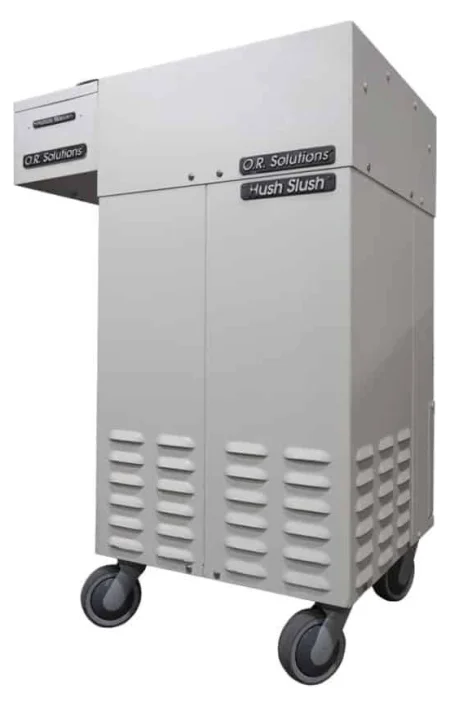
16The child under anesthesia
A child's body keeps its balance differently from an adult's, and some of those differences raise the risks of anesthesiaan-us-THEE-zhuhLoss of feeling or sensation, often brought on by drugs so that surgery or a procedure can be done without pain.an- withoutesthesi/o feeling, sensation-ia conditionFull entry .
Temperature
Infants and children lose heat faster than they make it. They have a large skin surface for their weight, blood vessels close to the skin, little insulating fat, and temperatures that swing widely. A cold table, a cold prep solution, wet linens and the anesthetican-us-THET-ikA drug that causes loss of feeling, with or without loss of consciousness.an- withoutesthesi/o feeling, sensation-ic relating toFull entry itself all chill them, and most of their heat leaves by radiationray-dee-AY-shunEnergy that travels as waves or particles, such as X-rays, used to make images or treat cancer; also pain that spreads from its starting point.radi/o rays, radiation-ation processFull entry . Infants cannot shiver; they burnBURNAn injury to the skin or deeper tissues caused by heat, chemicals, electricity, radiation or friction.Full entry a special brown fat for heat, which uses up oxygen and glucose, so a cold baby becomes short of oxygen and blood sugar, and the heart can stop.
Children can also overheat, from a warming device used wrongly, too many covers or waterproof drapes. malignant hyperthermiamuh-LIG-nunt hy-per-THER-mee-uhA rare inherited reaction to certain general anesthesia drugs in which the muscles' metabolism speeds up out of control.mal- badhyper- above normaltherm heat-ia conditionFull entry is more of a risk in children than in adults. Under forced-air warming, babies and children warm quickly and are watched closely.
To keep a child warm:
- Have plenty of blankets for transport; a newborn may arrive in a heated isolette, an enclosed infant transport unit with its own controlled environment and monitors.
- Keep a cap on an infant's head at all times, and prewarm the holding area and the OR before the child arrives; AST suggests above 26°C for a child.
- Use warm-air blankets and mattresses, water blankets and, for infants, overhead radiant warmers at the distance the maker sets (watch for drying out).
- Warm the IV fluids and the irrigationeer-ih-GAY-shunWashing out a wound, body cavity, tube or eye with a steady flow of liquid.Full entry to body temperature, and wet sponges with warm saline.
- Never use warm IV bags or hot-water bottles to warm a child.
- Monitor the temperature with an esophagusih-SOF-uh-gusThe muscular tube that carries food and liquid from the throat to the stomach.esophag/o esophagusFull entry or rectalREK-tulRelating to the rectum, the last part of the large intestine; also, given or measured through the rectum.rect/o rectum, straight-al relating toFull entry probe, or an armpit probe for a short case.
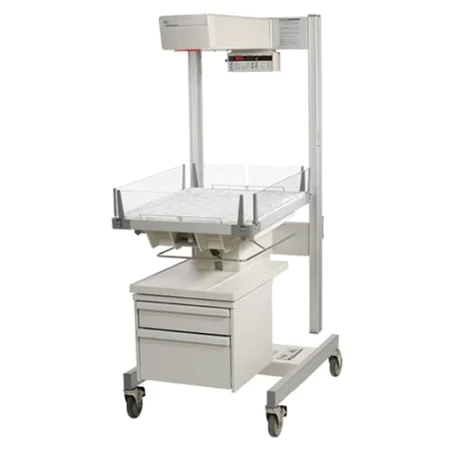
Fluids and blood
Children dehydrate fast, and their large surface for their size raises the risk of acid-base upsets. The IV runs through microdrip tubing with a measuring chamber and a pump, so every mL is counted, and the APay-PEE (said as letters)An abbreviation with several meanings, such as apical pulse, anteroposterior or assistive personnel.Full entry may give a bolusBOH-lusA single amount of a drug or fluid given all at once or over a short time.Full entry , one large dose given all at once, of fluid or a drug. Children also have little blood to spare and cannot tolerate steady bleeding. Report every mL of irrigation used, keep used sponges for weighing, and have clamps, sutureSOO-cherA stitch, or the thread used to stitch, that holds the edges of a wound or incision together.Full entry and hemostatichee-moh-STAT-ikStopping bleeding; also, a product or agent used to stop bleeding.hem/o blood-stasis stopping, standing still-ic relating toFull entry ready before the operation begins.
The airway
A child's airway is small and easily blocked:
- The tongue is large for the mouth.
- Babies under about 8 weeks breathe only through the nose, so a blocked nose can cause serious breathing trouble.
- The tracheaTRAY-kee-uhThe windpipe: the tube that carries air from the throat to the lungs.Full entry is shorter and narrower, and the airway is softer and less rigid than an adult's.
- The narrowest point is just below the vocal cords, at the cricoid, while an adult's is at the cords. Newer tubes with very small cuffs let cuffed tubes be used at any age.
- The chest wall is soft, and the lungs hold a smaller reserve of air, so a child runs out of oxygen much faster than an adult if the airway is lost.
Drugs
Children react strongly to small changes in a dose. Doses are ordered by weight in kilograms, and the surgeon, the circulator and the scrub each verify them. Keep a running total of local anestheticLOH-kul an-es-THET-ikA drug that blocks feeling in one part of the body without making the person unconscious.Full entry and vasoconstrictors such as epinephrineep-ih-NEF-rinA hormone and drug, also called adrenaline, that raises heart rate and blood pressure and opens the airways.Full entry through the case, to prevent an overdose.
Anesthesia for a child
Children usually need general anesthesiaJEN-er-ul an-es-THEE-zhuhDrug-induced loss of consciousness and feeling over the whole body, so a person feels nothing and is not aware during surgery.an- withoutesthesi/o feeling, sensation-ia conditionFull entry , even for operations an adult could have under a block, because they cannot hold still and cooperate, and it lets the AP control the airway fully.
- Preparing: the child and family are prepared ahead of time, with the anesthesia devices, attire and steps explained in ways suited to the child's age. Chapter 18 teaches a child's fears and how to talk with a child.
- Premedication: optional, and practice varies. It may be midazolammih-DAZ-oh-lamA short-acting benzodiazepine used for sedation before procedures and to stop seizures.Full entry by mouth, nose or rectum, ketamineKEE-tuh-meenA dissociative anesthetic drug used for anesthesia, procedural sedation and some kinds of pain.Full entry into a muscle, methohexital by rectum, or EMLA cream on the skin before the IV. sedationsih-DAY-shunA calm, relaxed or sleepy state brought on by drugs, or the use of drugs to cause it.sed calm, settle-ation processFull entry can delay waking and raise the risk of falls and slowed breathing.
- Parents at inductionin-DUK-shunThe starting of a process on purpose, such as bringing on labor or putting a client under anesthesia.Full entry : many facilities let one or both parents stay with the child through induction, which can reduce the need for premedication. Children older than about 4 do best with it, and an infant may be put to sleep in a parent's or nurse's arms. It is debated: it eases parents and pleases families, but it may not change the child's behavior, and the team must be ready to care for the parent too.
- Induction: often by mask, with sevoflurane, so the IV can wait until the child is asleep. A cooperative child tries the mask on; a sleeping child can be put to sleep by holding the mask near the face ("blow-by"). A child who already has an IV may get propofolPROH-poh-folA fast-acting IV drug used to put clients to sleep for surgery or procedures and to sedate clients on a ventilator.Full entry . Other routes are into a muscle, by rectum or by mouth.
- Maintenance: a precordial stethoscope, a pulse oximeter and electrocardiogramih-lek-troh-KAR-dee-oh-gramA test that records the heart's electrical activity as waves on paper or a screen.electr/o electricitycardi/o heart-gram recordFull entry electrodes go on, the IV goes in once the child is asleep, and anesthesia continues by tube, or by mask for a short case.
- Emergence and recovery: the tube comes out once the airway reflexREE-fleksAn automatic body response to something that stimulates it, which happens without thought, such as the knee jerk.Full entry are back, unless the child goes to the ICU on a mechanical ventilationmeh-KAN-ih-kul ven-tuh-LAY-shunBreathing support from a machine, a ventilator, that pushes air into the lungs through a tube or a mask.Full entry . Parents usually join the child in the PACU. Nausea and vomiting are the most common problems, in 40 to 50 percent of children; emergence deliriumdih-LEER-ee-umA sudden state of confusion and poor attention that comes and goes over hours or days.Full entry is less common, though it is seen most often in children.
Chapter 18 covers the care of children as people, and chapter 31 their transport and positioning.
17When anesthesia goes wrong
An anesthesiaan-us-THEE-zhuhLoss of feeling or sensation, often brought on by drugs so that surgery or a procedure can be done without pain.an- withoutesthesi/o feeling, sensation-ia conditionFull entry emergency comes from the drugs themselves or from something that happens to the body while the patient is anesthetized. Some need the whole team. Your role in every emergency is the same at its core: protect the surgical field, and help as you are directed.
Every surgical technologistSUR-jih-kul tek-NOL-uh-jistA member of the operating room team who prepares the sterile field and instruments and hands them to the surgeon.Full entry must hold a current Basic Life Support (BLS) card, with CPR and the automated external defibrillatorAW-tuh-may-tid ek-STER-nul dee-FIB-ruh-lay-terA portable device that checks the heart rhythm through pads on the chest and gives an electric shock if one is needed.Full entry (AED), and AST holds CSTs to keeping it current. In the OR, the patient is already in the best place to be rescued, because monitors, drugs and skilled people are all at hand.
Problems at the airway
aspirationas-puh-RAY-shunBreathing food, liquid, saliva or stomach contents into the airway and lungs; also, drawing fluid out with suction or a needle.Full entry is breathing fluid or solid matter into the lungs, such as stomach contents after vomiting or regurgitationrih-gur-jih-TAY-shunA flowing backward: blood leaking back through a heart valve, or stomach contents coming back up into the mouth.Full entry . anesthetican-us-THET-ikA drug that causes loss of feeling, with or without loss of consciousness.an- withoutesthesi/o feeling, sensation-ic relating toFull entry , sedative-hypnoticSED-uh-tiv hip-NOT-ikA drug that calms a person (sedative) or helps them fall asleep (hypnotic); the same drug can do either, depending on the dose.Full entry and opioid analgesicOH-pee-oyd an-ul-JEE-zikA strong drug that relieves moderate to severe pain by acting on the brain and spinal cord.Full entry weaken the gag reflexREE-fleksAn automatic body response to something that stimulates it, which happens without thought, such as the knee jerk.Full entry , and the risk is highest at inductionin-DUK-shunThe starting of a process on purpose, such as bringing on labor or putting a client under anesthesia.Full entry and emergence. Stomach acid in the lungs causes a chemical pneumonitis, which can turn into a bacterial aspiration pneumoniaas-pih-RAY-shun noo-MOH-nyuhPneumonia that develops after food, liquid, stomach contents or saliva are breathed into the lungs.Full entry . Aspiration is rare; emergency surgery is the factor most often linked to it. Fasting, drugs that cut stomach acid, cricoid pressure, a cuffed tube and working suction all protect against it, and an LMA does not.
laryngospasmluh-RING-goh-spaz-umA sudden, involuntary closing of the vocal cords that partly or fully blocks air from entering the lungs.laryng/o larynx (voice box)-spasm sudden involuntary tighteningFull entry is a spasmSPAZ-umA sudden, involuntary tightening of a muscle or of the muscle in a hollow organ or tube.Full entry of the muscles of the larynxLAIR-inksThe voice box: the part of the airway in the neck, above the windpipe, that holds the vocal cords.laryng/o larynxFull entry that closes the vocal cords partly or fully. secretionsih-KREE-shunA substance a gland or cell makes and releases, such as mucus, saliva, sweat or a hormone.Full entry , endotracheal intubationen-doh-TRAY-kee-ul in-too-BAY-shunPutting a breathing tube through the mouth or nose into the windpipe (trachea).endo- withintrache/o windpipe-al relating toFull entry , extubation, suctioningSUK-shun-ingRemoving mucus, saliva or other secretions from the mouth, nose or airway with a tube connected to a suction source.Full entry or stimulation of a lightly anesthetized patient set it off, most often at induction or emergence. A partly closed larynx makes a high, crowing sound (stridorSTRY-derA high-pitched, harsh sound made while breathing, usually heard when breathing in.Full entry ); a fully closed one makes no breath sounds at all, while the chest rocks as the patient tries to breathe and the oxygen falls. The APay-PEE (said as letters)An abbreviation with several meanings, such as apical pulse, anteroposterior or assistive personnel.Full entry removes the trigger, suctions, extends the neck, gives oxygen and positive-pressure breaths by mask. If that fails within about a minute, succinylcholinesuk-sih-nil-KOH-leenA fast, short-acting drug that relaxes and paralyzes the muscles, used to place a breathing tube.Full entry relaxes the larynx, and the patient is breathed for until it wears off.
bronchospasmBRONG-koh-spaz-umA sudden tightening of the muscles around the airways that narrows them.bronch/o bronchus-spasm sudden involuntary contractionFull entry is a spasm of the bronchusBRONG-kusOne of the large air tubes that branch from the windpipe into each lung.bronch/o airwayFull entry tubes that narrows or closes the lower airway. The patient wheezingWEEZ-ingA high-pitched, whistling sound made as air moves through narrowed airways.Full entry , breathes fast and struggles for air. Aspiration, suctioning, an allergic reaction and some drugs trigger it, and a patient with asthma or a recent cold is at higher risk. It is treated with inhaled bronchodilatorbrong-koh-DY-lay-terA drug that relaxes the muscles around the airways so they open wider.bronch/o airwaydilat widen-or one that doesFull entry first, then IV drugs, and epinephrineep-ih-NEF-rinA hormone and drug, also called adrenaline, that raises heart rate and blood pressure and opens the airways.Full entry if it threatens life.
The difficult airway. A difficult airway is one in which placing a tube or even breathing for the patient by mask is very hard. In an airway emergency, the unconscious patient cannot be intubated at all, and brain damage can follow within minutes. The team brings the emergency airway cart, tries again with the tube or an LMA, and if all fails, the surgeon opens an emergency airway through the neck: a cricothyrotomy, through the membrane between the thyroid and cricoid cartilageKAR-tih-lijFirm, smooth, rubbery tissue that cushions joints and gives shape to parts such as the ear, nose and windpipe.chondr/o cartilageFull entry , or a tracheotomytray-kee-OT-uh-meeThe surgical cut made into the windpipe through the front of the neck.trache/o windpipe-tomy cutting, incisionFull entry . Be ready to open the tray and assist.

Dysrhythmias and cardiac arrest
A dysrhythmiadis-RITH-mee-uhA heart rhythm that is not normal: too fast, too slow or irregular.dys- abnormalrhythm/o rhythm-ia conditionFull entry is an abnormal heart rate or rhythm, seen on the electrocardiogramih-lek-troh-KAR-dee-oh-gramA test that records the heart's electrical activity as waves on paper or a screen.electr/o electricitycardi/o heart-gram recordFull entry . Low oxygen, high carbon dioxideKAR-bun dy-OK-sideA gas made by the body's cells as waste, carried in the blood to the lungs and breathed out.Full entry , a low potassium or an acid-base upset, too much fluid, anemiauh-NEE-mee-uhA lower than normal number of red blood cells or amount of hemoglobin in the blood.a- without, lacking-emia blood conditionFull entry , withdrawalwith-DRAW-ulThe physical and mental symptoms that occur when a person stops or cuts down a substance the body has come to depend on.Full entry from a substance, an unsettled circulation and the anesthetic drugs themselves, alone or combined, can all cause them, so the AP treats the cause. atropineAT-roh-peenAn anticholinergic drug that blocks the parasympathetic nervous system, which speeds the heart rate and dries secretions.Full entry speeds a slow heart, and sometimes a pacemakerPAYS-may-kerA small device that sends electrical pulses to the heart to keep it beating at a set rate; also the heart's own natural rhythm center.Full entry is needed. The dangerous rhythms, ventricular tachycardiaven-TRIK-yuh-ler tak-ih-KAR-dee-uhA fast heart rhythm that starts in the lower chambers of the heart (the ventricles), usually over 100 beats per minute.ventricul/o ventricletachy- fastcardi/o heart-ia conditionFull entry and ventricular fibrillationven-TRIK-yuh-ler fib-ruh-LAY-shunA heart rhythm in which the lower chambers quiver in a fast, chaotic way instead of pumping.ventricul/o ventricle-ar relating tofibrill small fiber, twitching-ation processFull entry , are treated with defibrillationdee-fib-ruh-LAY-shunAn electric shock given to the heart to stop a chaotic, life-threatening rhythm so a normal rhythm can return.Full entry and a drug such as amiodaroneam-ee-OH-duh-roneA drug used to treat and prevent serious abnormal heart rhythms.Full entry or lidocaineLY-doh-kaynA local anesthetic that numbs an area, also given by IV to treat some fast, abnormal heart rhythms.Full entry .
cardiac arrestKAR-dee-ak uh-RESTThe sudden stop of the heart's pumping, so blood no longer reaches the brain and body.Full entry is the sudden loss of the heart's pumping, so blood stops reaching the brain and organs. In surgery, its causes include a myocardial infarctionmy-oh-KAR-dee-ul in-FARK-shunDeath of part of the heart muscle because its blood supply is blocked; a heart attack.my/o musclecardi/o heart-al having to do withinfarct area of dead tissueFull entry , dysrhythmias, anaphylaxisan-uh-fuh-LAK-sisA sudden, severe allergic reaction that affects the whole body.ana- away, against-phylaxis protectionFull entry , malignant hyperthermiamuh-LIG-nunt hy-per-THER-mee-uhA rare inherited reaction to certain general anesthesia drugs in which the muscles' metabolism speeds up out of control.mal- badhyper- above normaltherm heat-ia conditionFull entry , respiratory arrest and massive blood loss. A code blue is the hospital's call for a team to come at once and treat a cardiac arrest.
Survival depends on the chain of survival: recognizing the arrest early, calling for help early, starting CPR early, defibrillating early when the rhythm is shockable, and starting advanced life support early. Every minute without CPR and defibrillation lowers the chance of survival by about 7 to 10 percent.
AST's code blue guideline follows the American Heart Associationuh-MAIR-ih-kun HART uh-soh-see-AY-shunA US nonprofit group that funds heart and stroke research and publishes guidelines, including for CPR.Full entry 's order: C-A-B, compressions, then airway, then breathing. Push hard and fast, 100 to 120 compressions a minute and at least 2 inches deep but no more than 2.4 inches, let the chest recoil fully, and keep pauses short. In the OR a fourth step is added, D, definitive treatment: the drugs, defibrillation and care after resuscitationrih-sus-ih-TAY-shunEmergency treatment to restore breathing, heartbeat or blood circulation.Full entry that the physicians direct. A patient under general anesthesiaJEN-er-ul an-es-THEE-zhuhDrug-induced loss of consciousness and feeling over the whole body, so a person feels nothing and is not aware during surgery.an- withoutesthesi/o feeling, sensation-ia conditionFull entry usually already has a secured airway, and the AP can quickly intubate a patient under local, regional or MAC.
Some references still list the old order, airway, breathing, then circulation (A-B-C).
The scrub's role in a code blue, from AST's guideline:
- Keep the back table, the Mayo standMAY-oh standA small tray on an adjustable stand placed over or beside the patient during surgery to hold the instruments used most often.Full entry and the surgical site sterile, and protect the field while the rest of the team works on the patient.
- Pack the wound with moist sponges and cover it with a sterile drape or sterile towels.
- Keep track of every instrument, sponge and needle on the field, and have ready what the surgeon will need next.
- Be ready to help when asked: giving chest compressions, or breathing for the patient with a bag ("bagging").
- If the surgeon must shockshokA life-threatening state in which blood flow is too low to bring enough oxygen to the body's tissues.Full entry the heart directly or massage it with the chest open, assist with whatever is needed.
When a life is at stake, saving it comes first; surgical asepsisSUR-jih-kul ay-SEP-sisPractices that keep an area or object completely free of microorganisms; also called sterile technique.a- withoutsepsis decay, infectionFull entry becomes secondary to the steps that keep the patient alive.
In the assistant circulator role, know where the code cart (crash cart) and the defibrillator are kept, bring them into the room, check that the defibrillator is ready, and know how to run it so the surgeon or team can apply the pads. The crash cart carries the defibrillator and the emergency drugs.
The emergency drugs. The anesthesia provideran-us-THEE-zhuh pruh-VY-derThe licensed professional who gives anesthesia and watches over the client's breathing and vital functions during a procedure.Full entry or the RN circulator gives the code drugs from the crash cart. Know them so you can hand them over fast; in some codes the surgical technologist keeps the record, writing each drug, its dose and the time on the cart's resuscitation form.
- Epinephrine: the first drug for cardiac arrest. It narrows the blood vessels, raises the blood pressure and makes the heart beat harder, and it wears off fast, so it is often given again.
- vasopressinvay-zoh-PRES-inA man-made form of antidiuretic hormone, given by IV mainly to raise blood pressure in shock.Full entry : another drug that narrows the vessels; in an adult it may take the place of the first or second dose of epinephrine, and it is given only once.
- Amiodarone: for ventricular fibrillation or ventricular tachycardia that goes on after defibrillation; lidocaine is used if amiodarone does not work.
- Atropine: speeds a slow heart, and epinephrine or dopamineDOH-puh-meenA natural brain chemical, also given as an IV drug that raises blood pressure and makes the heart pump harder.Full entry can too.
The American Heart Association's 2025 guidelines find that vasopressin, alone or with epinephrine, gives an adult in cardiac arrest no advantage over epinephrine alone.
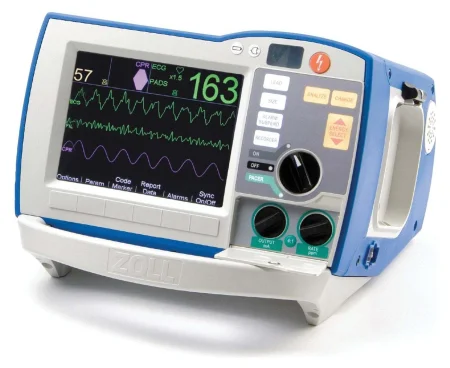
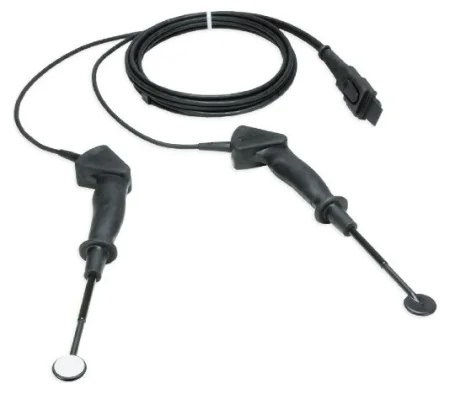
Shock and severe bleeding
Shock is a failing circulation that cannot feed the cells; chapter 11 teaches its types. The Core Curriculum names two you meet under anesthesia: cardiogenic shockkar-dee-oh-JEN-ik SHOKA type of shock in which the heart cannot pump enough blood to supply the body's organs.cardi/o heart-genic produced byFull entry , when the heart cannot pump enough blood, as after a heart attack, and hemorrhageHEM-uh-rijA large loss of blood from a blood vessel, inside the body or out of it.hem/o blood-rrhage bursting forthFull entry shock, from heavy blood loss. Treatment restores the circulation, the oxygen and the electrolytes, with fluids, blood and drugs to raise the blood pressure, aimed at the cause.
Severe hemorrhage during surgery may come from an injured large vessel, trauma, or a bleeding disorder such as disseminated intravascular coagulationdih-SEM-ih-nay-tid in-truh-VAS-kyuh-ler koh-ag-yuh-LAY-shunA disorder in which clotting is switched on throughout the blood vessels until the clotting factors are used up.intra- withinvascul/o vesselcoagul/o clottingFull entry , end-stage renal diseaseEND-stayj REE-nul dih-ZEEZThe last stage of chronic kidney disease, when the kidneys have lost almost all of their function for good.ren/o kidney-al relating toFull entry or liver diseaseLIV-er dih-ZEEZAny condition that damages the liver or keeps it from working normally.hepat/o liverFull entry . The first response is to find the bleeding and stop it; then the lost volume is replaced. Have the clamps, sutureSOO-cherA stitch, or the thread used to stitch, that holds the edges of a wound or incision together.Full entry and hemostatichee-moh-STAT-ikStopping bleeding; also, a product or agent used to stop bleeding.hem/o blood-stasis stopping, standing still-ic relating toFull entry materials and agents the procedure needs ready, and report the blood loss you see. blood productBLUD PROD-uktAny part of donated blood prepared for transfusion, such as red cells, plasma or platelets.Full entry , the blood given in an emergency before the patient's type is known, cell salvage and the checks before a blood transfusionBLUD trans-FYOO-zhunGiving blood, or a part of blood, from a donor into a person's vein.trans- acrossfus/o pourFull entry are in chapter 12, and hemostasishee-moh-STAY-sisThe stopping of bleeding, either by the body's own clotting process or by medical or surgical methods.hem/o blood-stasis stopping, standing stillFull entry on the field in chapter 29.
Malignant hyperthermia
Malignant hyperthermia (MHem-aych (said as letters)An abbreviation with more than one meaning, most often mental health or malignant hyperthermia; the setting shows which.Full entry ) is an inherited disorder of skeletal muscleSKEL-uh-tul MUS-ulMuscle attached to bones that a person moves by choice, such as the muscles of the arms and legs.Full entry that turns into a life-threatening crisisKRY-sisA time when a person's usual ways of coping fail and they cannot manage a stressful event.Full entry when a susceptible person gets a triggering drug. Calcium floods the muscle cells and they cannot relax: the muscles stiffen, burnBURNAn injury to the skin or deeper tissues caused by heat, chemicals, electricity, radiation or friction.Full entry energy out of control and pour out heat, carbon dioxide, acid and potassium. In 50 to 70 percent of the families who carry it, the faulty gene is the one for the muscle's calcium-release channel (the ryanodine receptorrih-SEP-terA structure on or in a cell that a specific chemical, such as a hormone or drug, attaches to in order to act.Full entry ). Untreated, about 80 percent of patients die; with fast treatment with dantroleneDAN-troh-leenA muscle relaxant that acts inside muscle cells, given by IV for malignant hyperthermia or by mouth for spasticity.Full entry , fewer than 5 percent do.
Triggers: all the volatile inhaled anesthetics (sevoflurane, desflurane, isoflurane and the older agents) and succinylcholine. Nitrous oxide does not trigger it. A patient known to be susceptible can be anesthetized safely with drugs that do not trigger it, such as IV opioids and sedatives, benzodiazepineben-zoh-dy-AZ-uh-peenA group of calming drugs that slow brain activity, used for anxiety, seizures, alcohol withdrawal and sedation.Full entry , nondepolarizing relaxants and ester local anestheticLOH-kul an-es-THET-ikA drug that blocks feeling in one part of the body without making the person unconscious.Full entry , and dantrolene beforehand is not needed.
Who is at risk: MH is often silent until it is triggered, and about half of patients who have a crisis had a triggering anesthetic before with no problem. A family history of trouble with anesthesia is a warning; all close blood relatives of a person with MH are treated as susceptible. Children and young adults, males, and people with certain muscle diseases (some muscular dystrophyDIS-truh-feeA condition in which a muscle or other tissue weakens and wastes away over time.dys- bad-trophy nourishment or growthFull entry and myopathies) are affected most, and patients under 19 account for about half of cases. It is seen more in orthopedic surgeryor-thuh-PEE-dik SUR-juh-reeSurgery on the bones, joints, ligaments, tendons and muscles.ortho- straightped child (the specialty began with straightening children's bones)-ic relating toFull entry , cleft palateKLEFT PAL-itA birth defect in which the roof of the mouth has an opening because it did not close during development.Full entry repair, tonsillectomy and eye muscle surgery. A muscle biopsy test confirms susceptibility.
The signs.
- Early: a rise in end-tidal CO2 that is not explained by the breathing settings is most often the first sign. Then a fast heart, fast breathing, stiffness of the jaw muscles (masseter spasm, or trismus) after succinylcholine, rigid muscles, acidosisas-ih-DOH-sisA state in which the blood is more acidic than normal, with a pH below 7.35.acid -osis abnormal conditionFull entry , and low oxygen.
- What the team may notice: the carbon dioxide absorber canister changes color fast and feels hot; blood in the field turns dark; the skin is sweaty, mottled or blue; the blood pressure is unstableun-STAY-bulDescribes a client whose condition is changing quickly or is hard to predict.Full entry ; the heart rhythm is irregular.
- Late: the temperature rises fast, as much as 1 to 2°C every 5 minutes; the potassium climbs; muscle breaks down (rhabdomyolysisrab-doh-my-OL-ih-sisThe rapid breakdown of damaged skeletal muscle, which releases the muscle's contents into the blood.rhabd/o rod-shaped (striated)my/o muscle-lysis breaking downFull entry ) and its pigment, myoglobin, turns the urine brown or tea colored; the kidneys and circulation fail, DIC can follow, and the heart can stop.
A high temperature is a late sign of malignant hyperthermia. The early warning is a rising end-tidal CO2 with a racing heart. AST counts on you as one more pair of eyes.
The treatment, which follows the MHAUS protocol. Several things happen at once:
- Stop the triggering agents at once. If the operation can end, the surgeon finishes and closes as fast as possible; if it cannot, anesthesia continues with IV drugs that do not trigger MH.
- Call for help, call for the MH cart, and call the MHAUS hotline (1-800-644-9737, 1-800-MH-HYPER), keeping it on speaker.
- The AP breathes for the patient with 100% oxygen at a high flow, to wash out the agent and the carbon dioxide, removes the vaporizers, and changes the soda lime and tubing or adds charcoal filters to the circuit.
- Dantrolene is given by vein as fast as possible, 2.5 mg/kg through a large IV, and repeated as needed, up to 10 mg/kg, until the signs ease. If the patient needs more than 10 mg/kg, another diagnosis is considered.
- The patient is cooled if the core temperature is above 39°C, with ice packs on the groin, armpits and neck, cold IV saline and cold irrigationeer-ih-GAY-shunWashing out a wound, body cavity, tube or eye with a steady flow of liquid.Full entry of an open body cavity, the stomach or the rectum (never the bladder, so the urine can still be measured). Cooling stops when the temperature falls below 38°C, so the patient does not become hypothermiahy-poh-THER-mee-uhA body temperature that has fallen below the normal range.hypo- belowtherm/o heat-ia conditionFull entry .
- The acid and the high potassium are treated with sodium bicarbonateSOH-dee-um by-KAR-buh-nateAn alkaline drug, given by mouth or IV, that neutralizes acid in the stomach or the blood.Full entry , calcium, and insulinIN-suh-linA hormone made by the pancreas that lets the body's cells take in glucose, also made as a medicine.Full entry with glucose; calcium channel blockerKAL-see-um CHAN-ul BLOK-erA drug that slows the movement of calcium into heart and blood vessel muscle cells, relaxing the vessels.Full entry are avoided.
- A urinary catheter measures the urine and its color, and diureticdy-yoo-RET-ikA drug that makes the kidneys pass more water and salt out of the body as urine.dia- throughur/o urine-etic relating toFull entry keep the urine flowing to protect the kidneys from myoglobin. Blood gases, potassium, creatine kinaseKREE-uh-teen KY-nayzAn enzyme found mainly in muscle, measured in the blood to look for muscle damage.Full entry and urine myoglobin are checked, and the core temperature is watched with a probe in the esophagusih-SOF-uh-gusThe muscular tube that carries food and liquid from the throat to the stomach.esophag/o esophagusFull entry , nose and throat, bladder or pulmonary arteryPUL-muh-nair-ee AR-ter-eeThe large blood vessel that carries blood low in oxygen from the right side of the heart to the lungs.Full entry .
- Once stable, the patient goes to the ICU, and dantrolene continues in smaller doses for at least a day. The episode is reported to the MHAUS registry, and the team reviews how it went.
One reference gives a loading dose of 2.5 mg/kg of dantrolene followed by 1 mg/kg every 5 minutes, up to 10 to 30 mg/kg.
Dantrolene is a muscle relaxant made for MH and the only drug that treats it; it stops the release of calcium inside the muscle cells. It comes freeze-dried. Each 20 mg vial of Dantrium or Revonto is mixed with 60 mL of sterile water (without a bacteriostatic agent) and shaken hard until clear, which takes many vials and several people; AST asks for 2 or 3 people assigned just to mix it. Ryanodex comes in 250 mg vials, each mixed with 5 mL of sterile water and shaken into an orange suspension in about 15 seconds. Warmed sterile water helps it dissolve. It irritates veins, so it goes through a large IV. Afterward it can leave the muscles weak, including the breathing muscles.
The scrub's role in MH (AST):
- If the operation goes on, help the surgeon finish as quickly and efficiently as you can, and guard the back table and Mayo stand closely, because many nonsterile people will be moving around the field.
- Stay scrubbed for the whole case; do not hand over to another scrub, which would break the continuity of carekon-tih-NOO-ih-tee uv KAIRCare that flows smoothly from one provider, shift or setting to the next, without gaps or repeated steps.Full entry and the counts.
- Help cool the patient: receive and give cold irrigation, ice and cold fluids onto the field as the surgeon directs.
- After the dressings are on and the drapes are off, keep the back table and Mayo stand set up and sterile until the patient has left the room.
The assistant circulator's role in MH (AST):
- Know where the MH cart is, bring it at once, and know what is in it.
- Get the ice, cold IV fluids and cold irrigation; help mix dantrolene with sterile water; hand the AP the drugs they ask for.
- Insert a urinary catheter if one is not in.
- Help cool the patient: a cooling blanket, ice packs on the armpits, groin and head, and a colder room.
- Help the AP with the anesthesia machine, the charcoal filters, an intubation (the laryngoscope, the tube with its syringe, cricoid pressure) and the core temperature probe.
The MH cart. Every surgery department, and every ambulateAM-byuh-laytTo walk, or to help a client walk.Full entry surgery center, keeps an MH cart. Its contents include plenty of dantrolene and sterile water to mix it; drugs for acid and potassium (sodium bicarbonate, calcium, insulin, 50% dextroseDEK-strohsA form of glucose sugar given by mouth or IV for energy or to raise a low blood sugar.Full entry ), diuretics (mannitolMAN-ih-tolAn osmotic diuretic, given by IV, that draws water out of tissues into the blood so the kidneys can remove it.Full entry , furosemidefyoo-ROH-suh-mideA loop diuretic: a drug that makes the kidneys remove more salt and water from the body.Full entry ) and drugs for heart rhythm; refrigerated IV saline for cooling, a bucket and plastic bags for ice, and a cold-irrigation tray with 60 mL syringes; a urinary catheter tray and urine meter, nasogastric tubenay-zoh-GAS-trik toobA thin, flexible tube passed through the nose and down the esophagus into the stomach.nas/o nosegastr/o stomach-ic having to do withFull entry , IV catheters, central and arterial linear-TEER-ee-ul lineA thin catheter placed in an artery, often in the wrist, to measure blood pressure all the time and draw blood.Full entry kits, blood-gas kits and blood tubes; temperature probes; and an adhesive drape to cover the wound during treatment. A written treatment plan is posted where everyone can see it.
MH can also begin after the operation, in the PACU, so PACU staff are trained for it too.
Drug reactions
The Core Curriculum names three kinds of adverse effectad-VERS ih-FEKTAn unwanted and harmful effect of a drug or treatment given at a normal dose.advers/o against, turned againstFull entry .
Anaphylactic. Anaphylaxis is a severe, whole-body allergic reaction (type I hypersensitivityhy-per-sen-sih-TIV-ih-teeAn overreaction of the immune system to a substance that is usually harmless.hyper- above, more than normalsensitiv feeling, reacting-ity stateFull entry , chapter 10) that comes on fast and can kill. Chemicals released from mast cellmast selAn immune cell in the tissues that releases histamine and other chemicals during allergic reactions and inflammation.Full entry widen the vessels and make them leak, so the blood pressure falls fast, while the airway swells and the bronchi clamp down.
- Causes: in anesthesia, the leading cause is the neuromuscularnoor-oh-MUS-kyuh-lerHaving to do with both nerves and muscles, or with the place where a nerve meets a muscle.neur/o nervemuscul/o muscle-ar relating toFull entry blocking drugs, with succinylcholine the greatest risk; then latexLAY-teksNatural rubber made from the sap of the rubber tree, used in some gloves, catheters and other medical supplies.Full entry ; then antibiotics, mostly penicillinspen-ih-SIL-inzA group of antibiotics, including penicillin and amoxicillin, that kill bacteria by stopping them from building their cell walls.Full entry and cephalosporinsef-uh-loh-SPOR-inA large group of antibiotics related to penicillin that kill bacteria by damaging their cell walls.Full entry . Chlorhexidine, dyes such as methylene blue, hyaluronidase, bone cement, heparinHEP-uh-rinAn anticoagulant drug, given by injection or IV, that keeps blood clots from forming or growing.Full entry , bacitracinbas-ih-TRAY-sinAn antibiotic used mostly as an ointment on the skin to prevent infection in minor cuts, scrapes and burns.Full entry irrigation, colloids, induction drugs and ester local anesthetics are rarer causes.
- Timing: most reactions come within minutes of the IV drugs at induction. A latex reaction, through the skin or mucous membranes, may take 15 to 60 minutes to show.
- Signs under anesthesia: low blood pressure, a fast heart and dysrhythmias, and bronchospasm usually come first. urticariaur-tih-KAIR-ee-uhHives: raised, red, itchy welts on the skin.urtic nettle, the stinging plant-aria conditionFull entry and swelling are hard to see under the drapes, and the patient cannot say what they feel.
The five immediate steps (AST):
- Stop the agent that caused it.
- Give epinephrine to the AP or the RN circulator for an immediate injection into a muscle. It raises the blood pressure and opens the airways.
- Open the IV fully to fill the circulation.
- Keep the airway open and give 100% oxygen; a patient without a tube is intubated, perhaps with cricoid pressure.
- Call for more help, including another AP, because many things must happen at once.
Other drugs follow as the AP orders: antihistaminean-tee-HIS-tuh-meenA drug that blocks the effects of histamine, used mostly for allergy symptoms.anti- againsthistamine Full entry (diphenhydraminedy-fen-HY-druh-meenA first-generation antihistamine used for allergies, itching, motion sickness, sleep and some drug reactions.Full entry and an H2 blockerBLOK-erA drug that stops a receptor or channel in the body from being activated, so the usual effect does not happen.Full entry such as famotidinefuh-MOH-tih-deenAn H2 blocker, given by mouth or IV, that lowers the amount of acid the stomach makes.Full entry ), a steroidSTAIR-oydA fat-based chemical built from cholesterol; the group includes hormones such as cortisol and estrogen, and many drugs.ster/o solid-oid likeFull entry , an inhaled bronchodilator, IV fluids and vasopressin, which reverses shock from widened vessels.
As the scrub, protect the back table and Mayo stand, and be ready to pack the wound or help close quickly. On a late-night case with no one else to help, you may be asked to break scrub to help. As the assistant circulator, bring the emergency cart and the code cart with its defibrillator, have the drugs ready to hand over, epinephrine first, and fetch the TEE probe if the AP asks for it.
latex allergyLAY-teks AL-er-jeeAn allergic reaction to proteins in natural rubber latex, found in some gloves, catheters and other products.Full entry . Latex is one of the leading causes of anaphylaxis in surgery, and latex anaphylaxis is treated with the same steps as any other. Chapter 10 teaches latex allergy and how the room is made latex-safe; under anesthesia, the assistant circulator helps the AP gather latex-free supplies and check that the anesthesia machine's parts are latex-free.
hemolysishee-MOL-ih-sisThe breaking apart of red blood cells, which releases hemoglobin into the blood.hem/o blood-lysis breaking downFull entry . A hemolytic reaction destroys red blood cells, most often when a patient receives blood of the wrong ABO type. An awake patient feels back pain, chills and shortness of breath, and the blood pressure falls; under anesthesia, the signs may be only bleeding everywhere, a fever, a falling blood pressure, dark (blood-colored) urine and little or no urine. The transfusion is stopped at once, and the IV is kept open with saline. The reaction is reported to the surgeon and the blood bank, the unused blood and its tubing go back to the blood bank with a sample of the patient's blood, and fluids and diuretics protect the kidneys.
Idiosyncratic. An idiosyncratic reaction is a rare, unpredictable, unusual response to a drug whose cause is not known, one that does not fit what the drug normally does.
Injury under anesthesia
An anesthetized patient cannot blink, swallow, move away from pressure or complain, so the team protects them.
- The eyes: an eye that stays open can dry out, and pressure on the eye or a scratch can injure the corneaKOR-nee-uhThe clear, dome-shaped layer at the front of the eye, over the iris and pupil.Full entry (a corneal abrasion). After induction, the eyes are protected with lubricant and the lids are taped shut; in the prone position, goggles or a padded face rest keep pressure off the eyes. The pulse oximeter is kept off the index finger, because a waking patient may rub an eye with that finger and scratch the cornea. Pressure on the eye can even cause loss of vision after surgery.
- The mouth and teeth: loose or cracked teeth can come out or break, and dental implants and bridgework can be damaged, during intubation; the AP checks the teeth beforehand. Hoarseness and a sore throat are common after anesthesia. The bite block keeps the patient from biting the tube as they wake.
- Clots: a still patient's blood can pool and clot in the deep veins of the legs (deep vein thrombosisDEEP VAYN throm-BOH-sisA blood clot in a deep vein, most often in the leg or pelvis.thromb/o clot-osis conditionFull entry ), and a clot can travel to the lungs (pulmonary embolismPUL-muh-nair-ee EM-buh-liz-umA blockage of an artery in the lungs, usually by a blood clot that has traveled there from elsewhere in the body.pulmon/o lung-ary relating toembol/o plug-ism conditionFull entry ). compression stockingkum-PRESH-un STOK-ingA tight elastic stocking that squeezes the leg, most firmly at the ankle, to help blood flow back toward the heart.Full entry , sequential compression devicesih-KWEN-shul kum-PRESH-un dih-VYSInflatable leg sleeves that fill with air and squeeze the legs in turns to keep blood moving in the veins.Full entry , drugs and slow, careful moves of the limbs help prevent it (chapters 11 and 31).
Nerve and pressure injuryPRESH-er IN-juh-reeDamage to the skin and the tissue beneath it from pressure, or pressure with shear, usually over a bony area or under a device.Full entry from positioning are taught in chapter 31.
18The PACU
After surgery, most patients who had general anesthesiaJEN-er-ul an-es-THEE-zhuhDrug-induced loss of consciousness and feeling over the whole body, so a person feels nothing and is not aware during surgery.an- withoutesthesi/o feeling, sensation-ia conditionFull entry , a major regional block or MAC go to the postanesthesia care unit (PACU), once called the recovery room. It is a critical care area where specially trained nurses watch patients as they come out of anesthesiaan-us-THEE-zhuhLoss of feeling or sensation, often brought on by drugs so that surgery or a procedure can be done without pain.an- withoutesthesi/o feeling, sensation-ia conditionFull entry , because a patient can become unstableun-STAY-bulDescribes a client whose condition is changing quickly or is hard to predict.Full entry fast in this time. The PACU is the first phase of recovery (phase I); a phase II area, for patients who need less acute care, prepares many of them to go home. surgical technologistSUR-jih-kul tek-NOL-uh-jistA member of the operating room team who prepares the sterile field and instruments and hands them to the surgeon.Full entry do not work in the PACU, but you need to know what happens there, because it continues the care you began in the OR.
The unit
The PACU sits next to the surgical suite, so patients reach it quickly after surgery. It is usually one large room with patient bays around the walls, all in view of a central nurses' station, with no walls between bays, so a portable x-ray machine, a electrocardiogramih-lek-troh-KAR-dee-oh-gramA test that records the heart's electrical activity as waves on paper or a screen.electr/o electricitycardi/o heart-gram recordFull entry or a crash cart can reach any bed fast. Each bay has suction, oxygen, power and bright lighting, and each patient's monitor shows at the central station. An isolation area separates patients with an active infection, and there may be an area for children.
Admission and the hand-off
The patient goes to the PACU only when the APay-PEE (said as letters)An abbreviation with several meanings, such as apical pulse, anteroposterior or assistive personnel.Full entry judges it safe. A member of the anesthesia team takes them, and the circulator goes too. On arrival, the PACU nurse checks the airway, breathing and circulation at once, starts oxygen and suction, and connects the heart monitor and pulse oximeter. Then the AP and the circulator give the handoff reportHAND-off ree-PORTThe passing of information and responsibility for a client's care from one nurse or team to another.Full entry (handover), a report spoken and written, and the AP stays with the patient until the hand-off is complete.
The hand-off covers:
- The patient's history, age, allergies, medications and other diseases.
- The exact operation, with its side and site.
- The anesthetican-us-THET-ikA drug that causes loss of feeling, with or without loss of consciousness.an- withoutesthesi/o feeling, sensation-ic relating toFull entry , how long it lasted, and every drug and fluid given, with the amounts.
- The estimated blood loss, and the fluids and blood productBLUD PROD-uktAny part of donated blood prepared for transfusion, such as red cells, plasma or platelets.Full entry given.
- The wound, the dressings, drains, catheters and other devices, and what is draining.
- The ASA class.
- Any complications during surgery.
- Where the family is waiting and how to reach them.
This is why the totals you report from the field (drugs, irrigationeer-ih-GAY-shunWashing out a wound, body cavity, tube or eye with a steady flow of liquid.Full entry , specimens and blood loss) matter after the operation too.
Care in the PACU
The Core Curriculum lists what PACU care covers:
- The airway: kept open, with breathing and oxygen watched closely.
- Comfort: pain is assessed and treated, and the patient is positioned for comfort and a clear airway.
- Dressings and fluid collection devices: the wound and drains are checked for the amount, color and kind of drainage.
- The IV line: kept running and intact.
- Nausea and vomiting: prevented and treated.
- Privacy: the patient is covered and their dignity kept, with emotional support, reassurance and explanations.
- The skin: its color and condition are checked.
- Urinary catheters: urine output is measured in mL an hour.
- Vital signs and monitors: the breathing rate, saturationsach-uh-RAY-shunHow full something is; in nursing, usually the percentage of hemoglobin in the blood that is carrying oxygen.Full entry and sometimes end-tidal carbon dioxideKAR-bun dy-OK-sideA gas made by the body's cells as waste, carried in the blood to the lungs and breathed out.Full entry , the blood pressure, the heart rate and rhythm, and the temperature, compared with the patient's baseline.
The nurse may check the whole body from head to toe or focus on the main systems: the breathing (breath sounds, rate and rhythm), the circulation (pulse oximetry, ECG, blood pressure, pulses; blue lips are a late sign of low oxygen), the temperature, the abdomen (swelling or silent bowel soundBOW-ul sowndA gurgling or clicking sound made by gas and fluid moving through the intestines, heard with a stethoscope.Full entry ), the fluids and electrolytes, the level of consciousnessLEV-ul uv KON-shus-nisHow awake, alert and aware of their surroundings a person is.Full entry , the kidneys, the wound, the tubes and drains, and the patient's emotional state.
Level of consciousness. The Glasgow Coma ScaleGLAS-goh KOH-muh SKAYLA scoring tool that rates a person's level of consciousness by their eye opening, verbal response and movement, from 3 to 15.Full entry scores three responses: eye opening (1 to 4), the best verbal response (1 to 5) and the best motor response (1 to 6). The total runs from 3, the worst, to 15, fully alert.
Pain is what the patient says it is, and each patient responds to it differently, shaped by past experience, anxiety, the drugs given and their culture. The nurse uses a pain scale, or a behavior scale such as the FLACC scaleFLAK SKAYLA pain scale based on watching a child's Face, Legs, Activity, Cry and Consolability, each scored 0 to 2.Full entry (face, legs, activity, cry, consolabilitykun-soe-luh-BIL-ih-teeHow easily a person, especially a crying child, can be comforted.Full entry ) for a baby or a child who cannot talk. Pain is managed with more than one kind of drug, because opioid analgesicOH-pee-oyd an-ul-JEE-zikA strong drug that relieves moderate to severe pain by acting on the brain and spinal cord.Full entry alone bring more sedationsih-DAY-shunA calm, relaxed or sleepy state brought on by drugs, or the use of drugs to cause it.sed calm, settle-ation processFull entry , and sedation comes before the slowed breathing that can kill.
Blood sugar is checked with a glucometer when needed. The CDC's guideline for preventing surgical site infection calls for keeping the blood sugar below 200 mg/dL around surgery, in patients with and without diabetes.
A 2022 update from three US infection prevention societies (SHEA, IDSA and APIC) sets a lower target: keep every patient's blood sugar between 110 and 150 mg/dL in the first day or two after surgery, with or without diabetes.
Complications in the PACU
The patient is still unstable, still has drugs in the body, and can react to the operation or the drugs, so complications can come fast.
- Airway occlusionuh-KLOO-zhunA blockage or closing off of a passage, such as a blood vessel, tube or IV line.Full entry : breathing problems are the most common life-threatening complication after surgery. The tongue falling back in a relaxed, drowsy patient is the most common cause; the patient snores or moves little air, and the oxygen falls. The nurse stimulates the patient to breathe deeply, turns them on the side, gives oxygen, lifts the chin or thrusts the jaw forward, and may insert an oral airway (for an unresponsive patient) or a nasal airway (for a waking one). laryngospasmluh-RING-goh-spaz-umA sudden, involuntary closing of the vocal cords that partly or fully blocks air from entering the lungs.laryng/o larynx (voice box)-spasm sudden involuntary tighteningFull entry , bronchospasmBRONG-koh-spaz-umA sudden tightening of the muscles around the airways that narrows them.bronch/o bronchus-spasm sudden involuntary contractionFull entry , aspirationas-puh-RAY-shunBreathing food, liquid, saliva or stomach contents into the airway and lungs; also, drawing fluid out with suction or a needle.Full entry , and bleeding into the neck after neck surgery can also block the airway; rarely a new tube or a tracheostomytray-kee-OS-tuh-meeA surgical opening through the front of the neck into the windpipe, usually holding a tube that the person breathes through.trache/o windpipe-stomy surgical openingFull entry is needed.
- Breathing problems: drugs that dull the urge to breathe, and pain that stops deep breaths after chest and abdominal incisions, let carbon dioxide build up. atelectasisat-uh-LEK-tuh-sisThe collapse of part or all of a lung, in which the tiny air sacs close and hold no air.atel- incomplete-ectasis expansionFull entry , collapse of part of the lung, is prevented with deep breathing and coughing. A pulmonary embolismPUL-muh-nair-ee EM-buh-liz-umA blockage of an artery in the lungs, usually by a blood clot that has traveled there from elsewhere in the body.pulmon/o lung-ary relating toembol/o plug-ism conditionFull entry is a sudden danger, most of all after a deep vein clot.
- cardiac arrestKAR-dee-ak uh-RESTThe sudden stop of the heart's pumping, so blood no longer reaches the brain and body.Full entry and the circulation: the blood pressure may fall (a drop of 20 percent from the baseline), most often from too little volume, so fluids are given first; it may rise from pain, anxiety, a cold patient, low oxygen, high carbon dioxide or a distendeddih-STEN-didStretched out and enlarged by pressure from inside, such as from gas, fluid or urine.Full entry organ; and the heart may race or slow. Cardiac arrest is rare in the PACU, and a crash cart stands ready for it.
- hemorrhageHEM-uh-rijA large loss of blood from a blood vessel, inside the body or out of it.hem/o blood-rrhage bursting forthFull entry : watch for pallorPAL-erSkin or mucous membranes that look paler than is normal for that person.Full entry , a falling blood pressure, a rising pulse, sweating, cool skin, restlessness and pain, and a dressing that soaks through. It can come from a slipped tie, poor hemostasishee-moh-STAY-sisThe stopping of bleeding, either by the body's own clotting process or by medical or surgical methods.hem/o blood-stasis stopping, standing stillFull entry , a leaking join of two vessels or a clottingKLOT-ingThe process by which blood thickens into a gel to plug a damaged vessel and stop bleeding; also called coagulation.Full entry disorder, and the patient may go back to the OR.
- hypothermiahy-poh-THER-mee-uhA body temperature that has fallen below the normal range.hypo- belowtherm/o heat-ia conditionFull entry : a temperature below 36°C slows recovery, raises the risk of infection and heart problems and slows the breakdown of drugs. The patient is rewarmed with forced air and warm blankets, and shivering is treated.
- malignant hyperthermiamuh-LIG-nunt hy-per-THER-mee-uhA rare inherited reaction to certain general anesthesia drugs in which the muscles' metabolism speeds up out of control.mal- badhyper- above normaltherm heat-ia conditionFull entry : it can begin after the operation, in the PACU.
- Nausea and vomiting (PONV): it is uncomfortable and a risk, because vomiting in a drowsy patient can lead to aspiration; drugs given before surgery help prevent it, and more are given in the PACU to treat it.
- Changes in consciousness and neurologic deficits: confusion, agitation and deliriumdih-LEER-ee-umA sudden state of confusion and poor attention that comes and goes over hours or days.Full entry are most common in children and older adults. Low oxygen is ruled out first, because it is the most common cause of agitation after surgery. A lasting change from the preoperative baseline, such as new weakness or numbness, needs the physician's assessment; a patient who had a spinal or epidural anesthesiaep-ih-DOOR-ul an-us-THEE-zhuhPain relief or numbness from an anesthetic drug given through a thin catheter into the space just outside the covering of the spinal cord.epi- upon, overdur/o dura (the tough covering of the spinal cord)-al relating toFull entry should regain feeling and movement down to the toes.
- Patient injury: a confused patient can fall or pull at tubes and lines, so side rails are padded and the patient is watched.
- Wound disruption: a wound can open (dehiscencedee-HIS-ensThe splitting open of the edges of a wound that had been closed, such as a surgical incision.Full entry ; chapter 11).
The surgical technologist's part
The Core Curriculum gives you two jobs in PACU emergencies: respond and observe and communicate.
- Respond: if the patient bleeds, stops breathing or has an arrest, the team may need to reopen the wound or open an emergency airway, in the PACU or back in the OR. This is the reason you stay sterile with a basic set ready until the patient leaves the room, and why the crash cart, the MHem-aych (said as letters)An abbreviation with more than one meaning, most often mental health or malignant hyperthermia; the setting shows which.Full entry cart, a tracheotomytray-kee-OT-uh-meeThe surgical cut made into the windpipe through the front of the neck.trache/o windpipe-tomy cutting, incisionFull entry tray and sterile supplies are kept in the PACU. Be ready to set up quickly and help.
- Observe and communicate: report anything abnormal you see as the case ends, such as bleeding at the incision, a swelling that may be a hematomahee-muh-TOH-muhA collection of blood, often clotted, that has leaked out of the blood vessels into the tissue.hem/o blood (here as hemat-)-oma swelling or massFull entry , or a rash (chapter 30). Report the totals of drugs, irrigation and blood loss accurately, because the PACU relies on them.
Equipment and supplies in the PACU
The Core Curriculum's list:
- For monitoring and care: airways, dressings, an ECG, a glucometer, IV setups, oxygen, a pulse oximeter, a sphygmomanometer, a stethoscope and urinary catheters.
- For the patient's comfort: a bedpan, an emesisEM-uh-sisVomiting, or the material that is vomited.Full entry basin and side rail pads.
- For emergencies: the crash cart, the MH cart, suction, sutureSOO-cherA stitch, or the thread used to stitch, that holds the edges of a wound or incision together.Full entry , a tracheotomy tray or cart, and sterile supplies (drapes, gloves, gowns and a minor instrument tray).
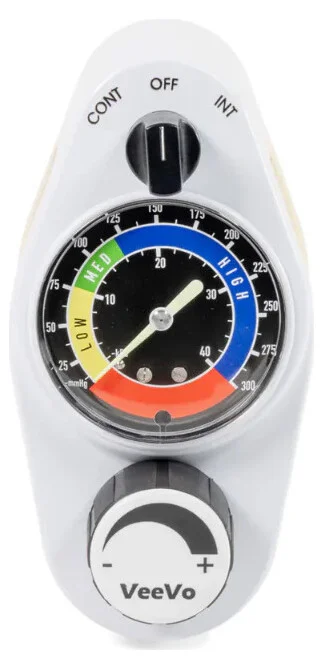
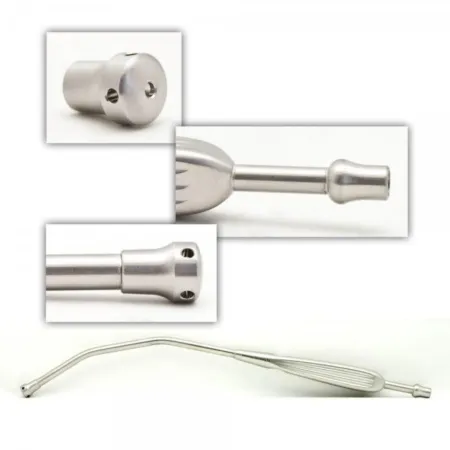
Discharge from the PACU
Patients leave the PACU only when they meet the discharge criteria the facility sets, which are mainly measures of the body's stability. The AP may write the discharge order, or the nurse may use a scoring system the anesthesia department approves.
The Aldrete score rates five things, each from 0 to 2: activity, breathing, circulation, consciousness and oxygen saturation. The total runs from 0 to 10, and a score of 8 to 10 is generally enough to leave the PACU, unless a physician orders otherwise. The score does not measure pain, which is checked too. Outpatients going home may be scored on a modified system that rates the vital signs (within 20 percent of the preoperative values), walking, nausea and vomiting, and bleeding.
Before a patient goes home, they should have:
- stable vital signs near the patient's baseline, with normal skin color
- nausea and vomiting under control, and the ability to drink fluids
- the ability to walk, alone or with help, without dizziness or weakness
- the ability to urinate, which shows the bladder is not holding urine back
- a dry incision, with drainage absent or as expected
- orientation to time, place and person, and pain at a level the patient accepts
- written discharge orders, a responsible adult to escort them and drive them home (never public transportation), and help at home as needed
Postoperative instructions are given before surgery and again at discharge, spoken and written, in plain words, to the patient and the family, because a recovering patient may not remember. For the next 24 hours, the patient does not drive, operate machinery, drink alcohol or sign important papers, and an adult stays with them. The instructions cover the medications, activity, diet, the wound, follow-up appointments, and when to call the surgeon: a fever, worsening pain, unexpected bleeding, redness or swelling or pus at the wound, persistent vomiting, or being unable to urinate. Discharge planning starts at admission. Its purpose is to make sure the patient will be safe after leaving: the discharge criteria, safe transport with an escort, care at home, teaching for the patient and family, follow-up appointments and the paperwork. A patient with no help at home is connected with social services or home nursing.
When the plan changes: unanticipated PACU outcomes.
- A patient who does not meet the discharge criteria, such as one who stays cold, bled, or has vital signs that will not settle, stays longer, goes to the ICU, or is admitted overnight.
- A patient may choose to leave against medical adviceuh-GENST MED-ih-kul ad-VYSELeaving a hospital or refusing care when the health care team advises staying or continuing treatment.Full entry (AMA). Patients have the right to leave as long as they are not a danger to themselves or others. The facility explains the risks and tries to have the patient sign a waiver stating they were advised not to leave and accept the consequences.
- Rarely, a patient dies in the PACU. The family is told, the surgeon meets with them, and a staff member stays with them for support (chapter 18).
The PACU continues the care that starts on your field. Your counts of drugs, irrigation and blood loss, and what you saw at the wound, become the PACU nurse's starting point.
What to take from this chapter
- Anesthesia takes away sensation so the patient can bear surgery while the body stays in balance. General anesthesia gives sleep, pain relief, amnesia, relaxed muscles and dulled reflexes, built from several drugs at once.
- The patient, the AP and the surgeon choose the anesthetic from the patient's health (the ASA class 1 to 6, with E for an emergency), the operation and everyone's preference: general, regional, local, MAC or moderate sedation.
- The AP monitors oxygenation, ventilation, circulation and temperature continually. Know the normal values: pulse 60 to 100, breathing 12 to 20, blood pressure below 120/80, SpO2 95 to 100 percent, end-tidal CO2 35 to 45 mm Hg, core temperature about 36 to 37.5°C, always compared with the patient's baseline.
- General anesthesia runs through induction, maintenance, emergence and recovery, and through stages 1 to 4. Keep the room silent at induction and emergence, and hold cricoid pressure until the AP says to let go.
- Neuromuscular blockers paralyze but do not relieve pain or awareness. Succinylcholine and every volatile agent can trigger malignant hyperthermia; nitrous oxide does not.
- A spinal goes into the subarachnoid space, an epidural into the epidural space outside the dura. Label, total and report every local anesthetic, know its maximum dose, and treat ringing ears, a metallic taste or tingling lips as toxicity until proven otherwise.
- In any emergency, protect the field and help as directed. In a code blue, keep the field sterile, pack and cover the wound and be ready to give compressions. In MH, the first sign is a rising end-tidal CO2; dantrolene 2.5 mg/kg is the treatment, the patient is cooled to below 38°C, and you bring the MH cart and help mix the drug. In anaphylaxis, epinephrine comes first.
- Keep every patient warm, at a core temperature of at least 36°C, children above all. In the PACU, the airway comes first, and the patient goes home only after meeting the discharge criteria, such as an Aldrete score of 8 to 10.
Check yourself5 quick questions
Free for everyone. Pick an answer for each, then check them all at once.
In the ORWhere you'll use this
The chapter's whole question pool in sets of 10, with the answer explained after each one.
Part of the educators programThe chapter's words on spaced cards: the ones you miss come back sooner.
Part of the educators programGiven by your class's teacher. Each class draws its own 25 from the chapter's pool.
Part of the educators program
Suggest a fix
Something wrong, unclear or out of date in this chapter? Tell us and we will fix it for everyone. Your email is only used to reply.