Colectomy, Ileorectal Anastomosis
The surgical resection of the entire colon followed by the creation of a primary connection between the terminal ileum and the rectum.
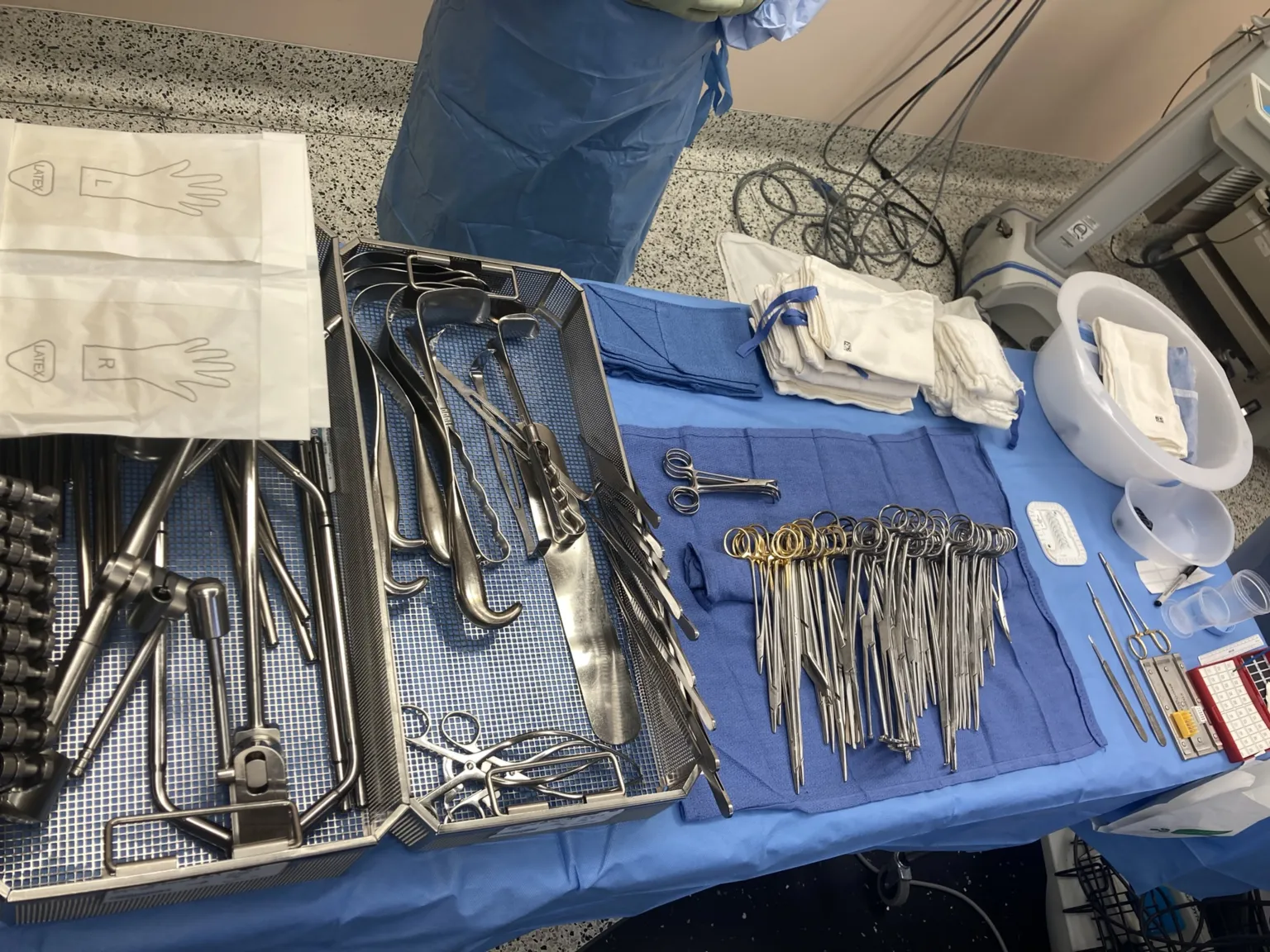
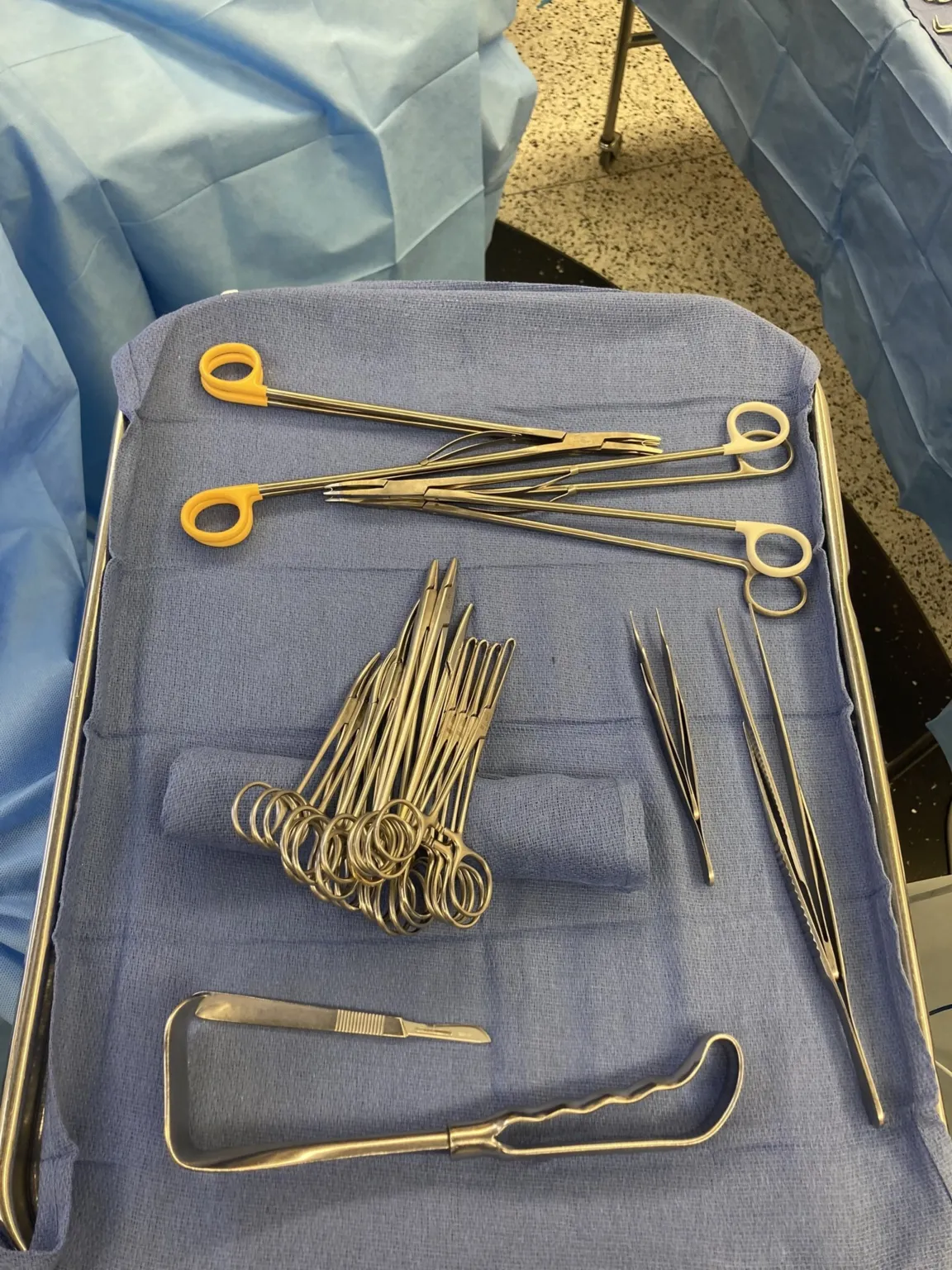
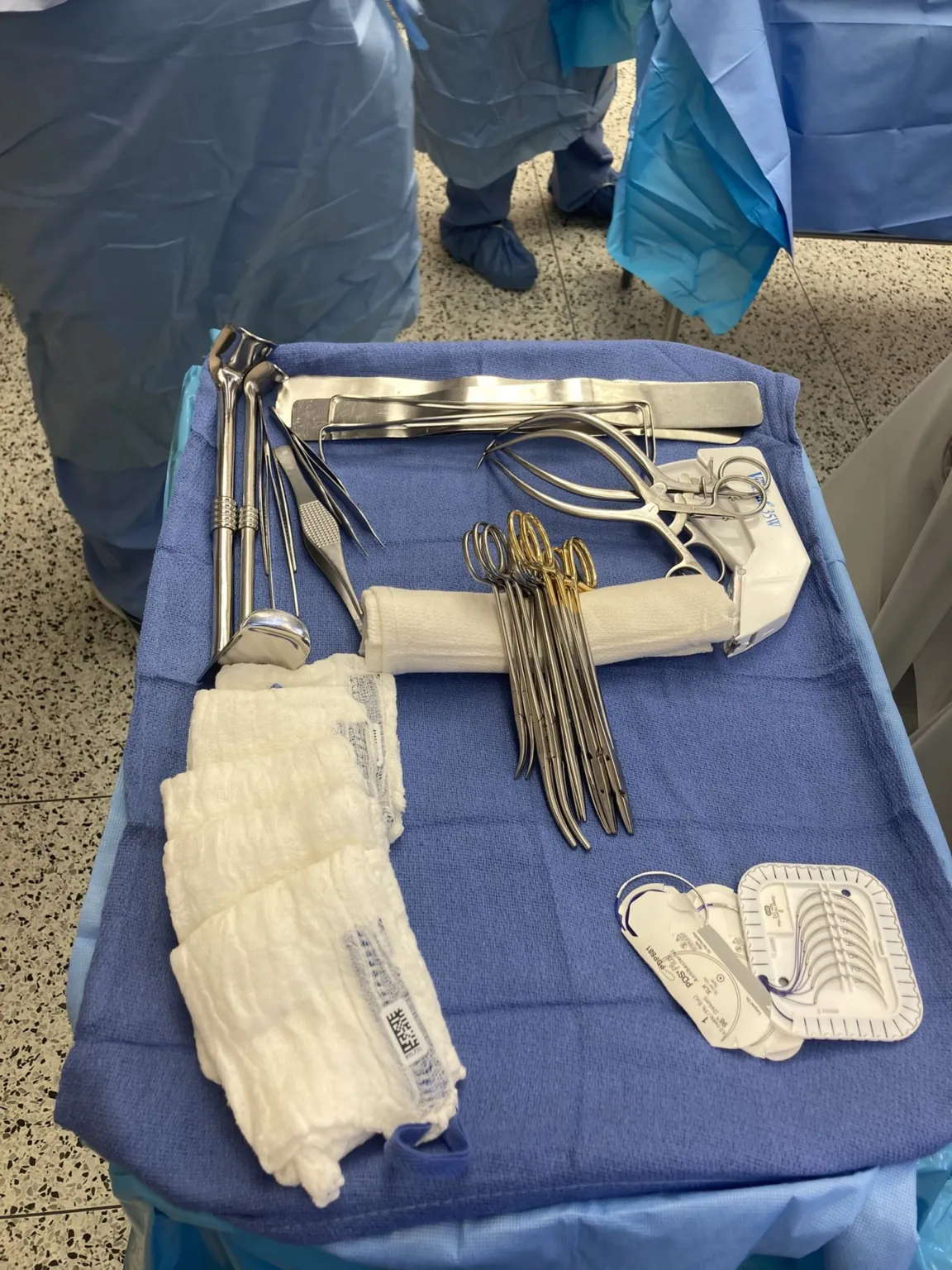
The tray
28 instruments, by what they do. Tap a name for its card.
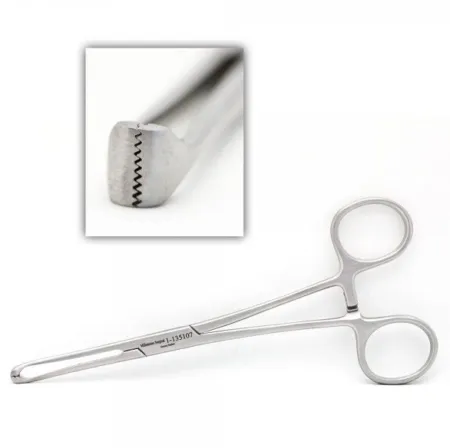 Allis ForcepsClamping
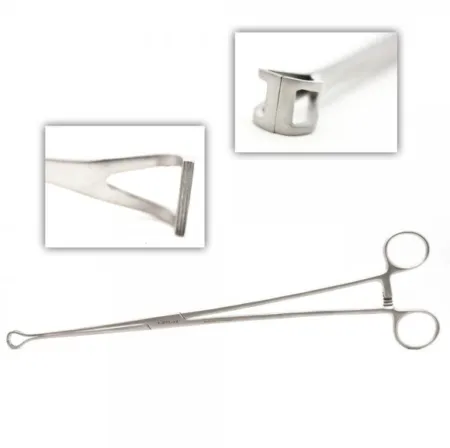 BabcockClamping
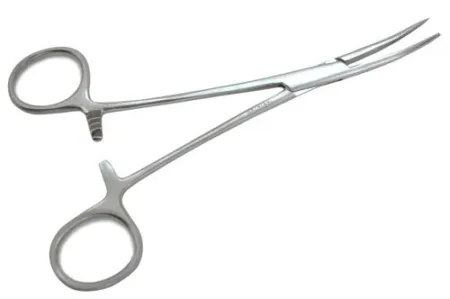 Curved HemostatsClamping
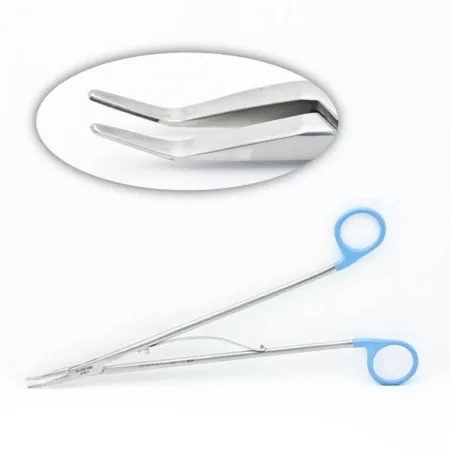 Hemostatic Clip ApplierClamping
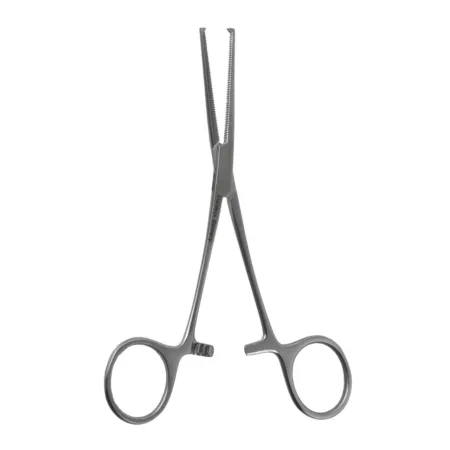 Kocher ForcepsClamping
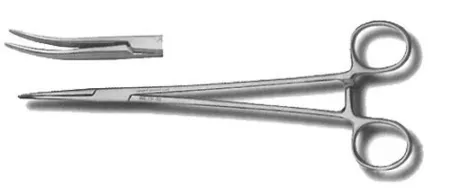 MD Anderson Hysterectomy ClampClamping
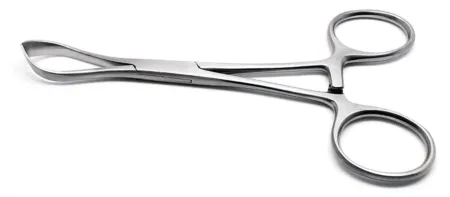 Non-penetrating Towel ClampClamping
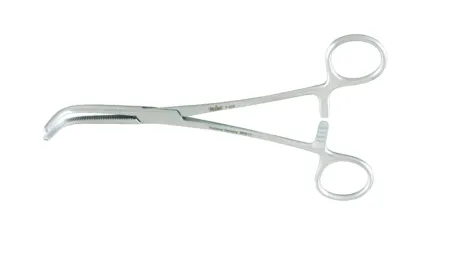 Right Angle ClampClamping
All 28 instruments
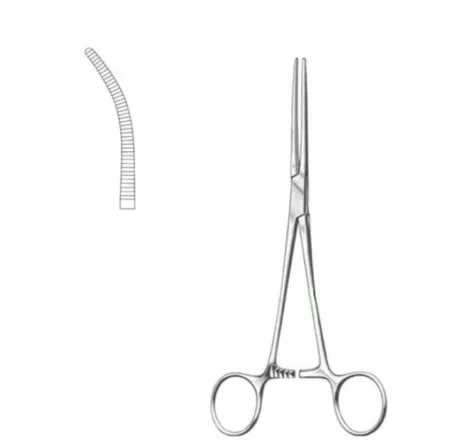 Rochester Pean ForcepsClamping
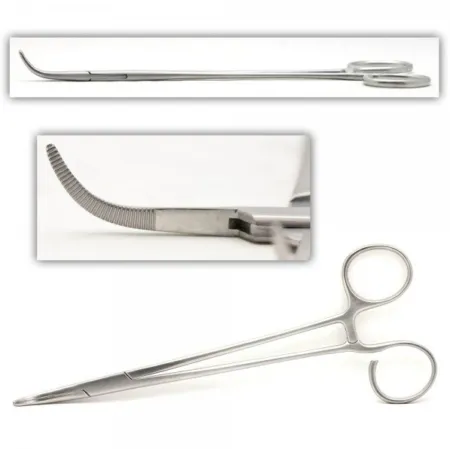 Tonsil ClampClamping
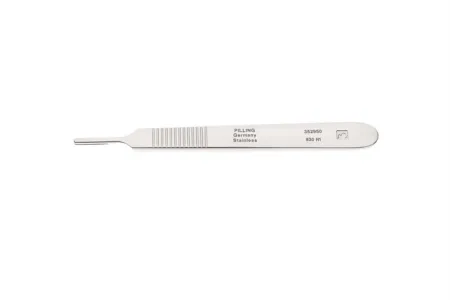 #3 Knife HandleCutting
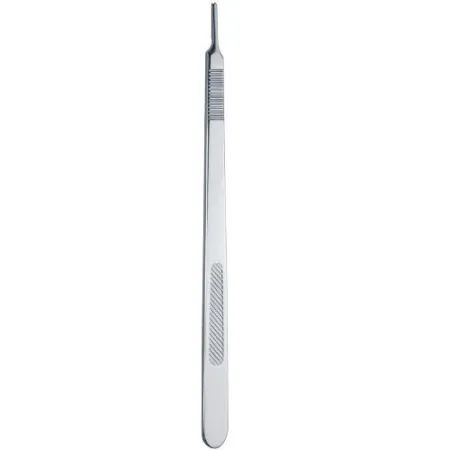 #3 Long Knife HandleCutting
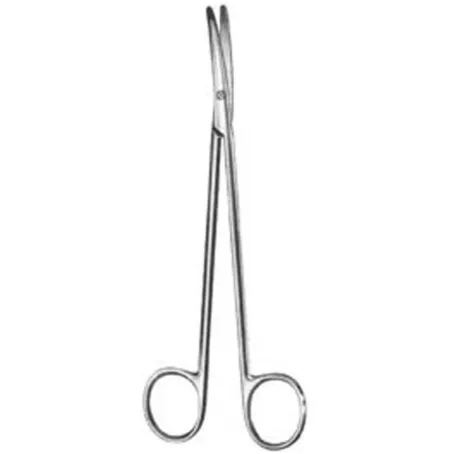 Metzenbaum ScissorCutting
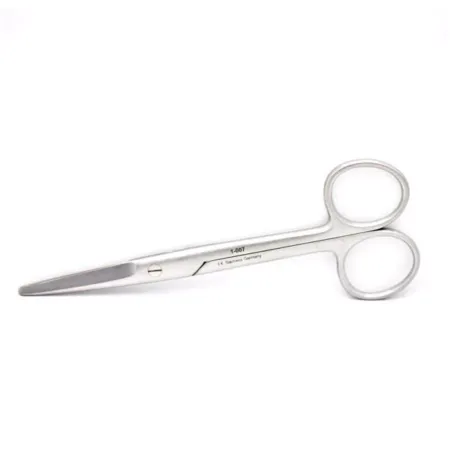 Straight Mayo ScissorCutting
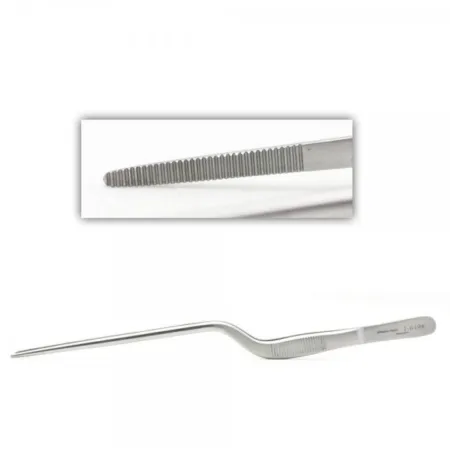 Adson Bayonet ForcepsGrasping
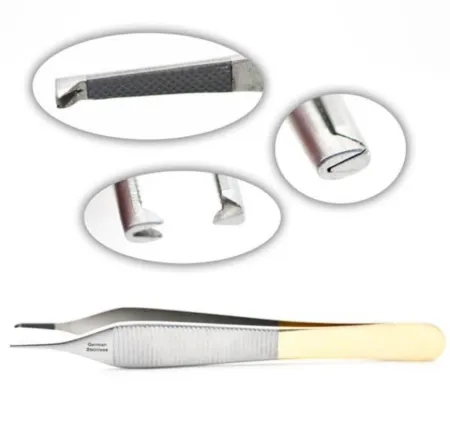 Adson ForcepsGrasping
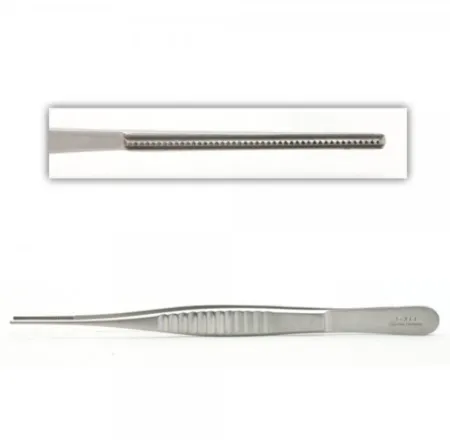 DeBakey ForcepsGrasping
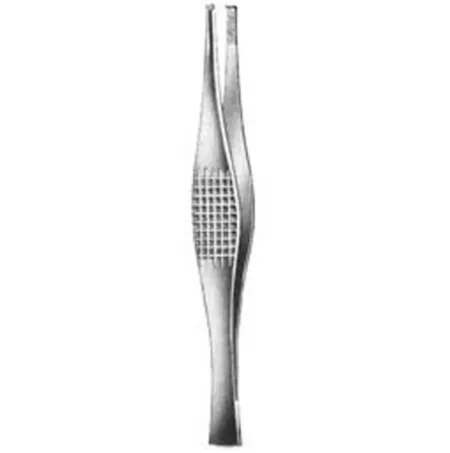 Ferris Smith Tissue ForcepsGrasping
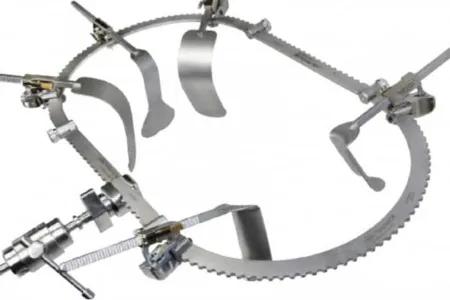 Bookwalter RetractorRetracting
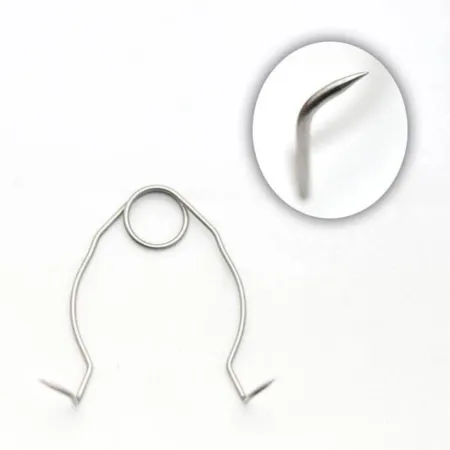 Farr Spring RetractorRetracting
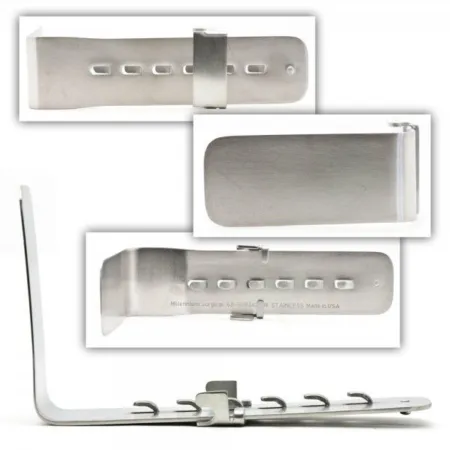 Malleable retractor bladeRetracting
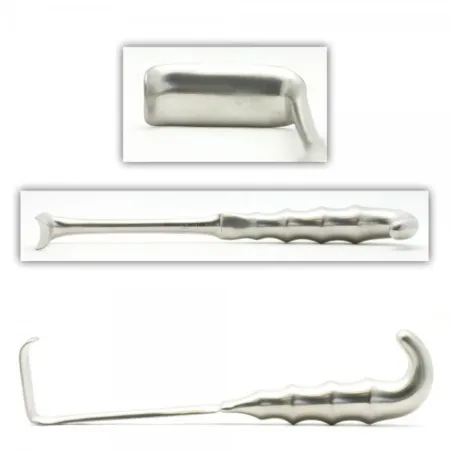 Richardson RetractorRetracting
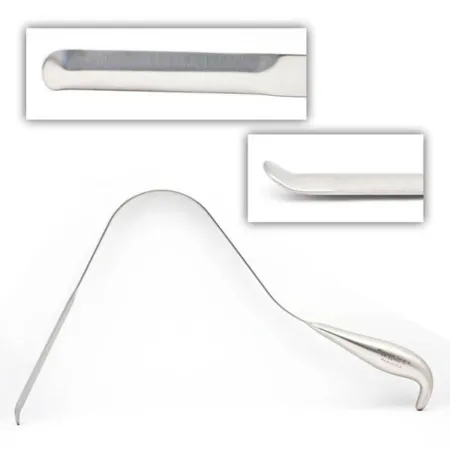 Wylie Renal Vein RetractorRetracting
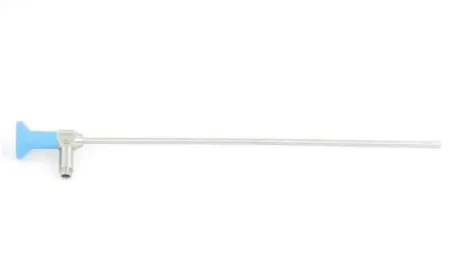 0 Degree ScopeSpecialty
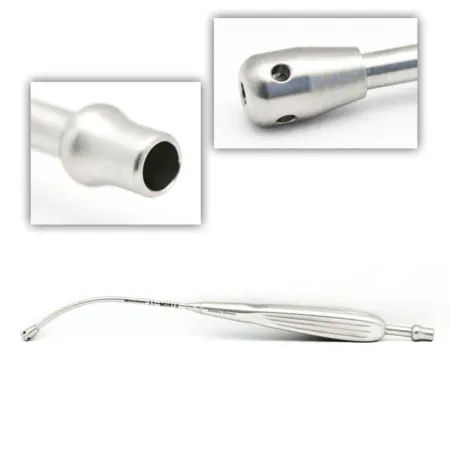 Andrews Pynchon Suction TubeSuctioning
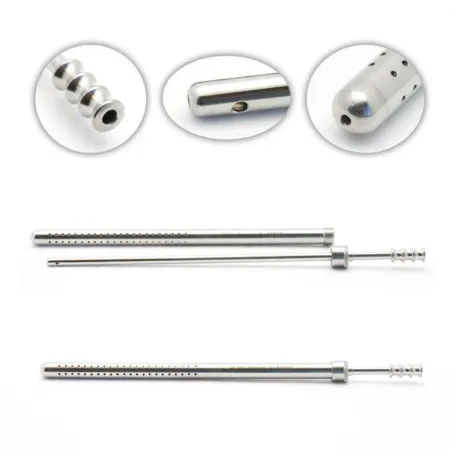 Poole Suction ProbeSuctioning
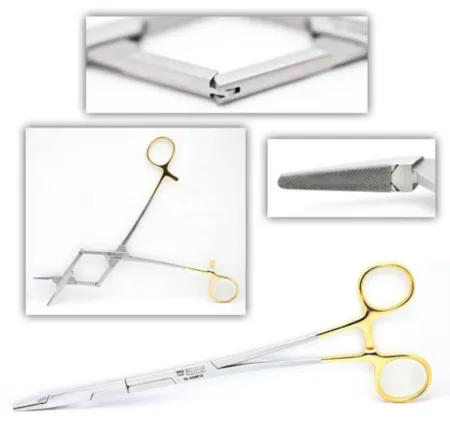 Debakey Needle HolderSuturing
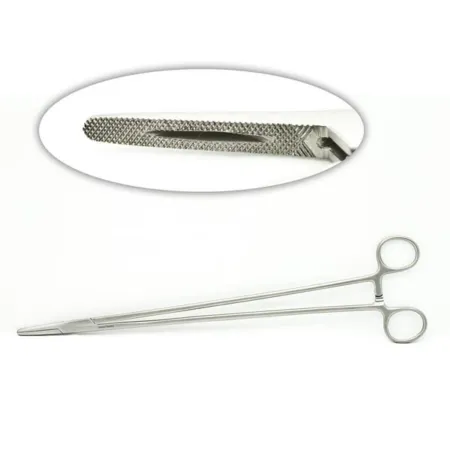 Mayo-Hegar Needle HolderSuturing
Clamping & Occluding10
Cutting & Dissecting4
Grasping & Holding4
Retracting & Exposing5
Specialty1
Suctioning2
Suturing & Stapling2
Know this tray before you scrub in.
With Pro, for every setup in every specialty. Cancel any time.
Or scrub in free: every General setup and 5 questions a day.
The case
Step 1: Anesthesia
The first step in this surgical procedure is administering general anesthesia to the patient. The anesthesia is used to ensure that the patient is completely unconscious and pain-free during the surgery. Once the anesthesia has taken effect, the surgeon can begin the operation.Step 2: Incision
The surgeon makes an incision in the abdomen with a 10 or 15 blade on a #3 knife handle, usually in the midline or to the left of the midline. This incision is made to allow the surgeon to access the colon and perform the necessary surgical procedures.Step 3: Mobilization of the Colon
The surgeon will use a variety of sized retractors such as Richardsons or a Balfour, along with cautery, Ferris Smith forceps, DeBakeys, and metzenblum scissors to dissect down, and then identify the colon and mobilize it from its attachments to the abdominal wall and surrounding structures. This allows the surgeon to access and remove the diseased portion of the colon. Allis clamps, tonsils, and Kochers are also commonly used to manipulate tissue.Step 4: Ligation and Division
The next step is to identify the blood vessels that supply the diseased segment of the colon and ligate (tie off) them to prevent bleeding. This is commonly done by placing a tonsil clamp or right angle clamp under the vessel, using a DeBakey to place a free tie (2-0 or 3-0 Silk ties) in the jaws of the tonsil or right angle, pulling the clamp back under the vessel, and tying off the suture and cutting it short with a pair of straight Mayo scissors. The colon is then divided above and below the diseased portion, and the diseased segment is removed. A linear cutting stapler is used to do this. The surgeon will tell you what size staple load will be used. The Bovie will be used on the edges if there is any bleeding present.Step 5: Ileorectal Anastomosis
The surgeon then brings the ileum (the last part of the small intestine) down to the rectum and creates a new connection (anastomosis) between them. A separate prep table or mayo stand should be draped and prepped with some lap or raytecs. The surgeon may use sutures or staples to create the anastomosis. The instruments used during this step include bowel clamps, staplers, and suture material. The most common type of stapler used is an EEA stapler. During this step, the surgeon or an assistant contaminates themselves by going to the smaller prep stand/mayo stand and inserting the stapler through the rectum. The person that's still sterile (usually the surgeon) will have the anvil (tip of the stapler) loaded onto a Kelley. They will fire the stapler and it will make a "donut" of tissue that is sometimes sent to pathology.Step 6: Anastomosis Testing
Once the anastomosis has been created, it is tested to ensure that there is no leakage. This is done by filling the area with a sterile fluid and observing for any leakage. The instruments used during this step include syringes and sterile fluid.Step 7: Closure
The final step is to close the incision in the abdomen with sutures or a skin stapler and apply a sterile dressing. 1 PDS, 2-0 silk, 3-0 silk pop offs for the anastomosis, 3-0 chromic gut, and 3-0 and 4-0 Vicryl are all commonly used. The instruments used during this step include needles, suture material, and staplers.Tips and tricks
Be sure to have long variations of clamps for deep in the abdomen.The Surgery Sparknotes
- Make an incision in the abdomen
- Mobilize the colon with retractors, scissors, and electrocautery devices
- Ligate and divide the blood vessels with clamps, scissors, and electrocautery devices
- Create an anastomosis with bowel clamps, staplers, and suture material
- Test for leakage using syringes and sterile fluid
- Close the incision with needles, suture material, and staplers
Built by the techs who scrub it.
Every surgeon runs it a little differently. Send your table, or a fix for this page.
 Ross PetersenReviewer
 Cari ClaibornePhotos
The rest of this setup is Pro.
Everything unlocked above stays free. Pro opens the rest, on every setup: where new techs slip, what to load next at every step, the circulator’s side, the medicines, the specimen, wound class and trays on standby, what to grab if it goes wrong, and practice for every tray.
Free, for good. No card.
- All 2,882 instrument cards
- Every General setup in full
- 5 exam questions a day
- Your own preference cards
Pass your exam. Know every case.
Everything in Free, plus:
- All 260 setups in every specialty: back table, Mayo and every step
- Practice that never runs out and full timed exams for the CST, TS-C, CRCST, CSPDT and CSFA, with the why behind every answer
- Flashcards on any tray, timed to come back before you forget
- Every instrument card in full: the 3D model, cautions, inspection, how to pass it
Cancel any time from your account. Not worth it? Email us within 30 days of a charge for a refund, one per customer. Refund policy
Pro is also in the CSTSetup app, on the same account. Already have Pro? Log in
Send your table
Your Mayo, your back table, your surgeon’s way, or anything wrong on this page. Your email is only used to credit you. Submissions stay private and are reviewed by our team; accepted ones earn a Contributor credit here.