Liver Transplant - Recipient
The surgeon performs a total hepatectomy of the diseased native liver followed by the implantation of a donor liver graft. This complex procedure requires the microsurgical anastomosis of the vena cava, portal vein, hepatic artery, and biliary tree.
23 instruments to master.
Master this setup: test yourself on every instrument, earn the tier, hold the record.
No site record yet · target 8:52
Study flashcards
Card by card, grade yourself · 23 cards
Practice test
Answer, see why · all 25
Take the exam
25 questions · target 8:52
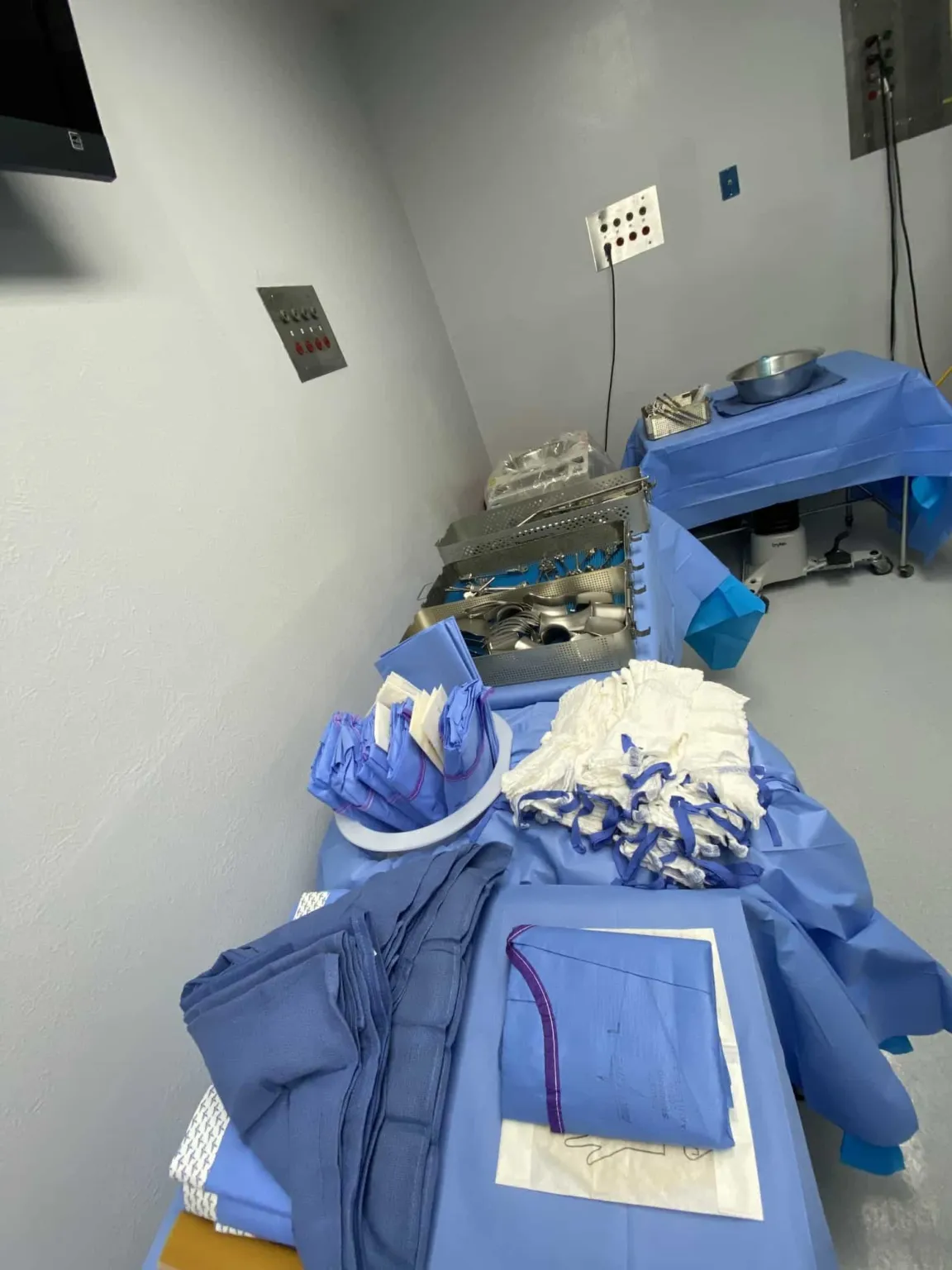
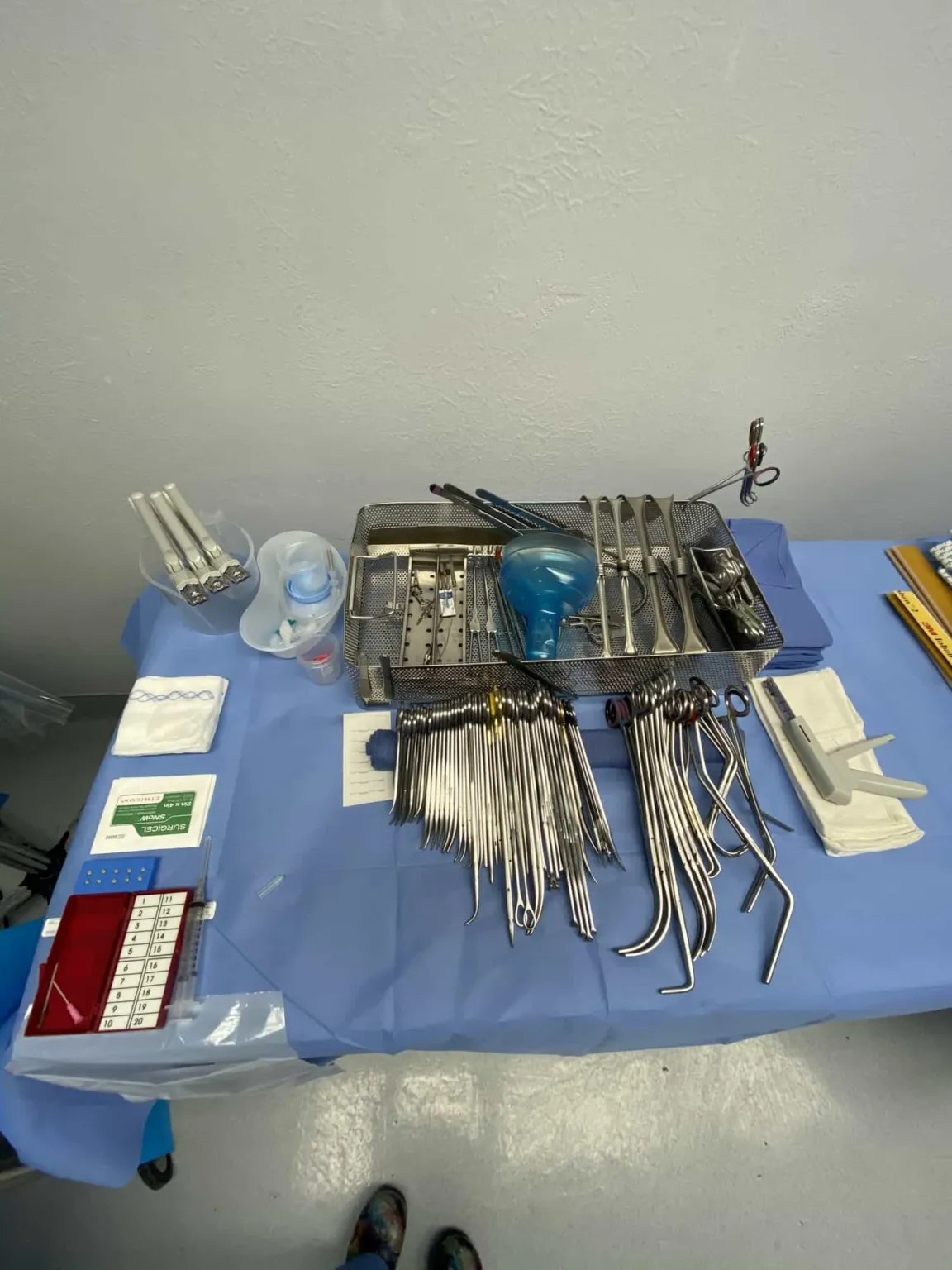
Surgical instruments
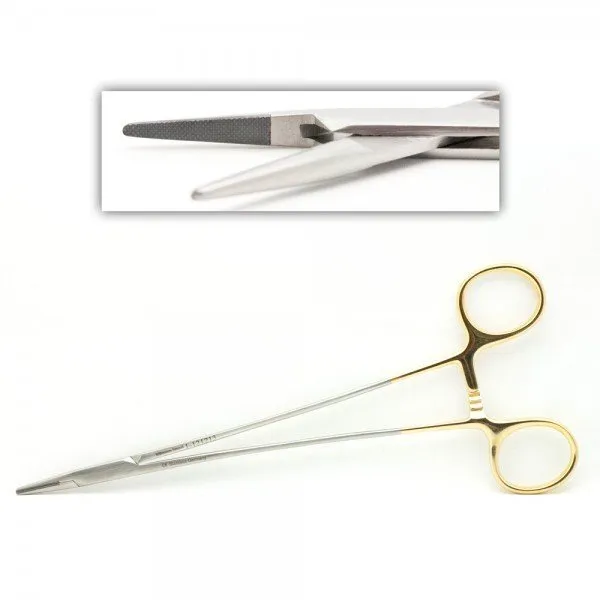
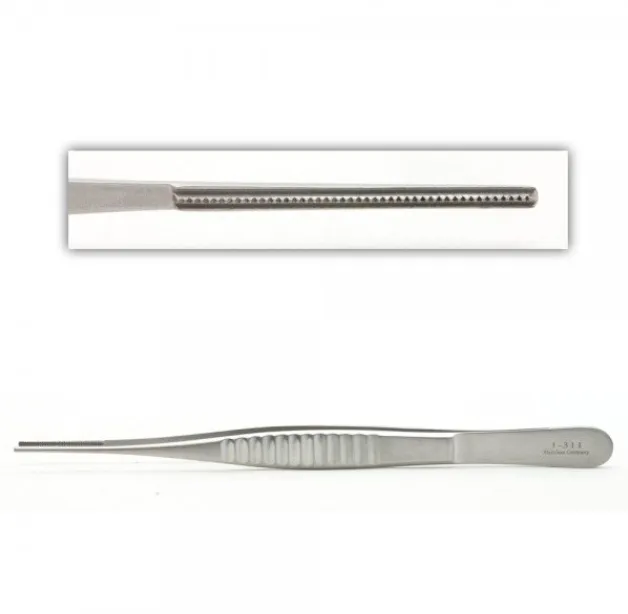
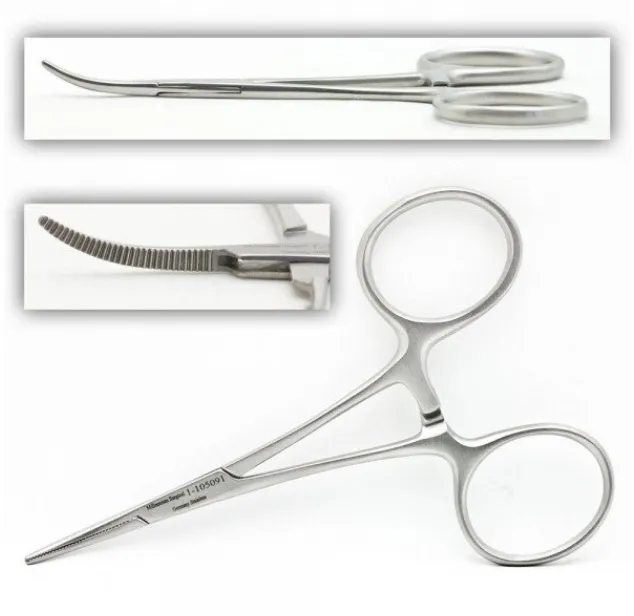
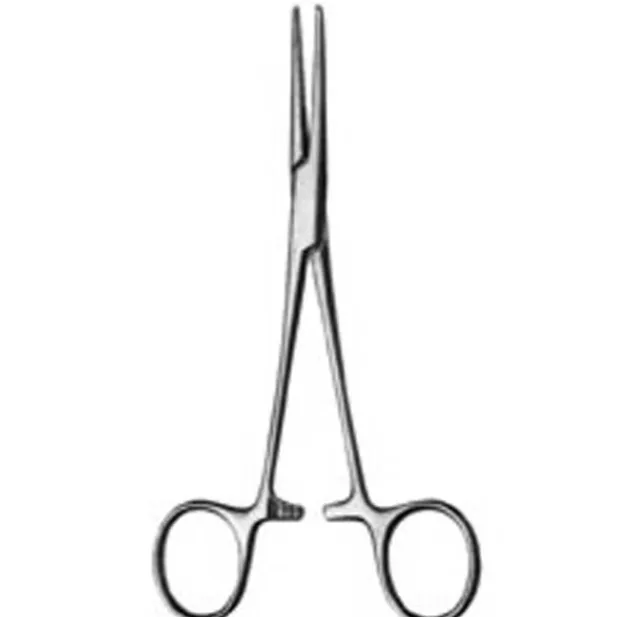
23 on this table. Tap a photo to zoom, the name for its card.
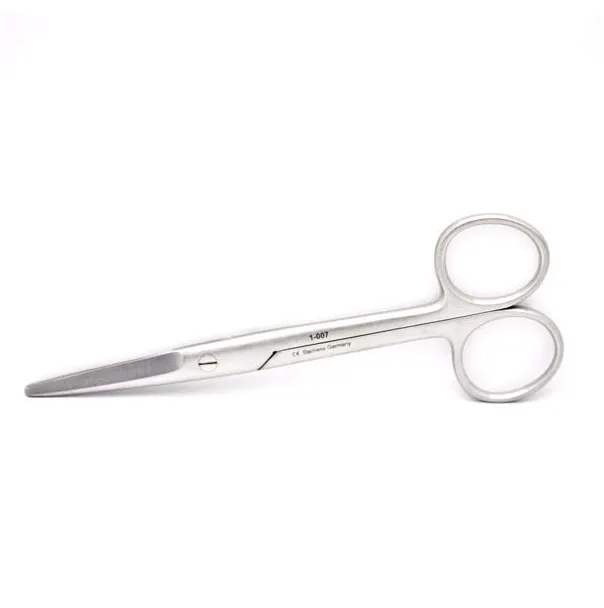
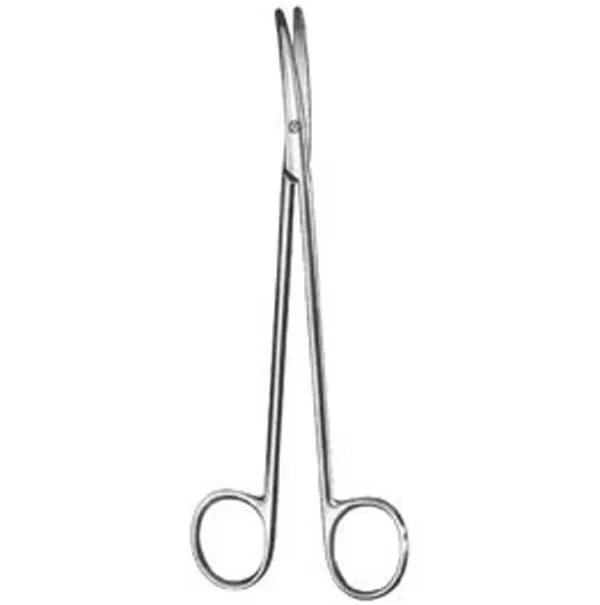
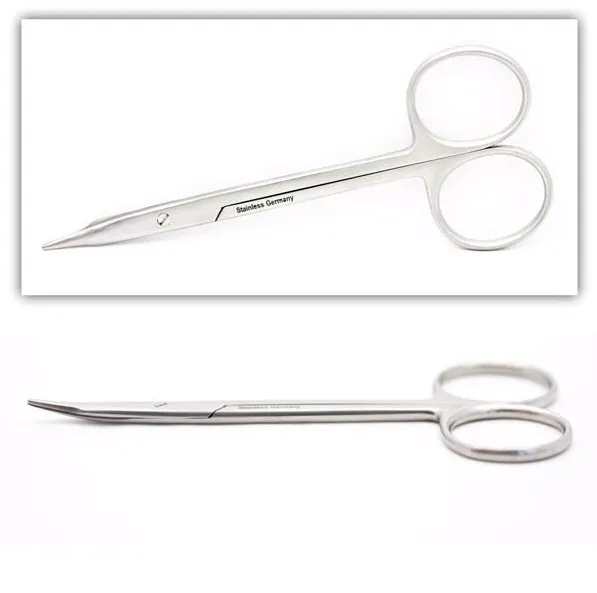
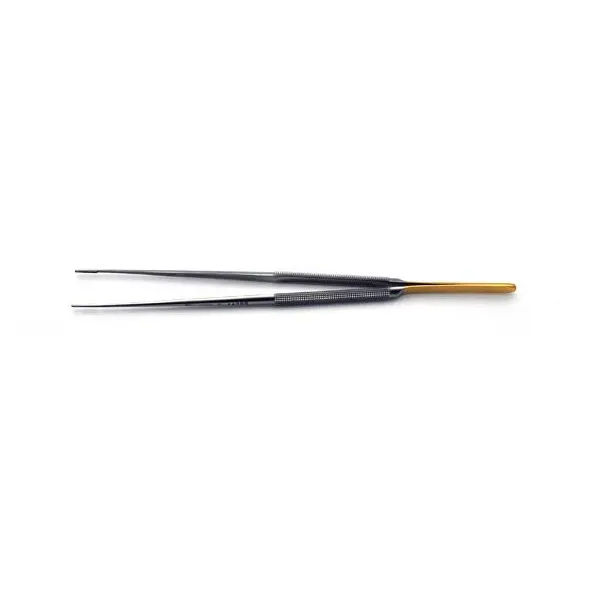
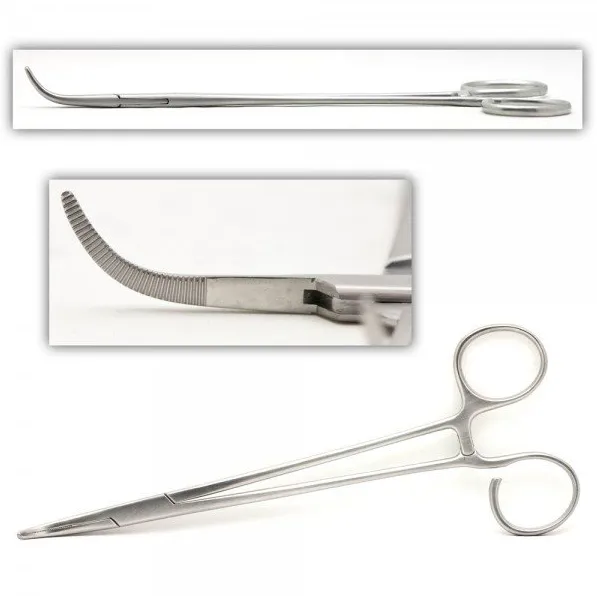
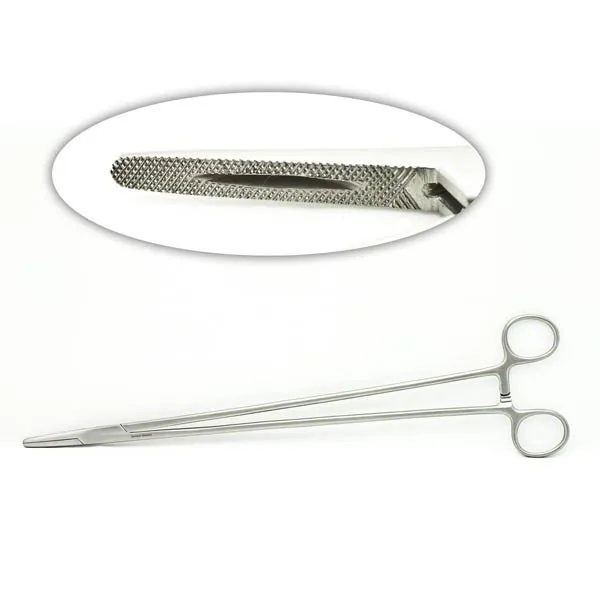
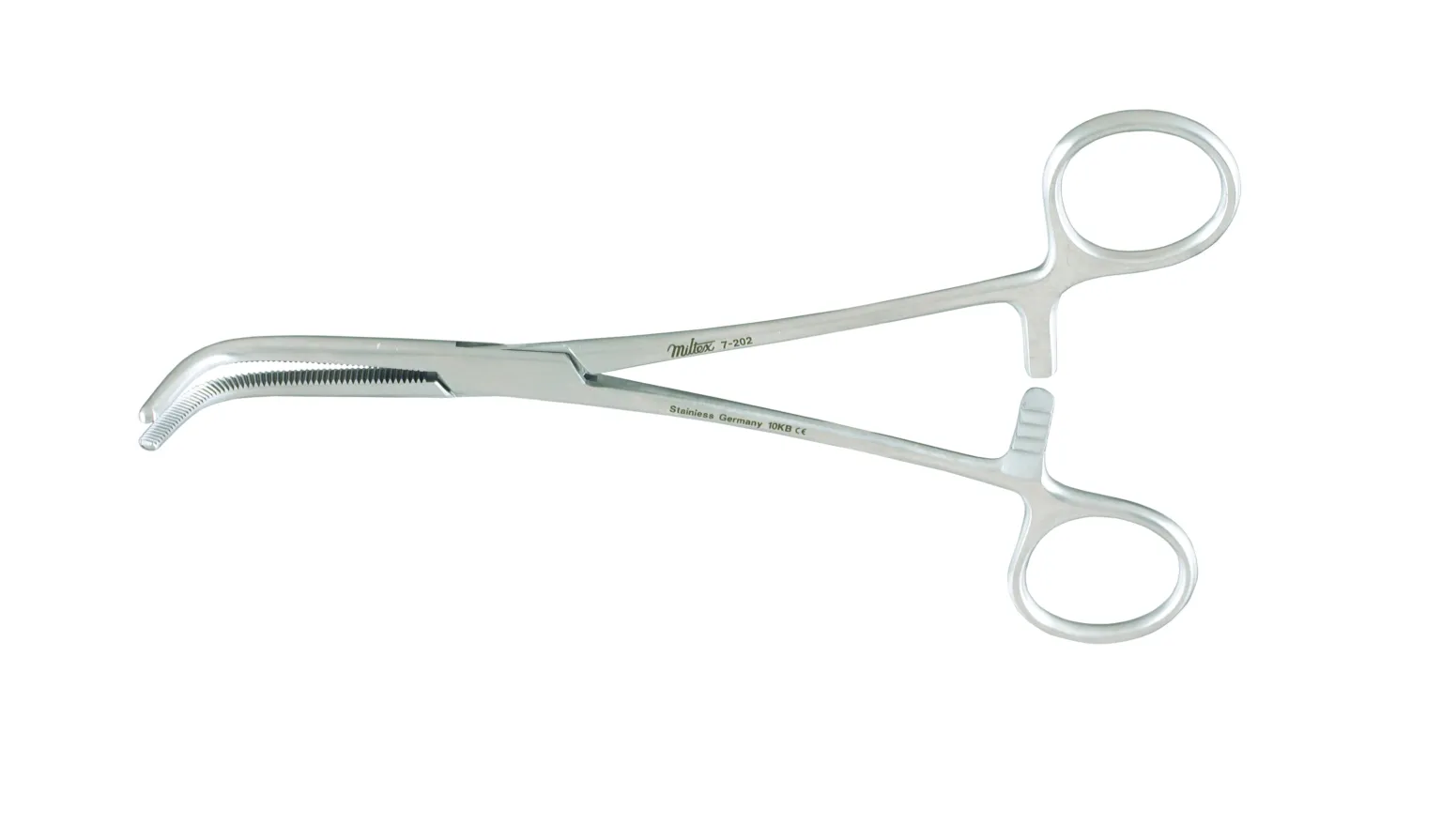
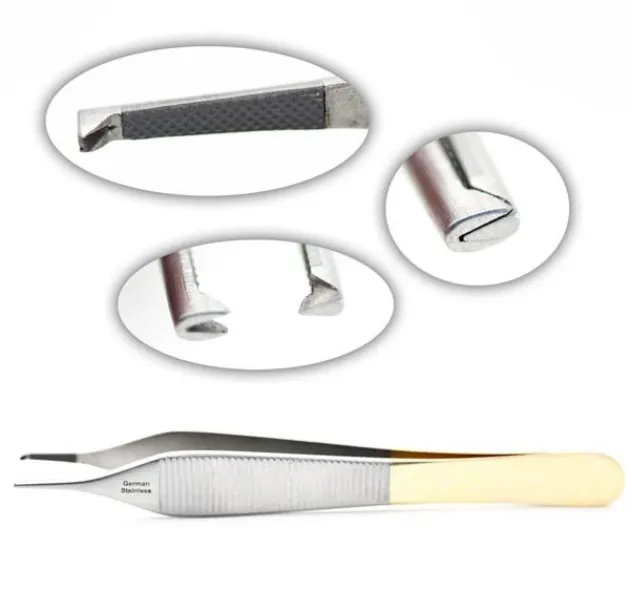
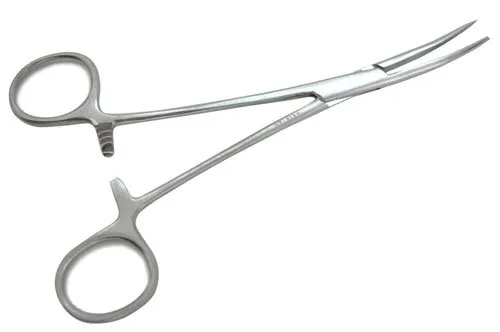
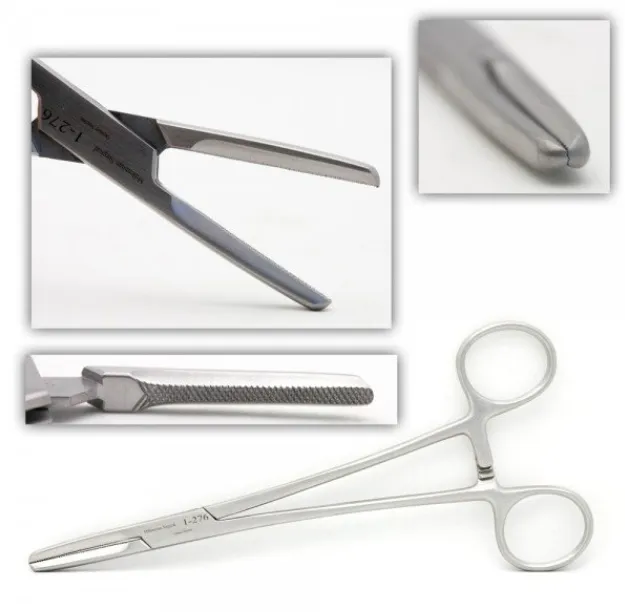
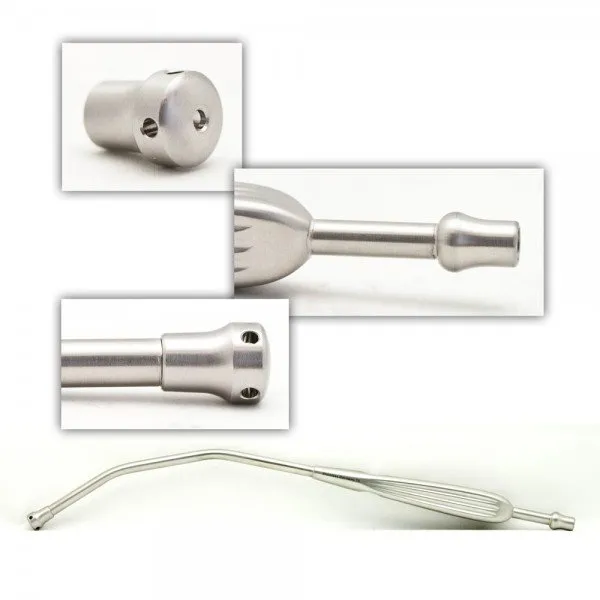
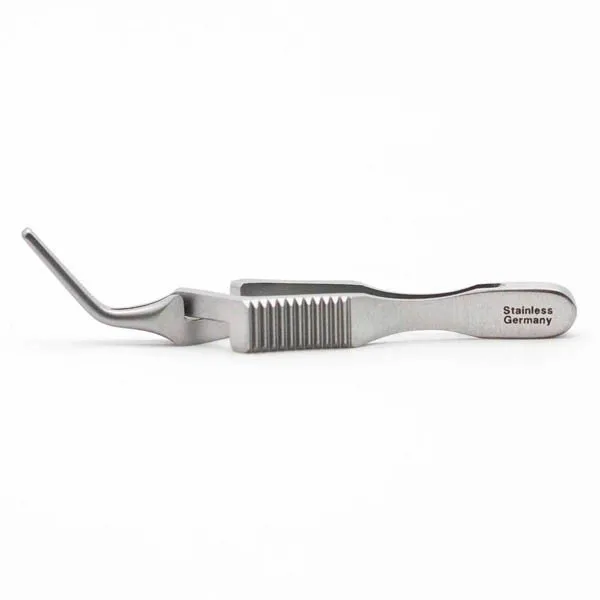
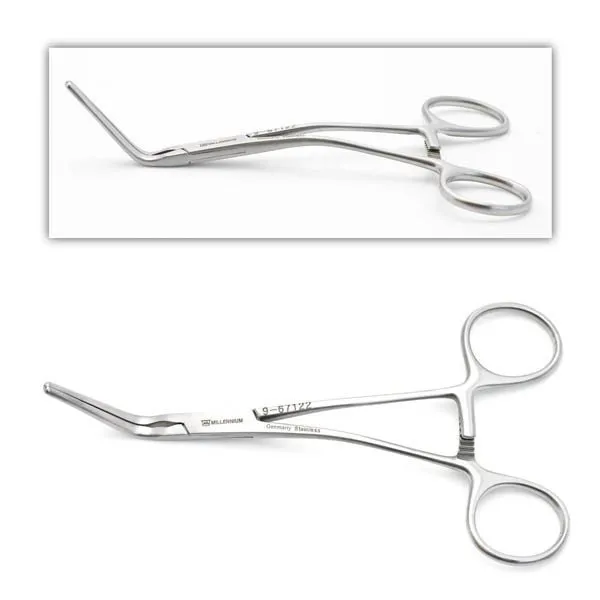
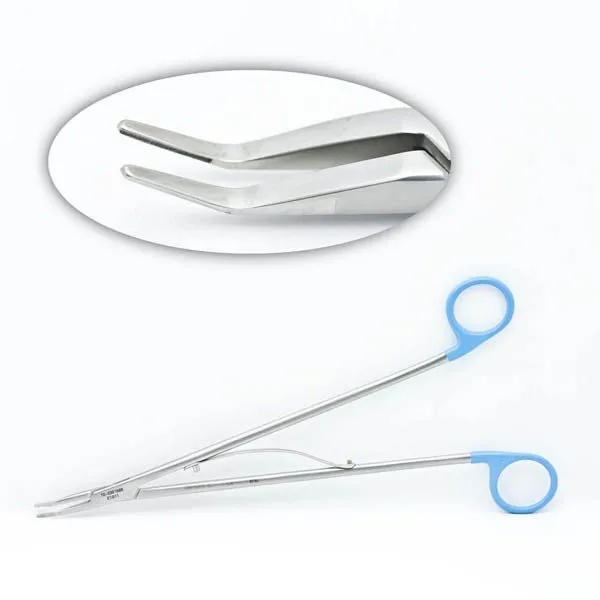
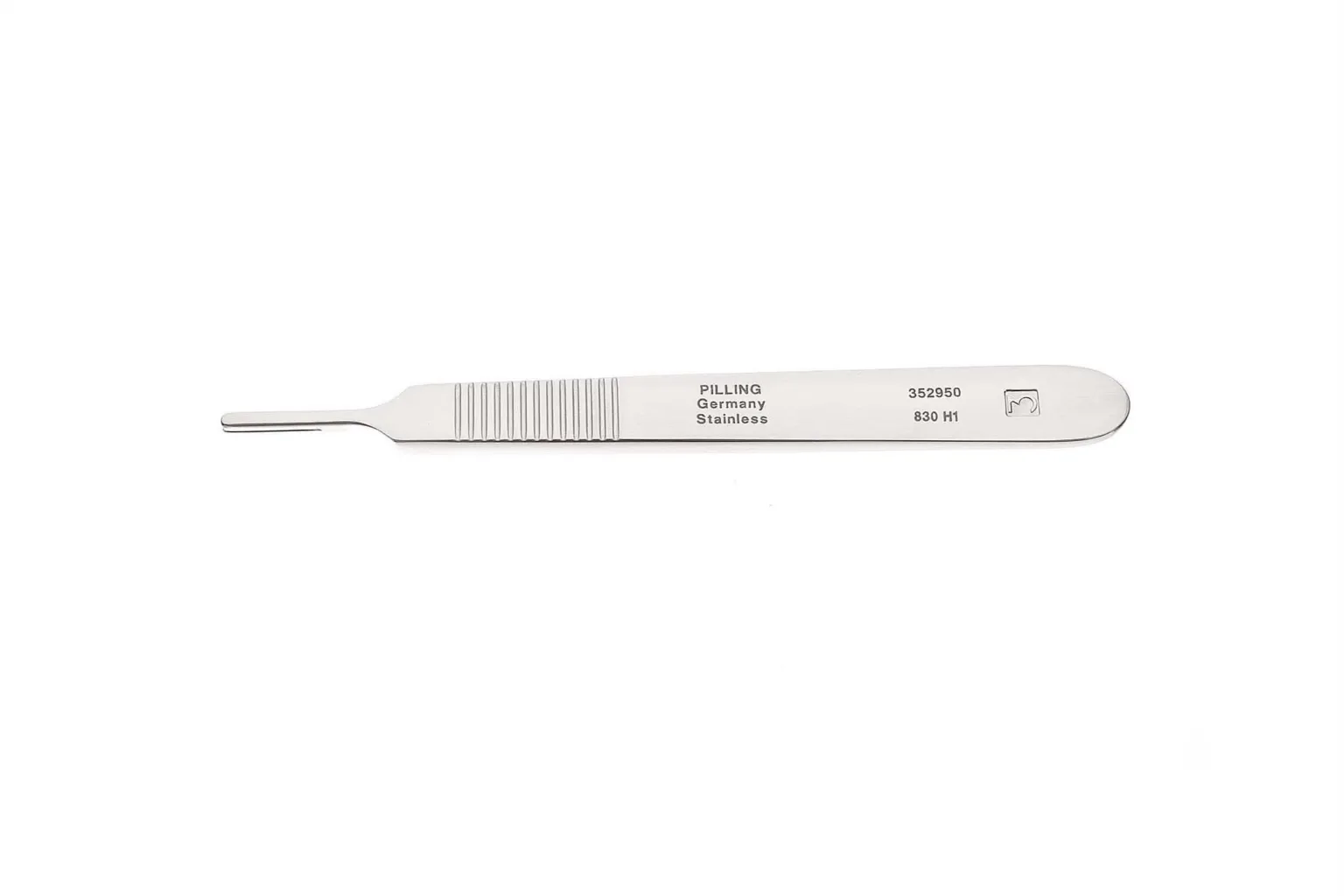
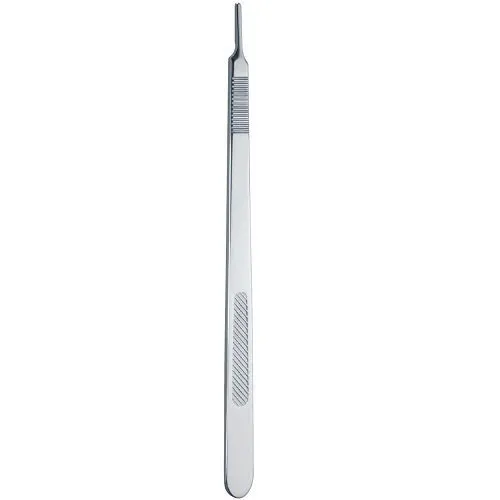
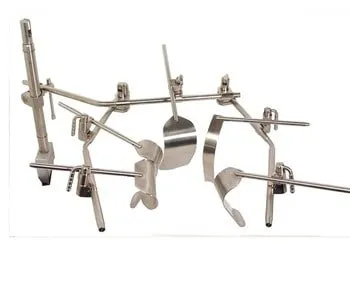
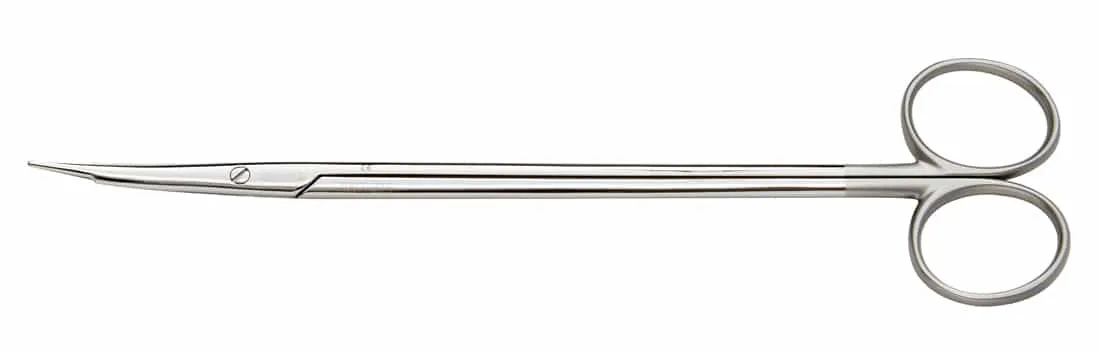
The case
Spark notes
The 30-second rundown. Scan this outside the room.
- Prepare #10 blade and extended tip for bovie
- Isolate and transect important structures of diseased liver
- Attach new liver by connecting vena cava, portal veins, hepatic arteries, and common bile ducts using appropriate sutures and clamps
- Check for bleeding, warm the cavity, and place two drains
- Close incision using a stapler
Walkthrough
What the surgeon does, and what to have in your hand before they ask.
Removing the Diseased Liver
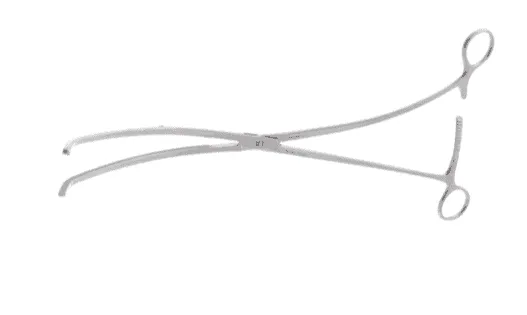
The first and most crucial part of the surgery is removing the recipient's diseased liver. The surgeon will assess the liver and decide on the best approach for removal. To detach the liver from surrounding tissue and liver attachments, the surgeon will isolate and transect important structures like the inferior vena cava, portal vein, hepatic artery, and common bile duct. Depending on surgeon preference, Crawford clamps may be used on the inferior vena cava, and mini DeBakey clamps on the portal vein. An Ethicon stapler (or equivalent) may also be used.
Attaching the New Liver
After the old liver is removed, the new healthy liver will be sewn into place. The surgeon will first connect the vena cava and portal veins using 3-0 and 4-0 Prolene. Long Debakey pickups, vascular needle holders, and long suture scissors will be used while suturing. Next, arterial flow will be established by re-connecting the hepatic arteries using 7-0 Prolene. The common bile ducts will then be reconnected using 6-0 PDS. Hemostats or mosquito clamps with booties should be available to tag suture.
Checking for Bleeding and Warming the Cavity
Once all the major structures are reattached, new blood will be cycled through the liver (reprofusion), and the surgeon will watch for any bleeding. Warm saline will be poured into the cavity to bring it up to natural body temperature. Two drains will also be placed using the Mayo scissors to cut the drains and 2-0 Nylon to suture them in place.
Closing the Incision
Finally, the surgeon will ensure that all bleeding has been stopped, and the incision can be closed. Usually, a stapler is used on the skin. As a surgical technologist, it is essential to have all the necessary instruments at hand and be able to anticipate the surgeon's needs throughout the procedure.
Tips and tricks
Always have clip appliers ready. Some surgeons will prefer the disposable ones over the reusable ones, but common sizes are the small and medium clips.
Several sizes of free silk ties should be available to tie off any small attachments. It is also a good idea to have at least 2 asepto bulb syringes on your field for irrigation, and don't forget your fluid warmer!
Add your table
Every surgeon runs it a little differently. Submissions stay private, are reviewed by our team, and accepted contributions earn a credit in the contributor list.