Laparoscopic Gastric Bypass Roux-EN-Y
This restrictive and malabsorptive bariatric procedure involves creating a small gastric pouch and performing a Roux-en-Y gastrojejunostomy. The anatomical goal is to bypass the majority of the stomach and the duodenum to facilitate weight loss.
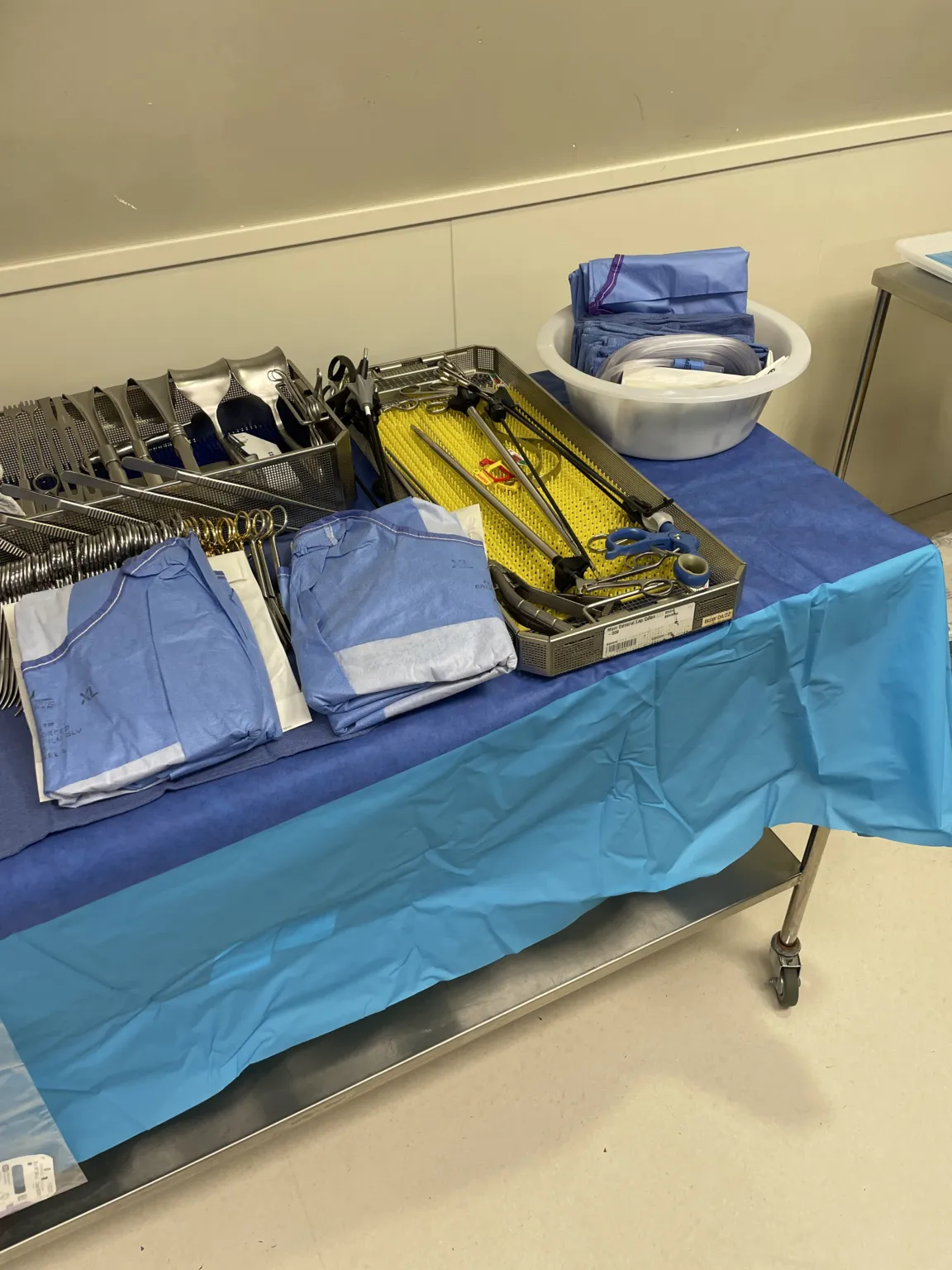
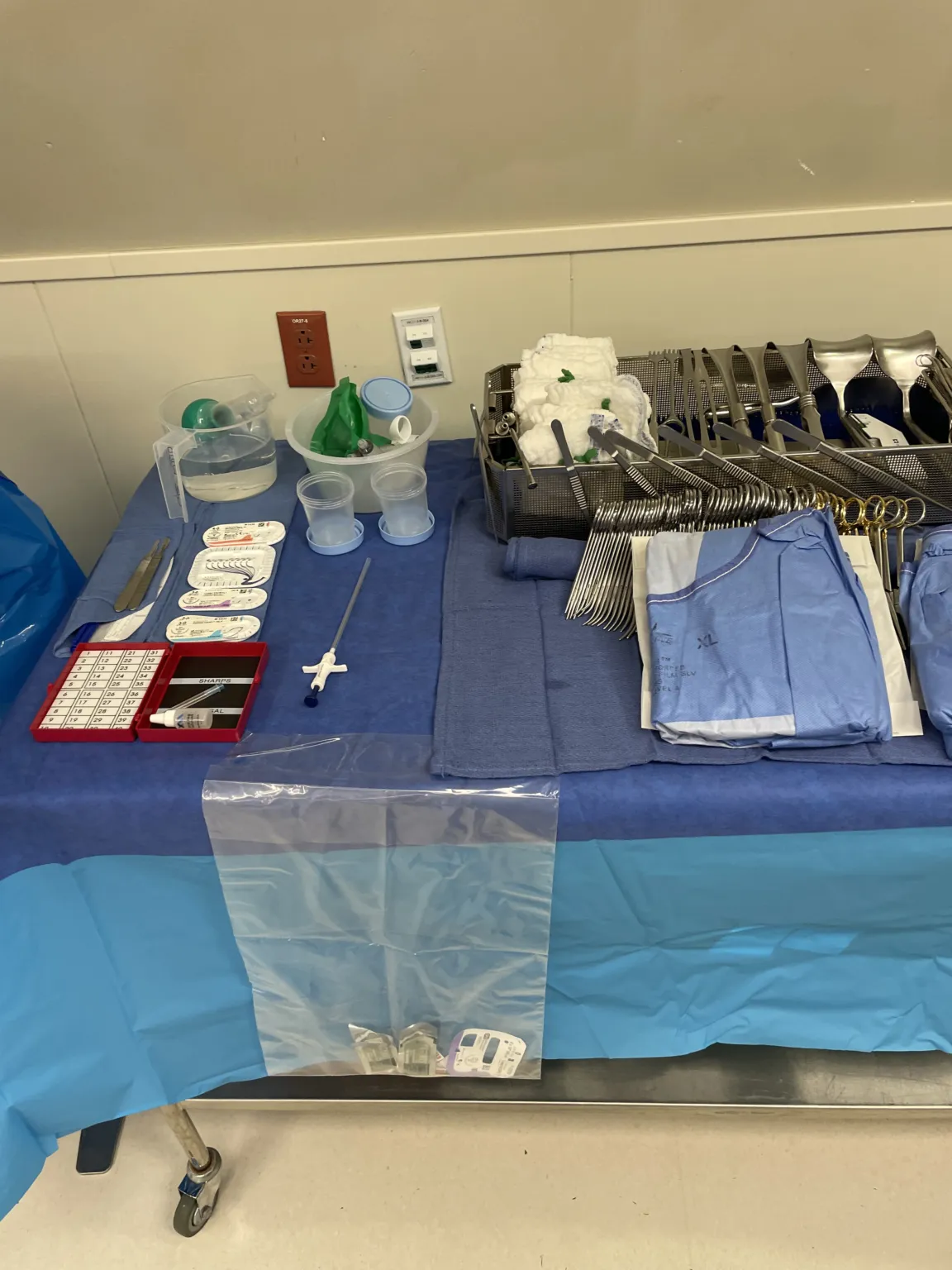
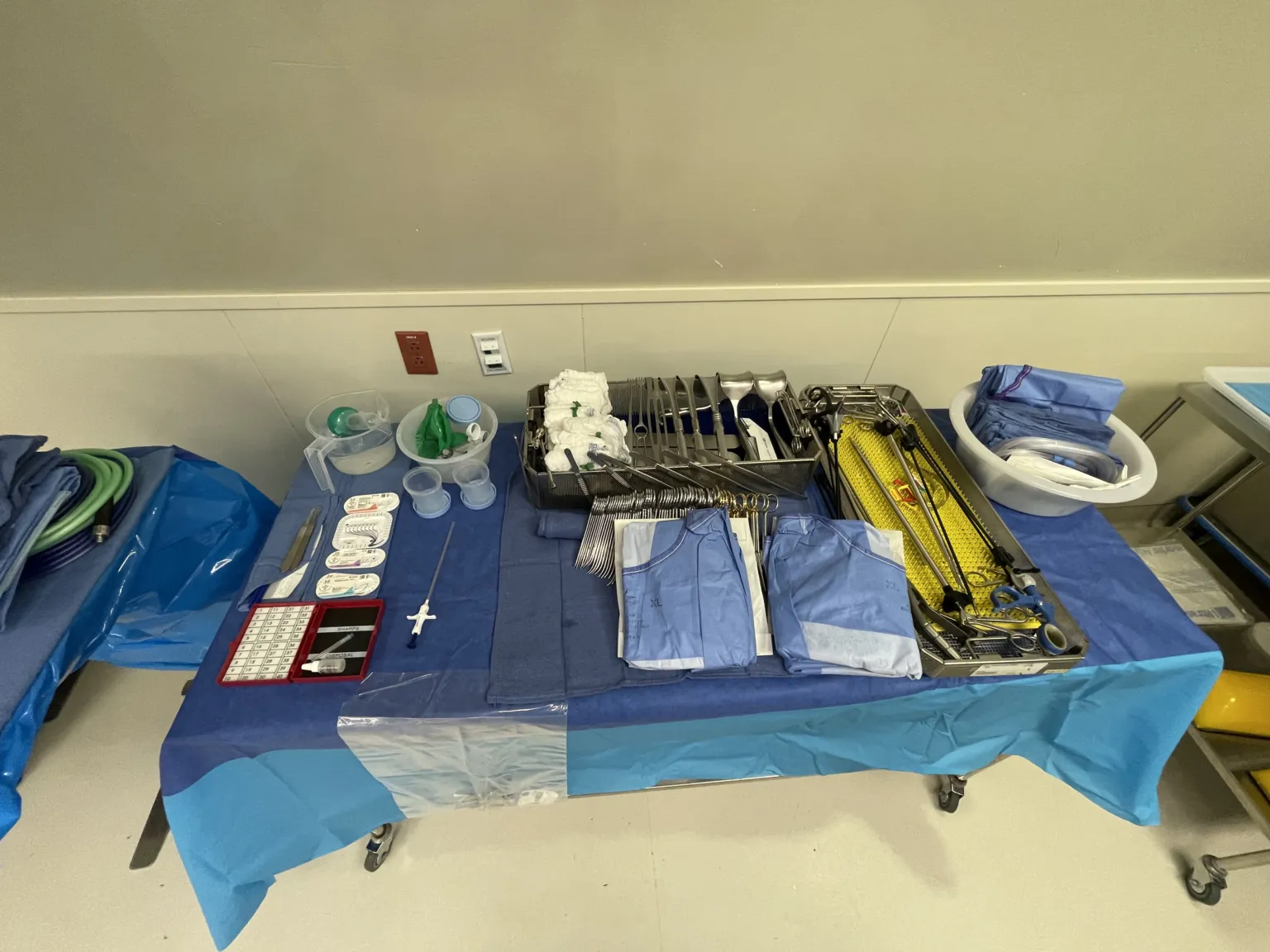
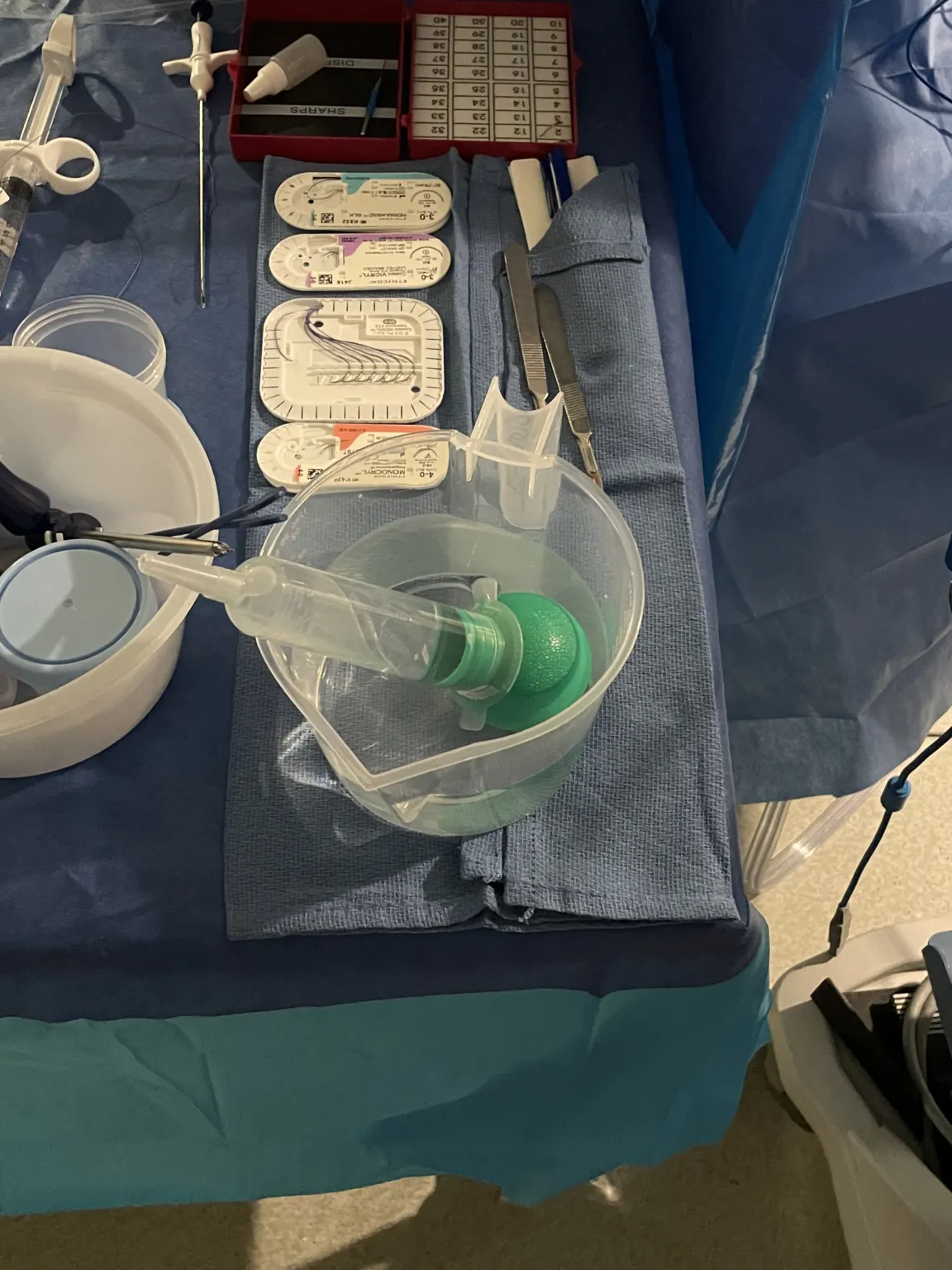
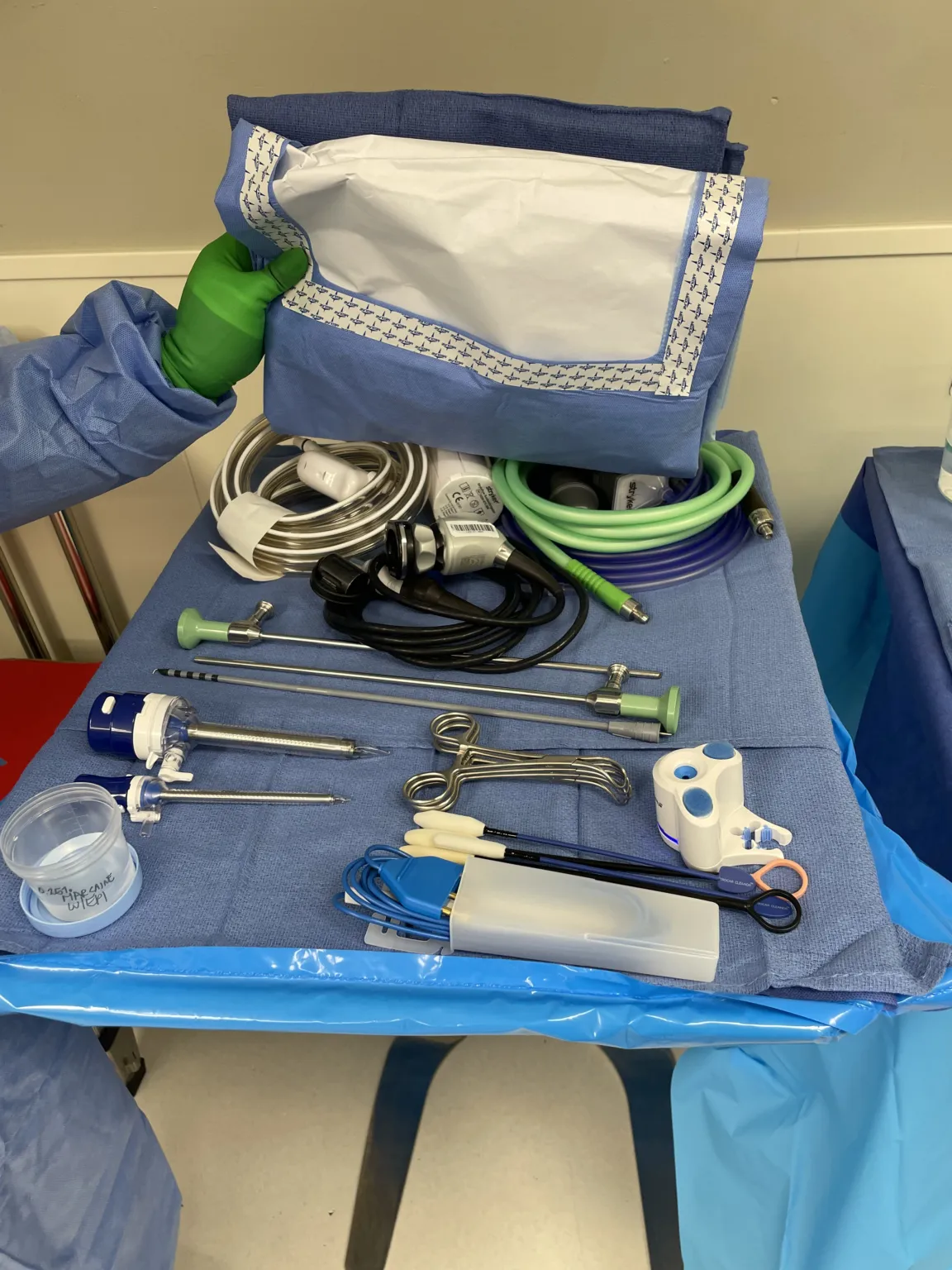
- Position
- Supine
In 30 seconds
Scan this outside the room.
- Incision made with 11 or 15 blade, 12mm trocarTROH-karA sharp or bladed instrument inside a tube (cannula), used to pierce a body wall and leave the tube in place as a port.Full entry placed, insufflationin-suh-FLAY-shunBlowing a gas into a body cavity, such as carbon dioxide into the abdomen during laparoscopic surgery.Full entry tubing attached, 0 degree laparoscope inserted.
- Liver retractorrih-TRAK-terA surgical instrument that holds back tissue or organs so the surgeon can see and reach the operative site.Full entry placed, abdomen viewed, bowel graspers and wave grasper used.
- Omentum dissectdy-SEKT, or dih-SEKTTo cut apart or separate tissues carefully during surgery.Full entry with LigaSure or Harmonic scalpel, Biliopancreatic and Roux limbs oriented and measured.
- Maryland forcepsFOR-sepsA hand instrument with two blades or arms used to grasp, hold or pull tissue or objects.Full entry used to make a plane between jejunumjeh-JOO-numThe second of the three sections of the small intestine; it follows the duodenum and leads into the ileum.jejun/o jejunum (from the Latin for empty)Full entry and mesentery, jejunum positioned with graspers.
- GIA stapler used to divide jejunumjeh-JOO-numThe second of the three sections of the small intestine; it follows the duodenum and leads into the ileum.jejun/o jejunum (from the Latin for empty)Full entry , sutureSOO-cherA stitch, or the thread used to stitch, that holds the edges of a wound or incision together.Full entry used to mark Roux limb, anastomosisuh-nas-tuh-MOH-sisA connection between two tube-shaped structures, such as two ends of bowel or two blood vessels, made by surgery or found naturally.Full entry checked.
- LigaSure used on surrounding tissue, Orogastric tube inserted, omentum dissectdy-SEKT, or dih-SEKTTo cut apart or separate tissues carefully during surgery.Full entry and stapled to create pouch.
- Graspers used to dissectdy-SEKT, or dih-SEKTTo cut apart or separate tissues carefully during surgery.Full entry to gastroesophageal junction, staple load used to create gastronomy.
- Mesenteric defects fixed/closed, incisions closed.
The tray
20 instruments, by what they do. Tap a name for its card.
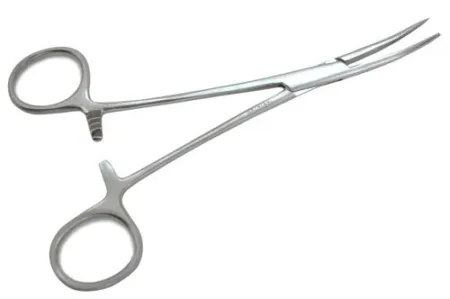 Curved HemostatsClamping
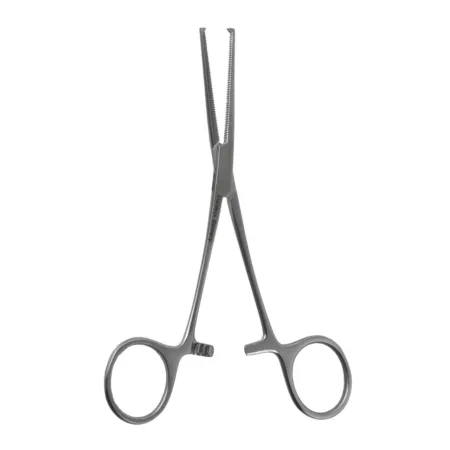 Kocher ForcepsClamping
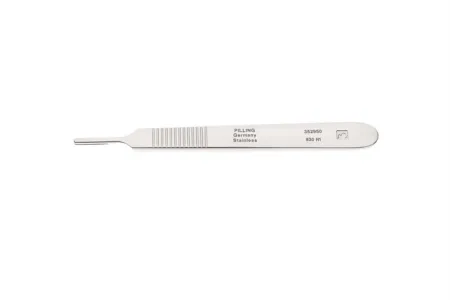 #3 Knife HandleCutting
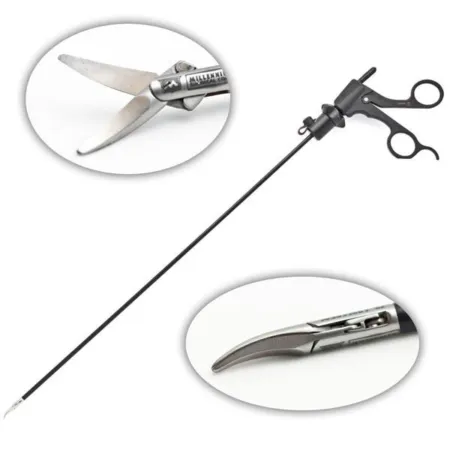 Laparoscopic Metz ScissorCutting
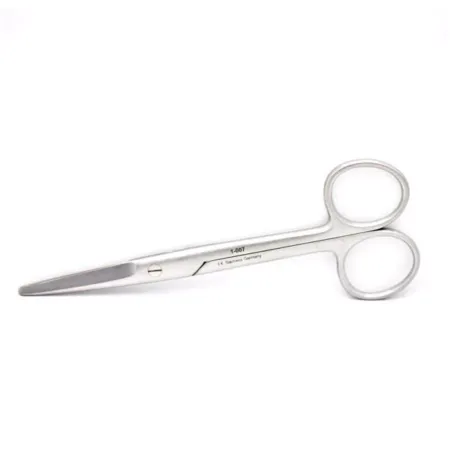 Straight Mayo ScissorCutting
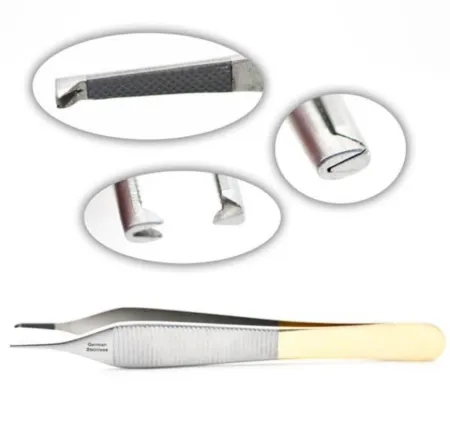 Adson ForcepsGrasping
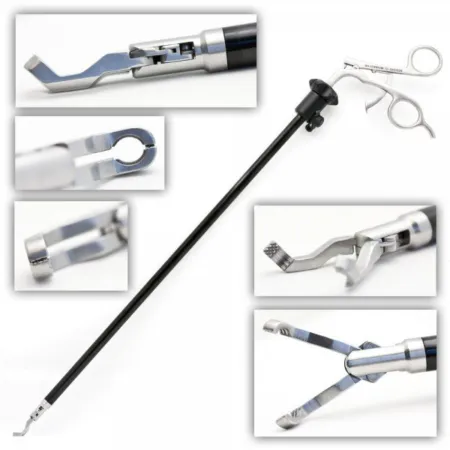 Laparoscopic Anvil GrasperGrasping
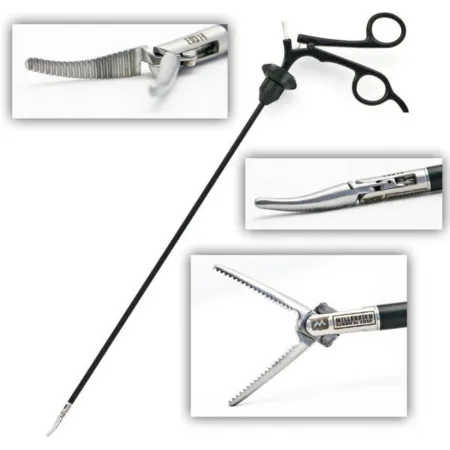 Laparoscopic Maryland Dissector GrasperGrasping
All 20 instruments
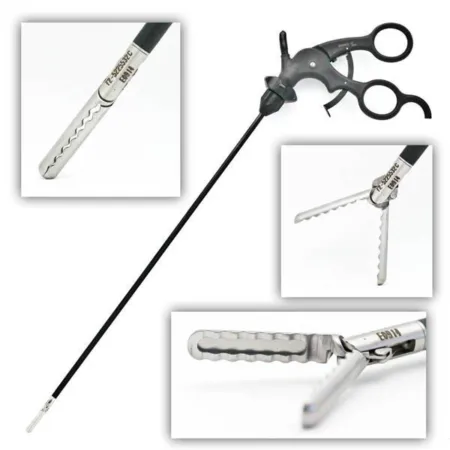 Laparoscopic Wave GrasperGrasping
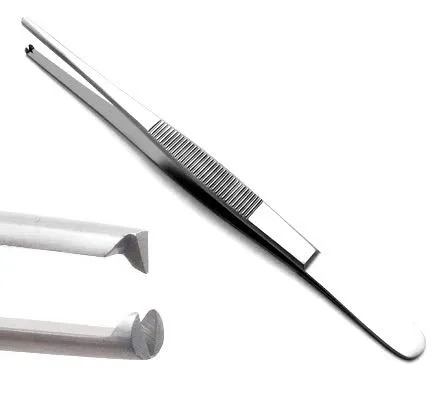 Toothed ForcepsGrasping
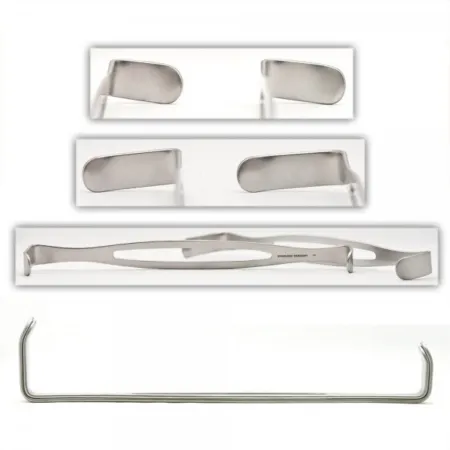 Army-Navy RetractorRetracting
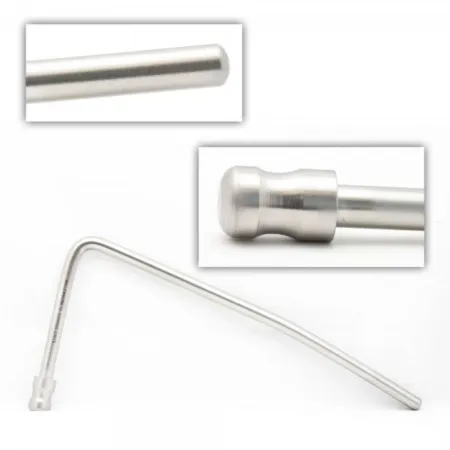 Fisher Style Liver RetractorRetracting
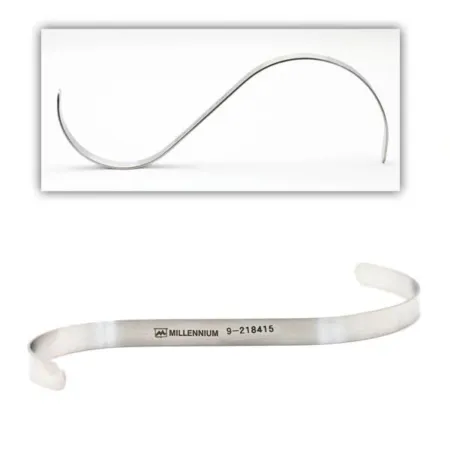 Hasson S RetractorRetracting
 Camera HeadSpecialty
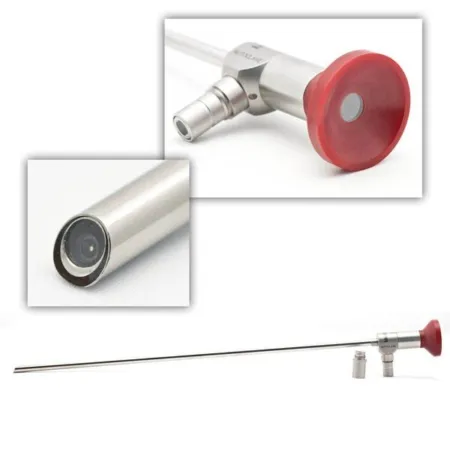 LaparoscopeSpecialty
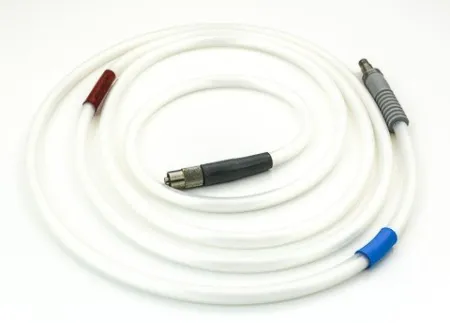 Light CordSpecialty
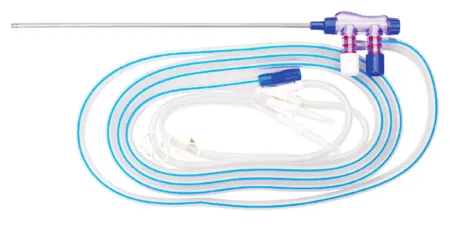 Suction IrrigatorSuctioning
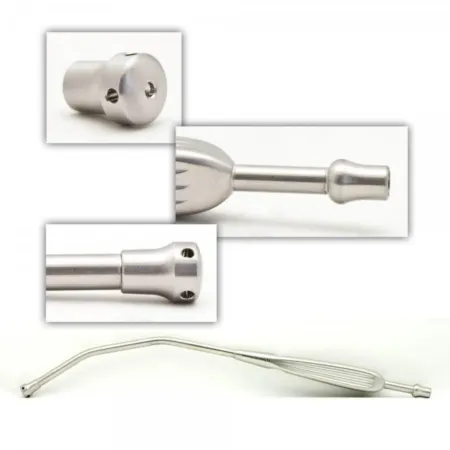 Yankauer SuctionSuctioning
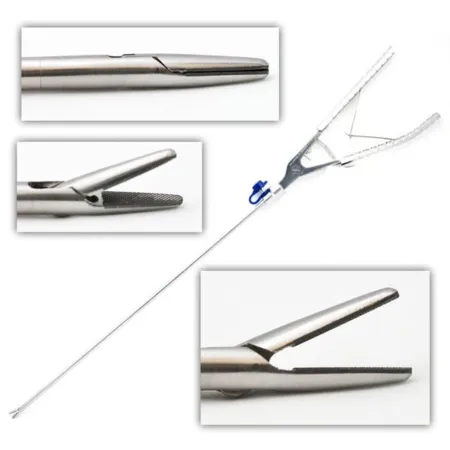 Bariatric and Laparoscopic Needle HolderSuturing
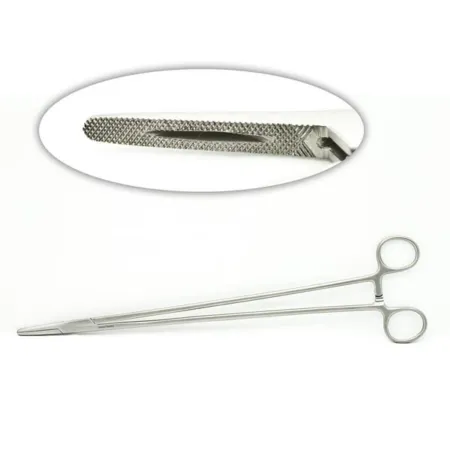 Mayo-Hegar Needle HolderSuturing
Clamping & Occluding2
Cutting & Dissecting3
Grasping & Holding5
Retracting & Exposing3
Specialty3
Suctioning2
Suturing & Stapling2
Know this tray before you scrub in.
With Pro, for every setup in every specialty. Cancel any time.
Or scrub in free: every General setup and 5 questions a day.
The room
The equipment, the prep and drape, the suture and the medicines.
- Camera
- light cord
- bovie
- ligasure/harmonic scalpel
- insufflation tubing
- GIA stapler
- and suction irrigator.
Step by step
8 steps, one line each.
- 1
Incision
During this step, the surgeon will inject local anesthesiaLOH-kul an-es-THEE-zhuhNumbing medicine applied to or injected into one small area, so a procedure there is not felt while the person stays awake.Full entry and make an incision with either an 11 blade or a 15 blade loaded onto a #3 knife handle. A 12mm trocarTROH-karA sharp or bladed instrument inside a tube (cannula), used to pierce a body wall and leave the tube in place as a port.Full entry will be placed through that incision, and a 0 degree laparoscope will be inserted through the trocar after placement. The insufflationin-suh-FLAY-shunBlowing a gas into a body cavity, such as carbon dioxide into the abdomen during laparoscopic surgery.Full entry tubing will be attached to the trocar to inflate the belly. The surgeon will then proceed to place the remaining 12mm ports.
- 2
Viewing the Abdomen
Once the abdomen is prepared, the surgeon will view the area to look for anything abnormal. They will use a 10mm scope for a clear view of the area. The patient will be tilted feet down to enable the surgeon to manipulate abdominal contents. The surgeon will use a variety of bowel graspers and wave grasper to achieve this.
- 3
Preparing for Dissection
Depending on the surgeon's preference, either a LigaSure or a Harmonic scalpel will be used on the omentum. The orientation of the Biliopancreatic and Roux limbs will be found and measured. The jejunumjeh-JOO-numThe second of the three sections of the small intestine; it follows the duodenum and leads into the ileum.jejun/o jejunum (from the Latin for empty)Full entry will be located and measured to see if it can reach the pouch. If it cannot, the surgeon may opt for a sleeve gastrectomy instead.
- 4
Dissecting the Jejunum and Mesentery
Maryland forcepsFOR-sepsA hand instrument with two blades or arms used to grasp, hold or pull tissue or objects.Full entry will be used to create a plane between the jejunumjeh-JOO-numThe second of the three sections of the small intestine; it follows the duodenum and leads into the ileum.jejun/o jejunum (from the Latin for empty)Full entry and mesentery. Graspers without teeth will be used to put the jejunum in the correct position where it can be dissectdy-SEKT, or dih-SEKTTo cut apart or separate tissues carefully during surgery.Full entry . The GIA stapler and staple loads will then be used on the plane that was just created on the small bowel. Normally, the surgeon will use a 45mm stapler. Before the stapler is taken off of the plane, the surgeon will use a sutureSOO-cherA stitch, or the thread used to stitch, that holds the edges of a wound or incision together.Full entry with the laparoscopiclap-uh-roh-SKOP-ikDone through a few small cuts in the abdomen with a thin camera and long instruments, instead of one large opening.lapar/o abdomen-scopic viewingFull entry needle driver to mark the Roux limb. The stapler will then be used on the jejunum to divide it into the Roux and Bilopancreatic limbs. The surgeon will then inspect their work to check for anastomosisuh-nas-tuh-MOH-sisA connection between two tube-shaped structures, such as two ends of bowel or two blood vessels, made by surgery or found naturally.Full entry .
- 5
Dissecting the Omentum
The LigaSure will be used to dissectdy-SEKT, or dih-SEKTTo cut apart or separate tissues carefully during surgery.Full entry the omentum from the stomach wall. The GIA stapler will then be used on that plane, creating a pouch. The surgeon will inspect the staple site for any loose staples, which will be removed if found. The 60mm stapler will then be placed in the vertical plane.
- 6
Creating a Gastronomy
Graspers will be used to bluntly dissectdy-SEKT, or dih-SEKTTo cut apart or separate tissues carefully during surgery.Full entry down to the gastroesophageal junction through the tunnel that was created with the staple load. The O'Reilly retractorrih-TRAK-terA surgical instrument that holds back tissue or organs so the surgeon can see and reach the operative site.Full entry may be used again during this step. Another staple load will be put in near the gastroesophageal fat pad. The Roux limb will be found again, and a hole will be made with the hook cautery. A gastronomy will be created, and the stapler will be used again to attach the walls together.
- 7
Closing the Mesenteric Defects
All of the mesenteric defects will be fixed or closed, and the laparoscopiclap-uh-roh-SKOP-ikDone through a few small cuts in the abdomen with a thin camera and long instruments, instead of one large opening.lapar/o abdomen-scopic viewingFull entry needle drivers may be used again to close remaining portions.
- 8
Closing the Incisions
The incisions can then be closed, and the surgery will be completed.
The case
Laparoscopic Gastric Bypass Roux-en-Y is a type of bariatric surgery designed to help with significant weight loss by altering the digestive system. During this minimally invasive procedure, a surgeon uses small incisions and a camera to create a small pouch at the top of the stomach. This pouch is then connected directly to the small intestine, bypassing the rest of the stomach and part of the small intestine.
The surgery limits how much food you can eat and reduces the absorption of calories and nutrients, leading to weight loss. It’s typically recommended for people with severe obesity or obesity-related health problems, such as diabetes or high blood pressure. Recovery is usually faster than traditional open surgery, and patients are guided to follow a specific diet and lifestyle plan post-surgery.
Built by the techs who scrub it.
Every surgeon runs it a little differently. Send your table, or a fix for this page.
 Diana Lei-alohaReviewer
 JenniferPhotos
The rest of this setup is Pro.
Everything unlocked above stays free. Pro opens the rest, on every setup: where new techs slip, what to load next at every step, the circulator’s side, the medicines, the specimen, wound class and trays on standby, what to grab if it goes wrong, and practice for every tray.
Free, for good. No card.
- All 2,882 instrument cards
- Every General setup in full
- 5 exam questions a day
- Your own preference cards
Pass your exam. Know every case.
Everything in Free, plus:
- All 260 setups in every specialty: back table, Mayo and every step
- Practice that never runs out and full timed exams for the CST, TS-C, CRCST, CSPDT and CSFA, with the why behind every answer
- Flashcards on any tray, timed to come back before you forget
- Every instrument card in full: the 3D model, cautions, inspection, how to pass it
Cancel any time from your account. Not worth it? Email us within 30 days of a charge for a refund, one per customer. Refund policy
Pro is also in the CSTSetup app, on the same account. Already have Pro? Log in
Send your table
Your Mayo, your back table, your surgeon’s way, or anything wrong on this page. Your email is only used to credit you. Submissions stay private and are reviewed by our team; accepted ones earn a Contributor credit here.