Laparoscopic Hernia Repair
A minimally invasive procedure to repair a defect in the abdominal wall by returning herniated viscera to the peritoneal cavity. A prosthetic mesh is typically secured over the weakened fascia to reinforce the area and reduce the risk of recurrence.
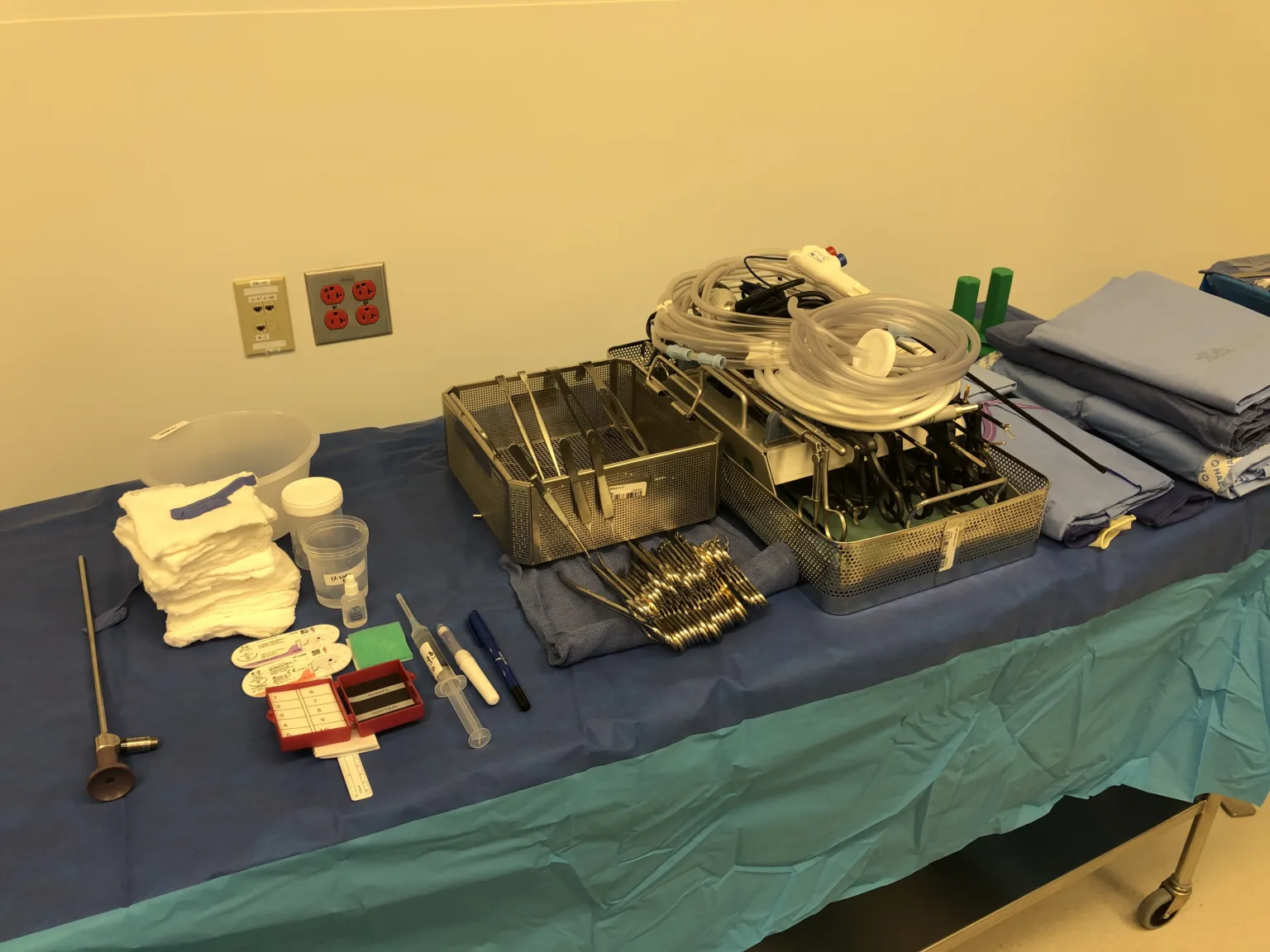 Tap a photo to zoom · 1 photo
- Position
- Supine
In 30 seconds
Scan this outside the room.
- Make incisions using a 15 or 11 blade for 2-3 5mm ports and a 12mm or 8mm port
- Separate tissue using bowel or wave graspers, scissors, Maryland or bullet grasper
- Place mesh with a mesh tacker or sutureSOO-cherA stitch, or the thread used to stitch, that holds the edges of a wound or incision together.Full entry to prevent reoccurrence
- Close port sites with monocryl and dress with skin glue
The tray
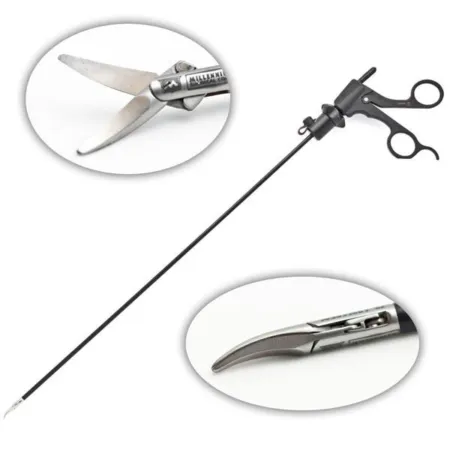
18 instruments, by what they do. Tap a name for its card.
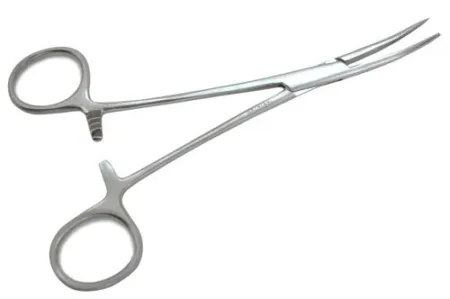
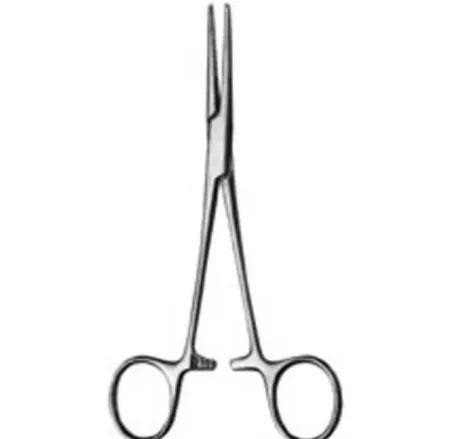
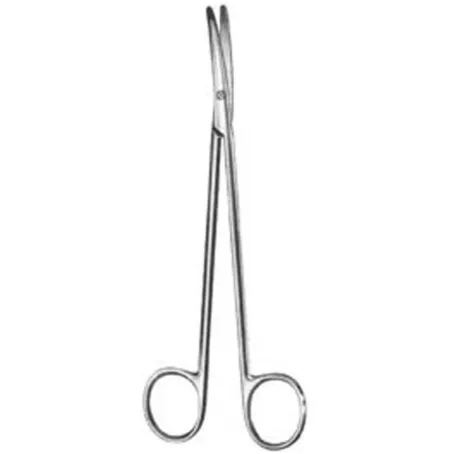
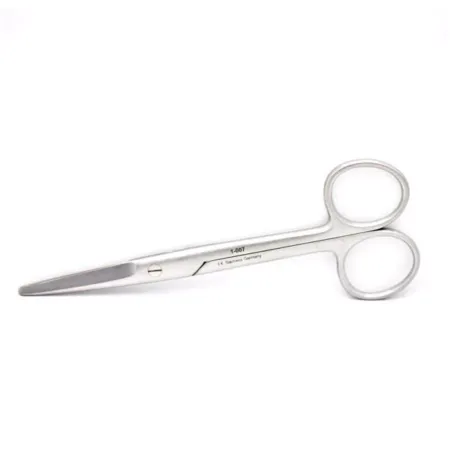
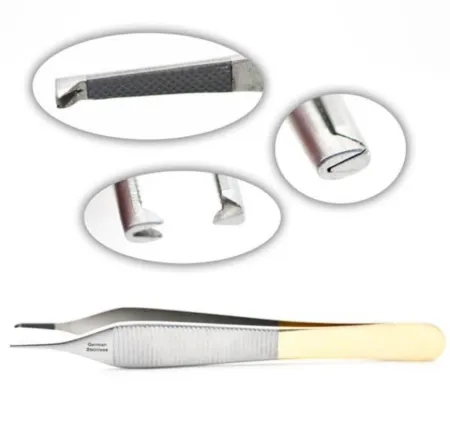
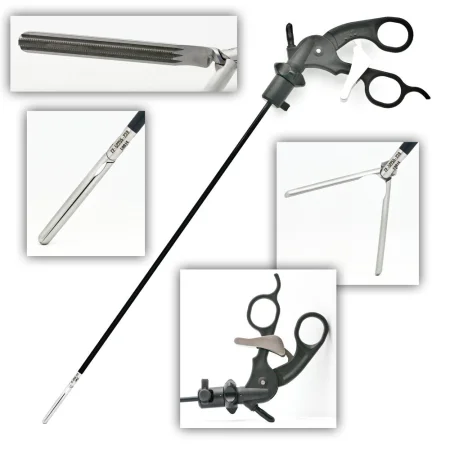
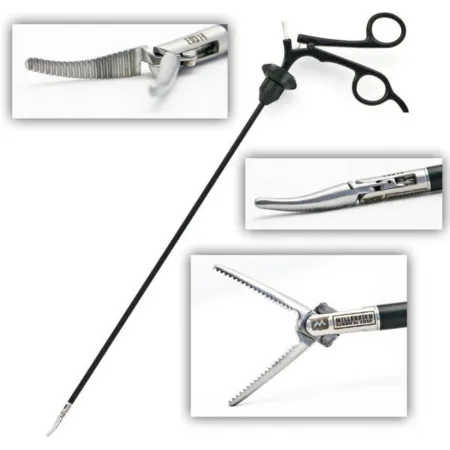
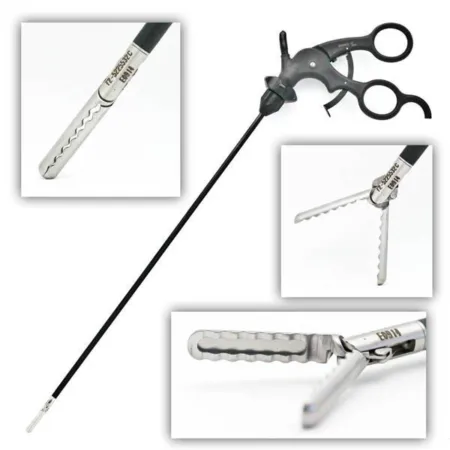
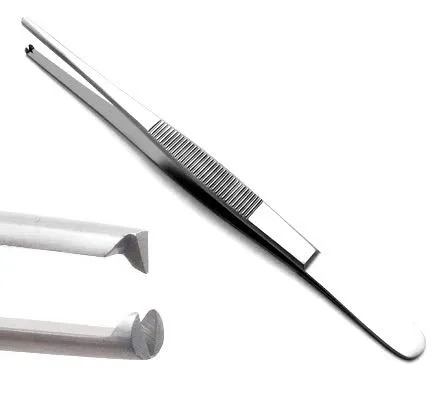
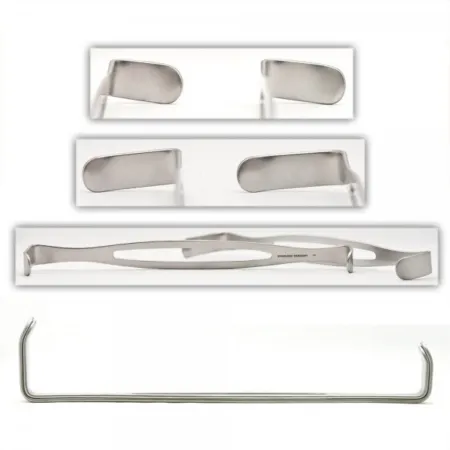
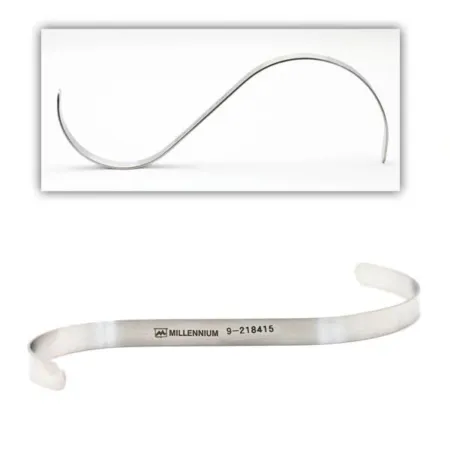
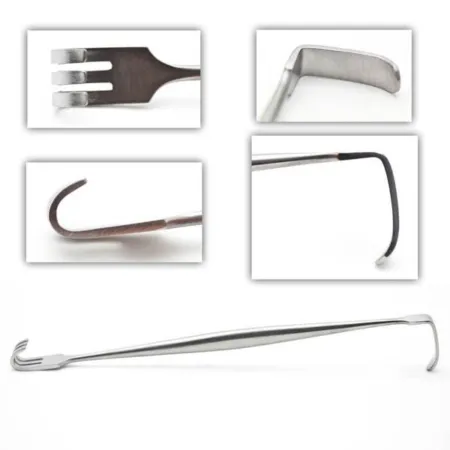
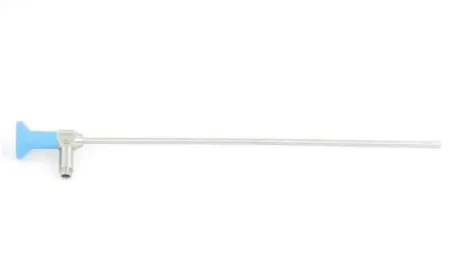

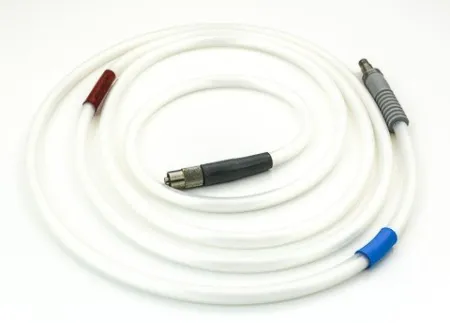
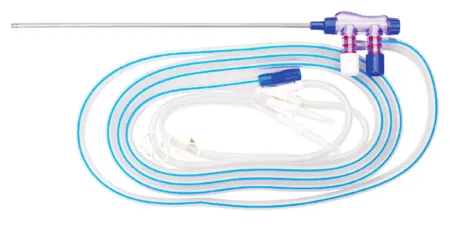
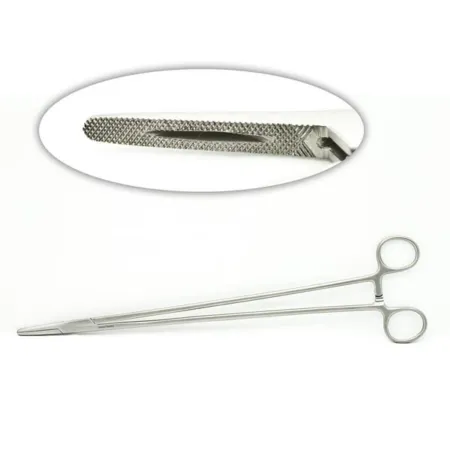
Clamping & Occluding2
Cutting & Dissecting3
Grasping & Holding5
Retracting & Exposing3
Specialty3
Suctioning1
Suturing & Stapling1
Know this tray before you scrub in.
With Pro, for every setup in every specialty. Cancel any time.
Or scrub in free: every General setup and 5 questions a day.
The room
The equipment, the prep and drape, the suture and the medicines.
- Camera
- light cord
- insufflation tubing
- suction irrigator
- and bovie will be passed off and clamped to the drape.
Folded towels around incision site, along with a lap drape.
Step by step
4 steps, one line each.
- 1
Incisions
During a laparoscopiclap-uh-roh-SKOP-ikDone through a few small cuts in the abdomen with a thin camera and long instruments, instead of one large opening.lapar/o abdomen-scopic viewingFull entry herniaHER-nee-uhA bulge of an organ or tissue through a weak spot in the muscle or tissue wall that normally holds it in.Full entry Repair, the surgeon will start by making incisions where the ports will go. This is done using a 15 or 11 blade. The number of ports required is usually 2-3, and they are typically 5mm in size. Additionally, either a 12mm or 8mm port will be placed.
- 2
Separating Tissue
To separate the tissue from the herniaHER-nee-uhA bulge of an organ or tissue through a weak spot in the muscle or tissue wall that normally holds it in.Full entry inside the abdomen, the surgical team will use bowel or wave graspers. These instruments are used throughout the surgery to grasp and pull the tissue. Scissors, a Maryland, or a bullet grasper may also be used to help separate the tissue.
- 3
Placing Mesh
Once the herniaHER-nee-uhA bulge of an organ or tissue through a weak spot in the muscle or tissue wall that normally holds it in.Full entry has been emptied of bowel, a piece of mesh is usually placed to prevent reoccurrence. This is done using either a mesh tacker or sutureSOO-cherA stitch, or the thread used to stitch, that holds the edges of a wound or incision together.Full entry . The mesh is held in place using these instruments to ensure it stays securely in place.
- 4
Closing Port Sites
After the mesh has been placed, the gas will be turned off, and the port sites will be closed. The surgeon will use monocryl to close the port sites. This is commonly used for closure as it is an absorbable sutureSOO-cherA stitch, or the thread used to stitch, that holds the edges of a wound or incision together.Full entry . Skin glue is usually used for a dressing as it is quick and easy to apply, and provides an excellent seal over the incision site.
The case
Laparoscopic Hernia Repair is a minimally invasive surgical procedure performed to repair a hernia in the abdomen. A hernia occurs when an organ or tissue protrudes through a weak spot or tear in the abdominal wall. During the procedure, small incisions are made in the abdomen, and a mesh is placed to prevent recurrence of the hernia. This surgery is typically performed on an outpatient basis and has a high success rate with minimal scarring.
Built by the techs who scrub it.
Every surgeon runs it a little differently. Send your table, or a fix for this page.
 Diana Lei-alohaReviewer
 Wanda ToccoReviewer
The rest of this setup is Pro.
Everything unlocked above stays free. Pro opens the rest, on every setup: where new techs slip, what to load next at every step, the circulator’s side, the medicines, the specimen, wound class and trays on standby, what to grab if it goes wrong, and practice for every tray.
Free, for good. No card.
- All 2,882 instrument cards
- Every General setup in full
- 5 exam questions a day
- Your own preference cards
Pass your exam. Know every case.
Everything in Free, plus:
- All 260 setups in every specialty: back table, Mayo and every step
- Practice that never runs out and full timed exams for the CST, TS-C, CRCST, CSPDT and CSFA, with the why behind every answer
- Flashcards on any tray, timed to come back before you forget
- Every instrument card in full: the 3D model, cautions, inspection, how to pass it
Cancel any time from your account. Not worth it? Email us within 30 days of a charge for a refund, one per customer. Refund policy
Pro is also in the CSTSetup app, on the same account. Already have Pro? Log in
Send your table
Your Mayo, your back table, your surgeon’s way, or anything wrong on this page. Your email is only used to credit you. Submissions stay private and are reviewed by our team; accepted ones earn a Contributor credit here.