Open Lobectomy
The surgical removal of an entire lobe of the lung through a thoracotomy incision to treat localized pulmonary pathology such as a malignancy.
In 30 seconds
Scan this outside the room.
- Make incision and insert rib spreader for retractionrih-TRAK-shunA drawing back or pulling in of tissue; in breathing, the skin sinking in between, below or above the ribs with each breath.Full entry .
- dissectdy-SEKT, or dih-SEKTTo cut apart or separate tissues carefully during surgery.Full entry from anterior to posterior to free up pleuralPLOOR-ulHaving to do with the pleura, the thin two-layer membrane that covers the lungs and lines the chest wall.pleur/o pleura-al relating toFull entry and identify/divide structures.
- Take down ligaments using staplers.
- Staple and remove bronchusBRONG-kusOne of the large air tubes that branch from the windpipe into each lung.bronch/o airwayFull entry , consider lymph nodelimf nohdA small, bean-shaped organ of the immune system that filters lymph fluid and holds white blood cells.Full entry removal.
The tray
30 instruments, by what they do. Tap a name for its card.
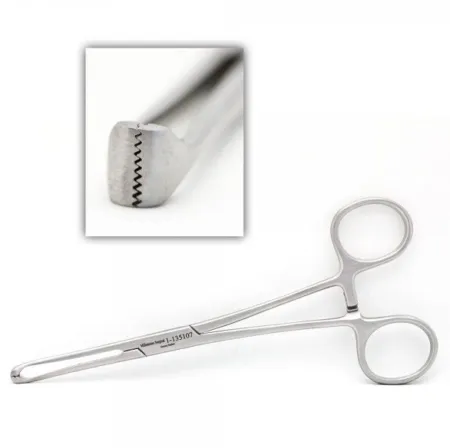 Allis ForcepsClamping
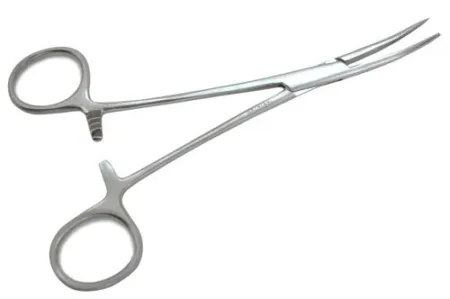 Curved HemostatsClamping
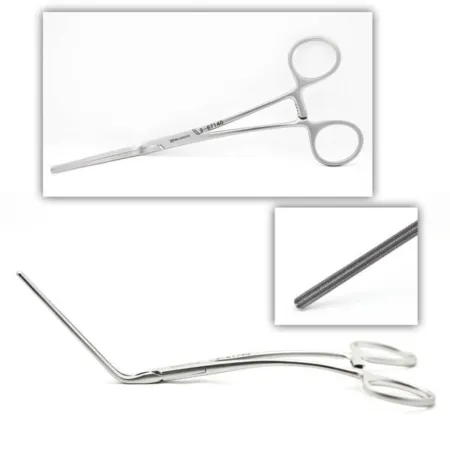 Debakey Peripheral Vascular ClampClamping
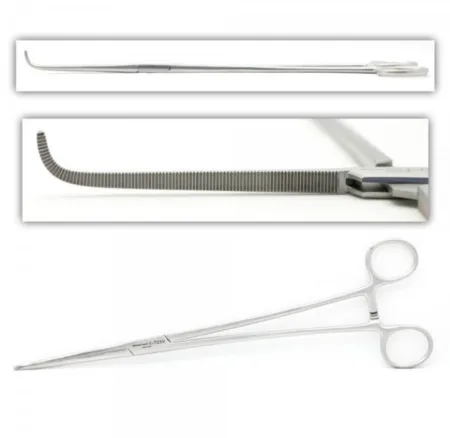 Gemini Mixter Artery ClampClamping
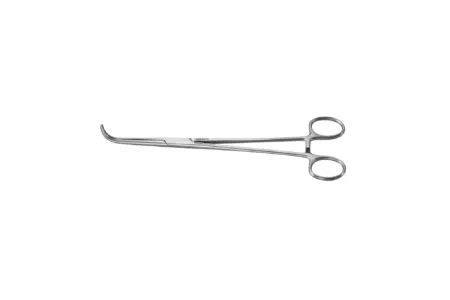 Rummel Thoracic Artery ForcepClamping
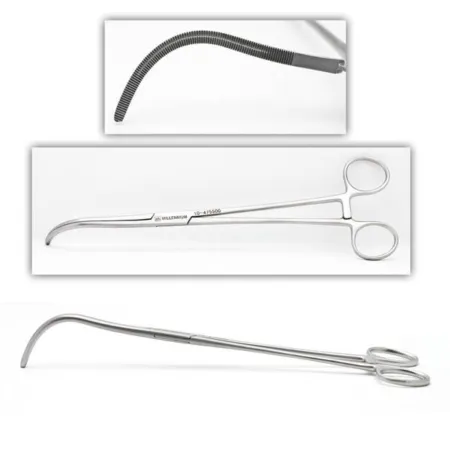 Stille Vessel ClampClamping
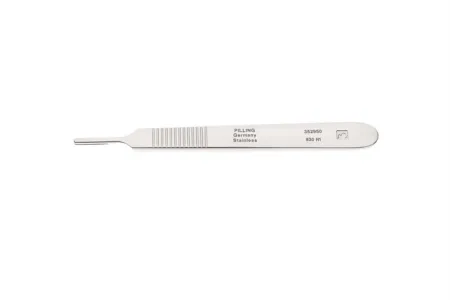 #3 Knife HandleCutting
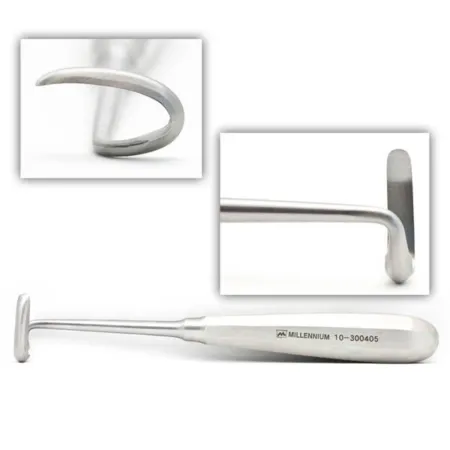 Doyen RaspatoryCutting
All 30 instruments
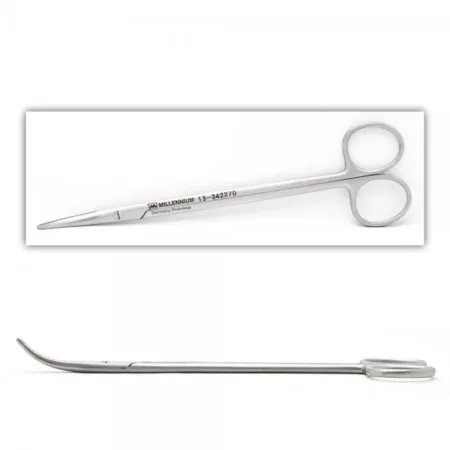 Jorgensen Thoracic ScissorCutting
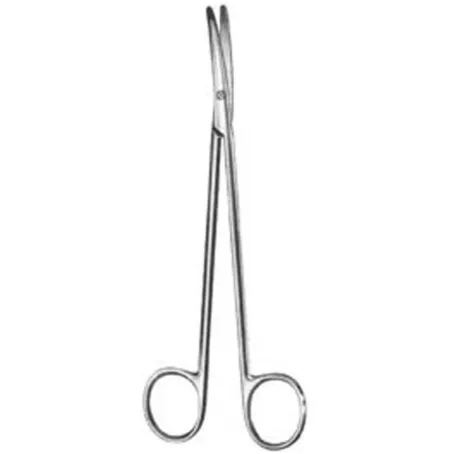 Metzenbaum ScissorCutting
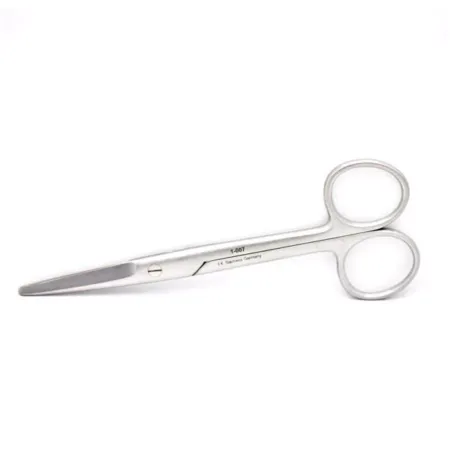 Straight Mayo ScissorCutting
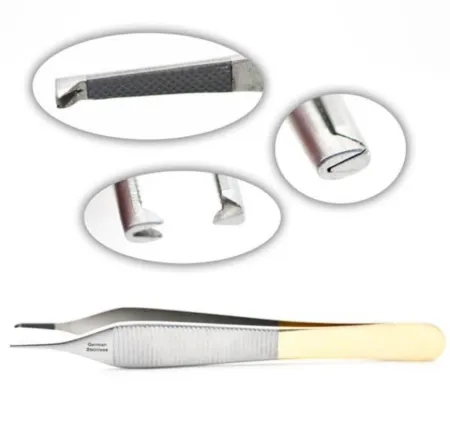 Adson ForcepsGrasping
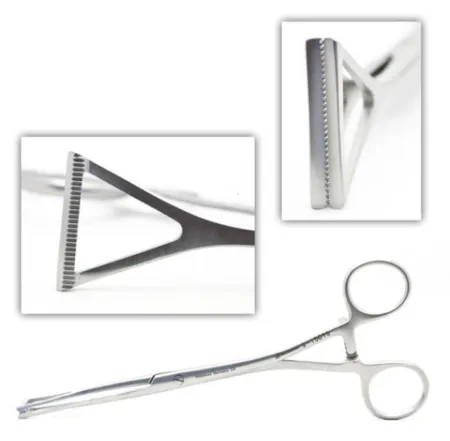 Collins Duval ForcepsGrasping
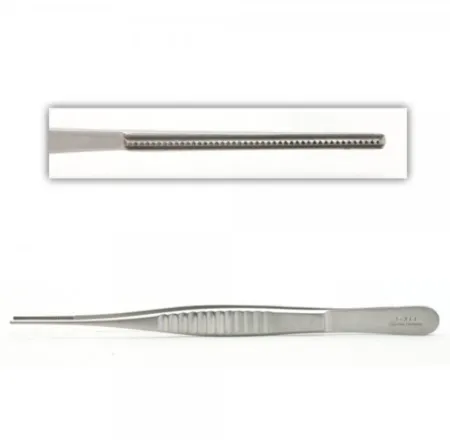 DeBakey ForcepsGrasping
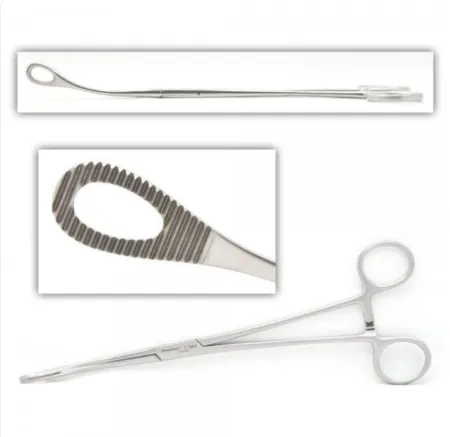 Foerster Sponge ForcepsGrasping
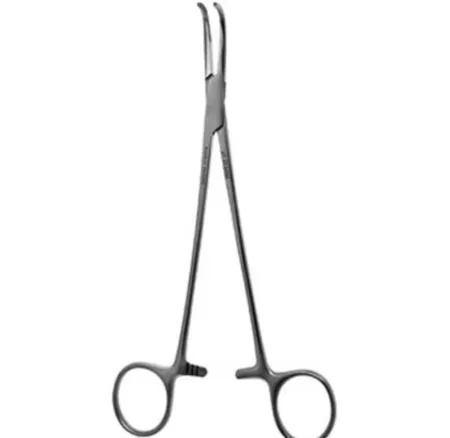 Kantrowitz ForcepsGrasping
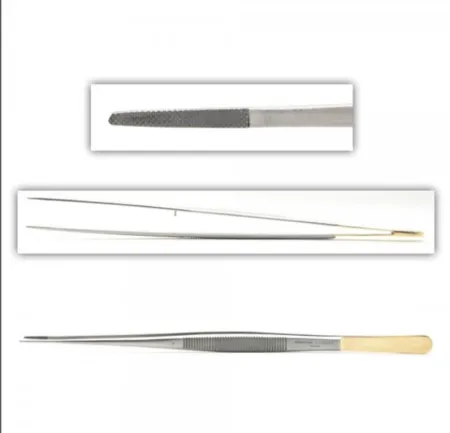 Potts-Smith ForcepsGrasping
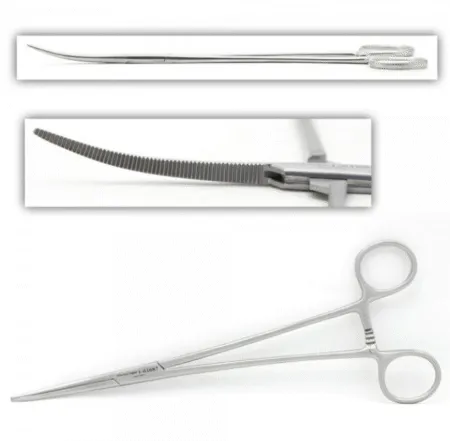 Vanderbilt Deep Vessel ForcepsGrasping
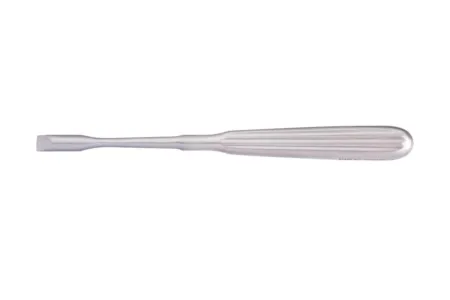 Adson Periosteal ElevatorRetracting
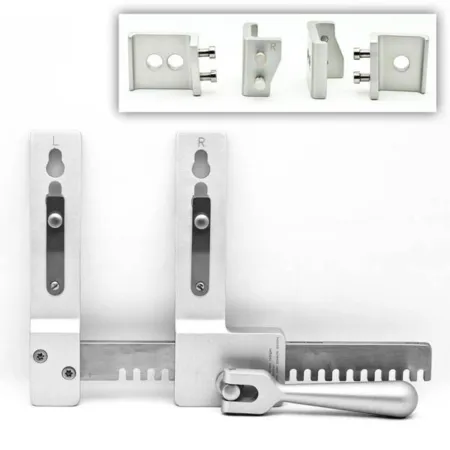 Burford Rib SpreaderRetracting
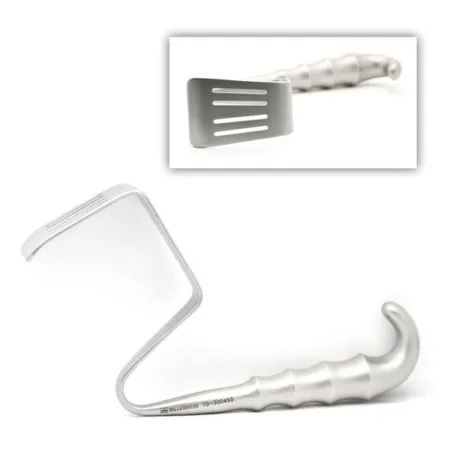 Davidson Scapula RetractorRetracting
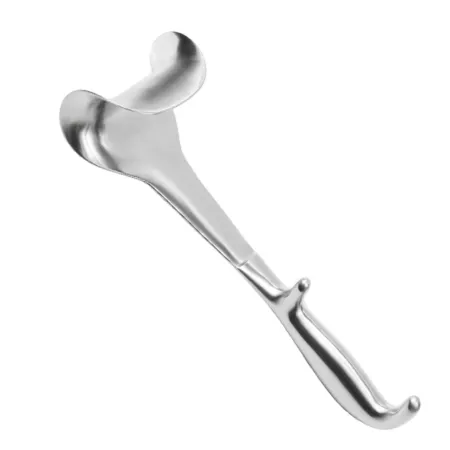 Doyen RetractorRetracting
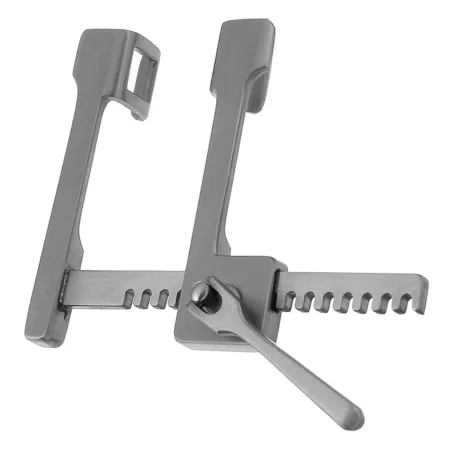 Finochietto Rib RetractorRetracting
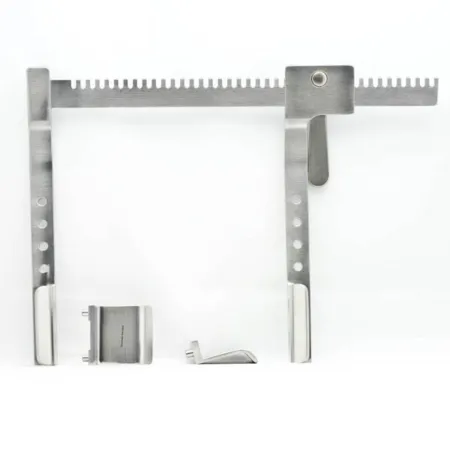 Harken Rib RetractorRetracting
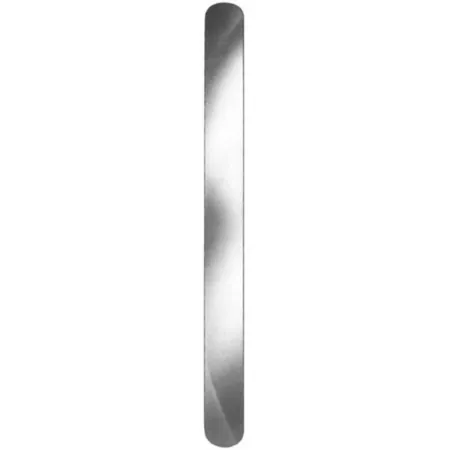 Ribbon RetractorRetracting
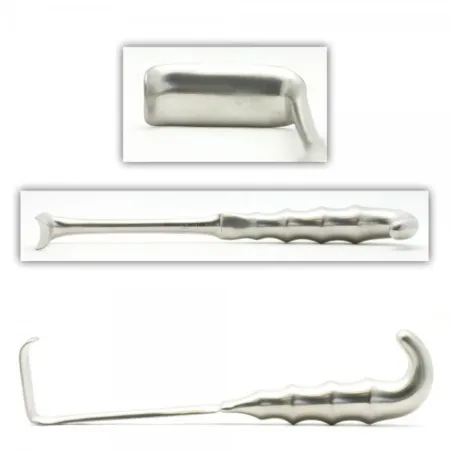 Richardson RetractorRetracting
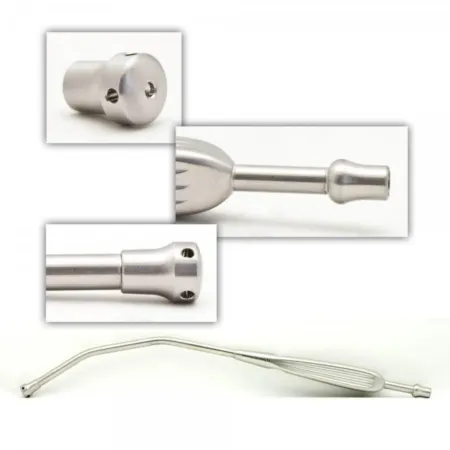 Yankauer SuctionSuctioning
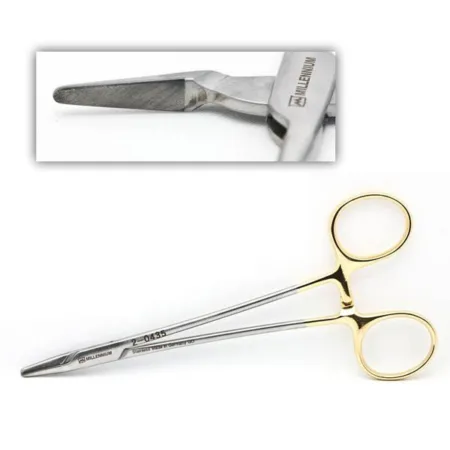 Crile Wood Needle HolderSuturing
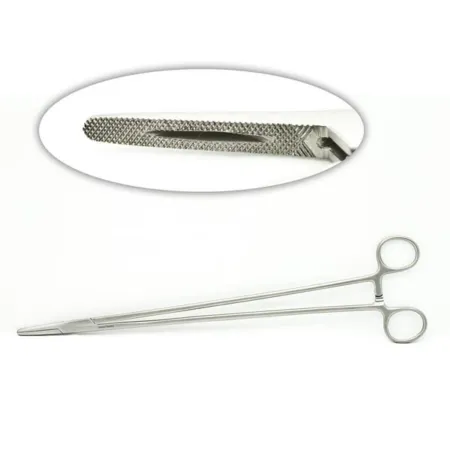 Mayo-Hegar Needle HolderSuturing
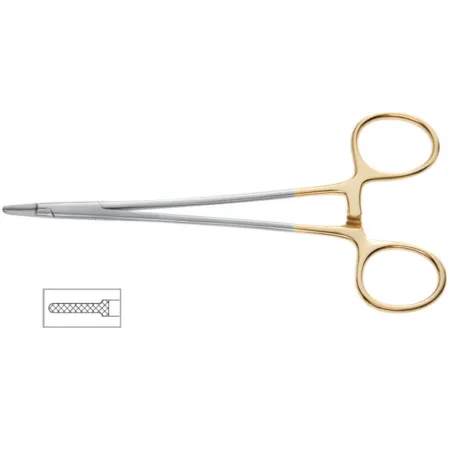 Ryder Needle HolderSuturing
Clamping & Occluding6
Cutting & Dissecting5
Grasping & Holding7
Retracting & Exposing8
Suctioning1
Suturing & Stapling3
Know this tray before you scrub in.
With Pro, for every setup in every specialty. Cancel any time.
Or scrub in free: every General setup and 5 questions a day.
Step by step
4 steps, one line each.
- 1
Incision and Rib Spreader Insertion
The first step in an Open Lobectomy is making an incision halfway between the back of the scapulaSKAP-yuh-luhThe flat, triangle-shaped bone at the back of each shoulder; the shoulder blade.scapul/o shoulder bladeFull entry and the spinal processes. This incision will provide access to the thoracicthuh-RAS-ikRelating to the chest, or to the middle part of the spine.thorac/o chest-ic relating toFull entry cavity. Once the incision is made, the surgeon will dissectdy-SEKT, or dih-SEKTTo cut apart or separate tissues carefully during surgery.Full entry the tissue down and insert a rib spreader of their choice for retractionrih-TRAK-shunA drawing back or pulling in of tissue; in breathing, the skin sinking in between, below or above the ribs with each breath.Full entry throughout the remainder of the case until closure. This allows for better visualization of the surgical site and facilitates the dissectiondy-SEK-shunA tear in the inner layer of an artery wall that lets blood split the layers apart; also, the cutting apart of tissue in surgery.Full entry process.
- 2
Dissection from Anterior to Posterior
After the rib spreader is in place, the surgeon will start the dissectiondy-SEK-shunA tear in the inner layer of an artery wall that lets blood split the layers apart; also, the cutting apart of tissue in surgery.Full entry from anterior to posterior, all in one direction. The goal is to carefully dissectdy-SEKT, or dih-SEKTTo cut apart or separate tissues carefully during surgery.Full entry around the hilum of the lung to free up the pleuralPLOOR-ulHaving to do with the pleura, the thin two-layer membrane that covers the lungs and lines the chest wall.pleur/o pleura-al relating toFull entry , so that underlying structures can be identified and divided. This involves the use of various instruments such as dissectors, scissors, and electrocautery to carefully separate the tissues and expose the targeted structures.
- 3
Ligament Dissection and Removal
During the dissectiondy-SEK-shunA tear in the inner layer of an artery wall that lets blood split the layers apart; also, the cutting apart of tissue in surgery.Full entry , the surgeon will encounter ligaments, such as the inferior pulmonary ligament, which may need to be taken down. This allows the lower lobe of the lung to expand and facilitates the removal of the targeted lobes. Various staplers, such as linear cutters or stapling devices, may be used to remove these ligaments and lobes. The choice of stapler will depend on the surgeon's preference and the specific anatomy of the patient.
- 4
Bronchus Stapling and Lymph Node Removal
As the dissectiondy-SEK-shunA tear in the inner layer of an artery wall that lets blood split the layers apart; also, the cutting apart of tissue in surgery.Full entry progresses, the bronchusBRONG-kusOne of the large air tubes that branch from the windpipe into each lung.bronch/o airwayFull entry of the targeted lobe will eventually be exposed and identified. The surgeon will then use a stapling device to carefully staple and remove the bronchus. This is a critical step in the lobectomy procedure, as it involves the complete removal of the targeted lobe. In addition, depending on the reason for the surgery, lymph nodelimf nohdA small, bean-shaped organ of the immune system that filters lymph fluid and holds white blood cells.Full entry in the area may also need to be removed for further evaluation. This can be done using various instruments such as lymph node forcepsFOR-sepsA hand instrument with two blades or arms used to grasp, hold or pull tissue or objects.Full entry or dissectors. Tips and tricks Throughout the procedure, the surgeon may need to gradually switch to longer instruments as they go deeper into the thoracicthuh-RAS-ikRelating to the chest, or to the middle part of the spine.thorac/o chest-ic relating toFull entry cavity. This allows for better access and manipulation of the tissues during the dissection process. The choice of instruments will depend on the surgeon's preference and the specific needs of the case.
The case
Open lobectomy is a surgical procedure that involves removing a section of one of the lobes of the lung. It is often performed to treat lung cancer or other conditions that affect the lungs, such as chronic obstructive pulmonary disease (COPD). During the procedure, the surgeon makes a large incision in the patient's chest and uses specialized tools to remove the affected lobe. Open lobectomy is a major surgery that requires general anesthesia and a hospital stay of several days. However, it can be an effective treatment option for those with serious lung conditions.
The most popular approach for Open Lobectomies is the anterior approach. Dissection will occur from anterior to posterior, all in one direction.
Built by the techs who scrub it.
Every surgeon runs it a little differently. Send your table, or a fix for this page.
 Diana Lei-alohaReviewer
The rest of this setup is Pro.
Everything unlocked above stays free. Pro opens the rest, on every setup: where new techs slip, what to load next at every step, the circulator’s side, the medicines, the specimen, wound class and trays on standby, what to grab if it goes wrong, and practice for every tray.
Free, for good. No card.
- All 2,882 instrument cards
- Every General setup in full
- 5 exam questions a day
- Your own preference cards
Pass your exam. Know every case.
Everything in Free, plus:
- All 260 setups in every specialty: back table, Mayo and every step
- Practice that never runs out and full timed exams for the CST, TS-C, CRCST, CSPDT and CSFA, with the why behind every answer
- Flashcards on any tray, timed to come back before you forget
- Every instrument card in full: the 3D model, cautions, inspection, how to pass it
Cancel any time from your account. Not worth it? Email us within 30 days of a charge for a refund, one per customer. Refund policy
Pro is also in the CSTSetup app, on the same account. Already have Pro? Log in
Send your table
Your Mayo, your back table, your surgeon’s way, or anything wrong on this page. Your email is only used to credit you. Submissions stay private and are reviewed by our team; accepted ones earn a Contributor credit here.