Parathyroidectomy
The surgical excision of one or more hyperfunctioning parathyroid glands to correct hyperparathyroidism and regulate systemic calcium levels.
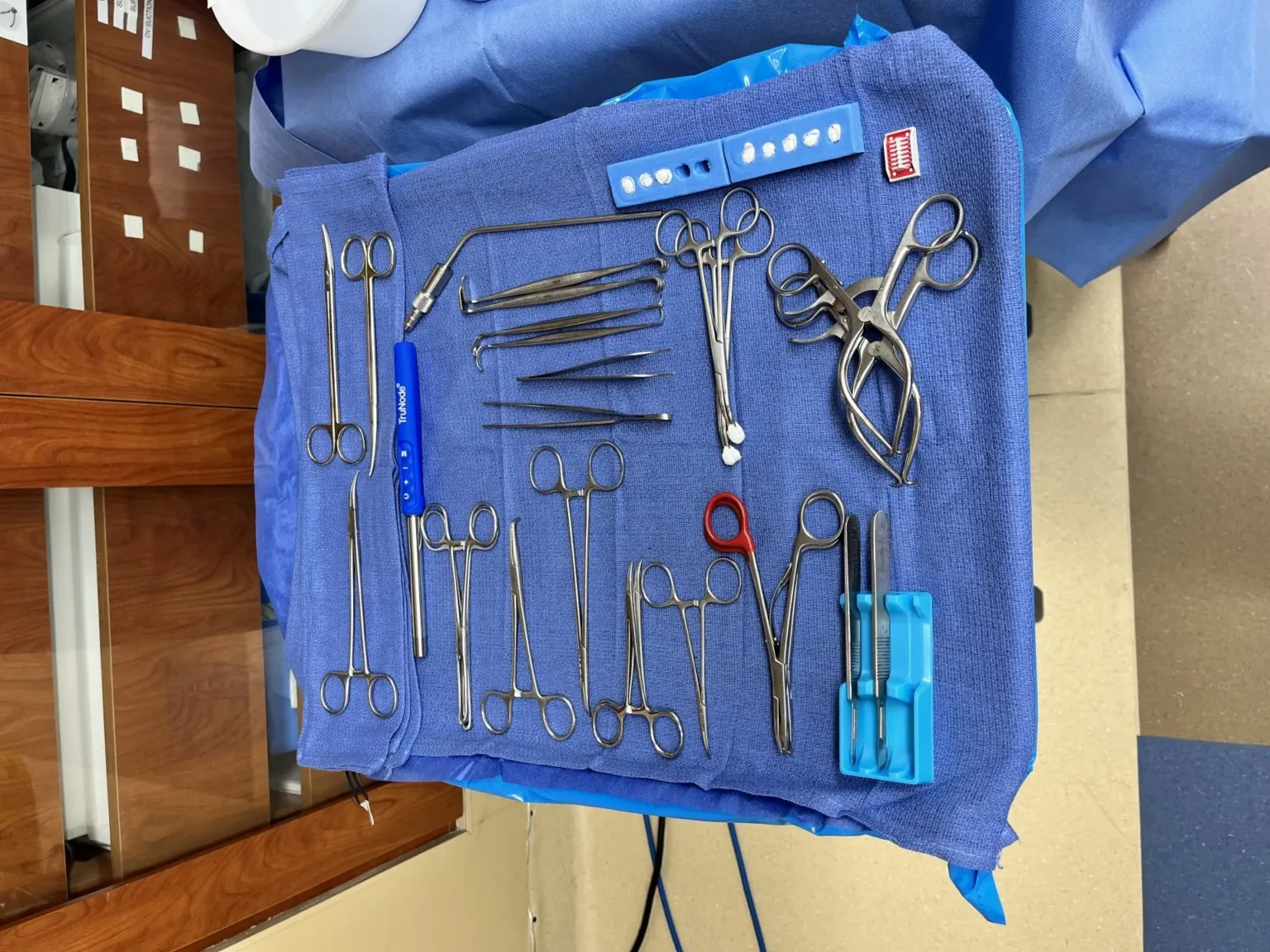 Tap a photo to zoom · 1 photo
- Position
- Supine
The tray
21 instruments, by what they do. Tap a name for its card.
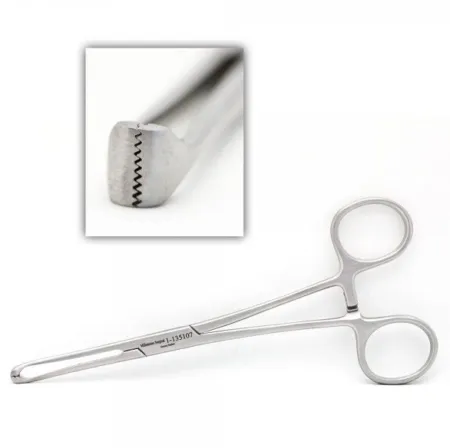 Allis ForcepsClamping
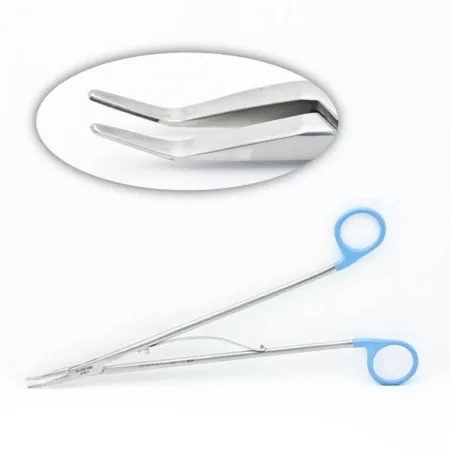 Hemostatic Clip ApplierClamping
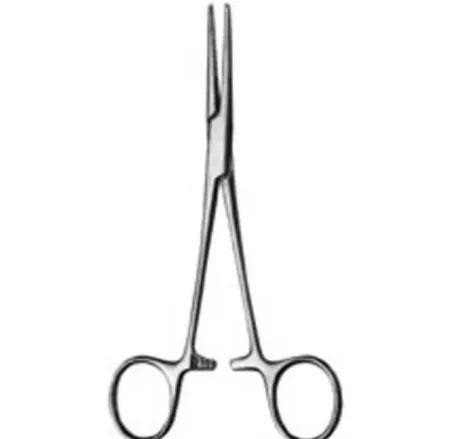 Kelly ForcepsClamping
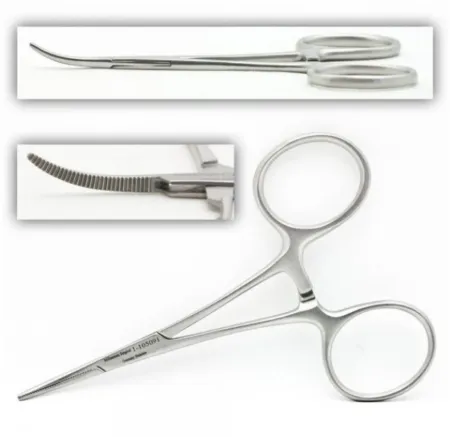 Mosquito Clamp - CurvedClamping
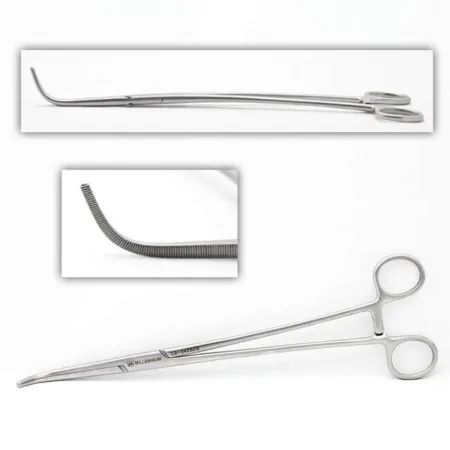 Rienhoff Swan-Neck ClampClamping
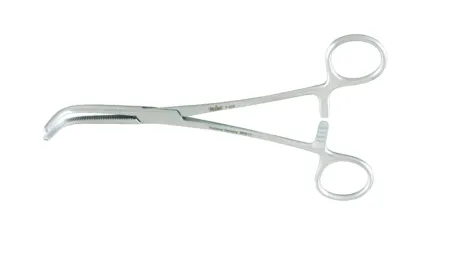 Right Angle ClampClamping
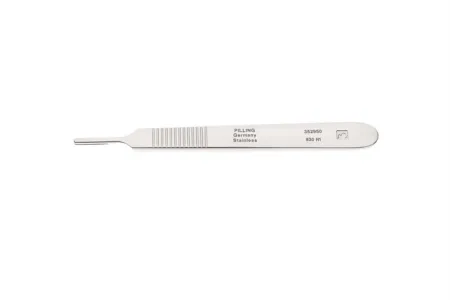 #3 Knife HandleCutting
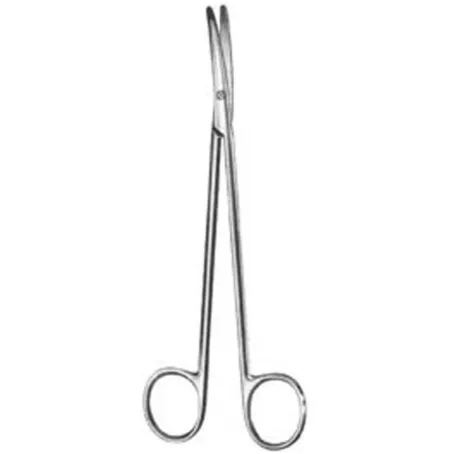 Metzenbaum ScissorCutting
All 21 instruments
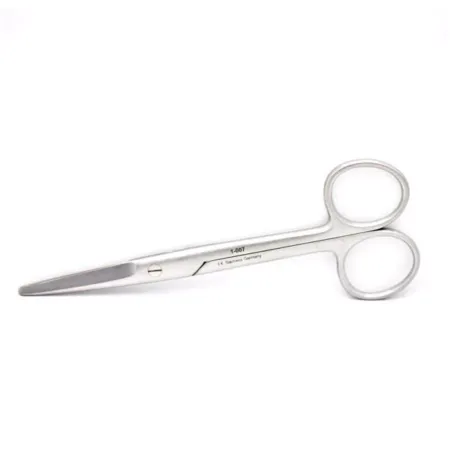 Straight Mayo ScissorCutting
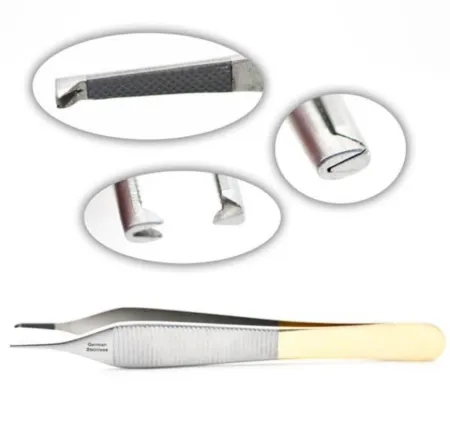 Adson ForcepsGrasping
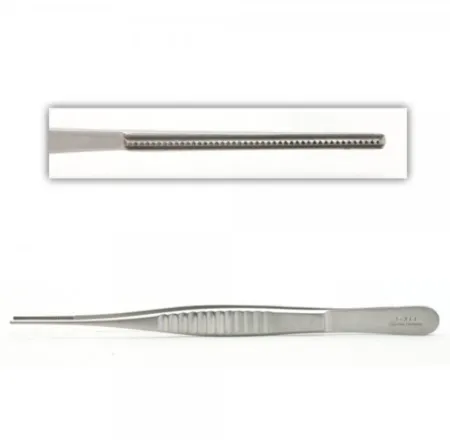 DeBakey ForcepsGrasping
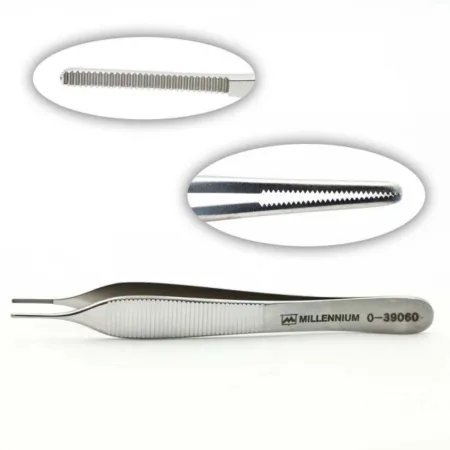 Smooth AdsonGrasping
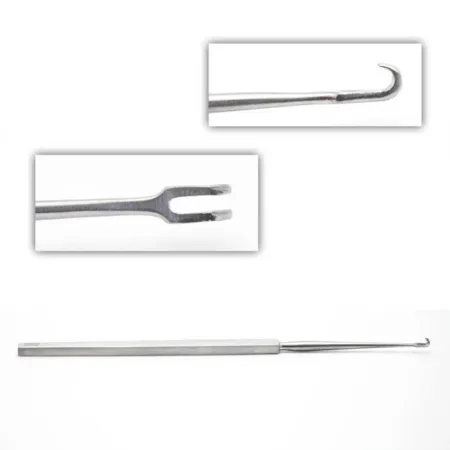 Freer Skin HookRetracting
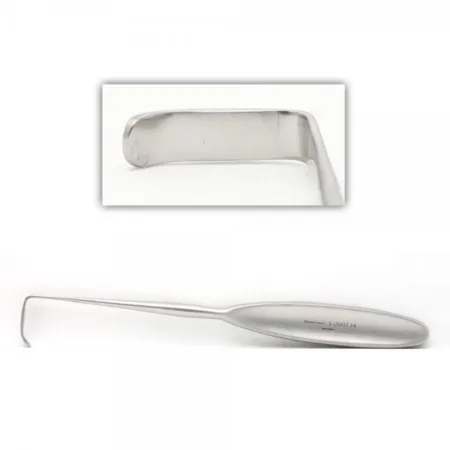 Lahey Thyroid RetractorRetracting
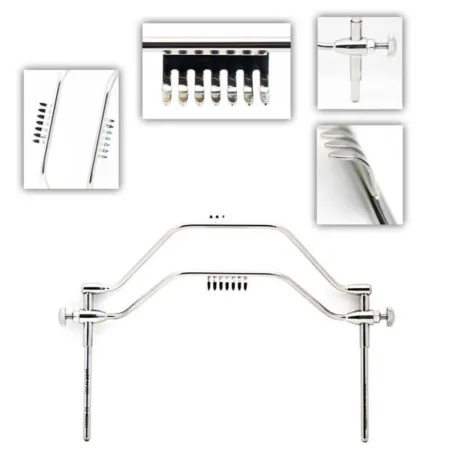 Mahorner Thyroid RetractorRetracting
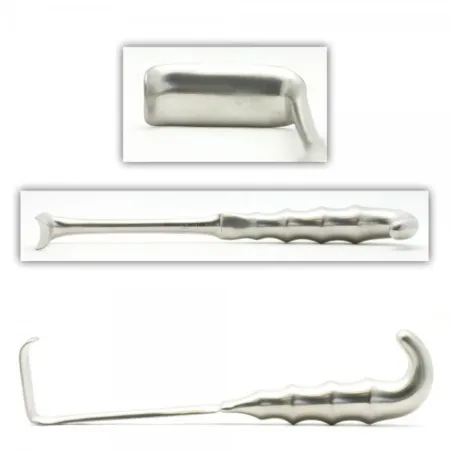 Richardson RetractorRetracting
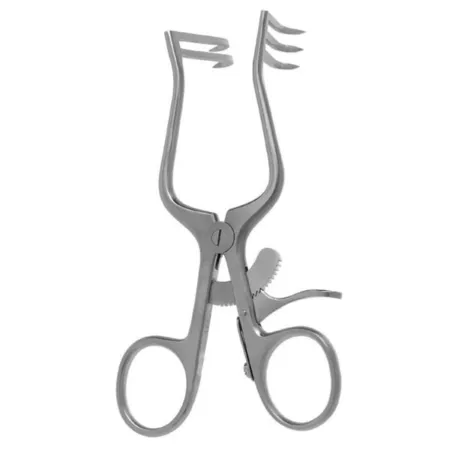 Weitlaner RetractorRetracting
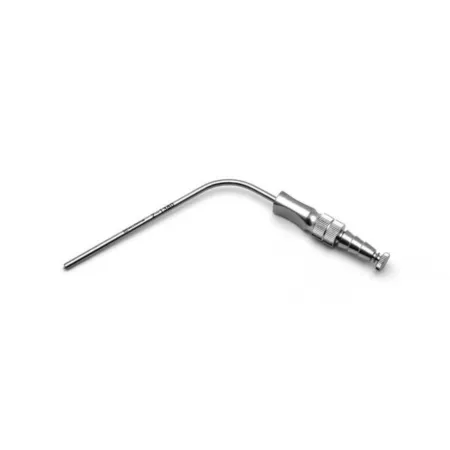 Ferg-Frazier SuctionSuctioning
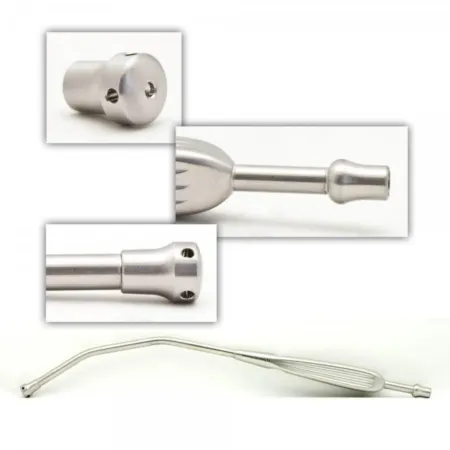 Yankauer SuctionSuctioning
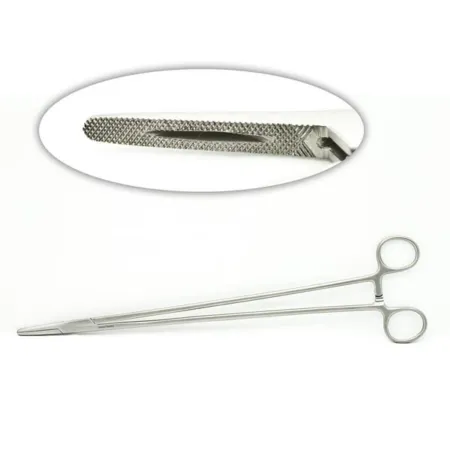 Mayo-Hegar Needle HolderSuturing
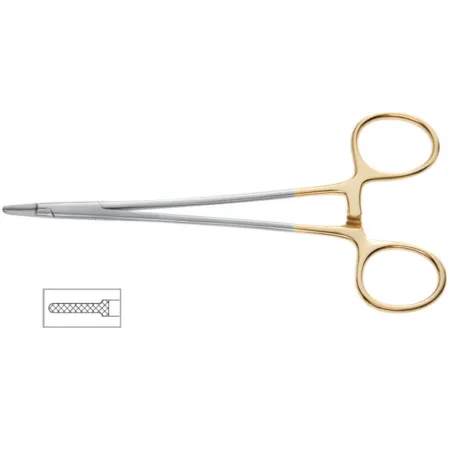 Ryder Needle HolderSuturing
Clamping & Occluding6
Cutting & Dissecting3
Grasping & Holding3
Retracting & Exposing5
Suctioning2
Suturing & Stapling2
Know this tray before you scrub in.
With Pro, for every setup in every specialty. Cancel any time.
Or scrub in free: every General setup and 5 questions a day.
The room
The equipment, the prep and drape, the suture and the medicines.
nerve monitor probe (surgeon's preference) I like to keep mine in my bovie holster since they are thin and somewhat sharp
Step by step
5 steps, one line each.
- 1
Making the Incision
The first step in the Parathyroidectomy procedure is making an incision along the collar in the neck crease using a 15 blade. The surgical technologistSUR-jih-kul tek-NOL-uh-jistA member of the operating room team who prepares the sterile field and instruments and hands them to the surgeon.Full entry must hand the blade to the surgeon while maintaining a sterile fieldSTAIR-ul feeldAn area set up with sterile drapes and supplies, kept free of all germs, for a sterile procedure.Full entry . After making the incision, the surgeon will use small retractorrih-TRAK-terA surgical instrument that holds back tissue or organs so the surgeon can see and reach the operative site.Full entry like skin hooks or Richardsons to dissectdy-SEKT, or dih-SEKTTo cut apart or separate tissues carefully during surgery.Full entry down to the thyroid.
- 2
Tying Off Vessels
As the surgeon continues to dissectdy-SEKT, or dih-SEKTTo cut apart or separate tissues carefully during surgery.Full entry down to the thyroid, they may come across vessels that require tying off. surgical technologistSUR-jih-kul tek-NOL-uh-jistA member of the operating room team who prepares the sterile field and instruments and hands them to the surgeon.Full entry must ensure that silk ties are readily available to the surgeon to tie off any vessels that require ligation. It's crucial to have a variety of different-sized clip appliers available in case the surgeon decides to use them.
- 3
Obtaining a Baseline Sample
After the thyroid is exposed, the surgical team will take a sample of parathyroid hormonepar-uh-THY-royd HOR-mohnA hormone from the parathyroid glands in the neck that raises the calcium level in the blood.para- besidethyr/o thyroid-oid resemblingFull entry serumSEER-umThe clear, yellow liquid left from blood after it clots and the cells are removed.Full entry to establish a baseline. The surgical technologistSUR-jih-kul tek-NOL-uh-jistA member of the operating room team who prepares the sterile field and instruments and hands them to the surgeon.Full entry must ensure that the necessary instruments for this procedure, such as a PTH kit and a sterile syringe, are readily available.
- 4
Dissecting the Gland
The surgeon will continue to dissectdy-SEKT, or dih-SEKTTo cut apart or separate tissues carefully during surgery.Full entry the rest of the gland from the thyroid, and another parathyroid hormonepar-uh-THY-royd HOR-mohnA hormone from the parathyroid glands in the neck that raises the calcium level in the blood.para- besidethyr/o thyroid-oid resemblingFull entry sample will be taken and sent STAT to the lab. During this step, the surgical technologistSUR-jih-kul tek-NOL-uh-jistA member of the operating room team who prepares the sterile field and instruments and hands them to the surgeon.Full entry must ensure that the surgeon has access to the necessary instruments, such as dissectors and scissors.
- 5
Closing the Incision
Once the gland has been completely dissectdy-SEKT, or dih-SEKTTo cut apart or separate tissues carefully during surgery.Full entry , the surgeon will check the parathyroid hormonepar-uh-THY-royd HOR-mohnA hormone from the parathyroid glands in the neck that raises the calcium level in the blood.para- besidethyr/o thyroid-oid resemblingFull entry levels to ensure they are within an acceptable range. If the levels are good, the incision will be irrigationeer-ih-GAY-shunWashing out a wound, body cavity, tube or eye with a steady flow of liquid.Full entry and closed. The surgical technologistSUR-jih-kul tek-NOL-uh-jistA member of the operating room team who prepares the sterile field and instruments and hands them to the surgeon.Full entry must hand the necessary instruments to the surgeon while maintaining a sterile fieldSTAIR-ul feeldAn area set up with sterile drapes and supplies, kept free of all germs, for a sterile procedure.Full entry . The Surgery Sparknotes Make an incision along the collar in the neck crease using a 15 blade. Ensure silk ties are available to tie off vessels. Obtain a baseline PTH sample. Dissect the gland using dissectors and scissors. Check PTH levels and irrigate and close the incision.
The case
A Parathyroidectomy is a surgical procedure performed to remove one or more of the parathyroid glands, which are responsible for regulating the calcium levels in the body. This procedure is typically done to treat hyperparathyroidism, a condition where the parathyroid glands produce too much parathyroid hormone, resulting in elevated calcium levels in the blood. The surgery involves making an incision in the neck and dissecting the gland, while ensuring the surrounding structures such as the thyroid gland, nerves, and blood vessels are not damaged.
Built by the techs who scrub it.
Every surgeon runs it a little differently. Send your table, or a fix for this page.
 Diana Lei-alohaReviewer
 LindyReviewer
 Semira HassenReviewer
 Jessica AlmanzaPhotos
The rest of this setup is Pro.
Everything unlocked above stays free. Pro opens the rest, on every setup: where new techs slip, what to load next at every step, the circulator’s side, the medicines, the specimen, wound class and trays on standby, what to grab if it goes wrong, and practice for every tray.
Free, for good. No card.
- All 2,882 instrument cards
- Every General setup in full
- 5 exam questions a day
- Your own preference cards
Pass your exam. Know every case.
Everything in Free, plus:
- All 260 setups in every specialty: back table, Mayo and every step
- Practice that never runs out and full timed exams for the CST, TS-C, CRCST, CSPDT and CSFA, with the why behind every answer
- Flashcards on any tray, timed to come back before you forget
- Every instrument card in full: the 3D model, cautions, inspection, how to pass it
Cancel any time from your account. Not worth it? Email us within 30 days of a charge for a refund, one per customer. Refund policy
Pro is also in the CSTSetup app, on the same account. Already have Pro? Log in
Send your table
Your Mayo, your back table, your surgeon’s way, or anything wrong on this page. Your email is only used to credit you. Submissions stay private and are reviewed by our team; accepted ones earn a Contributor credit here.