Sacral/Buttock Debridement
This intervention involves the sharp excision of necrotic, infected, or non-viable integumentary and soft tissue from the sacrococcygeal region. The goal is to reach healthy, vascularized margins to promote secondary intention healing or prepare the site for future reconstructive grafting.
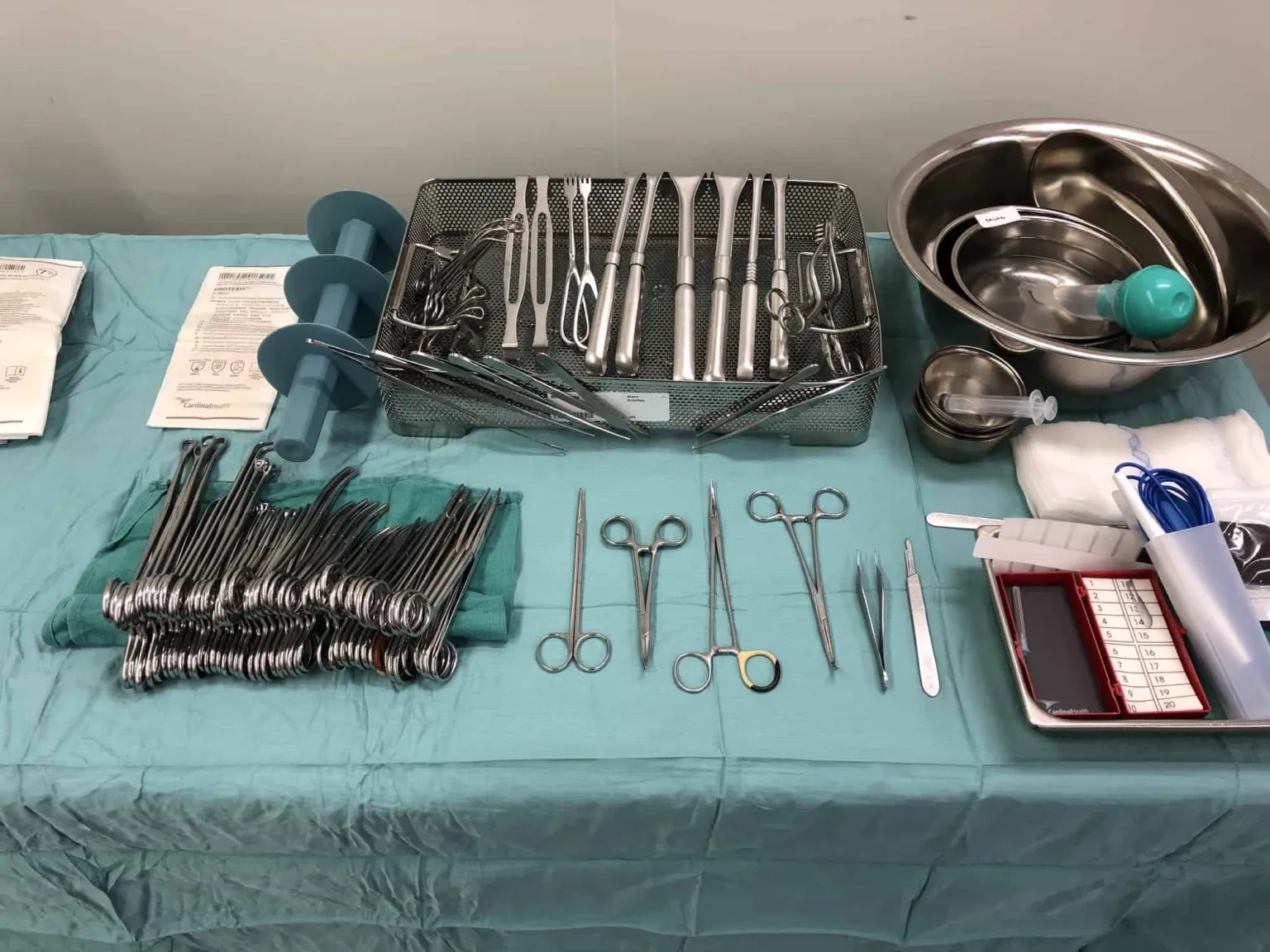
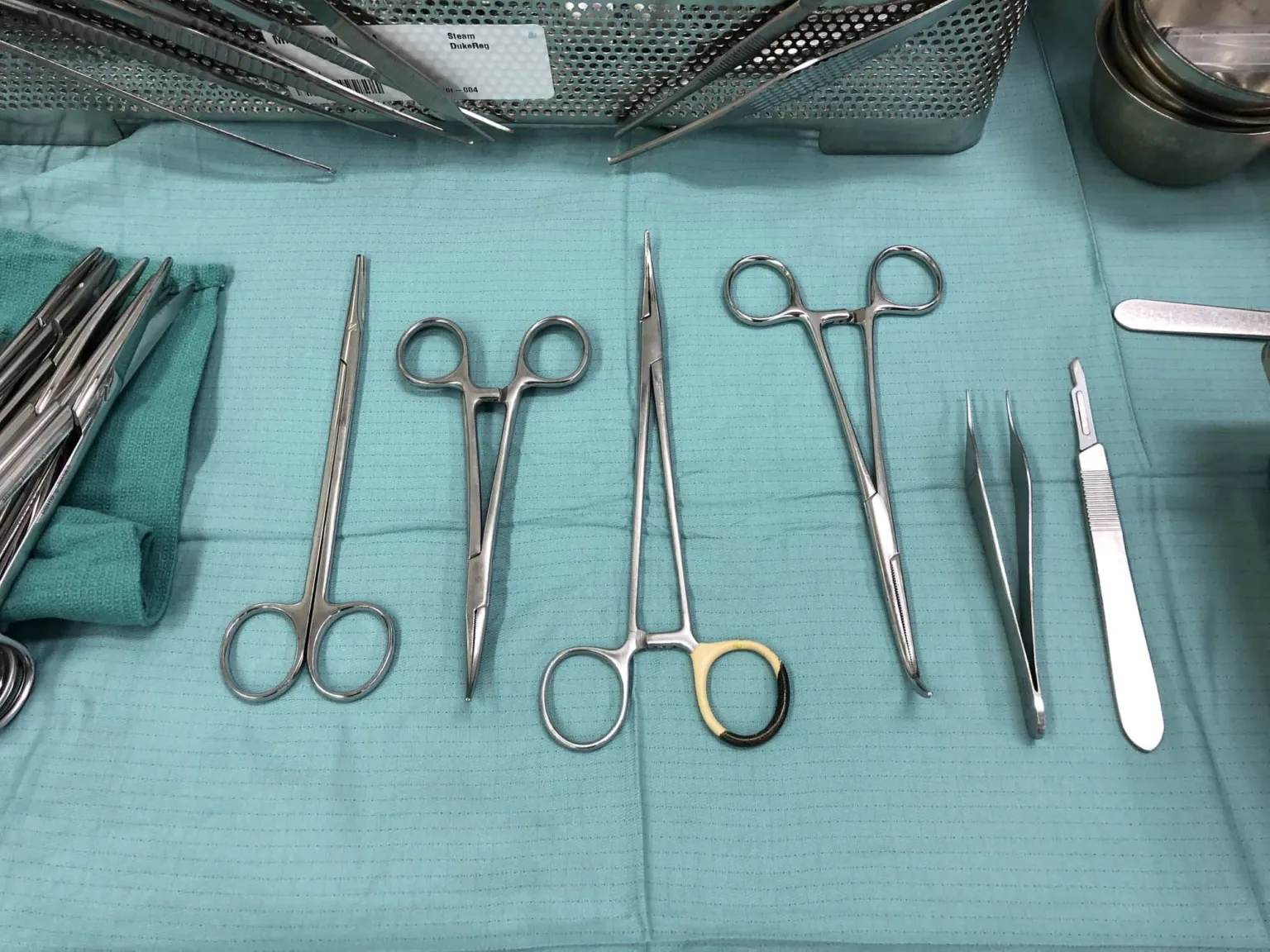
- Position
- Prone
In 30 seconds
Scan this outside the room.
- Prepare the sterile surgical field and necessary instruments, including a scalpel with a 15 blade loaded on a #3 knife handle.
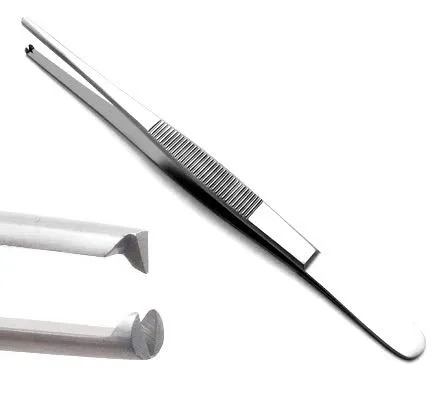
- Use curved mayo scissors or metzenbaums with rat tooth or DeBakey forcepsFOR-sepsA hand instrument with two blades or arms used to grasp, hold or pull tissue or objects.Full entry to cut and scrape away dead tissue. Use hemostatHEE-moe-statA clamp with finger rings and a locking ratchet used in surgery to grasp and close off bleeding vessels.hem/o blood-stat stopping, standing stillFull entry or a tonsilTON-sulOne of the masses of lymph tissue at the back of the throat that help fight germs entering the mouth and nose.Full entry to control bleeding.
- Thoroughly irrigationeer-ih-GAY-shunWashing out a wound, body cavity, tube or eye with a steady flow of liquid.Full entry the site with sterile solution using a sterile syringe or bulb syringe.
- Pack the site with sterile gauze or sutureSOO-cherA stitch, or the thread used to stitch, that holds the edges of a wound or incision together.Full entry the wound closed with a needle holder and suture material depending on the size of the wound.
The tray
10 instruments, by what they do. Tap a name for its card.
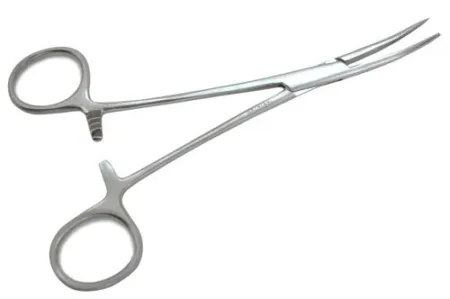 Curved HemostatsClamping
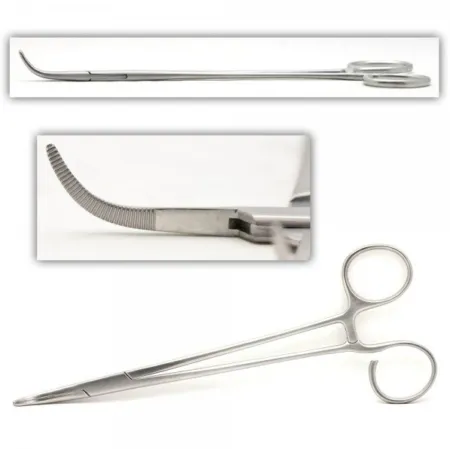 Tonsil ClampClamping
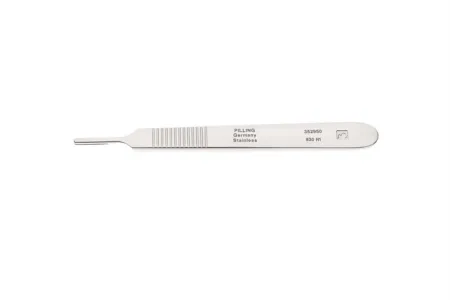 #3 Knife HandleCutting
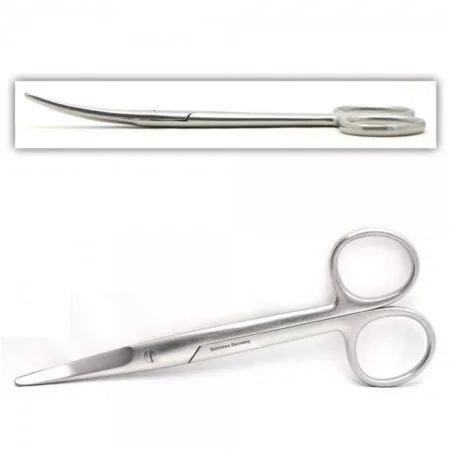 Curved Mayo ScissorCutting
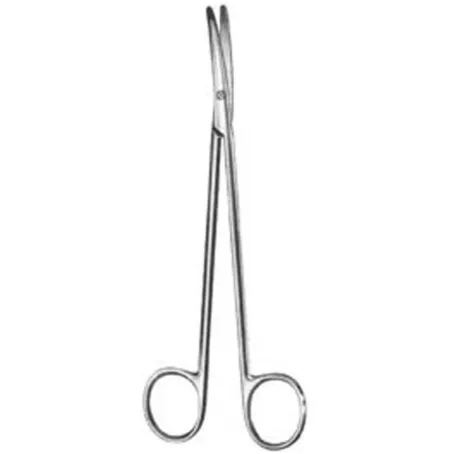 Metzenbaum ScissorCutting
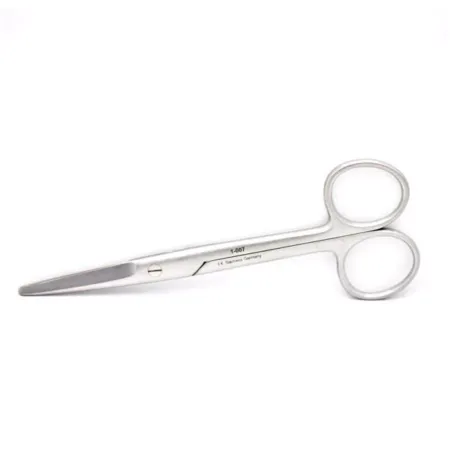 Straight Mayo ScissorCutting
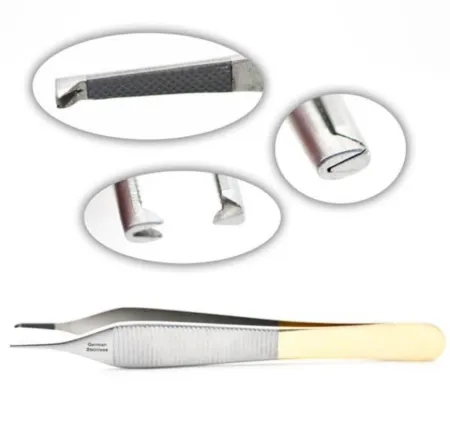 Adson ForcepsGrasping
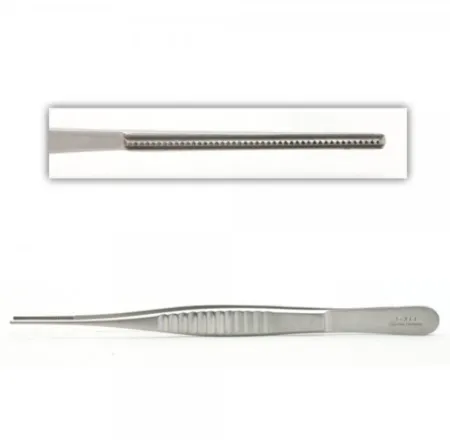 DeBakey ForcepsGrasping
All 10 instruments
Clamping & Occluding2
Cutting & Dissecting4
Grasping & Holding3
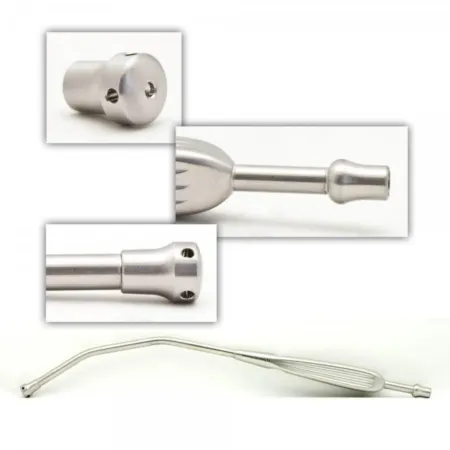
Suctioning1
Know this tray before you scrub in.
With Pro, for every setup in every specialty. Cancel any time.
Or scrub in free: every General setup and 5 questions a day.
The room
The equipment, the prep and drape, the suture and the medicines.
Folded towels, abdominal drape or universal drape pack
Step by step
3 steps, one line each.
- 1
Removing Dead Tissue
The surgeon will begin by cutting and scrapingSKRAY-pingA sample of cells collected by gently scraping a surface such as the skin, or the act of collecting it.Full entry away any dead tissue using curved mayo scissors or metzenbaums with rat tooth or DeBakey forcepsFOR-sepsA hand instrument with two blades or arms used to grasp, hold or pull tissue or objects.Full entry . These instruments will help to remove any damaged tissue without causing further injury to the surrounding healthy tissue. A hemostatHEE-moe-statA clamp with finger rings and a locking ratchet used in surgery to grasp and close off bleeding vessels.hem/o blood-stat stopping, standing stillFull entry or a tonsilTON-sulOne of the masses of lymph tissue at the back of the throat that help fight germs entering the mouth and nose.Full entry may also be required to control bleeding during this step.
- 2
Irrigating the Site
After removing all of the infected tissue, the surgical site will need to be thoroughly irrigationeer-ih-GAY-shunWashing out a wound, body cavity, tube or eye with a steady flow of liquid.Full entry to remove any remaining debris or bacteria. The irrigation solution should be sterile, and the irrigation should be done using a sterile syringe or bulb syringe to minimize the risk of infection.
- 3
Packing the Site or Closing the Wound
Depending on the size of the surgical site, the surgeon may choose to either pack the area with sterile gauze or sutureSOO-cherA stitch, or the thread used to stitch, that holds the edges of a wound or incision together.Full entry the wound closed. If the wound is packed with gauze, it should be done with sterile gloveSTAIR-ul gluvA glove that has been sterilized and packed so it can touch a sterile field or an open body area without bringing in germs.Full entry and packed tightly enough to prevent any dead space or pockets from forming. If the wound is sutured closed, the surgeon will need a needle holder and suture material to close the incision. Tips and tricks The smell during sacralSAY-krulHaving to do with the sacrum, the triangle-shaped bone at the base of the spine between the hip bones.Full entry /Buttock debridementdih-BREED-muntThe removal of dead, damaged or infected tissue from a wound so it can heal.Full entry surgeries can be quite strong, so it may be helpful to apply a small amount of peppermint oil or mastisol to the outside of your mask to mask the odor. Always have culture tubes available in case a sample needs to be taken during the procedure. If the surgical site will be packed with gauze instead of sutured closed, it is common to soak the gauze in povidone-iodinePOH-vih-done EYE-uh-dineA brown antiseptic solution of iodine used to kill germs on the skin before procedures and on wounds.Full entry solution prior to use. When setting up for the surgery, consider whether you prefer to work off of a back table or drape a Mayo standMAY-oh standA small tray on an adjustable stand placed over or beside the patient during surgery to hold the instruments used most often.Full entry . It's a personal preference, but using a back table may be more efficient in smaller ORs.
The case
Sacral/Buttock Debridement is a surgical procedure that involves removing dead or infected tissue from the area around the lower back and buttocks. It is typically performed to treat infections or injuries that have damaged the tissue in this area, and it may involve packing the wound with gauze or suturing it closed after the debridement is complete. The surgery is often performed under general anesthesia and may require a hospital stay to monitor the patient's recovery.
Built by the techs who scrub it.
Every surgeon runs it a little differently. Send your table, or a fix for this page.
 Diana Lei-alohaReviewer
The rest of this setup is Pro.
Everything unlocked above stays free. Pro opens the rest, on every setup: where new techs slip, what to load next at every step, the circulator’s side, the medicines, the specimen, wound class and trays on standby, what to grab if it goes wrong, and practice for every tray.
Free, for good. No card.
- All 2,882 instrument cards
- Every General setup in full
- 5 exam questions a day
- Your own preference cards
Pass your exam. Know every case.
Everything in Free, plus:
- All 260 setups in every specialty: back table, Mayo and every step
- Practice that never runs out and full timed exams for the CST, TS-C, CRCST, CSPDT and CSFA, with the why behind every answer
- Flashcards on any tray, timed to come back before you forget
- Every instrument card in full: the 3D model, cautions, inspection, how to pass it
Cancel any time from your account. Not worth it? Email us within 30 days of a charge for a refund, one per customer. Refund policy
Pro is also in the CSTSetup app, on the same account. Already have Pro? Log in
Send your table
Your Mayo, your back table, your surgeon’s way, or anything wrong on this page. Your email is only used to credit you. Submissions stay private and are reviewed by our team; accepted ones earn a Contributor credit here.