Transanal Hemorrhoidal Dearterialization
A procedure involving the ligation of the terminal branches of the rectal arteries to reduce blood flow to hemorrhoids, often combined with a mucopexy to repair tissue prolapse.
In 30 seconds
Scan this outside the room.
- Visualize the arteries and blood supply using a Doppler ultrasoundDOP-ler UL-truh-soundAn ultrasound that uses sound waves to hear or show blood flowing through vessels or the fetal heartbeat.Full entry proctoscope.
- Use either the Hill Ferguson retractorrih-TRAK-terA surgical instrument that holds back tissue or organs so the surgeon can see and reach the operative site.Full entry or Pratt rectalREK-tulRelating to the rectum, the last part of the large intestine; also, given or measured through the rectum.rect/o rectum, straight-al relating toFull entry speculumSPEK-yoo-lumAn instrument used to open and hold open a body opening, such as the vagina, so the inside can be seen.Full entry for retractionrih-TRAK-shunA drawing back or pulling in of tissue; in breathing, the skin sinking in between, below or above the ribs with each breath.Full entry .
- Use a Pennington clamp and cautery to remove the hemorrhoidHEM-uh-roydA swollen vein in or around the anus or lower rectum.Full entry .
- Close the area with absorbable sutureSOO-cherA stitch, or the thread used to stitch, that holds the edges of a wound or incision together.Full entry , toothed pickups or debakeys, and straight mayo scissors.
The tray
15 instruments, by what they do. Tap a name for its card.
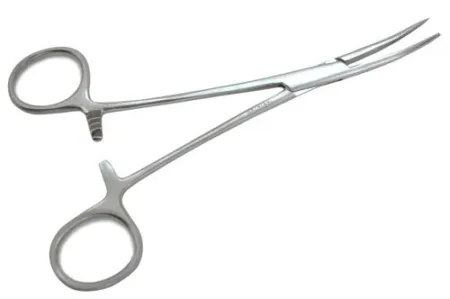
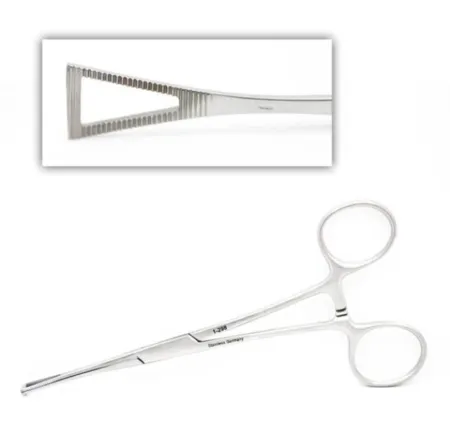
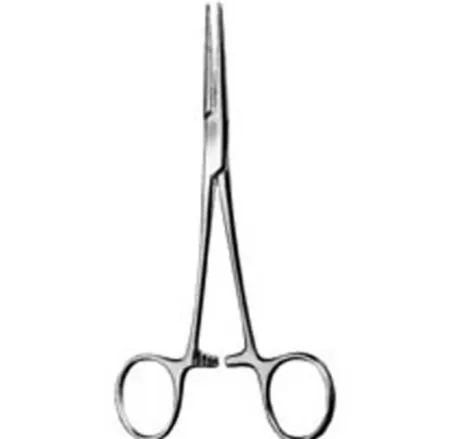
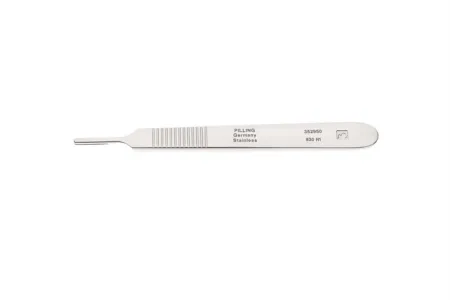
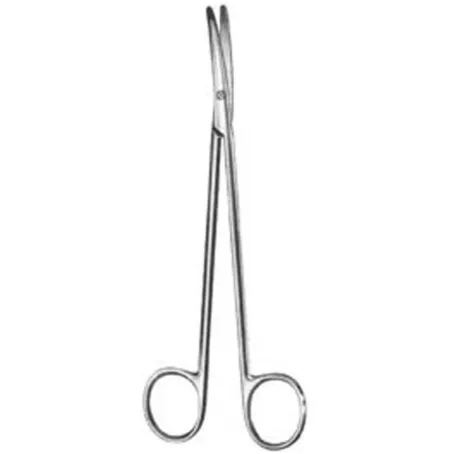
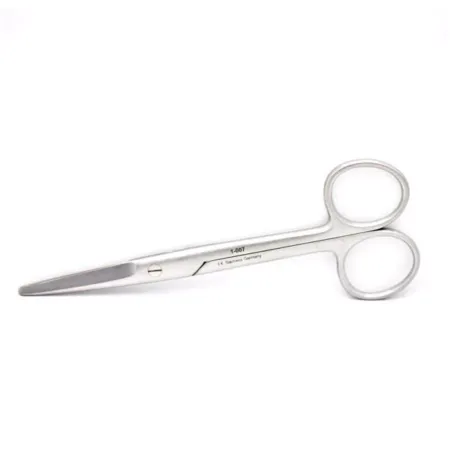
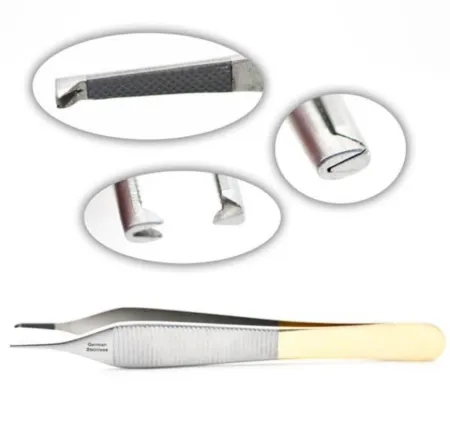
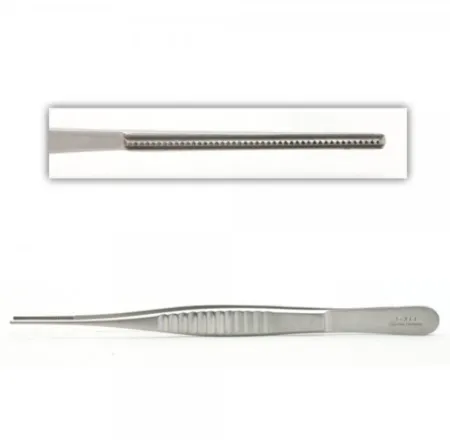
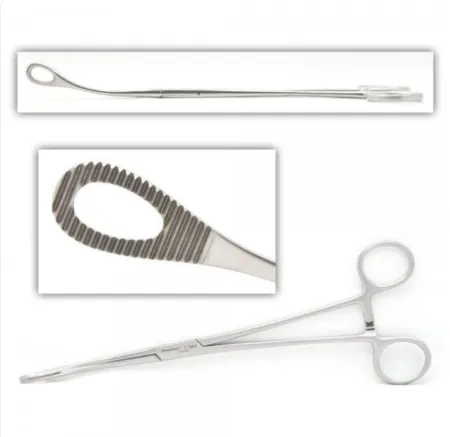
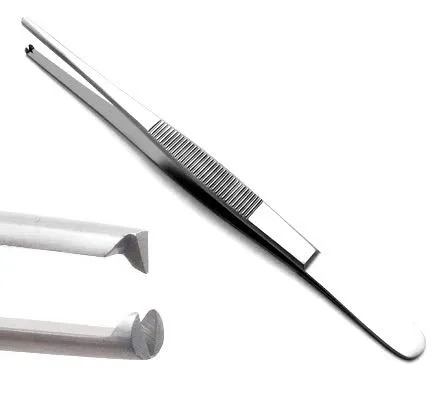
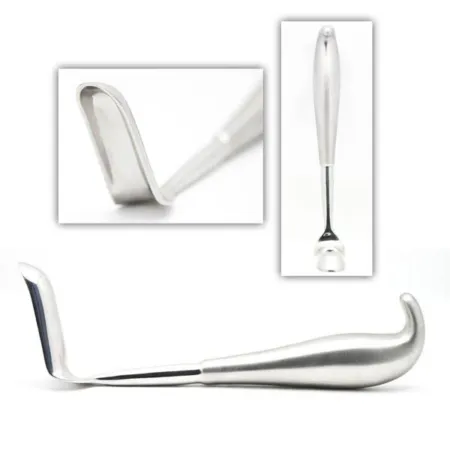
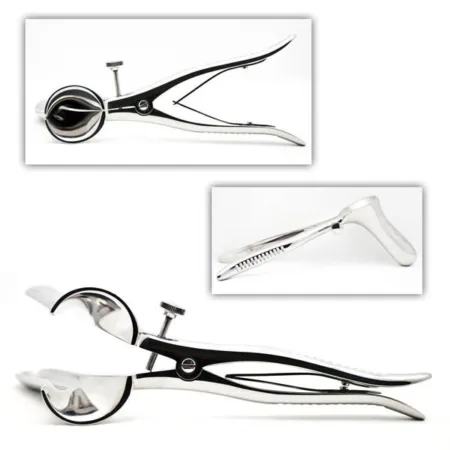
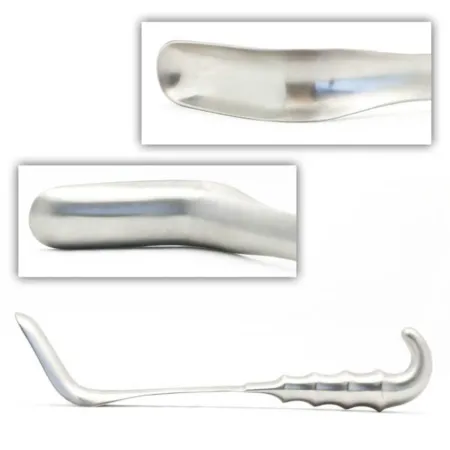
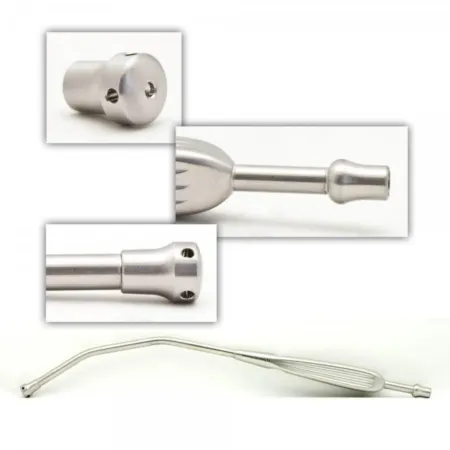
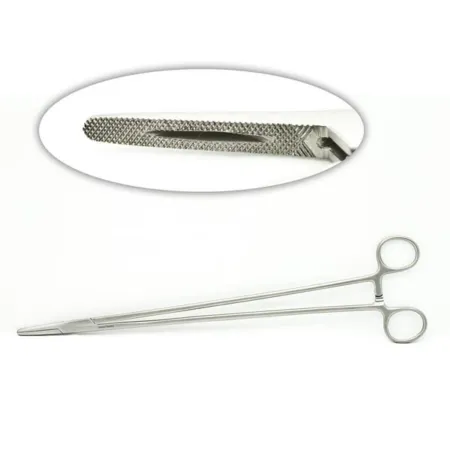
Clamping & Occluding3
Cutting & Dissecting3
Grasping & Holding4
Retracting & Exposing3
Suctioning1
Suturing & Stapling1
Know this tray before you scrub in.
With Pro, for every setup in every specialty. Cancel any time.
Or scrub in free: every General setup and 5 questions a day.
Step by step
4 steps, one line each.
- 1
Visualization
To visualize the arteries and blood supply, a Doppler ultrasoundDOP-ler UL-truh-soundAn ultrasound that uses sound waves to hear or show blood flowing through vessels or the fetal heartbeat.Full entry proctoscope is usually used. Your role as a tech is to assist in passing off the cords and making sure the scope stays within the field of view.
- 2
Retraction
retractionrih-TRAK-shunA drawing back or pulling in of tissue; in breathing, the skin sinking in between, below or above the ribs with each breath.Full entry is crucial to gaining access to the hemorrhoidHEM-uh-roydA swollen vein in or around the anus or lower rectum.Full entry . Most surgeons prefer either the Hill Ferguson retractorrih-TRAK-terA surgical instrument that holds back tissue or organs so the surgeon can see and reach the operative site.Full entry or the Pratt rectalREK-tulRelating to the rectum, the last part of the large intestine; also, given or measured through the rectum.rect/o rectum, straight-al relating toFull entry speculumSPEK-yoo-lumAn instrument used to open and hold open a body opening, such as the vagina, so the inside can be seen.Full entry . As a tech, you will need to ensure that the retractor or speculum is in place and provides adequate exposure for the surgeon.
- 3
Identification and Excision
Once the hemorrhoidHEM-uh-roydA swollen vein in or around the anus or lower rectum.Full entry has been identified, a Pennington clamp is placed on it, and cautery is used to remove it. This step requires significant attention to detail as you need to ensure that the cautery is applied correctly and that there is no damage to surrounding tissues. During this step, it's crucial to suction the smoke created by the cautery to maintain visibility and prevent respiratory issues.
- 4
Closure
After the hemorrhoidHEM-uh-roydA swollen vein in or around the anus or lower rectum.Full entry has been removed, the area is usually sutureSOO-cherA stitch, or the thread used to stitch, that holds the edges of a wound or incision together.Full entry up with an absorbable suture, toothed pickups or debakeys, and straight mayo scissors. Your role as a tech is to assist the surgeon in selecting the appropriate instrument and passing them off as needed.
The case
Transanal Hemorrhoidal Dearterialization (THD) is a minimally invasive surgical procedure used to treat hemorrhoids. During the procedure, a surgeon uses an ultrasound probe to locate the blood vessels supplying the hemorrhoids and then uses a special instrument to ligate or tie off these vessels, which reduces blood flow to the hemorrhoids and causes them to shrink. THD is typically performed on an outpatient basis and is associated with minimal pain and a shorter recovery time compared to traditional hemorrhoid surgery.
Built by the techs who scrub it.
Every surgeon runs it a little differently. Send your table, or a fix for this page.
 Diana Lei-alohaReviewer
The rest of this setup is Pro.
Everything unlocked above stays free. Pro opens the rest, on every setup: where new techs slip, what to load next at every step, the circulator’s side, the medicines, the specimen, wound class and trays on standby, what to grab if it goes wrong, and practice for every tray.
Free, for good. No card.
- All 2,882 instrument cards
- Every General setup in full
- 5 exam questions a day
- Your own preference cards
Pass your exam. Know every case.
Everything in Free, plus:
- All 260 setups in every specialty: back table, Mayo and every step
- Practice that never runs out and full timed exams for the CST, TS-C, CRCST, CSPDT and CSFA, with the why behind every answer
- Flashcards on any tray, timed to come back before you forget
- Every instrument card in full: the 3D model, cautions, inspection, how to pass it
Cancel any time from your account. Not worth it? Email us within 30 days of a charge for a refund, one per customer. Refund policy
Pro is also in the CSTSetup app, on the same account. Already have Pro? Log in
Send your table
Your Mayo, your back table, your surgeon’s way, or anything wrong on this page. Your email is only used to credit you. Submissions stay private and are reviewed by our team; accepted ones earn a Contributor credit here.