Asepsis and sterile technique
The rules that keep a surgical wound free of germs, and the habit of mind that makes you follow them when nobody is watching.
1Why it matters
Healthy, unbroken skin is one of the body's best defenses against infection. Every incision opens that barrier and lays the tissue underneath open to germs. The longer an operation lasts, the more time germs have to get in and the more the patient's defenses are worn down.
An infection at the incision is called a surgical site infection. More than one in five infections that patients pick up in a hospital is one of these. On average it keeps the patient in the hospital almost 10 days longer, and it can become life-threatening.
asepsisay-SEP-sisThe state of being free of germs that cause disease, and the practices used to keep things that way.a- withoutsep- decay or infection-sis conditionFull entry means the absence of the germs that cause disease. surgical asepsisSUR-jih-kul ay-SEP-sisPractices that keep an area or object completely free of microorganisms; also called sterile technique.a- withoutsepsis decay, infectionFull entry is how you get there: the practices that keep the sterile fieldSTAIR-ul feeldAn area set up with sterile drapes and supplies, kept free of all germs, for a sterile procedure.Full entry and every sterile item free of contamination, from opening the first pack to fixing a mistake. This chapter gives you those rules and the reason behind each one.
The rules are the same for every patient, whatever their gender, religion, disability or background, and they apply to every operation. AST holds the surgical technologistSUR-jih-kul tek-NOL-uh-jistA member of the operating room team who prepares the sterile field and instruments and hands them to the surgeon.Full entry responsible for practicing them and for holding the team to them.
The rules come from evidence-based guidelines. AST writes guidelines for surgical technologists, and groups such as AORN, the CDC, AAMI and Occupational Safety and Health AdministrationOH-shuh (said as a word)The US federal agency, part of the Department of Labor, that sets and enforces rules to keep workplaces safe.Full entry publish their own. In those guidelines, "should" marks a recommendation backed by evidence, "must" marks a rule that government regulation requires, and "may" marks something allowed. Guidelines change as new research comes in, so facilities keep updating their policies, and practice can vary a little from one facility to the next.
This chapter is about keeping germs out of the wound. Other chapters hold the pieces around it: microbes, the chain of infection, Standard and isolation precautionseye-suh-LAY-shun prih-KAW-shunzExtra infection-control measures, added to standard precautions, for clients known or thought to have certain contagious infections.Full entry , personal protective equipment, the bloodborne pathogenBLUD-born PATH-uh-jenA germ carried in blood that can cause disease in a person exposed to that blood, such as hepatitis B, hepatitis C or HIV.Full entry standard, sharps injuries and care after an exposure in chapter 10; wound healingwoond HEE-lingThe body's process of repairing damaged skin and tissue.Full entry , wound classes and surgical site infection in chapter 11; medications on the field in chapter 12; the OR's zones, air pressure and flow (laminar air flow included), temperature and humidity in chapter 17; sterilizationstair-uh-luh-ZAY-shunA process that destroys all microorganisms, including spores, on an item; also a permanent birth control procedure.Full entry and its indicators in chapter 27; attire, hand hygiene, the surgical scrub, the steps of gowning and gloving, opening the case and draping in chapter 28; and breaking down the field and medical waste in chapter 30.
2The words of asepsis
asepsisay-SEP-sisThe state of being free of germs that cause disease, and the practices used to keep things that way.a- withoutsep- decay or infection-sis conditionFull entry has its own vocabulary, and the cert exam uses it. Here it is in plain words.
Germs and infection
- pathogenPATH-uh-jenA germ, such as a bacterium, virus, fungus or parasite, that can cause disease.path/o disease-gen something that producesFull entry : any germ that can cause disease.
- Infection: pathogens that get into the body's tissues, multiply there and cause disease.
- sepsisSEP-sisA severe whole-body response to an infection that damages the body's own organs.Full entry : the whole body's inflammatory reaction to an infection, with fever or a low temperature, a fast pulse and fast breathing. About half of patients with sepsis die.
- sporeSPORA tough, resting form that some bacteria and fungi make, able to survive heat, drying and many cleaning products.Full entry : a dormant, resting form of some bacteria that survives heat, cold and many chemicals. Spores are very hard to kill: disinfectantdis-in-FEK-tuntA chemical used on objects and surfaces to kill most germs.Full entry usually leave them alive, and sterilizerSTAIR-uh-ly-zerA machine that kills all germs, including spores, on instruments and supplies.Full entry are tested with spores because spores resist the process.
- Prion: not a living germ, but it causes fatal brain disease, and normal sterilizationstair-uh-luh-ZAY-shunA process that destroys all microorganisms, including spores, on an item; also a permanent birth control procedure.Full entry methods cannot destroy it.
- Resident flora: germs that normally live below the surface of the skin. They are hard to remove: the surgical scrub keeps them down but cannot get rid of them all.
- transientTRAN-zee-entLasting only a short time and then going away.Full entry flora: germs picked up on the skin's surface from people and things we touch. Hand washing removes them easily.
- healthcare-associated infectionHELTH-kair uh-SOH-see-ay-tid in-FEK-shunAn infection a client gets while receiving health care that was not present or incubating when care began.Full entry (HAI): an infection a patient picks up while in a healthcare facility, also called a nosocomial infection. The term has been widened to healthcare-associated infection: an infection the patient did not have, and was not already brewing, when they were admitted.
- Surgical site infection (SSIes-es-EYE (said as letters)An abbreviation that can mean surgical site infection or sliding scale insulin.Full entry ): an infection of the incision, or of the organ or space operated on, after surgery. A superficial infection counts if it starts within 30 days; a deep or organ or space infection, within 30 or 90 days after the procedure, depending on the type of operation.
How germs travel
- mode of transmissionmohd uv trans-MISH-unThe way a germ travels from where it lives to a new person.Full entry : the way a germ gets from where it lives to a new host, such as by contact (direct or indirect), by dropletDROP-litA drop of moisture sprayed from the nose or mouth when a person coughs, sneezes or talks, which can carry germs a short way.Full entry , or through the air (airborne transmissionAIR-born trans-MISH-unThe spread of germs in tiny particles that stay floating in the air and can travel across a room or farther.Full entry ).
- Droplet: a drop of moisture sent out by talking, coughing or sneezing. Droplets are fairly heavy and do not stay in the air.
- Airborne contamination: germs carried on dust, lint and shed skin cells that float in the air and can settle onto open sterile items or into the wound.
- Fomite: a nonliving object that carries germs, such as a contaminated instrument, bed linen or a used dressing.
- Vector: a living carrier of germs, such as an insect. In the OR, insects that get into wrapped sterile supplies are vectors.
- Cross-contamination: germs passed from one person or object to another.
Removing and killing germs
- Bioburden: the number of germs, and the amount of soil such as blood or tissue, on an object at a given time.
- decontaminationdee-kun-tam-ih-NAY-shunRemoving or destroying germs, chemicals or radioactive material from a person, surface or object to make it safe.de- removecontamination being made uncleanFull entry : the process that makes soiled instruments and devices safe for staff to handle.
- Antiseptic: a chemical used on skin to reduce germs, as in the surgical scrub and the patient's skin prep.
- disinfectiondis-in-FEK-shunCleaning a surface or object with chemicals or heat to kill most germs, though not always all bacterial spores.Full entry : destroying germs on a nonliving object or surface. It kills many or all pathogens, but usually not spores.
- Disinfectant: a chemical that kills most germs, usually not spores, on objects and surfaces. It is too strong to use on living tissue.
- Bactericidal means able to kill bacteria. Bacteriostatic means able to stop bacteria from growing without killing them.
- A fungicide destroys fungi, a virucide destroys viruses, and a sporicidalspor-ih-SY-dulAble to kill bacterial spores, the tough resting forms of some bacteria.Full entry agent kills spores.
- Sterilization: a process that destroys all microorganisms, spores included.
- Terminal disinfection: disinfecting used items to a high level so they are safe to handle. The daily cleaning and disinfecting of every exposed surface in the OR at the end of the day is called terminal cleaning.
Sterile and contaminated
- Sterile: completely free of all living microorganisms, spores included. sterilitysteh-RIL-ih-teeThe state of being completely free of living germs, including spores; also, being unable to have children.Full entry is that state.
- Nonsterile: not sterile. A nonsterile item or area is also called contaminated.
- Contamination: the possible or actual transfer of germs to a sterile surface. A sterile surface that touches a nonsterile one is contaminated.
- Gross contamination: infectious, or possibly infectious, material spread over a large area of tissue or of the room, such as infected material spilling into the abdomen from a burst appendixuh-PEN-diksA small, finger-shaped pouch attached to the first part of the large intestine, in the lower right abdomen.Full entry .
- sterile fieldSTAIR-ul feeldAn area set up with sterile drapes and supplies, kept free of all germs, for a sterile procedure.Full entry : the draped patient, the draped tables and equipment around the patient, and the gowned and gloved team. The incision is its center.
- surgical asepsisSUR-jih-kul ay-SEP-sisPractices that keep an area or object completely free of microorganisms; also called sterile technique.a- withoutsepsis decay, infectionFull entry : the practices that keep the sterile field and sterile items from being contaminated. It is how the principles of asepsis are put to work.
- Strike-through contamination: contamination that happens when fluid passes through a barrier such as a drape, gown, wrapper or peel pack, carrying germs from the nonsterile side to the sterile side. A puncture through the barrier does the same.
- Wicking: moisture seeping through a material and carrying germs with it. It is how a wet spot on a drape or wrapper becomes strike-through.
- Event-related sterility: a package stays sterile until something happens to it, such as a tear or moisture, rather than until a date passes.
- Surgically clean: cleaned and disinfected, but not sterile.
- Surgical conscience: being accountabilityuh-kown-tuh-BIL-ih-teeBeing answerable for your own decisions, actions and the results of the care you give or hand to others.Full entry for your own breaks in technique: admitting them and reporting them at once, even when nobody else saw.
- Instructions for use (IFU): a manufacturer's instructions for using a medical device. You follow them when you open a sterile container system, for example.
3Sterile, clean and surgically clean
sterilitysteh-RIL-ih-teeThe state of being completely free of living germs, including spores; also, being unable to have children.Full entry is absolute. An item is sterile or it is not; there is no partly sterile. If you cannot say for certain that an item is sterile, treat it as nonsterile.
asepsisay-SEP-sisThe state of being free of germs that cause disease, and the practices used to keep things that way.a- withoutsep- decay or infection-sis conditionFull entry is the absence of the germs that cause disease. Sterile goes further: no living microorganisms at all, harmful or harmless. Anything used on or in the wound must be sterile, and so must everything used within the sterile fieldSTAIR-ul feeldAn area set up with sterile drapes and supplies, kept free of all germs, for a sterile procedure.Full entry , such as basins, even if it never touches tissue.
The room itself is cleaned and disinfectiondis-in-FEK-shunCleaning a surface or object with chemicals or heat to kill most germs, though not always all bacterial spores.Full entry , never sterilizationstair-uh-luh-ZAY-shunA process that destroys all microorganisms, including spores, on an item; also a permanent birth control procedure.Full entry . Floors, counters and furniture get low-level or intermediate-level disinfection. You work around them, and a sterile item that touches one is contaminated.
Skin is never sterile either. The scrub and the skin prep make it surgically clean by cutting down its germs, but never to zero. That is why sterile gloveSTAIR-ul gluvA glove that has been sterilized and packed so it can touch a sterile field or an open body area without bringing in germs.Full entry , gowns and drapes still go over it.
Event-related sterility
A sterile package no longer needs a "use by" date. It stays sterile until an event spoils it:
- moisture, such as a water stain, a spill or condensation that wicks through the wrapper
- a tear, hole or puncture in the wrapper
- a broken seal, or a package that has been opened
- crowding, or too much handling, which can wear the wrapper or tear its seal
- a fall to the floor, depending on the wrapper (see Dropped packages, below)
- airborne contamination
Some commercial products, such as absorbable sutureSOO-cherA stitch, or the thread used to stitch, that holds the edges of a wound or incision together.Full entry , graftGRAFTTissue or a man-made material moved into place in surgery to replace or repair a damaged part.Full entry materials and packages that contain chemicals or drugs, still carry an expiration date, because the product itself can break down over time. Never use them past that date.
4Where germs come from
Germs reach a wound from two directions: from the patient, and from outside the patient.
From the patient (endogenous sources). The patient's own skin, mucous membranes and hollow organs such as the bowel carry germs. Many are harmless, even useful, where they live, but they can cause an infection once they get into a wound. Most surgical site infections start with these germs. That is why the skin is prepped before the incision, why drapes wall off the incision, and why instruments used on the open bowel are kept apart from the clean setup.
From outside the patient (exogenous sources). These are the people in the room and the environment. The germs floating in OR air come almost entirely from the people in it: each person sheds thousands of particles every minute, and the more people there are and the more they move, the more particles fill the air. People also shed dead skin cells and hair, and they send out dropletDROP-litA drop of moisture sprayed from the nose or mouth when a person coughs, sneezes or talks, which can carry germs a short way.Full entry whenever they talk, cough or sneeze. The environment adds dust and lint, and supplies can carry germs too, such as a contaminated solution or an instrument that was not properly sterilizationstair-uh-luh-ZAY-shunA process that destroys all microorganisms, including spores, on an item; also a permanent birth control procedure.Full entry .
How germs travel in the OR
- Touch. A sterile surface touches a nonsterile one, such as a glove brushing something it should not.
- The air. Dust, lint and skin cells settle onto an open field. Every opening of the door, every extra person and every flap of a drape stirs up more.
- Droplets. Talking, coughing and sneezing send them out. A mask that covers your nose and mouth holds them back, and keeping talk to a minimum cuts them further.
- Objects. A contaminated instrument is a fomite. Personal items such as phones and tablets can carry a heavy load of germs, so the semirestricted and restricted areas of the surgical suite must be protected from them.
- Vectors. Insects that get into wrapped supplies carry germs onto sterile items.
- Moisture. Fluid that soaks through a drape, towel or wrapper carries germs from the nonsterile side. This is strike-through.
So the doors stay closed, which keeps the room's air pressure higher than the hallway's, so air flows out instead of in. Traffic and talking stay low, the sterile fieldSTAIR-ul feeldAn area set up with sterile drapes and supplies, kept free of all germs, for a sterile procedure.Full entry is set up as far from the door as possible, and nonsterile people never pass over the field.
Barriers, containment and confinement
A foundation of surgical asepsisSUR-jih-kul ay-SEP-sisPractices that keep an area or object completely free of microorganisms; also called sterile technique.a- withoutsepsis decay, infectionFull entry is a barrier between every source of germs and every sterile surface. Three kinds of barrier do this work.
- Physical barriers separate a sterile surface from a nonsterile one. sterile gloveSTAIR-ul gluvA glove that has been sterilized and packed so it can touch a sterile field or an open body area without bringing in germs.Full entry , gowns and drapes are physical barriers, and head covers hold in hair and dander.
- Chemical barriers come from an antiseptic's lasting effect: after a skin prep or surgical hand antisepsis, it keeps germs from growing back for a limited time.
- Space is a barrier too. You keep set distances between sterile and nonsterile surfaces, such as 12 inches, until judging that distance becomes second nature.
Containment and confinement means keeping sterile and nonsterile surfaces apart with barriers or space. When complete separation is impossible, the source of contamination is held inside a set area or barrier. The OR's air, for example, is contained by keeping the doors closed and the pressure higher inside. Sharps are confined on the field to a magnetic pad or a sharps container.
The barriers also divide the team. Sterile team members have done surgical hand antisepsis and wear sterile gowns and gloves; they work inside the sterile field. Nonsterile (unscrubbed) team members, such as the circulator, stay outside the field's boundary and never touch sterile equipment, sterile areas or the wound.
Two more terms protect the team from sharps. In the no-touch technique, sharps are handled with an instrument, never the hand. In the hands-free technique, a sharp is set down in a neutral zone, such as a magnetic pad or basin, and picked up from there, so it never passes from hand to hand. Chapter 29 shows how to pass sharps this way.
You cannot make a person sterile. The scrub, gown and gloves keep the germs you carry on your side of a barrier. That is why the rules are about barriers, distance and movement.
5The sterile field
A sterile fieldSTAIR-ul feeldAn area set up with sterile drapes and supplies, kept free of all germs, for a sterile procedure.Full entry is created for every operation: the draped patient, the draped back table, the basin stand and the Mayo standMAY-oh standA small tray on an adjustable stand placed over or beside the patient during surgery to hold the instruments used most often.Full entry , and the sterile items on them. It is set up for one patient and one operation only. A patient who needs surgery at two separate sites gets two setups, each used only at its own site.
The Core Curriculum groups the rules of asepsisay-SEP-sisThe state of being free of germs that cause disease, and the practices used to keep things that way.a- withoutsep- decay or infection-sis conditionFull entry under four principles. The first is that a sterile field is created for each surgical procedure. These rules keep it sterile:
- Only sterile items go on the field. Anything placed on the field, or moved around inside it, must be sterile: sterile to sterile.
- Check every item before it goes on. Both the nonsterile person opening it and the sterile scrub check the item's processing and its package. The chemical indicator has changed color, showing it went through sterilizationstair-uh-luh-ZAY-shunA process that destroys all microorganisms, including spores, on an item; also a permanent birth control procedure.Full entry . The package is whole: no tears, holes, punctures, water marks or signs of strike-through, and its seals are intact. A frayed wrapper counts as damaged, because fraying can be a sign of a hole too small to see. Any expiration date has not passed. If anything is wrong, it does not go on the field, and it goes back to be processed again. The label must also show the contents are sterile, and the product itself must look right: a medicine or solution that is discolored or has particles in it never goes on the field.
- A draped table is sterile only at tabletop level. Anything that hangs or falls below the tabletop is nonsterile, and it is never brought back up onto the field. A drape is never moved once it is placed, because moving it drags its nonsterile part up onto the field.
- The edges of anything that holds sterile contents are nonsterile. That means the edges of a wrapper, a peel pack or a container. The outer inch of an opened wrapper counts as nonsterile, so sterile items never sit in it, and contents are lifted out or dropped onto the field without touching an edge.
- Open as close to the time of use as you can. The longer a field stands open, the more dust and particles can settle on it. In one study of trays opened and left uncovered, 4% were contaminated at 30 minutes, 15% at 1 hour and 30% at 4 hours.
- Watch the field all the time. A field that is not kept under constant watch is treated as nonsterile and broken down. A scrub who has set up a field stays with it, even through a delay.
- A damaged barrier means contamination. A barrier that is torn, punctured or soaked through no longer protects what it covers. Fluid soaking through is strike-through. Single-use drapes are impervious or semi-impervious to moisture, and impervious drapes should be used wherever soaking is likely. Fluid lying on top of an impervious drape has not passed through it, so it is not strike-through; suction or sponge it off as soon as you can anyway, so it never gets the chance to soak through. A towel or cloth wrapper that gets wet, or a package or tray that is wet inside, is contaminated.
- Bottles of sterile solution or medicine are never recapped or poured again. Once opened, a bottle is poured once and whatever is left is thrown away. A recapped bottle is not sterile.
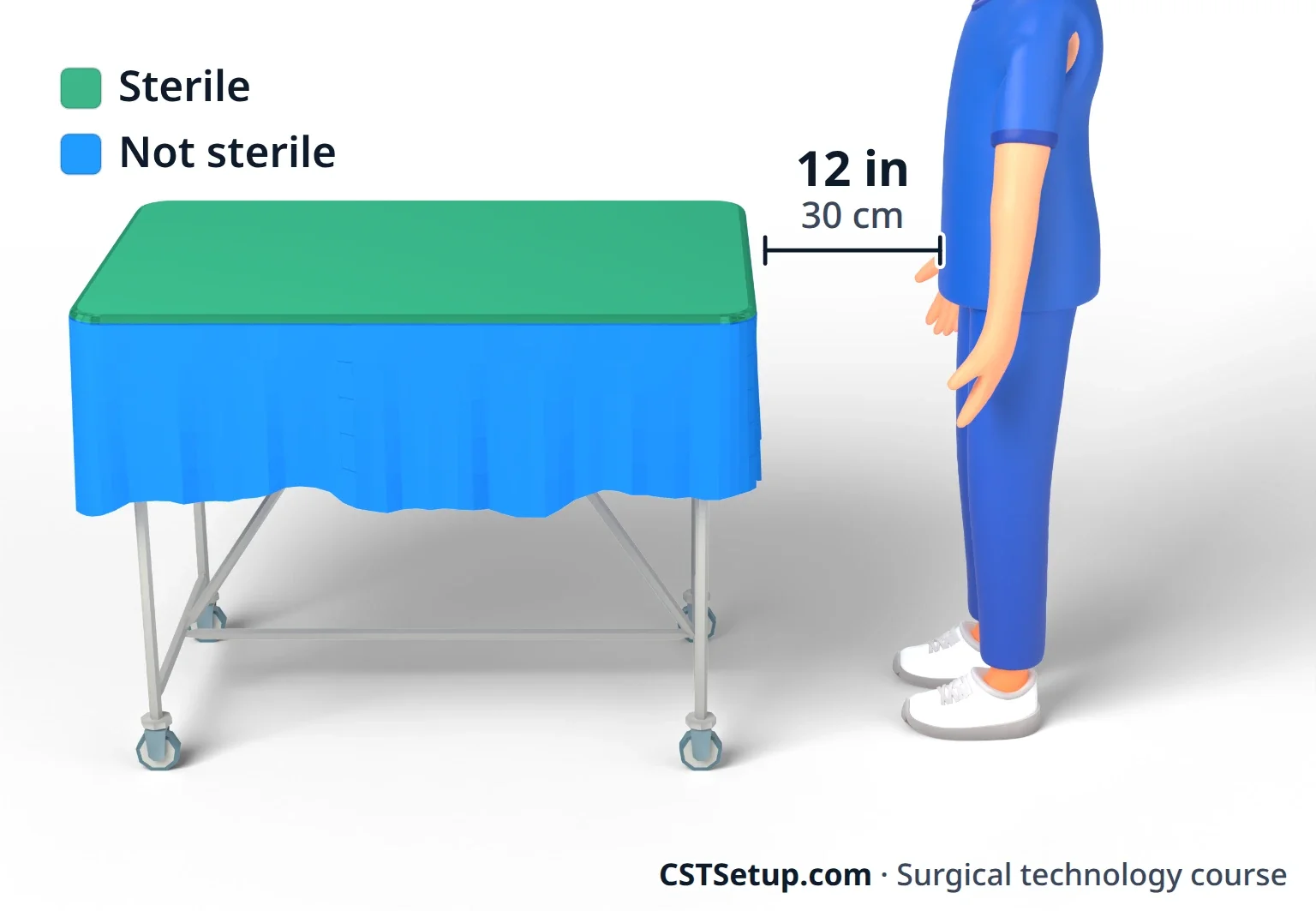
Only the top of a draped table is sterile, and the edges of any wrapper are not. Whatever goes below the table edge never comes back up.
The Mayo stand
The Mayo stand cover is a sterile sleeve, closed at one end, that encloses the whole top of the stand, and the stand moves over the patient only after the patient is draped. So AST counts the underside of a draped Mayo stand as sterile too. The draped upright part at or above the height of the OR table is sterile as well. Cords and tubing under it stay sterile as long as their ends were passed off the foot of the table to the circulator, with surgical asepsisSUR-jih-kul ay-SEP-sisPractices that keep an area or object completely free of microorganisms; also called sterile technique.a- withoutsepsis decay, infectionFull entry , before the stand moved in.

You may hear that the underside of the Mayo stand is nonsterile because the scrub cannot see it. That question was debated for years; AST's guideline settles it as sterile, because the closed drape encloses the stand.
Stand at a set-up field and call each spot sterile or not.
This lab runs in the browser with JavaScript on.
This browser could not start the 3D room. Everything the lab practices is in the chapter.
Covering a sterile setup
A setup can be covered when it will not be used right away, as during a delay, for a closing setup or when there are several tables, and during busy times such as before the incision or while the patient is repositioned. A part of a setup in use, such as implants or instruments not needed yet, may be covered too.
The cover must come off without contaminating the table. Use a sterile cover made for the purpose, or two cuffed sterile drapes. With two drapes, the scrub lays the first so its cuffed edge sits just past the middle of the setup and lets it unfold, then lays the second so its cuff overlaps the first. Neither drape is adjusted once it is down. To uncover, the circulator puts both hands under the cuff of the top drape, lifts it straight up and steps back, never letting it slide across the setup, then removes the second the same way.
A covered setup still has to be watched, and facilities decide whether to use covers at all.
AST's 2019 guideline warns against any cover that hangs below the table edge, because that part is nonsterile and the cover cannot be lifted off without touching the field. Instead it covers the instrument sets and supplies on the back table with cloth towels.
6Opening and delivering sterile items
Opening the case is done by nonsterile team members: the circulator, and often the scrub, until it is time for the scrub to do surgical hand antisepsis. The scrub, once gowned and gloved, sets up what was opened. Before anything is opened, the furniture and equipment are in place, each package sits on a clean, dry surface where it will be opened, and everyone has done hand hygiene. Everyone wears a mask once sterile supplies are open.
A routine order
Opening in the same order every time means fewer moves and a field that is easy to find your way around. Items go from large to small, so nothing is piled into a stack that can topple. AST recommends this order:
- The back table pack
- The basin set
- Small wrapped items, such as the towel pack
- Peel packs, including sutureSOO-cherA stitch, or the thread used to stitch, that holds the edges of a wound or incision together.Full entry
- Instrument sets and trays
The scrub's own gown and gloves are opened on a flat surface of their own, such as the Mayo standMAY-oh standA small tray on an adjustable stand placed over or beside the patient during surgery to hold the instruments used most often.Full entry , never on the back table. That keeps water from dripping off the scrub's arms onto the field, and keeps the scrub from reaching over a sterile fieldSTAIR-ul feeldAn area set up with sterile drapes and supplies, kept free of all germs, for a sterile procedure.Full entry before gowning.
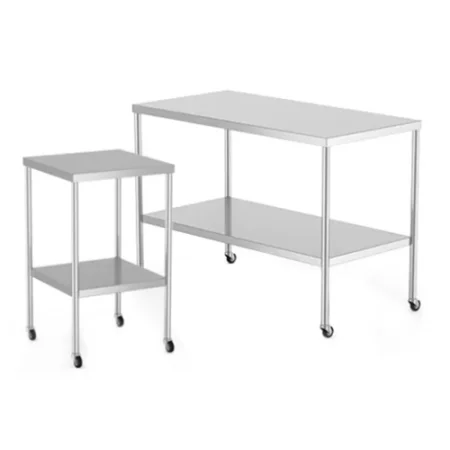
The back table pack
Many facilities use commercially made, presterilized packs. A back table pack comes sealed in an outer dust cover, which protects the package but is not a sterile wrapper. The opener checks the pack: the dust cover whole, the wrapper intact and dry, the printed indicator changed, and any date not passed. Out of its dust cover, the pack is centered on the back table with its long side along the long side of the table.
The pack's outer wrapper becomes the sterile table cover. Packs are folded in different ways, so a commercial pack has a diagram printed on it that shows how to open it: follow that diagram. Keep your hands under the cuff of the wrapper, with a margin of about an inch between your hand and its edge. Open the fold nearest you by pulling it toward you, then walk around to the other side of the table and open the far fold toward you the same way. Never reach across the open pack. Two people can open it together. Once it is open, the cover is never adjusted.
Check it, take it out of its dust cover, and open it without ever reaching over the field.
This lab runs in the browser with JavaScript on.
This browser could not start the 3D room. Everything the lab practices is in the chapter.
Wrapped packs
Packs wrapped in your facility's sterile processing department are usually wrapped envelope style, which is the usual fold for single items, small packs and most instrument sets; larger packs and some trays are square folded. The wrapper is sealed with chemical indicator tape.
A pack wrapped envelope style has four flaps. Open the flap farthest away first, then the two sides, then the near flap last. On a table, stand in front of each flap as you open it and pull it toward you, walking around the pack rather than reaching across it, so a nonsterile arm never passes over the open inside. Break the tape rather than tearing it, so the wrapper does not rip.
When a small pack is held in the hand, the opener opens the far flap first and gathers each flap into the hand holding the pack, so the wrapper covers that hand, then offers the item to the scrub or drops it onto the field.
Peel packs
A peel pack is peeled apart along its seal, never torn. The inner edge of the seal is the line between sterile and nonsterile, and the contents must never slide out over it. Either hold the pack open so the scrub can lift the item straight up and out, or flip the item onto the field with a quick pull. Stand close enough that it lands on the field, but never reach over the field, and take care not to flip it past the field onto the floor.
Heavy, sharp and rigid items
- Heavy or bulky items are opened on a small table of their own, opened into a basin in the ring stand, or handed straight to the scrub. Flipped onto the field, they can punch through the table cover.
- Blades and other sharps are handed straight to the scrub, which is preferred, or opened onto a spot on the back table where they are in plain sight. They never go onto an instrument tray, where other instruments can hide them.
- A rigid container is checked before it is opened: its external locks, latches, filters, valves and tamper-evident seals are intact, and its external chemical indicator has changed color (on many containers it sits on the lock). A container with a gasket needs an intact gasket too. If any check fails, the contents are contaminated. Open it the way its maker's instructions say.
- The opener lifts the lid up and toward themselves while moving it away from the container, steps back, and checks the lid's filter or valve. If the filter is out of place, damp, or has a hole or tear, the contents are contaminated.
- The scrub lifts the basket straight up and out without touching the container's edges or letting it touch the front of the gown, and steps away. The scrub checks the internal indicator and looks inside the container for moisture or debris, while the circulator checks any filters in the bottom. Only then does the basket go on the back table.
Inside the set
Chemical indicators show that a package was exposed to a sterilizationstair-uh-luh-ZAY-shunA process that destroys all microorganisms, including spores, on an item; also a permanent birth control procedure.Full entry process. They cannot prove the contents are sterile, but a color that is wrong or uneven means the package may not have been processed correctly. Every tray of a set needs its own internal indicator. A set is treated as nonsterile if:
- its internal indicator has not changed correctly, or a tray in it has no indicator
- any instrument in it is clamped shut (the sterilantSTAIR-uh-luntA chemical that kills all forms of microbial life, including bacterial spores.Full entry cannot reach the closed surfaces) or still assembled
- it is wet inside, or a filter is torn or out of place
- it holds blood, hair, tissue, bone fragments or other debris, such as bone cement, grease or mineral deposits
The scrub hands a nonsterile set off to the circulator to go back for reprocessingree-PROS-es-ingThe steps that make a used reusable medical device safe to use on the next patient.Full entry , and changes gloves. Anything the set touched is removed too.
Dropped packages
What happens when a sterile package hits the floor depends on its wrapper.
- A package in a woven fabric wrapper, which fluid and air can pass through, is contaminated. The fall pushes airborne dust and contaminants in through the fabric. The package is opened and its contents go back for reprocessing.
- A package in an impervious wrapper may be opened and used right away if it is intact and the spot where it landed was dry: no punctures, tears or signs of strike-through. It never goes back on the shelf for later.
Facilities set their own policy on dropped items, so learn yours.
Some references treat a dropped pack as contaminated whenever it had only one wrapper or looks damaged.
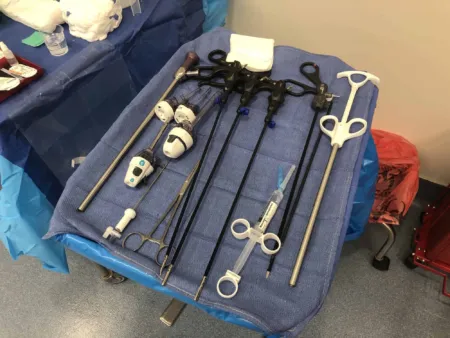
Every operation has its own setup, which varies with the procedure, the surgeon and the facility. To see a whole sterile field laid out for one operation, open the setup below.
7Pouring solutions
Saline, water and medicines reach the field through a few strict steps.
- The circulator shows the label to the scrub, and both confirm it out loud and by reading it: the name, the strength and the expiration date.
- The scrub sets the basin or medicine cup near the edge of the back table, or holds it out, so the circulator never reaches over the field.
- The circulator takes off the cap, which is made to come off without touching the sterile inner lip, and holds only the lip of the bottle over the basin.
- The circulator pours slowly and steadily from a safe distance, so the bottle never touches the basin or the field. A splash on the table cover is sponged up at once; fluid that soaks through a towel or cloth cover is strike-through.
- The bottle is poured once. It is never recapped, never poured from again, and never saved for later or for another patient. Whatever is left is thrown away.
- The scrub labels every cup, basin and syringe on the field right after it is filled, even when only one medicine is on the field. Anything unlabeled is thrown away.

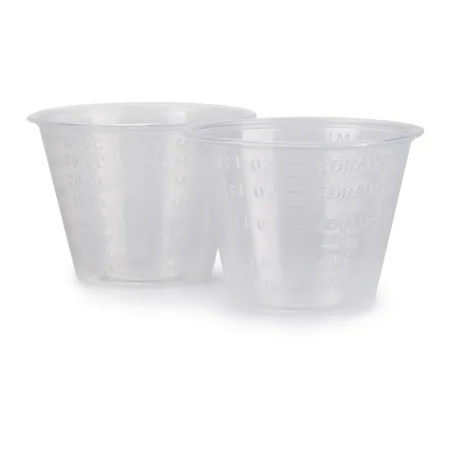
Medicines in vials reach the field through a sterile transfer device, such as a vial spike. A stopper is never pulled out to pour, unless the vial is made to be opened and poured that way. Chapter 12 covers medications on the field.
Why so strict? Once the cap goes back on, nobody can be sure the contents are still sterile. Drops that touched the nonsterile outside of the bottle can run back in through the opening on a second pour and carry germs into the basin.
8Sterile people
The second principle of asepsisay-SEP-sisThe state of being free of germs that cause disease, and the practices used to keep things that way.a- withoutsep- decay or infection-sis conditionFull entry is that sterile team members are properly dressed before they enter the sterile fieldSTAIR-ul feeldAn area set up with sterile drapes and supplies, kept free of all germs, for a sterile procedure.Full entry . Once you are scrubbed, gowned and gloved, parts of you are sterile and parts are not, and every member of the team must know which is which.
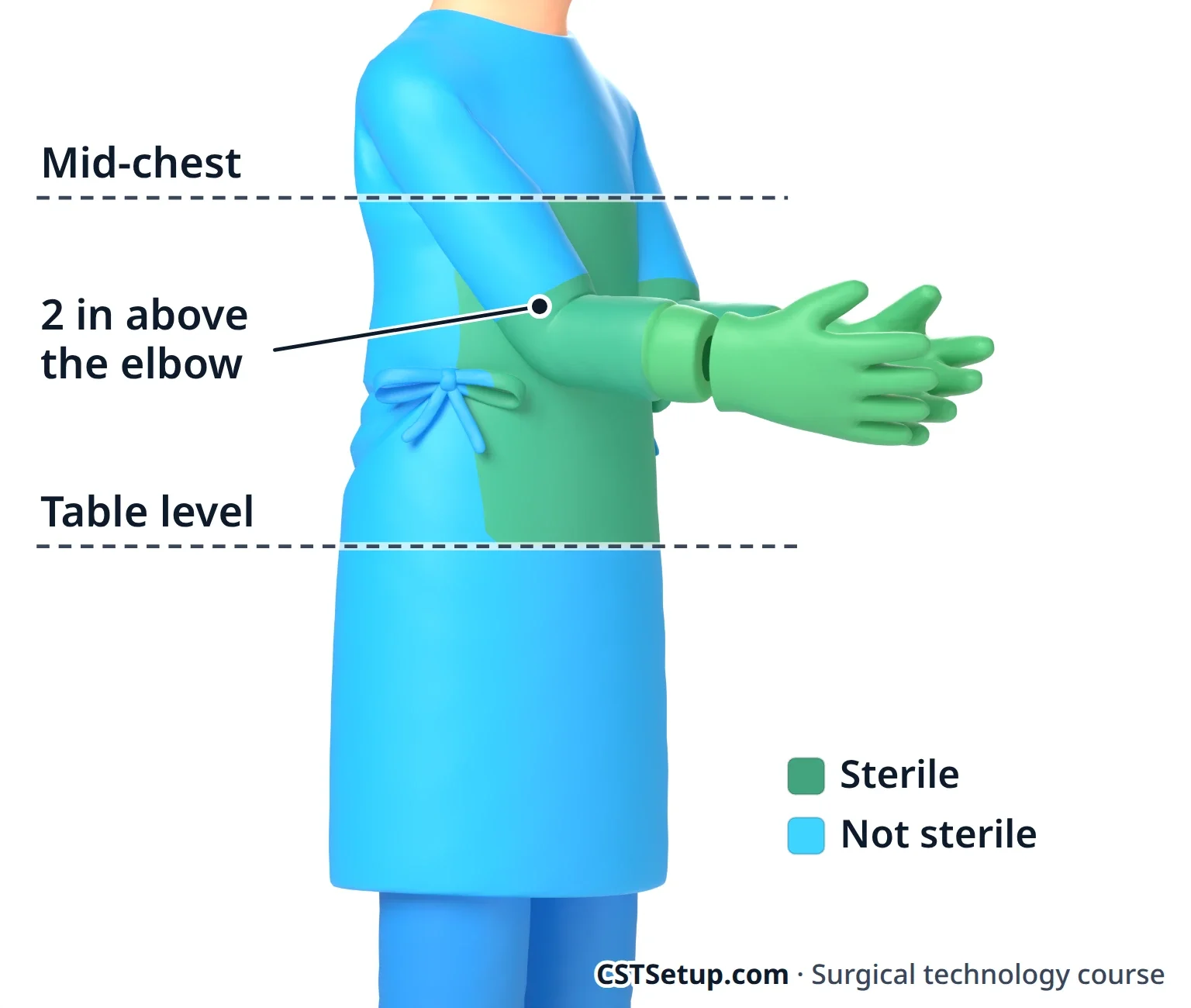
- Sterile: the front of the gown from mid-chest down to table level (about the waist), and the sleeves from the cuff up to 2 inches above the elbow, all the way around.
- Not sterile: the back, even once it is tied, because you cannot see it; the neckline, shoulders and underarms, which rub and can get damp with sweat; the upper chest, which your chin can touch; and anything below the table.
- The cuffs: the knit (stockinette) cuff of the gown counts as contaminated once your hand has passed through it, because it is not a fluid-proof barrier. It must stay inside the sterile gloveSTAIR-ul gluvA glove that has been sterilized and packed so it can touch a sterile field or an open body area without bringing in germs.Full entry at all times.
- Keep your gloved hands in front of you, above your waist and within the sterile area of the gown. Never fold your arms with your hands in your underarms, and never let your hands drop below your waist.
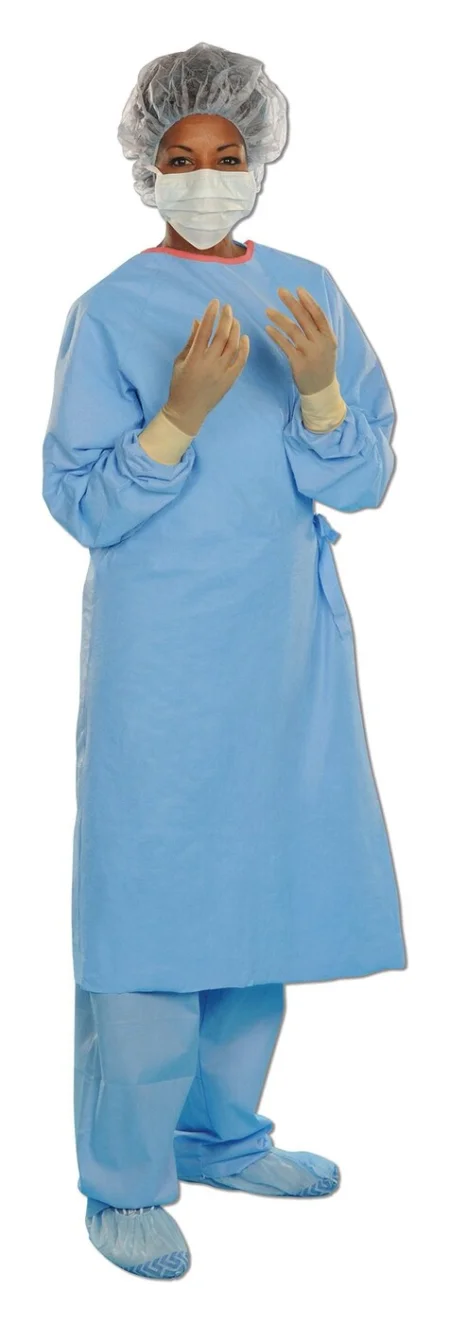
The rule underneath all of this is simple: sterile touches sterile, nonsterile touches nonsterile. The scrub never touches the nonsterile handle of a light. The circulator never reaches onto the field.
Gowns and gloves
Two more of its rules cover how the sterile team dresses:
- Gown and glove on a separate surface. Self-gowning and gloving are done from a surface other than an open back table, such as the Mayo standMAY-oh standA small tray on an adjustable stand placed over or beside the patient during surgery to hold the instruments used most often.Full entry . A team member who scrubs in after the case has started gowns from a separate surface too, such as the prep table.
- Closed gloving when you are on your own; open gloving for sterile tasks without a gown. A person moving into the sterile role with no one to help uses closed gloving: the hands stay inside the gown sleeves until they are inside the gloves, so bare skin never touches the outside of a glove. AST recommends closed gloving for gloving yourself, and when a gowned and gloved teammate is there, that teammate gloves you instead. Open gloving is for nonsterile people doing a sterile task without a gown, such as a urinary catheterization or a skin prep.
Because the cuff is contaminated once your hand is through it, you cannot glove yourself with the closed method again during a case without putting on a fresh gown.
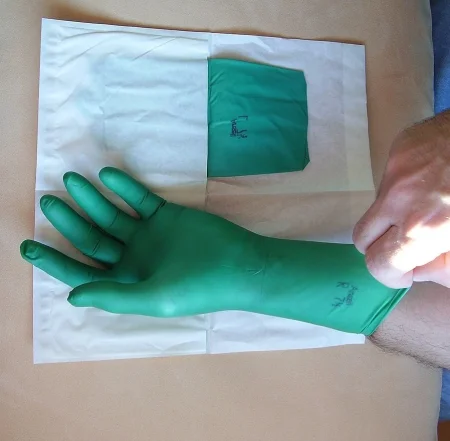
The steps for gowning and gloving yourself and others, double gloving, and taking gown and gloves off are in chapter 28.
9Moving around the field
The third principle of asepsisay-SEP-sisThe state of being free of germs that cause disease, and the practices used to keep things that way.a- withoutsep- decay or infection-sis conditionFull entry is that movement in and around the sterile fieldSTAIR-ul feeldAn area set up with sterile drapes and supplies, kept free of all germs, for a sterile procedure.Full entry must never put it at risk.
- Nonsterile people never touch, reach across, lean over or pass over the sterile field, and they keep at least 12 inches from sterile people, items and areas, including the draped patient.
- Nonsterile people face the sterile field as they approach it, and they never walk between two sterile areas, such as two draped tables, or between scrubbed people.
- Sterile people never touch, reach across, lean over or pass over anything nonsterile. They stay close to the field and never turn their backs on it.
- Sterile tables, such as the back table and the Mayo standMAY-oh standA small tray on an adjustable stand placed over or beside the patient during surgery to hold the instruments used most often.Full entry , stand at least 12 inches from walls and anything else nonsterile.
- Two sterile people pass each other face to face or back to back, keeping their distance as they turn. A sterile person passing a nonsterile person or area turns their back to it.
- Keep talking and movement to a minimum. Both stir up air, dust and dropletDROP-litA drop of moisture sprayed from the nose or mouth when a person coughs, sneezes or talks, which can carry germs a short way.Full entry .
- Sit only if the whole operation is done sitting, and keep your hands out of your lap. Put any standing platform in place before you step up to the field, and stay at one height. Changing height, such as stepping down or standing up, brings a part of the gown that was below the field up to it.
- When you must come within 12 inches of a nonsterile person or area to put on a gown or drape, fold the gown or drape into a cuff over your gloves first, so your hands stay protected.
10When something goes wrong
A break in surgical asepsisSUR-jih-kul ay-SEP-sisPractices that keep an area or object completely free of microorganisms; also called sterile technique.a- withoutsepsis decay, infectionFull entry is anything that contaminates, or may have contaminated, a sterile surface in the sterile fieldSTAIR-ul feeldAn area set up with sterile drapes and supplies, kept free of all germs, for a sterile procedure.Full entry . Breaks happen, and the most common ones are well known. What matters is what happens next.
The longer a break goes unnoticed, the farther the contamination can spread. A contaminated glove, for example, contaminates everything sterile it touches next. So say so the moment a break happens, or the moment you suspect one. Breaks are sorted by when they are noticed: right away, shortly after, much later, or never.
Fix a break at once, unless stopping would put the patient at risk; then fix it as soon as it is safe for the patient. A simple break, such as a glove that touched something nonsterile and was noticed right away, is fixed by changing the glove. A serious break is a team decision, based on how big it is, what it touched, when it was found and the risk to the patient. The lead surgeon has the final say, with the team's input.
The Core Curriculum gives three ways to address a break:
- Remove it. A clamp that falls below the table, a glove with a hole, a set with an unchanged indicator, a bottle someone recapped: take it out of use. Remove anything it may have touched too, and change the gloves of anyone who may have handled it. Something that falls below the table edge is nonsterile, so the scrub never reaches for it: the circulator picks it up.
- Isolate and cover it with an impervious barrier. When something cannot be removed, contain it. A drape that fluid has soaked through, or an area of a drape that may be contaminated, is covered with another impervious drape, or the drape is removed and replaced with a new sterile one. A damp Mayo standMAY-oh standA small tray on an adjustable stand placed over or beside the patient during surgery to hold the instruments used most often.Full entry is covered with an impervious drape too.
- Acknowledge and report it. Tell the team right away, as soon as it happens or you suspect it: the circulator, who brings the replacement, and the surgeon, who decides on serious breaks. Every break is reported. A break that harmed the patient, or could have, may also need a written incident reportIN-sih-dent rih-PORTA written record of an unexpected event in a health care setting that caused or could have caused harm.Full entry under your facility's policy.
A major break, such as using a nonsterile instrument in the wound, changes the wound's class to contaminated, and after gross contamination of the wound, treatment to prevent infection may be started. Chapter 11 covers wound classes.
Where breaks happen
Most contamination happens when sterile team members move away from the field or come too close to nonsterile areas. Watch hardest:
- when you receive sterile supplies or hand items off to the circulator
- when team members change places, such as moving to the other side of the table
- when drapes are too small or not placed correctly
- in big cases, with many draped tables, large equipment and a crowded room
Common breaks and their fixes
- A glove touches anything nonsterile: change the glove. Step back and hold the hand out to the circulator, who, wearing nonsterile gloves, pulls the glove off without pulling the gown cuff down over your hand. A sterile teammate then gloves you. If no one sterile can help, change gown and gloves and glove closed; open gloving is the last resort.
- A needle or sharp goes through both your gloves: change both gown and gloves, because once the glove is off the gown cuff is no longer sterile and you cannot glove yourself closed.
- A sleeve or another part of the gown touches something nonsterile: change the gown and gloves.
- An instrument or sharp falls below the table: leave it and tell the circulator. The circulator picks it up safely and keeps it in the room until all the counts are done.
- Fluid soaks through a towel or drape: cover the area with an impervious drape, or replace the drape.
- Fluid pools on an impervious drape, as it can in arthroscopy and other cases with lots of irrigationeer-ih-GAY-shunWashing out a wound, body cavity, tube or eye with a steady flow of liquid.Full entry : it has not soaked through, so suction or sponge it up and keep going.
- A scrub sits down while watching a set-up field: change the gown before going back to the back table or the Mayo stand, because sitting changes which part of the gown is at table level.
- A perforating (penetrating, or piercing) towel clamp was used on the drapes: the holes it makes can let germs from the patient's skin onto the field, even with the clamp still in them. Pass it off, and the drape is replaced; covering the holes is not enough. Use only non-penetrating towel clamps to hold drapes, cords and tubing.
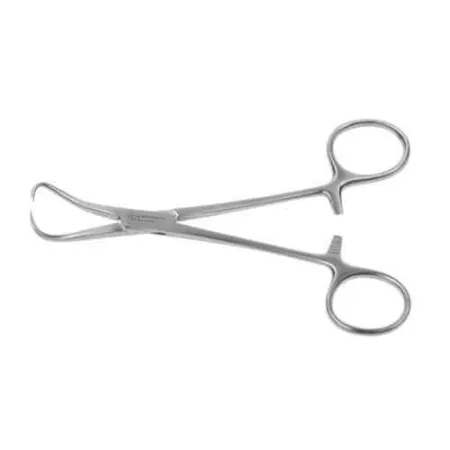
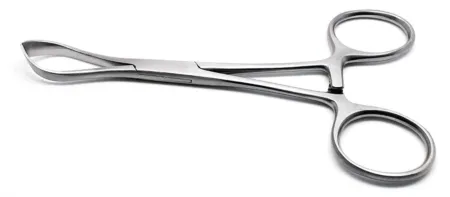
Some references still say to cover the hole with a sterile towel or drape after a piercing towel clip is removed.
When sterility is in doubt
Sometimes you do not know. Did the circulator's sleeve touch the corner of the table? Did the cord hang below the table before you picked it up? The answer is the same every time: if you are not sure an item is sterile, treat it as contaminated and discard it. The fourth principle of asepsisay-SEP-sisThe state of being free of germs that cause disease, and the practices used to keep things that way.a- withoutsep- decay or infection-sis conditionFull entry is to keep germs to an irreducible minimum, as few as can possibly be achieved, and doubtful items have no place in that.
If you are not sure whether something is still sterile, treat it as contaminated and replace it. A surgical site infection adds an average of almost 10 days in the hospital.
Three things go wrong at the back table, each with its own fix.
This lab runs in the browser with JavaScript on.
This browser could not start the 3D room. Everything the lab practices is in the chapter.
11Surgical conscience
Surgical conscience is being accountabilityuh-kown-tuh-BIL-ih-teeBeing answerable for your own decisions, actions and the results of the care you give or hand to others.Full entry for your own breaks in technique: admitting them and reporting them right away, even when nobody else saw them happen. A mistake that is not reported right away can harm the patient badly. Every rule in this chapter depends on it, because surgical asepsisSUR-jih-kul ay-SEP-sisPractices that keep an area or object completely free of microorganisms; also called sterile technique.a- withoutsepsis decay, infectionFull entry works only when each person is willing to speak up about a breach.
Saying "I contaminated my glove" takes nerve, especially as a student, and feeling awkward while you learn is normal. Speak up anyway, without worrying about embarrassment or criticism.
Surgical conscience works in both directions. When a teammate points out your break, fix it, even if you are not sure they are right. When you see someone else's break, say so plainly, whoever it is: "Your glove touched the light. Here is a new one." Then work out the fix together as a team. Everyone on the team shares the job of watching sterile technique and setting it right, and the surgeon decides on serious breaks.
What to take from this chapter
- Asepsis is the goal; sterile technique is how you reach it. The rules are the same for every patient and every operation.
- Sterile means free of all life, spores included, and it has no degrees. A package stays sterile until an event, such as moisture, a tear or (for a woven wrapper) a fall, spoils it.
- Most surgical site infections start with the patient's own germs. Outside the patient, the germs in the air come almost entirely from the people in the room. Barriers, distance and calm, limited movement control them.
- Only the top of a draped table is sterile, the edges of any wrapper are not, and whatever goes below the edge never comes back up.
- Check every item before it goes on the field, deliver it without reaching over the field, and pour each bottle once. Soaked through means contaminated.
- A gown is sterile in front from mid-chest to table level, and on the sleeves from the cuff up to 2 inches above the elbow. The knit cuff stays inside the glove.
- Nonsterile people keep 12 inches away; sterile people pass face to face or back to back.
- Address every break: remove it, isolate and cover it with an impervious barrier, or acknowledge and report it, and tell the team at once. When in doubt, throw it out.
Check yourself5 quick questions
Free for everyone. Pick an answer for each, then check them all at once.
In the ORWhere you'll use this
The chapter's whole question pool in sets of 10, with the answer explained after each one.
Part of the educators programThe chapter's words on spaced cards: the ones you miss come back sooner.
Part of the educators programGiven by your class's teacher. Each class draws its own 25 from the chapter's pool.
Part of the educators program
Suggest a fix
Something wrong, unclear or out of date in this chapter? Tell us and we will fix it for everyone. Your email is only used to reply.