Laparoscopic Adrenalectomy
The surgeon utilizes laparoscopic techniques to perform the complete excision of an adrenal gland located superior to the kidney. This procedure is indicated for the treatment of adrenal tumors or hyperfunctioning glandular tissue.
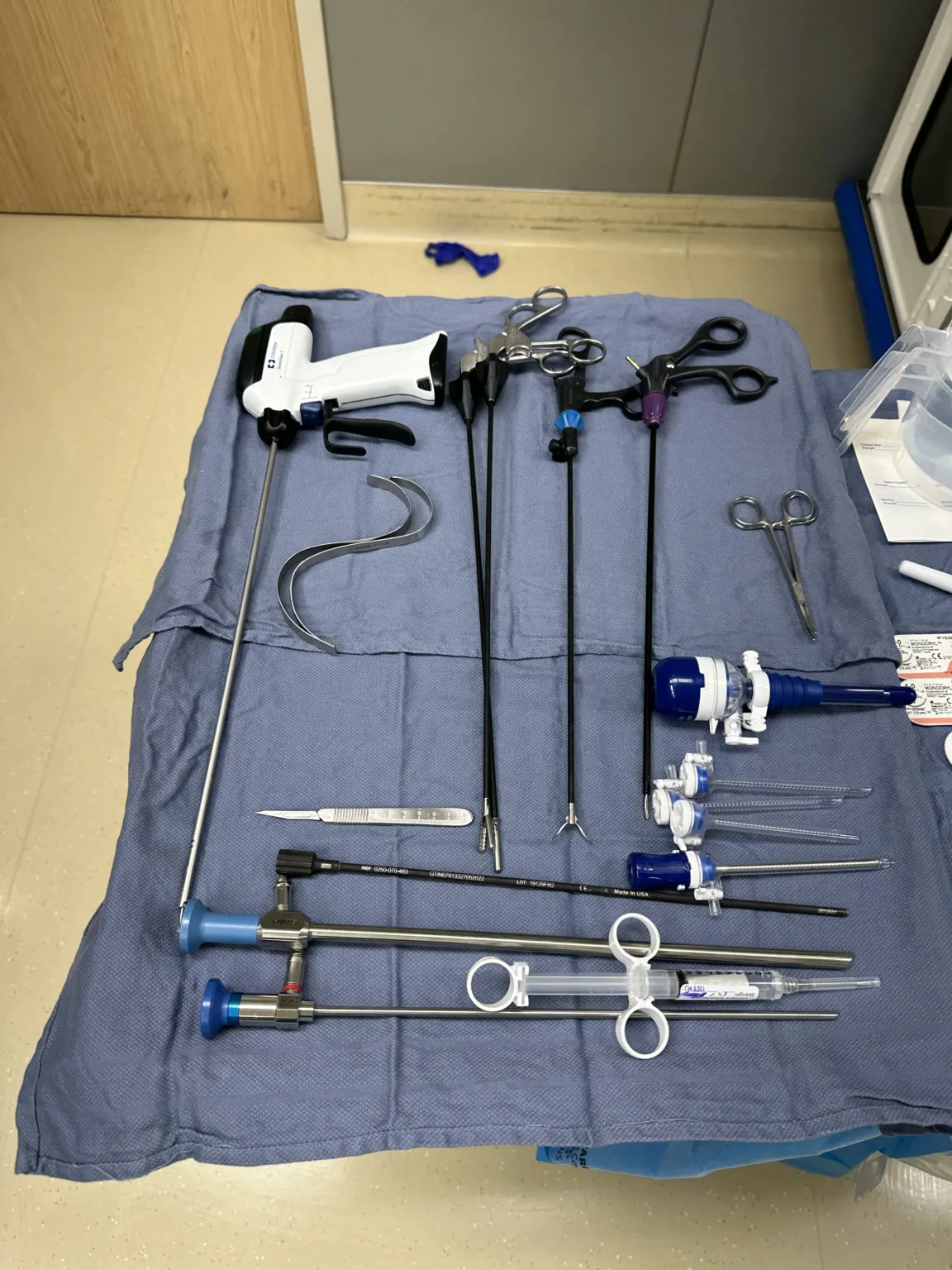
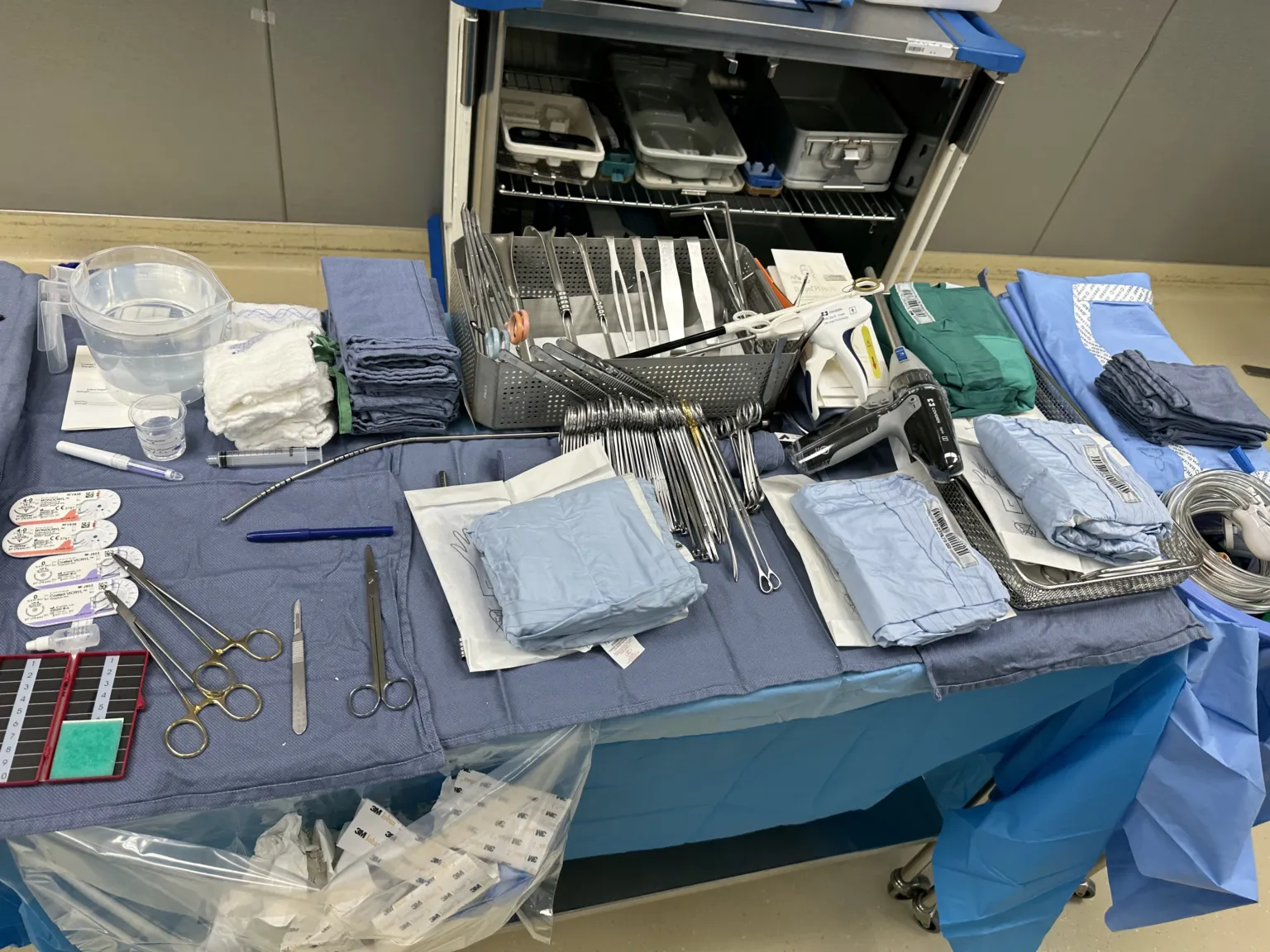
- Anesthesia
- General Anesthesia
In 30 seconds
Scan this outside the room.
- Make incisions and insert ports
- Insert laparoscope
- Mobilize colon and spleenspleenAn organ in the upper left abdomen that filters the blood and helps fight infection.splen/o spleenFull entry
- Use liver retractorrih-TRAK-terA surgical instrument that holds back tissue or organs so the surgeon can see and reach the operative site.Full entry if necessary
- Clamp and cut adrenaluh-DREE-nulHaving to do with the adrenal glands, the two small glands that sit on top of the kidneys.ad- nearren/o kidney-al relating toFull entry vein
- dissectdy-SEKT, or dih-SEKTTo cut apart or separate tissues carefully during surgery.Full entry and remove adrenal glanduh-DREE-nul GLANDOne of two small glands that sit on top of the kidneys and make hormones such as cortisol, aldosterone and epinephrine.ad- toward, nearren/o kidney-al relating toFull entry
- hemostasishee-moh-STAY-sisThe stopping of bleeding, either by the body's own clotting process or by medical or surgical methods.hem/o blood-stasis stopping, standing stillFull entry and irrigationeer-ih-GAY-shunWashing out a wound, body cavity, tube or eye with a steady flow of liquid.Full entry
- Close incisions
The tray
24 instruments, by what they do. Tap a name for its card.
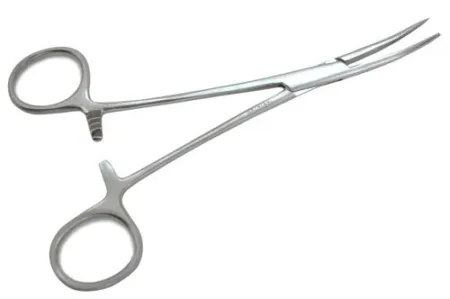 Curved HemostatsClamping
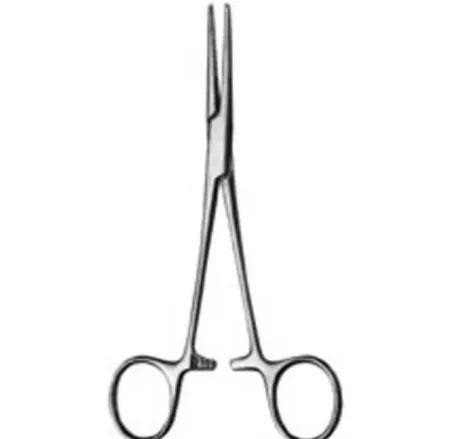 Kelly ForcepsClamping
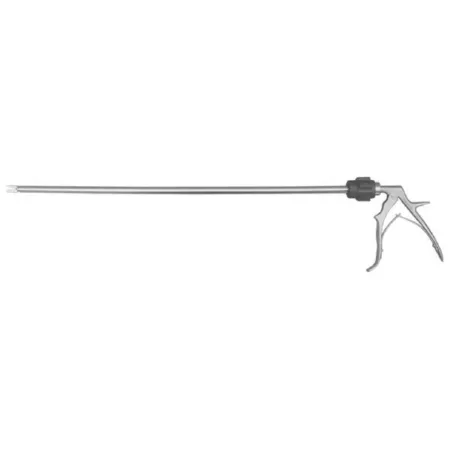 Laparoscopic Clip AppliersClamping
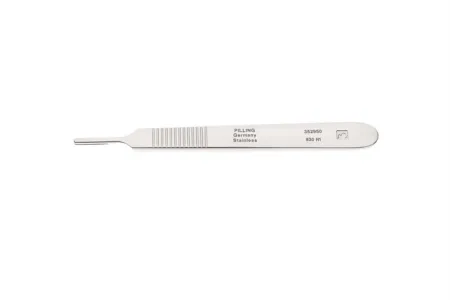 #3 Knife HandleCutting
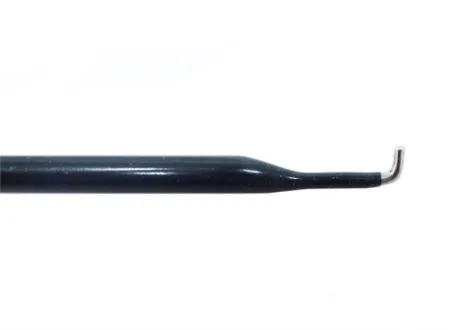 L Hook CauteryCutting
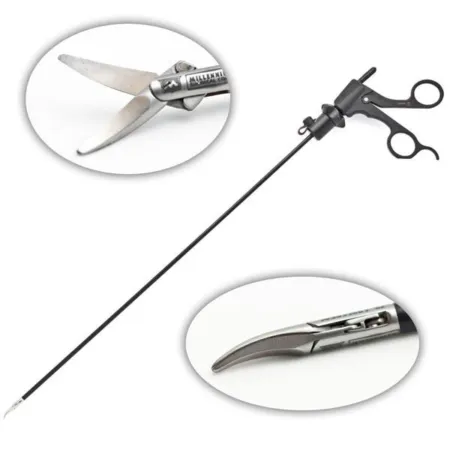 Laparoscopic Metz ScissorCutting
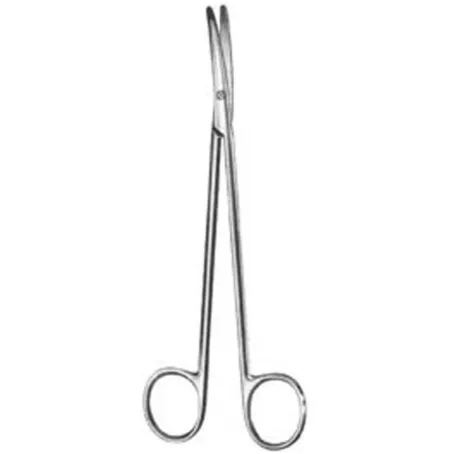 Metzenbaum ScissorCutting
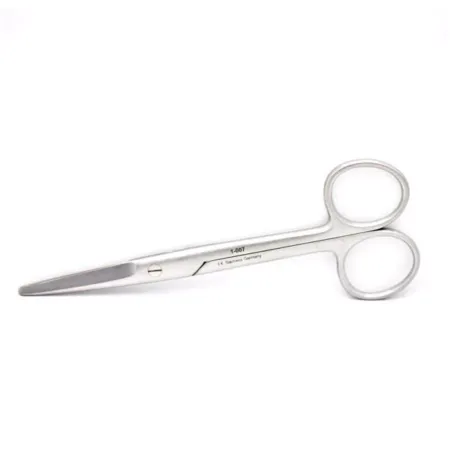 Straight Mayo ScissorCutting
All 24 instruments
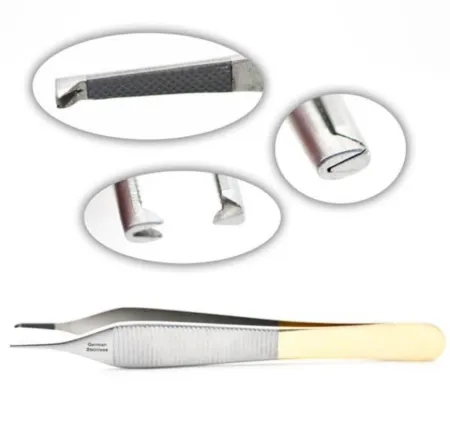 Adson ForcepsGrasping
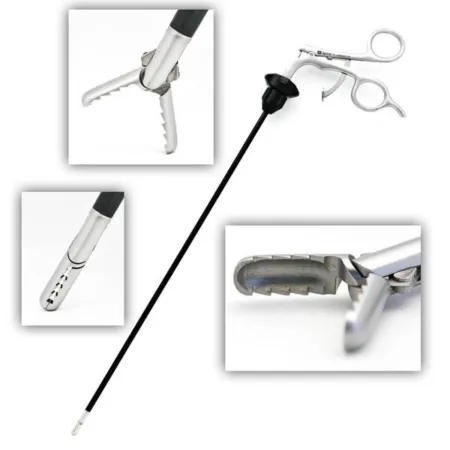 Alligator GrasperGrasping
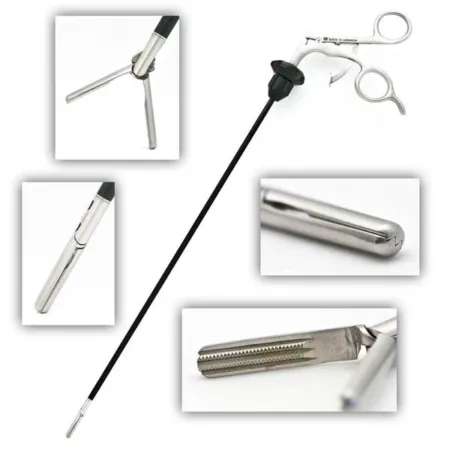 Laparoscopic DeBakey ForcepsGrasping
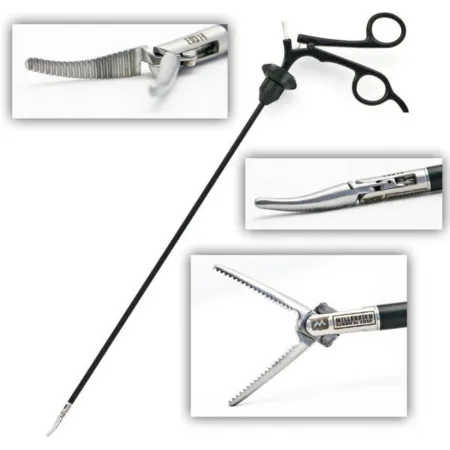 Laparoscopic Maryland Dissector GrasperGrasping
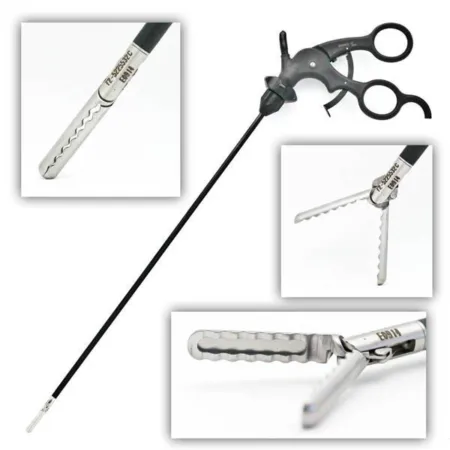 Laparoscopic Wave GrasperGrasping
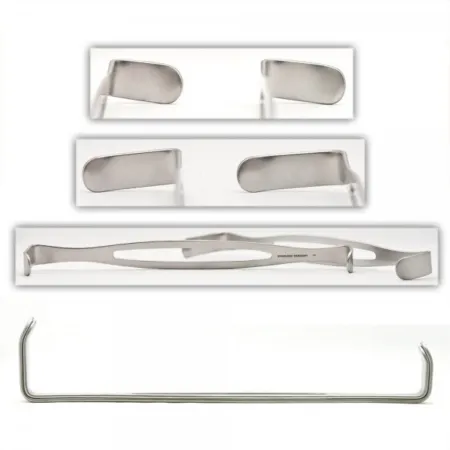 Army-Navy RetractorRetracting
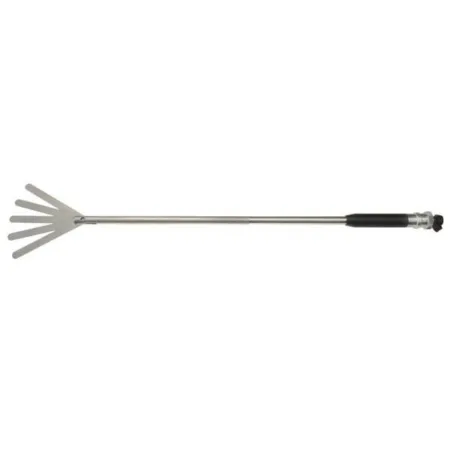 Fan RetractorRetracting
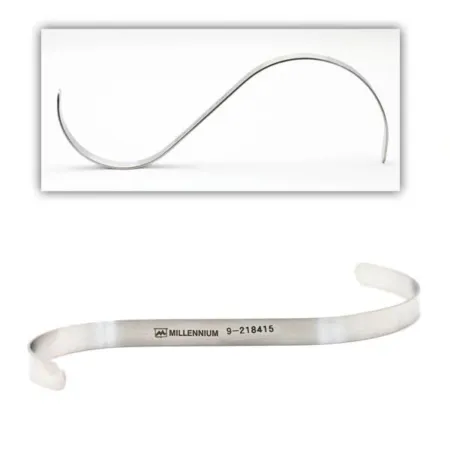 Hasson S RetractorRetracting
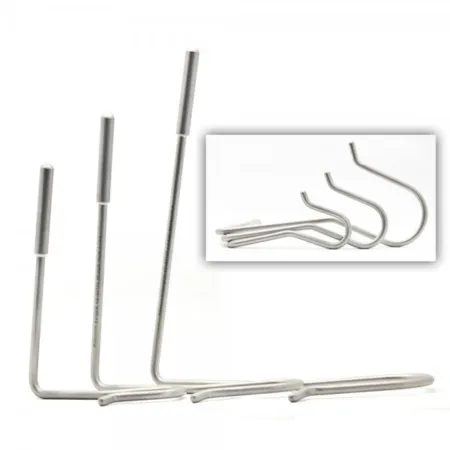 Nathanson Hook Liver RetractorRetracting
 Camera HeadSpecialty
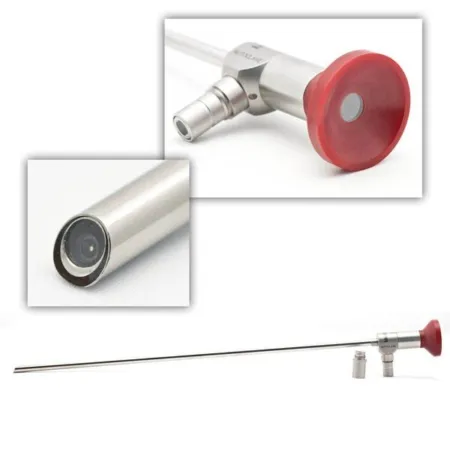 LaparoscopeSpecialty
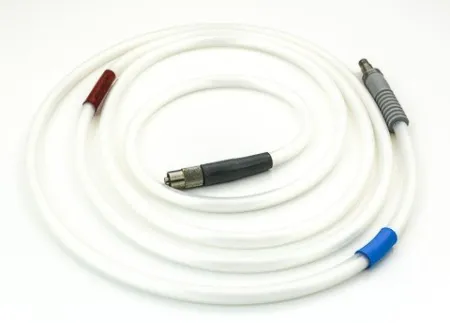 Light CordSpecialty
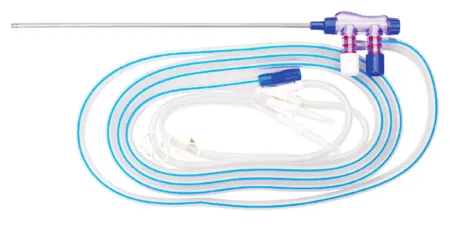 Suction IrrigatorSuctioning
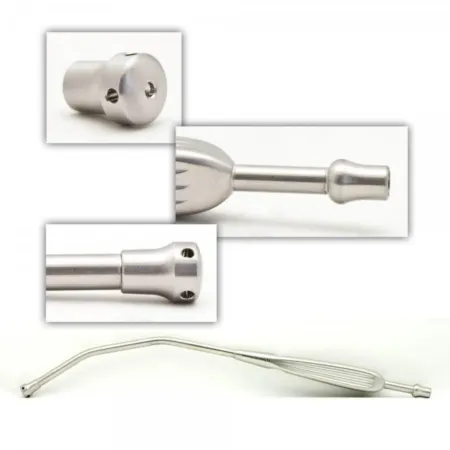 Yankauer SuctionSuctioning
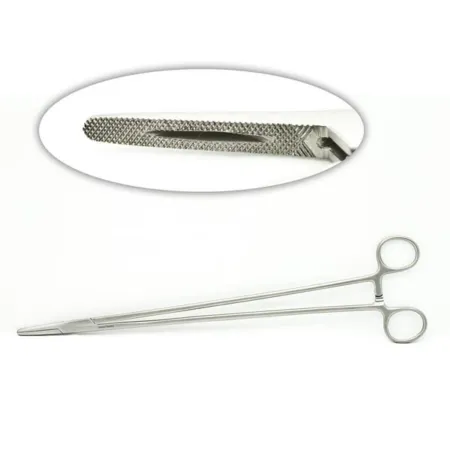 Mayo-Hegar Needle HolderSuturing
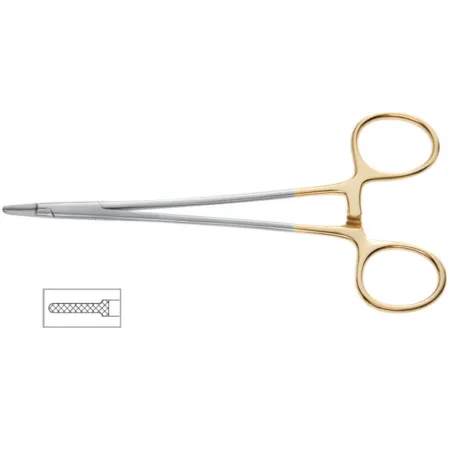 Ryder Needle HolderSuturing
Clamping & Occluding3
Cutting & Dissecting5
Grasping & Holding5
Retracting & Exposing4
Specialty3
Suctioning2
Suturing & Stapling2
Know this tray before you scrub in.
With Pro, for every setup in every specialty. Cancel any time.
Or scrub in free: every General setup and 5 questions a day.
The room
The equipment, the prep and drape, the suture and the medicines.
Folded towel with towel clips and Laparotomy drape
Step by step
8 steps, one line each.
- 1
Making Incisions and Inserting Ports
The surgeon will use an 11 or 15 blade (doctor's preference) on a #3 knife handle to make a small incision where a Verres needle can be inserted and connected to the carbon dioxideKAR-bun dy-OK-sideA gas made by the body's cells as waste, carried in the blood to the lungs and breathed out.Full entry tubing for inflation. Additional incisions will be made to insert the doctor's preferred ports (usually two 5mm and one 12mm).
- 2
Inserting the Laparoscope
Once all the ports are in place, the 30-degree laparoscope connected to the camera and light cord will be inserted through one of the ports.
- 3
Mobilizing the Colon and Spleen
Basic laparoscopiclap-uh-roh-SKOP-ikDone through a few small cuts in the abdomen with a thin camera and long instruments, instead of one large opening.lapar/o abdomen-scopic viewingFull entry instruments such as alligator graspers, Debakey graspers, or wave graspers, laparoscopic scissors, different sized laparoscopic clip appliers, L hook cautery, a laparoscopic Harmonic scalpel, and sometimes a Maryland are used to mobilize the colon and spleenspleenAn organ in the upper left abdomen that filters the blood and helps fight infection.splen/o spleenFull entry , and take down any adhesionad-HEE-zhunA band of scar tissue that joins two surfaces inside the body that are normally separate.ad- towardhes stick-ion conditionFull entry or ligaments in order to reach the adrenaluh-DREE-nulHaving to do with the adrenal glands, the two small glands that sit on top of the kidneys.ad- nearren/o kidney-al relating toFull entry vein.
- 4
Using a Liver Retractor (If Necessary)
If the surgery is a right-sided adrenalectomy, a liver retractorrih-TRAK-terA surgical instrument that holds back tissue or organs so the surgeon can see and reach the operative site.Full entry will need to be used to keep the liver out of the way.
- 5
Clamping and Cutting the Adrenal Vein
Once the adrenaluh-DREE-nulHaving to do with the adrenal glands, the two small glands that sit on top of the kidneys.ad- nearren/o kidney-al relating toFull entry vein is reached, the laparoscopiclap-uh-roh-SKOP-ikDone through a few small cuts in the abdomen with a thin camera and long instruments, instead of one large opening.lapar/o abdomen-scopic viewingFull entry clip appliers will be used to clamp them off, and then they will be cut using the Harmonic scalpel.
- 6
Dissecting and Removing the Adrenal Gland
More dissectiondy-SEK-shunA tear in the inner layer of an artery wall that lets blood split the layers apart; also, the cutting apart of tissue in surgery.Full entry will be done with the same instruments to free up the adrenal glanduh-DREE-nul GLANDOne of two small glands that sit on top of the kidneys and make hormones such as cortisol, aldosterone and epinephrine.ad- toward, nearren/o kidney-al relating toFull entry , and an EndoCatch or some sort of retrieval bag will be inserted through a port and used to pull the gland out when it is fully dissectdy-SEKT, or dih-SEKTTo cut apart or separate tissues carefully during surgery.Full entry .
- 7
Hemostasis and Irrigation
A suction irrigator will be used to irrigationeer-ih-GAY-shunWashing out a wound, body cavity, tube or eye with a steady flow of liquid.Full entry the abdomen, and hemostasishee-moh-STAY-sisThe stopping of bleeding, either by the body's own clotting process or by medical or surgical methods.hem/o blood-stasis stopping, standing stillFull entry will be ensured before turning off the carbon dioxideKAR-bun dy-OK-sideA gas made by the body's cells as waste, carried in the blood to the lungs and breathed out.Full entry and removing the ports and camera.
- 8
Closing the Incisions
2-0 Vicryl is commonly used to close the 12mm port site, followed by 4-0 Monocryl or Nylon to close the skin and smaller port sites. S retractorrih-TRAK-terA surgical instrument that holds back tissue or organs so the surgeon can see and reach the operative site.Full entry or Army-Navy may be used while suturing with the Vicryl to hold the excess tissue out of the way.
The case
Laparoscopic Adrenalectomy is a minimally invasive surgery that involves removing one or both adrenal glands using small incisions in the abdomen. The surgery is typically performed to treat tumors or other conditions that affect the adrenal glands, such as hormone imbalances or cancer. The procedure is performed using specialized instruments and a laparoscope, which is a thin, flexible tube with a camera and light attached to it that allows the surgeon to see inside the abdomen. Laparoscopic Adrenalectomy typically results in less pain, shorter hospital stays, and faster recovery times compared to traditional open surgery.
Built by the techs who scrub it.
Every surgeon runs it a little differently. Send your table, or a fix for this page.
 Diana Lei-alohaReviewer
 Maygan BruseskiPhotos
The rest of this setup is Pro.
Everything unlocked above stays free. Pro opens the rest, on every setup: where new techs slip, what to load next at every step, the circulator’s side, the medicines, the specimen, wound class and trays on standby, what to grab if it goes wrong, and practice for every tray.
Free, for good. No card.
- All 2,882 instrument cards
- Every General setup in full
- 5 exam questions a day
- Your own preference cards
Pass your exam. Know every case.
Everything in Free, plus:
- All 260 setups in every specialty: back table, Mayo and every step
- Practice that never runs out and full timed exams for the CST, TS-C, CRCST, CSPDT and CSFA, with the why behind every answer
- Flashcards on any tray, timed to come back before you forget
- Every instrument card in full: the 3D model, cautions, inspection, how to pass it
Cancel any time from your account. Not worth it? Email us within 30 days of a charge for a refund, one per customer. Refund policy
Pro is also in the CSTSetup app, on the same account. Already have Pro? Log in
Send your table
Your Mayo, your back table, your surgeon’s way, or anything wrong on this page. Your email is only used to credit you. Submissions stay private and are reviewed by our team; accepted ones earn a Contributor credit here.