Laparoscopic Hemicolectomy
Using minimally invasive techniques, the surgeon resects either the right or left half of the colon and performs an anastomosis to restore intestinal continuity. This procedure is typically indicated for the treatment of colon cancer or severe inflammatory bowel disease.
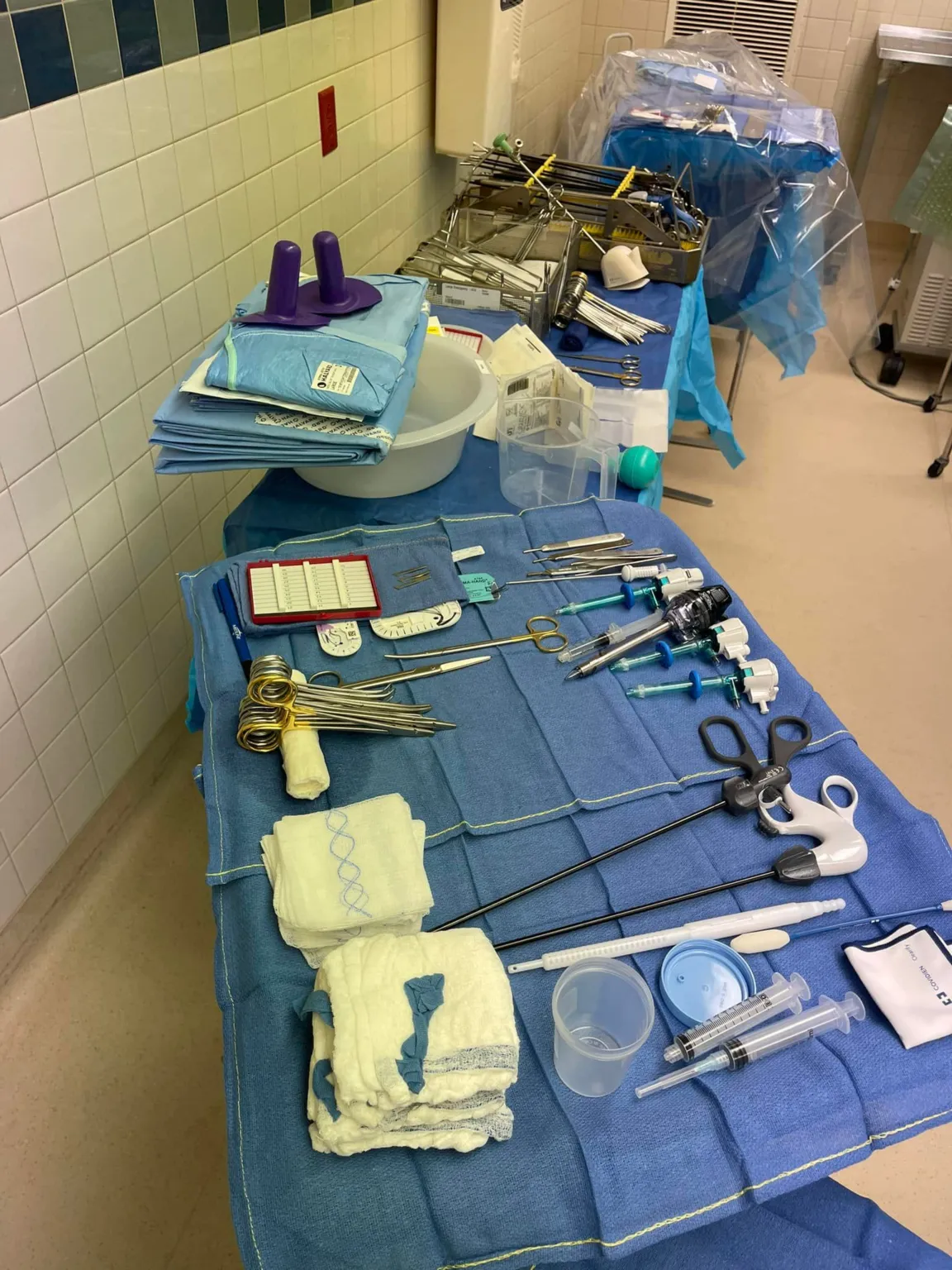
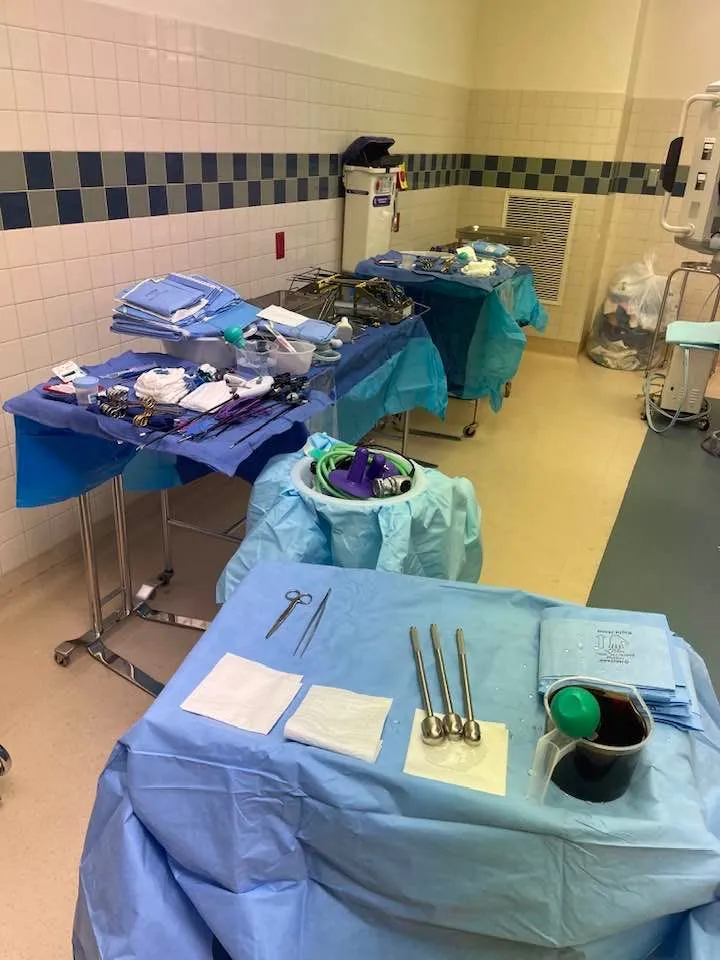
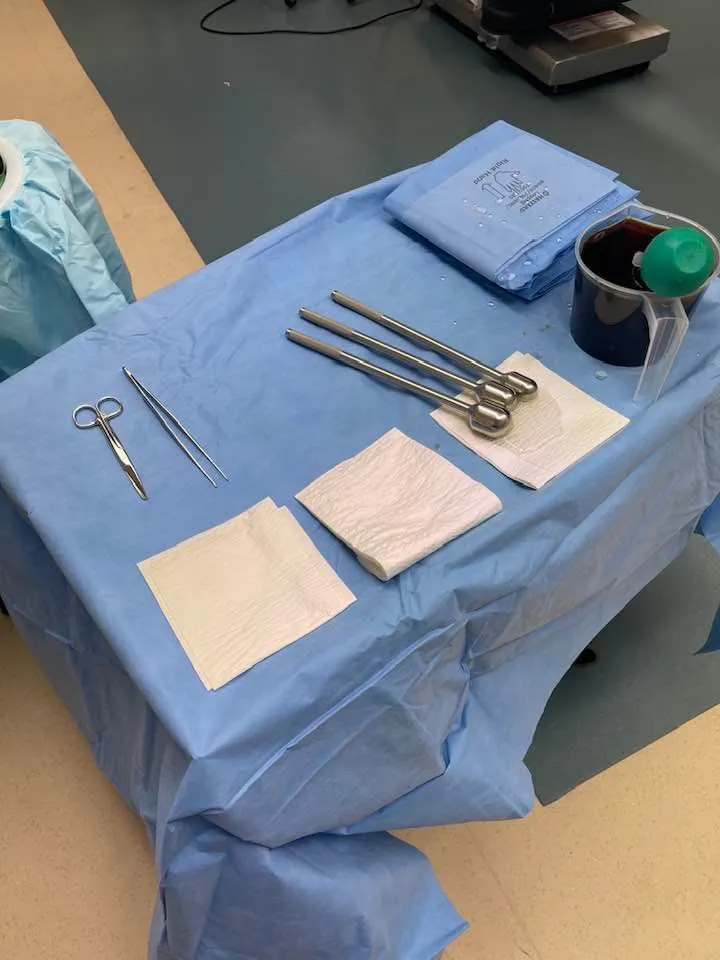
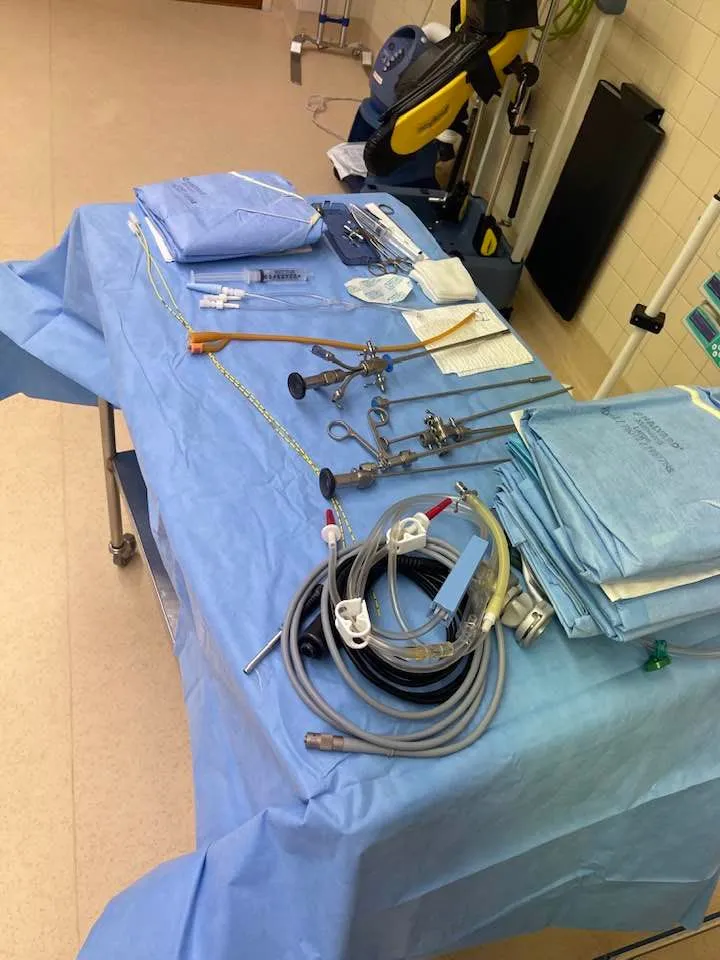
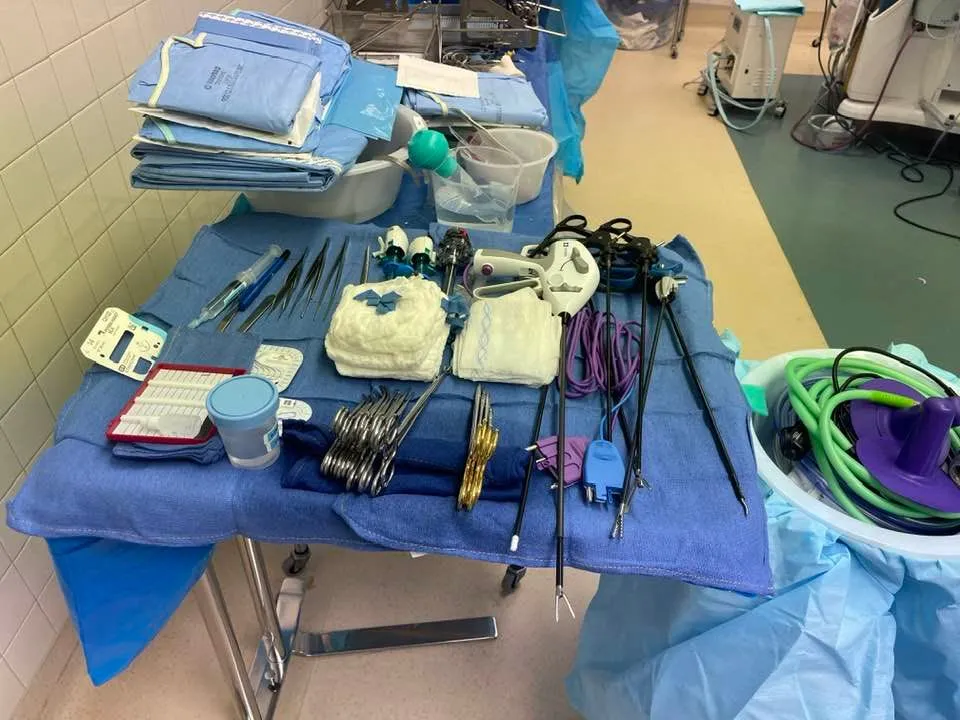
- Position
- Supine
In 30 seconds
Scan this outside the room.
- Make an incision with an 11 or 15 blade and elevate tissue with Kocher clamp. Use Metz to enter the abdominal cavity.
- Insert scope through trocarTROH-karA sharp or bladed instrument inside a tube (cannula), used to pierce a body wall and leave the tube in place as a port.Full entry for visualization. Place 3 smaller trocars.
- Use Harmonic to take down attachments and adhesionad-HEE-zhunA band of scar tissue that joins two surfaces inside the body that are normally separate.ad- towardhes stick-ion conditionFull entry . Use DeBakeys or bowel graspers to move structures.
- Clip vessels using a clip applier or cut with Harmonic or scissors.
- Make umbilical incision bigger with 15 blade, place Alexis wound protector, and remove specimen with GIA stapler.
- Deliver distal ileumIL-ee-umThe last and longest part of the small intestine, which joins the large intestine.Full entry through Alexis and use 75 GIA stapler to create anastomosisuh-nas-tuh-MOH-sisA connection between two tube-shaped structures, such as two ends of bowel or two blood vessels, made by surgery or found naturally.Full entry .
- Use TA 60 stapler and Allis clamps to close defect. Check for bleeding, irrigationeer-ih-GAY-shunWashing out a wound, body cavity, tube or eye with a steady flow of liquid.Full entry , and suction.
- Remove trocarTROH-karA sharp or bladed instrument inside a tube (cannula), used to pierce a body wall and leave the tube in place as a port.Full entry and close incisions using 4-0 monocryl.
The tray
23 instruments, by what they do. Tap a name for its card.
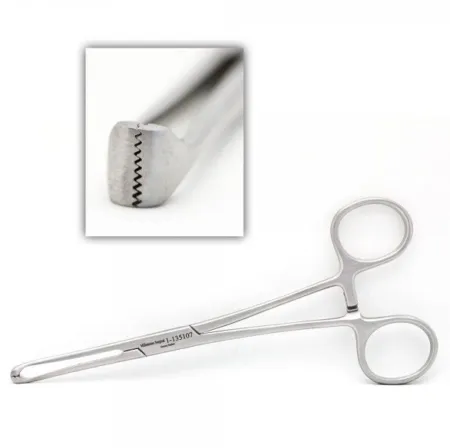 Allis ForcepsClamping
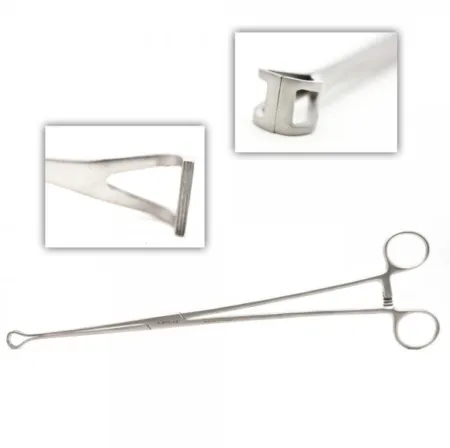 BabcockClamping
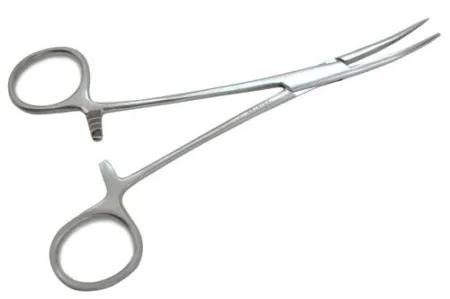 Curved HemostatsClamping
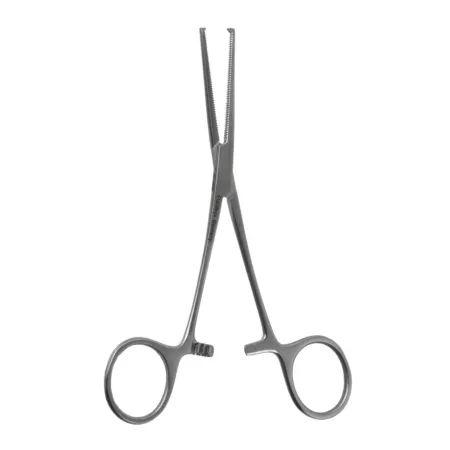 Kocher ForcepsClamping
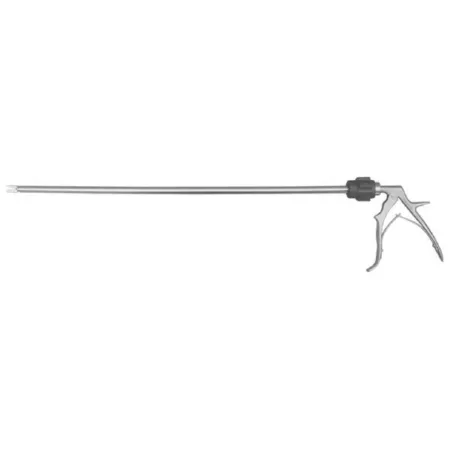 Laparoscopic Clip AppliersClamping
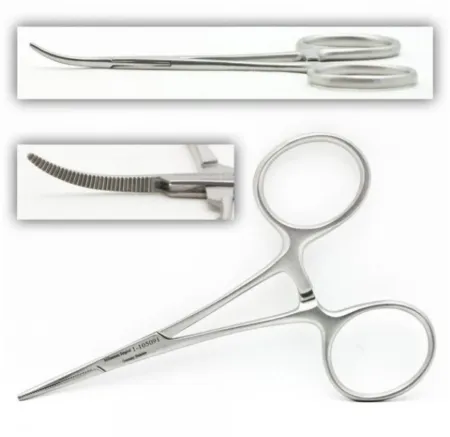 Mosquito Clamp - CurvedClamping
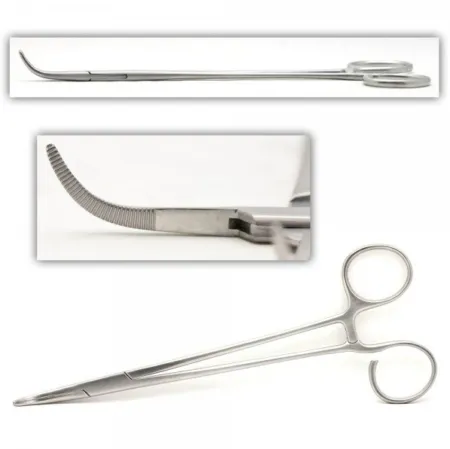 Tonsil ClampClamping
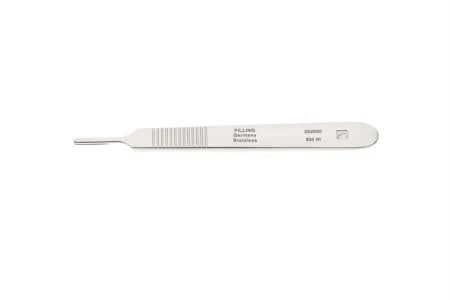 #3 Knife HandleCutting
All 23 instruments
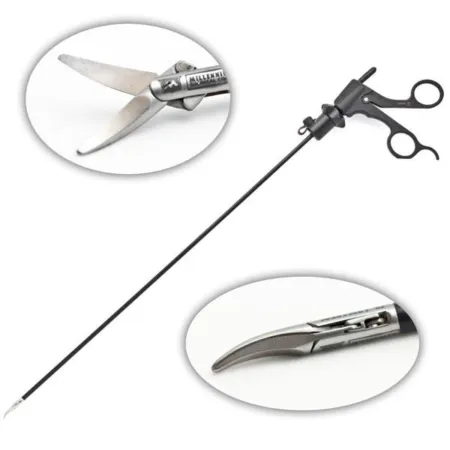 Laparoscopic Metz ScissorCutting
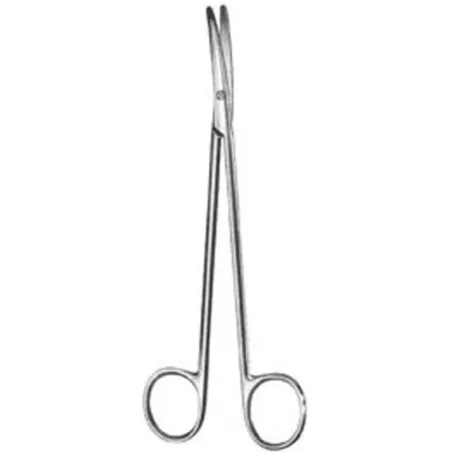 Metzenbaum ScissorCutting
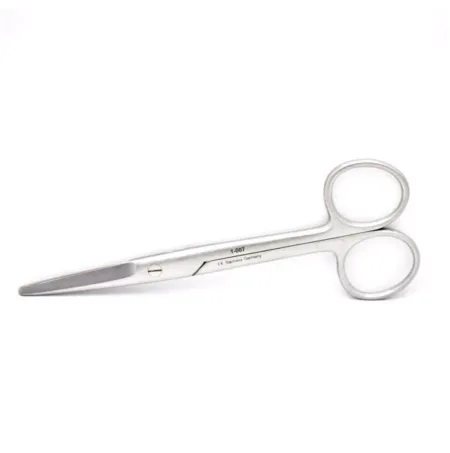 Straight Mayo ScissorCutting
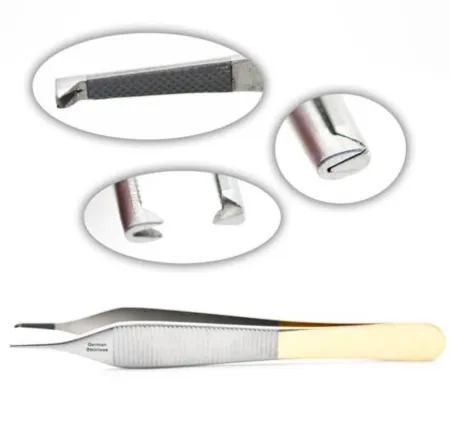 Adson ForcepsGrasping
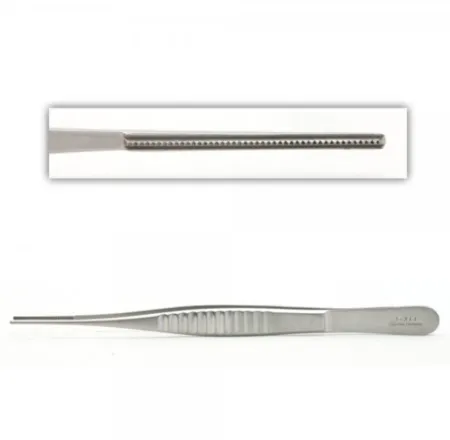 DeBakey ForcepsGrasping
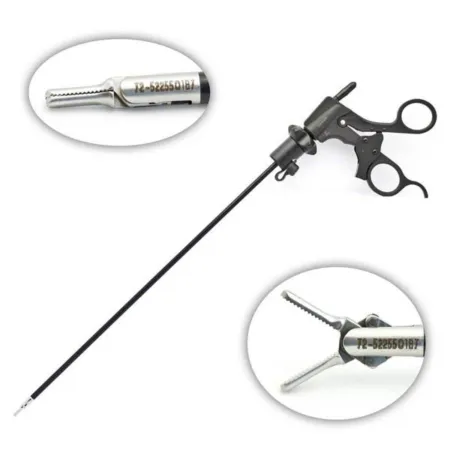 Dissecting Laparoscopic Grasper ForcepsGrasping
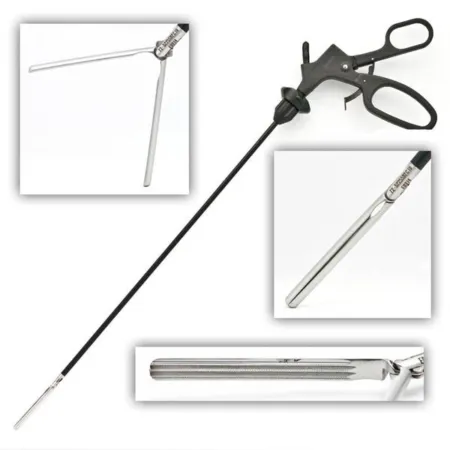 Laparoscopic Bowel GrasperGrasping
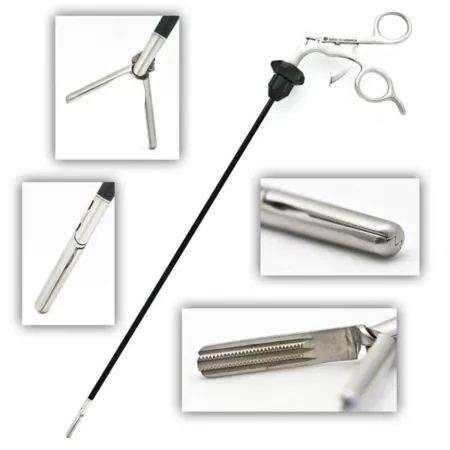 Laparoscopic DeBakey ForcepsGrasping
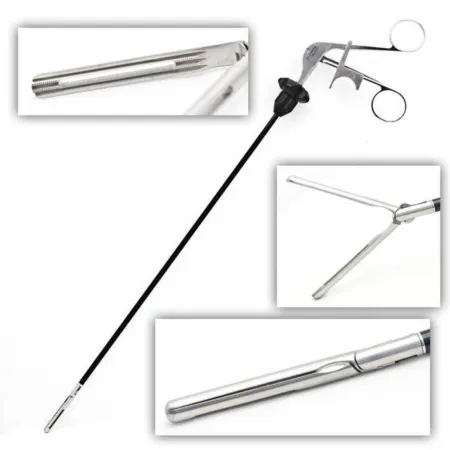 Laparoscopic Hunter Bowel GrasperGrasping
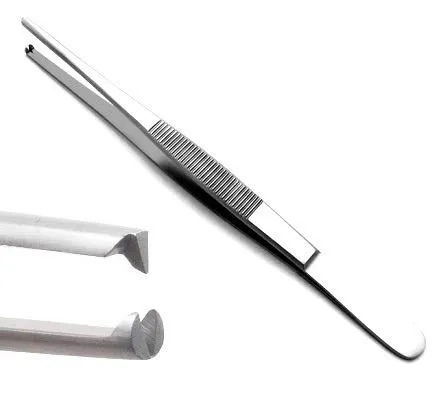 Toothed ForcepsGrasping
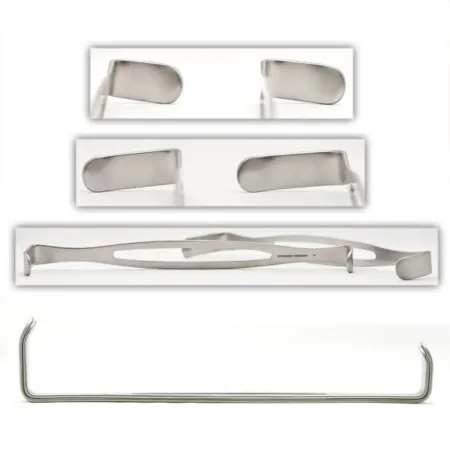 Army-Navy RetractorRetracting
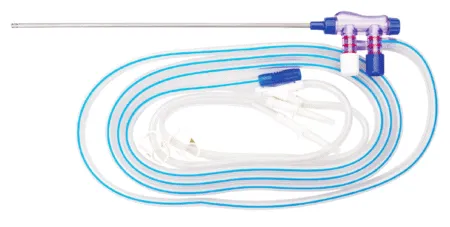 Suction IrrigatorSuctioning
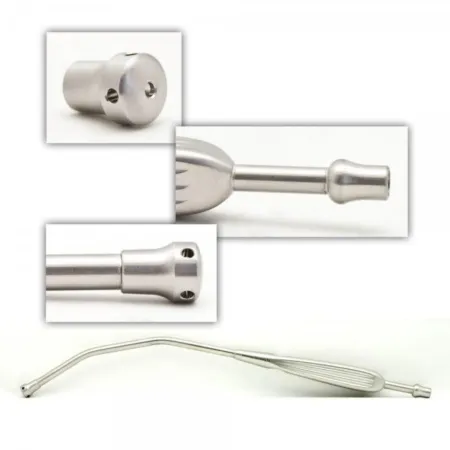 Yankauer SuctionSuctioning
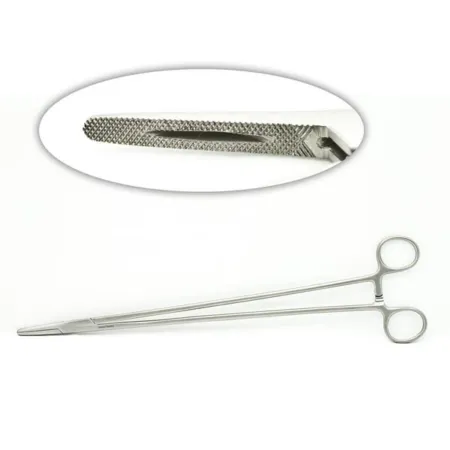 Mayo-Hegar Needle HolderSuturing
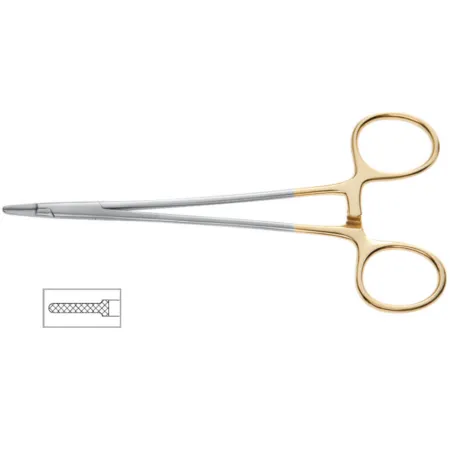 Ryder Needle HolderSuturing
Clamping & Occluding7
Cutting & Dissecting4
Grasping & Holding7
Retracting & Exposing1
Suctioning2
Suturing & Stapling2
Know this tray before you scrub in.
With Pro, for every setup in every specialty. Cancel any time.
Or scrub in free: every General setup and 5 questions a day.
The room
The equipment, the prep and drape, the suture and the medicines.
Folded towels, laparotomy drape
Step by step
6 steps, one line each.
- 1
Making the Incision and Entering the Abdominal Cavity
The first step in a laparoscopiclap-uh-roh-SKOP-ikDone through a few small cuts in the abdomen with a thin camera and long instruments, instead of one large opening.lapar/o abdomen-scopic viewingFull entry hemicolectomy is to make the incision with either an 11 blade or a 15 blade on a #3 knife handle inferior to the umbilicus. After the initial incision, a Kocher clamp is used to elevate the tissue, and the blade is used again to finish the incision. A UR-6 sutureSOO-cherA stitch, or the thread used to stitch, that holds the edges of a wound or incision together.Full entry is commonly used on both sides of the incision and clamped with hemostatHEE-moe-statA clamp with finger rings and a locking ratchet used in surgery to grasp and close off bleeding vessels.hem/o blood-stat stopping, standing stillFull entry on the end. The Metz will be used to enter the abdominal cavity, and a 12 mm Hassan is inserted into this incision. insufflationin-suh-FLAY-shunBlowing a gas into a body cavity, such as carbon dioxide into the abdomen during laparoscopic surgery.Full entry can then be turned on.
- 2
Inserting the Scope and Trocars
After the scope has been white balanced, it can be inserted through the trocarTROH-karA sharp or bladed instrument inside a tube (cannula), used to pierce a body wall and leave the tube in place as a port.Full entry for visualization. Usually, around three smaller trocars are placed. The patient will then be put into Trendelenburg positiontren-DEL-en-burg puh-ZISH-unA position in which the client lies on the back with the bed tilted so the head is lower than the feet.Full entry with their right side up.
- 3
Using Instruments to Take Down Attachments and Adhesions
A Harmonic is commonly used for taking down attachments and adhesionad-HEE-zhunA band of scar tissue that joins two surfaces inside the body that are normally separate.ad- towardhes stick-ion conditionFull entry . Different doctors prefer different laparoscopiclap-uh-roh-SKOP-ikDone through a few small cuts in the abdomen with a thin camera and long instruments, instead of one large opening.lapar/o abdomen-scopic viewingFull entry graspers, but commonly used ones are DeBakeys and bowel graspers. These instruments will be used for a large portion of the surgery, taking structures down, and moving them around. The PA, resident, you, or some sort of second person will need to retract using one of the graspers.
- 4
Clipping Vessels and Cutting with Harmonic or Scissors
Either a reusable or disposable clip applier will be used to clip vessels. Either the Harmonic or scissors will be used to cut them. Sometimes a Ligasure is used.
- 5
Delivering the Specimen and Creating the Anastomosis
The umbilical incision will be made bigger using a 15 blade, and an Army Navy retractorrih-TRAK-terA surgical instrument that holds back tissue or organs so the surgeon can see and reach the operative site.Full entry can be used to retract. Once the incision has been made to the appropriate size, a wound protector (Alexis) will be placed. The specimen/tumor will be delivered through the Alexis, and a GIA stapler will be used to staple and cut the portion of colon off. The specimen should be considered contaminated since it is colon, so it and the stapler should be placed in a separate area so the rest of your things aren't contaminated. A Babcock clamp is placed on the distal side, and the distal ileumIL-ee-umThe last and longest part of the small intestine, which joins the large intestine.Full entry will be delivered through the Alexis. The two ends of the bowel are placed together for the anastomosisuh-nas-tuh-MOH-sisA connection between two tube-shaped structures, such as two ends of bowel or two blood vessels, made by surgery or found naturally.Full entry , and a 75 GIA is commonly used to create the anastomosis. The bovie will be used to create a hole where the stapler can be placed into, and it will be widened with a hemostatHEE-moe-statA clamp with finger rings and a locking ratchet used in surgery to grasp and close off bleeding vessels.hem/o blood-stat stopping, standing stillFull entry or tonsilTON-sulOne of the masses of lymph tissue at the back of the throat that help fight germs entering the mouth and nose.Full entry . An Allis clamp may also be used to help with the stapler placement. The stapler will be fired, and hemostasishee-moh-STAY-sisThe stopping of bleeding, either by the body's own clotting process or by medical or surgical methods.hem/o blood-stasis stopping, standing stillFull entry is confirmed. Several Allis clamps will be used to help close the rest of the defect with the commonly used TA 60 stapler.
- 6
Closing Incisions and Checking for Bleeding
The bowel can be dropped back into the abdomen, and that incision can be closed. The abdomen will be reinsufflated, and the abdominal cavity will be checked for any bleeding, as well as be irrigationeer-ih-GAY-shunWashing out a wound, body cavity, tube or eye with a steady flow of liquid.Full entry and suctioningSUK-shun-ingRemoving mucus, saliva or other secretions from the mouth, nose or airway with a tube connected to a suction source.Full entry . The trocarTROH-karA sharp or bladed instrument inside a tube (cannula), used to pierce a body wall and leave the tube in place as a port.Full entry can be removed, and all incision can be closed. 4-0 monocryl is commonly used.
The case
Laparoscopic hemicolectomy is a surgical procedure used to treat colon cancer or other conditions affecting the colon. During the procedure, a portion of the colon is removed, and the remaining healthy parts of the colon are reconnected to restore the normal digestive function. The surgery is performed through small incisions using a laparoscope, a special camera that allows the surgeon to see inside the abdomen, and specialized instruments. Laparoscopic hemicolectomy is a minimally invasive surgery that offers several benefits over traditional open surgery, including less pain, faster recovery, and a shorter hospital stay.
Built by the techs who scrub it.
Every surgeon runs it a little differently. Send your table, or a fix for this page.
 Diana Lei-alohaReviewer
 Jessica CarrPhotos
The rest of this setup is Pro.
Everything unlocked above stays free. Pro opens the rest, on every setup: where new techs slip, what to load next at every step, the circulator’s side, the medicines, the specimen, wound class and trays on standby, what to grab if it goes wrong, and practice for every tray.
Free, for good. No card.
- All 2,882 instrument cards
- Every General setup in full
- 5 exam questions a day
- Your own preference cards
Pass your exam. Know every case.
Everything in Free, plus:
- All 260 setups in every specialty: back table, Mayo and every step
- Practice that never runs out and full timed exams for the CST, TS-C, CRCST, CSPDT and CSFA, with the why behind every answer
- Flashcards on any tray, timed to come back before you forget
- Every instrument card in full: the 3D model, cautions, inspection, how to pass it
Cancel any time from your account. Not worth it? Email us within 30 days of a charge for a refund, one per customer. Refund policy
Pro is also in the CSTSetup app, on the same account. Already have Pro? Log in
Send your table
Your Mayo, your back table, your surgeon’s way, or anything wrong on this page. Your email is only used to credit you. Submissions stay private and are reviewed by our team; accepted ones earn a Contributor credit here.