Perianal Abscess
This procedure involves the incision and drainage of a localized collection of purulent material in the tissues surrounding the anal canal. The goal is to evacuate the infection and allow for the exploration of any associated fistulous tracts.
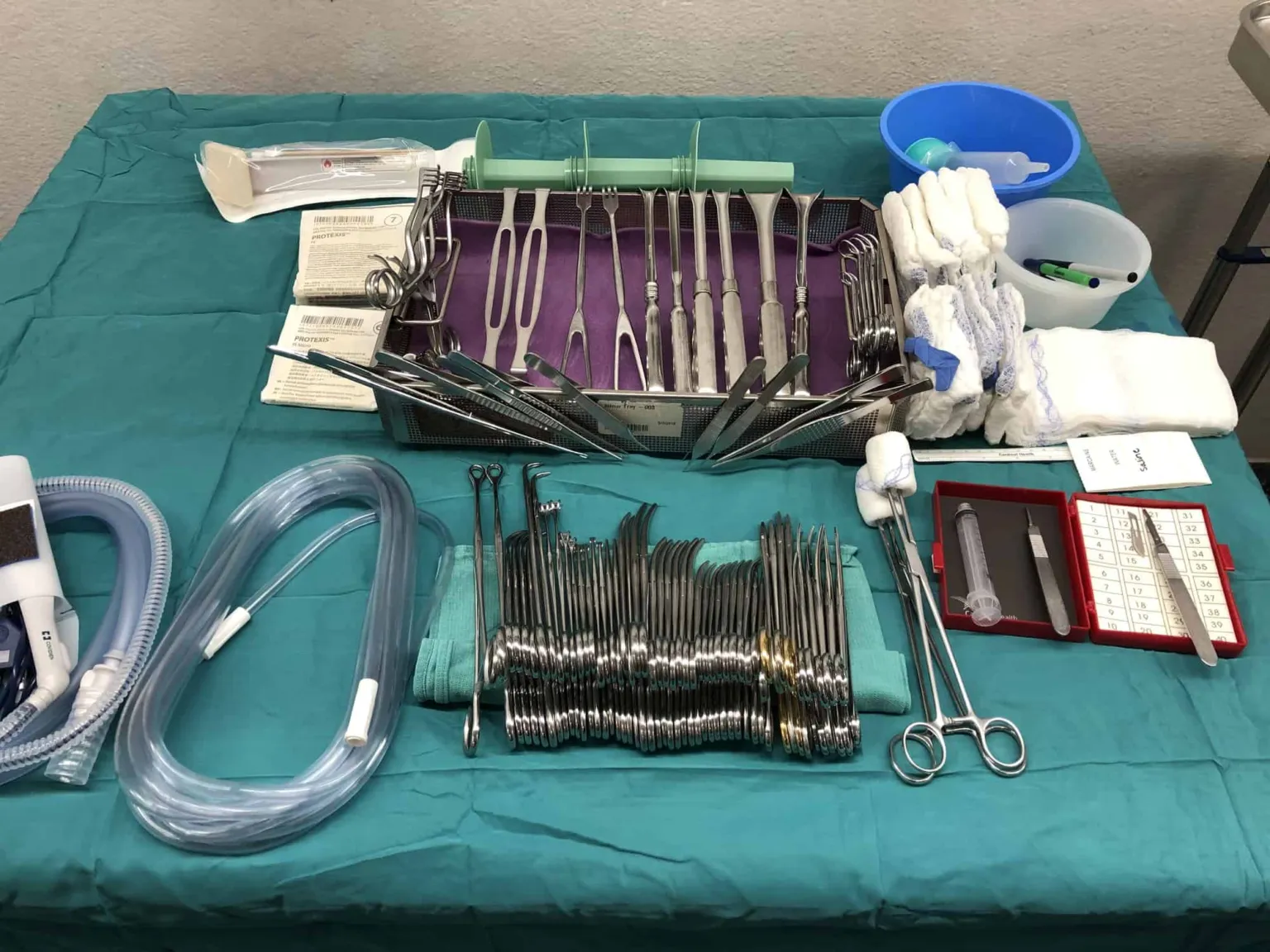 Tap a photo to zoom · 1 photo
- Position
- Prone · Lithotomy
In 30 seconds
Scan this outside the room.
- The Surgery Sparknotes
- Make incision with 15 blade
- Explore abscessAB-sesA closed pocket of pus in tissue, walled off by the body.Full entry with hemostatHEE-moe-statA clamp with finger rings and a locking ratchet used in surgery to grasp and close off bleeding vessels.hem/o blood-stat stopping, standing stillFull entry and metzenbaums
- Use culture swabs to collect samples from abscessAB-sesA closed pocket of pus in tissue, walled off by the body.Full entry
- Drain abscessAB-sesA closed pocket of pus in tissue, walled off by the body.Full entry with raytecs or laps
- irrigationeer-ih-GAY-shunWashing out a wound, body cavity, tube or eye with a steady flow of liquid.Full entry and sutureSOO-cherA stitch, or the thread used to stitch, that holds the edges of a wound or incision together.Full entry or insert penrose drain
- Apply ABD pad and mesh panties as necessary
The tray
8 instruments, by what they do. Tap a name for its card.
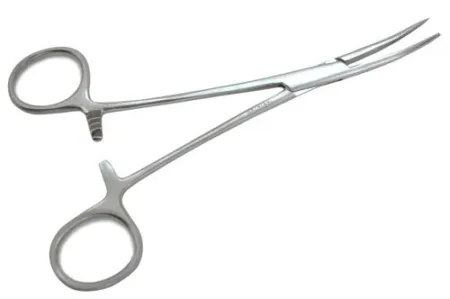
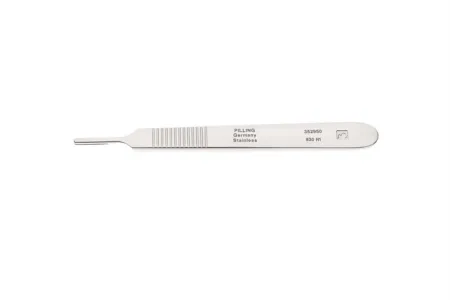
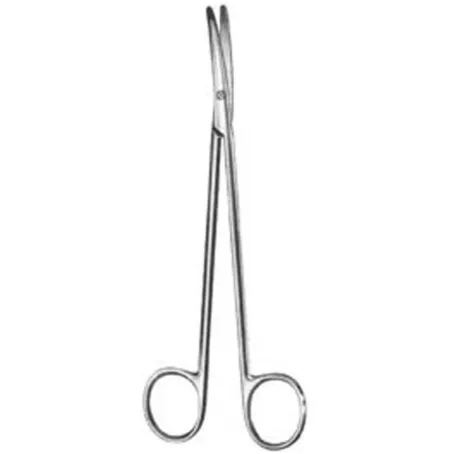
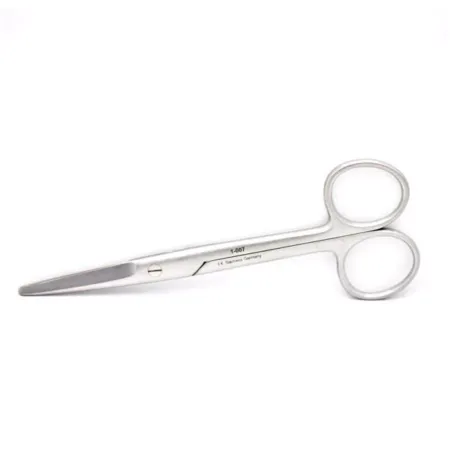
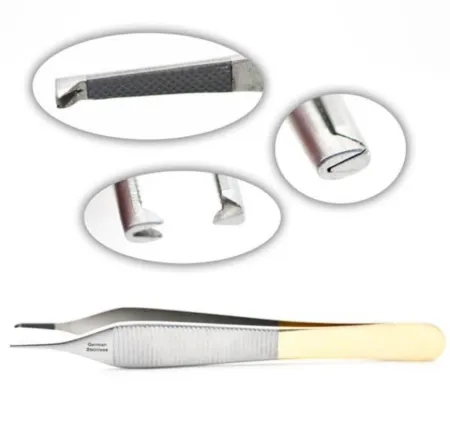
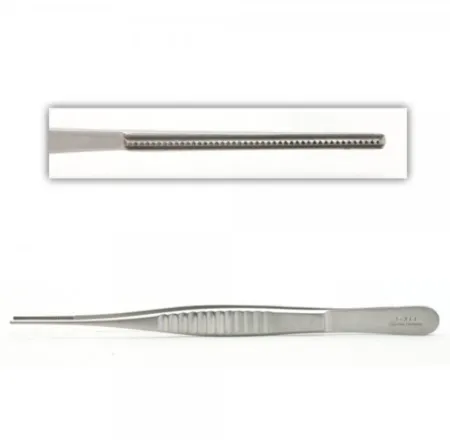
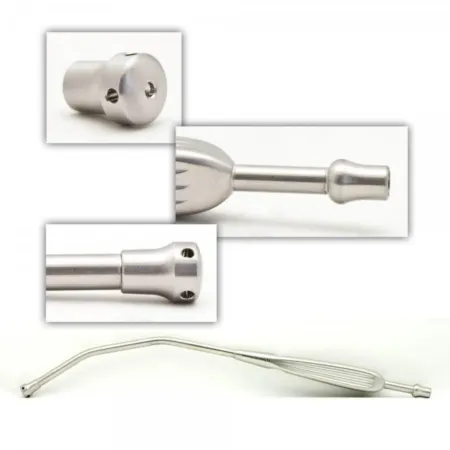
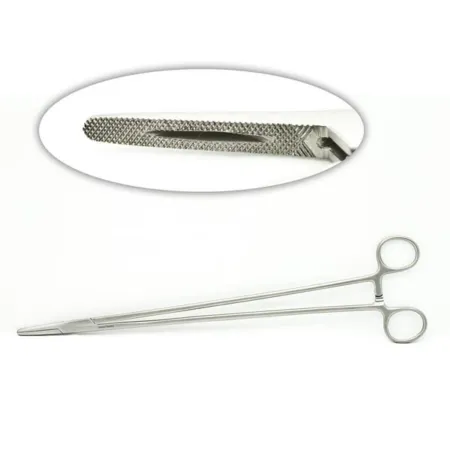
Clamping & Occluding1
Cutting & Dissecting3
Grasping & Holding2
Suctioning1
Suturing & Stapling1
Know this tray before you scrub in.
With Pro, for every setup in every specialty. Cancel any time.
Or scrub in free: every General setup and 5 questions a day.
Step by step
6 steps, one line each.
- 1
Incision
During the surgery, the surgeon will begin by making an incision on top of or around the abscessAB-sesA closed pocket of pus in tissue, walled off by the body.Full entry using a 15 blade. This incision allows the surgeon to access the abscess and drain any accumulated pus.
- 2
Exploration
Once the incision has been made, the surgeon will explore the abscessAB-sesA closed pocket of pus in tissue, walled off by the body.Full entry using a hemostatHEE-moe-statA clamp with finger rings and a locking ratchet used in surgery to grasp and close off bleeding vessels.hem/o blood-stat stopping, standing stillFull entry , and may also require the use of metzenbaums if the abscess is deep.
- 3
Culturing
As the abscessAB-sesA closed pocket of pus in tissue, walled off by the body.Full entry will have already started to leak at this point, the surgical technologistSUR-jih-kul tek-NOL-uh-jistA member of the operating room team who prepares the sterile field and instruments and hands them to the surgeon.Full entry needs to have culture swabs available to obtain samples from the ruptured abscess for testing. This is essential in identifying the type of bacteria causing the abscess.
- 4
Drainage
After exploring the abscessAB-sesA closed pocket of pus in tissue, walled off by the body.Full entry , the surgeon will drain the area of any pus and debris. Raytecs or laps should be available as the surgeon will require multiple of them, depending on the size of the abscess.
- 5
Irrigation and Closure
Once the area has been drained, it will be irrigationeer-ih-GAY-shunWashing out a wound, body cavity, tube or eye with a steady flow of liquid.Full entry to eliminate any remaining debris or bacteria. The surgeon may then sutureSOO-cherA stitch, or the thread used to stitch, that holds the edges of a wound or incision together.Full entry the area closed or insert a penrose drain. If a penrose drain is used, the surgical technologistSUR-jih-kul tek-NOL-uh-jistA member of the operating room team who prepares the sterile field and instruments and hands them to the surgeon.Full entry will need to ensure that it is cut and sutured in place correctly.
- 6
Dressing
Typically, dressings are not used for these types of incisions. However, the surgeon may request an ABD pad and mesh panties to be placed over the site. The surgical technologistSUR-jih-kul tek-NOL-uh-jistA member of the operating room team who prepares the sterile field and instruments and hands them to the surgeon.Full entry should ensure that the dressing is applied correctly. Tips and tricks Some may not use a Mayo standMAY-oh standA small tray on an adjustable stand placed over or beside the patient during surgery to hold the instruments used most often.Full entry while setting these surgeries up, but feel free to use whatever you are comfortable with. Patient may only be sedationsih-DAY-shunA calm, relaxed or sleepy state brought on by drugs, or the use of drugs to cause it.sed calm, settle-ation processFull entry , but will more than likely be asleep.
The case
A perianal abscess surgery is a procedure performed to drain a collection of pus that has formed in the tissues around the anus. The surgery involves making an incision in the abscess, draining the pus, and irrigating the area. The abscess may be sutured closed or a penrose drain may be inserted to facilitate further drainage. The surgery is typically performed under sedation or general anesthesia and may involve positioning the patient in lithotomy or prone position.
Built by the techs who scrub it.
Every surgeon runs it a little differently. Send your table, or a fix for this page.
 Lauren WhiteReviewer
The rest of this setup is Pro.
Everything unlocked above stays free. Pro opens the rest, on every setup: where new techs slip, what to load next at every step, the circulator’s side, the medicines, the specimen, wound class and trays on standby, what to grab if it goes wrong, and practice for every tray.
Free, for good. No card.
- All 2,882 instrument cards
- Every General setup in full
- 5 exam questions a day
- Your own preference cards
Pass your exam. Know every case.
Everything in Free, plus:
- All 260 setups in every specialty: back table, Mayo and every step
- Practice that never runs out and full timed exams for the CST, TS-C, CRCST, CSPDT and CSFA, with the why behind every answer
- Flashcards on any tray, timed to come back before you forget
- Every instrument card in full: the 3D model, cautions, inspection, how to pass it
Cancel any time from your account. Not worth it? Email us within 30 days of a charge for a refund, one per customer. Refund policy
Pro is also in the CSTSetup app, on the same account. Already have Pro? Log in
Send your table
Your Mayo, your back table, your surgeon’s way, or anything wrong on this page. Your email is only used to credit you. Submissions stay private and are reviewed by our team; accepted ones earn a Contributor credit here.