Surgical Tech Clinicals: Be Ready for Tomorrow's Case
Log your cases wherever your program says. Then spend ten minutes tonight on the part that decides how tomorrow goes.
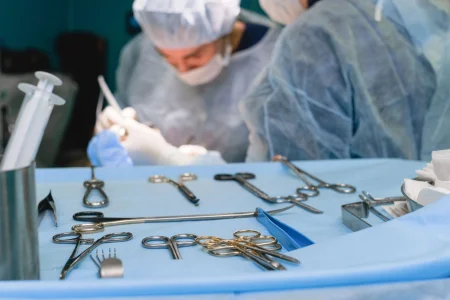
Surgical tech clinicals are where the program stops being a classroom. You scrub real cases with real surgeons, and every one of them goes in your case log toward graduation.
Your program picks the case tracker, and you log every case in it, the same day, with the right scrub role. That part is paperwork, and it matters. But what decides whether you are ready when the surgeon holds out a hand happens the night before, and on the first morning you walk in.
Before your first day
Your site will send its own list, and it wins over this one. Most students need:
- Your paperwork, done early. Immunisations, background check and drug screen are usually due before you are allowed on site, and a missing form can cost you a week.
- Shoes you can stand in for ten hours. Closed-toe, fluid-resistant and easy to clean.
- Short, bare nails and no jewelry. No polish or artificial nails in the OR.
- A small notebook. For preference cards, door codes and the name of every person who helps you.
- Food you can eat in five minutes. Lunch happens between cases, when it happens.
Look up tomorrow's case tonight
Ask your preceptor or check the board for tomorrow's cases before you leave. Then, for each one, know four things:
- The setup. What goes on the back table and the Mayo stand, and in what order.
- The instruments. Every one on the tray by name, and what it is for.
- The steps. What the surgeon does next, so you can hand it over before they ask.
- The count. What gets counted, and when.
Your surgeon's preference card has the final say. Knowing the standard setup first is what lets you spot where their card is different.
A lap chole, the night before.
The case most students meet first. The photo from the room, every instrument on the tray, and the case step by step. Free to open.
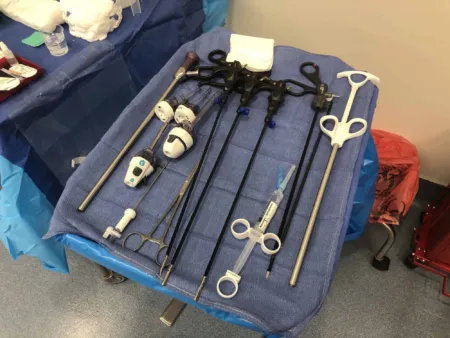
Laparoscopic Cholecystectomy (Lap Chole)
The case, step by step
- 1Incision and Trocar Insertion
- 2Verres Needle Insertion
- 3Pneumoperitoneum
- 4Gallbladder Dissection
- 5Cystic Artery Clip Applier
- 6Gallbladder Removal
On the tray · 18 instruments
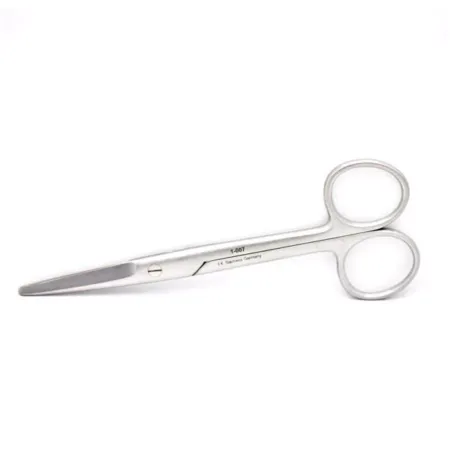
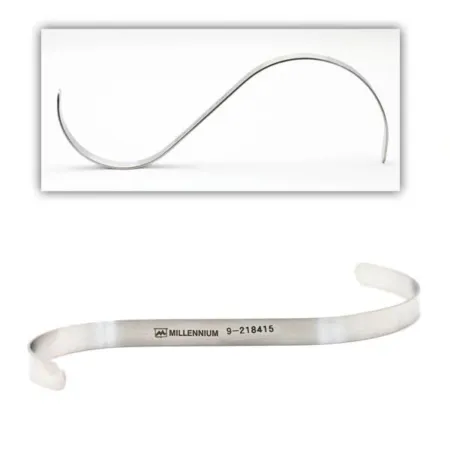
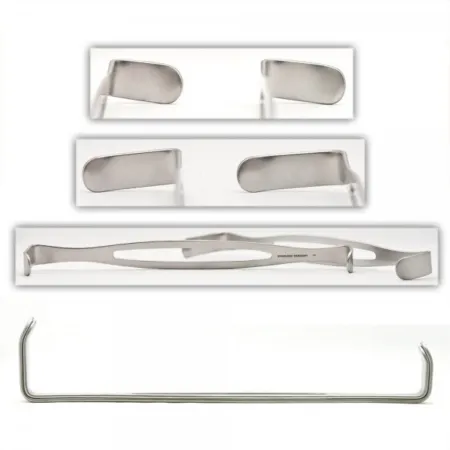
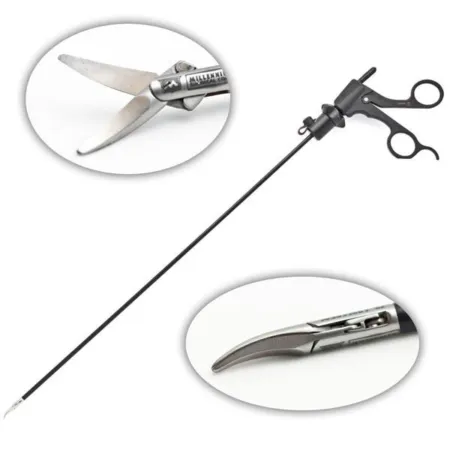
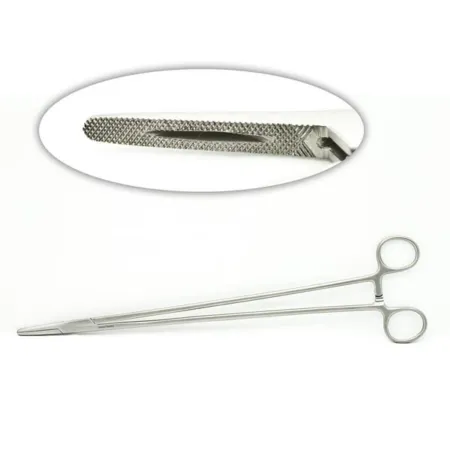
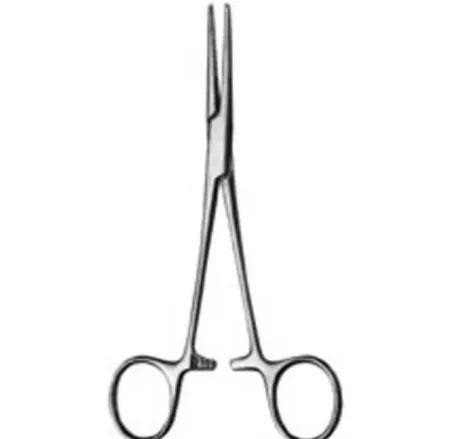
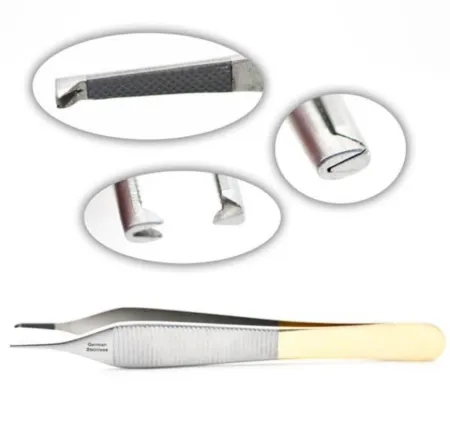
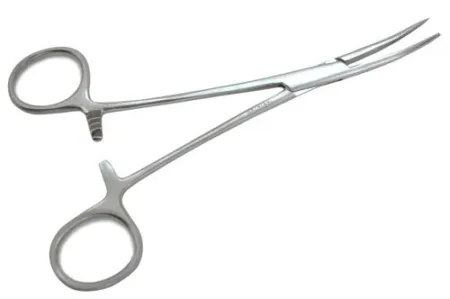
Drill the tray, not the textbook
Reading a list of instruments is not the same as knowing them on sight. Turn the tray into flashcards: the photo on one side, the name and its use on the other. Five minutes before bed, five more in the morning, and the ones you miss come back first.
With Pro, every setup on CSTSetup is also a flashcard deck built from its own tray. Here is the lap chole's.
Working with your preceptor
Your preceptor is teaching you on top of a full day's work. Make it easy for them to say yes to you:
- Introduce yourself before the case, and say what you have done so far: observed, second scrubbed, first scrubbed.
- Ask how they like the Mayo set up, then set it up that way every time.
- Save questions for after the case, unless it is about sterility. Then speak up immediately.
- Ask for one thing to fix at the end of each day, and fix it tomorrow.
Mistakes that get students pulled from a site
Sites can ask a program to remove a student, and it is rarely about skill. It is almost always one of these:
- Breaking sterility and not saying so. Contaminating something is normal. Hiding it is not.
- A phone out in the OR.
- Arriving late, or leaving before you are dismissed.
- Arguing with staff in the room. Take it to your clinical instructor instead.
- Not knowing the basic instruments by the second week.
Know the count
Sponges, sharps and instruments are counted on every case where one could be left behind, and you count them out loud with the circulator. Our surgical counts guide covers what is counted, when, and what happens when a count is off.
Then log it the same day
Log the case in whatever tracker your program uses, that day, while you still remember what you actually did. Check your scrub role before you submit it: a First Scrub means you did every part of the case yourself. Our logging guide has the full rules and a checker.
If your program runs on CSTSetup, the case log is in the same app as the setups and flashcards.
Surgical tech clinicals: common questions
How many cases do you need?
For the CST, an accredited program requires 120 cases, with minimums for general surgery, specialties and first scrubs inside that total. The TS-C asks for 125 and the CSFA for 140. The logging guide has every number.
Do students scrub in during clinicals?
Yes. Most students start by observing, move to second scrub alongside a preceptor, and work up to first scrubbing whole cases on their own.
How long are surgical tech clinicals?
It depends on your program. Most place students in clinical rotations for one or two semesters, usually full days at one or more hospitals or surgery centers.
What should I study before clinicals?
Basic instruments by sight, aseptic technique, and the setups for the cases your site does most. General surgery is where nearly everyone starts.
Tomorrow's case, in your pocket.
Setups by procedure, the instrument library and flashcards, on your phone between cases.
Teaching this class? See what a case tracker can do now