Pediatric Surgery: What Changes From an Adult Case
You know the operation. The patient is smaller, gets cold in minutes, has less blood to spare and comes with a parent at the door. Here is everything to do differently, in the order you meet it.
- Sterile techniqueEvery rule you already follow.
- The countsSame counts, same times.
- The time outSame pause before the incision.
- The instrumentsThe same kinds, shorter and finer.
Warm the room before the child comes in.
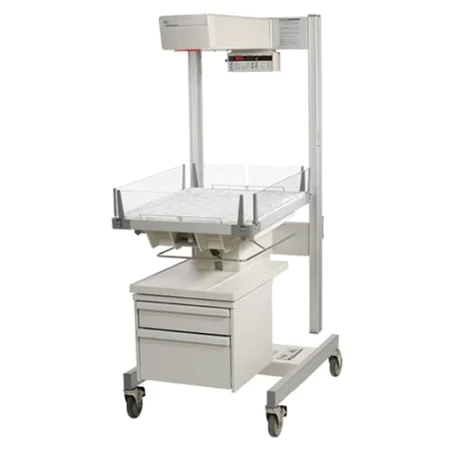
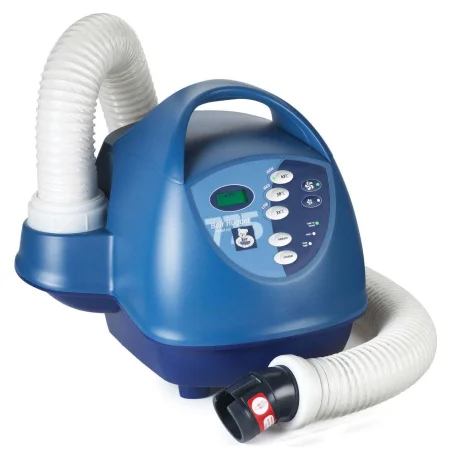
Children lose heat faster than adults. They have more skin for their size, little fat to hold the heat in, and babies can’t shiver: a baby burns a special fat for warmth instead, which uses up oxygen and sugar. A cold child can run into trouble with breathing, blood sugar and heart rhythm, and once chilled is hard to warm back up.
Your part:
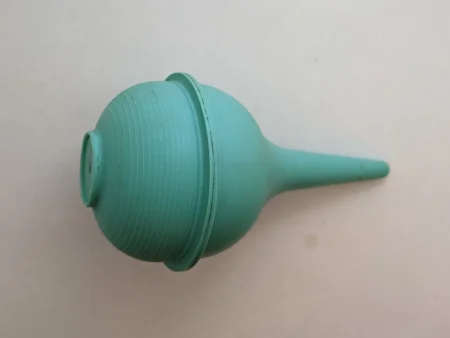
- Warm the irrigation, and check its temperature before you hand up the bulb syringe.
- Wet sponges with warm saline.
- Keep prep from pooling under the child. Wet drapes and linen cool a child fast.
- Leave only the field uncovered, and expect the room to be warmed again before the drapes come off.
CirculatorRoom warmed early, a warming blanket or radiant warmer, a hat for babies, and IV fluids and blood warmed, never above 38 °C (100.4 °F).
- Older children
- 23–24 °C 73.4–75.2 °F
- Newborns and infants
- 26–27 °C 78.8–80.6 °F

Everything on your table gets smaller.
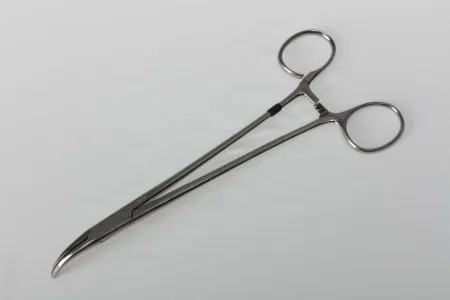
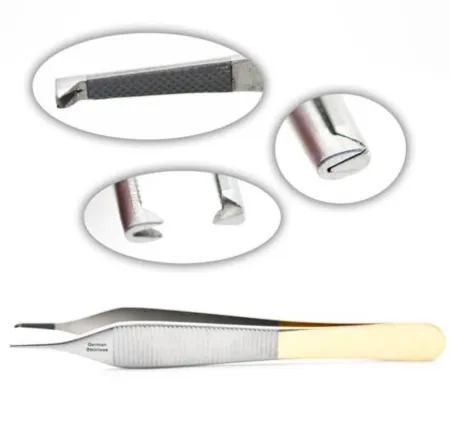
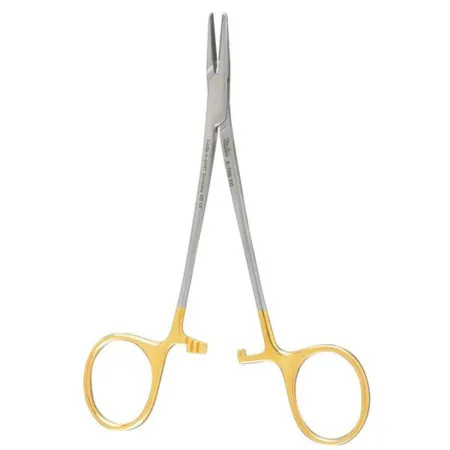
The instruments are the same kinds you already know, only shorter and finer, with gentler curves. Incisions are shorter and shallower, so the set is smaller too, and many hospitals keep sets by size: infant, child and adolescent.
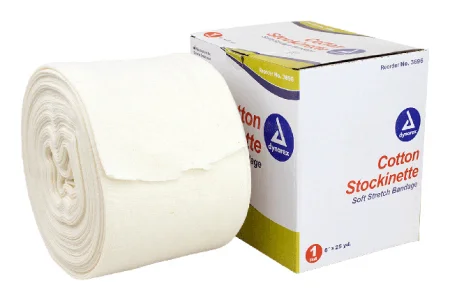
Suture runs anywhere from 1 to 7-0, but most of what you load is 3-0 to 5-0 on 1/2- and 3/8-circle needles, and absorbable suture is used more often. Skin is usually closed with a subcuticular stitch under strips or skin glue; staples are rare. Dressings are small, held on with a clear film or an elastic net, and tape goes on sparingly because a child’s skin tears easily.
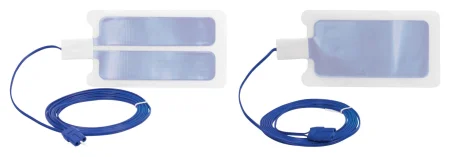
CirculatorA pediatric return electrode, in the size the manufacturer specifies. Never cut one down to fit.
- 1
- 0
- 2-0
- 3-0
- 4-0
- 5-0
- 6-0
- 7-0
Most used: 3-0 to 5-0. Eye and plastic surgery go finer, to 8-0 through 10-0.
Every milliliter is counted.
A child has less blood than you would guess, and can’t afford to lose much of it. Blood volume is about 85 to 90 mL for every kilogram in a newborn, 80 in a child and 70 in an adult. A newborn’s whole supply is less than a 12-ounce can of soda, so the team tracks every milliliter that goes in and comes out.
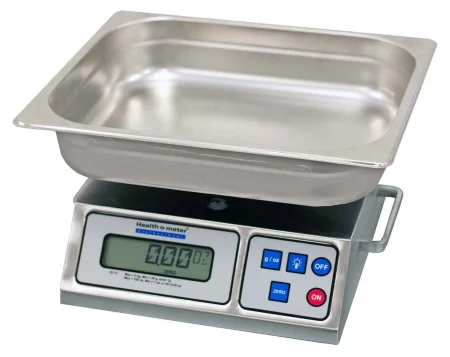
CirculatorWeigh sponges as soon as they come off, on a gram scale set to subtract the dry weight, before they dry out. Urine is measured in milliliters; anesthesia runs fluids through microdrip tubing from small bags.
3.5 kg
20 kg
70 kg
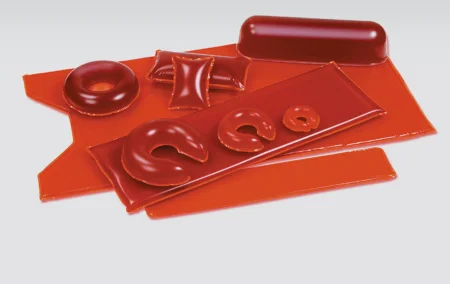
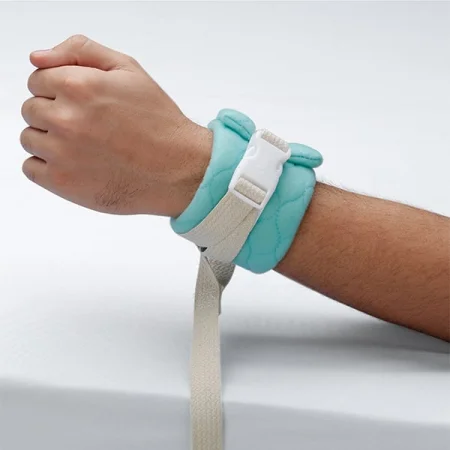
Soft straps, gentle joints, no tape.
The positions are the ones you know. A child’s joints bend further than an adult’s but are fragile, and their skin is far more delicate.
CirculatorCheck the skin before and after: the pressure points, under every strap and pad, and the return electrode site.
Be ready before the door opens.
Going to sleep is the moment a child is most afraid, and the moment the room should be calmest. This is how it usually goes.
- 1
Set up before they come in
Your table is ready before the child comes through the door, so the anesthesia provider can start straight away. Instruments that look frightening stay covered or out of sight.
- 2
A parent may come too
Many hospitals let a parent stay until the child is asleep. A favorite toy or blanket may come in as well, labeled and given back to the family.
- 3
Breathing off to sleep
Most children go to sleep breathing anesthetic gas through a mask, sometimes held near the face first. The IV usually goes in once they are asleep.
- 4
Keep the room quiet
Talk low, no clatter of instruments, stay still at your table. A child’s airway is small and soft, and their oxygen drops fast if breathing stops, so anesthesia needs the room calm and everyone ready to help.
- 5
Private things wait for sleep
Skin prep, a urinary catheter and any hair removal happen once the child is asleep, and they stay covered as much as possible.
- 6
Wake them the same way
A child often wakes up the way they went to sleep, so keep the same calm, quiet room at the end of the case.
It is a greater risk in children than in adults. Know where the MH cart is before the child comes in.
Children with spina bifida are often allergic to latex, so many hospitals run their cases latex-free.
CirculatorTwo working suctions, the MH cart located, and stay beside the child until they are asleep.
Talk to the child, check with the parent.
A small child can’t always tell you who they are or what hurts. The parent knows the child better than any chart, so they are part of the check-in.
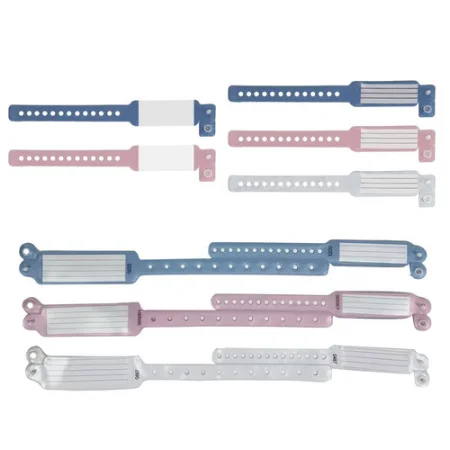
- Who the child isThe parent says the child’s name and date of birth, and both must match the chart and the wristband. An older child says it too.
- The siteThe parent confirms the marked site matches the consent.
- Who can signA legal parent or guardian signs the consent. A foster parent can’t; the child’s agency does.
- Allergies, latex includedAsked of the parent, and checked against the chart.
| Instead of | Say |
|---|---|
| Stick, poke | Pinch |
| Gas | Air, a breeze |
| Put to sleep | Take a nap |
| Strap in | Put on the safety belt |
| Cold | Feels cool |
| Electrodes | Stickers |
| Blood pressure cuff | A hug for your arm |
Be honest, and keep it simple. A child’s trust starts with careful, truthful words about what will happen next.
What each age fears, and what helps.
Fears change every few years. Knowing the stage tells you what to say at the door.
- Birth to 12 months
Infants
- Afraid of
- Loud noise and sudden change. From about 7 months, strangers and being apart from a parent.
- What helps
- Being held, warmth, a blanket or soft toy from home.
- 1 to 2 years
Toddlers
- Afraid of
- Being left, strangers, machines, anything that breaks the skin. A bandage really matters.
- What helps
- A favorite toy, short true words, trying the mask on a teddy bear first.
- 3 to 5 years
Preschoolers
- Afraid of
- The unknown, and words that sound like harm. Things can seem alive to them.
- What helps
- Simple, true explanations, and a parent at induction where it’s allowed.
- 6 to 11 years
School age
- Afraid of
- Pain, injury, losing control and being seen undressed.
- What helps
- Knowing what comes next, and small choices: which hand for the IV, the mask’s flavor.
- 12 to 17 years
Teens
- Afraid of
- Losing privacy, changes to how they look, what friends will think. Many hide fear and pain.
- What helps
- Straight answers, staying covered, and walking into the room if they aren’t sedated.
The pediatric cases you’ll scrub most.
Each setup lays out the case the way your back table does: the instruments, the equipment, the steps and what to hand next.
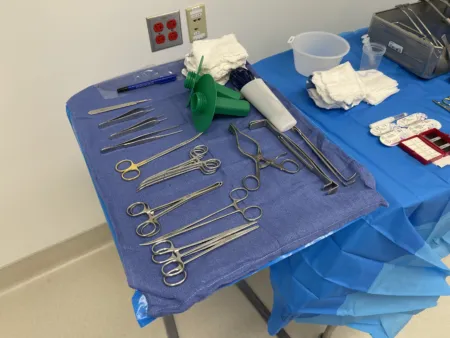 Umbilical Hernia RepairGeneral · 20 instruments · 3 photos
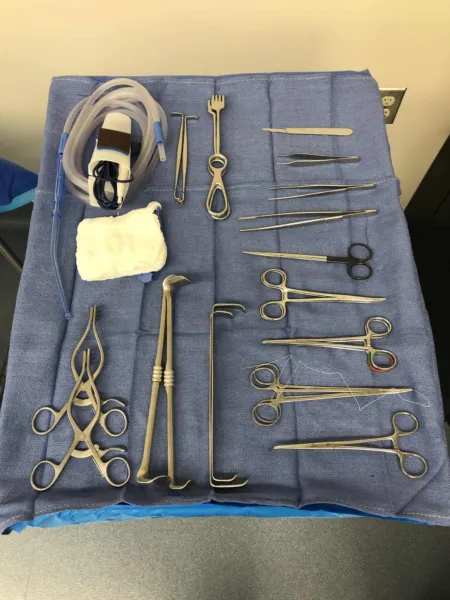 Inguinal Hernia RepairGeneral · 16 instruments · 2 photos Cleft Lip RepairENT · 21 instruments
Free, and what Pro adds.
Free, for good. No card.
- All 3,358 instrument cards
- Every General setup in full
- 5 exam questions a day
- Your own preference cards
Pass your exam. Know every case.
Everything in Free, plus:
- All 385 setups in every specialty: back table, Mayo and every step
- Practice that never runs out and full timed exams for the CST, TS-C, CRCST, CSPDT, CSFA, NCLEX-RN and NCLEX-PN, with the why behind every answer
- Flashcards on any tray, timed to come back before you forget
- Every instrument card in full: the 3D model, cautions, inspection, how to pass it
Cancel any time from your account. Not worth it? Email us within 30 days of a charge for a refund, one per customer. Refund policy
Pro is also in the CSTSetup app, on the same account. Already have Pro? Log in
Pediatric surgery, answered.
- How warm should the OR be for a pediatric case?Warmed before the child arrives: 26 to 27 °C (78.8 to 80.6 °F) for newborns and infants, and 23 to 24 °C (73.4 to 75.2 °F) for older children. Your facility’s policy and the anesthesia provider have the final say.
- What suture sizes are used on children?Anything from 1 to 7-0, most often 3-0 to 5-0 on 1/2- and 3/8-circle needles. Eye and plastic surgery go finer, 8-0 to 10-0.
- Can you use an adult grounding pad on a child?No. Use a pediatric return electrode in the size the manufacturer specifies, and never cut a larger one down to fit.
- How is blood loss measured in a pediatric case?Sponges are weighed on a gram scale with the dry weight subtracted, the irrigation used is subtracted from what is in the suction canister, and urine is measured in milliliters.
- Why do children go to sleep with a mask?Breathing the anesthetic works quickly and spares an awake child a needle. The IV usually goes in once they are asleep.
- Can a parent come into the OR?Often, until the child is asleep, depending on the hospital. Children over about 4 do best with a parent there.
Written from Alexander’s Care of the Patient in Surgery (17th ed., 2022, ch. 26), Fuller’s Surgical Technology: Principles and Practice (8th ed., ch. 33), Goldman’s Pocket Guide to the Operating Room (3rd ed., ch. 31) and the World Health Organization’s Surgical Care for Children. Your facility’s policies come first.