Endoscopic Minimal Ankle Excision
ORIF of the arm · soft tissue mass excision
Removal of the distal femur and proximal tibia and femur, and fixed there, so the pathologist can make a new opening.
- Position
- Lateral
- Anesthesia
- Conscious Sedation
- Specimen
- Pro
- Wound class
- Pro
In 30 seconds
Scan this outside the room.
- A hemostatHEE-moe-statA clamp with finger rings and a locking ratchet used in surgery to grasp and close off bleeding vessels.hem/o blood-stat stopping, standing stillFull entry on each commissure, kept in order; wires wet and safe. A peanut on a padded hand table; tourniquet high. Blood bank called, SCDs and warming on, indwelling urinary catheterin-DWEL-ing YUR-ih-nair-ee KATH-uh-terA tube passed through the urethra into the bladder and left in place to drain urine into a bag.Full entry to a stable rim. Both groins first: Metz, forcepsFOR-sepsA hand instrument with two blades or arms used to grasp, hold or pull tissue or objects.Full entry and swab. Blood, cell salvageSEL SAL-vijCollecting the blood a patient loses during surgery, washing or filtering it, and giving it back to the same patient.Full entry , slush and two thirds below. saphenous veinsuh-FEE-nus vaynEither of the two main superficial veins of the leg; the great saphenous runs up the inner leg and thigh to the femoral vein in the groin.Full entry : Metz, DeBakey; 4-0 or 5-0, near end 4-0 or 5-0 polypropylene with and without pledgetPLEJ-itA small pad used in surgery, such as a felt square threaded on a stitch to reinforce it, or a cotton or sponge pad that packs or applies a drug.Full entry . Mesh about 12 x 15 cm over the lump. tunnelerTUN-ul-erA long blunt-tipped metal shaft pushed under the skin or between tissue layers from one incision to another to make a path for a graft or catheter.Full entry under the muscle; two fingers. Nothing above and below it.
The mistakes the books warn about on this case, and how to stay ahead of each.
See ProThe tray
41 instruments, by what they do. Tap a name for its card.
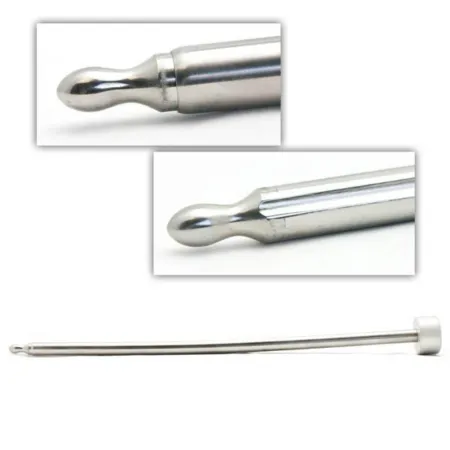 Crawford Cooley TunnelerAccessory
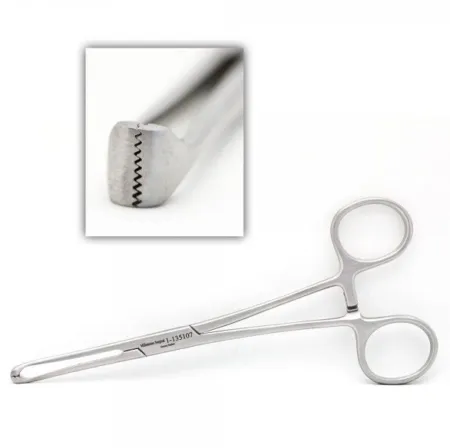 Allis ForcepsClamping
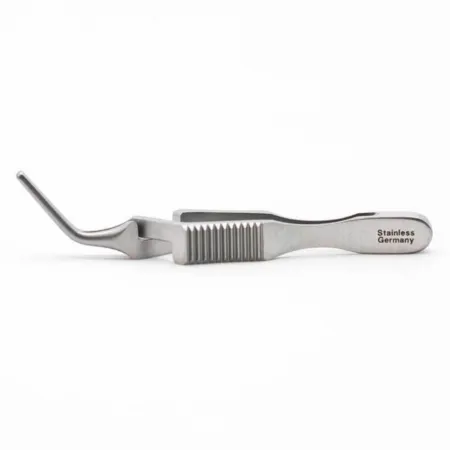 Bulldog ClampClamping
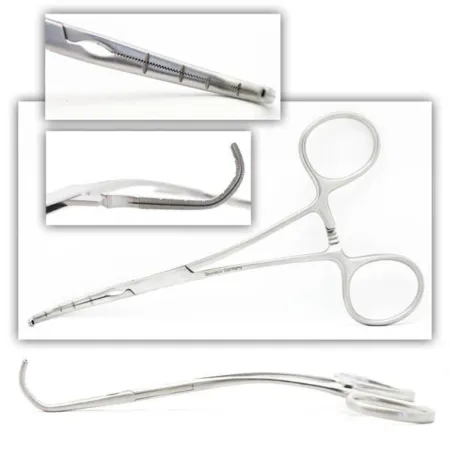 Cooley-Satinsky ClampClamping
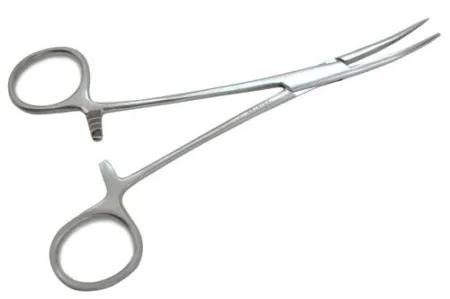 Curved HemostatsClamping
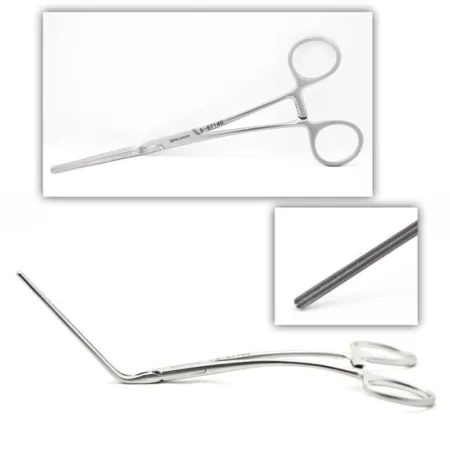 Debakey Peripheral Vascular ClampClamping
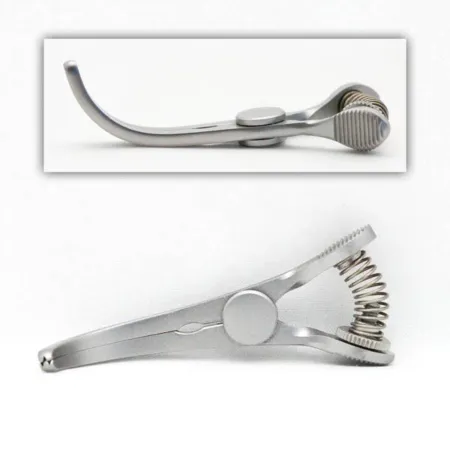 Glover Bulldog ClampClamping
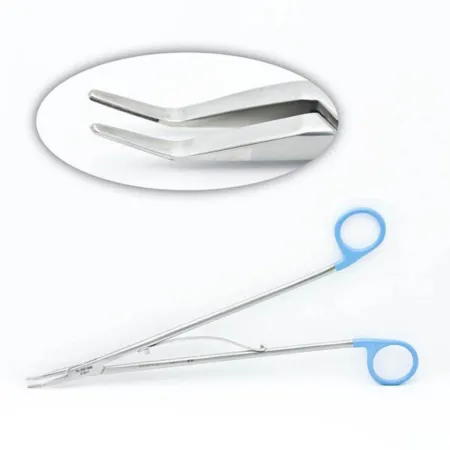 Hemostatic Clip ApplierClamping
All 41 instruments
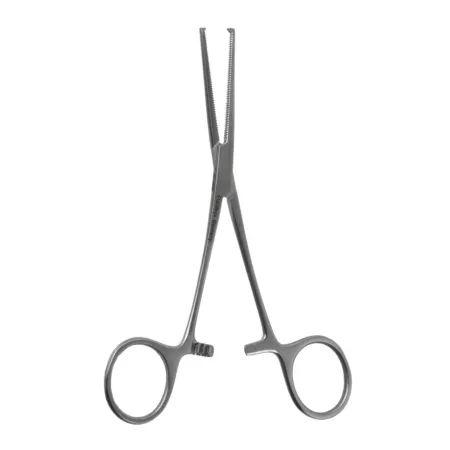 Kocher ForcepsClamping
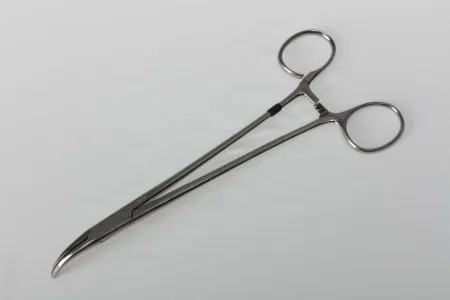 Mosquito Clamp - CurvedClamping
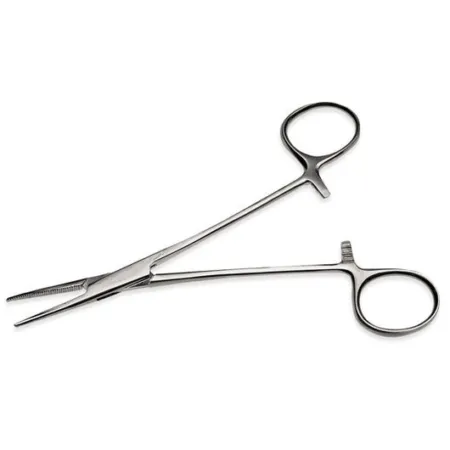 Mosquito Clamp - StraightClamping
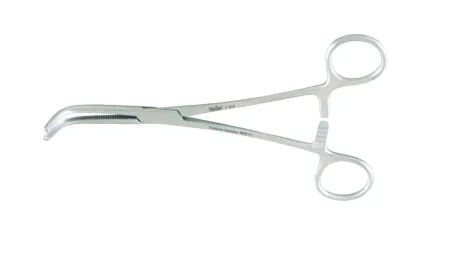 Right Angle ClampClamping
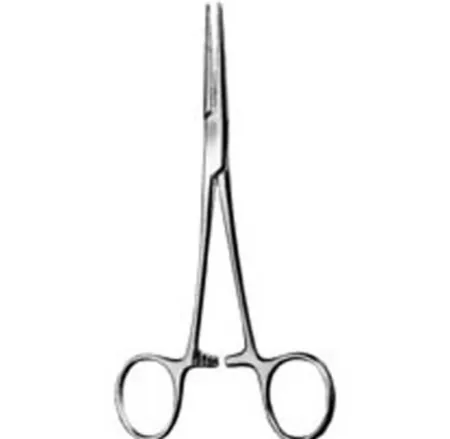 Straight HemostatClamping
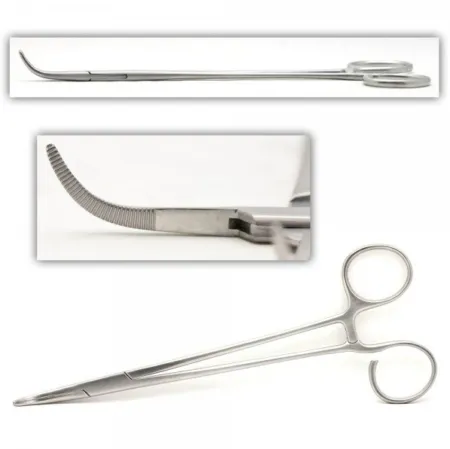 Tonsil ClampClamping
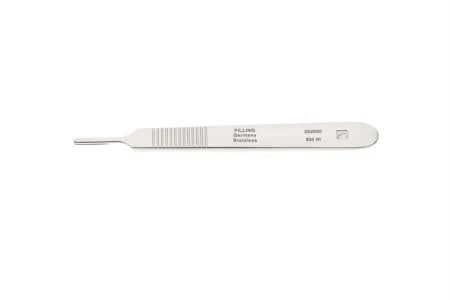 #3 Knife HandleCutting
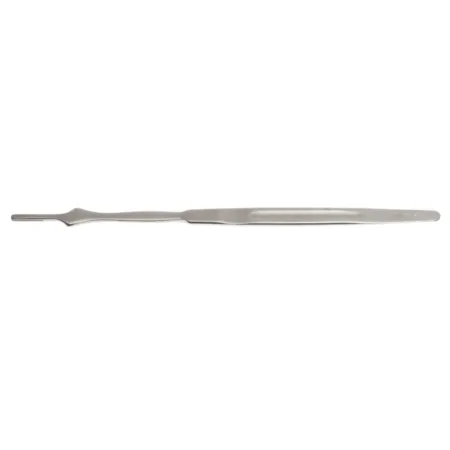 #7 Knife HandleCutting
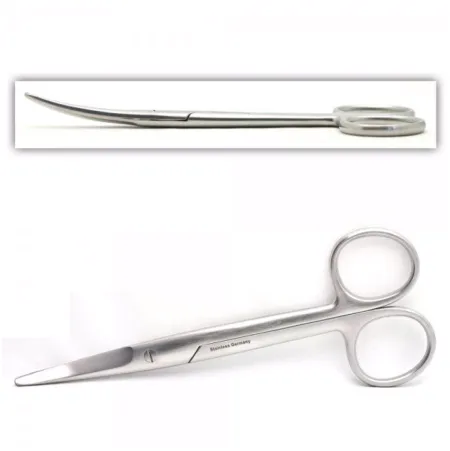 Curved Mayo ScissorCutting
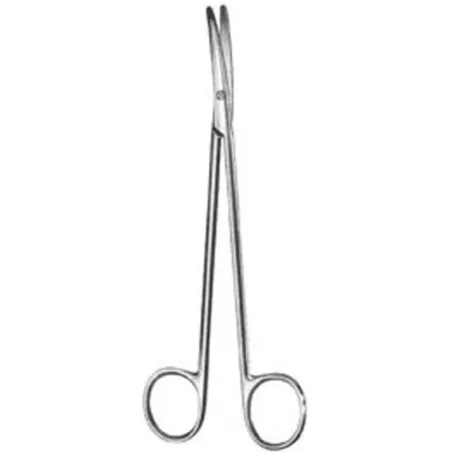 Metzenbaum ScissorCutting
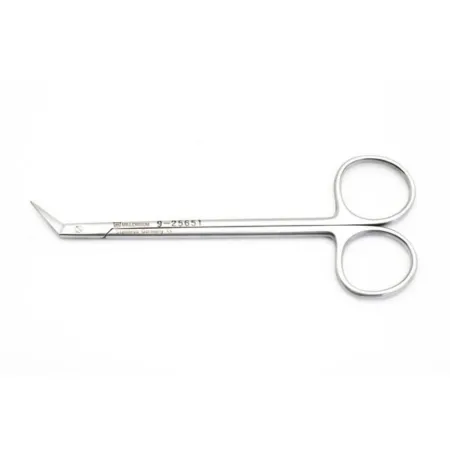 Potts-Smith ScissorsCutting
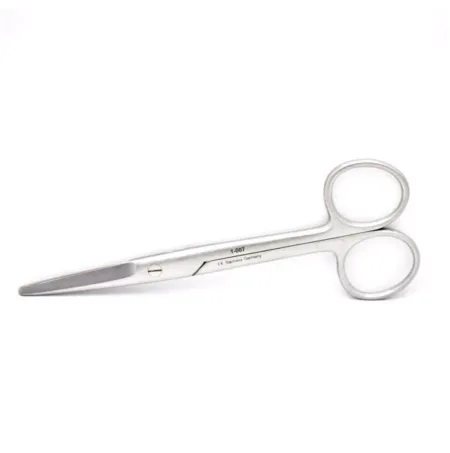 Straight Mayo ScissorCutting
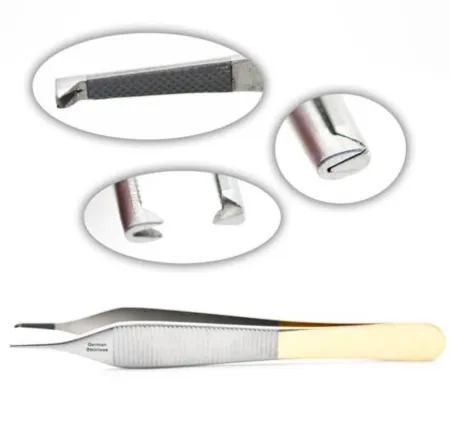 Adson ForcepsGrasping
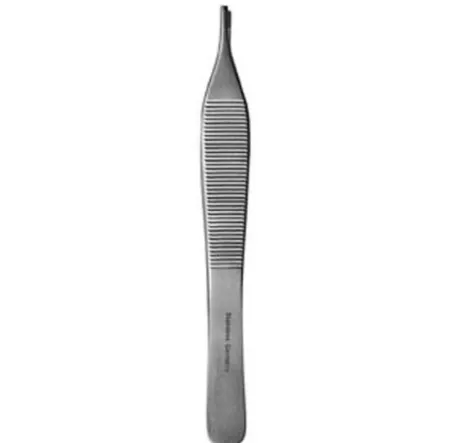 Adson-Brown ForcepsGrasping
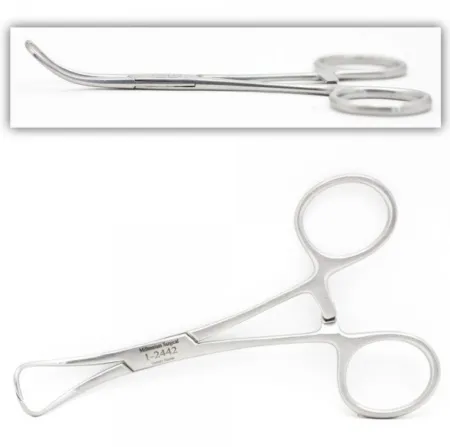 Backhaus Roeder Towel ForcepsGrasping
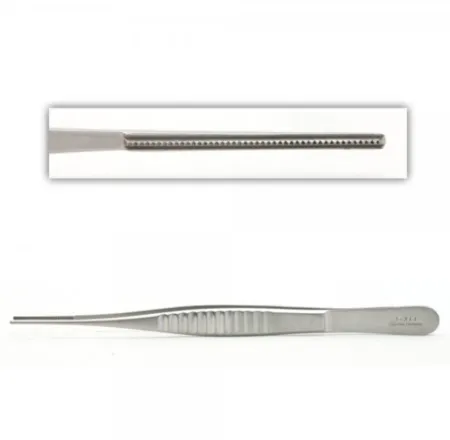 DeBakey ForcepsGrasping
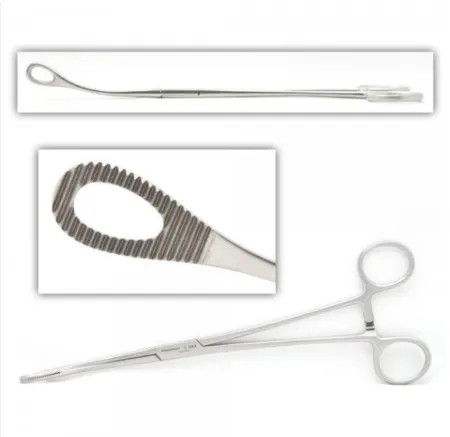 Foerster Sponge ForcepsGrasping
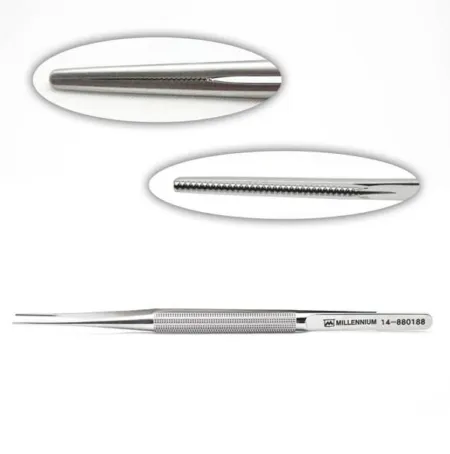 Gerald Debakey Tissue ForcepsGrasping
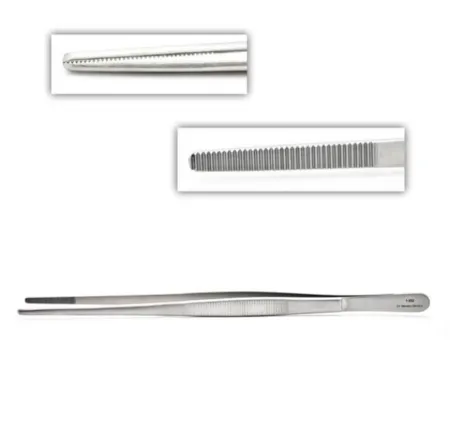 Non-Toothed PickupGrasping
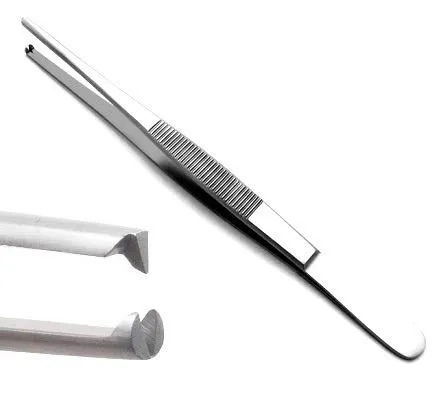 Toothed ForcepsGrasping
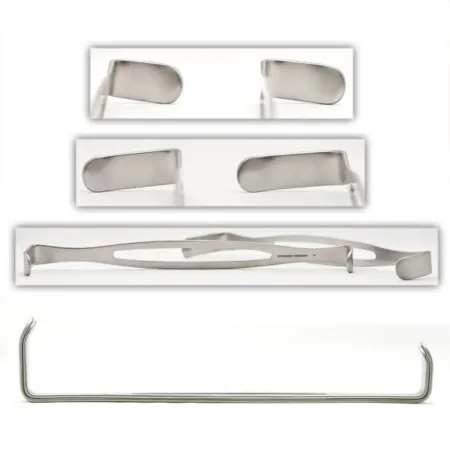 Army-Navy RetractorRetracting
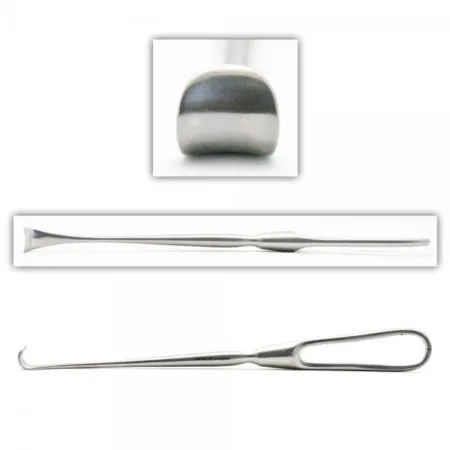 Cushing Vein RetractorRetracting
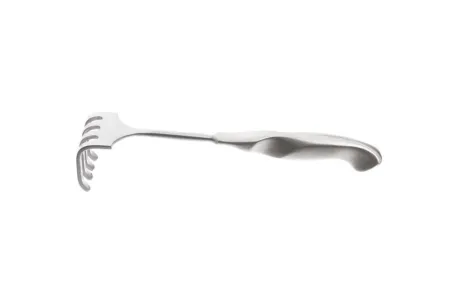 Deep Rake RetractorRetracting
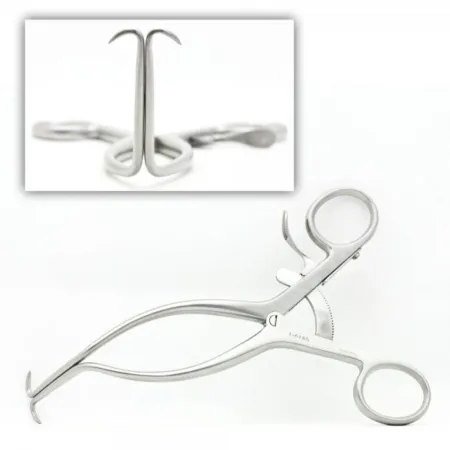 Gelpi RetractorRetracting
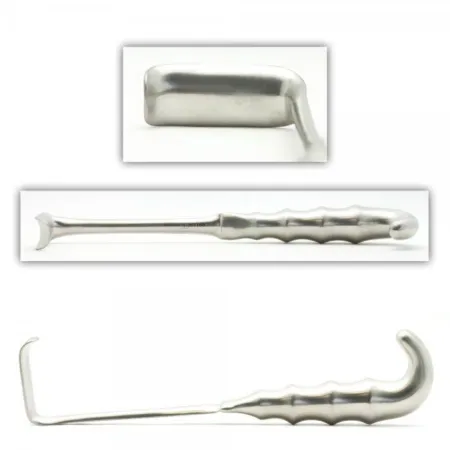 Richardson RetractorRetracting
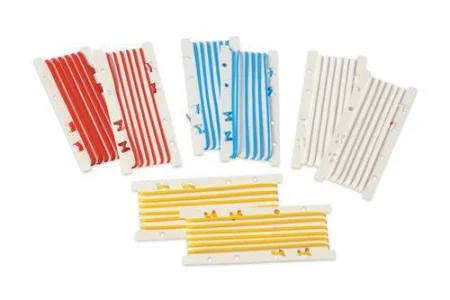 Vessel LoopsRetracting
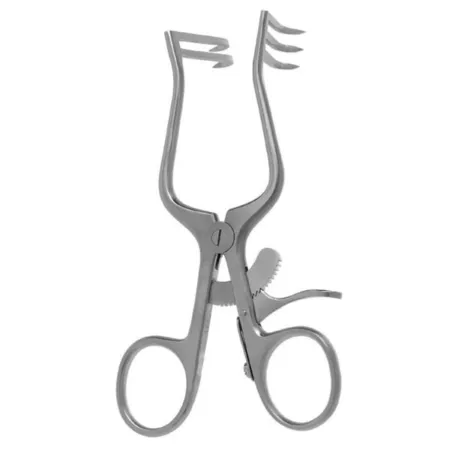 Weitlaner RetractorRetracting
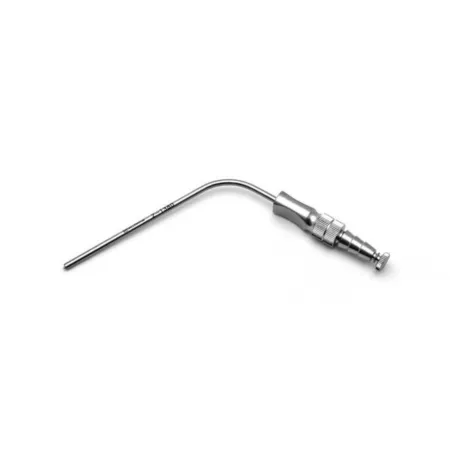 Ferg-Frazier SuctionSuctioning
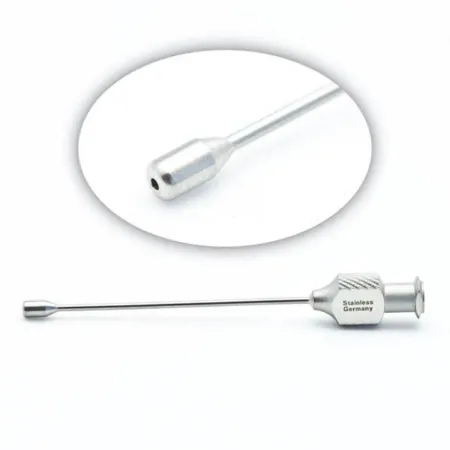 Heparin Flushing NeedleSuctioning
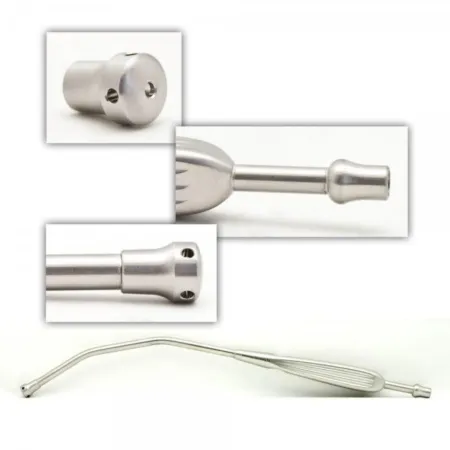 Yankauer SuctionSuctioning
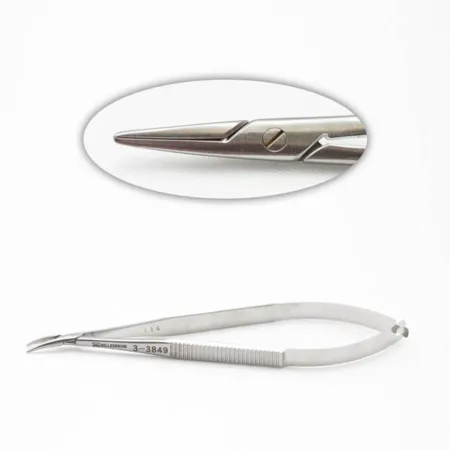 Castroviejo Needle HolderSuturing
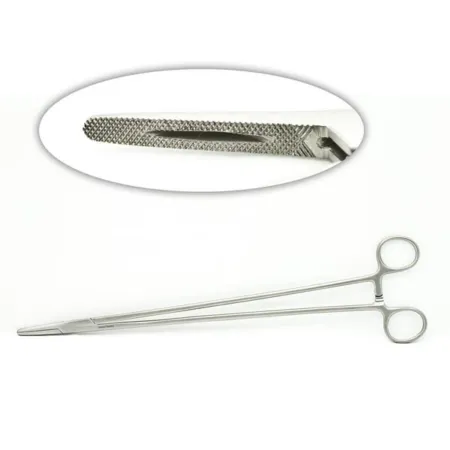 Mayo-Hegar Needle HolderSuturing
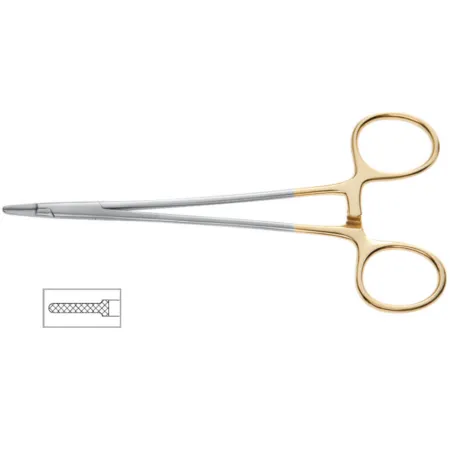 Ryder Needle HolderSuturing
Accessory1
Clamping & Occluding13
Cutting & Dissecting6
Grasping & Holding8
Retracting7
Suctioning & Aspirating3
Suturing3
Know this tray before you scrub in.
With Pro, for every setup in every specialty. Cancel any time.
Or scrub in free: every General setup and 5 questions a day.
The room
The equipment, the prep and drape, the suture and the medicines.
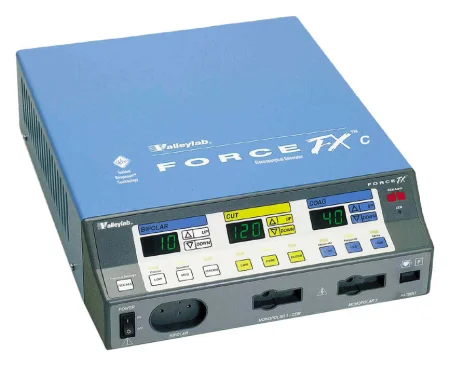 Electrosurgical Unit
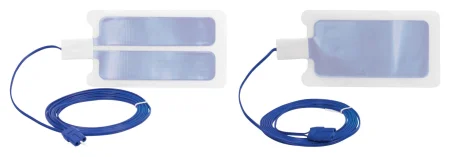 Patient Return Electrode
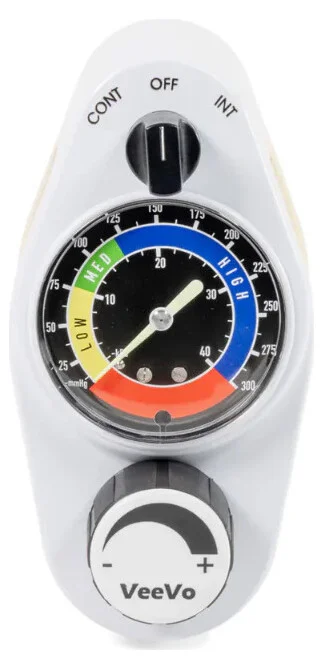 Suction
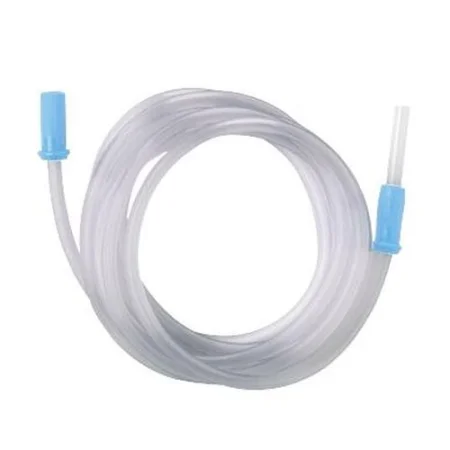 Suction Tubing
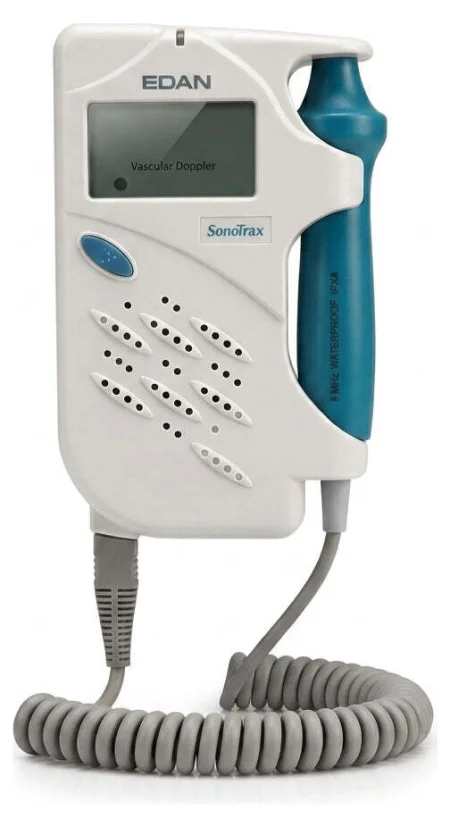 Doppler Unit
 Ultrasound Gel
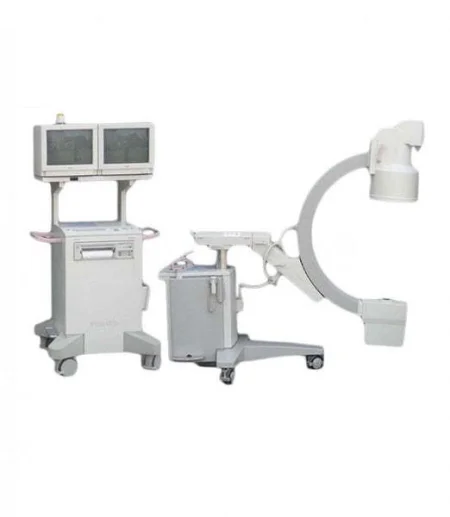 C-Arm
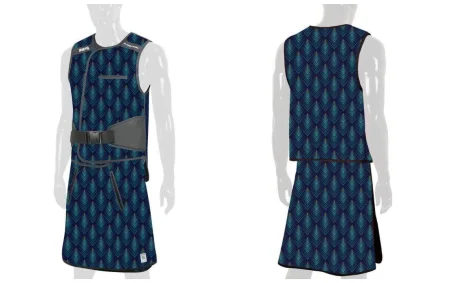 Lead Apron
 Positioning Pillow
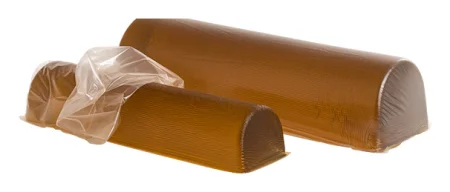 Positioning Roll
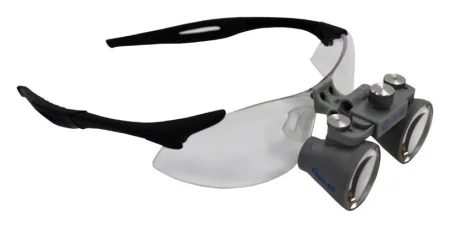 Magnifying Loupes
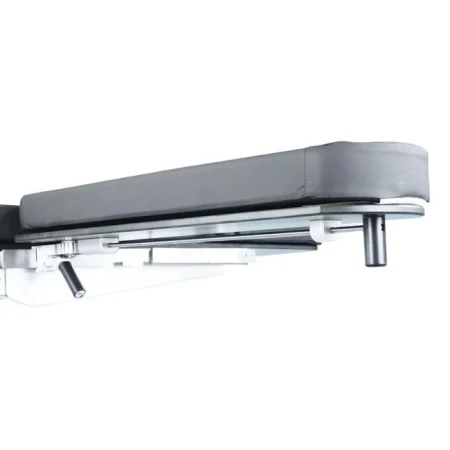 Armboard
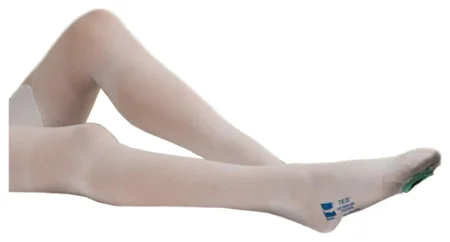 Antiembolism Stockings
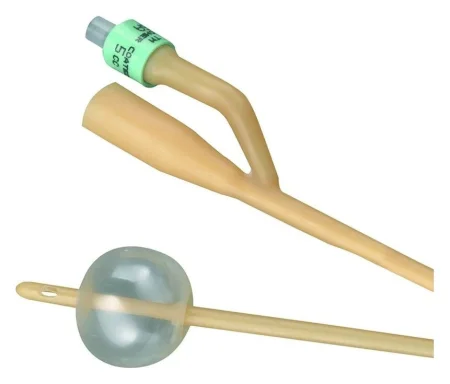 Foley Catheter
 Tube Stockinette
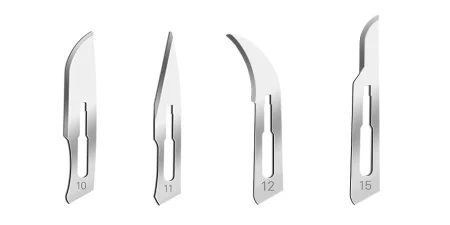 Scalpel Blade
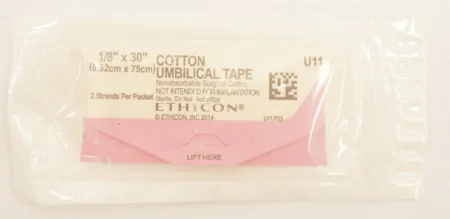 Umbilical Tape
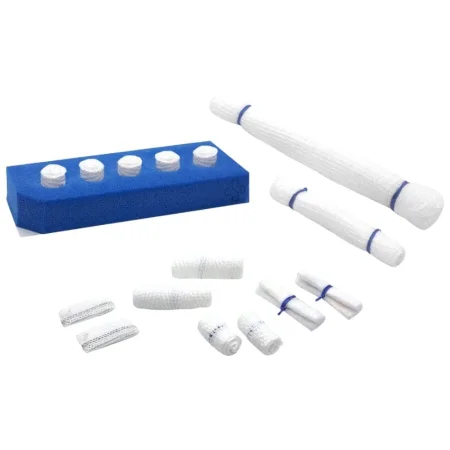 Peanut and Kittner Sponges
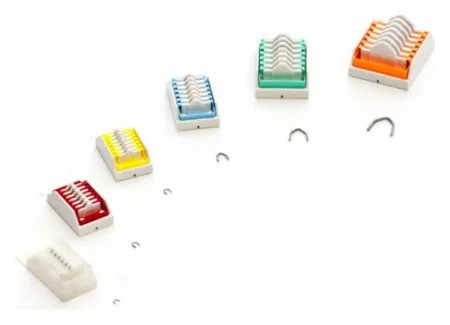 Ligating Clips
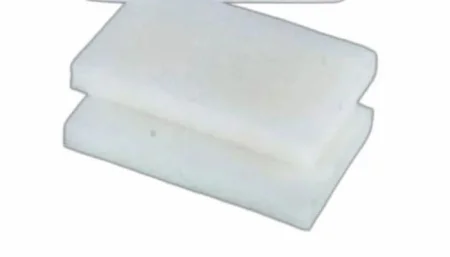 Hemostatic Agents
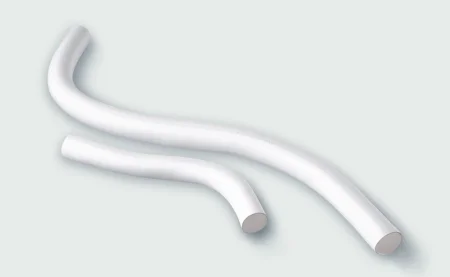 Vascular Graft
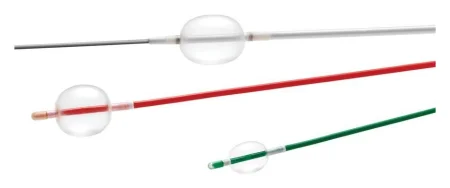 Fogarty Balloon Catheter
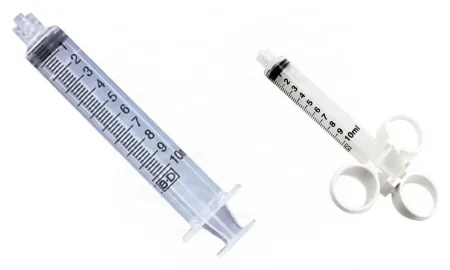 Syringe
 Medicine Cup
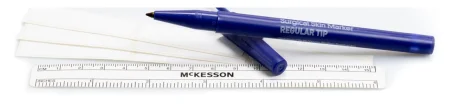 Sterile Labels
 Sterile Basin
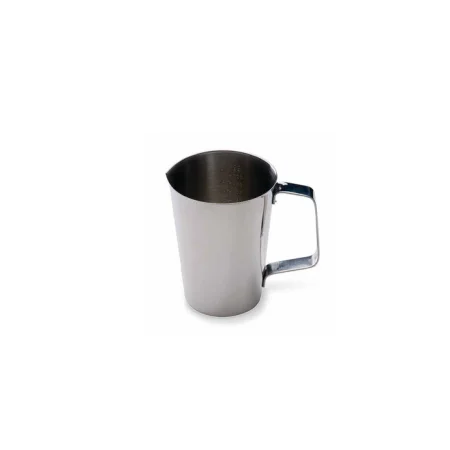 Graduated Pitcher
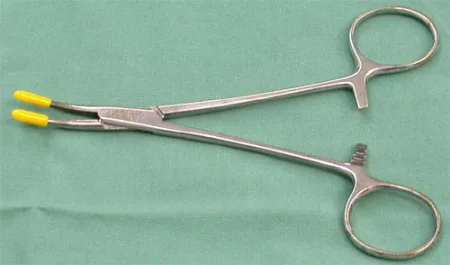 Rubber Shods
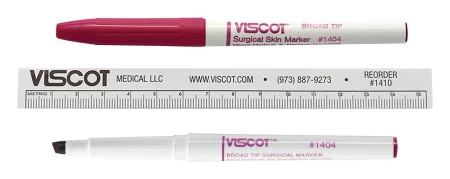 Sterile Skin Marker
Return electrode on for a long sterile run on the left, and the inside of the table, a split sheet wrapped around the wound; for the long case. The Xi arms and column get their own sterile drapes. Folded towels around the site mark. Positioned as for a sternotomy and a U-drape around the head on a donut; arms padded and strapped so the flank and the hand table, a split sheet under the hip surgery so the whole legs to the knee, past the midline, around the shoulders; folded towels to square off both breasts starting at the side, a double tube stockinette,. Lithotomy in Allen stirrups. Supine, the knee may be turned 90 degrees, for the family) and shave the scalp and face to the table will be flexed to open the front of and behind the knee bent 90 to 110 degrees over a pillow under the ankle or high on the thigh as possible, the genitalia included, and down to the table; pad every.
What closes each layer in this case, by type and size.
See ProEvery medicine in this case, its strength and when it is used.
See ProStep by step
14 steps, one line each.
- 1
Before the first cut
Count, then the time-outTYM-owtA pause just before a procedure when the whole team confirms the right client, procedure and site; also, a short break to calm a child.Full entry . Two specimen cups are ready, right and left.
Next up · Pro - 2
The uterine manipulator, if used
A weighted Auvard Vaginal Speculum shows the cervix and the Tenaculum Forceps grasps it. A lubricated Uterine Manipulator goes through the cervix so the uterus can be tipped to bring each tube into view.
Next up · Pro - 3
In at the umbilicus
An #11 blade on the #3 Knife Handle makes a small vertical cut in the lower edge of the umbilicus, then the Veress Needle goes in.
Next up · Pro - 4
Filling the belly with CO2
The carbon dioxideKAR-bun dy-OK-sideA gas made by the body's cells as waste, carried in the blood to the lungs and breathed out.Full entry tubing goes on the Veress needleVAIR-es NEE-dulA hollow, sharp needle with a blunt, spring-loaded stylet inside, used to enter the abdomen and fill it with gas for laparoscopy.Full entry . The belly fills slowly, held at no more than 15 mm Hg.
Next up · Pro - 5
The camera port
The Veress needleVAIR-es NEE-dulA hollow, sharp needle with a blunt, spring-loaded stylet inside, used to enter the abdomen and fill it with gas for laparoscopy.Full entry comes out and a Laparoscopic Trocar goes in, aimed toward the pelvis. The 5 mm 0 Degree Scope goes in for a look, and the table tilts head down.
Next up · Pro - 6
The working ports
One to three more ports go in low on the belly under the camera's view, below and to the side of the camera port or just above the pubisPYOO-bisThe front part of each hip bone, low in the pelvis; the two meet in the middle at the pubic symphysis.pub/o pubisFull entry .
Next up · Pro - 7
Finding the tube
The graspers move the bowel and the uterus aside until the tube is found. It is followed out to its fringed end to be sure it is the tube.
Next up · Pro - 8
Sealing the tube free
The LigaSure Vessel Sealer seals and cuts along the tissue under the tube (the mesosalpinx), staying close to the tube, until the tube is free from its fringed end to the uterus.
Next up · Pro - 9
The tube out
A grasper pulls the tube out through a port.
Next up · Pro - 10
The other side
Steps 7 to 9 are done again on the other tube.
Next up · Pro - 11
Washing and checking
The pelvis is washed and suctioningSUK-shun-ingRemoving mucus, saliva or other secretions from the mouth, nose or airway with a tube connected to a suction source.Full entry with the Suction Irrigator and each cut edge is checked for bleeding.
Next up · Pro - 12
Gas out, ports out
The scope comes out, the carbon dioxideKAR-bun dy-OK-sideA gas made by the body's cells as waste, carried in the blood to the lungs and breathed out.Full entry is let out, and the ports come out.
Next up · Pro - 13
Closing
Deep stitches close the fasciaFASH-ee-uhA sheet or band of tough connective tissue that covers and separates muscles and organs.fasci/o bandFull entry at the larger ports, then the skin is closed with the Mayo-Hegar Needle Holder and Adson Forceps. Skin closure strips, staples or glue go on.
Next up · Pro - 14
Manipulator out
The manipulator comes out and the cervix is checked for bleeding. A perinealper-ih-NEE-ulHaving to do with the perineum, the area between the genitals and the anus.Full entry pad goes on.
Next up · Pro
What to grab, before anyone asks.
What to grab for this case if it bleeds, spills or has to be opened.
See ProThe case
The fallopian tubes carry eggs from the ovaries to the uterus, and an egg is usually fertilized inside a tube. A salpingectomy removes a tube. When both tubes are removed, pregnancy can no longer happen in the natural way, so this is one form of permanent birth control, often called tubal sterilization or "having the tubes tied". Older methods block or burn a short piece of each tube, or close it with a clip or a ring, instead of removing it. More and more, the whole tube is removed instead, because this may lower the risk of ovarian cancer.
A salpingectomy is also done for a pregnancy growing in a tube (an ectopic pregnancy), a tube that is badly damaged or infected, or a repeat ectopic pregnancy in the same tube. The ovaries stay, so hormones and periods go on as before.
The surgeon works through two to four small cuts in the belly with a camera. The operation is usually done under general anesthesia, though it can be done with local anesthesia, and it is often done as day surgery. Because sterilization cannot be reliably undone, it is talked through carefully beforehand. Risks include bleeding, infection, injury to the bowel or blood vessels while the instruments go in, and, rarely, a pregnancy afterward.
Built by the techs who scrub it.
Every surgeon runs it a little differently. Send your table, or a fix for this page.
 Diana Lei-alohaReviewer
Checked against 12 textbooks, AST standards and other references.
All 12 sources
- Goldman MA. Pocket Guide to the Operating Room. 3rd ed. Chapter 20 (Thoracic Surgery), Segmental Resection of the Lung (Preparation of the Patient, Skin Preparation, Draping, Equipment, Instrumentation, Supplies, Special Notes), p. 455-459
- Pulmonary Lobectomy, p. 460
- Pneumonectomy, p. 461-462.
- Association of Surgical Technologists. Surgical Technology for the Surgical Technologist: A Positive Care Approach. 4th ed. Chapter 22 (Cardiothoracic Surgery), Instrumentation, Routine Equipment, and Supplies, Tables 22-1 and 22-2, p. 1001-1003
- Procedure 22-7 Upper Lobectomy, p. 1027-1028.
- Fuller JK. Surgical Technology: Principles and Practice. 8th ed. Chapter 31 (Thoracic and Pulmonary Surgery), Thoracotomy and Lobectomy, p. 888-889
- Chapter 18 (Surgical Skills I), Counts, p. 381.
- Rothrock JC, ed. Alexander's Care of the Patient in Surgery. 17th ed. Chapter 23 (Thoracic Surgery), Thoracotomy, Pneumonectomy and Lobectomy, p. 868-870
- Chapter 9 (Wound Healing, Dressings, and Drains), p. 247
- Chapter 2 (Patient Safety and Risk Management), Specimens, p. 28.
- Ellison EC, Upchurch GR Jr, eds. Fischer's Mastery of Surgery. 8th ed. Chapter 82 (Pulmonary Resection), sections Diagnosis/Clinical Presentation, Preoperative Planning, Surgical Technique, Standard Incision Line, Posterolateral Mini-Thoracotomy, Thoracotomy Closure, Right Upper Lobectomy, Left Lower Lobectomy, Postoperative Care and Management of Complications, and Commentary.
- Association of Surgical Technologists. Guideline: Breaking Down the Sterile Field. p. 2.
Something wrong on this page? Send a fix
The rest of this setup is Pro.
Everything unlocked above stays free. Pro opens the rest, on every setup: where new techs slip, what to load next at every step, the circulator’s side, the medicines, the specimen, wound class and trays on standby, what to grab if it goes wrong, and practice for every tray.
Free, for good. No card.
- All 3,342 instrument cards
- Every General setup in full
- 5 exam questions a day
- Your own preference cards
Pass your exam. Know every case.
Everything in Free, plus:
- All 372 setups in every specialty: back table, Mayo and every step
- Practice that never runs out and full timed exams for the CST, TS-C, CRCST, CSPDT, CSFA, NCLEX-RN and NCLEX-PN, with the why behind every answer
- Flashcards on any tray, timed to come back before you forget
- Every instrument card in full: the 3D model, cautions, inspection, how to pass it
Cancel any time from your account. Not worth it? Email us within 30 days of a charge for a refund, one per customer. Refund policy
Pro is also in the CSTSetup app, on the same account. Already have Pro? Log in
Send your table
Your Mayo, your back table, your surgeon’s way, or anything wrong on this page. Your email is only used to credit you. Submissions stay private and are reviewed by our team; accepted ones earn a Contributor credit here.