Essential guide to operating room instruments
Scalpels, scissors, forceps, clamps and retractors, grouped by what they actually do in the room, with the blade numbers and tissue types that tell them apart.
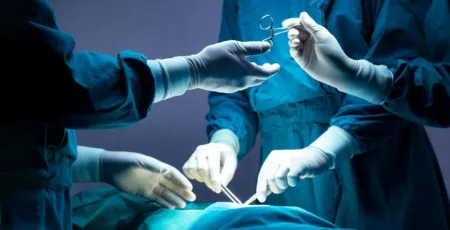
Every instrument, by what it does.
Instrument names are easier to hold onto once you stop learning them one at a time. Almost everything in an operating room belongs to one of these families, and the family tells you most of what a tool does before you know anything specific about it.
Retracting & Exposing
701 in the library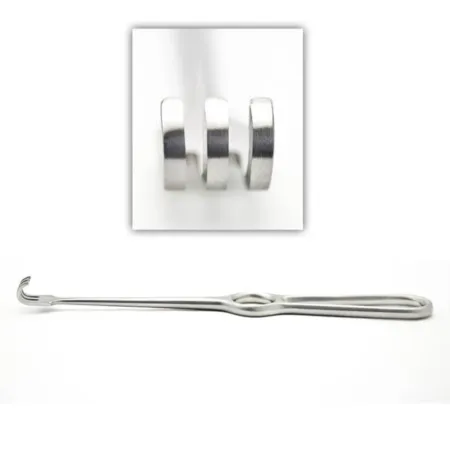 Volkmann RetractorRetracts skin and tissue near the surface.
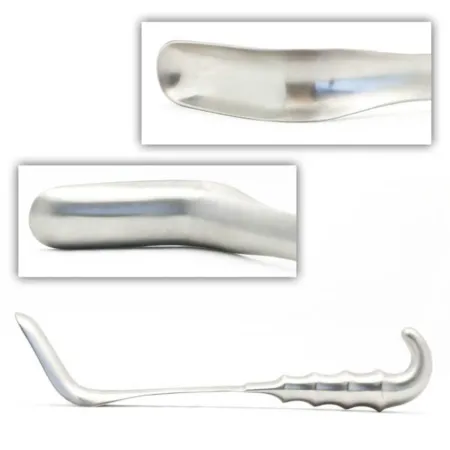
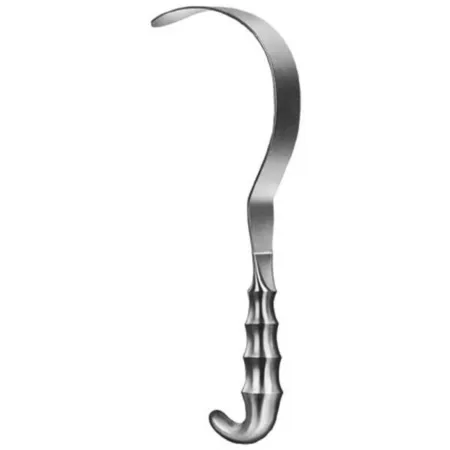 Deaver RetractorHolds back abdominal organs and the deep body wall during open abdominal and pelvic surgery, such as retracting the liver or spleen.
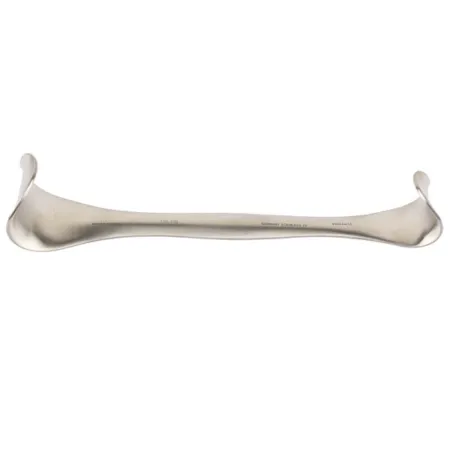 Goelet RetractorHolds back skin and superficial tissue in small, shallow incisions. It is also found on hip and other orthopedic trays.
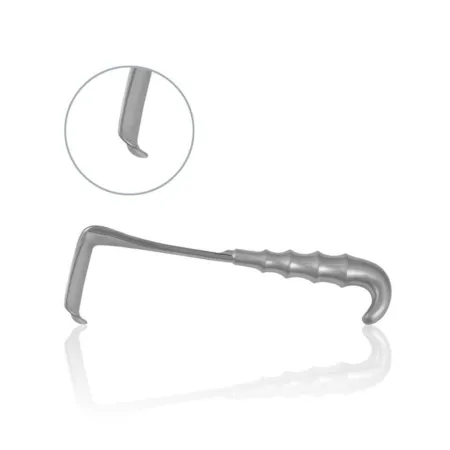 Kelly RetractorRetracts the wound edges and deeper layers, including the deep abdominal wall.
Cutting & Dissecting
647 in the library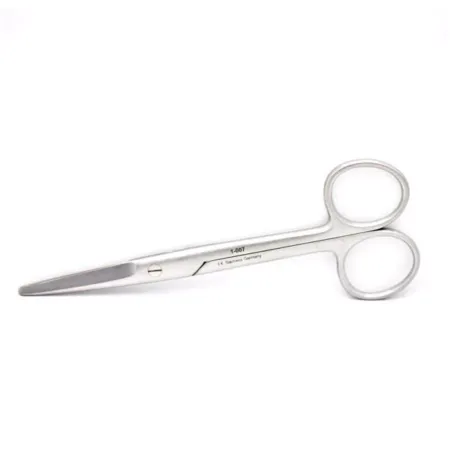 Straight Mayo ScissorCutting suture during closure and when tying off. It is also the scissors for mesh, drains, dressings and other non-tissue items on the field.
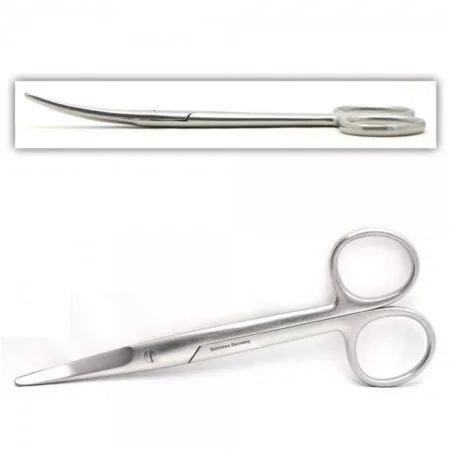 Curved Mayo ScissorCutting and dissecting heavy, tough tissue such as fascia, muscle and large tendons or ligaments.
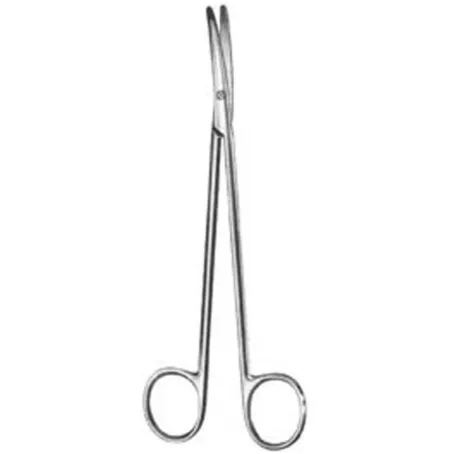 Metzenbaum ScissorCutting and dissecting delicate tissue such as peritoneum, the covering of organs, and fat. The tips are also used to spread tissue planes apart before cutting.
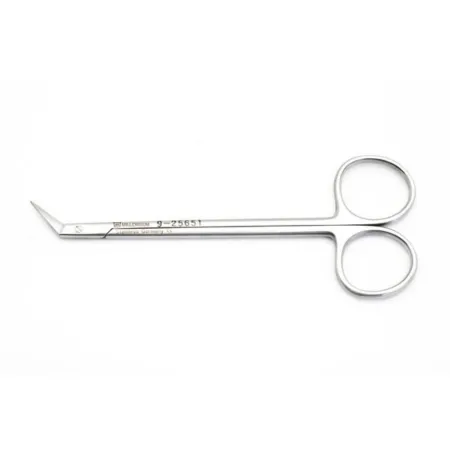 Potts-Smith ScissorsOpening a vessel and extending the incision (arteriotomy or venotomy), and trimming vessel edges, in vascular and cardiac surgery.
Grasping & Holding
630 in the library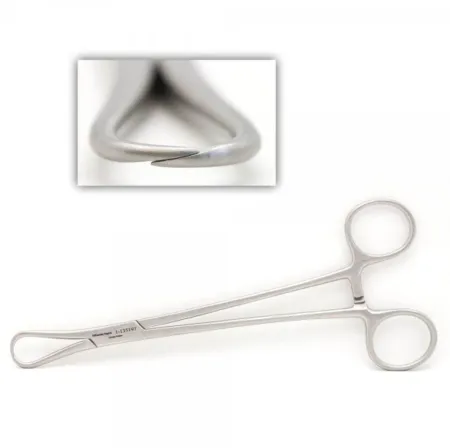 Adair Tenaculum ForcepsGrasps and holds firm tissue securely. Makers list it with the uterine tenaculums for gynecologic surgery, and in general surgery it is used to grasp large breast masses.
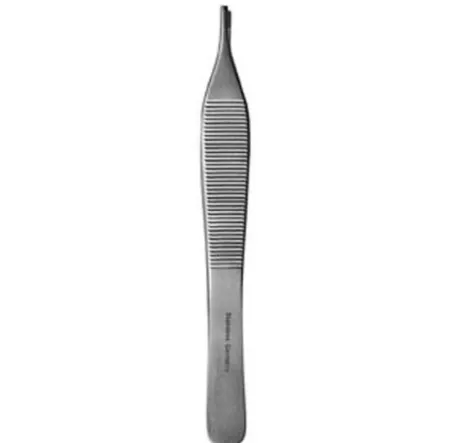 Adson-Brown ForcepsGrasping delicate, superficial tissue such as skin edges, often in plastic and hand surgery.
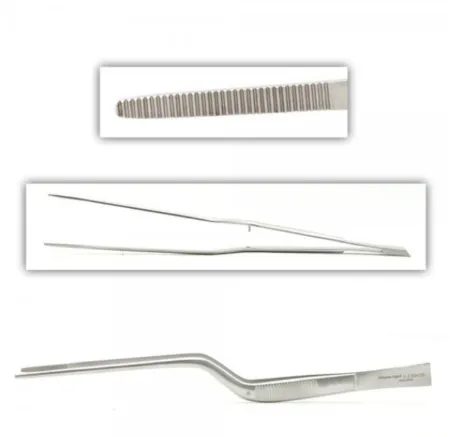 Cushing Bayonet Dressing ForcepsHolds delicate tissue gently in deep, narrow fields, such as in neurosurgery.
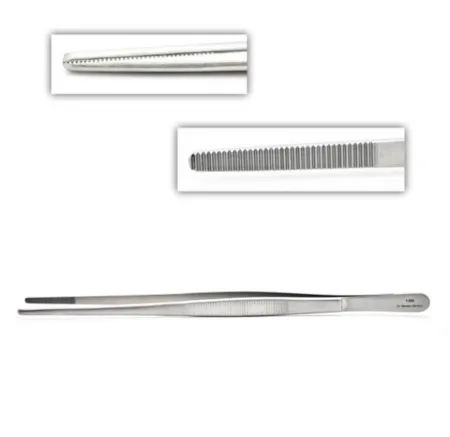 Non-Toothed PickupGrasping tissue, applying dressings, and handling gauze packing, which does not catch on it the way it would on teeth.
Specialty
544 in the library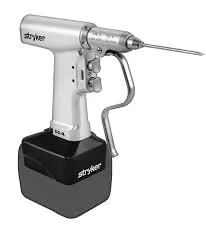 Stryker DrillDrills, reams and cuts large, dense bone in orthopedic cases such as total hip and knee replacement.
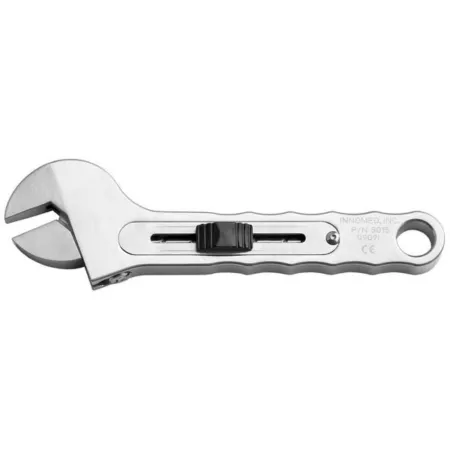 Adjustable Orthopedic WrenchUsed for tightening or loosening orthopedic implants and hardware.
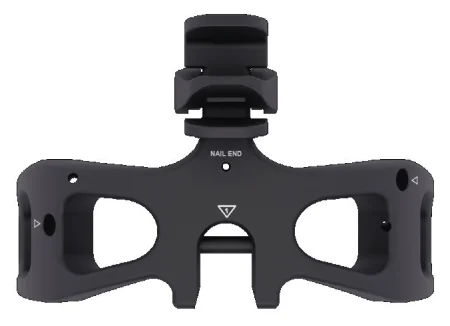 Aiming Arm, radiolucentUsed for proximal locking of the tibial nail. The three-part trocar assembly (protection sleeve, drill sleeve, trocar) goes through the chosen hole so the drill hits the nail's locking hole. With the drill bit and sleeves in its holes, the paths of the two most proximal locking screws can be checked on a C-arm image. It is handed after the nail is seated and the nail-to-handle connection has been retightened.
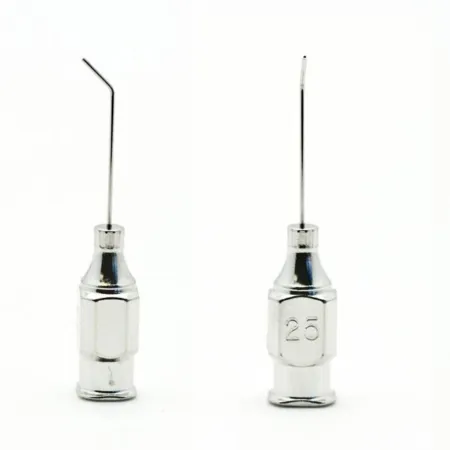 Air Injection CannulaUsed for injecting air into the anterior chamber during ophthalmic procedures.
Clamping & Occluding
189 in the library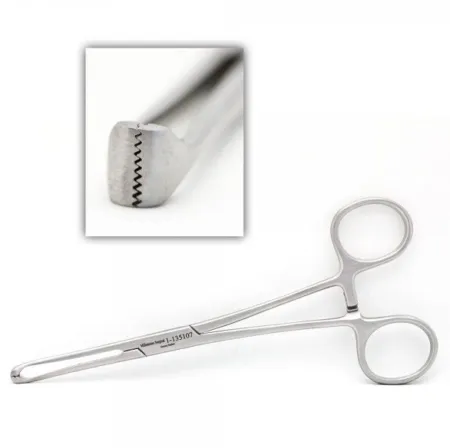 Allis ForcepsLifting, holding and retracting slippery, dense tissue, usually tissue that is being removed. Common on tonsils, breast, thyroid and vaginal tissue, and for holding bowel during a resection.
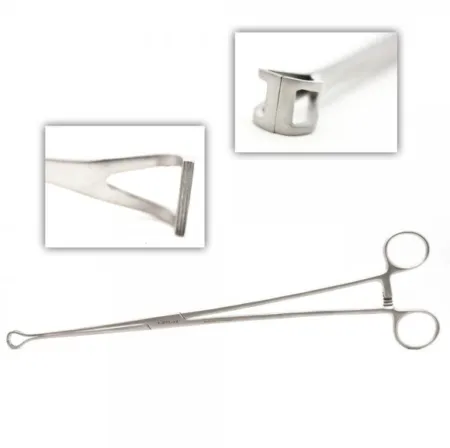 BabcockSpecifically designed for delicate manipulation of tubular structures like intestines or reproductive organs without causing crush injuries.
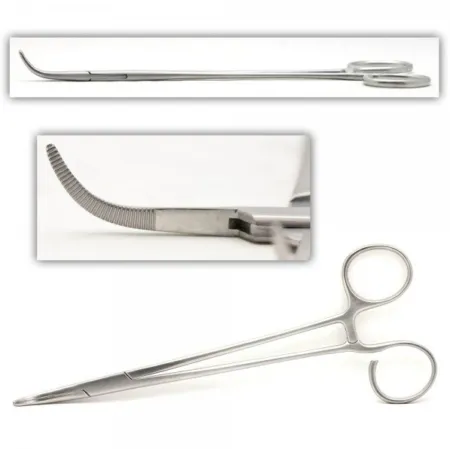 Tonsil ClampClamps small bleeders deep in a wound, such as the tonsil bed, and holds tonsil sponges. It is also used to carry a free tie around a vessel (a 'tie on a passer').
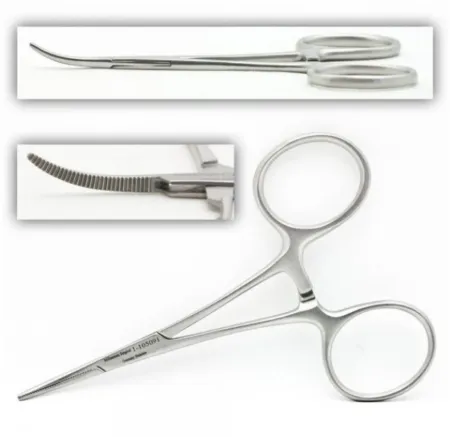 Mosquito Clamp - CurvedControls minor bleeding in delicate procedures (plastic, pediatric, thyroid, hand surgeries). Also secures fine vascular sutures.
Suturing & Stapling
97 in the library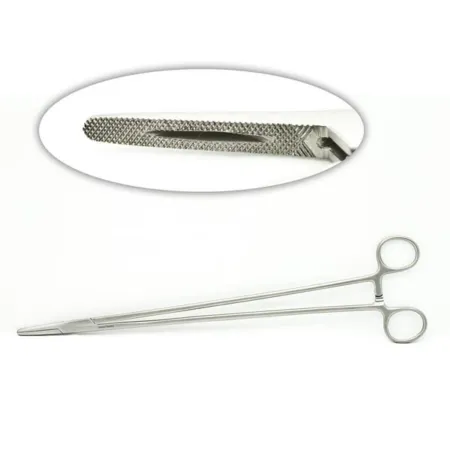 Mayo-Hegar Needle HolderHolds medium to heavy curved needles, mostly for closing fascia and other tough layers. The length is chosen by the depth of the wound.
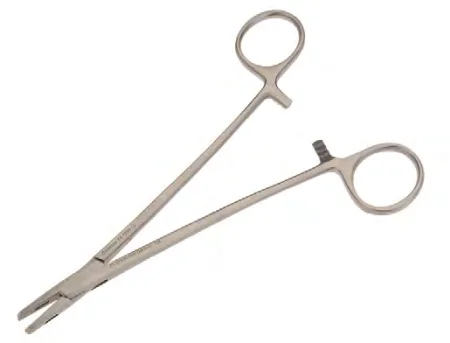 Adson Dural Needle HolderHolds the needle for dural sutures. Two are on the craniotomy tray.
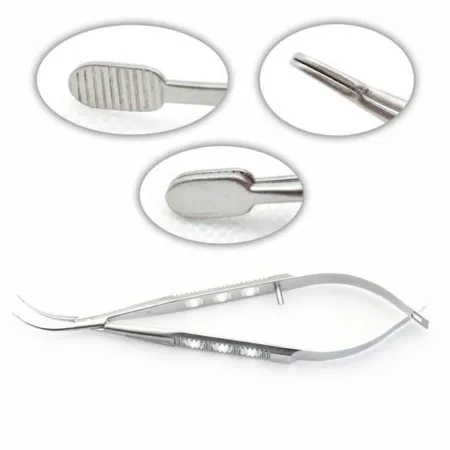
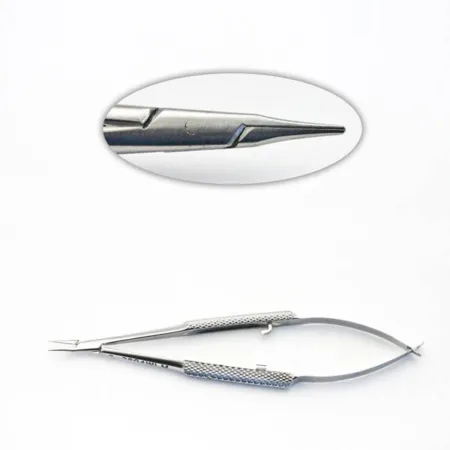 Anis Needle HolderFacilitates precise needle control and suture placement in ophthalmic surgery.
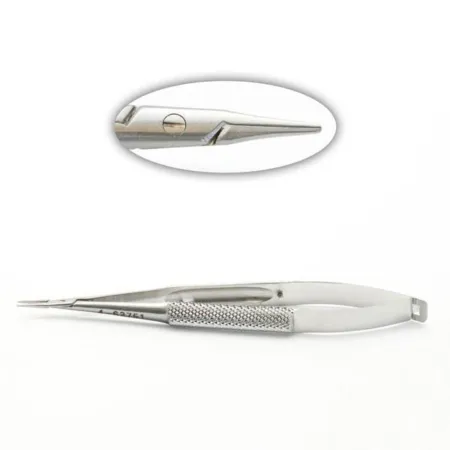 Anis Needle Holder without LockEnables delicate needle handling for fine suturing in microsurgical procedures.
Suctioning
84 in the library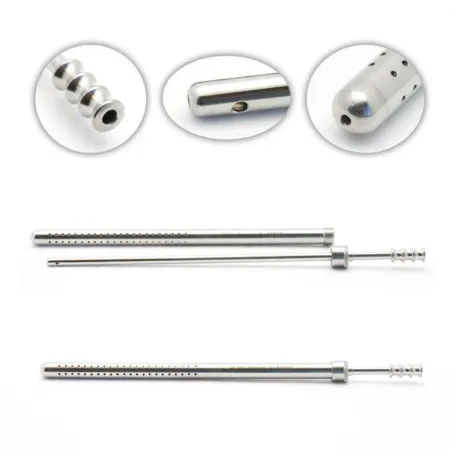 Poole Suction ProbeRemoves large amounts of blood and fluid from the abdomen or other body cavity, including amniotic fluid. The inner tube alone gives finer suction, such as down the femoral canal in hip replacement.
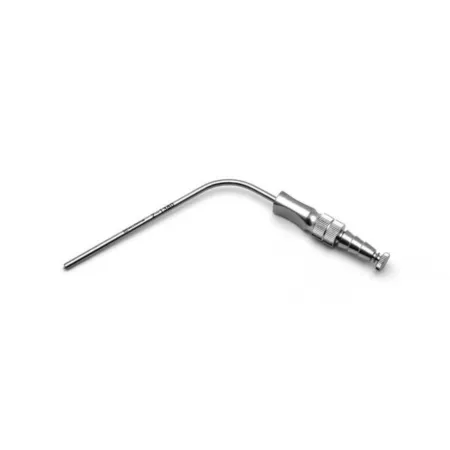 Ferg-Frazier SuctionEvacuates fluid, blood, and smoke from deep, narrow surgical pathways like nasal cavities, ear canals, and neurosurgical fields.
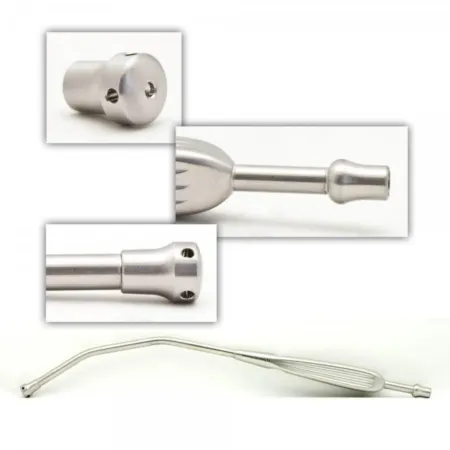 Yankauer SuctionGeneral suction of blood and fluid in almost any wound, with less risk of pulling in tissue. Anesthesia also uses it to clear secretions from the mouth and throat as anesthesia is reversed.
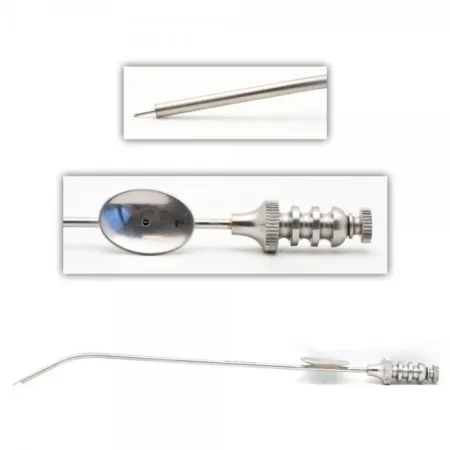 Adson Suction TubeRemoves small amounts of blood and fluid from small, delicate areas, mainly in brain and spine surgery. Covering the vent hole with the thumb turns on suction at the tip.
Major Laparotomy Tray
42 in the library- Adson-Brown ForcepsGrasping delicate, superficial tissue such as skin edges, often in plastic and hand surgery.
- Allis ForcepsLifting, holding and retracting slippery, dense tissue, usually tissue that is being removed. Common on tonsils, breast, thyroid and vaginal tissue, and for holding bowel during a resection.
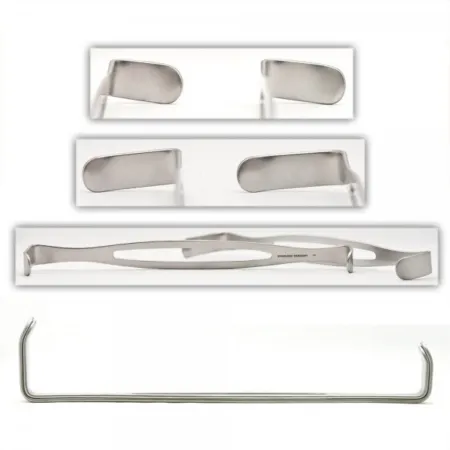 Army-Navy RetractorRetracts skin and shallow tissue in small or superficial incisions. Usually used in pairs.
- BabcockSpecifically designed for delicate manipulation of tubular structures like intestines or reproductive organs without causing crush injuries.
Open Heart (Cardiac) Tray
41 in the library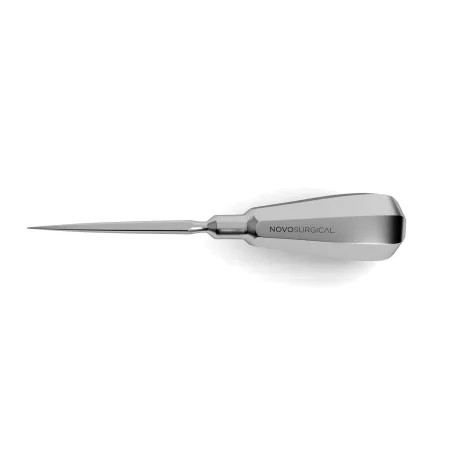 AwlPunches a starting hole through the hard outer bone so a screw, pin or nail can follow, as in orthopedic and trauma surgery.
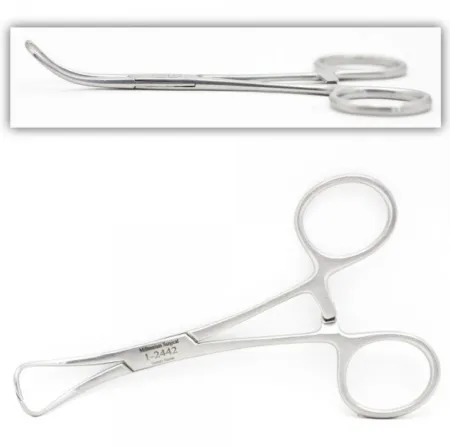 Backhaus Roeder Towel ForcepsHolds towels and drapes together and in place. Also used to grasp tough tissue that will be removed and to hold small bone fractures. Never use it to attach the ESU cord or suction tubing to the drapes; it punctures them.
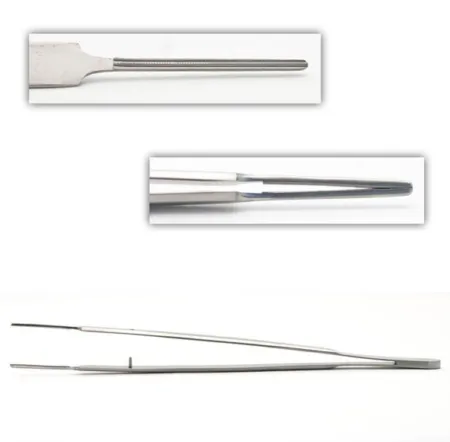 Cardio-Grip Gerald ForcepsHandles small vessels and delicate tissue in cardiac, vascular and neurosurgery. In bypass surgery, Gerald forceps handle the mammary artery as it is taken down and hold the coronary artery and graft during the anastomosis.
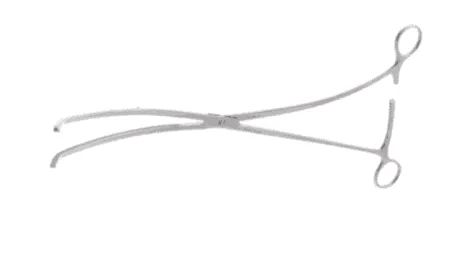 Crawford ClampClamps the aorta to stop blood flow during thoracoabdominal aneurysm repair and other large-vessel surgery.
Basic Plastic Tray
36 in the library- Adson-Brown ForcepsGrasping delicate, superficial tissue such as skin edges, often in plastic and hand surgery.
- Allis ForcepsLifting, holding and retracting slippery, dense tissue, usually tissue that is being removed. Common on tonsils, breast, thyroid and vaginal tissue, and for holding bowel during a resection.
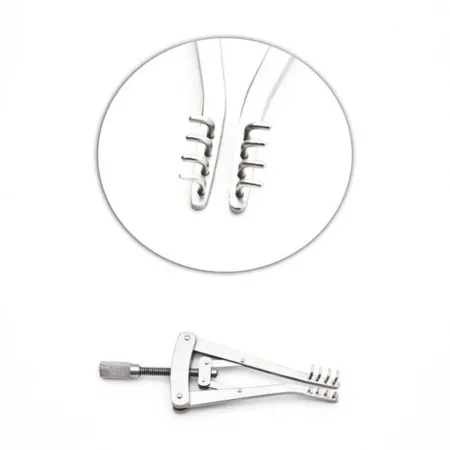 Alm RetractorHolds small, shallow incisions open in delicate minor surgery.
- Army-Navy RetractorRetracts skin and shallow tissue in small or superficial incisions. Usually used in pairs.
Minor Orthopedic (Hand / Small Bone) Tray
35 in the library- Adson-Brown ForcepsGrasping delicate, superficial tissue such as skin edges, often in plastic and hand surgery.
- Allis ForcepsLifting, holding and retracting slippery, dense tissue, usually tissue that is being removed. Common on tonsils, breast, thyroid and vaginal tissue, and for holding bowel during a resection.
- AwlPunches a starting hole through the hard outer bone so a screw, pin or nail can follow, as in orthopedic and trauma surgery.
- Backhaus Roeder Towel ForcepsHolds towels and drapes together and in place. Also used to grasp tough tissue that will be removed and to hold small bone fractures. Never use it to attach the ESU cord or suction tubing to the drapes; it punctures them.
Craniotomy (Basic Neuro) Tray
30 in the library- Adson Suction TubeRemoves small amounts of blood and fluid from small, delicate areas, mainly in brain and spine surgery. Covering the vent hole with the thumb turns on suction at the tip.
- Army-Navy RetractorRetracts skin and shallow tissue in small or superficial incisions. Usually used in pairs.
- Cardio-Grip Gerald ForcepsHandles small vessels and delicate tissue in cardiac, vascular and neurosurgery. In bypass surgery, Gerald forceps handle the mammary artery as it is taken down and hold the coronary artery and graft during the anastomosis.
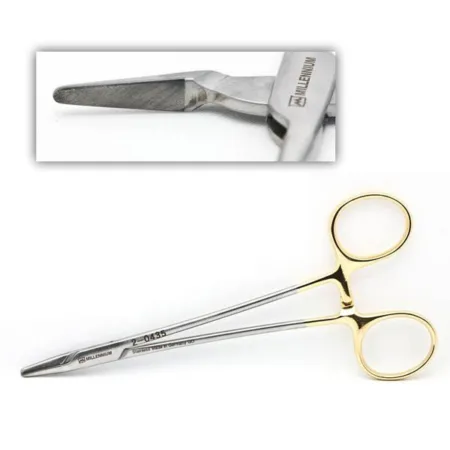 Crile Wood Needle HolderHolds small to medium suture needles for delicate to intermediate suturing.
Basic Orthopedic Tray
29 in the library- Army-Navy RetractorRetracts skin and shallow tissue in small or superficial incisions. Usually used in pairs.
- Backhaus Roeder Towel ForcepsHolds towels and drapes together and in place. Also used to grasp tough tissue that will be removed and to hold small bone fractures. Never use it to attach the ESU cord or suction tubing to the drapes; it punctures them.
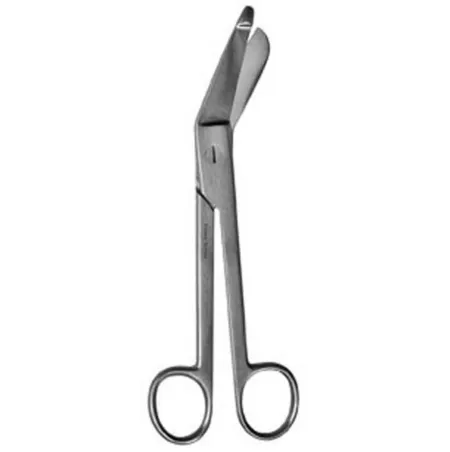 Bandage ScissorCuts dressings, drapes and other heavy material, and removes wraps around a limb without harming the skin. In cesarean section it is sometimes used to extend the lower uterine incision without harming the baby, and to cut the umbilical cord.
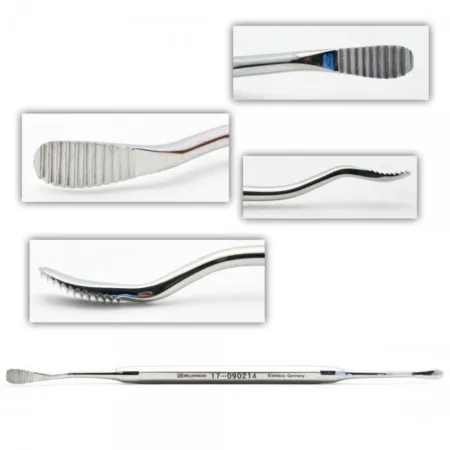 Bone File RaspDesigned to refine and smooth jagged or uneven bone edges during orthopedic procedures.
Basic / Minor Procedures Tray
25 in the library- Allis ForcepsLifting, holding and retracting slippery, dense tissue, usually tissue that is being removed. Common on tonsils, breast, thyroid and vaginal tissue, and for holding bowel during a resection.
- Army-Navy RetractorRetracts skin and shallow tissue in small or superficial incisions. Usually used in pairs.
- BabcockSpecifically designed for delicate manipulation of tubular structures like intestines or reproductive organs without causing crush injuries.
- Backhaus Roeder Towel ForcepsHolds towels and drapes together and in place. Also used to grasp tough tissue that will be removed and to hold small bone fractures. Never use it to attach the ESU cord or suction tubing to the drapes; it punctures them.
Peripheral Vascular Tray
24 in the library- Army-Navy RetractorRetracts skin and shallow tissue in small or superficial incisions. Usually used in pairs.
- Backhaus Roeder Towel ForcepsHolds towels and drapes together and in place. Also used to grasp tough tissue that will be removed and to hold small bone fractures. Never use it to attach the ESU cord or suction tubing to the drapes; it punctures them.
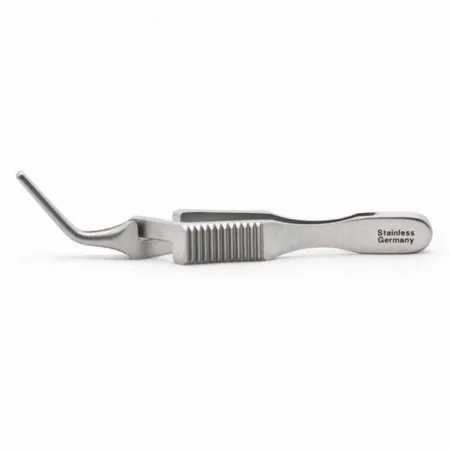 Bulldog ClampTemporarily occludes blood vessels without crushing them.
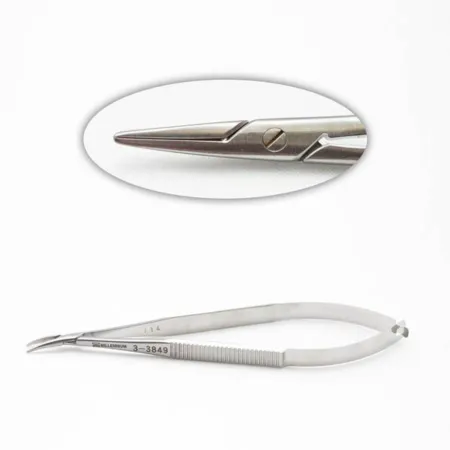 Castroviejo Needle HolderHolds fine suture needles for eye surgery and for small vessel anastomosis and other delicate suturing.
Triathlon Knee System
24 in the library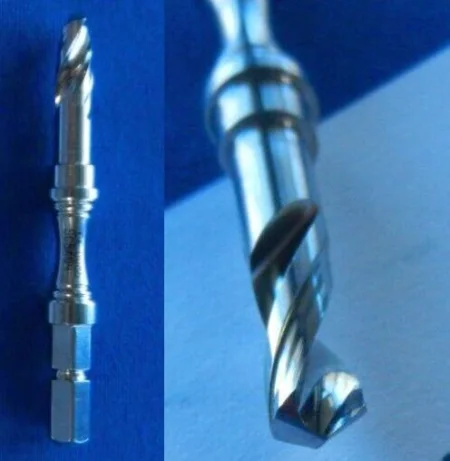 Triathlon 1/4" Peg DrillDrills the holes for the Modular Femoral Distal Fixation Pegs. In a PS cemented knee the holes can be drilled through the PS Box Cutting Guide or later through the PS Femoral Trial; in a CR knee they are drilled after the femoral trial is assessed. Hand it on the Universal Driver after the femoral trial is checked or during PS box preparation.
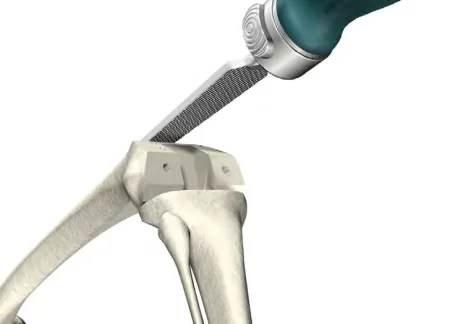 Triathlon Bone FilePrepares the resected bone surfaces, if needed, at the start of component implantation. Hand it on the Impaction Handle before the femoral component goes in.
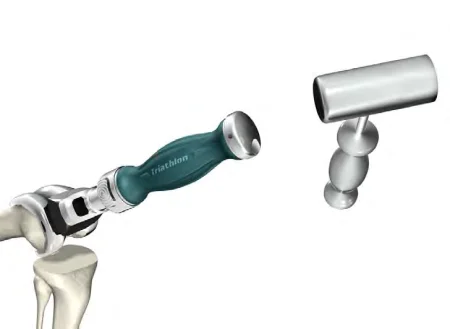 Triathlon Femoral ImpactorFurther seats the femoral component after it has been placed and impacted with the Femoral Impactor Extractor. Hand it on the Impaction Handle, with the mallet, once the Femoral Impactor Extractor is off.
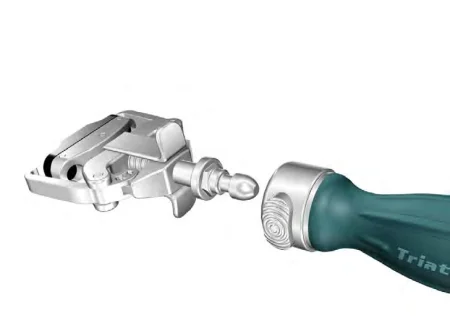 Triathlon Femoral Impactor ExtractorHolds and impacts the PS or CR Femoral Trial and the final femoral component onto the distal femur. Attached to the Slap Hammer, it removes the femoral trial. Hand it assembled to the Impaction Handle with the trial (or the implant) already loaded.
TN-ADVANCED Tibial Nailing System
23 in the library- Aiming Arm, radiolucentUsed for proximal locking of the tibial nail. The three-part trocar assembly (protection sleeve, drill sleeve, trocar) goes through the chosen hole so the drill hits the nail's locking hole. With the drill bit and sleeves in its holes, the paths of the two most proximal locking screws can be checked on a C-arm image. It is handed after the nail is seated and the nail-to-handle connection has been retightened.
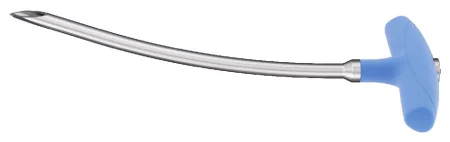 Awl, curved, cannulatedListed in the TN-ADVANCED instrument set. A cannulated curved awl can be used to make the tibial nail starting hole instead of the cannulated entry reamer.
 Calibrated Drill BitDrills the locking-screw holes. Distally it is used free-hand under the image intensifier, lined up with a perfect-circle view of the nail hole; then it is detached and the direct measuring device placed on it to read screw length. Proximally it goes through the drill sleeve in the aiming arm and the screw length is read off the bit at the back of the drill sleeve.
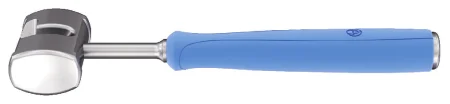 Combined Hammer, 500 gSeats the nail with light, controlled blows on the driving cap. If the nail must be backed out, the slotted part slides along the driving-cap bar or the hammer guide for backward blows. Light reverse blows can also close a fracture gap after distal locking. At removal it drives the nail out with gentle blows on the hammer guide attached to the extraction screw.
Laminectomy Tray
22 in the library- Adson Suction TubeRemoves small amounts of blood and fluid from small, delicate areas, mainly in brain and spine surgery. Covering the vent hole with the thumb turns on suction at the tip.
- Army-Navy RetractorRetracts skin and shallow tissue in small or superficial incisions. Usually used in pairs.
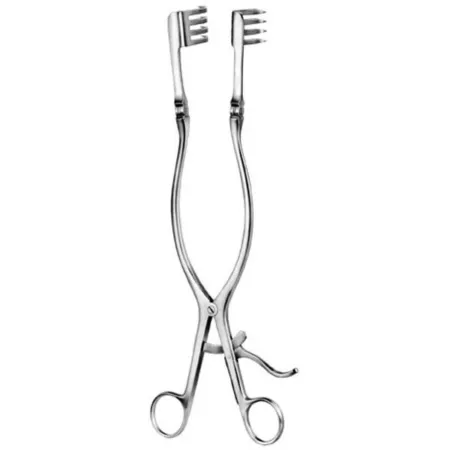 Beckman-Adson RetractorProvides deep tissue retraction in spinal and proximal femur fracture surgeries.
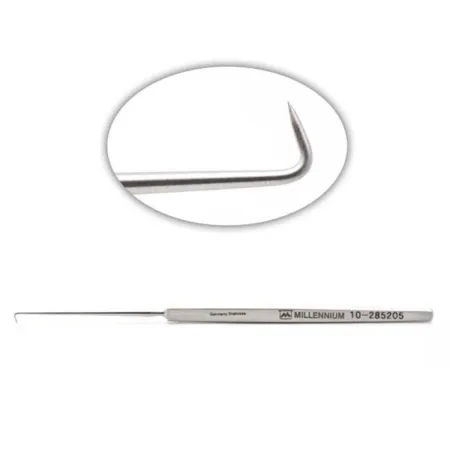 Cushing Dura HookLifts the dura away from the brain so the surgeon can nick it with a knife and open it.
Nasal / Sinus (Basic Nasal) Tray
20 in the library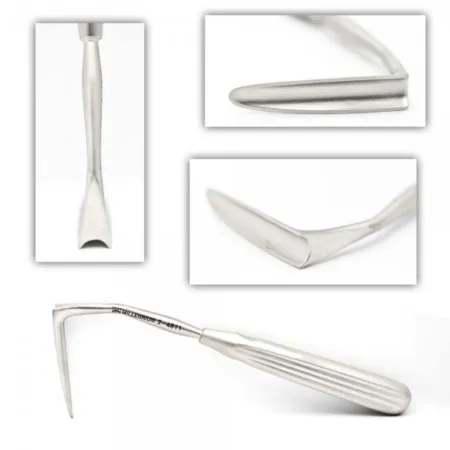 Aufricht RetractorRetracts nasal passages for improved visibility.
- Backhaus Roeder Towel ForcepsHolds towels and drapes together and in place. Also used to grasp tough tissue that will be removed and to hold small bone fractures. Never use it to attach the ESU cord or suction tubing to the drapes; it punctures them.
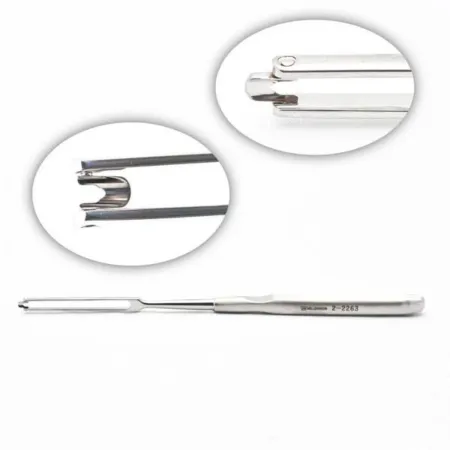 Ballenger Swivel KnifePrimarily employed for incising and dissecting nasal mucosa, particularly during septal cartilage procedures.
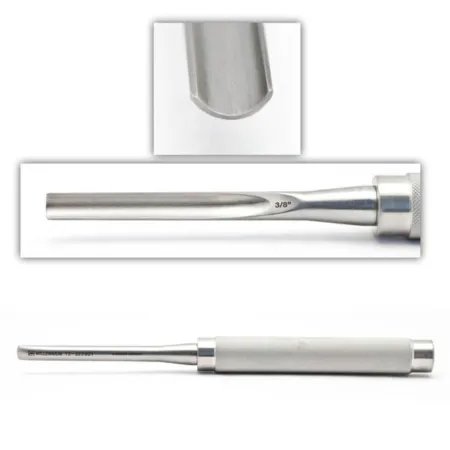 Bone GougeIdeal for scooping or removing bone tissue in orthopedic or neurosurgical procedures.
Cesarean Section Tray
19 in the library- Allis ForcepsLifting, holding and retracting slippery, dense tissue, usually tissue that is being removed. Common on tonsils, breast, thyroid and vaginal tissue, and for holding bowel during a resection.
- BabcockSpecifically designed for delicate manipulation of tubular structures like intestines or reproductive organs without causing crush injuries.
- Bandage ScissorCuts dressings, drapes and other heavy material, and removes wraps around a limb without harming the skin. In cesarean section it is sometimes used to extend the lower uterine incision without harming the baby, and to cut the umbilical cord.
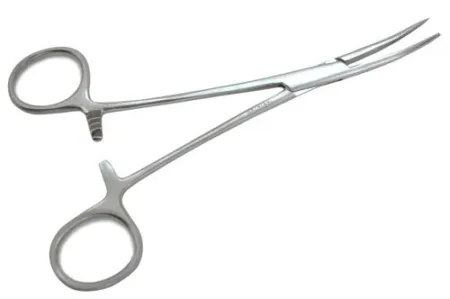 Curved HemostatsControls bleeding vessels prior to cautery/ligation. Also assists in blunt dissection.
Vaginal Hysterectomy (Major Vaginal) Tray
17 in the library- Allis ForcepsLifting, holding and retracting slippery, dense tissue, usually tissue that is being removed. Common on tonsils, breast, thyroid and vaginal tissue, and for holding bowel during a resection.
- Backhaus Roeder Towel ForcepsHolds towels and drapes together and in place. Also used to grasp tough tissue that will be removed and to hold small bone fractures. Never use it to attach the ESU cord or suction tubing to the drapes; it punctures them.
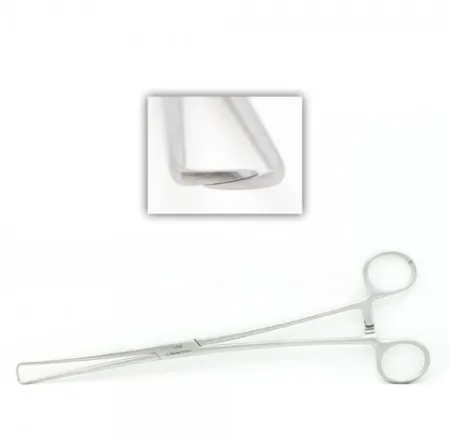 Braun Tenaculum ForcepsGrasps the front lip of the cervix to steady and pull on the uterus during D&C, hysteroscopy and vaginal or abdominal hysterectomy. The prongs pierce the tough cervical tissue for a firm hold.
- Curved Mayo ScissorCutting and dissecting heavy, tough tissue such as fascia, muscle and large tendons or ligaments.
Tonsillectomy and Adenoidectomy (T&A) Tray
15 in the library- Allis ForcepsLifting, holding and retracting slippery, dense tissue, usually tissue that is being removed. Common on tonsils, breast, thyroid and vaginal tissue, and for holding bowel during a resection.
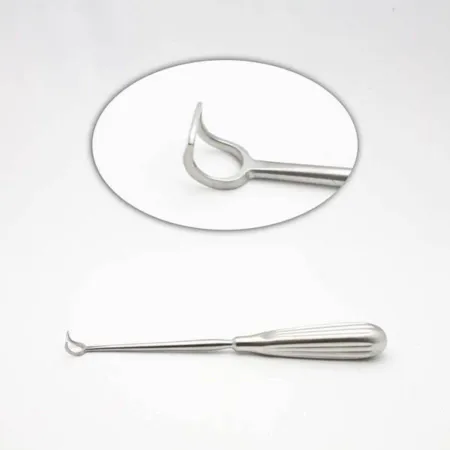 Barnhill Adenoid CuretteDesigned for excising adenoid and tonsillar tissue from the pharyngeal wall with precision.
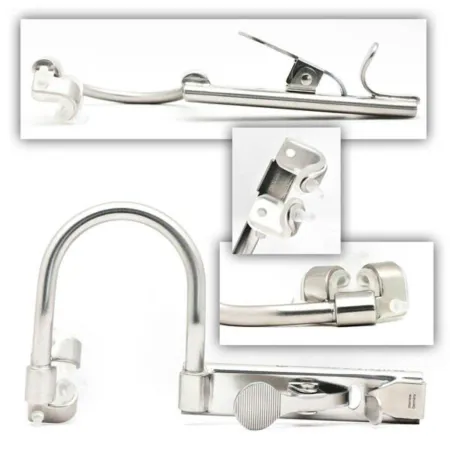 Davis Mouth GagHolds the mouth open and the tongue down for tonsillectomy, adenoidectomy and other mouth and throat procedures.
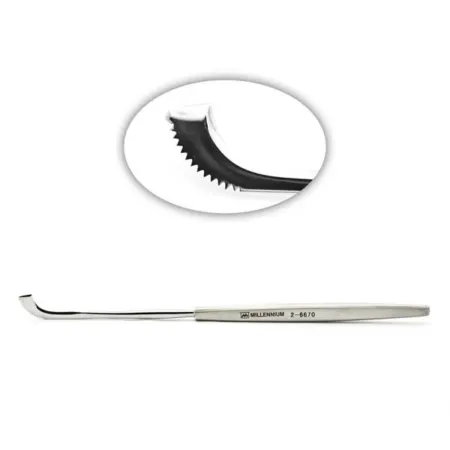 Fisher Tonsil KnifeSpecifically designed for excising tonsils by scraping and sharply dividing them from the pharyngeal wall.
da Vinci Xi Surgical System
15 in the library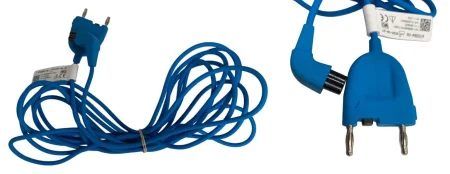 da Vinci Bipolar Energy Instrument CordConnected to the bipolar instrument on the robotic arm (for example fenestrated or Maryland bipolar forceps) so bipolar energy can be applied from the surgeon console.
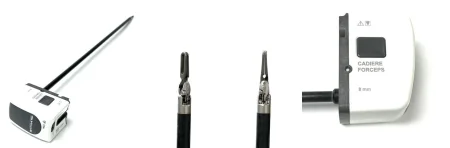 da Vinci Cadiere ForcepsGrasping and holding tissue in robotic surgery. In robotic gastric bypass it is the right-hand grasper on arm 4; it is also listed for robotic right colectomy and robotic inguinal hernia repair.
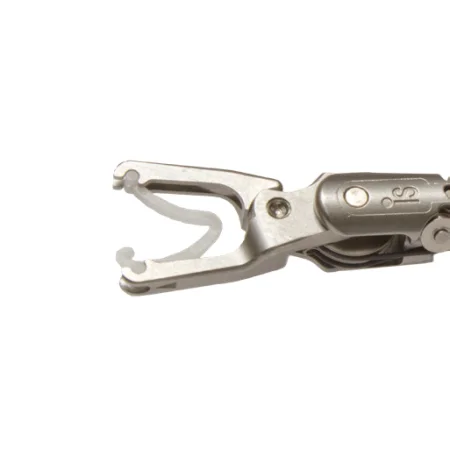 da Vinci Clip ApplierPlaces ligating clips on vessels and other structures during robotic surgery.
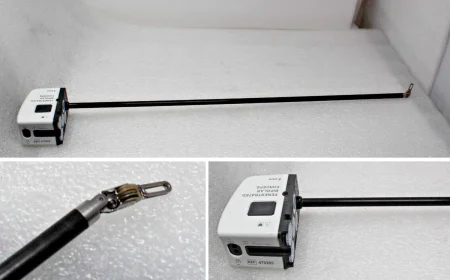 da Vinci Fenestrated Bipolar ForcepsGrasping and bipolar coagulation in robotic surgery. In robotic gastric bypass it is the surgeon's left hand on arm 1; in robotic prostatectomy it is used with the monopolar curved scissors and ProGrasp to release adhesions; also listed for robotic inguinal hernia repair and right colectomy.
FREEDOM Wrist Arthroplasty System
14 in the library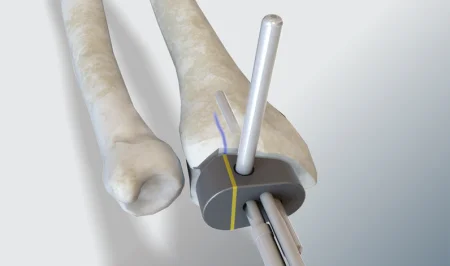 Box PunchShapes the distal radius for the radial stem. Its volar corners are lined up with the two stop-drilled holes and the pen mark, then it is driven with a mallet until fully seated. Leftover bone is cleared with a small curette.
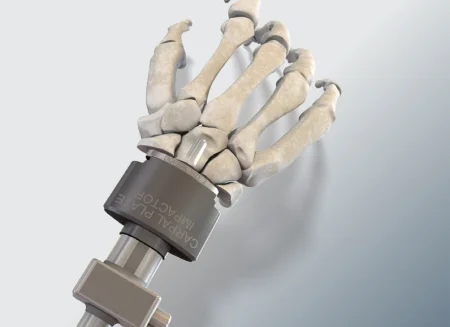 Carpal Plate ImpactorImpacts the carpal plate trial into the capitate, lining its dorsal edge with the back of the carpus. At implantation it seats the final carpal plate in cement.
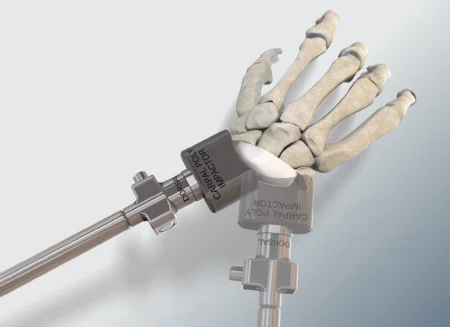 Carpal Poly ImpactorSeats the final polyethylene bearing on the carpal plate. It is angled radially, then ulnarly, to drive in one side at a time until the poly lip covers the plate all the way around.
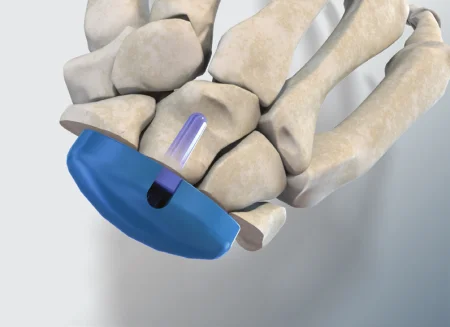 Carpal Poly TrialPlaced on the carpal plate trial for trial reduction. The wrist should be stable with about 35 degrees of extension and 35 degrees of flexion and modest tightness at full extension. A thicker trial may be used for volar instability with an intact capsule or marked dorsal instability. Used again before the final poly to confirm thickness.
Laparoscopy Tray (Basic)
14 in the library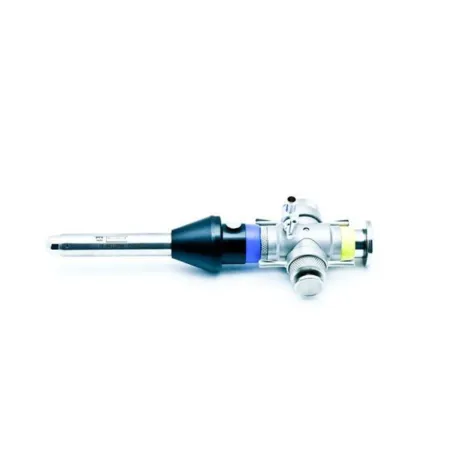 Classic Hasson CannulaPrimarily employed for initial peritoneal access and insufflation, frequently serving as the primary scope port in laparoscopic procedures.
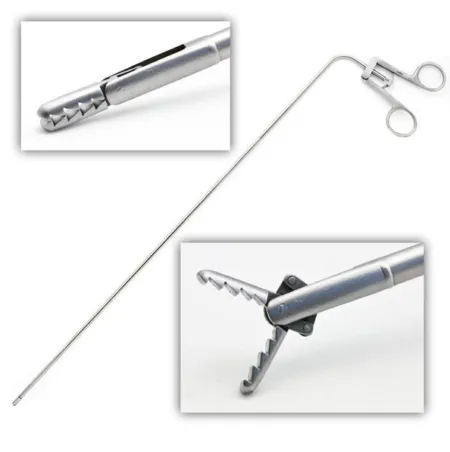 Counteraction Alligator Grasping Laparoscopic ForcepsGrasps and holds tissue through a laparoscopic port.
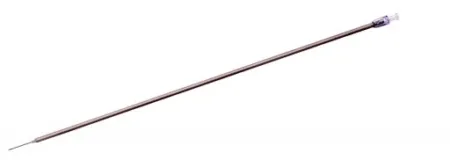 Laparoscopic Aspiration NeedleAspirates fluid from cysts, organs or body cavities during laparoscopy. A syringe or suction is attached to the Luer fitting.
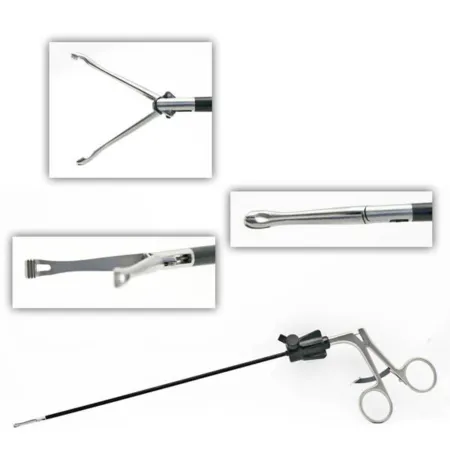 Laparoscopic Babcock ForcepsGrasps and wraps around delicate structures such as the ureter, fallopian tube, ovary, appendix or bowel.
Tracheostomy Tray
14 in the library- Allis ForcepsLifting, holding and retracting slippery, dense tissue, usually tissue that is being removed. Common on tonsils, breast, thyroid and vaginal tissue, and for holding bowel during a resection.
- Army-Navy RetractorRetracts skin and shallow tissue in small or superficial incisions. Usually used in pairs.
- Curved HemostatsControls bleeding vessels prior to cautery/ligation. Also assists in blunt dissection.
- Curved Mayo ScissorCutting and dissecting heavy, tough tissue such as fascia, muscle and large tendons or ligaments.
Kyphon Balloon Kyphoplasty
12 in the library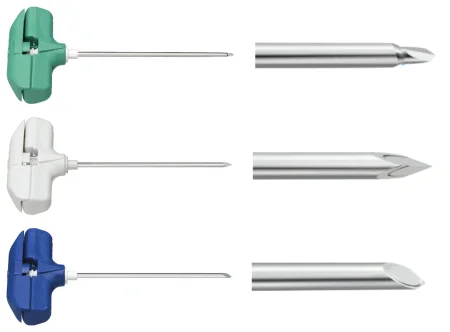 Kyphon 11 Gauge Bone Access NeedleFirst step of bone access in kyphoplasty. Through a stab incision, the needle is held with the handle in the palm and advanced under imaging to the bone surface, then into the bone to the depth wanted with alternating clockwise and counterclockwise turns. The stylet is unlocked and pulled out, the blunt guide pin is passed through the needle, and the needle is removed over the pin.
 Kyphon Blunt Guide PinPassed through the lumen of the 11 gauge bone access needle to the depth wanted under imaging. It is held in place while the needle is removed with alternating turns; the Osteo Introducer then slides over it (the pin sits inside the introducer stylet). The pin is removed after the stylet is taken out.
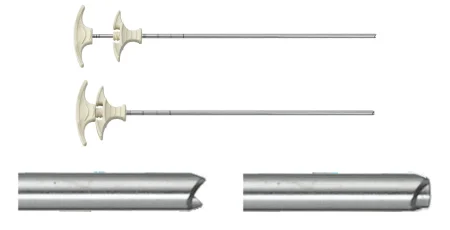 Kyphon Bone Biopsy DeviceTaking a bone biopsy through the Kyphon access during kyphoplasty. Bone biopsy needles should be available for vertebroplasty and kyphoplasty.
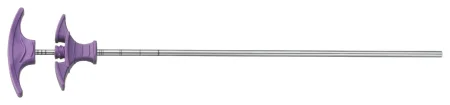 Kyphon Bone Filler DeviceCement delivery in kyphoplasty after the balloon is removed. Take the plunger out, fill the nozzle with cement and push cement to the tip to remove all air. Under imaging, advance the nozzle through the cannula to the void and check its position, then push the plunger to deliver the cement, and remove the device.
Long Instruments Tray
12 in the library- Allis ForcepsLifting, holding and retracting slippery, dense tissue, usually tissue that is being removed. Common on tonsils, breast, thyroid and vaginal tissue, and for holding bowel during a resection.
- BabcockSpecifically designed for delicate manipulation of tubular structures like intestines or reproductive organs without causing crush injuries.
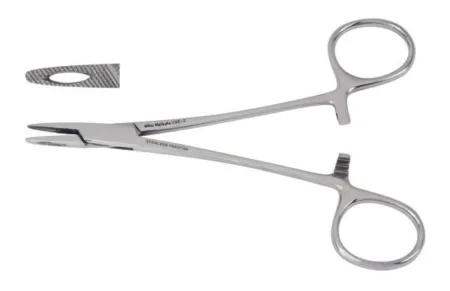 Collier Needle HolderHolds and drives curved suture needles during closure.
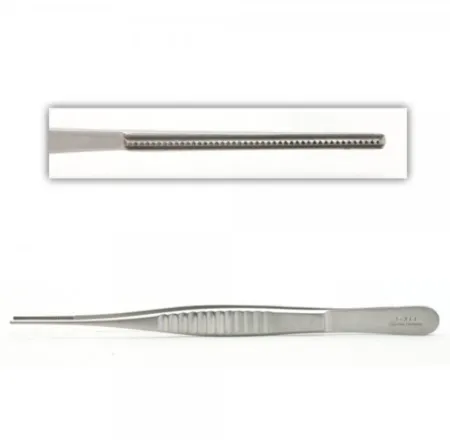 DeBakey ForcepsGrasping vessels, bowel, ureters and other delicate tissue without damage. Used in cardiac, vascular and GI surgery and in most other specialties.
Thoracotomy Tray
11 in the library Alexander Costal PeriosteotomeCuts and lifts the periosteum off a rib and separates the intercostal muscles from it, before a rib is resected (thoracotomy, or a flank approach to the kidney). The Doyen rib elevator then frees the undersurface of the rib.
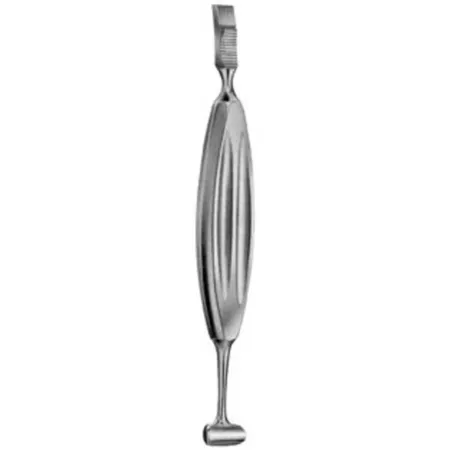 Alexander Farabeuf RasparatoryScrapes periosteum off the rib before rib resection or to enter the chest.
- BabcockSpecifically designed for delicate manipulation of tubular structures like intestines or reproductive organs without causing crush injuries.
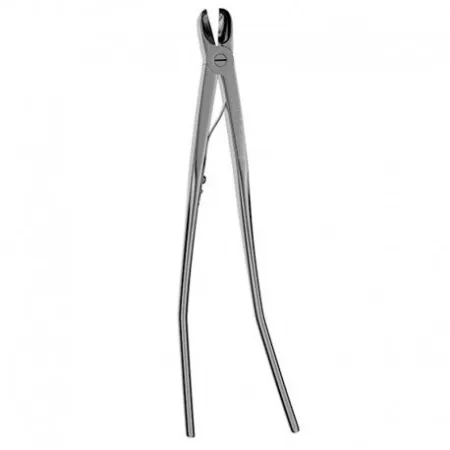 Bethune Rib ShearsCuts and removes ribs (rib resection).
Dilation and Curettage (D&C) Tray
9 in the library- Backhaus Roeder Towel ForcepsHolds towels and drapes together and in place. Also used to grasp tough tissue that will be removed and to hold small bone fractures. Never use it to attach the ESU cord or suction tubing to the drapes; it punctures them.
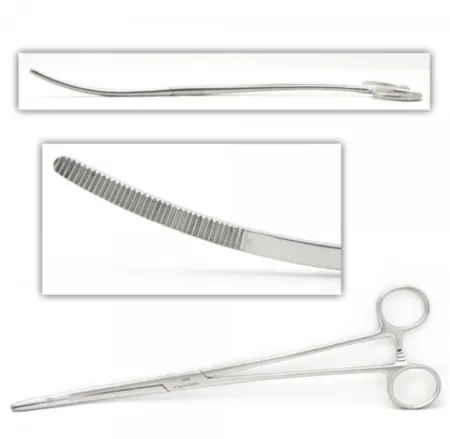 Bozeman Uterine ForcepsPlaces and removes vaginal or uterine packing and dressings. Also used to grasp and remove an IUD.
- Braun Tenaculum ForcepsGrasps the front lip of the cervix to steady and pull on the uterus during D&C, hysteroscopy and vaginal or abdominal hysterectomy. The prongs pierce the tough cervical tissue for a firm hold.
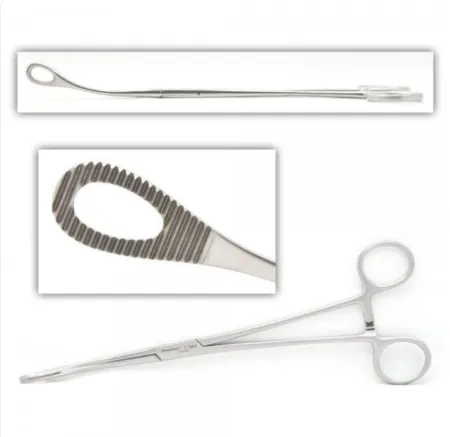 Foerster Sponge ForcepsHolds a folded gauze sponge as a sponge stick for prepping, soaking up blood or blunt dissection deep in a wound. Also used to grasp tissue such as lung, and to remove uterine contents.
Firebird Spinal Fixation System
9 in the library Head AdjusterTurns the open screw heads so they line up before the rod goes in.
 Multi-Axial Adjustment DriverAdjusts the height of the pedicle screws before the rod goes in. If a multi-axial screw was driven too deep and its head no longer moves, this driver backs it out to free the head. At implant removal it takes out the screw assemblies, and it must be used for bone screws attached to offset heads.
 Multi-Axial Screw DriverInserting multi-axial pedicle screws. The screw is loaded by turning the knob clockwise, driven into the prepared pedicle about 50-80% into the vertebral body, then released by turning the knob counterclockwise.
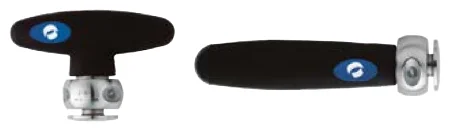 Ratcheting HandleDrives the modular bone taps. The tubular rod reducer driver also attaches to it when reduction meets resistance.
prodisc Cervical V2 Instrument Set
9 in the library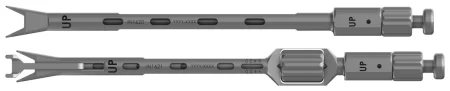 prodisc C Vivo IntroducerInserts the prodisc C Vivo (or prodisc C SK) disc implant. The introducer tip holding the implant is connected with its alignment tabs captured, and the proximal knob is turned clockwise with two fingers. The implant is lifted en bloc from its package tray, its midline lined up with the vertebral body midline, and advanced under lateral fluoroscopy to the posterior margin of the disc space. To release, the knob is turned three full turns counter-clockwise, the introducer is moved about 30 degrees off midline, and it is lifted away.
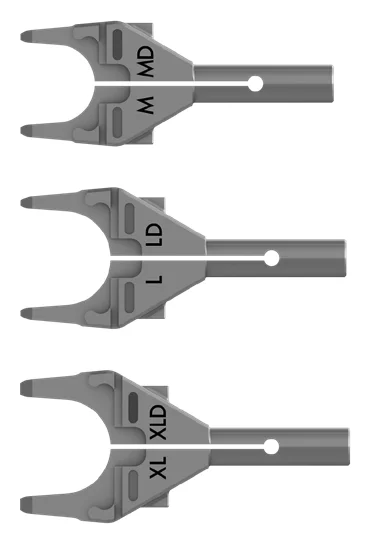 prodisc C Vivo Introducer TipHolds the prodisc C Vivo or prodisc C SK implant for insertion. The tip matching the chosen implant is snapped on while the implant is still in its package tray, color-coded side to the superior endplate, then connected to the introducer so the implant can be lifted out en bloc.
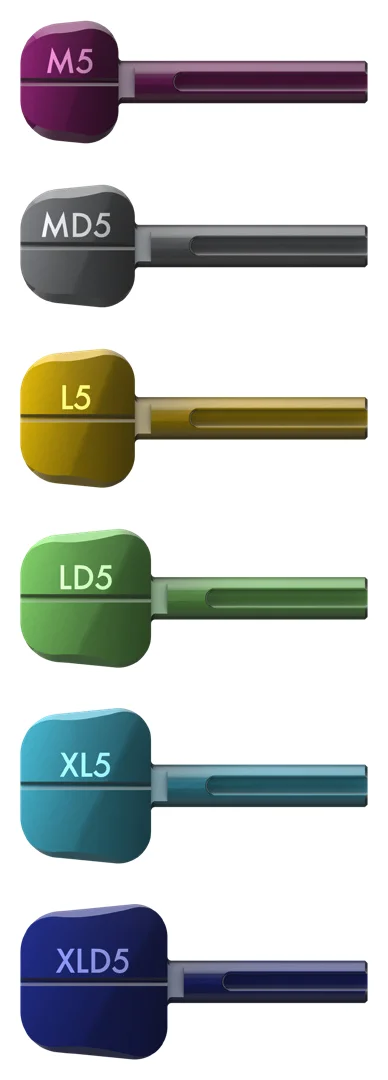 prodisc C Vivo TrialPicks the implant footprint, height and position. The trial goes in domed side up and pointing cranially, lined up on midline with the groove, and is tapped to the posterior margin of the disc space with the slotted mallet under lateral fluoroscopy. Retainer distraction is released to find the smallest fitting height. The T-handle comes off with the trial left in for an A/P check of width and midline, then slight distraction lets the trial out.
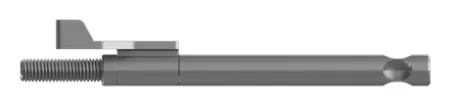 prodisc C Vivo Trial StopLimits how far the trial goes into the disc space. The trial post is turned counter-clockwise off the trial, the stop is fitted, and its shaft screwed fully clockwise. If the trial does not reach far enough posterior, turning the trial handle counter-clockwise backs the stop off (1 turn = 0.5 mm).
Abdominal Hysterectomy Tray (Add-on)
8 in the library- Curved Mayo ScissorCutting and dissecting heavy, tough tissue such as fascia, muscle and large tendons or ligaments.
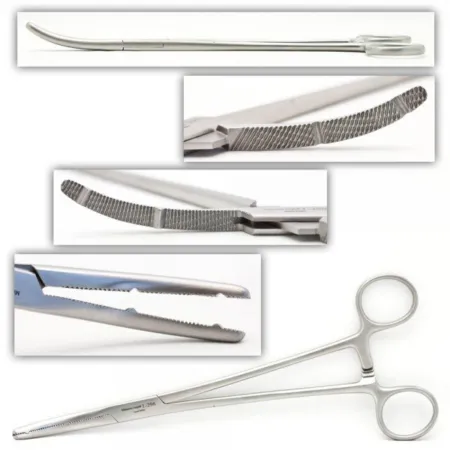 Heaney Hysterectomy ForcepsClamps the vessels and ligaments around the uterus during abdominal or vaginal hysterectomy, before they are cut and tied.
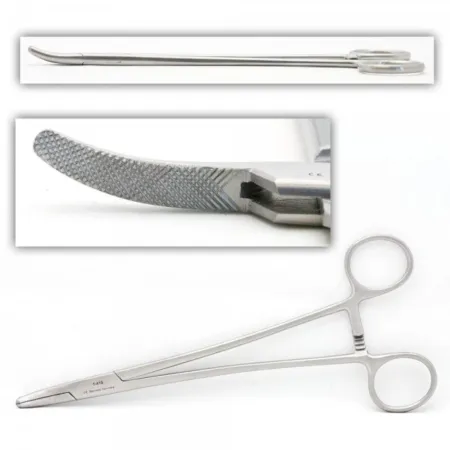 Heaney Needle HolderPlaces sutures around curved structures and in tight spaces, as in vaginal hysterectomy.
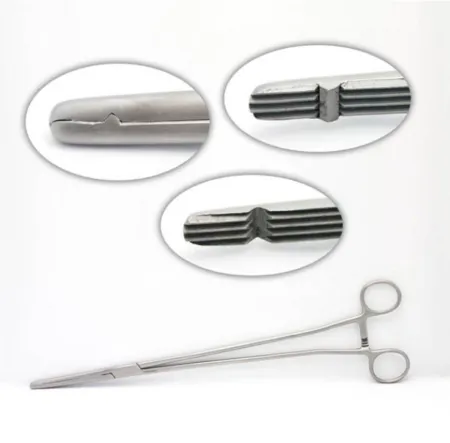 Heaney-Ballantine Hysterectomy ForcepsClamps vessels, ligaments and connective tissue pedicles during abdominal and vaginal hysterectomy.
Basic Eye (Microscope) Tray
8 in the library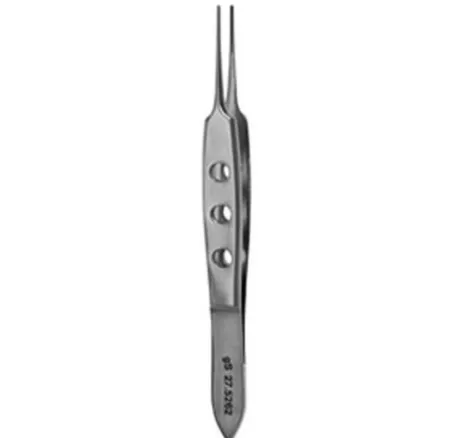 Bishop Harmon ForcepsGrasps fine, delicate tissue in and around the eye, such as during eye muscle and conjunctiva work. The serrated (dressing) version is also used to apply small dressings.
- Castroviejo Needle HolderHolds fine suture needles for eye surgery and for small vessel anastomosis and other delicate suturing.
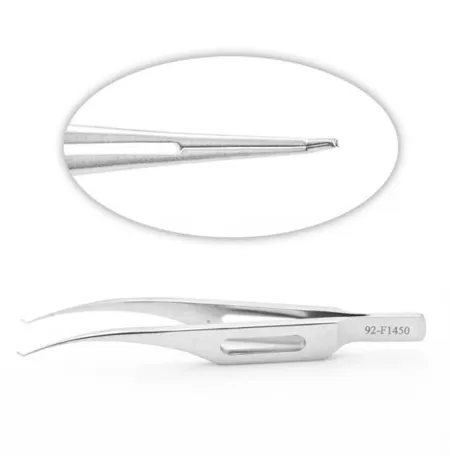 Colibri ForcepsMulti-functional: secures corneal/scleral tissue, ties sutures, and manipulates the iris.
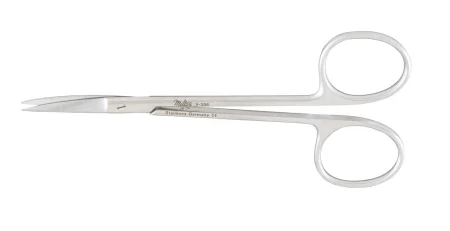 Curved Iris ScissorPrecise cutting of tissue during fine dissection, such as in plastic surgery.
Cystoscopy Tray
8 in the library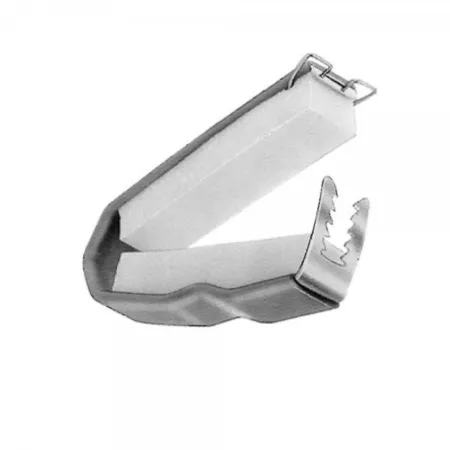 Cunningham Incontinence ClampUsed for temporary urinary control in male incontinence cases.
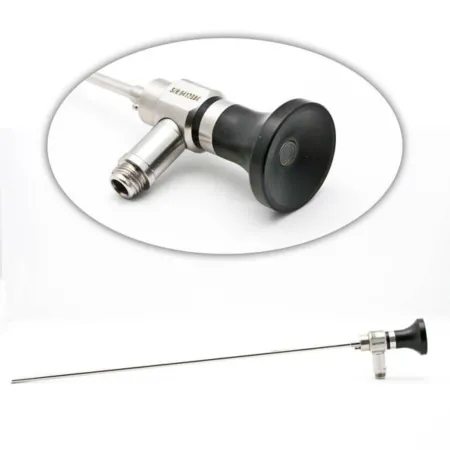 Cystoscope 30 DegreeGives the view inside the urethra and bladder during cystoscopy and transurethral procedures. It slides through a bridge into the cystoscope sheath.
 Cystoscope SheathEnables diagnostic visualization and therapeutic interventions in the urinary tract, including biopsies, stent placement, and stone management.
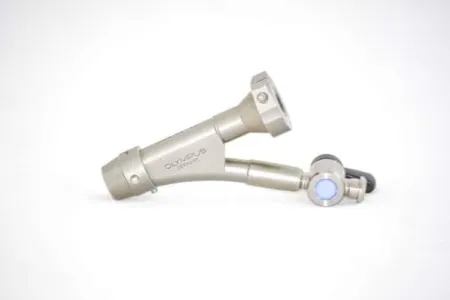 Cystoscopy BridgeJoins the telescope to the cystoscope sheath and lets the team pass guidewires, ureteral catheters, stents and other flexible devices through its working port or ports.
MatrixMIDFACE Plate and Screw System
8 in the library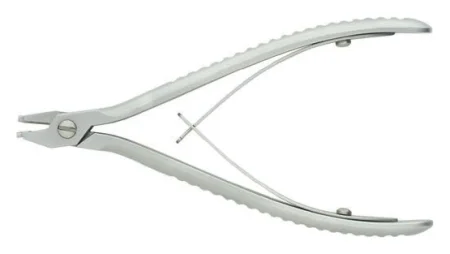 In-Plane Plate BenderContours a MatrixMIDFACE plate to the patient's anatomy, with the standard bending pliers, so it sits passively on the bone. Used for midface and orbital plates.
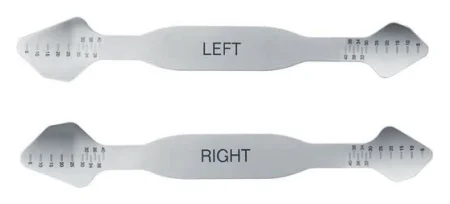 MatrixMIDFACE Orbital RetractorOrbital fracture repair with MatrixMIDFACE orbital plates. The guide refers to the separate preformed orbital plate technique (DSUS/CMF/1016/0620) for how to handle them.
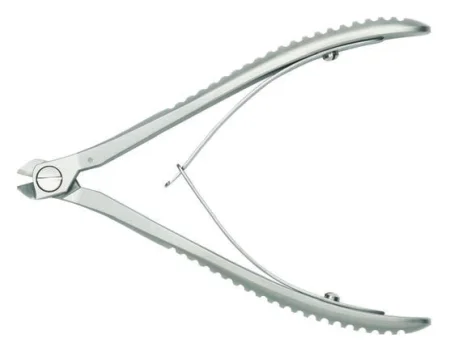 MatrixMIDFACE Plate CutterCuts the MatrixMIDFACE plate to length after it is chosen and turned topside out.
 MatrixMIDFACE Screwdriver Blade with Holding SleevePicks up and drives MatrixMIDFACE screws, with the sleeve holding the screw on the blade, for midface and orbital plates.
OPERACE Screw Extraction System
8 in the library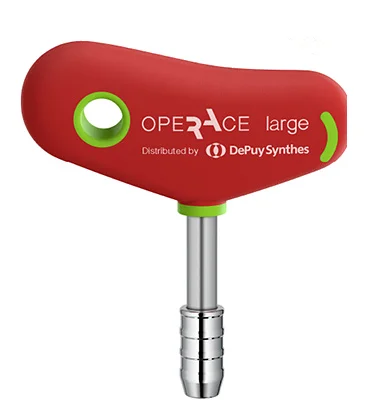 OPERACE Cross-HandleHardware removal. Used when a screw will not turn with the regular OPERACE handle, and to turn extraction screws into a damaged recess.
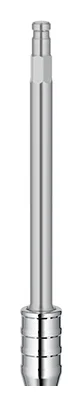 OPERACE ExtensionHardware removal: adds length to reach deeply placed screws.
 OPERACE Extraction Drill BitRemoves locking screws stuck in a plate. The bit, already spinning clockwise, is set in the screw recess and drilled with very light pressure to the far side of the plate. This frees the screw head from the shaft so the plate lifts off with the heads; the shafts are then taken out with the extraction reamer. It can also deepen a damaged recess so an extraction screw can bite.
 OPERACE Extraction ReamerRemoves broken screws and buried broken screw shafts, including shafts left after the drill bit step. Turned counter-clockwise with slight pressure until it grips, then with more pressure until the thread is seated on the shaft; the screw is then backed out with steady axial pressure. For a buried shaft it is set flat on the bone and reams along the screw axis under image intensifier until it passes over the shaft.
Thyroid Tray
8 in the library- DeBakey ForcepsGrasping vessels, bowel, ureters and other delicate tissue without damage. Used in cardiac, vascular and GI surgery and in most other specialties.
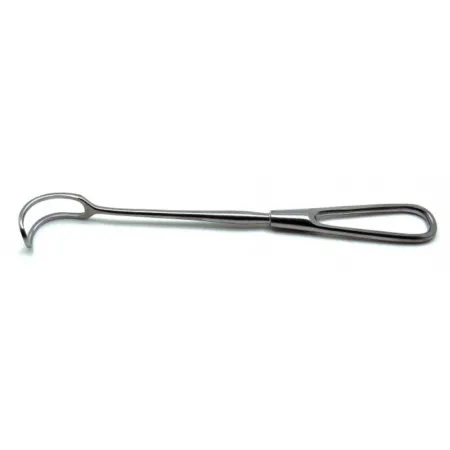 Green RetractorRetracts intermediate-depth tissue, primarily in neck procedures.
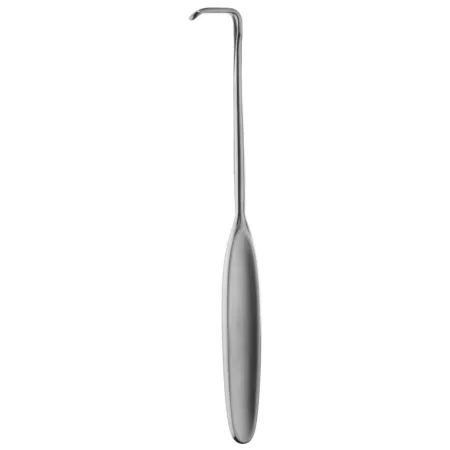 Lahey RetractorProvides critical exposure during umbilical port placement in laparoscopic/robotic cases and aids visualization in cervical/thyroid surgeries.
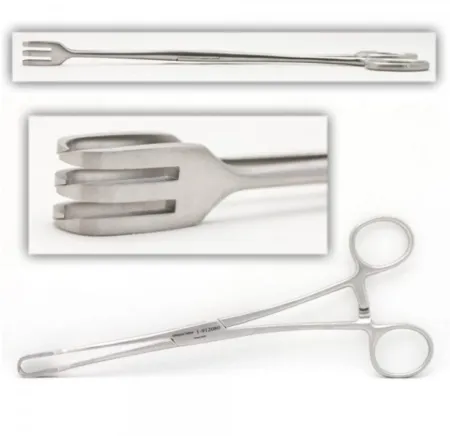 Lahey Traction ForcepsIdeal for securing and manipulating dense fibrous tissues.
Laparoscopic Cholecystectomy Tray
7 in the library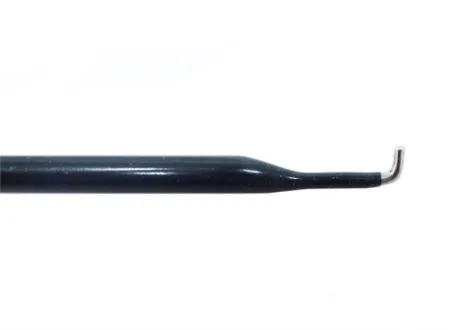 L Hook CauteryFacilitates precise tissue dissection and vessel cauterization during electrosurgical procedures.
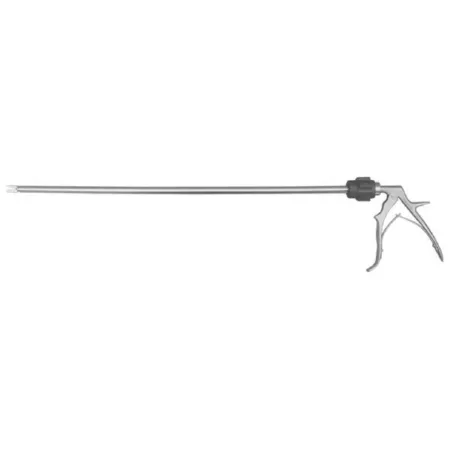 Laparoscopic Clip AppliersCloses off (ligates) blood vessels, ducts and other small tubular structures with metal or polymer clips during laparoscopic surgery, such as clipping the cystic duct during a laparoscopic cholecystectomy.
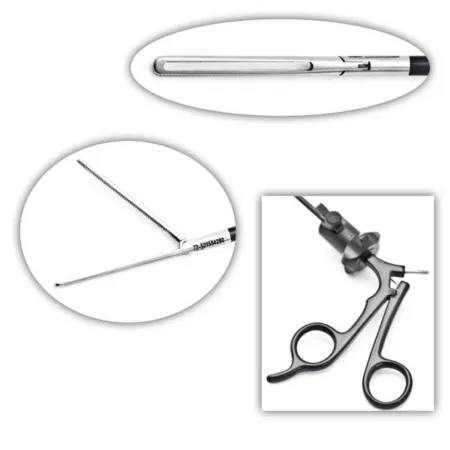 Laparoscopic GrasperHolds, lifts and retracts tissue through a port. Atraumatic jaws are chosen for delicate tissue such as bowel.
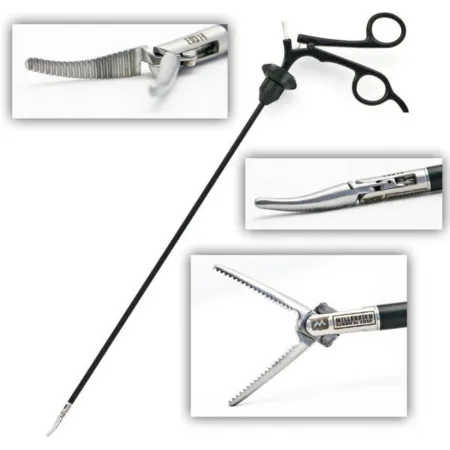 Laparoscopic Maryland Dissector GrasperFine dissection and separation of thin connective (adventitial) tissue during laparoscopic surgery. With the monopolar cord attached, it can also coagulate tissue held in its jaws.
Mediastinoscopy Tray
7 in the library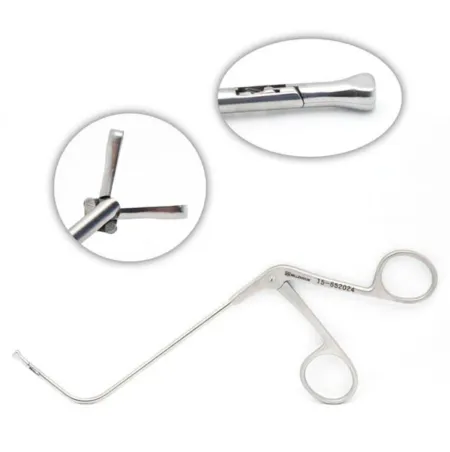 Biopsy Cup ForcepsCollects bladder tissue samples for analysis.
- Ferg-Frazier SuctionEvacuates fluid, blood, and smoke from deep, narrow surgical pathways like nasal cavities, ear canals, and neurosurgical fields.
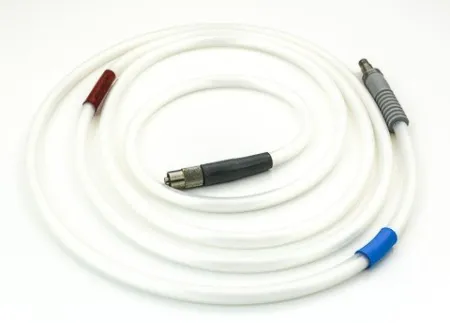 Light CordCarries light from the light source to the endoscope so the surgeon can see during endoscopic and laparoscopic surgery.
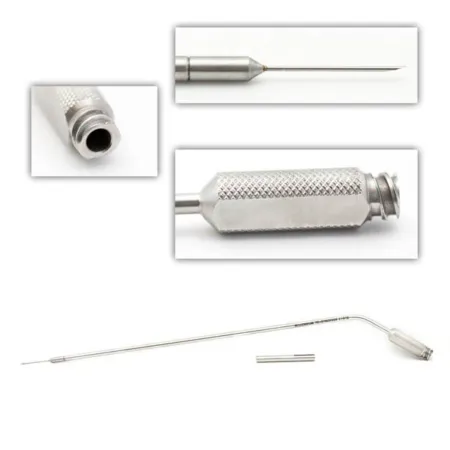 Mediastinoscopy Aspiration NeedleEnables tissue aspiration and biopsy during mediastinoscopy procedures.
DART Direct Anterior Reconstructive Technology
6 in the library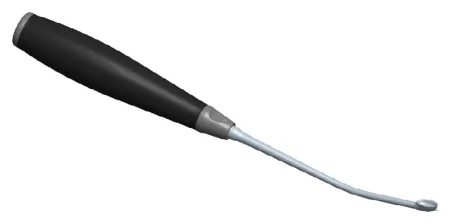 Angled CuretteOpening and sounding the direction of the femoral canal before broaching, and removing bone on the lateral side so the broach and stem are not undersized or placed in varus.
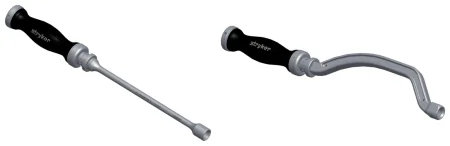 Cup Bolt ImpactorImpacting the acetabular cup in direct anterior hip replacement. The cup goes in by hand or already on the impactor, the final angle is set, and the cup is impacted. The impactor can be taken off while the bolt stays in the cup, so the cup angle can be checked and the impactor put back on. It is then used to unscrew the bolt.
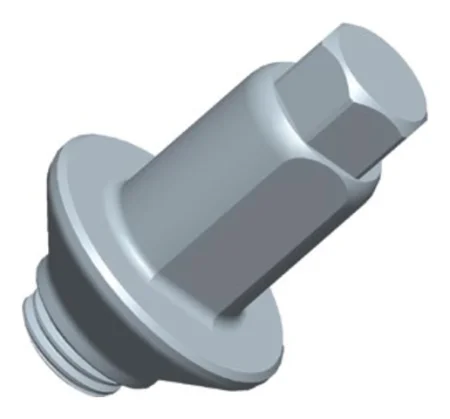 Cup Impactor BoltLets the cup bolt impactor be attached and detached again and again. It may stay in the cup while the angle is checked. It is removed counterclockwise with the impactor, by hand with the straight impactor, or with the U-joint bolt driver, and put back the same way if the cup must be moved after trial reduction.
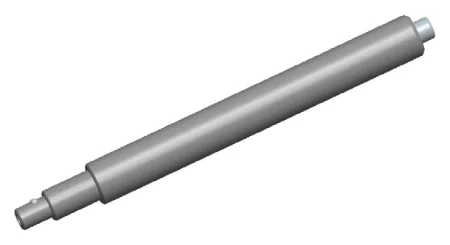 Quick-Connect HandleHelps control the version (rotation) of the broaches during femoral preparation.
Gastrointestinal (Bowel) Procedures Tray
6 in the library- Allis ForcepsLifting, holding and retracting slippery, dense tissue, usually tissue that is being removed. Common on tonsils, breast, thyroid and vaginal tissue, and for holding bowel during a resection.
- BabcockSpecifically designed for delicate manipulation of tubular structures like intestines or reproductive organs without causing crush injuries.
- DeBakey ForcepsGrasping vessels, bowel, ureters and other delicate tissue without damage. Used in cardiac, vascular and GI surgery and in most other specialties.
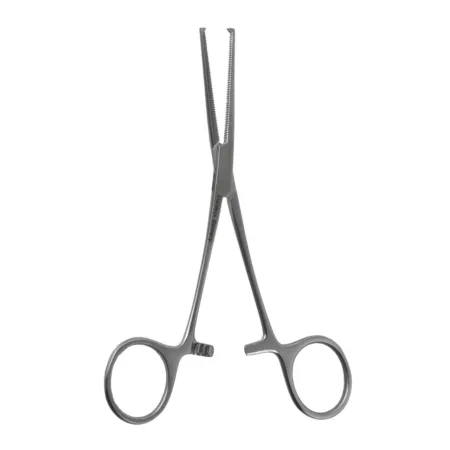 Kocher ForcepsGrasping tough, slippery tissue such as fascia, muscle and tendon, where a clamp without teeth would slip.
Lapiplasty System
6 in the library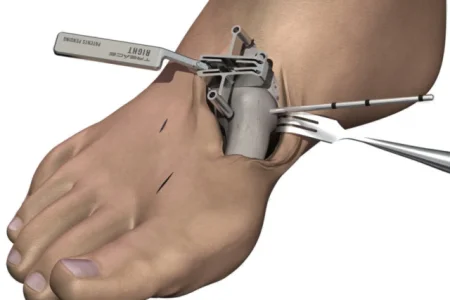 Lapiplasty 3-N-1 Cut GuideInserted into the lateral corner of the first TMT joint after the Positioner sets the correction. It is fixed with two bicortical 2 mm half-pins driven to their laser marks plus a third offset pin, and the sagittal saw makes both cuts through it (vertical saw, slow pecking motion, full blade depth). It is then slid off the parallel pins.
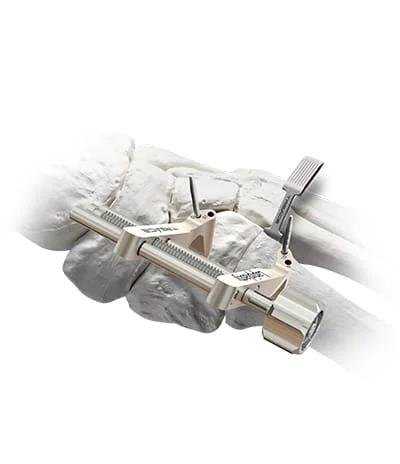 Lapiplasty CompressorApplied over the pins with the knob facing medially, with the Fulcrum between the 1st and 2nd metatarsal bases, and tightened to 'two finger' tightness to fully appose the cut TMT joint. After provisional fixation its pins are removed and the Compressor comes off.
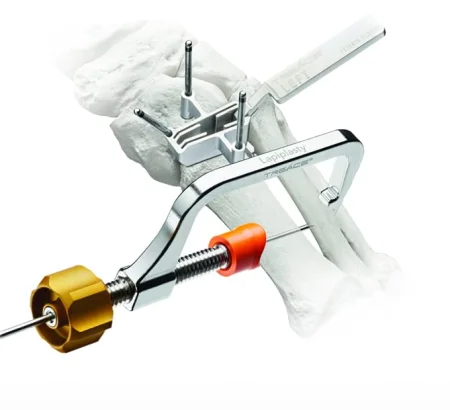 Lapiplasty PositionerTightened to 'two finger' tightness to bring the first metatarsal into corrected alignment before any cut. A 1.6 mm K-wire is then driven through its cannulation into the 2nd metatarsal to hold the correction. It can be reapplied during compression to stabilize the correction.
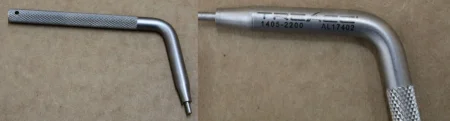 TMC Plate Bending DevicesContour the plate to the bone before it is fixed. The hex feature on the plate bender can also remove a drill-guide assembly from the plate.
Major Vascular (Abdominal and Thoracic) Tray
6 in the library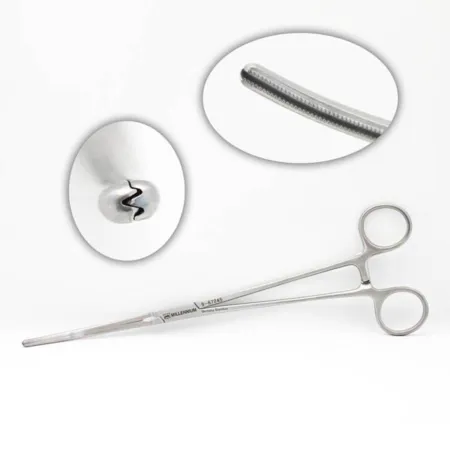 DeBakey Aortic Aneurysm ClampOccludes the aorta, partly or completely, during aneurysm repair and graft placement, for example across the neck of a saccular aneurysm or while a fusiform aneurysm is removed and replaced with a graft. It can also tunnel under tissue to pull a graft through to its distal anastomosis.
- DeBakey ForcepsGrasping vessels, bowel, ureters and other delicate tissue without damage. Used in cardiac, vascular and GI surgery and in most other specialties.
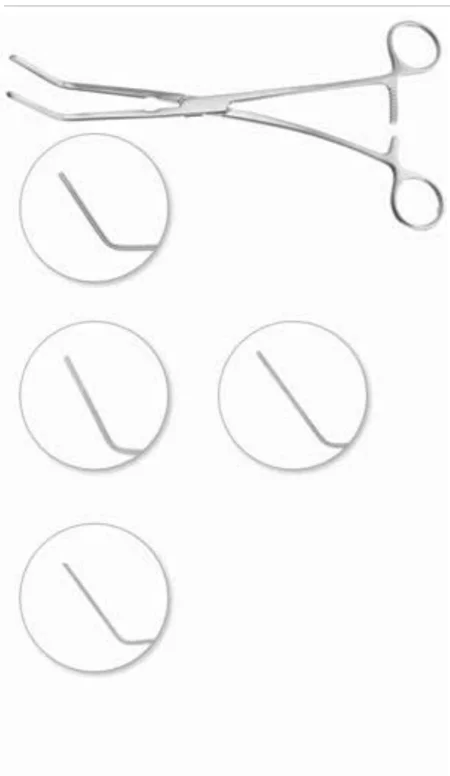 DeBakey Multipurpose ClampClamping the aorta and other large vessels. Teleflex notes they also serve as bronchus and gastric clamps in general surgery. The abdominal and thoracic vascular tray carries an angled 60-degree (9 5/8 in) and a 90-degree (10 in) DeBakey.
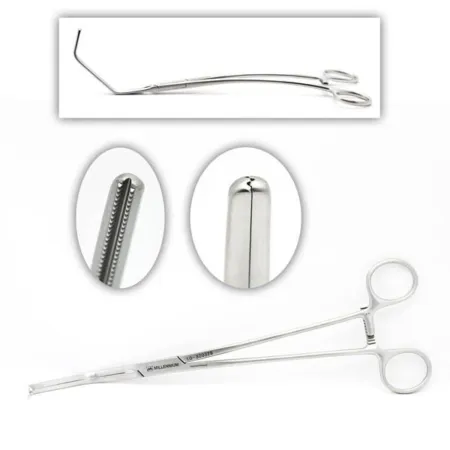 DeBakey Tangential Occlusion ClampClamps part of the side wall of a large vessel, such as the aorta, so it can be opened and sewn while blood keeps flowing through the rest of the vessel. Used in vascular and cardiac surgery.
Myringotomy Tray
5 in the library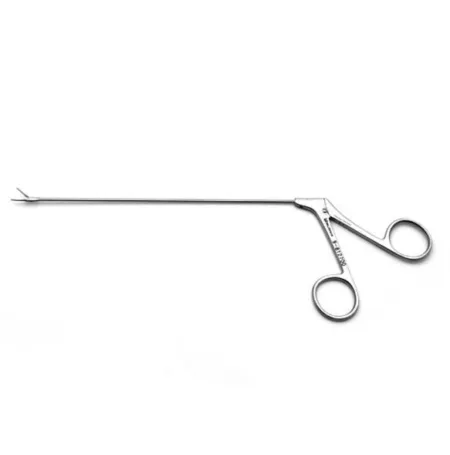 Alligator Ear ForcepsHandles and removes tissue in the ear canal and middle ear, places ear (aeration) tubes, and places gelatin sponge packing during grafting.
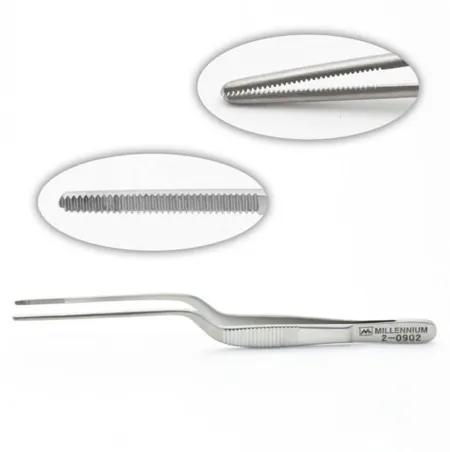 Bayonet ForcepsGrasps and handles tissue in deep or narrow spaces and places packing or nasal splints, such as packing the nose with cottonoids.
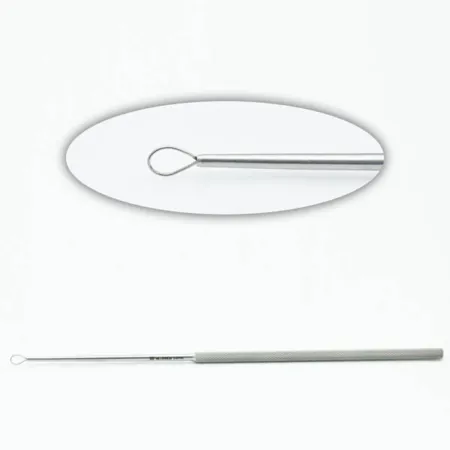 Billeau Ear LoopRemoves earwax (cerumen) and small foreign bodies from the ear canal.
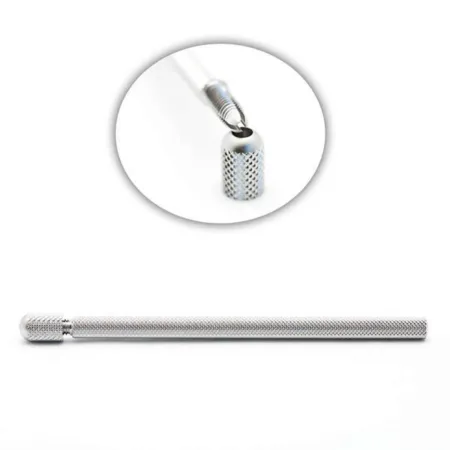 Ear Knife HandleHolds a single-use myringotomy blade for the cut in the eardrum to drain fluid or place a tube.
Small Fragment Set
4 in the library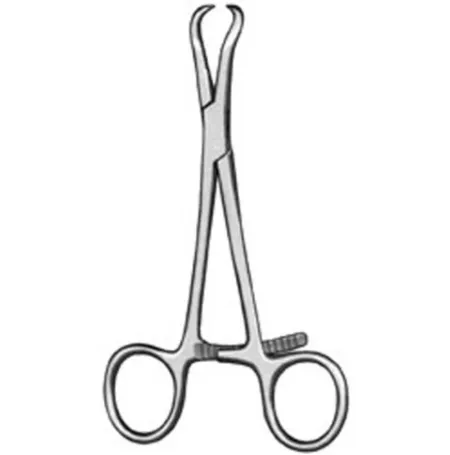 Bone Reduction Forceps
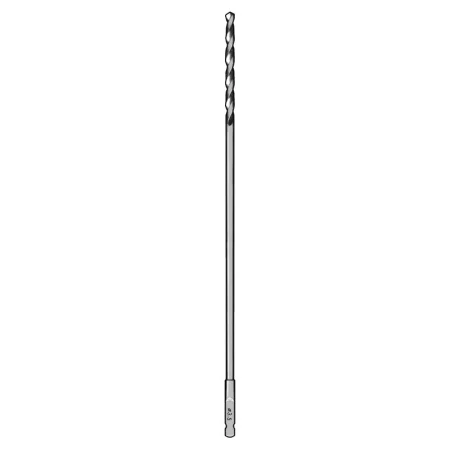 Drill BitDrills holes in bone, usually before a screw is placed. In hip hemiarthroplasty the drill bits (including 1/4 in and 1/2 in) are set up with the high-speed drill. In total elbow arthroplasty, crossed (cruciate) and transverse holes are drilled in the proximal ulna (olecranon) so heavy #5 nonabsorbable sutures can reattach the triceps; the sutures are tied with the elbow flexed 90 degrees.
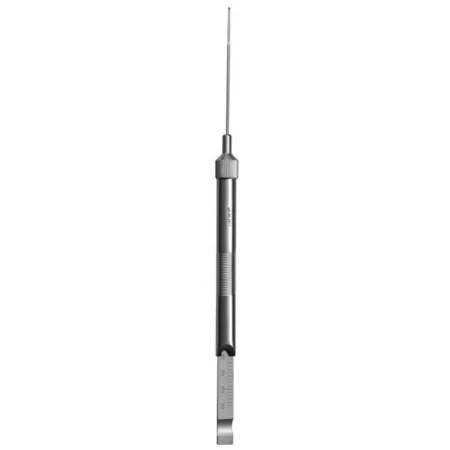 Orthopedic Depth GaugeMeasures the depth of a drill hole in bone so the right screw length can be chosen.
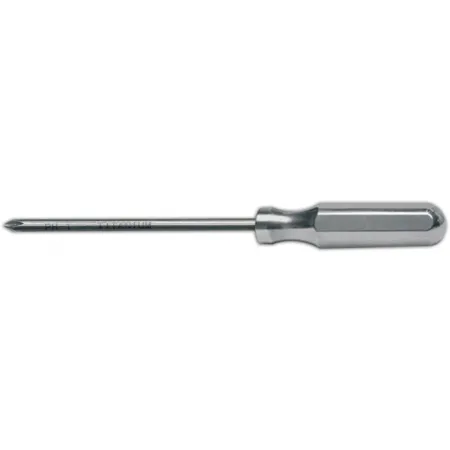 Phillips ScrewdriverUsed for inserting and removing screws in various surgical applications, including orthopedic and dental procedures.
Vasoview Hemopro 2 Endoscopic Vessel Harvesting System
4 in the library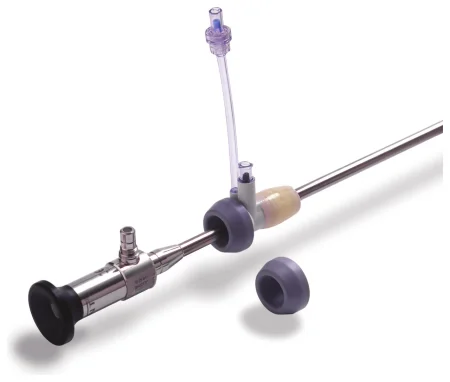 Vasoview 7 mm Extended Length EndoscopeEndoscopic saphenous vein or radial artery harvest. With the Dissection Tip on, it is passed through the blunt tip trocar to bluntly dissect the vessel in the CO2 tunnel: anterior, then posterior, then branch (lateral) dissection. Then the Dissection Tip is taken off and the scope is locked into the bell handle of the harvesting cannula (audible click) to view branch sealing and cutting.
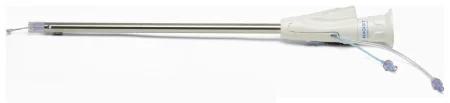 Vasoview Hemopro 2 Harvesting CannulaCarries the endoscope and harvesting tool through the blunt tip trocar for branch sealing and cutting. The C-Ring holds the vessel, shields it and exposes branches; it stays behind each branch being cut. CO2 can be moved to its distal insufflation port for a clearer view, and a 5 cc saline syringe on the washer port cleans the scope lens. At the end the C-Ring is run along the whole vessel to check that no branches remain.
 Vasoview Hemopro 2 Harvesting ToolGoes through the harvesting cannula's tool adapter port to seal and cut vessel branches in one step, to cut the forearm fascia in radial artery harvest, and to spot-cauterize bleeding. Toggle forward opens the jaws, center closes them, and pulling back until a stop applies energy.
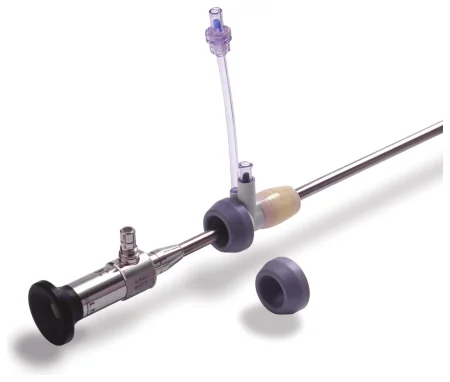 Vasoview Short Port Blunt Tip TrocarAfter the scope with Dissection Tip has been advanced about 4 cm along the vessel, the BTT is slid into the incision. CO2 runs through its port at 3-5 L/min and 10-12 mmHg to make and hold the tunnel. The endoscope, and later the harvesting cannula, pass through it. If pressure will not hold, its balloon is filled with the least air needed (0-25 cc); a purse-string suture can seal obvious leaks. At the end the balloon is let down and it is removed.
Biliary Tract (Gallbladder) Tray
3 in the library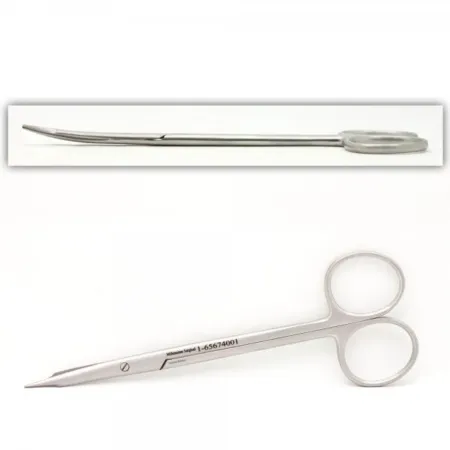 Potts Tenotomy ScissorFine dissection of delicate tissue in small spaces.
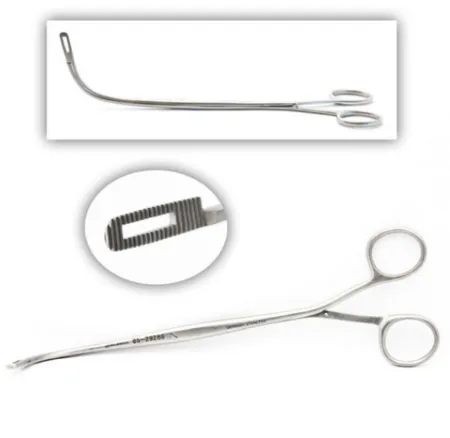 Randall Kidney ForcepsSecures renal calculi during removal.
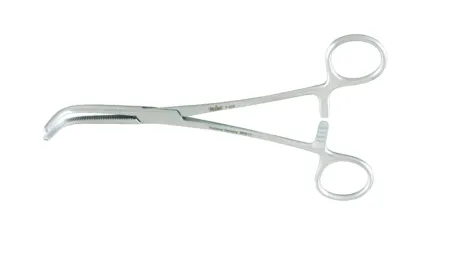 Right Angle ClampDissects around vessels and ducts and clamps them. Often used to pass a tie or vessel loop under a vessel or duct so the surgeon can pull it around to tie off or retract the structure.
Ethicon
3 in the library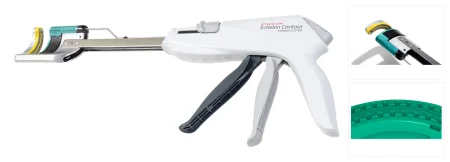 ECHELON CONTOUR Curved CutterLow anterior resection and sigmoid colectomy: the surgeon finds the distal margin and transects the rectum low in the pelvis with it, where a straight stapler is hard to angle. The proximal sigmoid is then divided with a straight GI linear stapler.
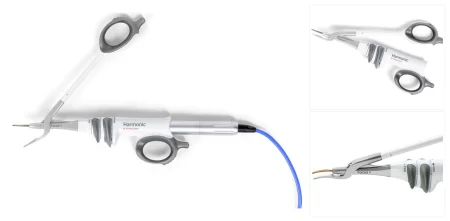 Harmonic Focus ShearsUltrasonic cutting and sealing in open surgery. A Harmonic Scalpel handpiece with a scissors tip is optional in the thyroid setup, and the harmonic scalpel is one way to harvest the radial artery pedicle.
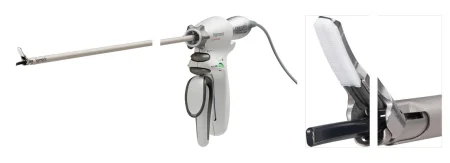 Laparoscopic Harmonic ScalpelGrasps tissue and delivers ultrasonic energy between the jaws to coagulate and divide it during laparoscopic procedures.
IMF Screw Set
3 in the libraryMako System
3 in the library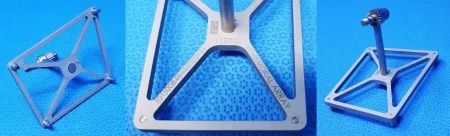 Mako Femoral ArrayKnee: fixed to the femoral bone pins (outside or inside the incision) so the Mako system can follow the femur through registration, planning and robotic cutting. In the hip, the femoral array goes into a femoral cortical screw instead of pins.
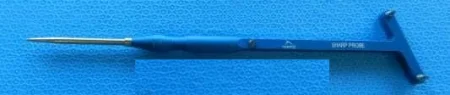 Mako ProbeBone registration: the surgeon touches points on the bone surface so the system can match the CT-based model to the patient (within 0.5 mm in the knee). In the hip it also checks checkpoints (divots in small bone screws) to show an array has not moved, and collects landmarks.
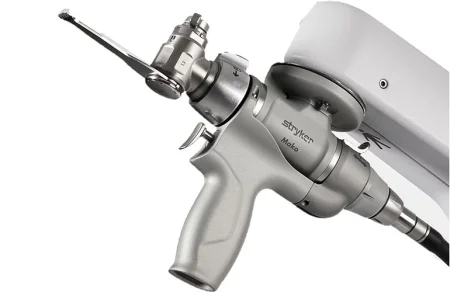 Mako Robotic-Arm SawMakes all the femoral and tibial bone cuts in Mako total knee replacement without cutting blocks. The surgeon moves through the cut sequence by double-clicking the MICS trigger or pressing the foot pedal. The arm is first placed in the best spot ('Mako Park').
Ano-Rectal Procedures Tray
2 in the library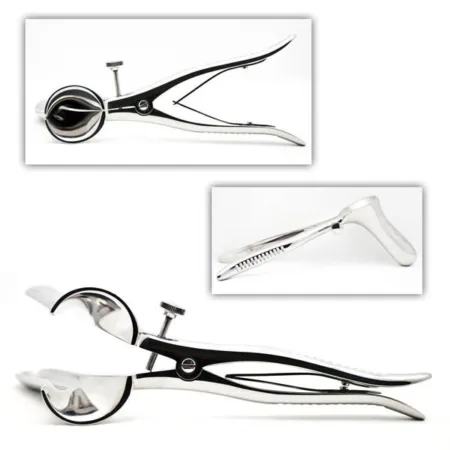
Applied Medical
2 in the library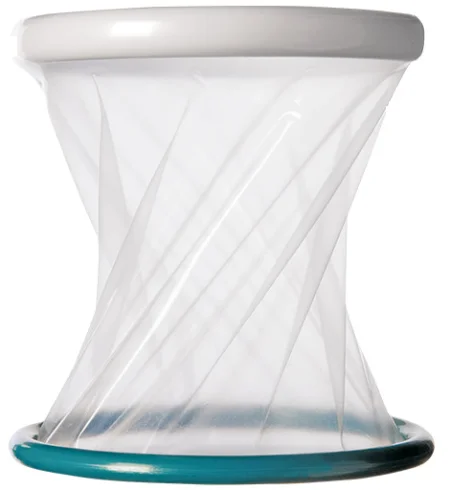 Alexis O Wound Protector-RetractorHolds an incision open evenly all the way around (360 degrees) and lines the wound edges with the sheath. Placed through a small thoracotomy in robotic mitral valve and myxoma surgery, into the vesicovaginal space in vNOTES hysterectomy, and at an abdominal opening for specimen removal.
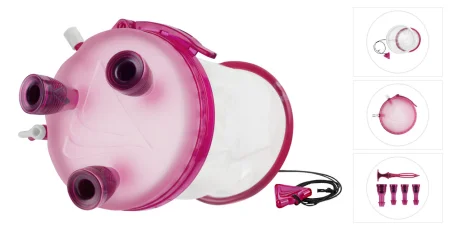 GelPOINT V-Path Transvaginal Access PlatformvNOTES hysterectomy. After colpotomy, the Alexis O-Retractor is placed with one end in the vesicovaginal space and the other in the pouch of Douglas. The platform is attached to its rim, trocars are placed through it, and the pelvis is insufflated with CO2 (8-10 mmHg in the cited series) for the scope and laparoscopic instruments.
AtriClip
2 in the library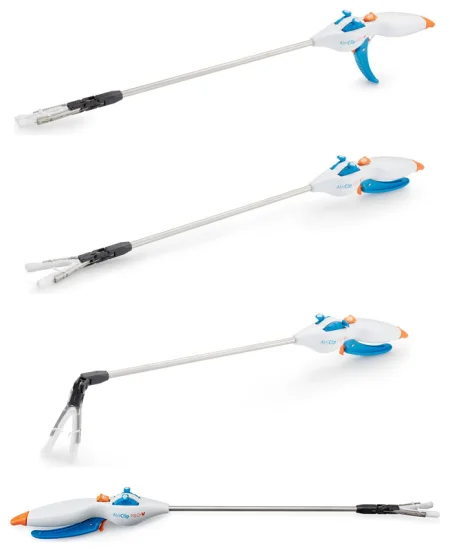 AtriClip LAA Exclusion SystemCloses off the left atrial appendage at its base, under direct vision, during other cardiac surgery. After sizing with the selection guide, the clip is opened with the lever, placed at the base of the appendage and closed while still attached, so it can be reopened and moved. When placement is right, the deployment tab is pulled slowly, the end effector is unlocked and withdrawn, and the clip and its attachment suture stay behind.
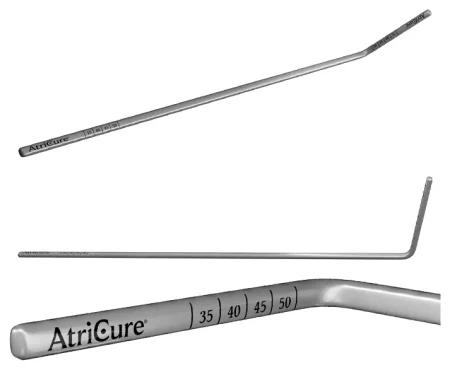 AtriClip Selection GuideSizes the left atrial appendage before an AtriClip is opened. It is placed right beside the appendage, read at the base, and the clip size is picked from the marks.
Cataract Extraction and Lens Tray
2 in the library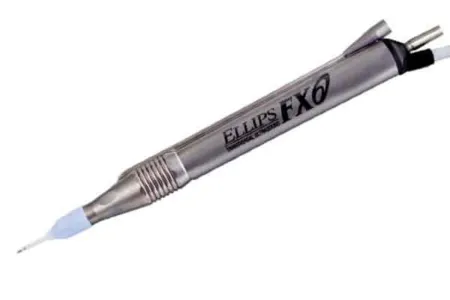
Coonrad/Morrey Total Elbow
2 in the library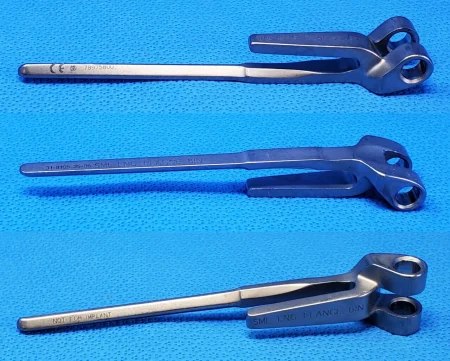 Coonrad/Morrey Humeral ProvisionalThe distal end of the size-matched Humeral Provisional can be slipped between the bony columns to check the humeral cut. For the trial reduction it is inserted with the ulnar provisional, articulated, linked with the pin provisional, taken through range of motion and removed.
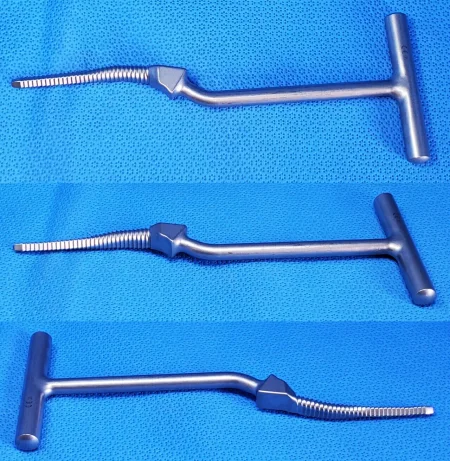 Coonrad/Morrey Ulna RaspUsed in order after the Pilot Rasp: the right or left Starter Rasp, then the Small or Regular Rasp inserted with a gentle twist. For the extra-small ulnar component the Starter Rasp is the last rasp and must be fully seated. With a small component in a large canal, the Regular Rasp can follow the Small Rasp for a thicker cement mantle. With the rasp in the canal, keeping its handle perpendicular to the olecranon 'flat' sets the implant orientation.
Medtronic
2 in the library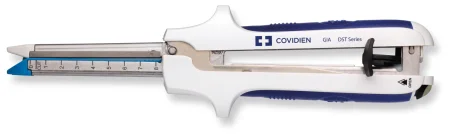 GIA StaplerStapling and dividing bowel, and joining a cut tube side to side; the central knife opens the lumens after stapling. Linear cutters are also used to transect tissue in thoracic, gynecologic and pediatric procedures.
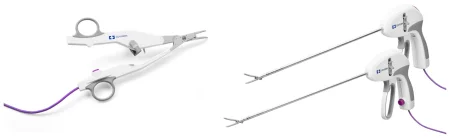 LigaSure Vessel SealerSealing vessels: a set amount of bipolar energy and pressure fuses the collagen and elastin of the vessel wall into one structure, closing the lumen with a permanent seal. Used in open and laparoscopic surgery.
ACTIS Total Hip System
1 in the library
Carpentier-Edwards Physio II Annuloplasty Ring
1 in the library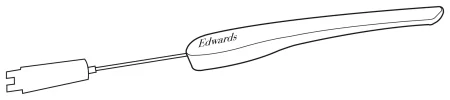
Cook Medical
1 in the library
CooperSurgical
1 in the library
DePuy Synthes
1 in the library
Edwards SAPIEN 3 Transcatheter Heart Valve System
1 in the library
HeartMate 3 Left Ventricular Assist System
1 in the library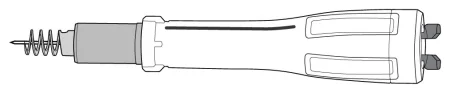
Isolator Synergy Surgical Ablation System
1 in the library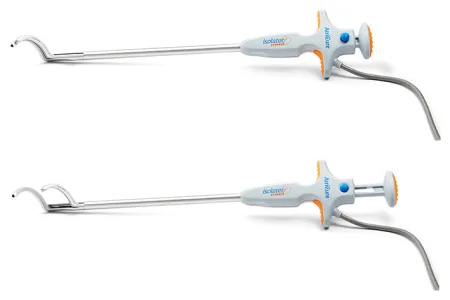
MaXcess Access System
1 in the library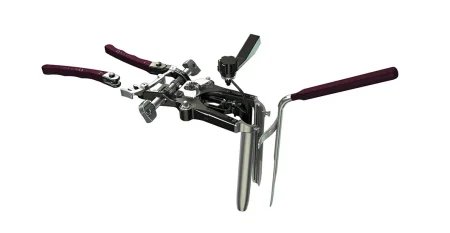
Masters Series Mechanical Heart Valve
1 in the library
MyoSure
1 in the library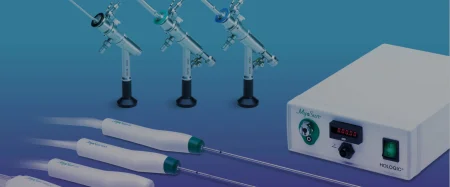
NeuroVision
1 in the library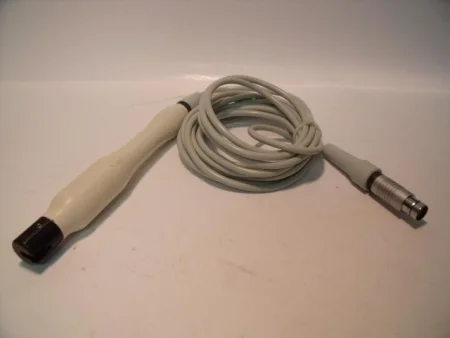
Octopus
1 in the library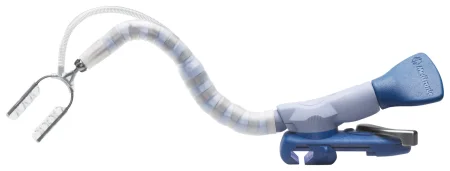
Omni-Tract Table Mounted Retractor Systems
1 in the library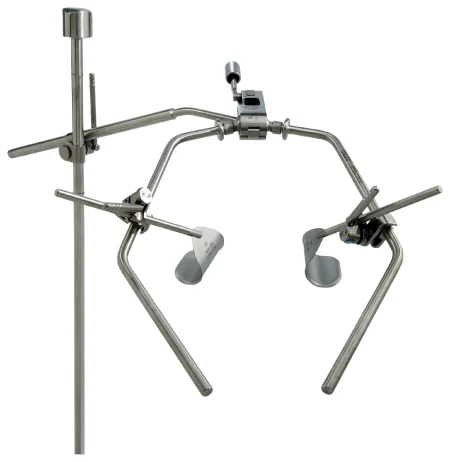
Scanlan International
1 in the library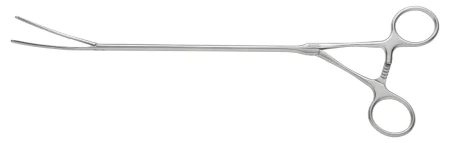
SherpaPak Cardiac Transport System
1 in the library
Spectranetics
1 in the library
Starfish
1 in the library
Stryker
1 in the library
cryoICE
1 in the library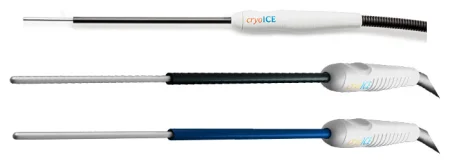
Blade numbers, which nobody can browse for
A directory will tell you what a knife handle is. It will not tell you which blade goes on it, and that is the thing you get asked at the field. Four blades cover almost everything you will open.
- #10The workhorse. Large skin incisions, laparotomy, anything that needs a long clean cut.
- #11The stab blade. A sharp point for precise entry: abscesses, arteriotomy, stab incisions for ports.
- #12The hook. A crescent-shaped blade for suture cutting and work inside tight spaces.
- #15The small curve. Short, precise incisions and fine dissection, common in plastics and hands.
The handles matter as much as the blades. A #3 takes the 10, 11, 12 and 15 for shallow work; a long #3 puts the same blades somewhere deep; a #7 is the slim one for tight spaces. Learn the pairing and the question stops being a question.
Telling the near-identical apart
Nobody confuses a retractor with a suction tip. What costs you time at the table is the pairs that look alike in a tray, and every one of them comes down to a single distinguishing feature.
- Curved versus straight Mayo. Curved cuts tissue, straight cuts suture. If it is going near a patient it is curved; if it is going near a knot it is straight.
- Mayo versus Metzenbaum. Mayos are short and heavy for dense tissue. Metzenbaums are long-shanked with short blades, for delicate dissection. The blade-to-shank ratio is the tell.
- Kelly versus Crile. Both are hemostats. Crile serrations run the full jaw; Kelly serrations run only part way. Kelly is also the longer of the two.
- Allis versus Babcock. Allis has teeth and grips hard, so it goes on tissue coming out. Babcock is smooth and rounded, so it goes on bowel that has to survive.
- Adson versus Adson Brown. Adson has one or two fine teeth for skin. Adson Brown has multiple small teeth in rows, for holding delicate tissue without crushing it.
Sutures follow their own backwards logic worth stating once: the bigger the number, the smaller the thread. A 5-0 is finer than a 2-0, and an 11-0 is microsurgery. Tapered needles push through soft tissue; cutting needles have an edge for skin and anything tough.
Names are the first layer.
The 54 basic instruments
The core set every program teaches first, with a photo and a use for each one. If you are studying for an identification test, start there rather than here.
In contextSee them on a real table
Knowing an instrument is not the same as knowing where it goes. Hundreds of real back tables and mayo stands, laid out case by case.
Free with an accountWrite up your own
Build a setup from the instruments you actually use in your rotation. Yours to keep, and your classmates can read it.